Mom's Best Recipes
Recipe

Glow Moisturizer

A fast, beginner-friendly DIY moisturizer that gives a soft, healthy glow with a lightweight, non-greasy feel.

Author By Matt Campbell
4.8
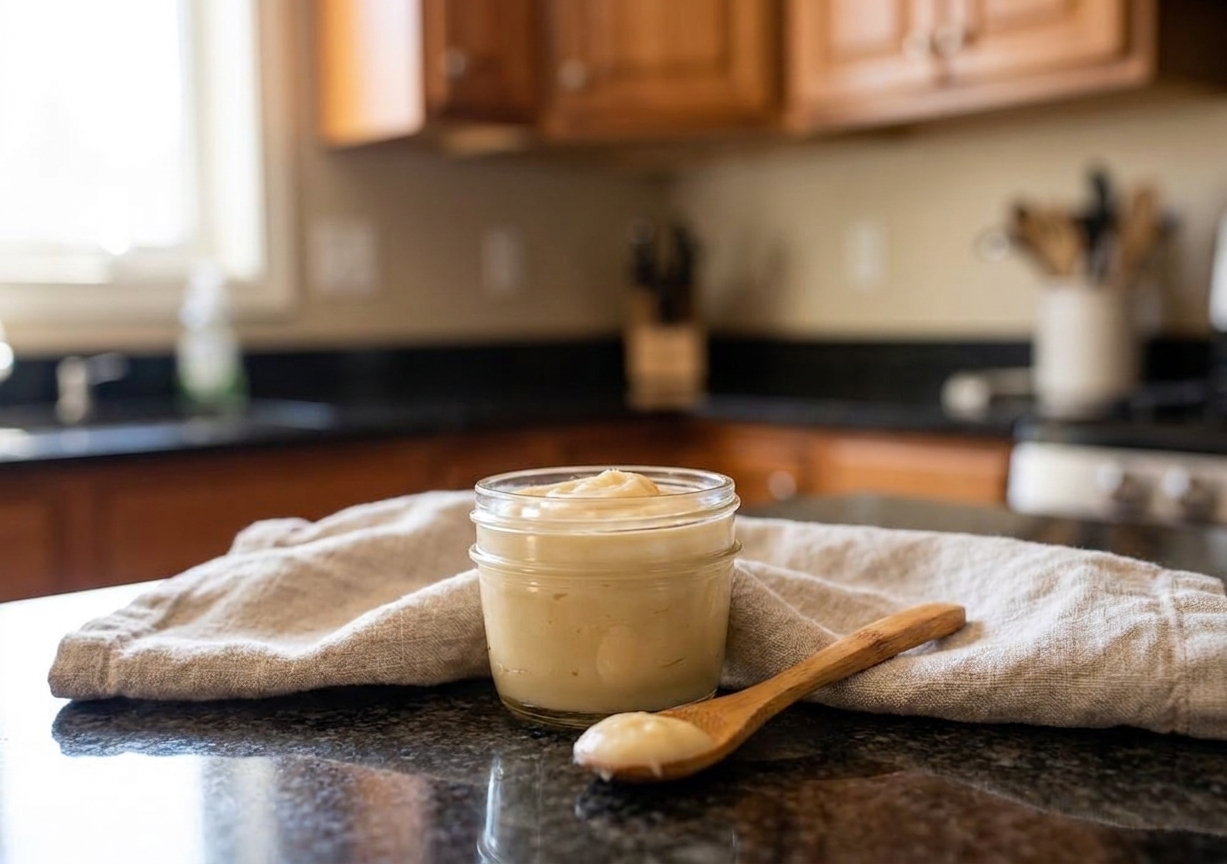
A small glass jar of pale golden homemade glow moisturizer on a clean kitchen counter next to a wooden spoon and a folded linen towel, soft natural window light

I love a recipe that makes you pause mid-bite and go, okay wow. This is that energy, but for your face. This glow moisturizer is basically the skincare version of buttered toast done right: simple, comforting, and weirdly satisfying.

It is a small-batch, DIY moisturizer you can whip up with a few accessible ingredients, a bowl, and a little patience. The finish is dewy, not disco. The texture is cushy, not greasy. And the whole thing is built around oils and butters that feel comfortable on skin, instead of just sitting there like an awkward shiny mask.

If you are used to seeing food here, think of this as part of the same homemade ethos: simple ingredients, clear steps, and a cozy little project you can finish before your coffee gets cold.

Quick note: I am not a dermatologist. If you have sensitive skin, acne-prone skin, or allergies, patch test first and skip essential oils. If you are pregnant or under medical care, check with your clinician before adding any actives or botanicals.

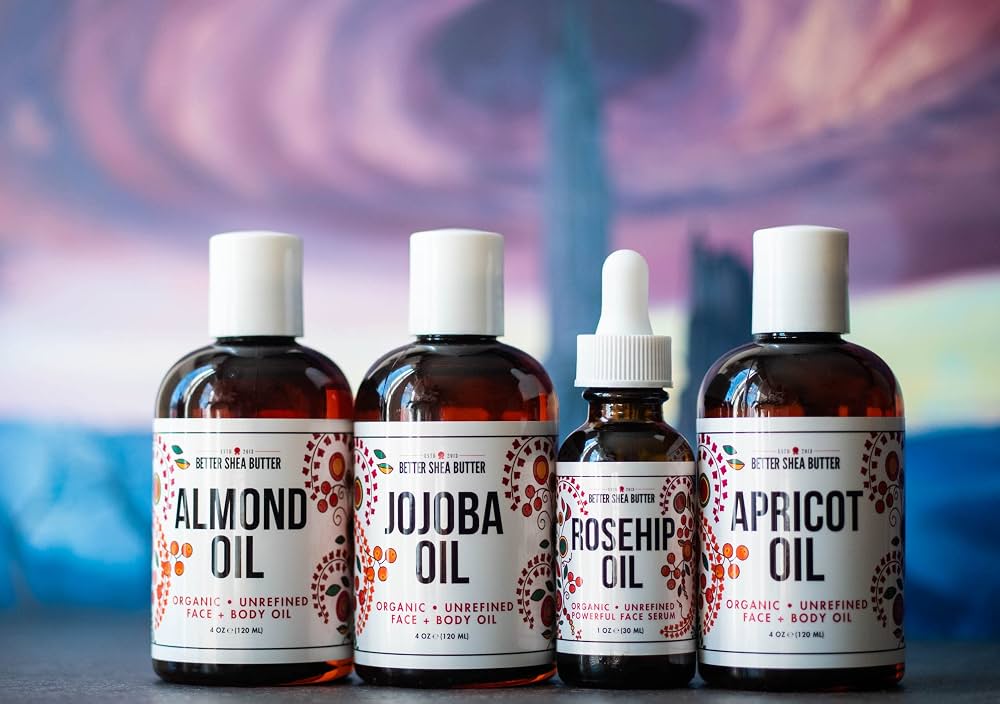
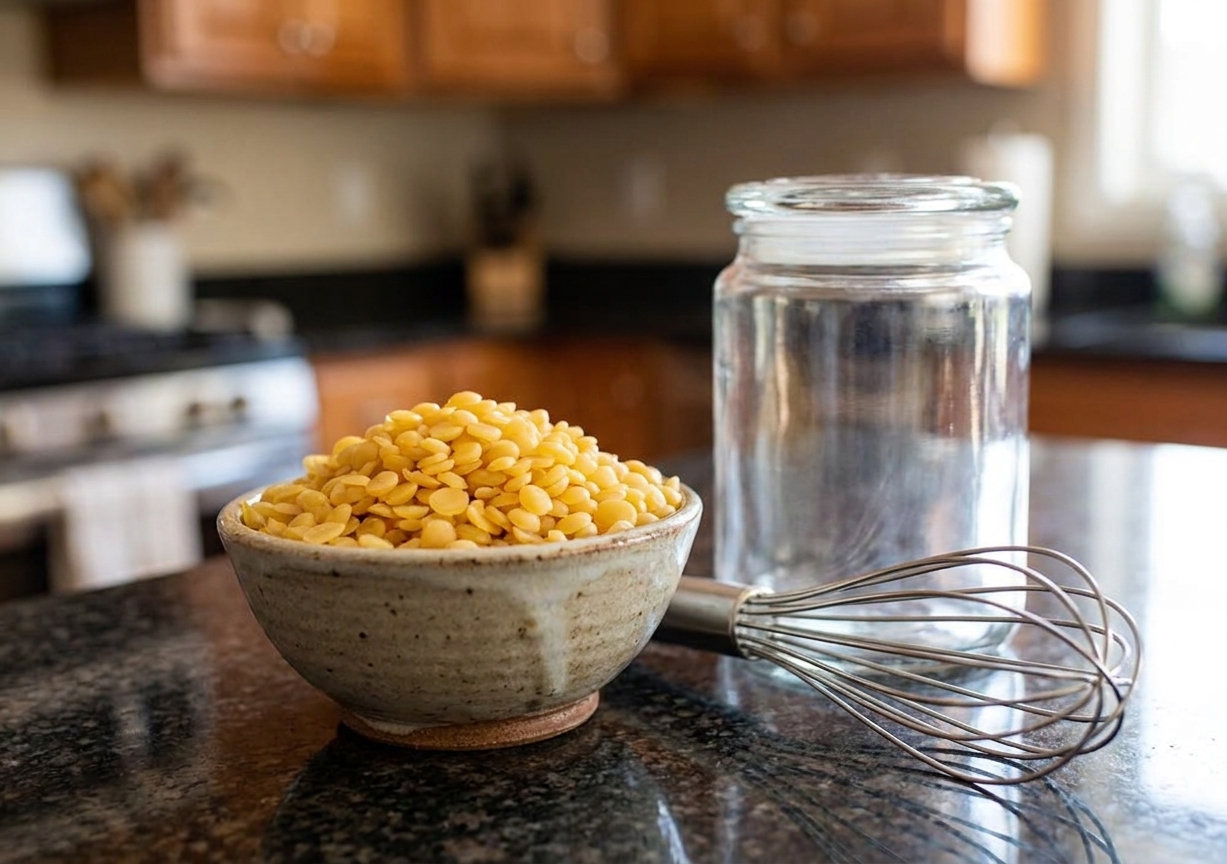
A small grouping of ingredients on a kitchen counter: a bowl of shea butter, a bottle of jojoba oil, a bottle of rosehip oil, and a small dish of beeswax pellets in warm natural light

Why It Works

  • Glow without grease: Jojoba is a liquid wax ester with a composition similar to parts of human sebum, so it often feels lighter than heavier butters alone.
  • Plump, cozy texture: Shea butter adds cushion and helps seal in moisture, especially if you feel dry or tight after washing.
  • Silky set: A little beeswax gives structure so the cream holds up in a jar and spreads cleanly without melting instantly.
  • Customizable: You can nudge it richer for winter, lighter for summer, and tweak the “glow” by adjusting rosehip.

Pairs Well With

Storage Tips

Jar life: Store in a clean, dry jar with a tight lid. Keep water out of it. Water is the fast track to problems.

Where to keep it: A cool, dark cabinet is ideal. If your kitchen runs warm, refrigerate for a firmer texture.

How long it lasts: Because this is an anhydrous formula (no water), it often lasts about 3 to 6 months when made with fresh oils and used with clean, dry fingers or a small spatula. Heat, light, older oils, and “double dipping” can shorten that window. Vitamin E can help slow oxidation, but it is not a preservative.

What to watch for: In a water-free balm, rancidity (a stale, crayon-like or bitter oil smell) and color change are more common than mold. If it smells off, stings, or the texture seems wrong in a way you cannot fix by re-melting and re-whipping, toss it.

Travel tip: In hot weather, this can soften. Pop the jar in the fridge for 20 minutes to reset the texture before packing.

Common Questions

Can I use this on my face and body?

Yes. It is designed with simple, widely used oils and butters, and it also works great on hands, elbows, and anywhere you want that soft glow. If you are acne-prone, start with drier zones first (cheeks, temples, around the nose) and see how your skin reacts.

Will this clog pores?

Everyone’s skin is different, and this is a balm-style moisturizer (butter + oil + wax), which can feel too occlusive for some faces. Jojoba is a liquid wax ester that is compositionally similar to some components of human sebum, so many people find it comfortable. Shea can be too rich for others. If you break out easily, try the lighter variation: reduce shea to 2 tablespoons (about 28 g) and increase jojoba by 1 tablespoon (about 14 g). You can also use it only at night, as a spot moisturizer, or mix a rice-grain amount into your regular water-based lotion in your palm.

Do I need preservatives?

Not for this specific formula, since there is no water. That said, anhydrous products can still go “off” from contamination and oxidation. Vitamin E helps slow oxidation (it is an antioxidant, not a preservative). Keep this one oil-and-butter only. The moment you add aloe, hydrosols, or anything water-based, you need a broad-spectrum preservative and proper formulation.

Can I add essential oils?

You can, but you do not have to. If you choose to, keep it very low. For this batch, 2 to 4 total drops is plenty. Many essential oils can irritate or sensitize skin. Also note that some cold-pressed (expressed) citrus oils can be phototoxic (especially bergamot, lime, and lemon), meaning they can increase the risk of sun sensitivity and discoloration. If you use any essential oils, keep this as a night product, avoid eye area, and patch test.

Why did mine turn grainy?

Shea butter can crystallize if it cools slowly. Re-melt gently, then chill the bowl in the fridge for 10 minutes and whip again for a smoother texture.

Can I make it fully vegan?

Yes. Swap beeswax for candelilla wax at a lower amount (it is firmer). Start with 1 teaspoon candelilla and adjust next batch if you want it softer.

Where does this go in a skincare routine?

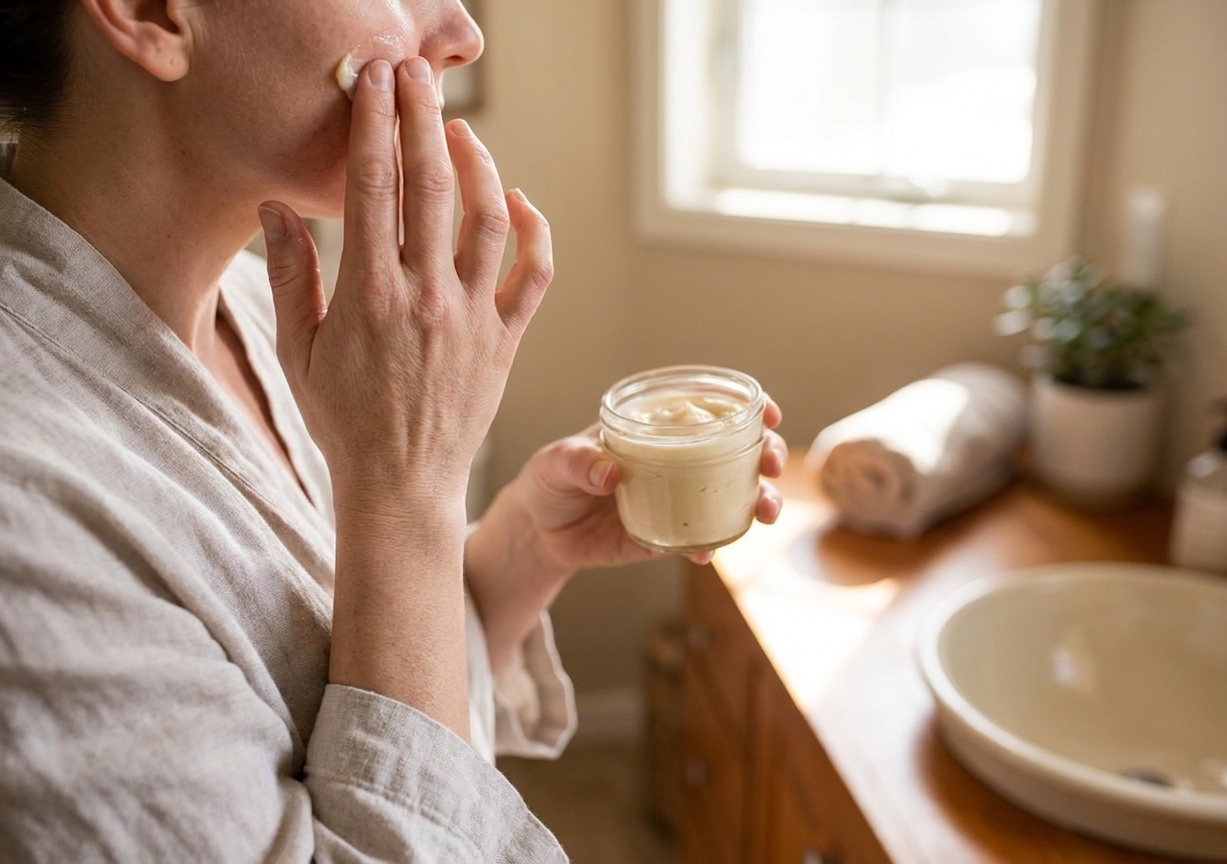
Think of this like the “last step seal.” Use it after water-based steps (toner, serum, gel moisturizer) to lock in comfort. If you use it in the morning, let it absorb, then finish with sunscreen. Always wear sunscreen during the day, especially if you use products that make your skin more reactive.

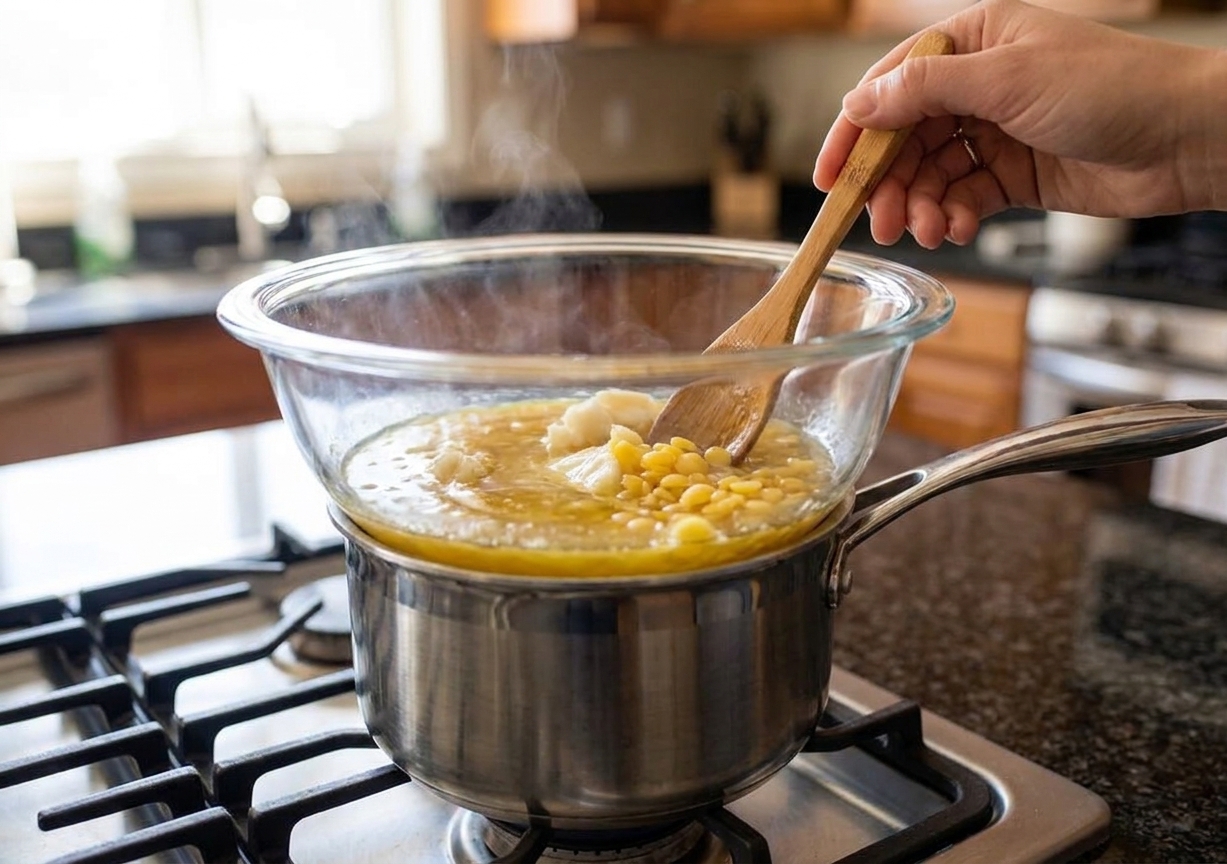
I did not take the straight path into the culinary world. I chased the hands-on route, the practical skills, the learning-by-doing. This moisturizer scratches that same itch for me. It is a tiny, satisfying batch project that feels like cooking: melt, whisk, cool. Only in this case, the “taste” is a patch test on your wrist, and the win is catching your reflection later and realizing your skin looks rested even if your week did not.