Mom's Best Recipes
Recipe

Gluten Free Bread for Bread Maker

A soft, sliceable gluten free loaf with a light crust, made specifically for bread machines with simple pantry ingredients and no weird steps.

Author By Matt Campbell
4.8
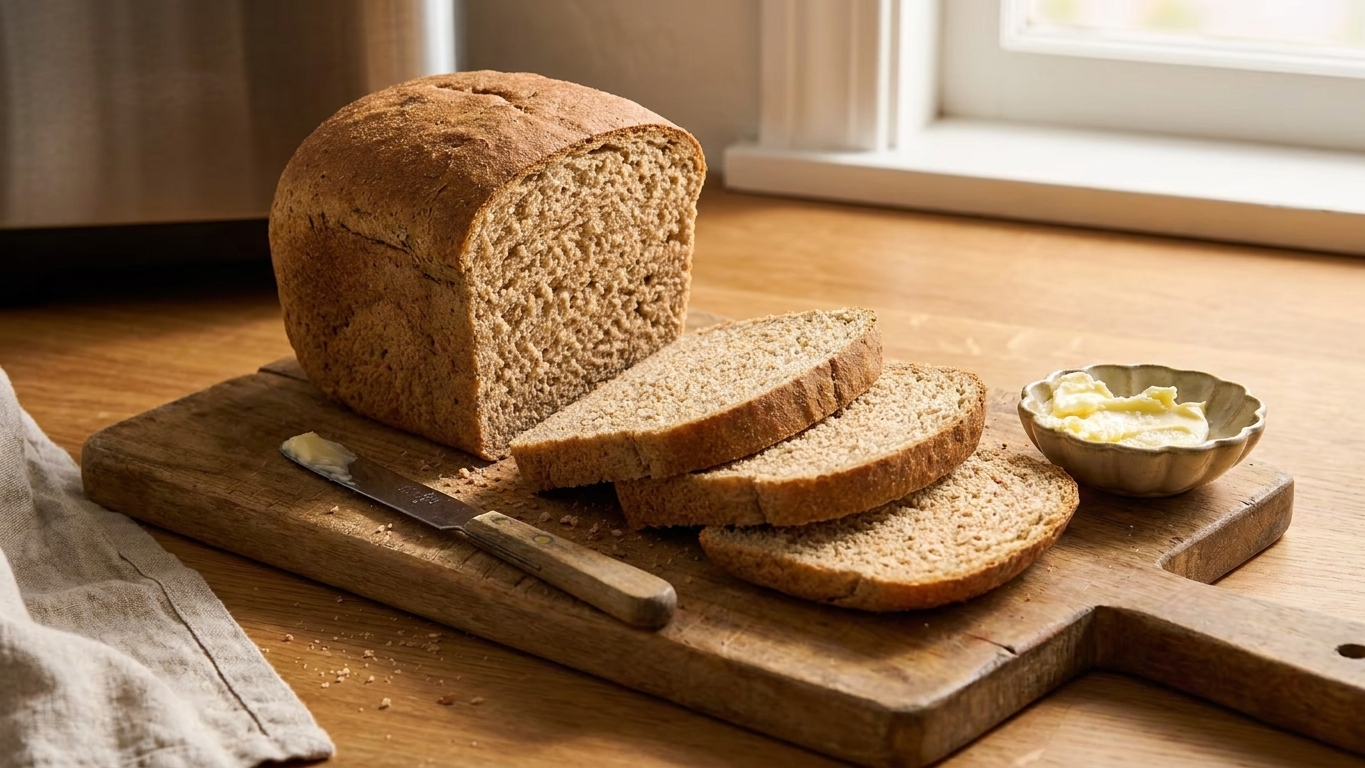
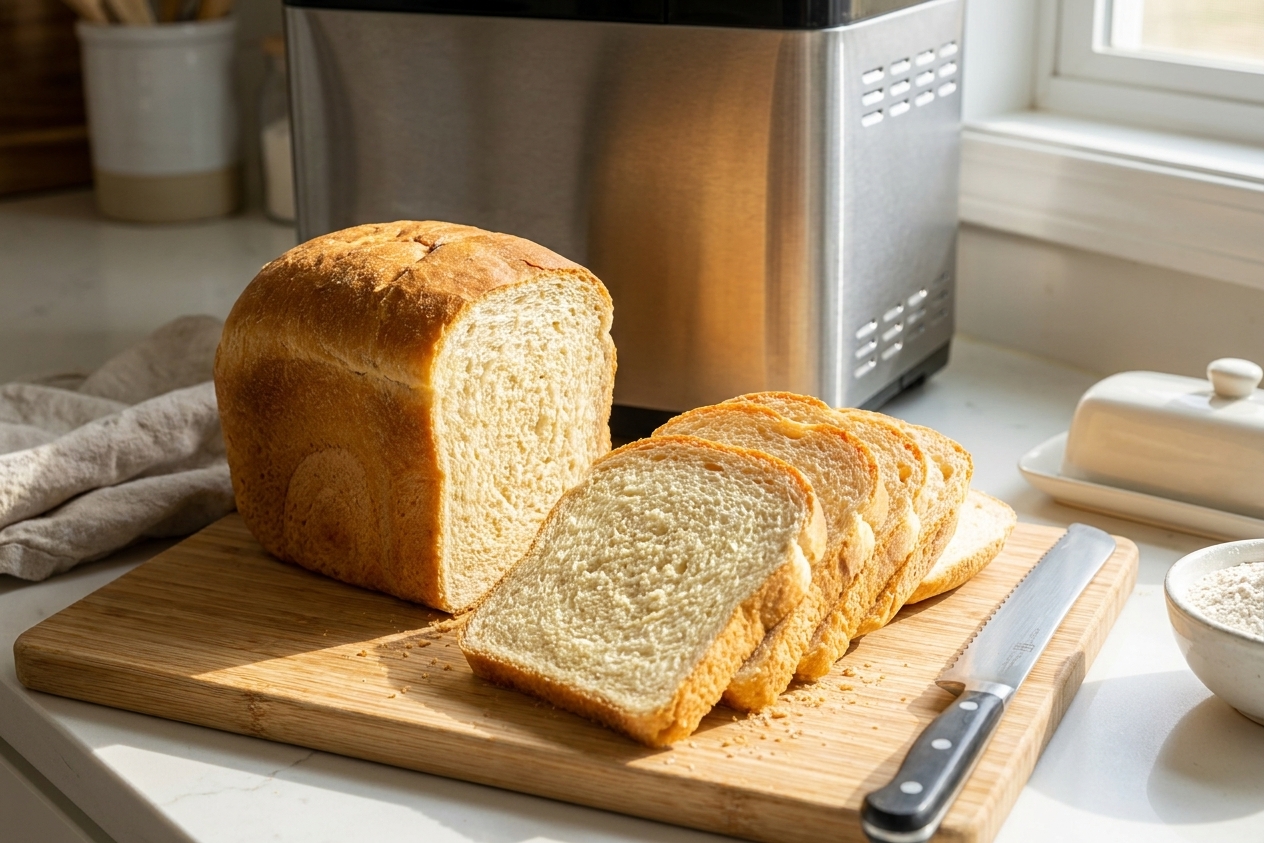
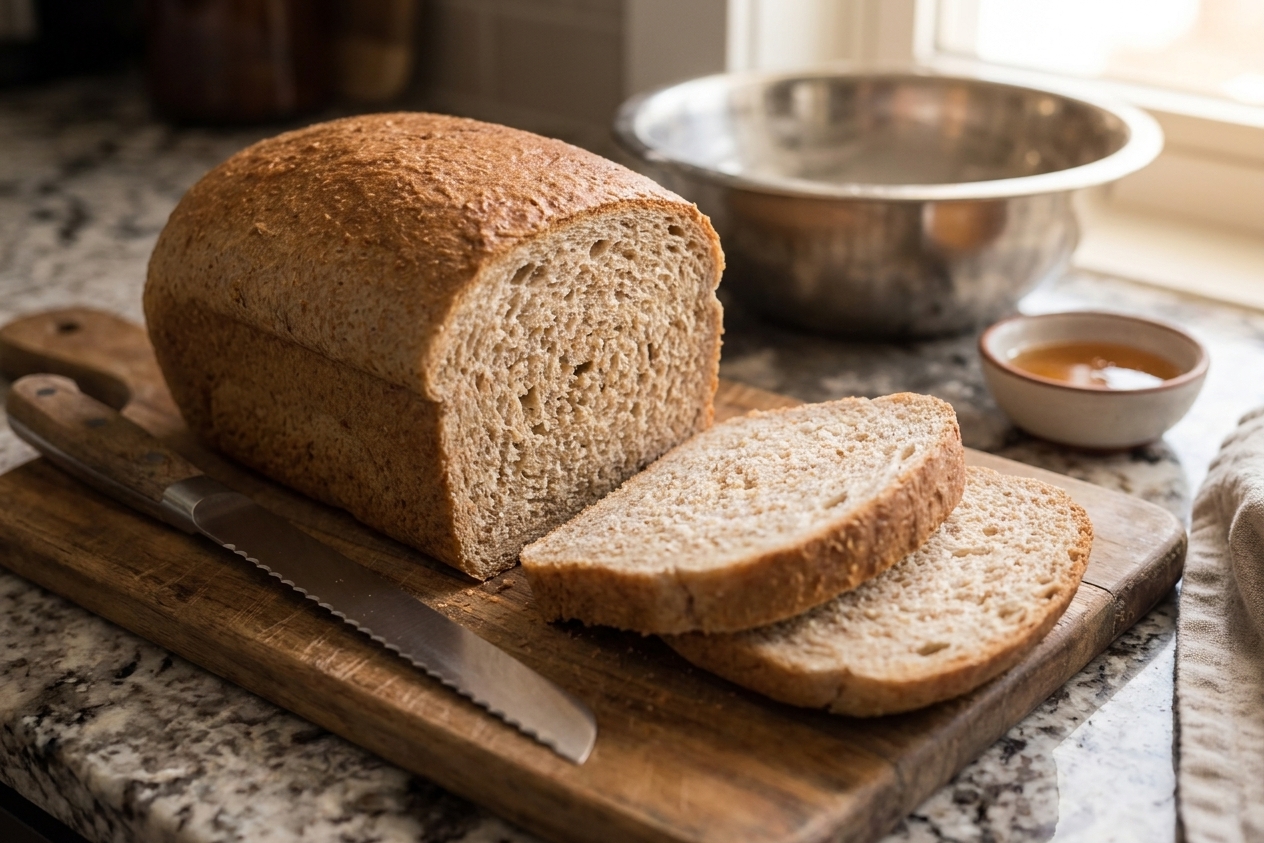
A golden brown gluten free sandwich bread loaf resting on a wooden cutting board with a few slices cut, crumbs visible, on a bright kitchen counter

Gluten free bread in a bread maker can feel like one of those kitchen gambles where you load the pan, press a button, and then spend the next two hours hoping you do not open the lid to a sad crater. Been there. The good news is: once you treat gluten free dough like the thick batter it is, not a kneadable dough, your bread machine becomes a very dependable little loaf factory.

This recipe is built for a standard 1.5-pound loaf and uses an easy-to-find gluten free flour blend. You get a soft, sandwich-friendly crumb, a gentle chew, and a crust that actually browns. Also, I am giving you a couple of small checks that prevent the two classic issues: gummy centers and collapsed tops.

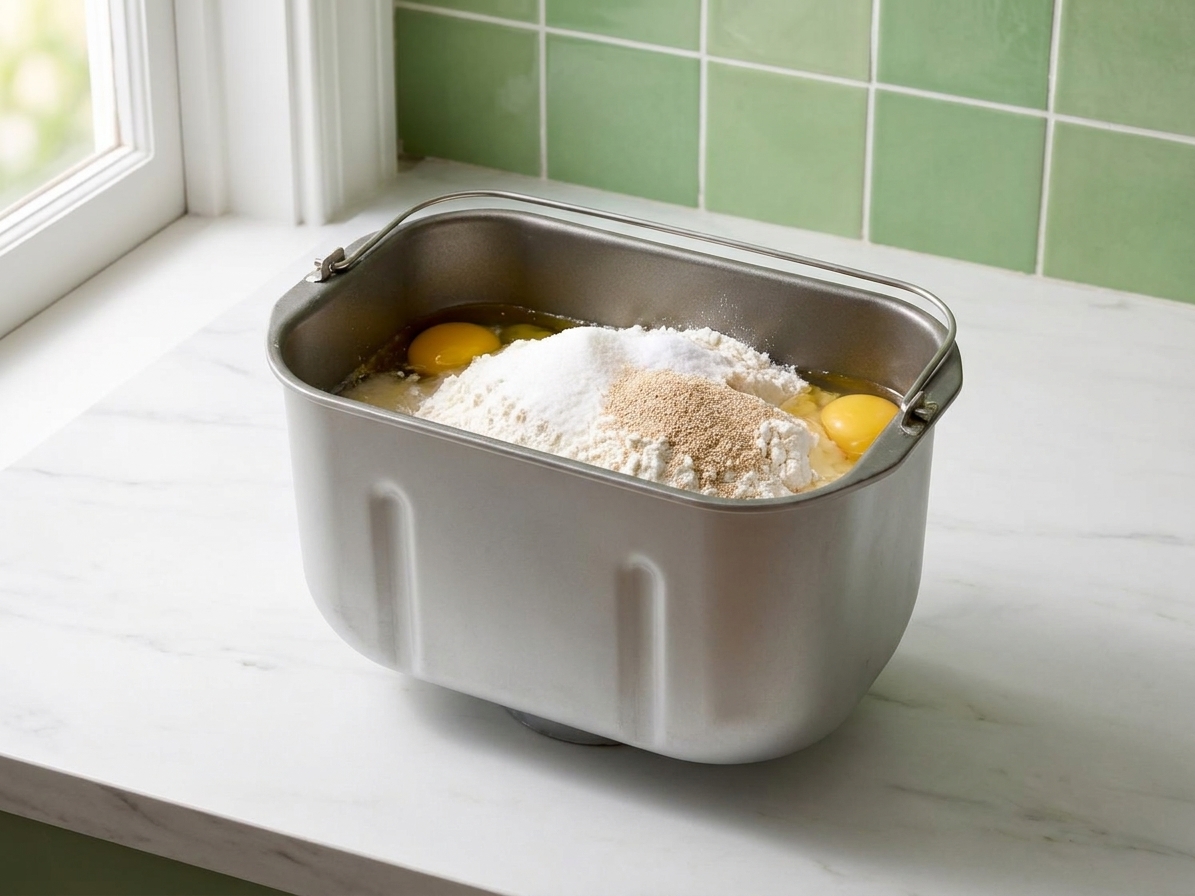
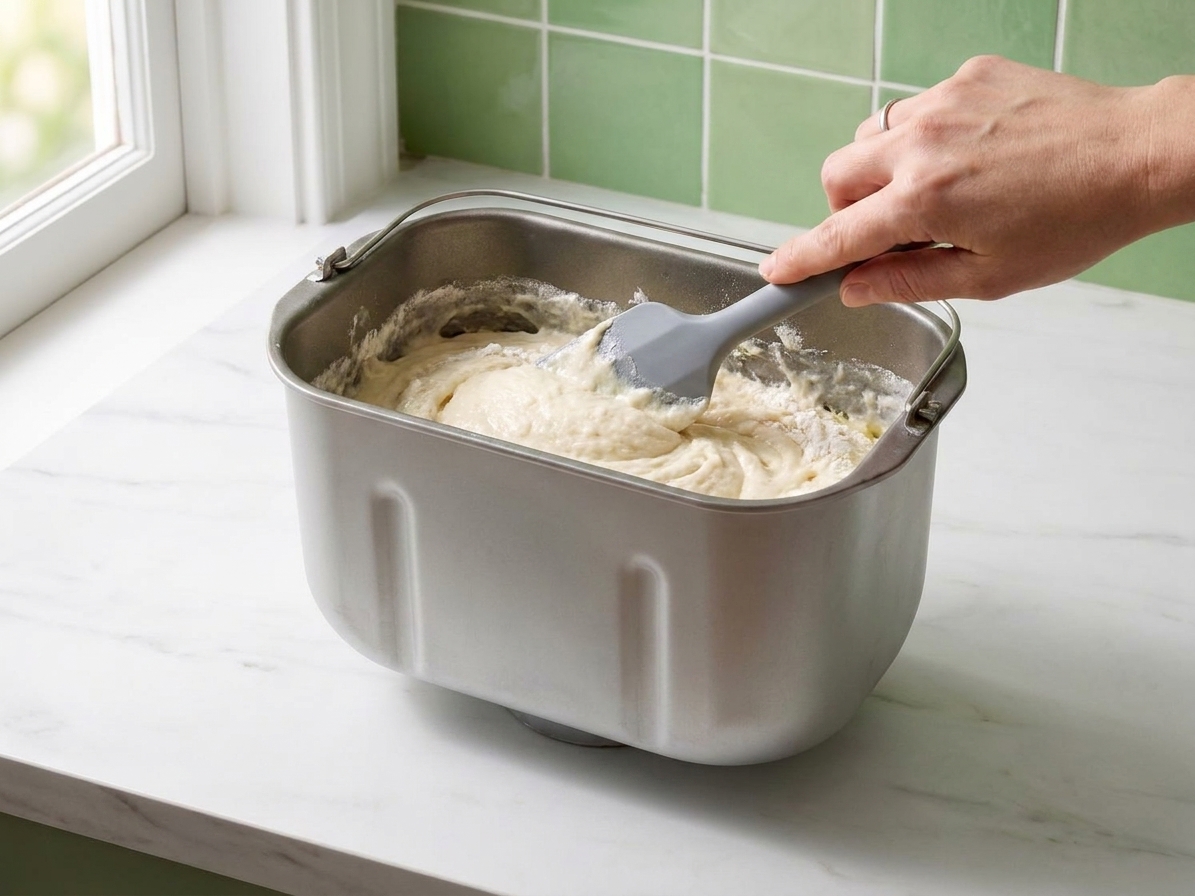
Bread machine pan filled with wet ingredients and dry ingredients layered on top before mixing, sitting on a kitchen counter

Why It Works

  • Designed for bread machines: This formula is mixed like a batter and rises on a schedule that matches many gluten free bread machine cycles.
  • Psyllium for structure: Psyllium husk adds elasticity and moisture retention, so slices bend instead of shattering.
  • Eggs plus vinegar: Eggs help lift and set the crumb. A little vinegar can brighten flavor and may help the loaf rise and brown nicely.
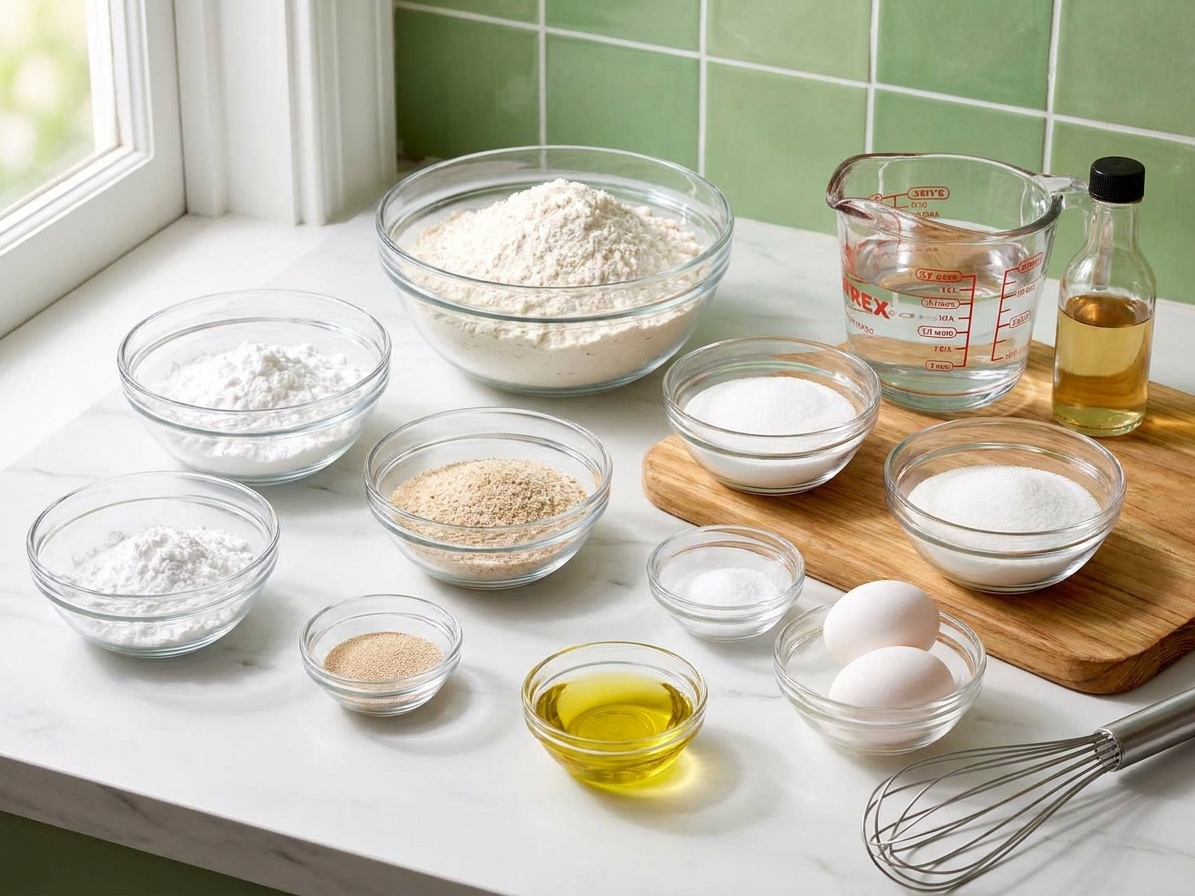
  • Weights included: Gluten free baking is wildly sensitive to measuring. Using grams keeps the loaf consistent.
  • Realistic texture goals: Expect a tender sandwich loaf, not an airy artisan boule. The win is sliceable, not crumbly.

Pairs Well With

Storage Tips

Gluten free bread stales faster than wheat bread, so storage is half the recipe.

Cool it all the way

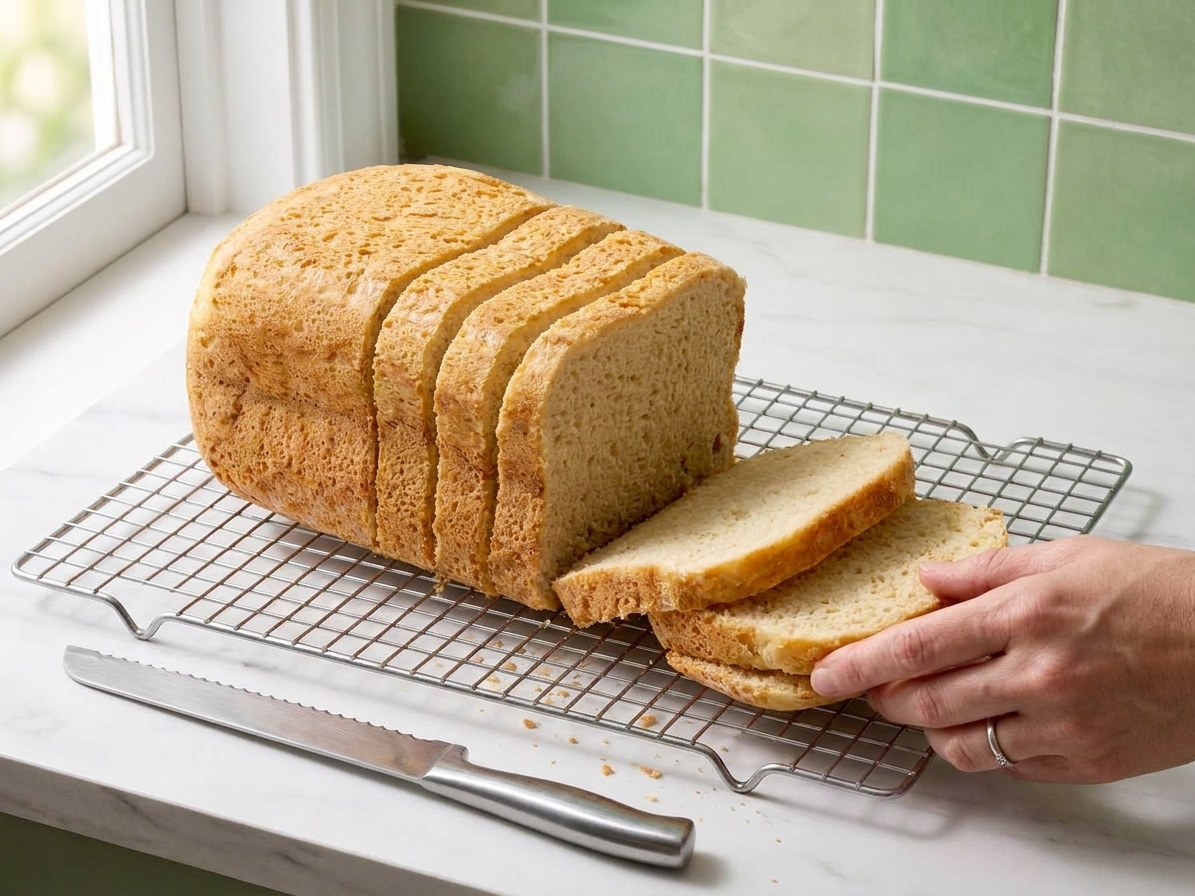
Let the loaf cool on a rack for at least 2 hours before slicing. Cutting early traps steam and can make the inside gummy.

Counter storage

Store sliced bread in a sealed bag or container at room temperature for up to 2 days. Add a paper towel in the container if your kitchen is humid.

Best move: freeze slices

Slice the fully cooled loaf, place parchment between slices, and freeze in a zip-top bag for up to 2 months. Toast straight from frozen for the best texture.

Refresh

If slices feel a little dry, toast them or warm them in a skillet with a tiny bit of butter or olive oil. Gluten free bread loves a reheat.

Common Questions

Do I need a gluten free setting on my bread maker?

It helps, but it is not required. Use the gluten free cycle if you have it. If not, choose a cycle with one main rise and a shorter bake, often labeled Quick or Rapid. (Cycles vary by model, so your best “backup” option might be slightly different.) Avoid cycles with long kneading and multiple rises.

Why did my loaf sink in the middle?

Common causes are too much liquid, over-proofing from a very warm kitchen, or too much yeast. Start by weighing flour, and use water that is warm, not hot, around 100°F to 110°F. Also, scrape down the corners after the first mix so the structure is even.

Why is my gluten free bread gummy?

Usually it is sliced too soon or underbaked. Cool completely before slicing. If your machine allows, choose a darker crust setting or add 5 to 10 minutes of bake time. Also, measure water carefully because extra liquid can leave a wet crumb.

Can I make this egg-free?

Eggs do a lot of the heavy lifting here for lift and structure. If you need egg-free, you can try replacing the 2 eggs with 1/2 cup aquafaba and adding 1 extra tablespoon psyllium husk. Depending on your flour blend and machine, you may also need to reduce water by 15 to 25 g and/or add a few extra minutes of bake time. Expect a slightly denser loaf.

What flour blend should I use?

Use a 1:1 gluten free baking flour that contains rice flour and starches. If your blend does not include xanthan gum, add it as listed. Different blends absorb water differently, so the batter should look like thick cake batter, not a firm dough ball.

Can I use psyllium powder instead of whole husk?

Yes, but it can behave a little differently. Psyllium powder tends to absorb faster and can thicken more than whole husk, depending on the brand and grind. If you use powder and the batter looks overly stiff during mixing, add water 1 tablespoon at a time. If you use whole husk and the batter looks loose, give it an extra minute to hydrate before adding more flour.

Can I add seeds or herbs?

Yes. Add up to 1/3 cup seeds (sunflower, pumpkin, sesame) or 1 to 2 teaspoons dried herbs. Add-ins go in after the initial mix if your machine has a mix-in beep, or sprinkle them in once the batter is combined.

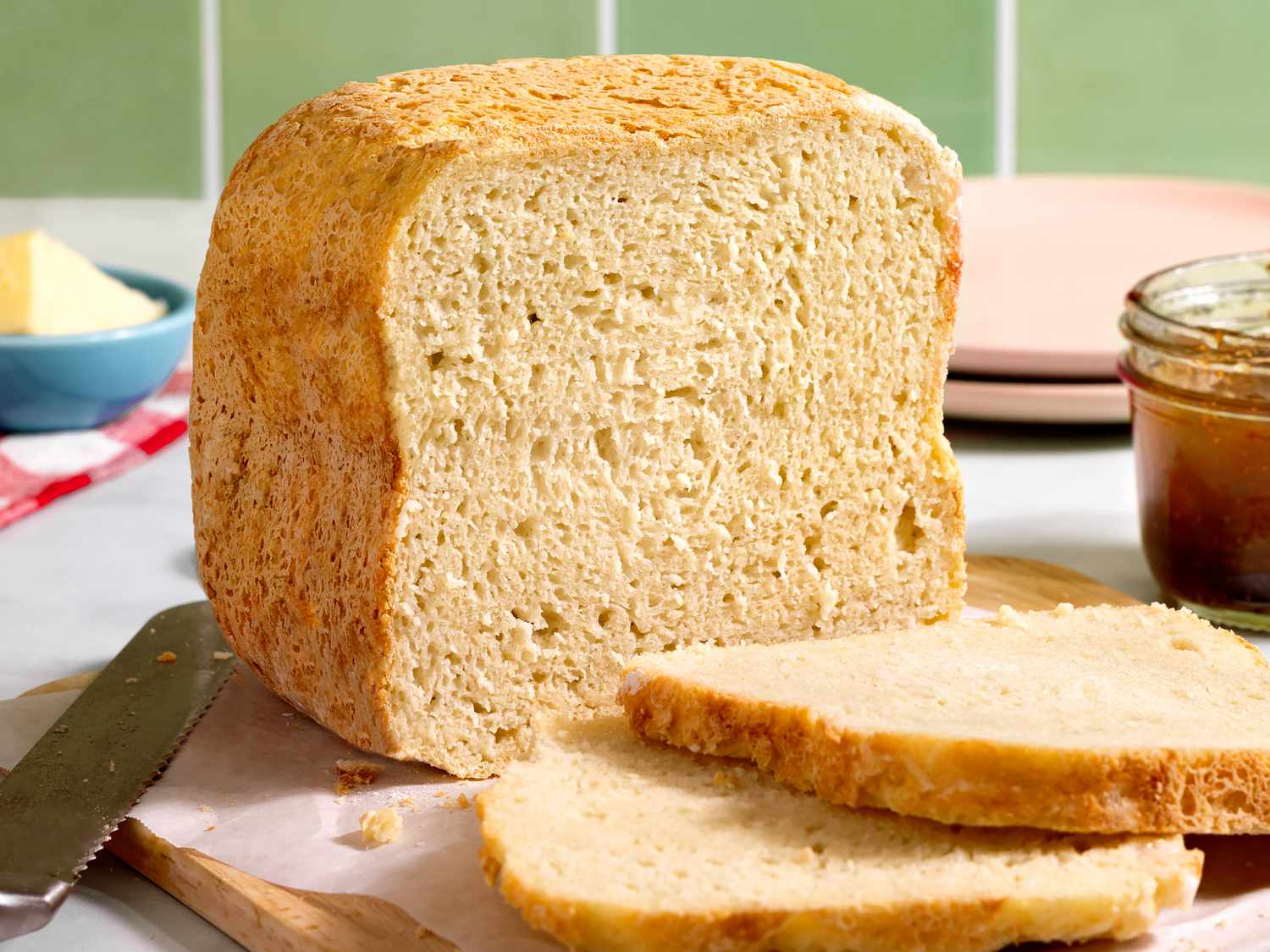
I wanted gluten free bread to be a “dump it in and walk away” situation, because that is the whole point of owning a bread maker. My early loaves were… unpredictable. Sometimes gorgeous, sometimes a gummy brick that could double as a doorstop. The turning point was treating gluten free dough like batter and getting serious about two things: a scale and a quick scrape-down after mixing. Now it is the kind of loaf I keep in the freezer in slices, so weekday breakfasts feel suspiciously put together even when I am not.