Mom's Best Recipes
Recipe

Gluten-Free Pasta

A weeknight-friendly gluten-free pasta dinner with a clingy garlic-butter tomato sauce and the simple tricks that keep GF noodles springy.

Author By Matt Campbell
4.8
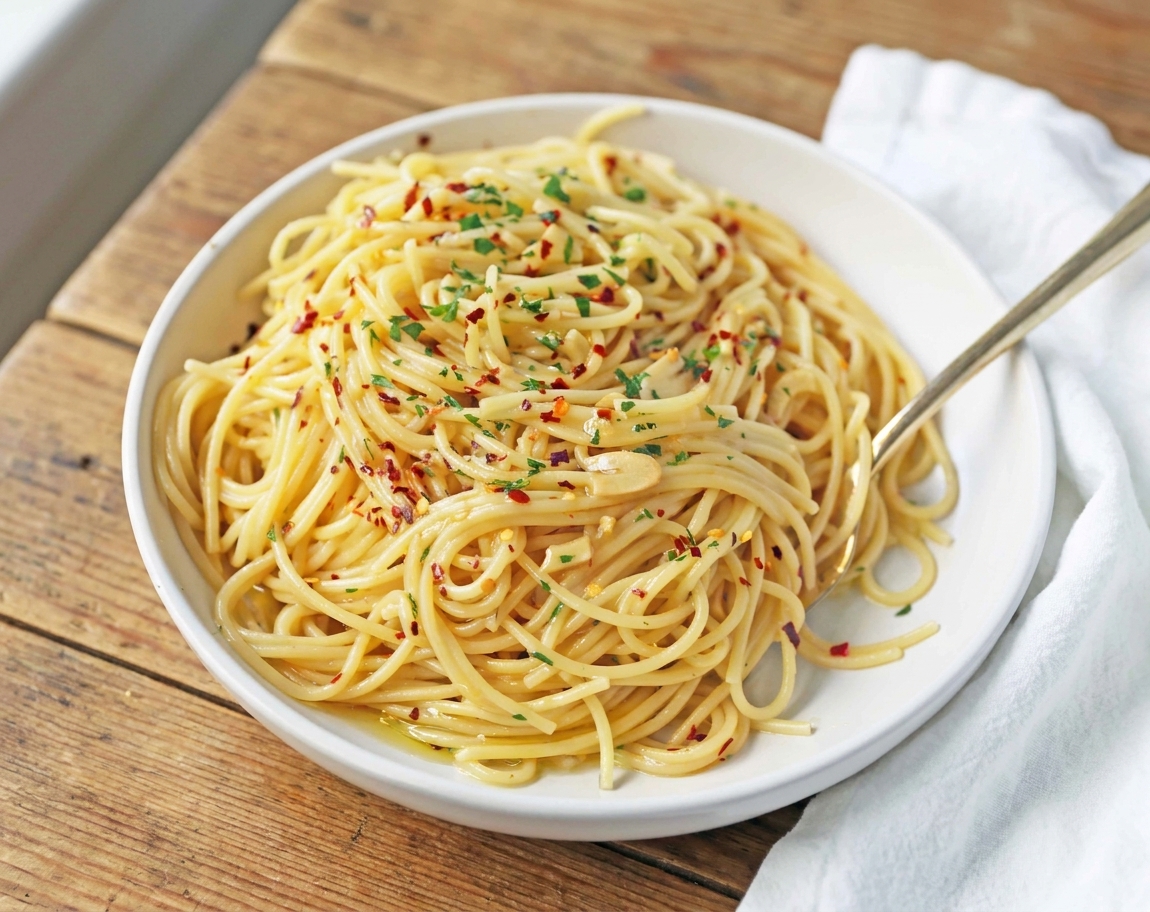
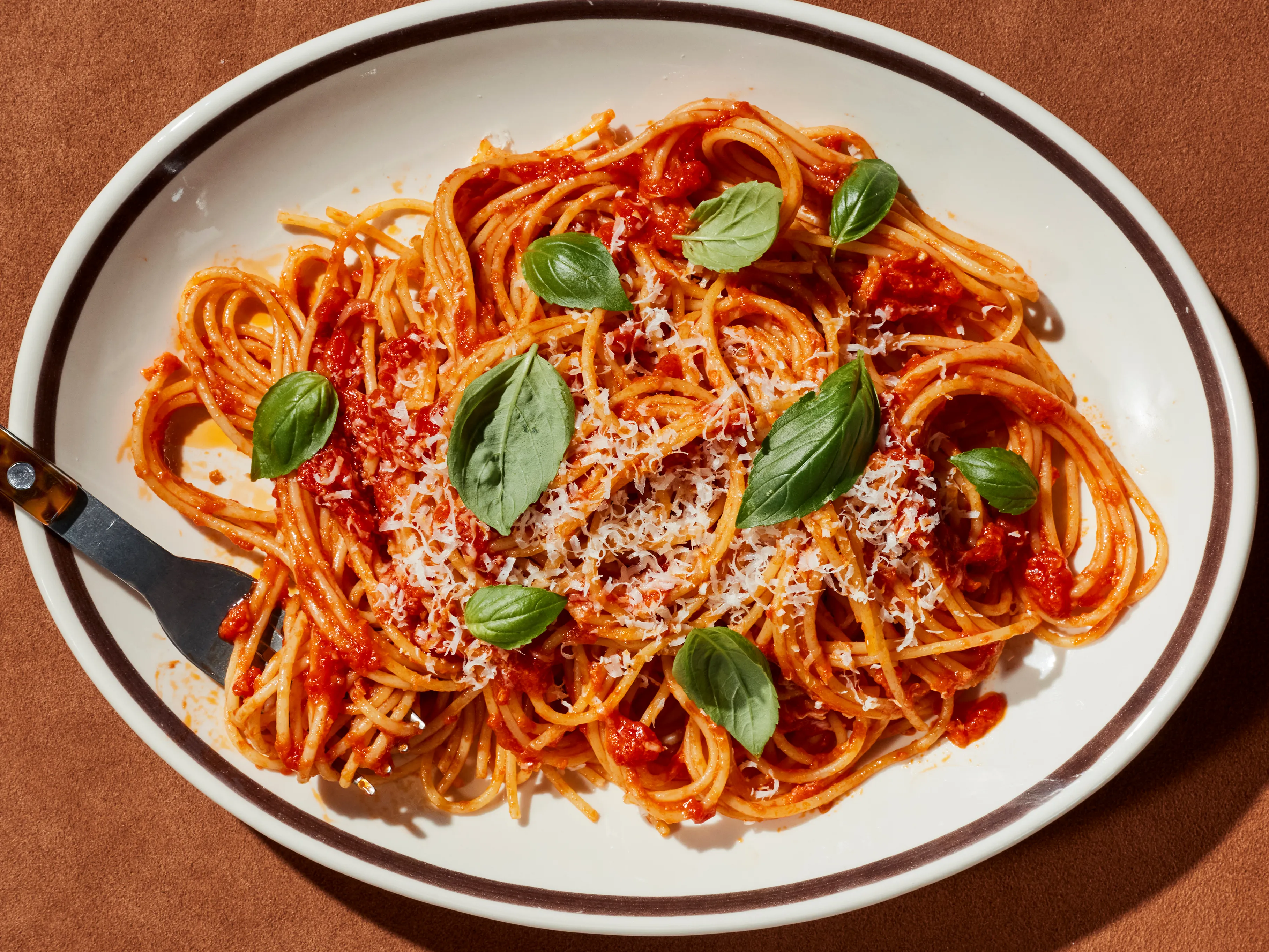
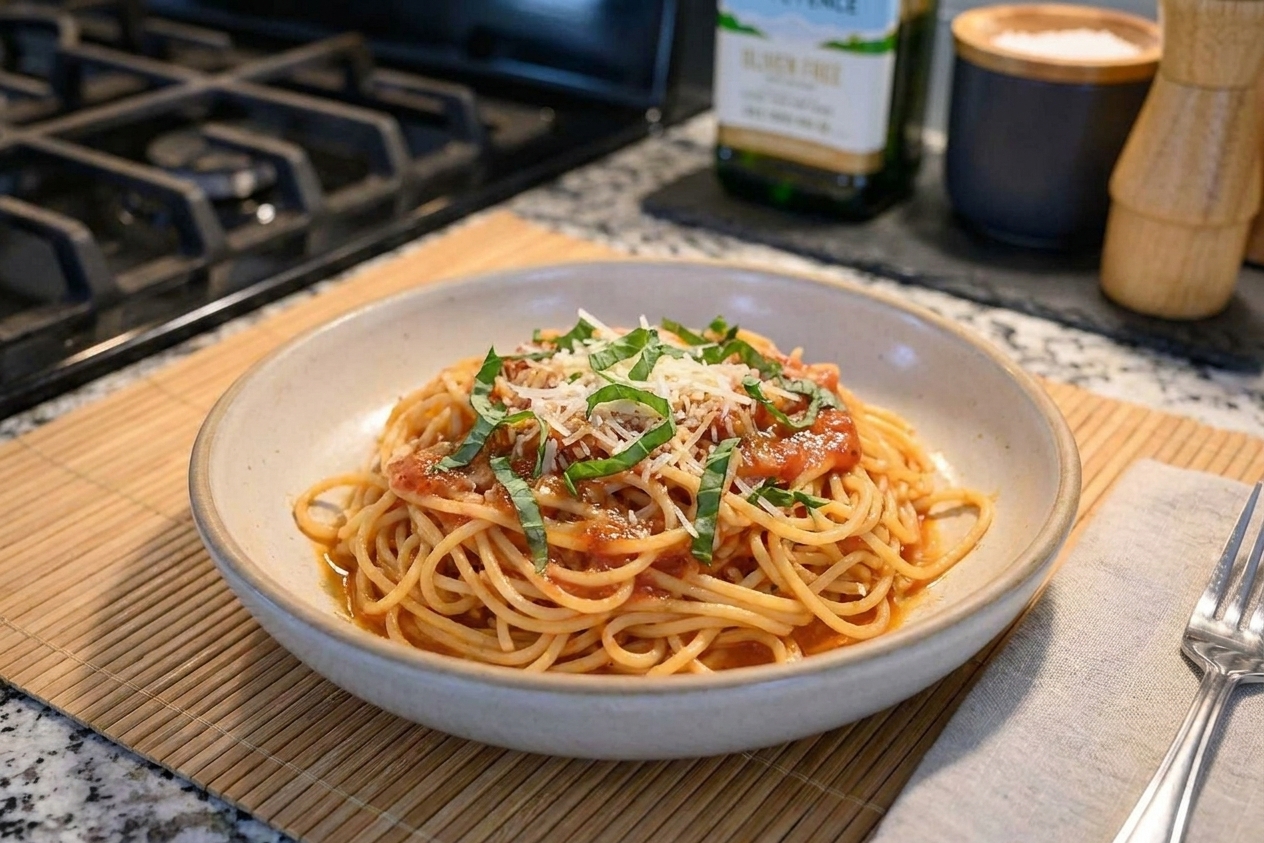
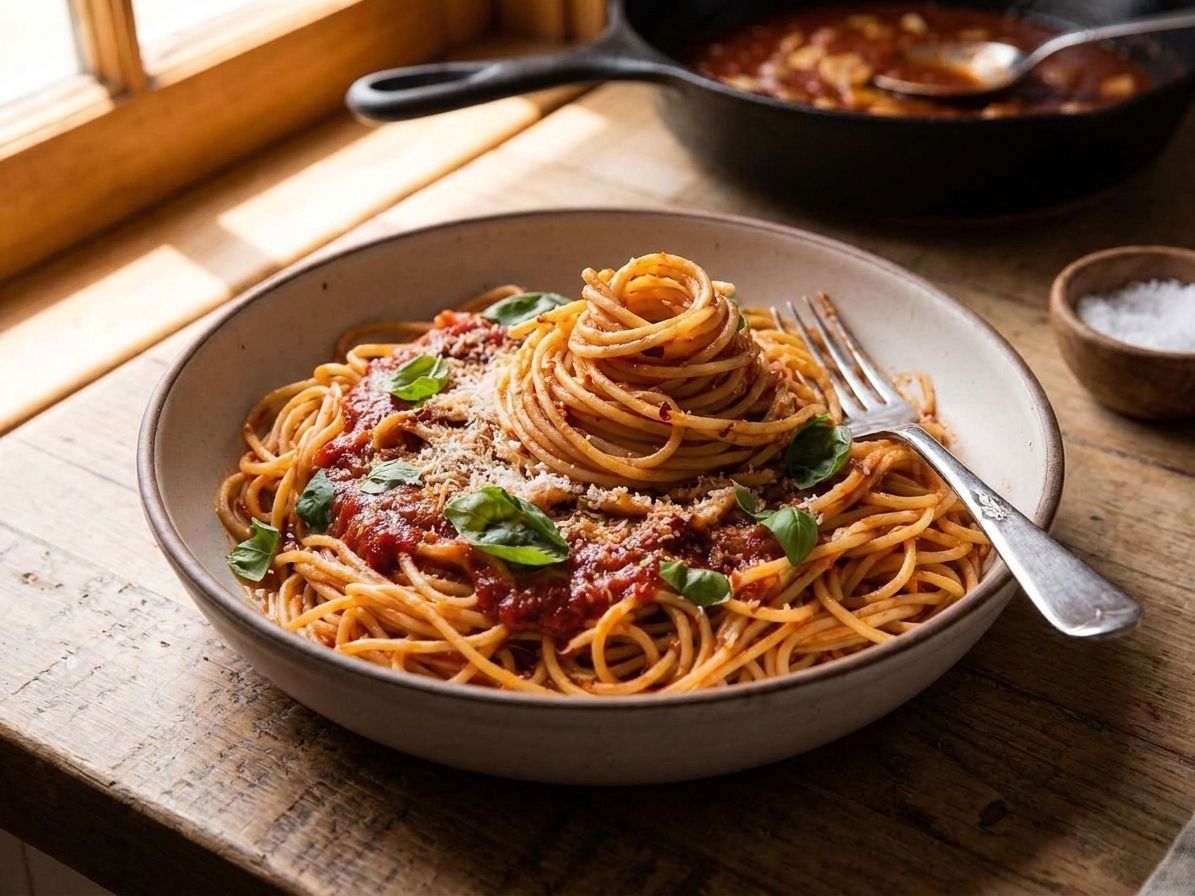
A shallow bowl of gluten-free spaghetti coated in glossy tomato-garlic butter sauce, topped with basil and grated Parmesan on a warm kitchen table with soft natural light

Gluten-free pasta has one job: feel like pasta. Not like wet shoelaces. Not like a science fair project. Just a cozy bowl of noodles with a sauce that actually clings and a texture that makes you go back for another forkful.

This recipe is my go-to when I want comfort fast, but I also want the little details that make it taste like you cared. We are doing a bright, garlicky tomato-butter sauce with basil and Parmesan. It is pantry-friendly, weeknight-friendly, and extremely “stand over the stove and taste it five times” friendly.
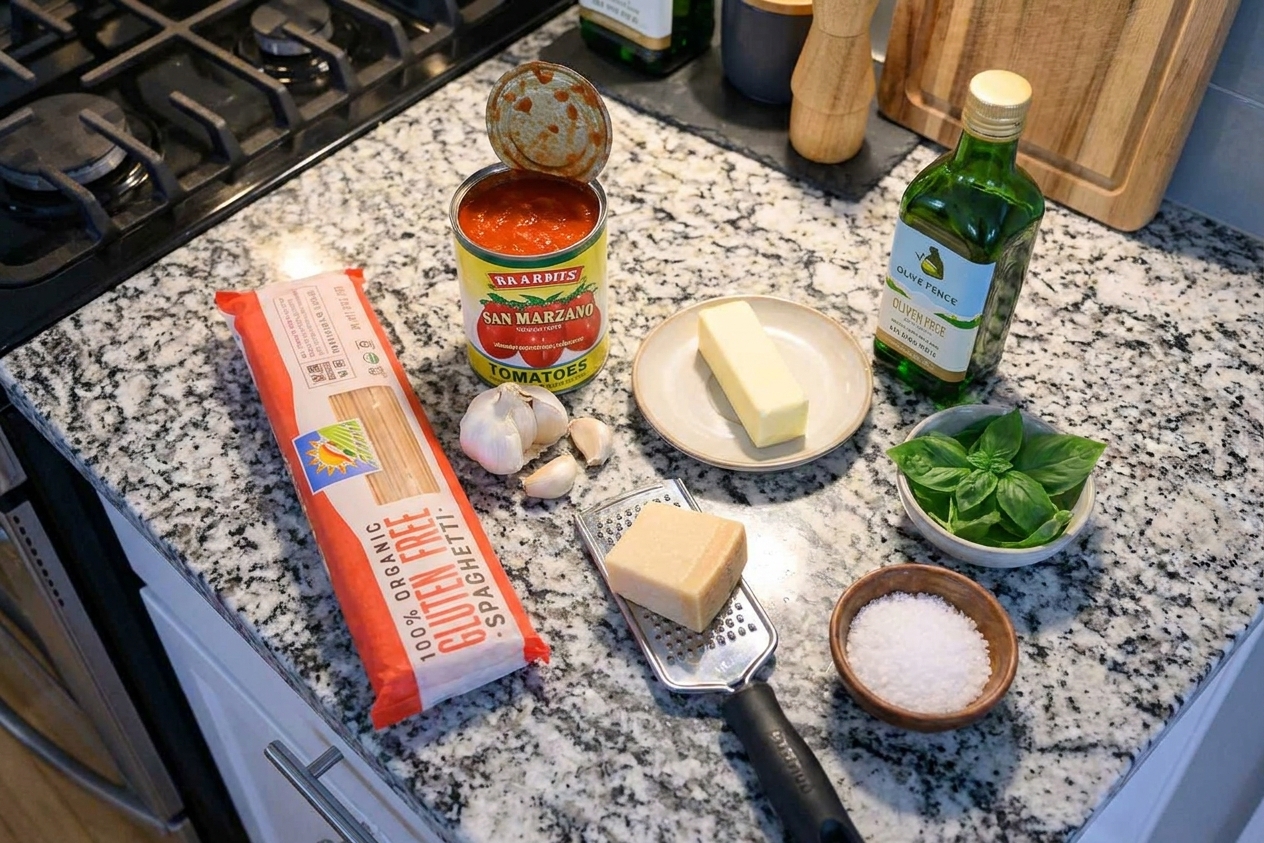
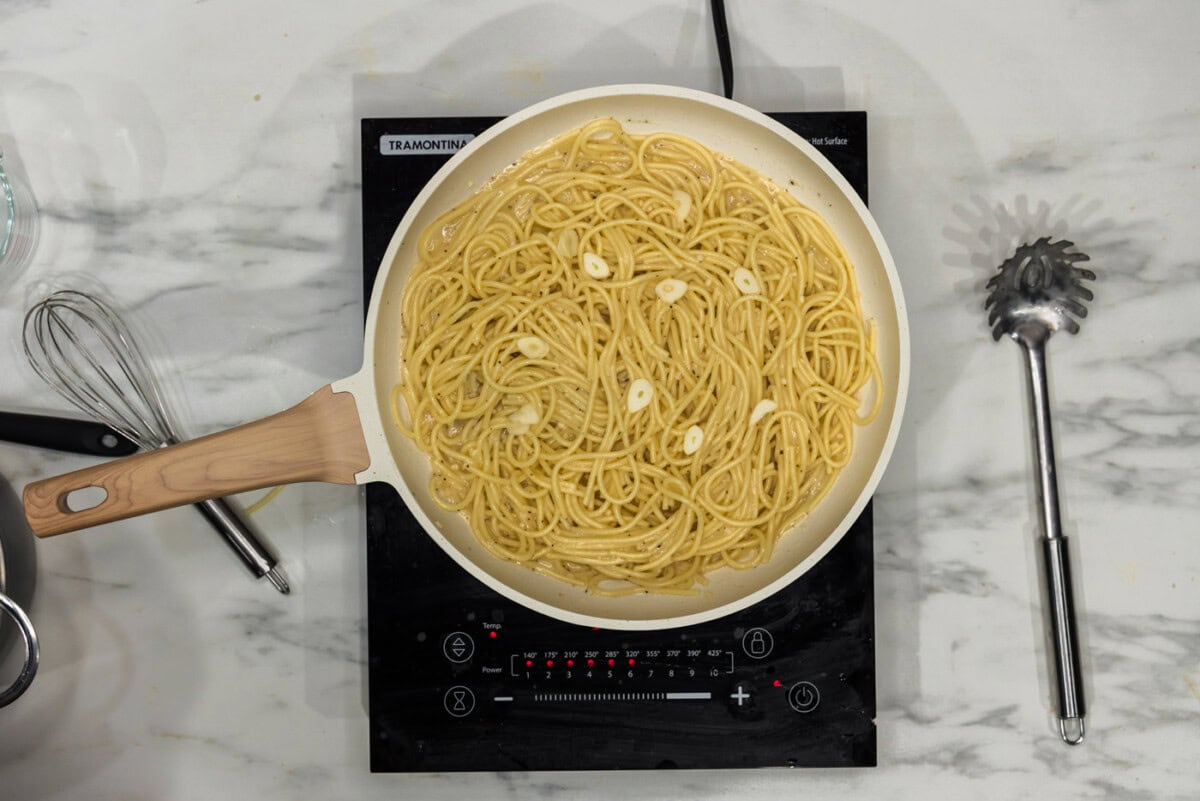
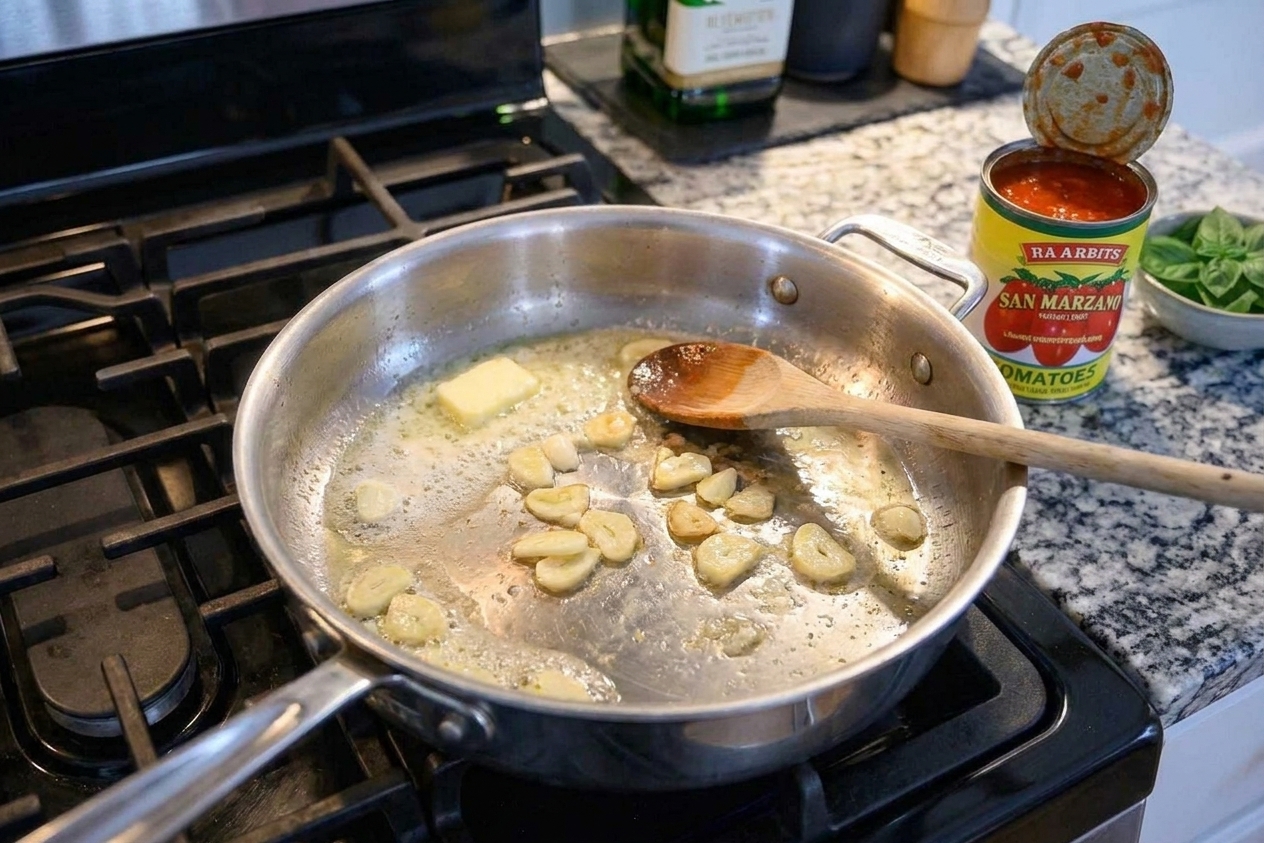
Dry gluten-free spaghetti, canned tomatoes, garlic, butter, olive oil, basil, Parmesan, and salt arranged on a clean kitchen counter in consistent warm lighting

Why It Works

  • Better bite, less breakage: We cook to just shy of done, then finish in the sauce so the pasta stays springy instead of turning fragile and mushy.
  • Sauce that hugs the noodles: A little starchy pasta water plus butter makes a quick emulsion, which means glossy, clingy sauce instead of watery tomato soup.
  • Accessible ingredients: Canned tomatoes, garlic, butter, olive oil, basil, and Parmesan. Nothing weird, nothing fussy.
  • Flexible for any GF shape: Spaghetti, penne, rotini, chickpea, brown rice, corn and rice blends. This method plays nice with all of them.

Pairs Well With

Storage Tips

Fridge: Store leftovers in an airtight container for up to 3 days. Gluten-free pasta softens as it sits, so it is best sooner rather than later.

Best reheat move: Warm it in a skillet over medium-low with a splash of water (or broth). Cover for 1 to 2 minutes, then uncover and toss until glossy again. Add a little extra butter or olive oil if it looks tight.

Microwave fallback: Add a spoonful of water, cover loosely, and heat in 30-second bursts, tossing between rounds.

Freezing: You can freeze it, but the texture will soften. If you want to freeze, freeze the sauce separately (up to 2 months) and cook fresh pasta when you are ready.

Common Questions

What is the best gluten-free pasta for this recipe?

For the closest “regular pasta” vibe, I like a corn and rice blend. Brown rice pasta is great too. Chickpea or lentil pasta works, but it has a stronger flavor and can get firm fast, so watch the clock.

Why does gluten-free pasta get mushy so fast?

Most gluten-free pasta has a narrower sweet spot between undercooked and overcooked. A minute can be the difference. Start checking 2 minutes before the box says, and finish the last minute in the sauce.

Should I rinse gluten-free pasta?

Usually, no. Rinsing can wash off the starch that helps sauce stick. The exception is if your pasta is turning gummy because it sat too long in the colander. In that case, a quick rinse is better than suffering.

How do I keep gluten-free pasta from sticking together?

Use plenty of water, stir well in the first minute, and do not let it sit drained. Move it straight into the sauce with a splash of pasta water.

Is gluten-free pasta healthier?

It depends on the brand and ingredients. Some are similar to regular pasta, some are higher in protein (like chickpea), and some have different fiber levels. The bigger win is choosing what works for your body and still tastes great.

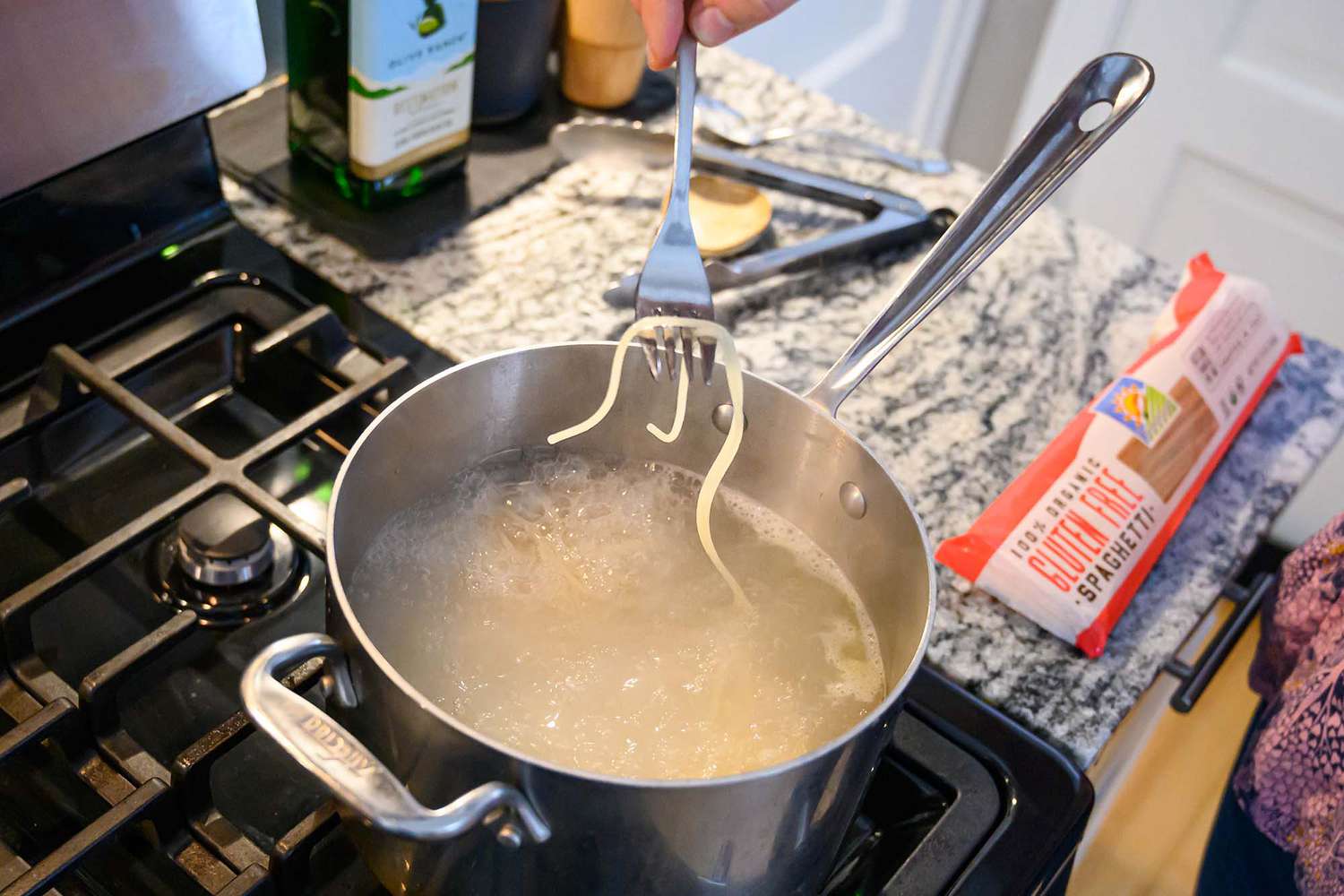
A pot of boiling water on a stovetop with gluten-free pasta being stirred with tongs, steam rising in warm kitchen lighting

I skipped the culinary degree route and chased reps instead: more shifts, more sauces saved mid-panic, more “taste it again” moments. Gluten-free pasta taught me that technique matters more than vibes. The first time I cooked it like regular pasta, I got a pot of heartbreak. The second time, I treated it like it needed a little extra respect, pulled it early, and finished it in the sauce. Boom. Suddenly it was a real dinner, not a compromise. This is the method I use when I am cooking for friends and I want everyone at the table to feel like they are getting the good stuff.