Do I need psyllium husk?
For this style of loaf, yes. Psyllium husk is the backbone. It binds water and creates that flexible gel that mimics gluten. If you only have psyllium husk powder, treat this as a starting point: use about 75 to 90 percent of the amount by weight (powder is usually more absorbent, but brands vary). The goal is a loose gel that thickens quickly, not a rubber brick. If it looks watery after a few minutes, add a pinch more; if it seizes up, whisk in a splash of water.
Can I use a store-bought gluten-free flour blend?
Sometimes. Many blends vary wildly. This recipe is built around a simple mix of rice flour plus tapioca and a little sorghum for flavor. If you try a blend, choose one without xanthan gum if possible, since we are using psyllium. Expect to adjust water.
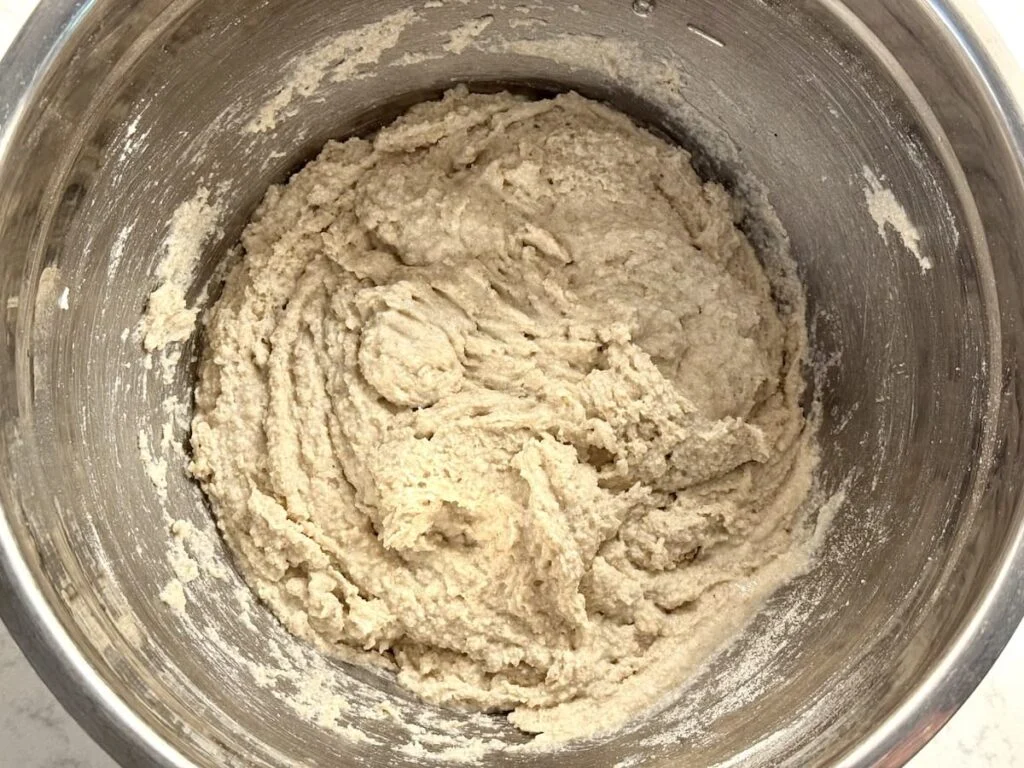
My dough looks like thick batter. Is that normal?
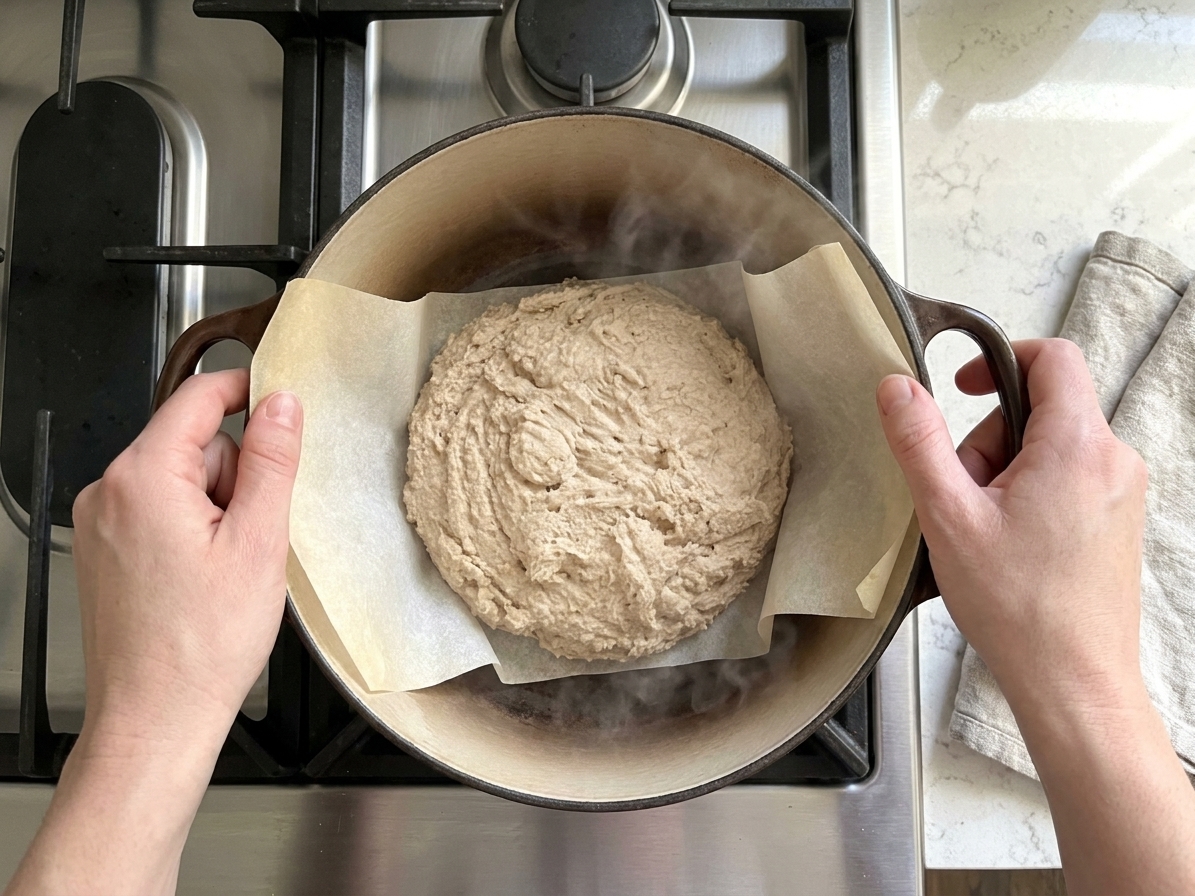
Yes. Gluten-free sourdough is typically a scoopable, sticky dough. If you can knead it like wheat dough, it is probably too dry and will bake up dense.
How do I know my starter is ready?
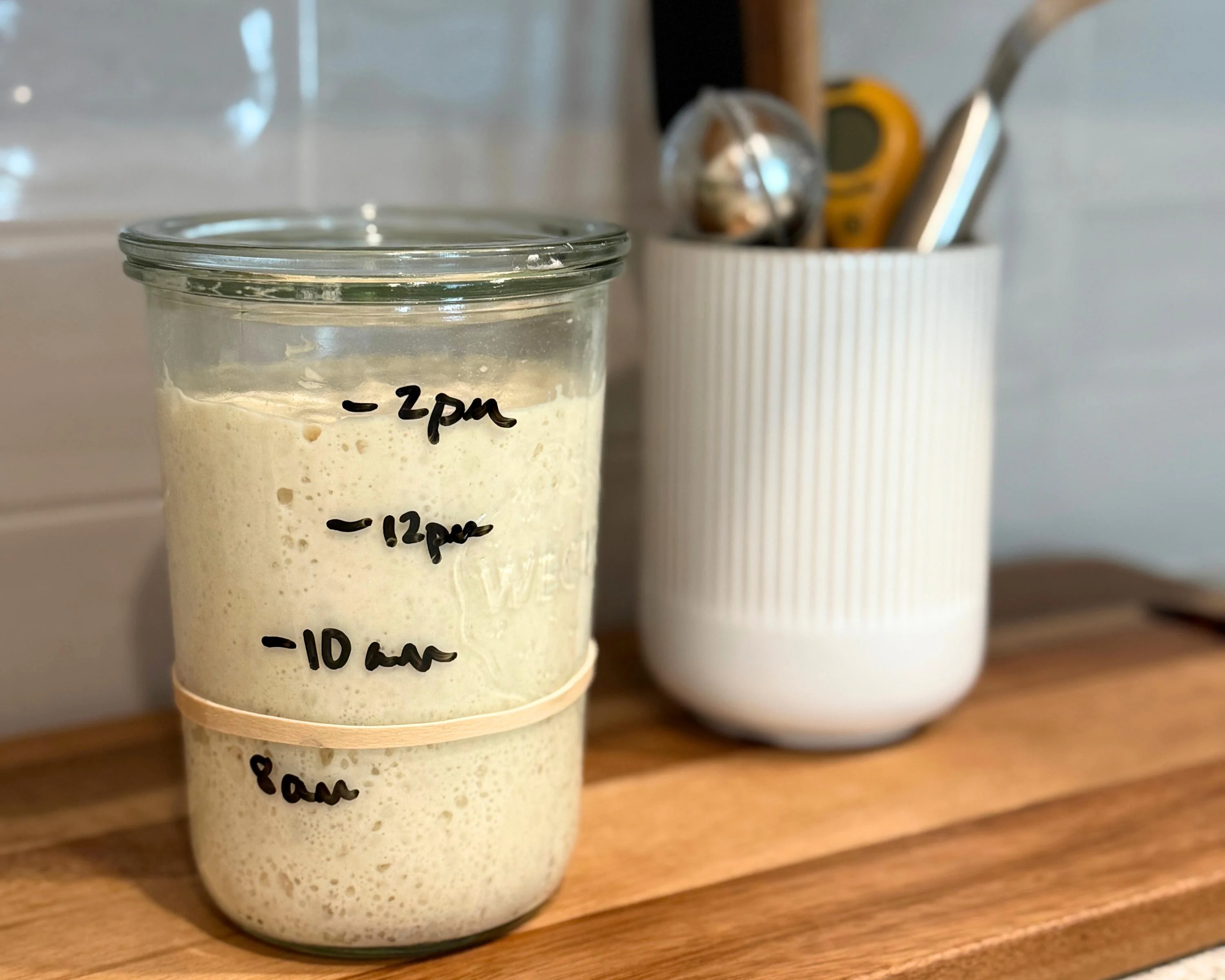
You want it active and bubbly and able to rise reliably after feeding. For best results, bake when your starter is at or near its peak (domed top, lots of bubbles, and it has clearly risen). A simple test is timing. If it doubles in volume in about 4 to 6 hours at a comfortable room temperature, you are in a good spot for baking.
How do I make a gluten-free sourdough starter?
Use equal weights gluten-free flour (brown rice flour is a great choice) and water. Start with 30 grams flour and 30 grams water in a jar, stir, and loosely cover. Each day, discard about half and feed again with the same weights. In about 7 to 14 days (sometimes sooner, sometimes longer depending on temperature and flour), it should smell pleasantly tangy and show consistent bubbling and rising.
Why did my loaf turn out gummy?
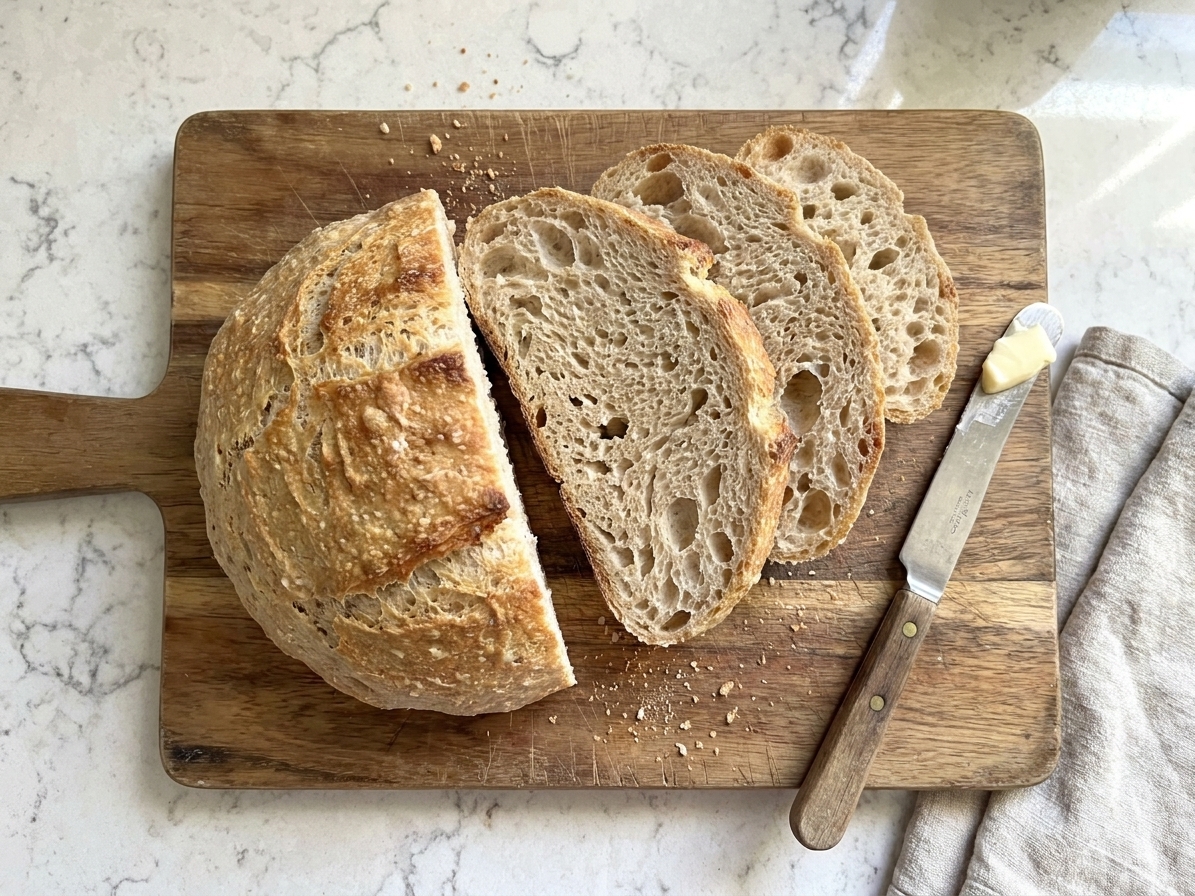
Common causes are underbaking, slicing while warm, weak starter, or too much water for your flour. Bake to an internal temperature around 210°F to 215°F if you have a thermometer (especially helpful for psyllium-based gluten-free loaves), and let it cool completely before slicing.
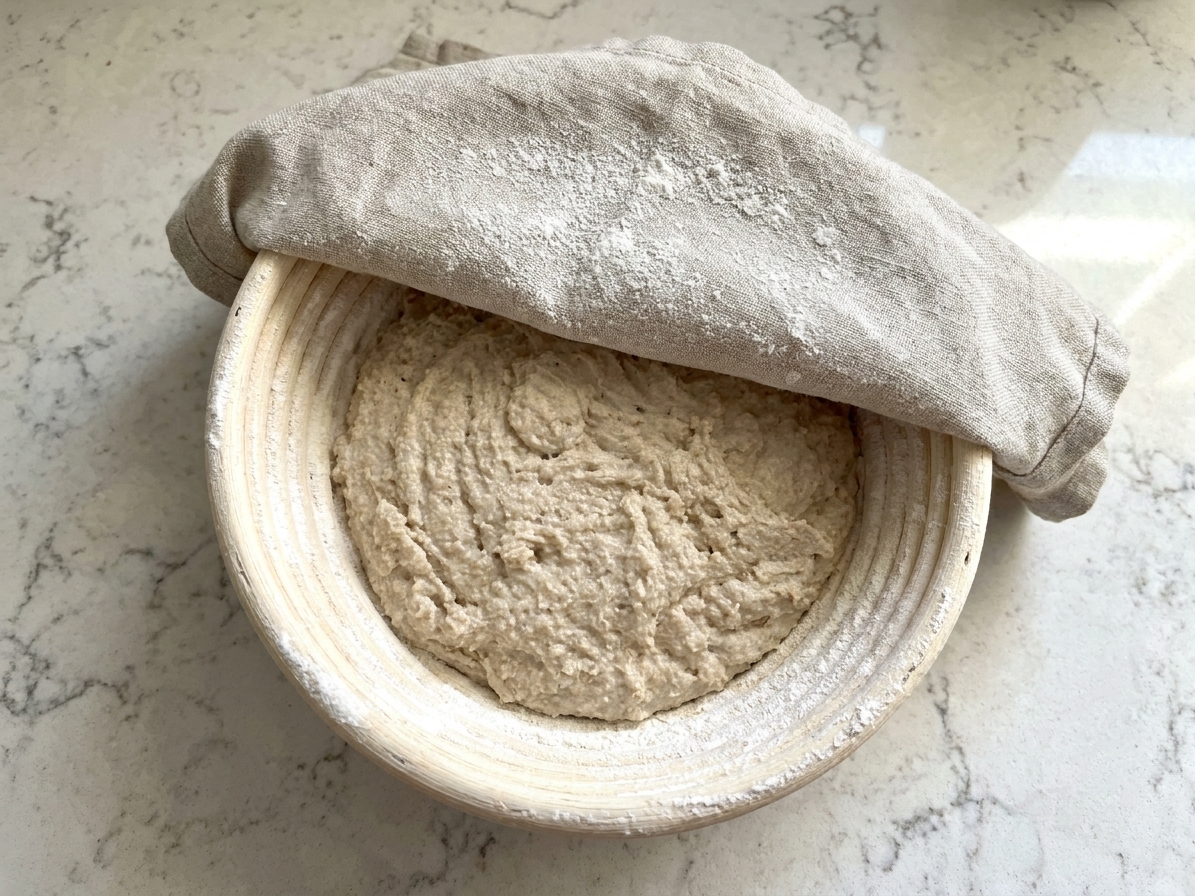
Can I proof overnight?
Yes, with a caveat. Gluten-free dough can overproof and collapse if it goes too far. If your kitchen is warm, do the final proof in the fridge and bake straight from cold.