Mom's Best Recipes
Recipe

Haggis

A warm, savory oat-and-meat pudding with cozy spices and a rich gravy option, made with everyday tools and clear steps.

Author By Matt Campbell
4.7
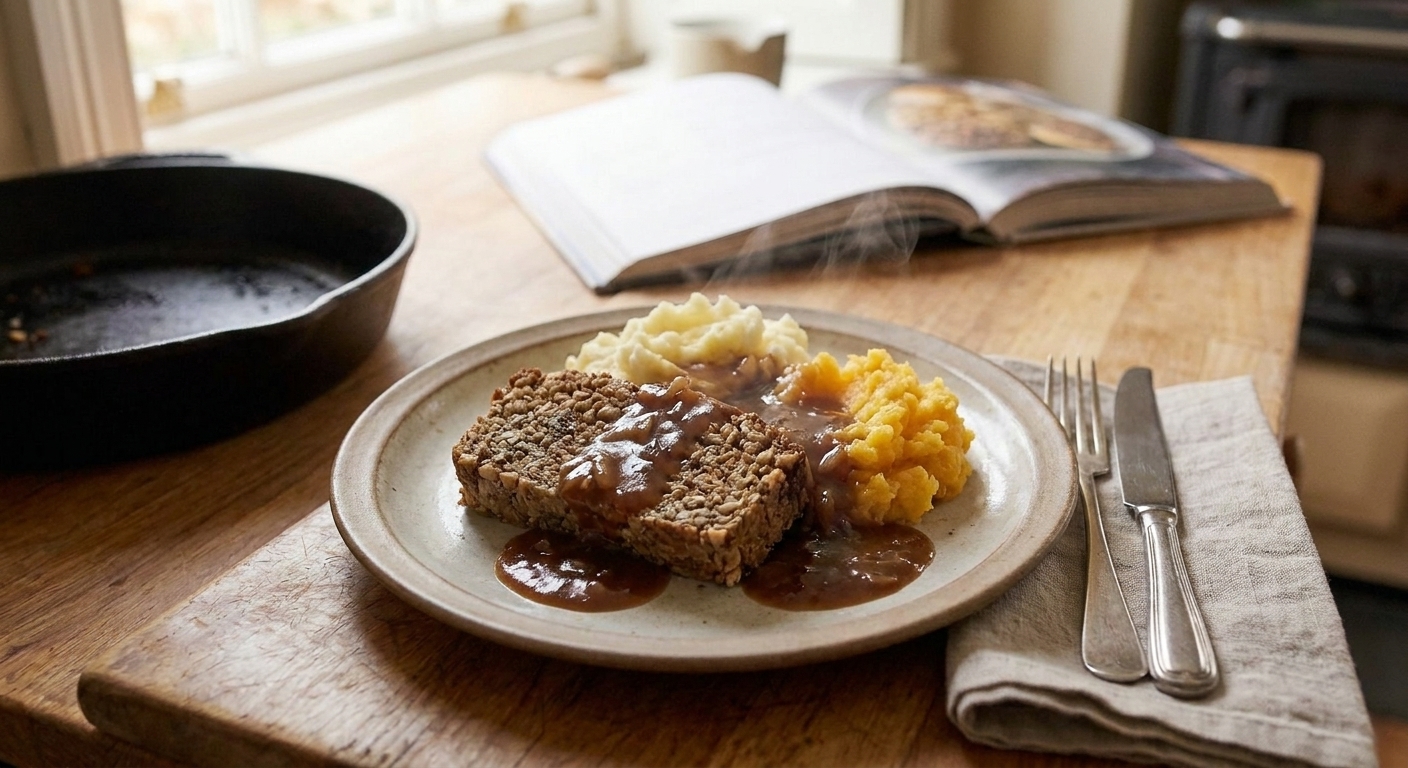
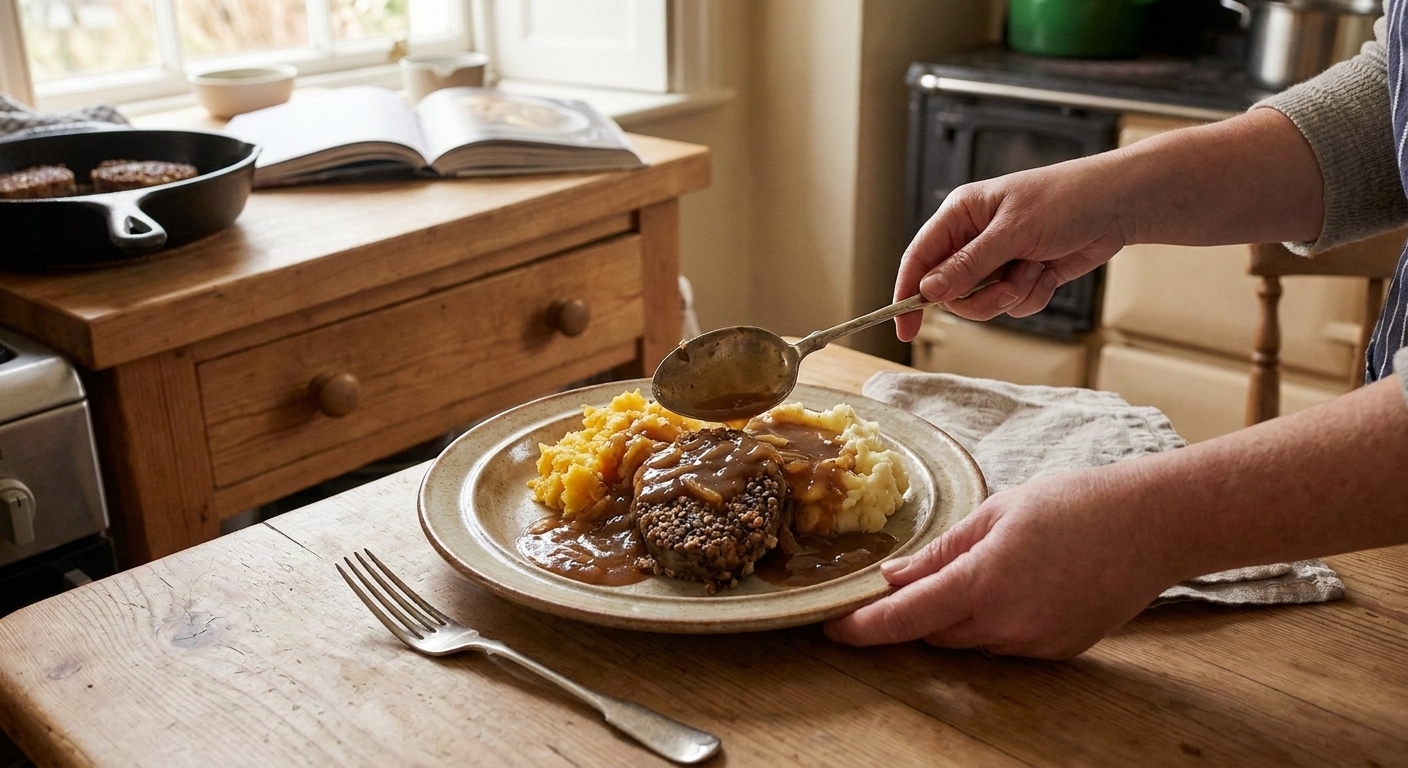
A plated serving of haggis with neeps and tatties, topped with glossy onion gravy on a rustic dinner plate on a warmly lit kitchen table

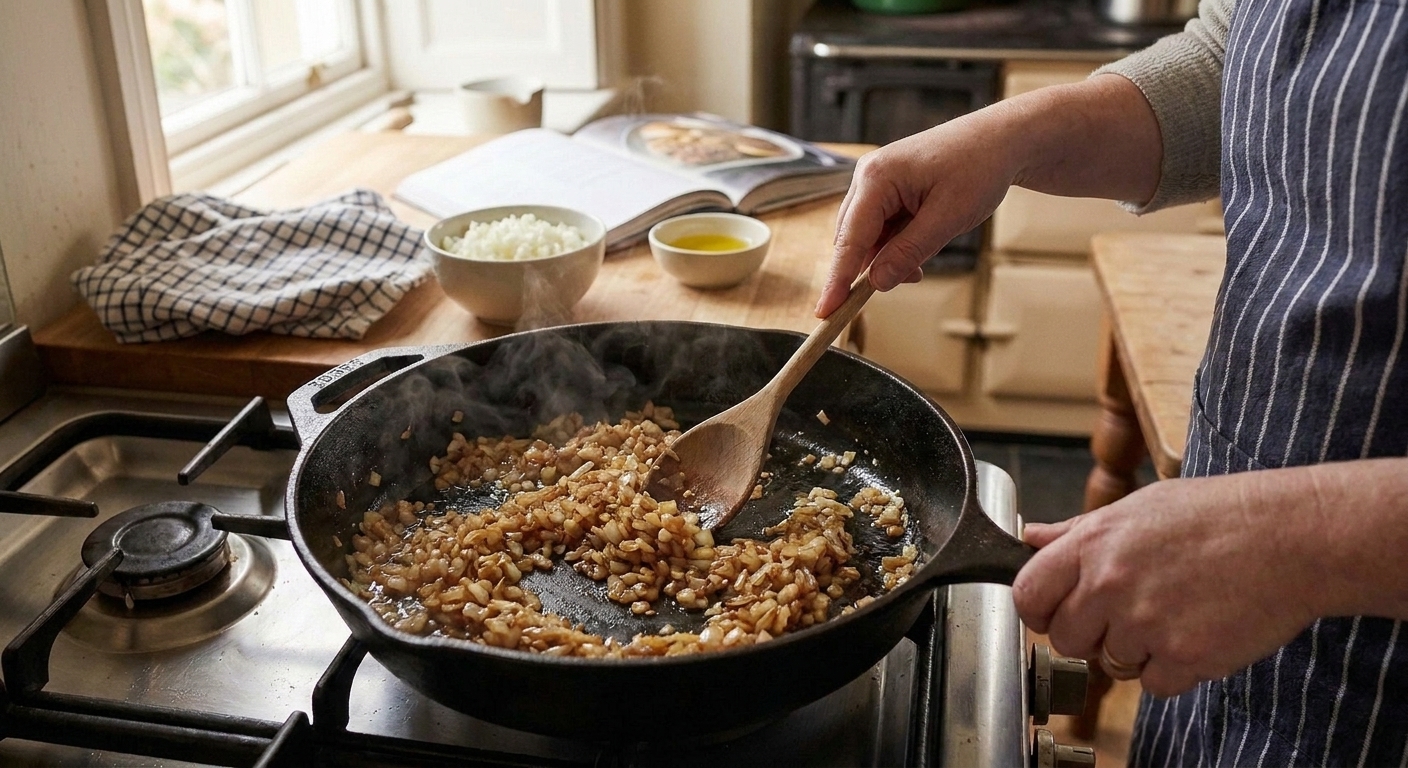
Haggis gets talked about like it is some mysterious dare. In reality, it is comfort food with a passport. Think: savory meat, toasty oats, onions, warm spice, and a texture that lands somewhere between meatloaf and stuffing. If you can sauté an onion and simmer a pot, you can make haggis.

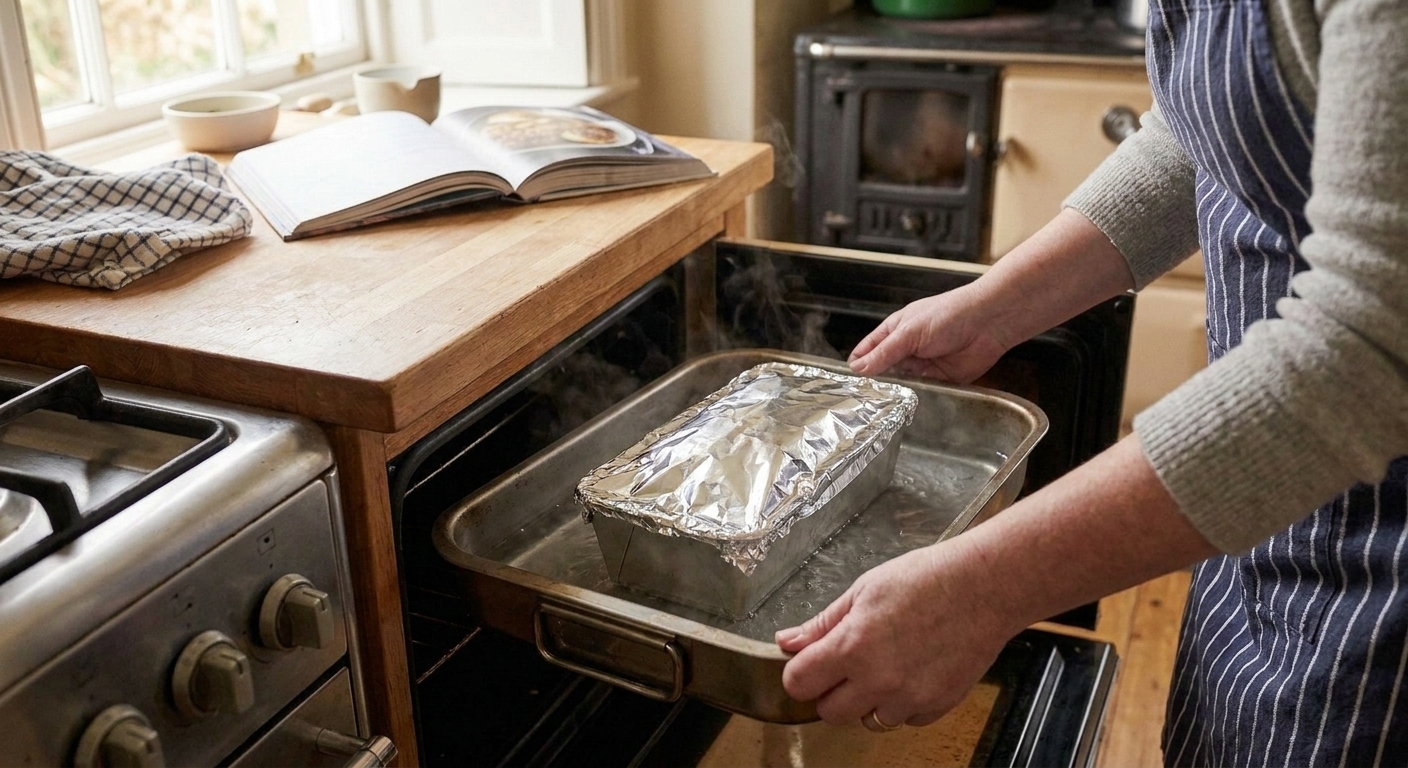
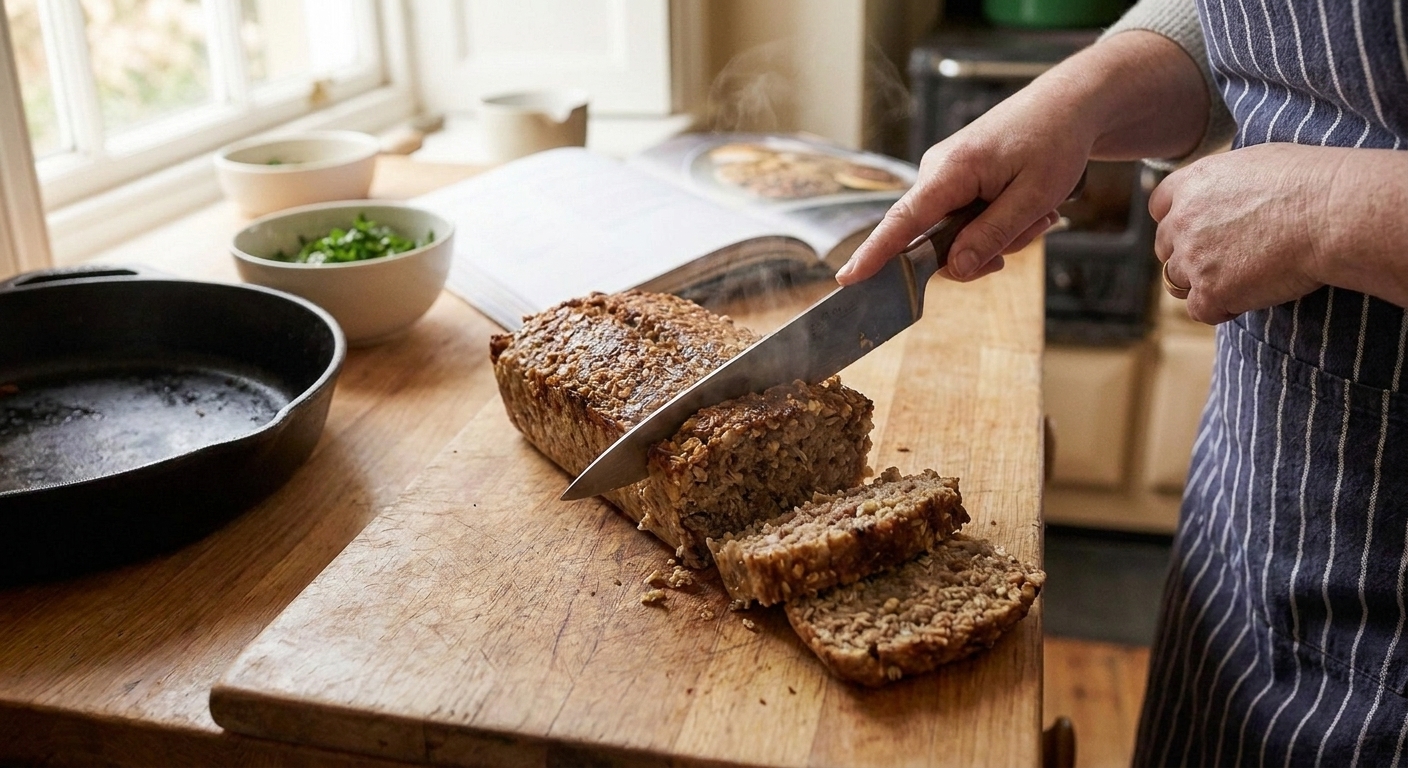
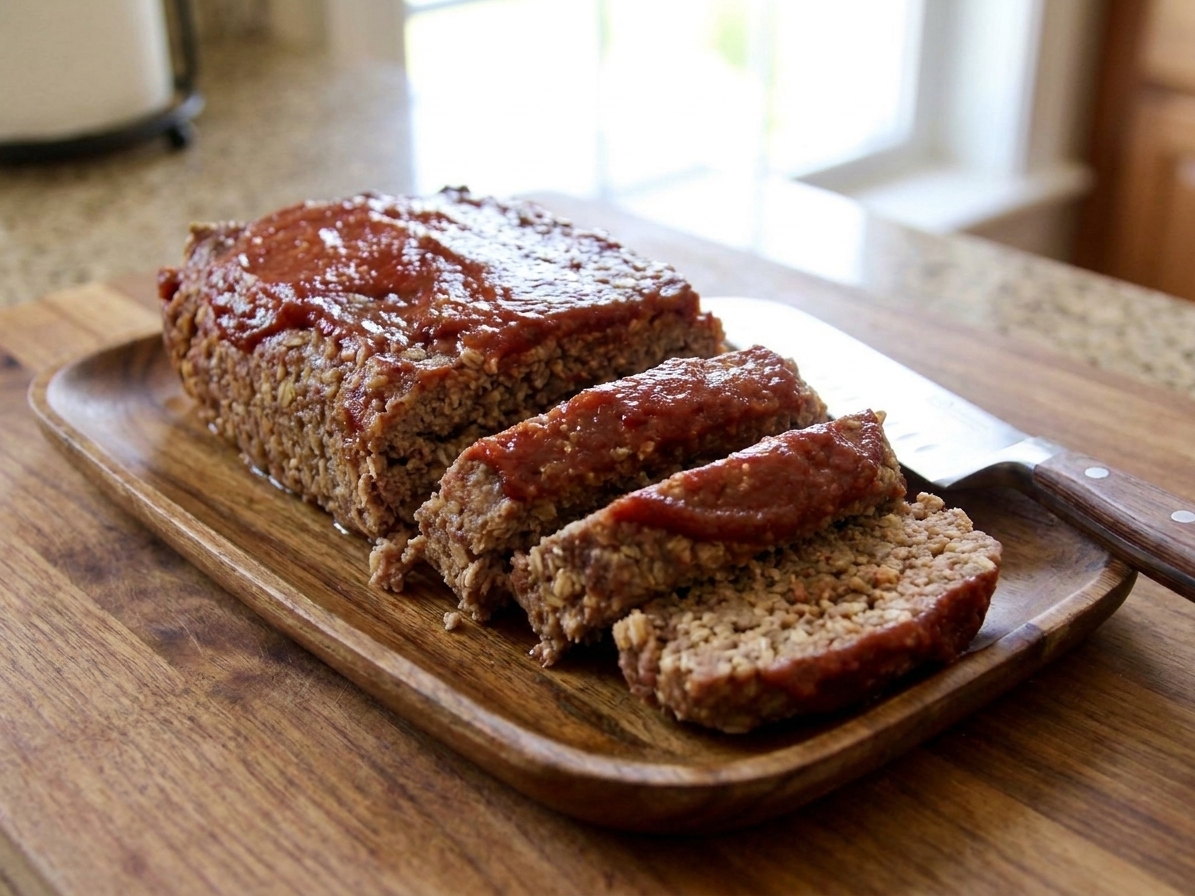
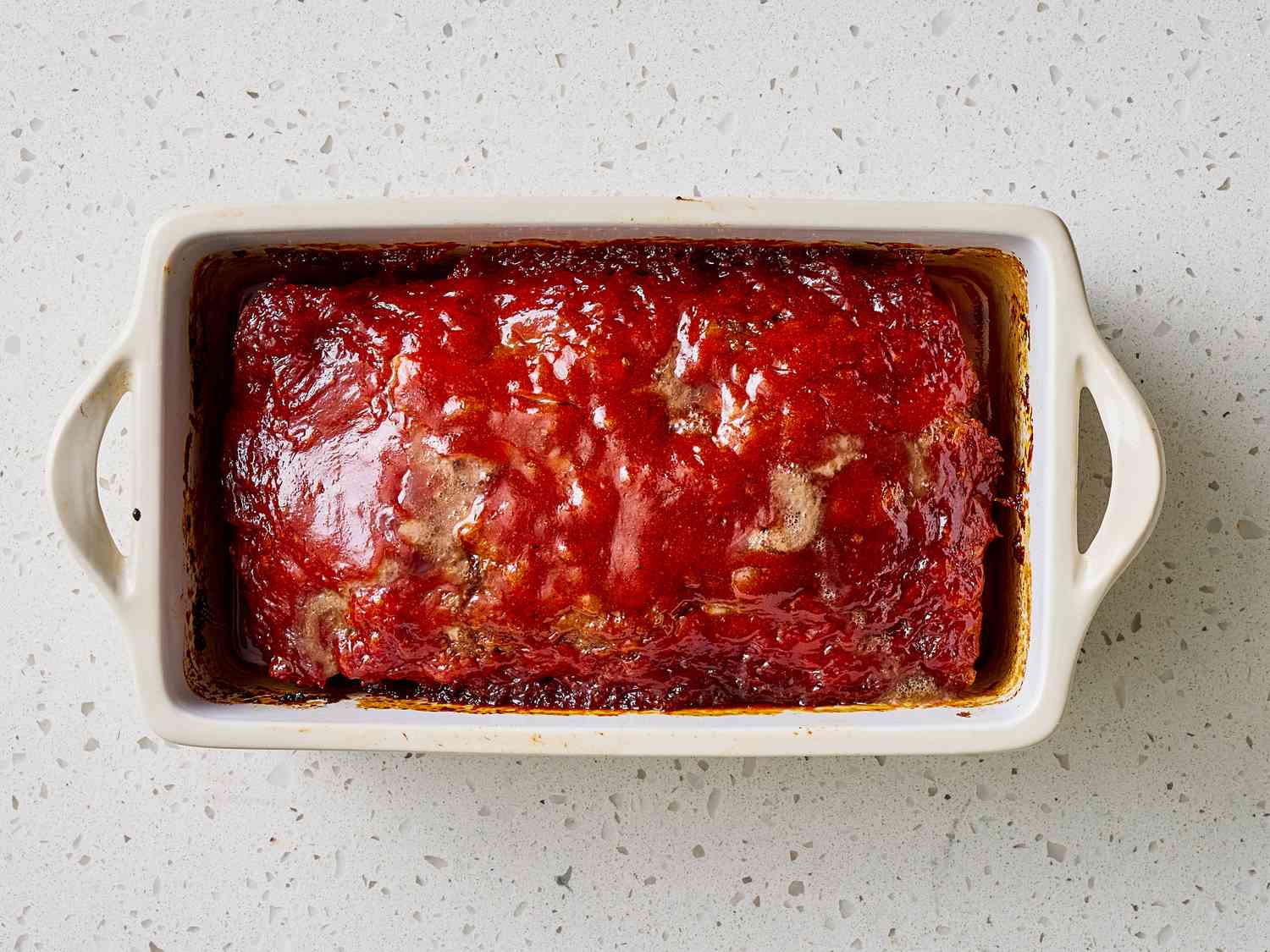
This version keeps the spirit of the classic while using accessible ingredients and a straightforward method. You can shape it into a loaf pan, steam it gently, slice it thick, and crisp the edges in a skillet if you feel like showing off. Cozy carbs optional, strongly encouraged.
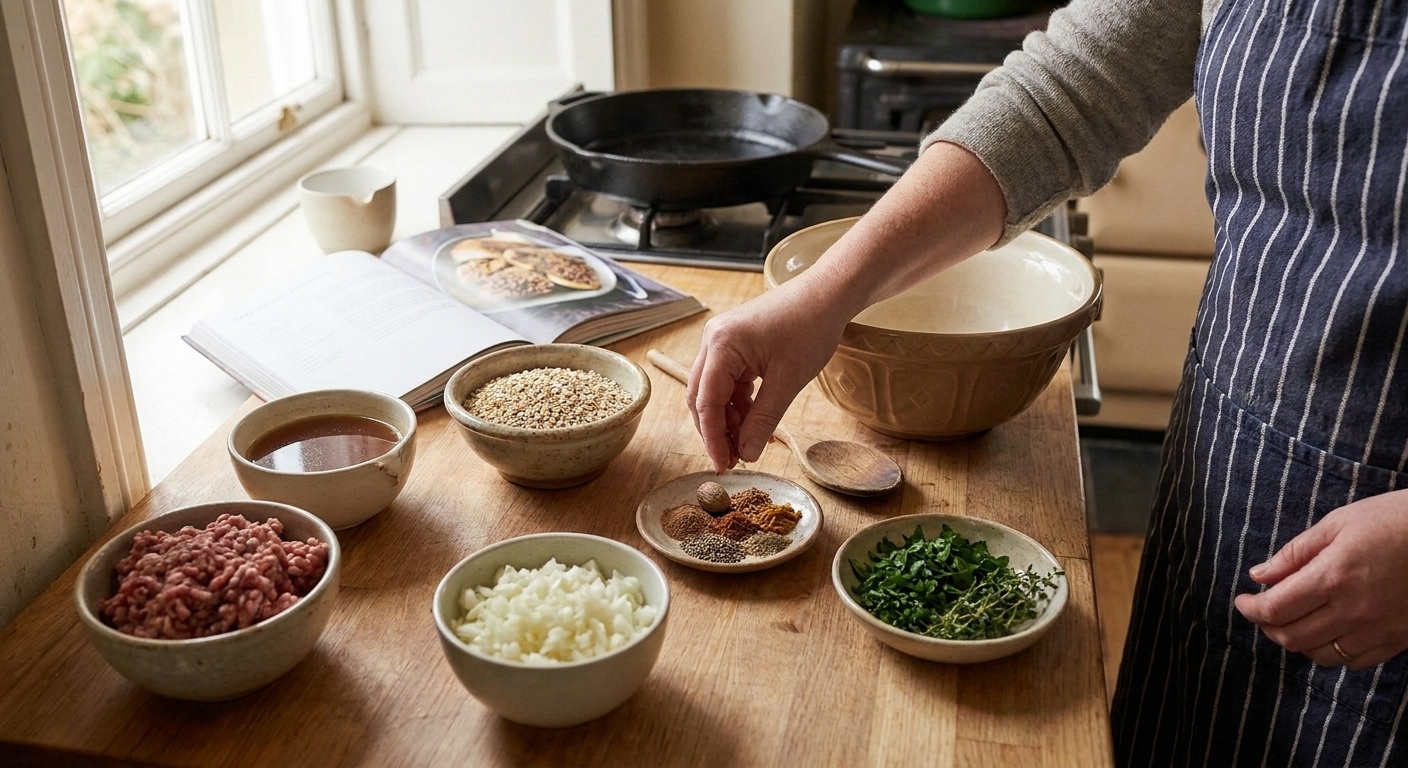
Measured ingredients for haggis on a kitchen counter: ground lamb, steel cut oats or pinhead oats, chopped onion, beef stock, spices, and fresh herbs in small bowls

Why It Works

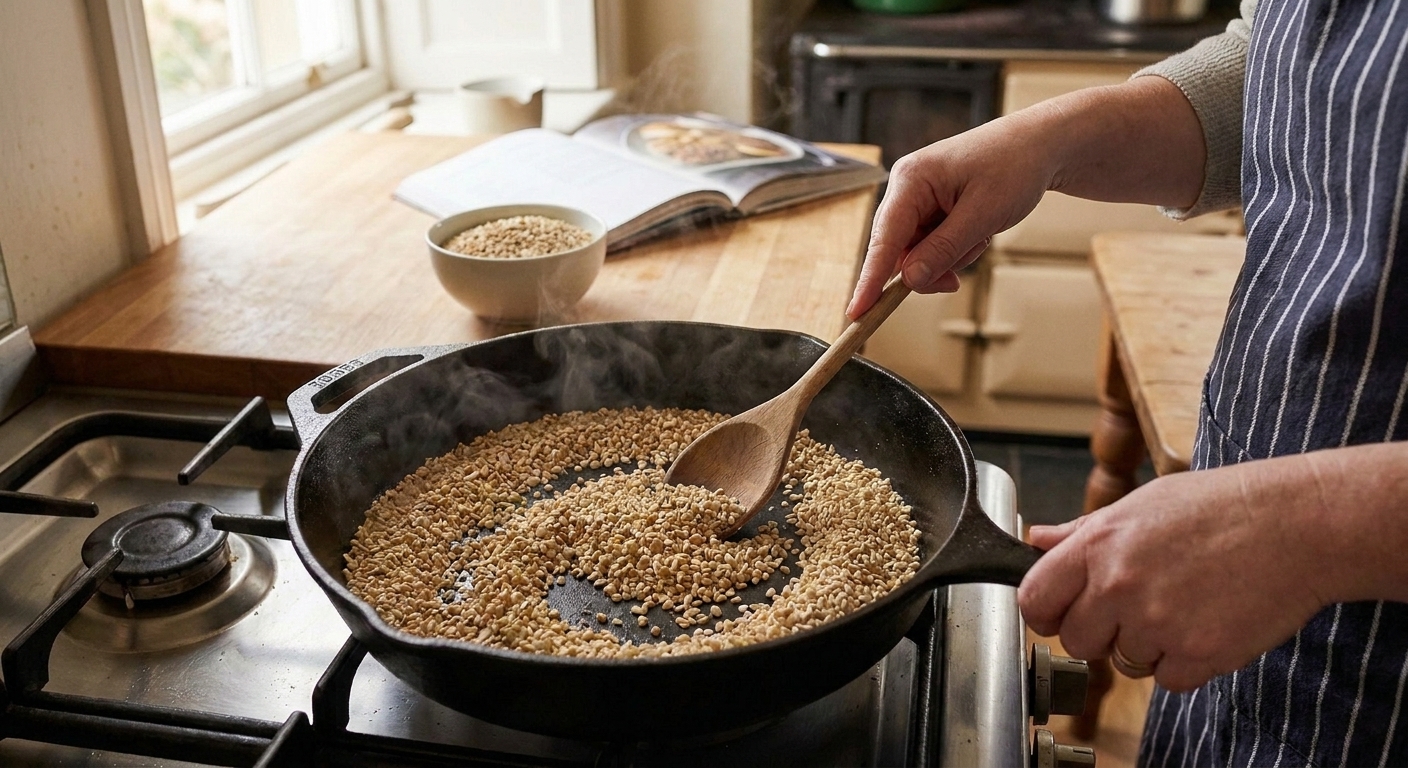
  • Big flavor from simple moves: toasting the oats and blooming the spices makes everything taste deeper without adding fuss.
  • Moist, sliceable texture: a gentle steam set keeps it tender, not dry.
  • Weeknight-friendly leftovers: slice and pan-crisp for a fast meal that tastes even better the next day.
  • Flexible ingredients: lamb is classic, but beef or turkey work. If using turkey, add a touch more fat or stock to keep it juicy.

Pairs Well With

Storage Tips

Refrigerate: Cool completely, then wrap tightly or store in an airtight container for up to 4 days.

Freeze: Slice first, then freeze slices (separated with parchment) in a freezer bag for up to 2 months. Thaw overnight in the fridge.

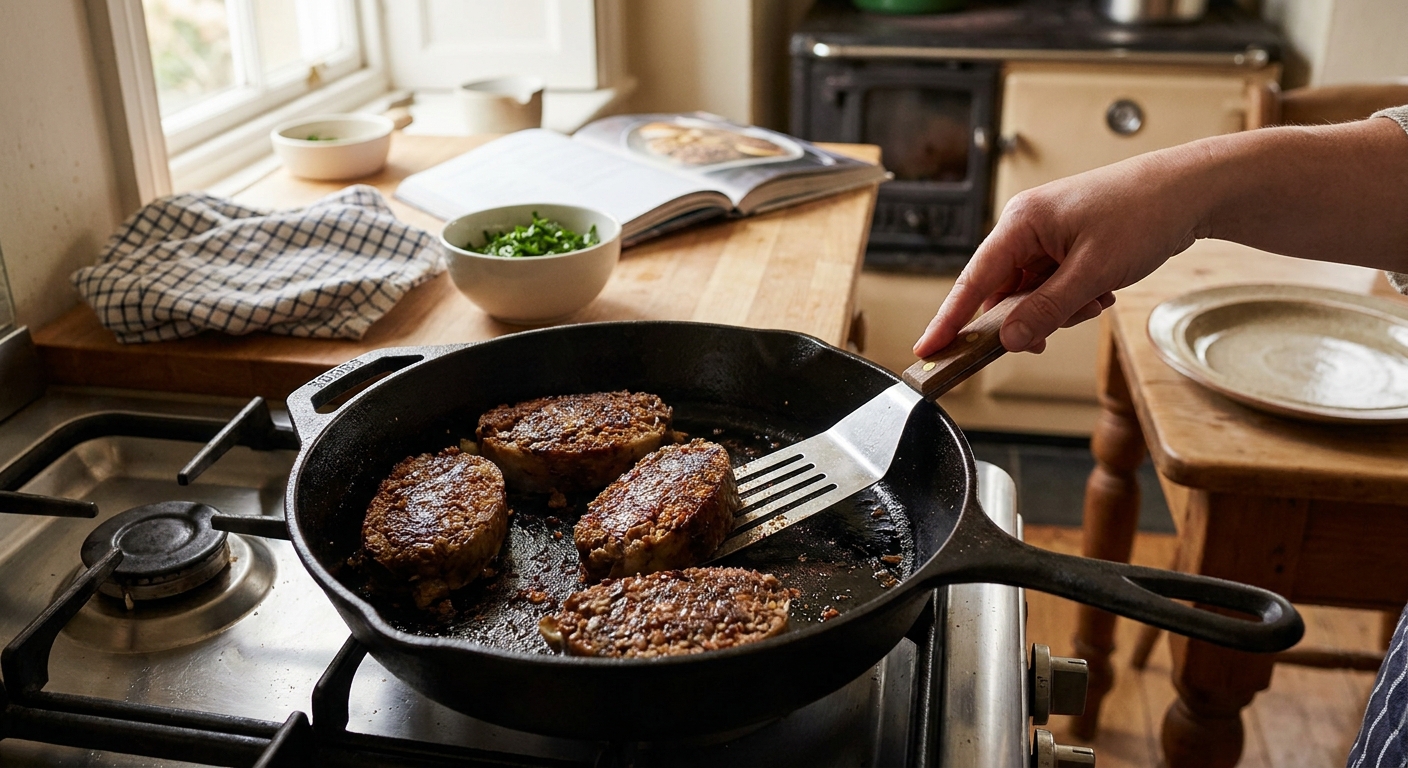
Reheat: Best method is a skillet. Add a little butter or oil, sear slices 2 to 4 minutes per side until crisp and hot. Microwave works in a pinch, but the skillet gives you those golden edges.

Thick slices of haggis browning in a cast iron skillet with crisp edges, with a spatula resting on the pan

Common Questions

What does haggis taste like?

It is savory and earthy with a gentle warmth from black pepper and spices. The oats give it a cozy, stuffing-like vibe. If you like sausage, meatloaf, or peppery gravy situations, you are in the right neighborhood.

Do I have to use organ meats?

No. Traditional haggis uses sheep heart, liver, and lungs and often includes suet (fat). Many home cooks use a mix of ground lamb (or beef) plus a little chicken liver for that classic richness. This recipe gives you both options.

Should the chicken livers be cooked first?

Nope. In this version they go in raw, very finely chopped, and cook through as the loaf steams or bakes. If you prefer, you can quickly sauté them for 2 to 3 minutes first, then cool and chop. It changes the vibe slightly, but still tastes great.

What oats should I use?

Pinhead oats (also called steel cut oats) are the most traditional. If you only have rolled oats, use them, but toast them briefly and expect a slightly softer texture.

Can I bake it instead of steaming?

Yes. Steaming is the classic gentle set, but baking works well in a water bath. The instructions below include the easy baked option.

Is haggis gluten-free?

It can be. Use certified gluten-free oats and confirm your stock and Worcestershire sauce are gluten-free (some brands are not). The gravy as written is not gluten-free because it uses flour, but you can thicken with cornstarch or a gluten-free flour blend.

The first time I made haggis at home, I treated it like a chemistry experiment. I measured everything, hovered, and still somehow ended up with oats on the floor. The good news is haggis is forgiving. Once I stopped overthinking it and focused on two things, toasty oats and enough moisture, it became one of those dishes that feels like a warm sweater. Now I make it when I want comfort with a little attitude, then I pan-crisp leftovers for breakfast because I have no regrets.