1) Marinate the pork
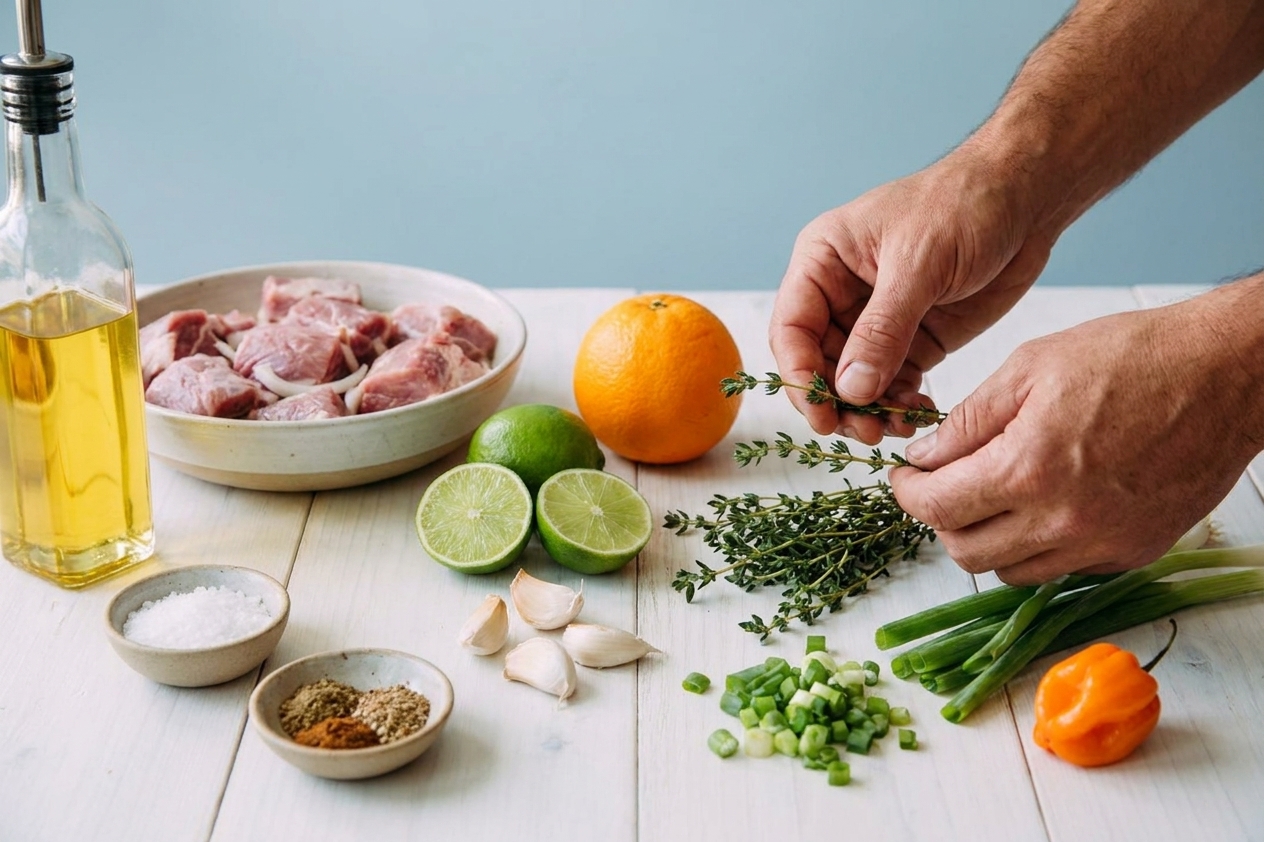
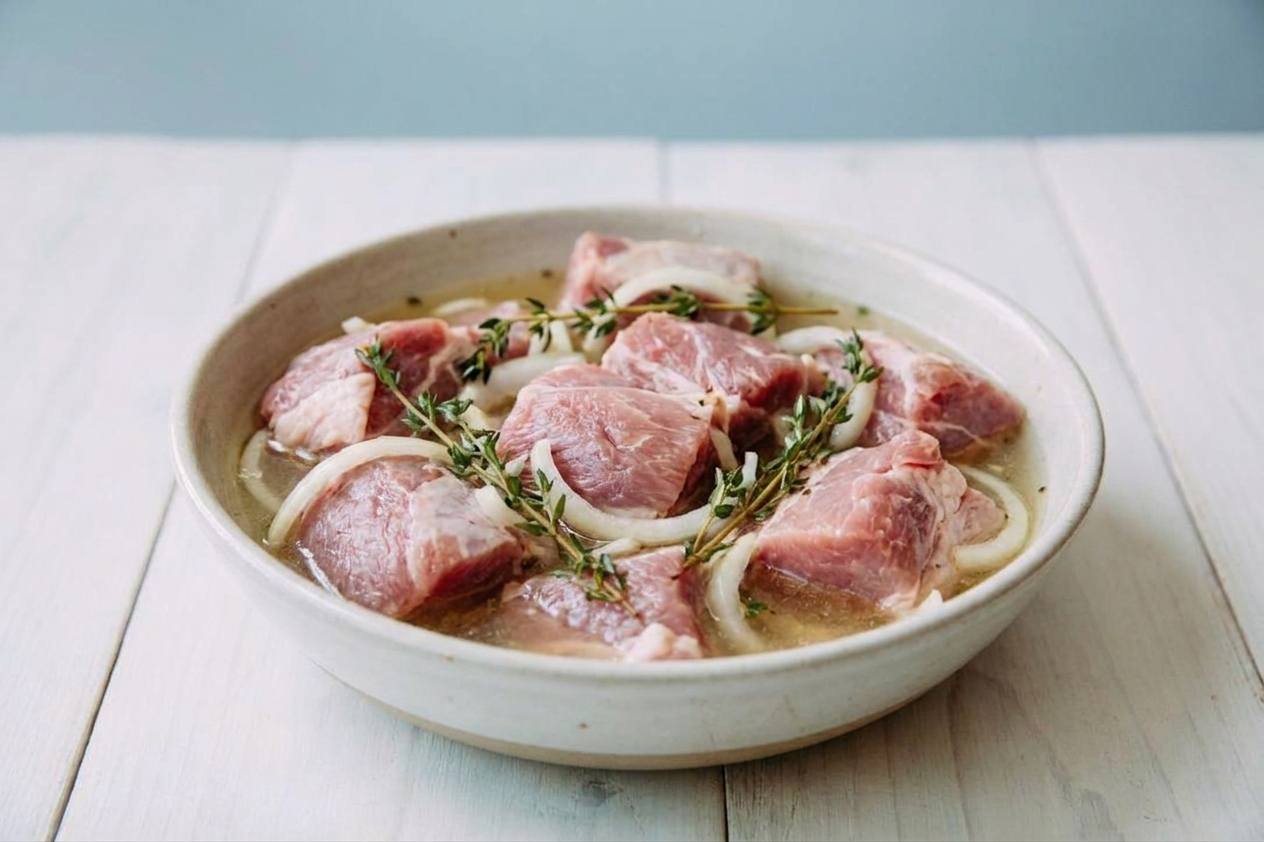
In a large bowl or zip-top bag, combine orange juice, lime juice, water, garlic, scallions, onion, bell pepper, salt, pepper, allspice, smoked paprika (if using), thyme, bay leaf, and the whole Scotch bonnet (if using). Add pork and toss well.
Cover and refrigerate at least 4 hours, ideally overnight. Give it a stir once if you remember.
Quick note: Many Haitian kitchens lean on epis, a punchy seasoning paste. This marinade is an easy, home-friendly cousin of that idea: aromatics, herbs, citrus, and heat doing the heavy lifting without asking you to break out a blender.
2) Simmer until tender
Pour the entire contents of the marinade bowl into a large Dutch oven. Bring to a boil over medium-high heat, then reduce to a simmer with gentle, steady bubbles (not a rolling boil). Cover and cook 45 to 60 minutes, stirring once or twice, until the pork is fork-tender.
If your pot runs hot or the liquid level gets low, add a splash of water as needed so the bottom does not scorch. The pork does not need to be fully submerged, but it should stay in a moist simmer.
Not tender yet? No drama. Cover and cook another 10 to 20 minutes, then check again. If you like numbers, aim for roughly 190°F to 200°F internal on a few pieces so the collagen has actually relaxed.
Uncover and simmer 10 to 15 minutes more to reduce the liquid slightly. Use a slotted spoon to transfer pork to a sheet pan. Discard thyme stems and bay leaf. If you used a whole Scotch bonnet, remove it now (or earlier for less heat).
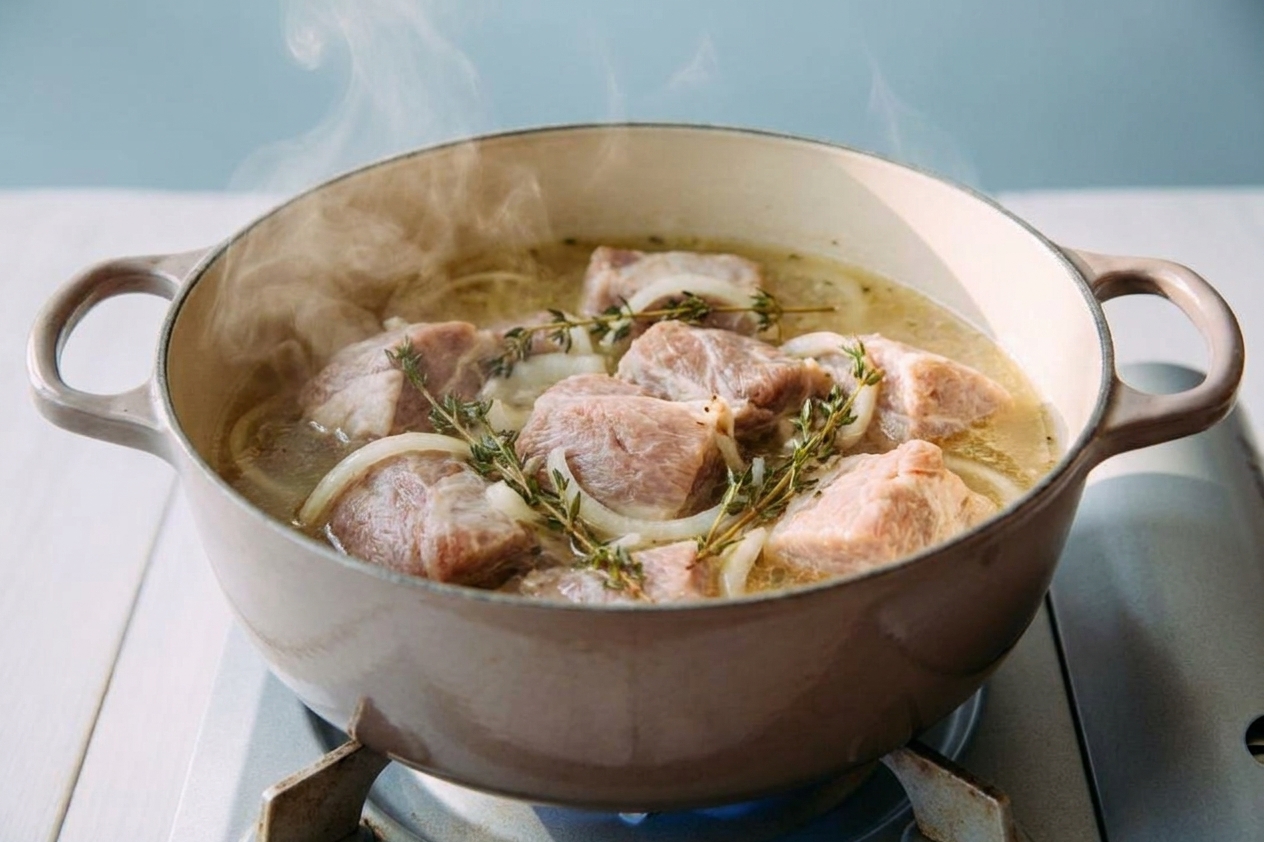
3) Reduce the cooking liquid into a spoonable sauce (optional but worth it)
The pot will have onion and pepper bits in it. Keep it chunky if you like, or strain for a smoother drizzle. Simmer 5 to 10 minutes until it tastes concentrated and slightly glossy. You are not making gravy. You are making a bright, savory spoon-over-everything situation.
4) Crisp the pork (pick your method)
Whichever route you choose, pat the pork pieces dry first. Better browning, less sputtering, more crispy happiness.
Option A: Frying (most classic)
Heat neutral oil in a heavy pot to 350°F, using enough oil to reach about 1 1/2 to 2 inches up the sides. Fry pork in batches 3 to 5 minutes until deeply golden with crisp edges. Do not crowd the pot. Let the oil climb back toward 350°F between batches for the best crunch.
Drain on a rack or paper towels and season lightly with a pinch of salt while hot. Cooking for a crowd? Keep finished batches warm on a sheet pan in a 200°F oven while you fry the rest.
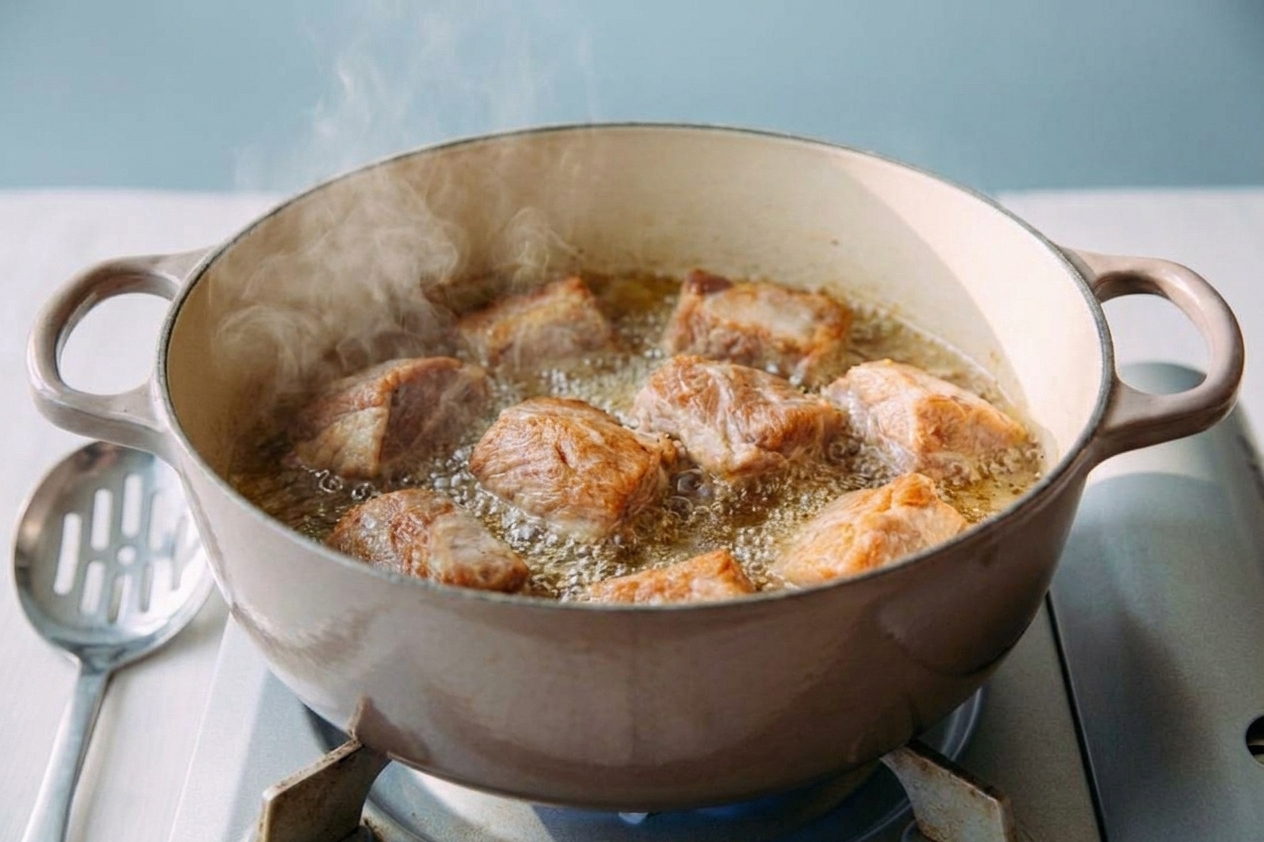
Option B: Oven crisp (less splatter)
Heat oven to 450°F. Pat pork dry, then toss with 2 tablespoons oil on a sheet pan. Roast 15 to 25 minutes, flipping once, until browned and crisp at the edges.
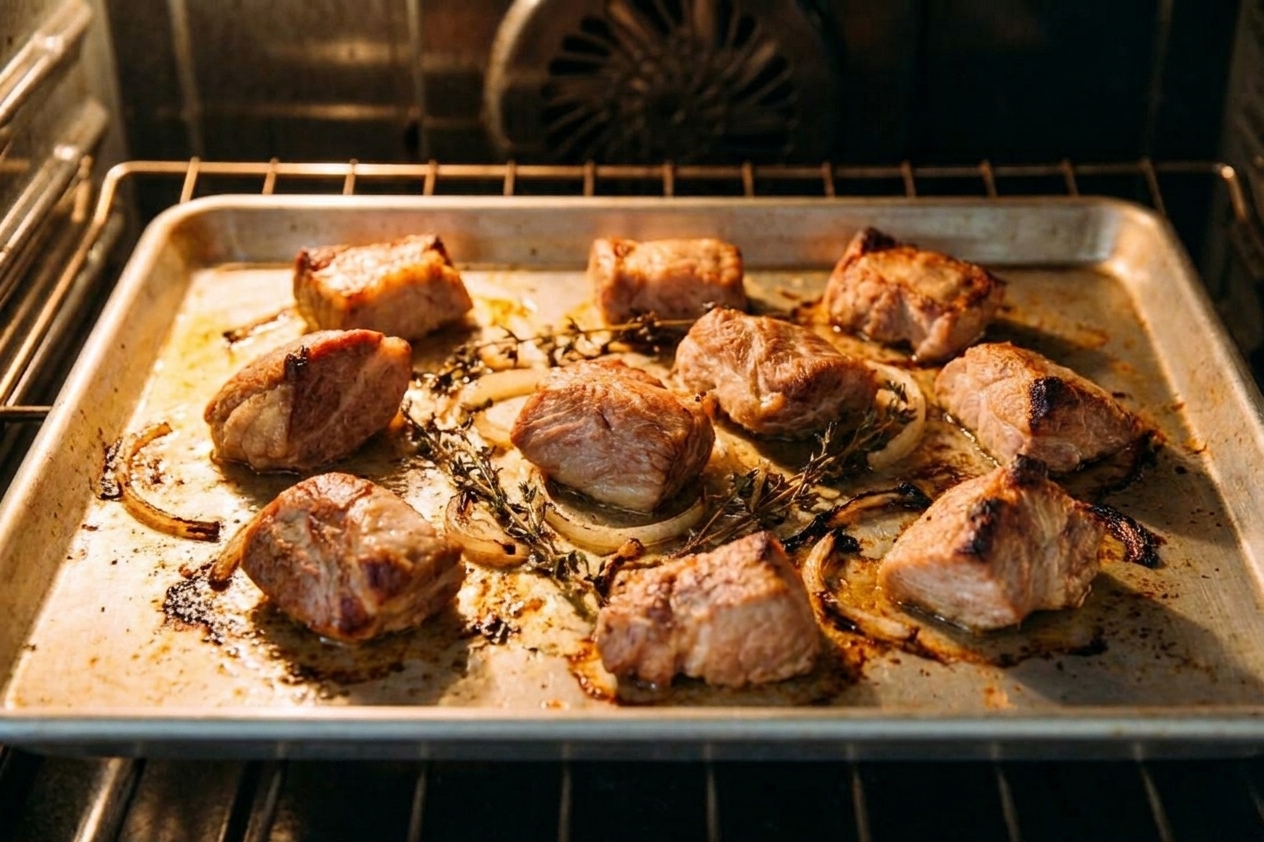
Option C: Air fryer (fast and crunchy)
Pat pork dry, then toss with 1 to 2 tablespoons oil. Air fry at 400°F for 8 to 12 minutes, shaking halfway, until crisped to your liking.
5) Serve
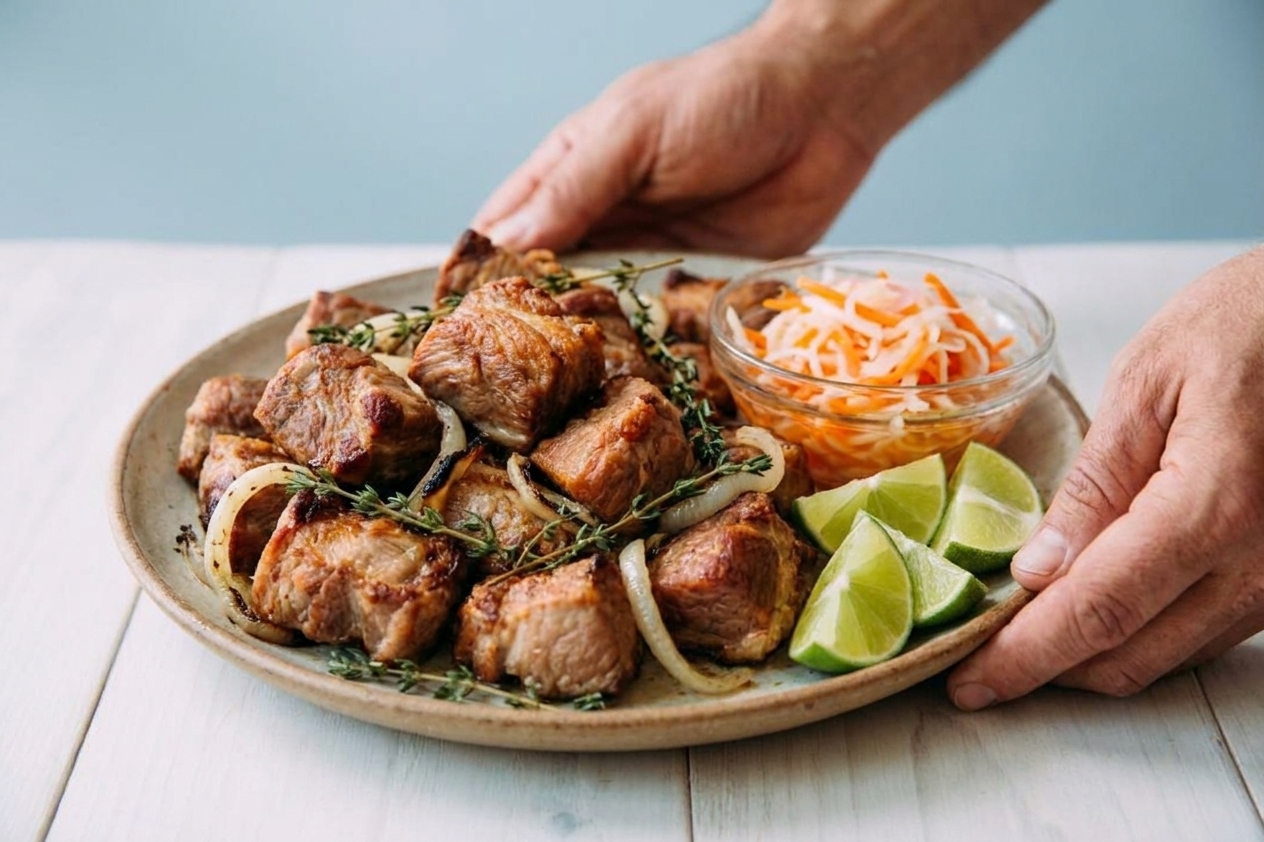
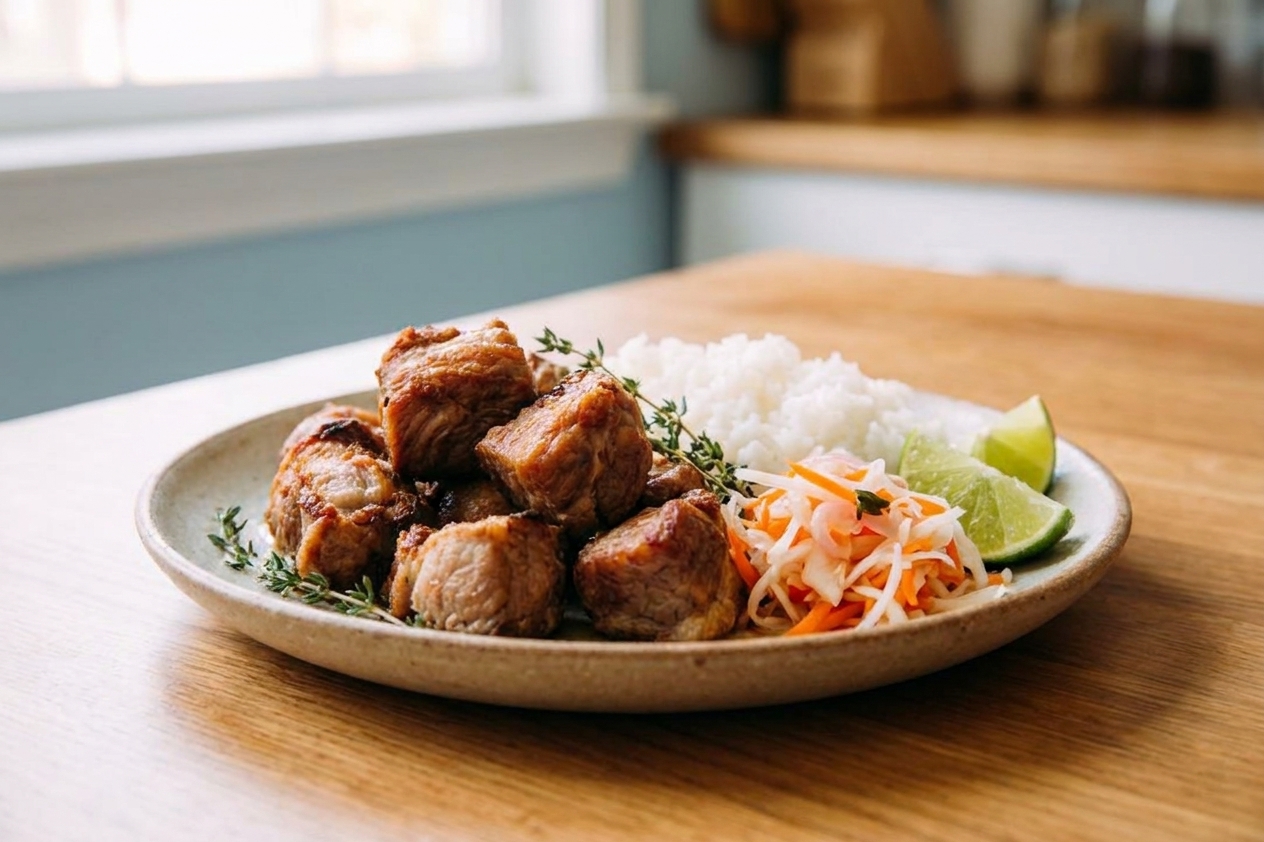
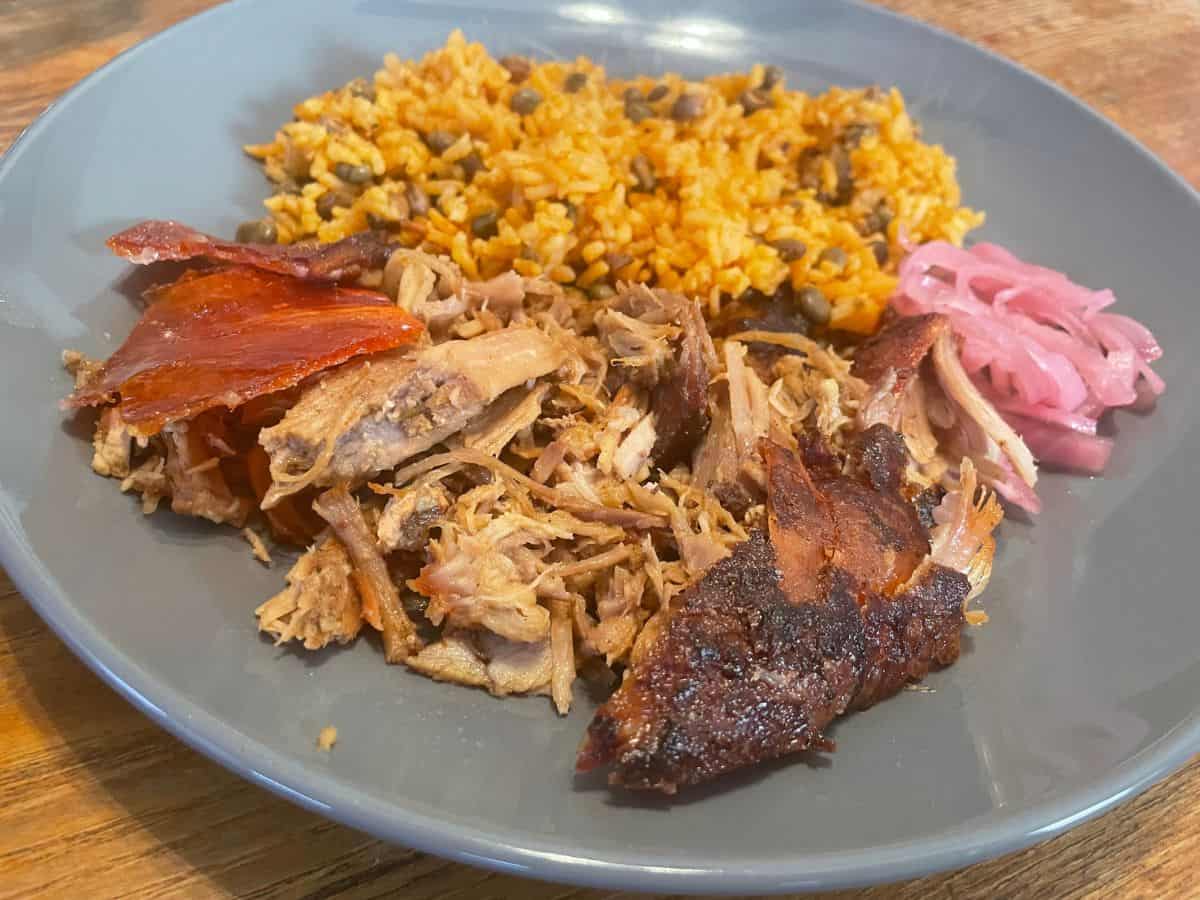
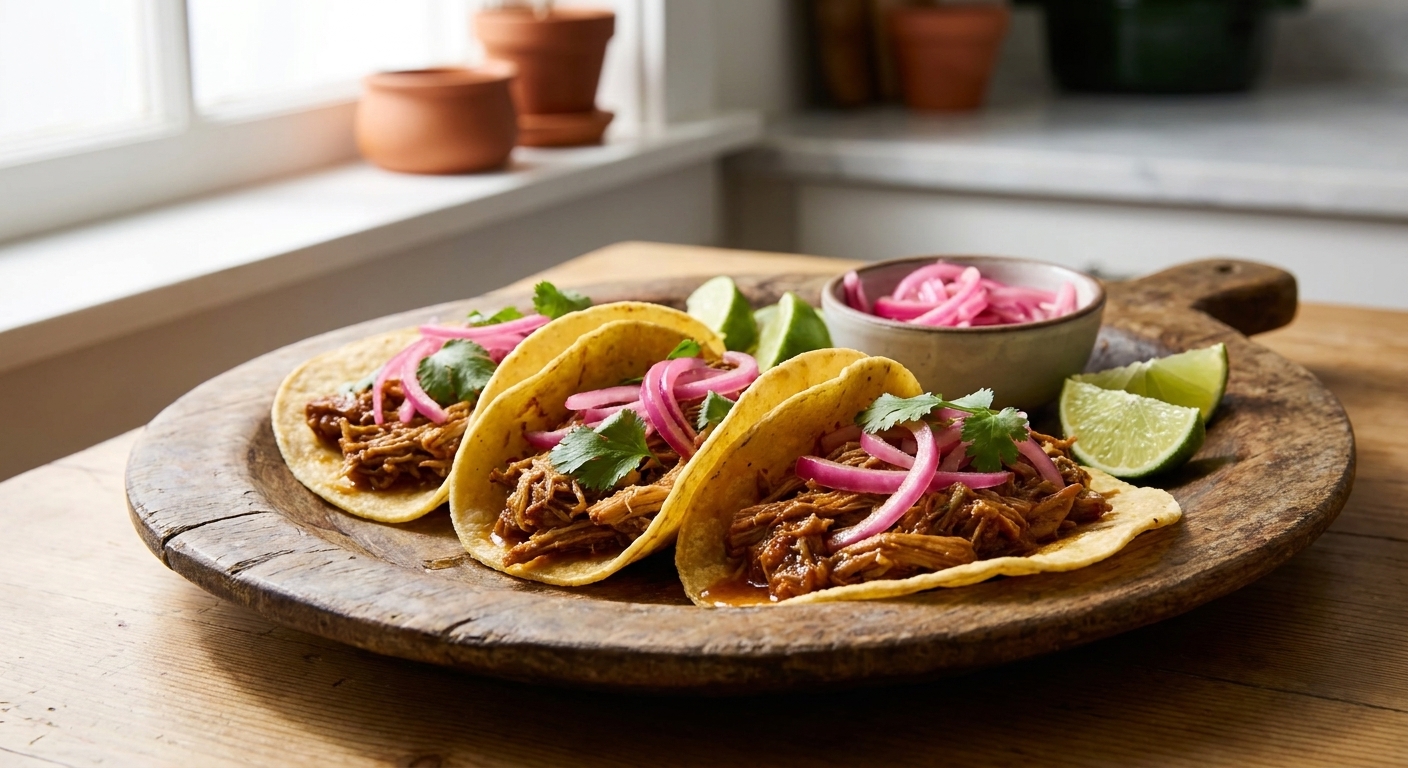
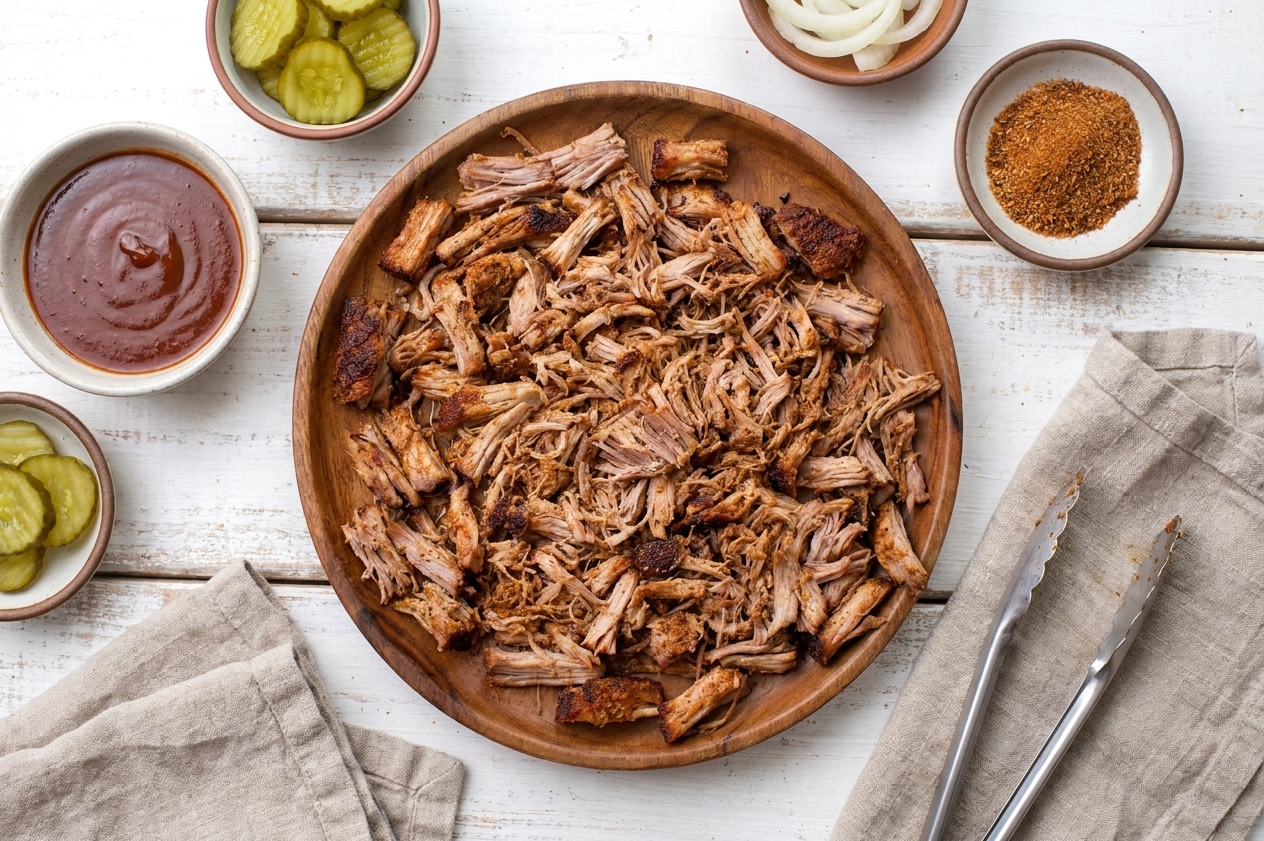
Pile griot onto a platter. Spoon a little reduced cooking liquid over the top, then hit it with lime and serve with pikliz and rice. Taste, adjust salt, and try not to eat half of it while “plating.”