Common Questions
Do I have to cook the pineapple first?
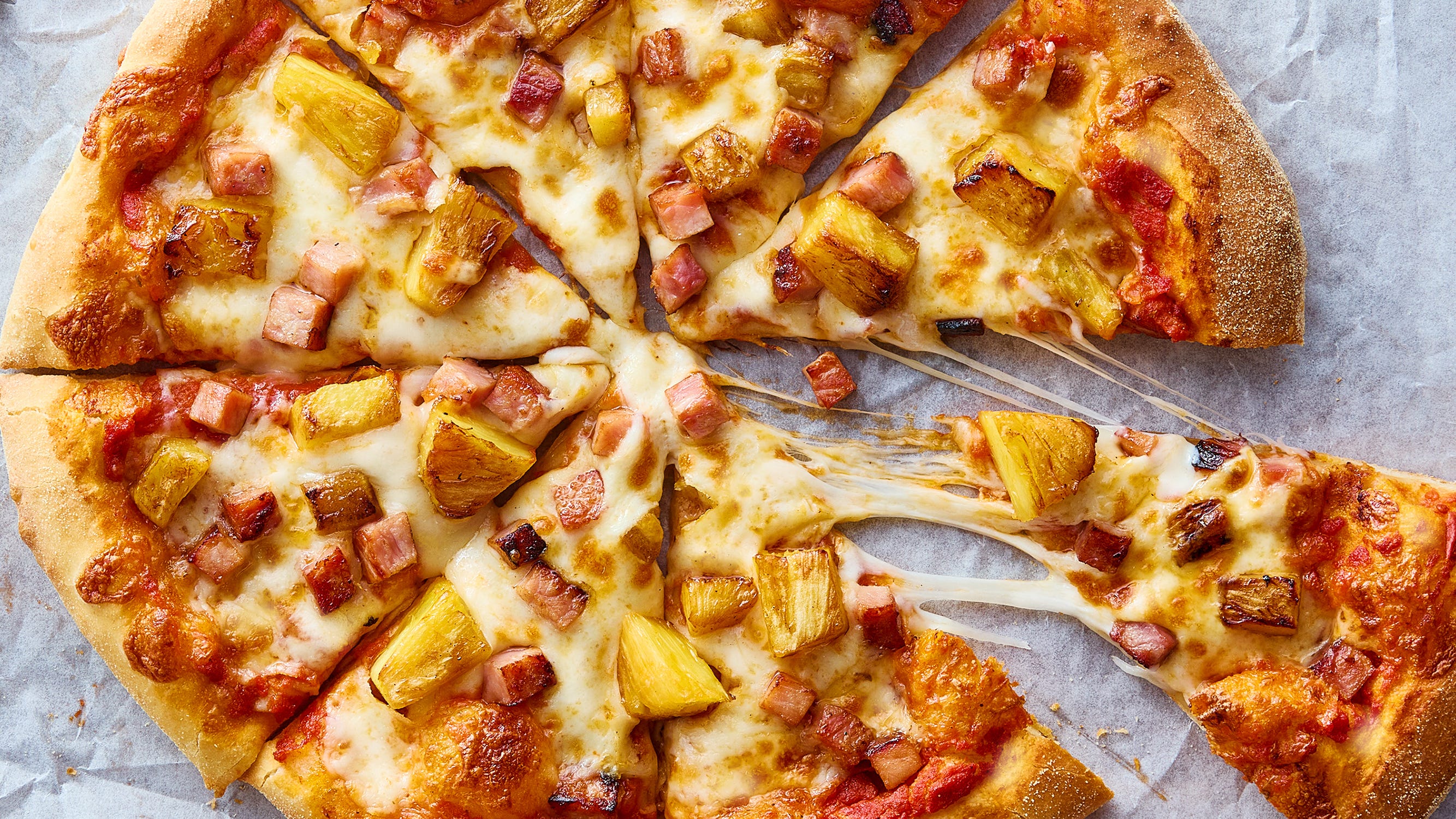
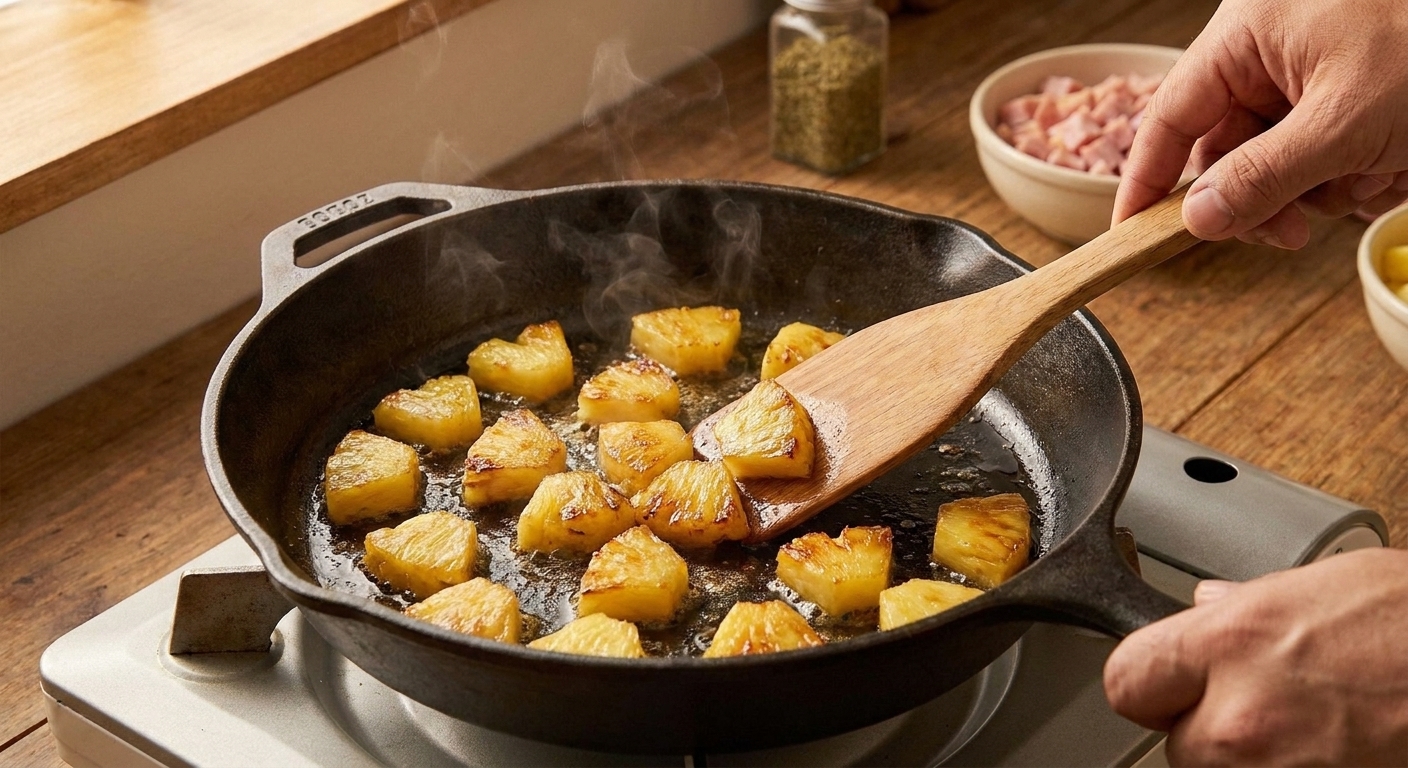
You do not have to, but it is the difference between “juicy and watery” and “toasty with browned edges.” Browning the pineapple drives off extra moisture and adds a roasty flavor, so your crust stays crisp. If your pineapple is packed in juice, drain it well. If it is fresh, pat it dry either way.
Fresh pineapple or canned?
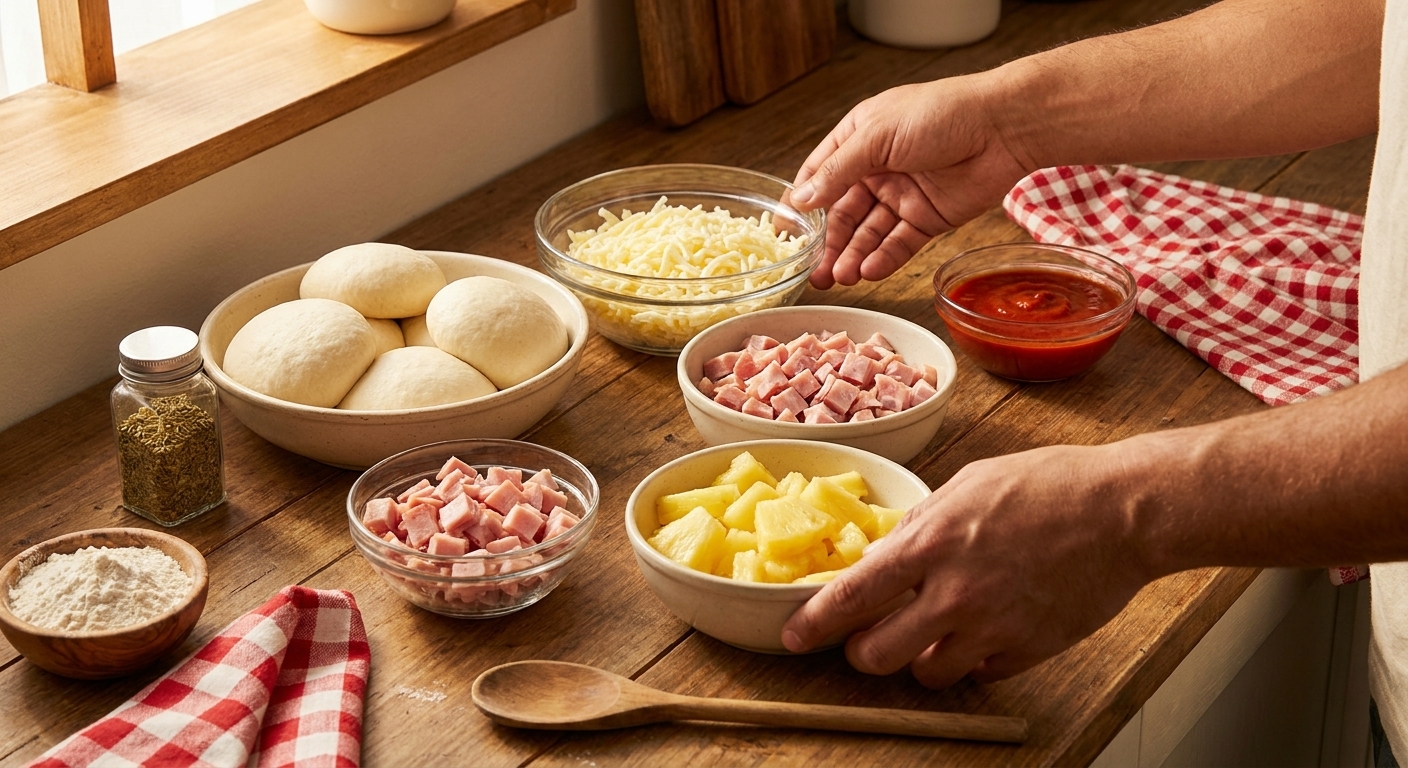
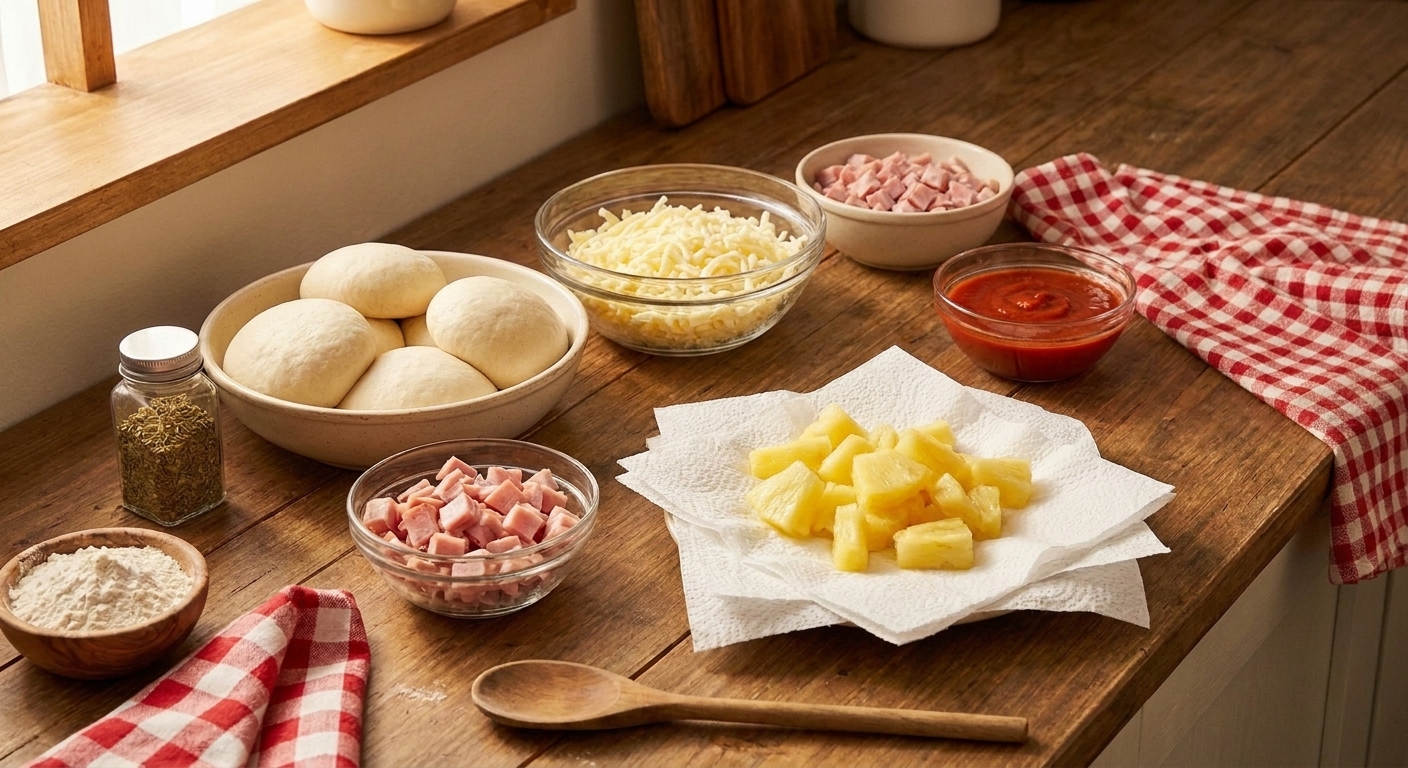
Both work. Fresh gives you brighter flavor and firmer texture. Canned is convenient, just make sure it is well-drained and patted dry. Avoid pineapple in heavy syrup if you can. Whichever you use, cut it into bite-size chunks (about 1/2-inch) so you do not get big wet pockets.
What kind of ham is best?
I like a smoky deli ham cut about 1/4-inch thick and diced. Canadian bacon works too. It is usually pre-cooked and thinner, so do not be shy about folding or layering it a bit so it does not dry out.
How do I keep the crust from getting soggy?
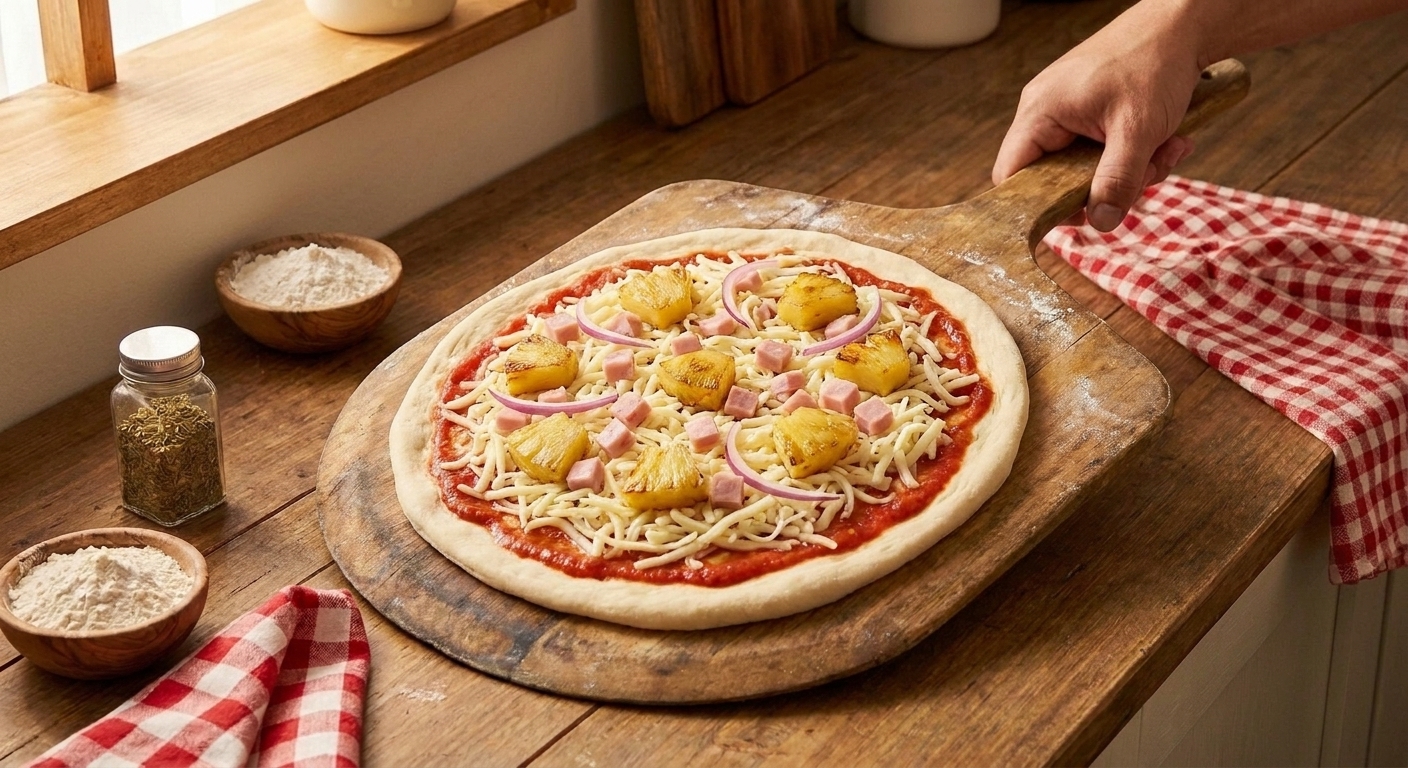
- Use less sauce than you think you need.
- Preheat your stone or steel for at least 30 minutes.
- Dry the pineapple and keep toppings reasonable.
- If using a sheet pan, bake it on the lower rack for better bottom heat, and consider a quick par-bake (see below).
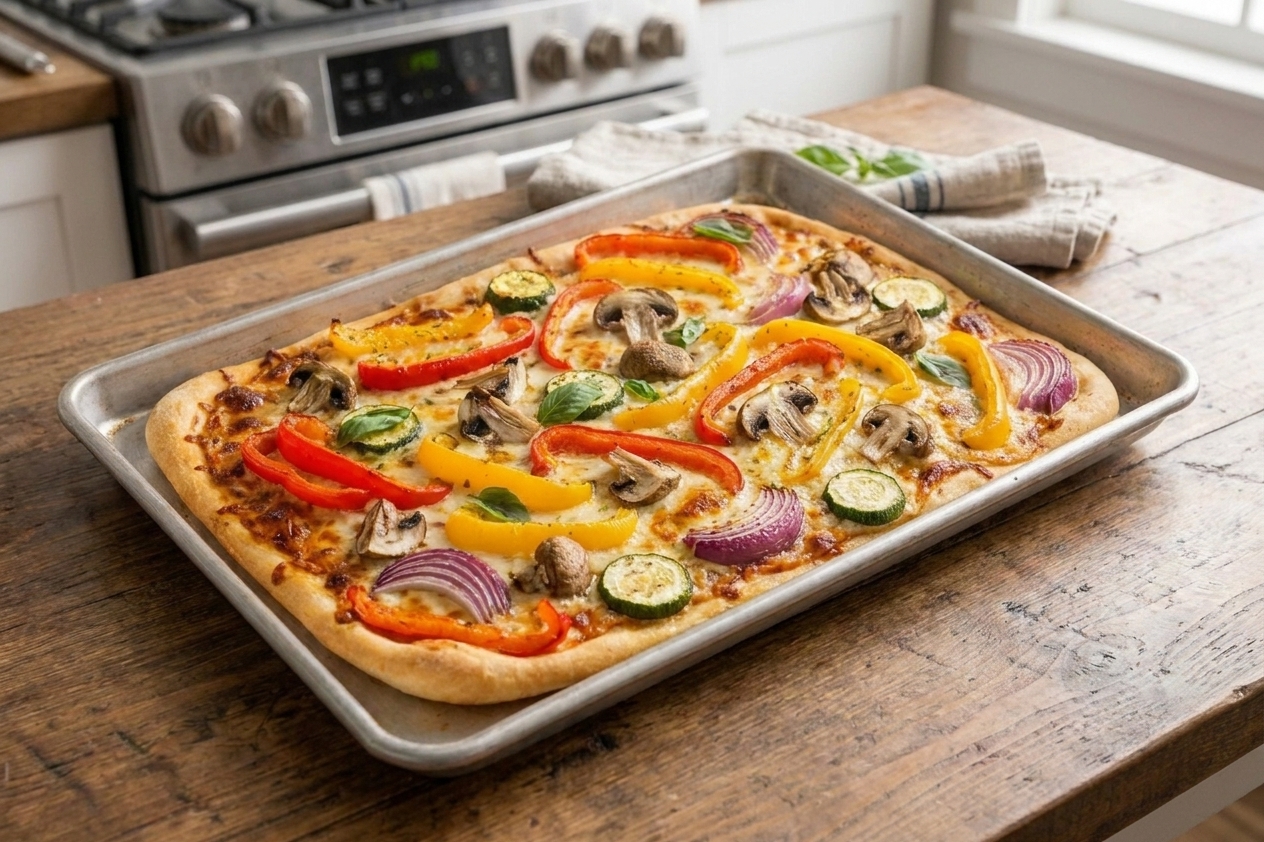
Can I make this on a sheet pan?
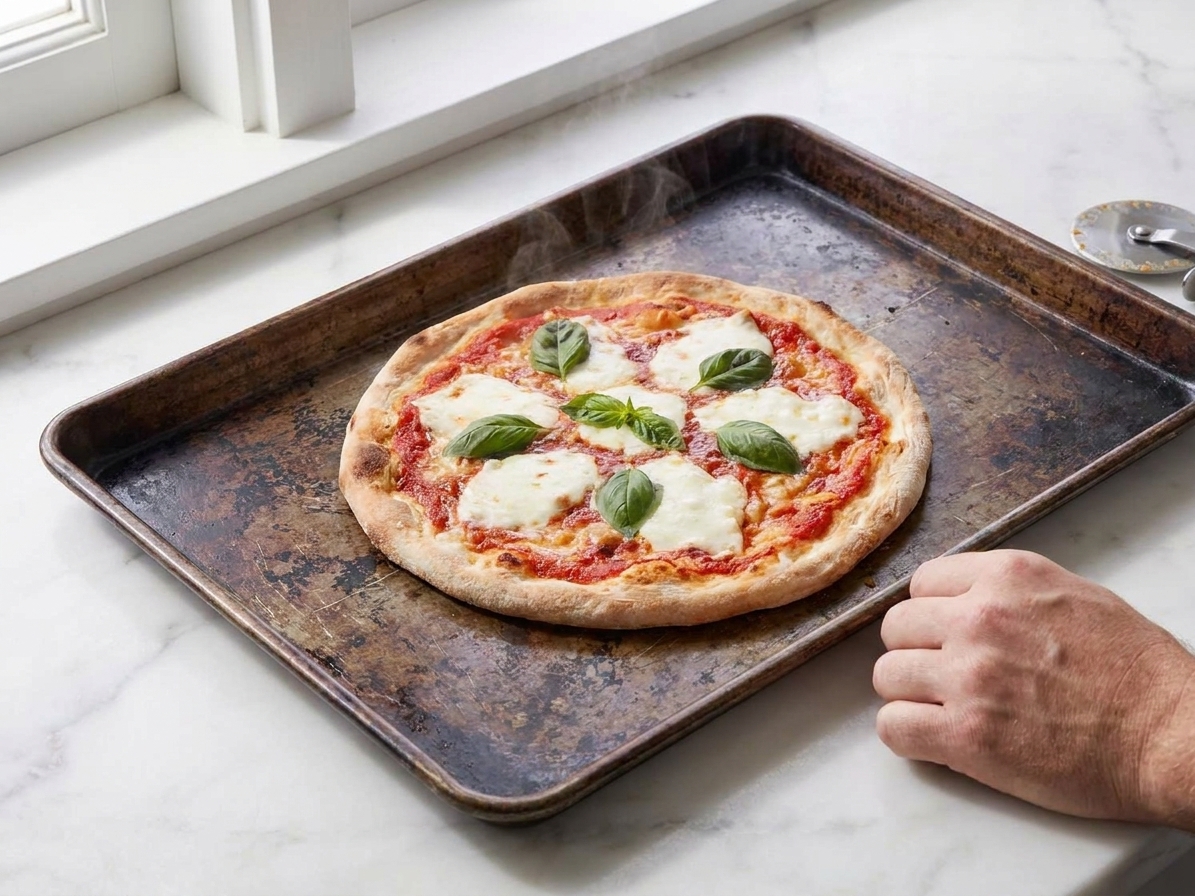
Yes. Stretch the dough into a lightly oiled sheet pan (no need to preheat the pan), let it relax for 10 minutes if it springs back, then top and bake. If your sheet-pan pizzas tend to get soft in the center, par-bake the plain dough 2 to 3 minutes before saucing and topping. You might need an extra 2 to 4 minutes in the oven compared to a stone or steel.