Mom's Best Recipes
Recipe

Homemade Bath Bombs

Simple, fizzy bath bombs with customizable scent and color, plus the practical tricks that keep them from cracking, crumbling, or turning into sad bath dust. Includes a quick (but important) note on oils, colorants, and keeping your tub safe and stain-free.

Author By Matt Campbell
4.8
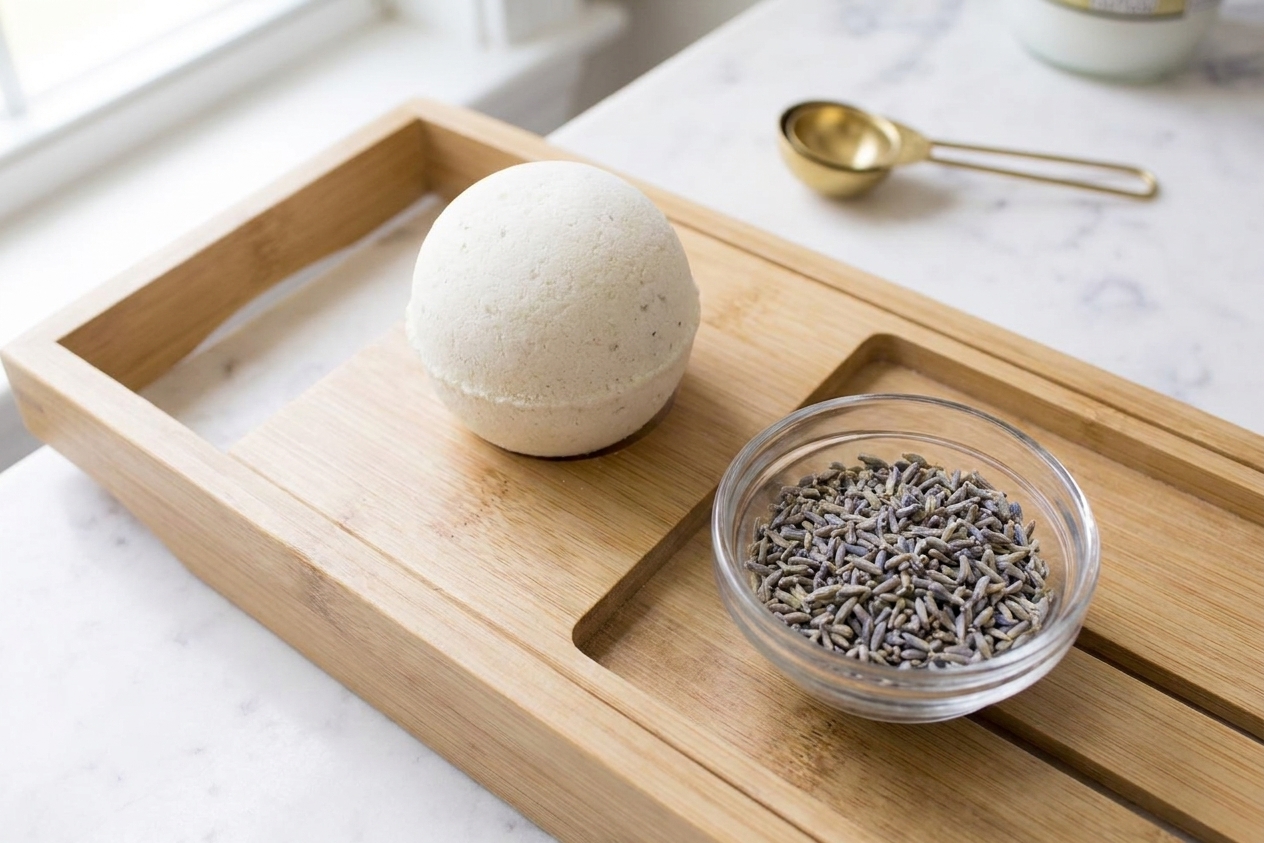
A single round homemade bath bomb on a wooden bath tray beside a small glass bowl of dried lavender, in soft natural bathroom light

Bath bombs are basically the cozy carbs of bath time. You want the big fizz, the good smell, and the kind of payoff that makes you lean back and think, “Okay, wow.” But if you have ever tried making them at home, you know the drama: crumbly edges, hairline cracks, or a mix that refuses to hold together.

This recipe keeps it simple and accessible. No mystery ingredients, no complicated math, and no pretending humidity is not a real villain. You will get sturdy bath bombs that fizz like they mean it, with plenty of room to play with scent, color, and add-ins. Also, quick real-life note: oils and colorants can make a tub slick or leave a ring, so I give you an easy prevention option (Polysorbate 80) and a cleanup heads-up.

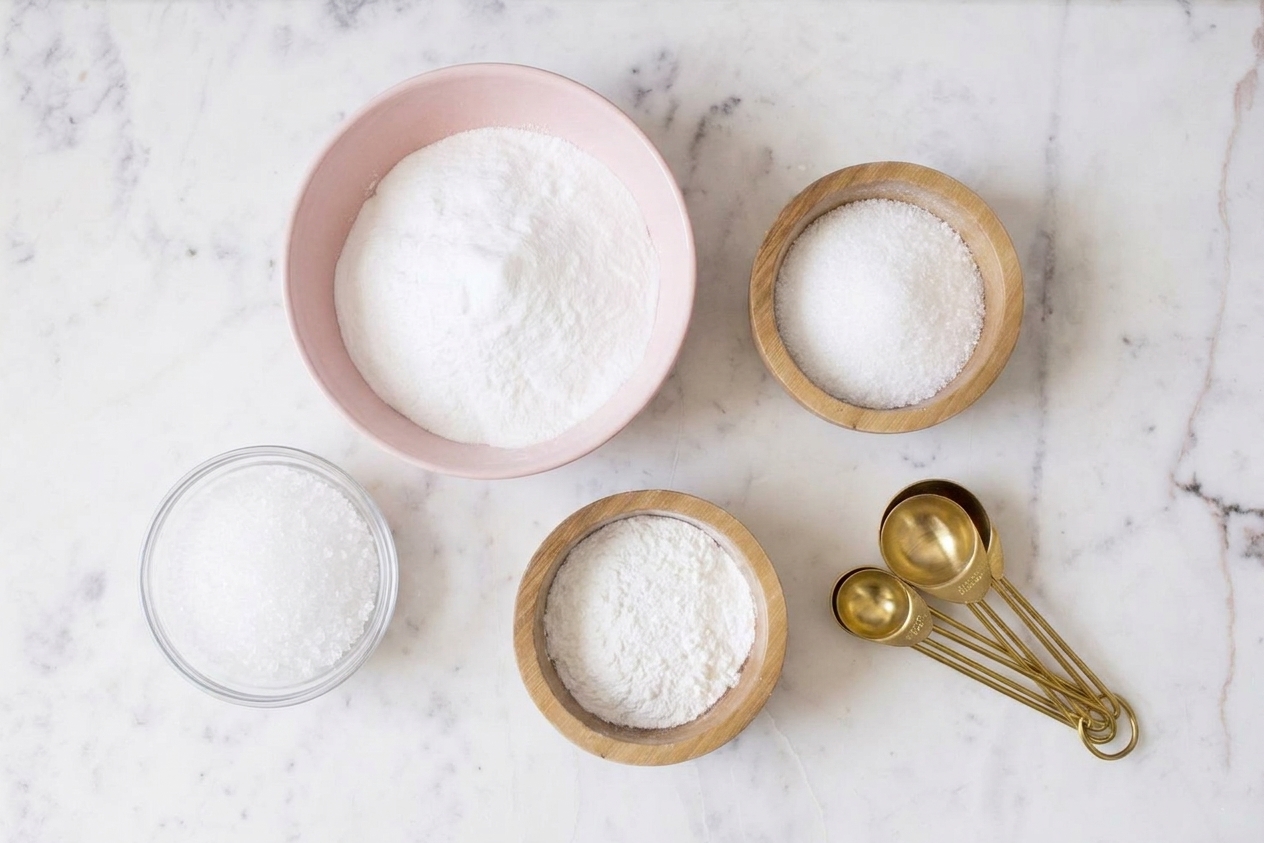
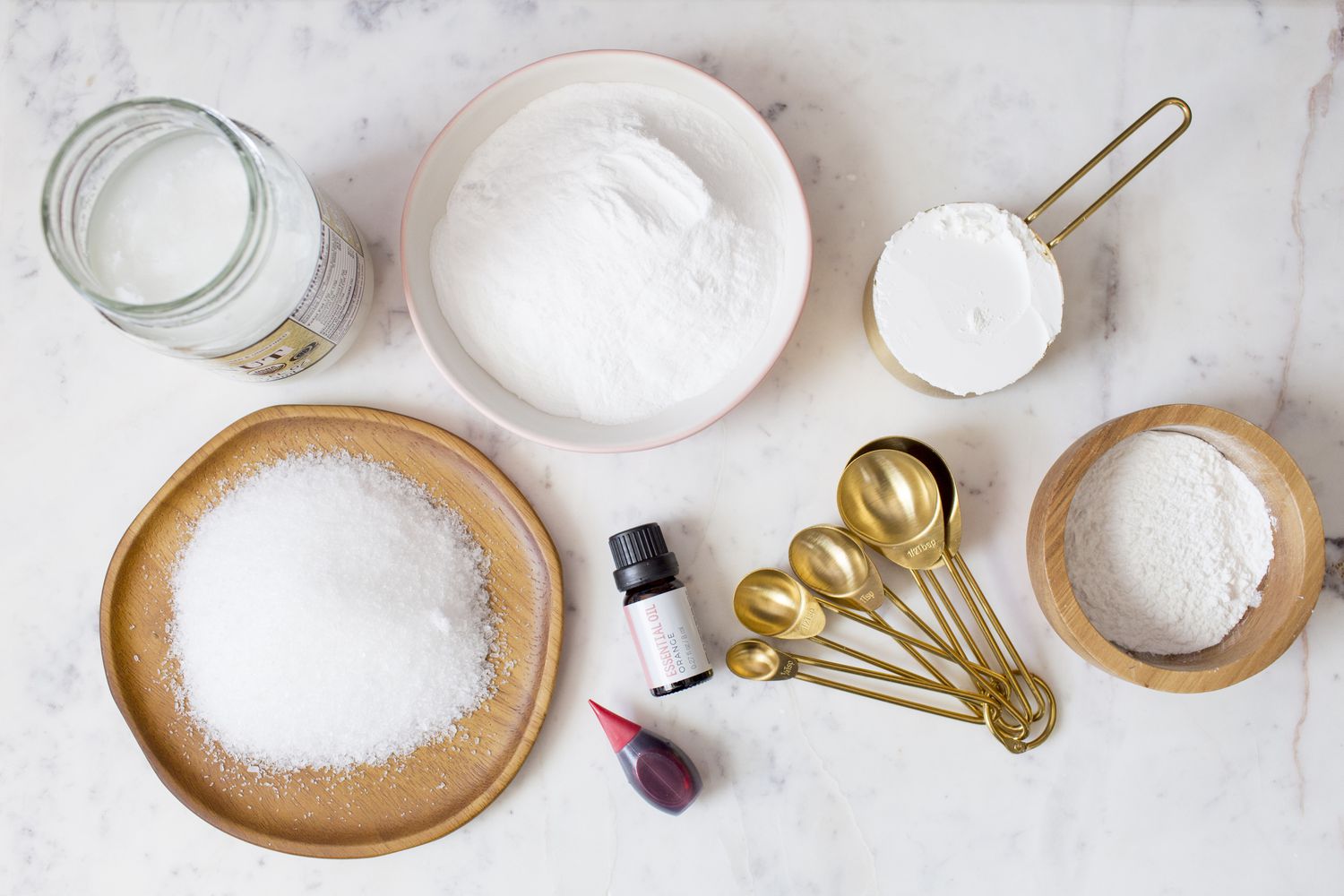
Baking soda, citric acid, cornstarch, and Epsom salt measured into small bowls on a bright kitchen counter

Why It Works

  • Reliable texture: A dry mix with just enough moisture to pack firmly, so your bombs release cleanly from the mold.
  • Big fizz, clean finish: Baking soda plus citric acid gives that classic bath bomb reaction without going flat.
  • Customizable but not fussy: Swap scents, colors, and add-ins without breaking the base recipe.
  • Built-in troubleshooting: You will know what to do if your mix is too dry, too wet, or cracking while drying.

Pairs Well With

Storage Tips

Short version: Keep them dry, airtight, and away from humidity.

  • After drying: Store bath bombs in an airtight container or a zip-top bag, ideally with a small silica packet if you have one.
  • Best location: A cool, dry closet or cabinet. Do not store them in the bathroom unless your bathroom is unusually dry.
  • For gifting: Wrap each bomb tightly in plastic wrap, then place in a box or tin. This prevents premature fizzing from moisture in the air.
  • How long they last: Best fizz is often in the first 1 to 2 months. They are usually still usable for a few months if kept very dry, but the fizz can slowly soften over time.

Common Questions

Why did my bath bombs crack while drying?

Cracking usually means the mix was a little too wet or packed unevenly. Next time, use fewer sprays of witch hazel and pack both halves of the mold firmly, then press together with a slight twist. If a bomb cracks, you can often “patch” it by rubbing a tiny pinch of slightly damp mix into the crack like bath bomb spackle.

Why are my bath bombs crumbly and falling apart?

Too dry. Your mix should hold its shape when squeezed like damp sand. Add 1 to 2 more sprays of witch hazel, mix thoroughly, and test again. Also make sure your citric acid is not clumpy. Clumps can keep the mix from binding evenly.

Can I use water instead of witch hazel?

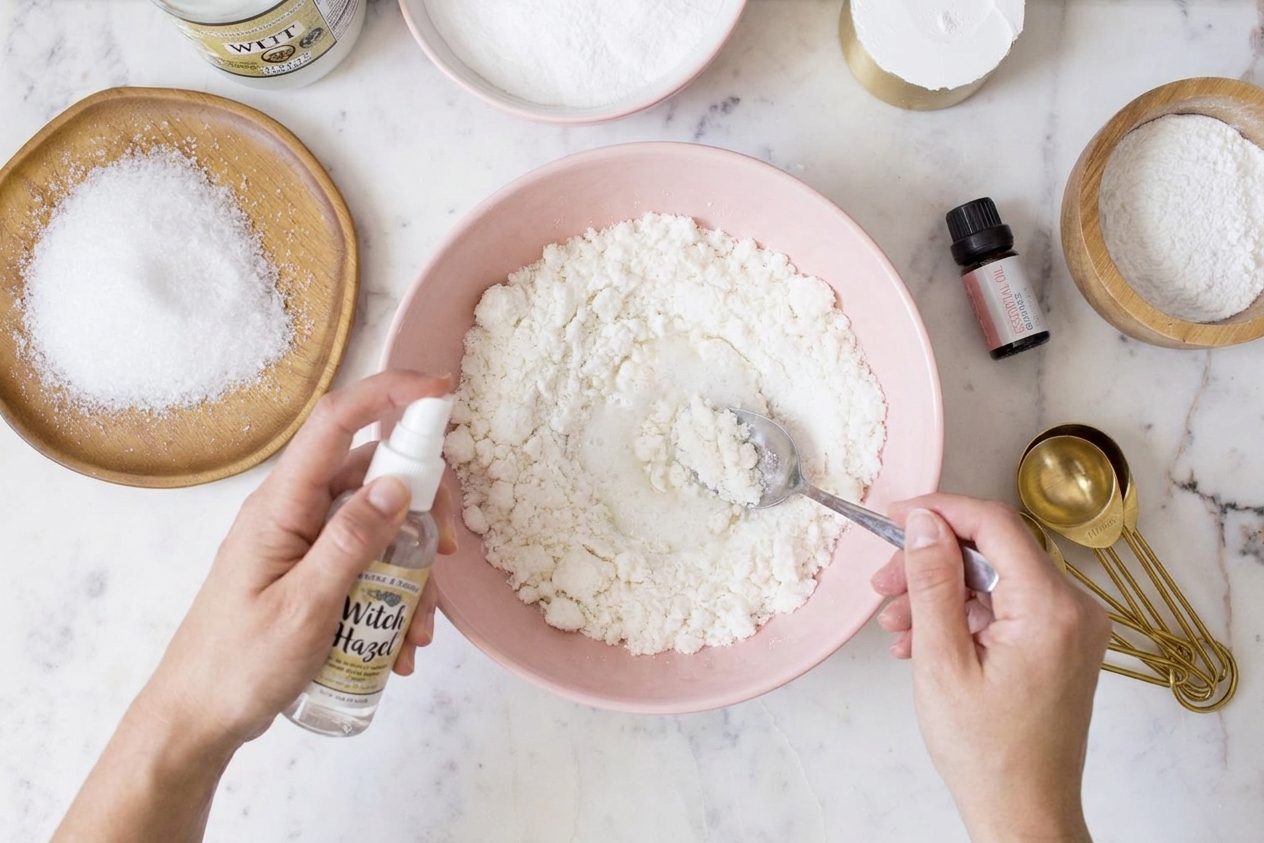
You can, but water is more likely to kick off fizz while you mix. Witch hazel (and rubbing alcohol) can be a little easier to control when you mist it in slowly, but it can still trigger fizz if you add too much at once. The real trick is light sprays, thorough mixing, and stopping the second the texture holds.

Do I have to use Epsom salt?

No. Epsom salt adds a spa vibe and can change the feel and hardness, but it is not required. If you skip it, replace it with more baking soda. If you do use salt, fine grain is your friend. Coarse crystals can contribute to crumbling.

Will these make my tub slippery or leave a ring?

They can, especially if you use oils (like coconut oil) and colorants (like mica). For an easier-clean finish, add 1/2 tsp Polysorbate 80 to the wet ingredients. It helps oils and color disperse instead of clinging to the tub. Either way, do yourself a favor and wipe the tub down after draining, since oils plus mica can leave a stubborn ring and a slip hazard.

Are bath bombs safe for kids?

Generally yes, but keep them simple: skip heavy fragrance, skip glitter, and avoid strong essential oils. If you are making them for sensitive skin, use less fragrance and choose a gentle, bath-safe colorant. When in doubt, do a small skin test and keep the soak short.

Can I use essential oils?

Yes, but use them carefully. Some essential oils can irritate skin. A conservative home rule is to keep total essential oil to about 0.5% to 1% of the batch by weight, depending on the oil. If you are unsure, check dermal guidelines (IFRA and supplier recommendations) or stick to a skin-safe fragrance oil made for bath products.

I love a recipe that feels like a little ritual, and bath bombs are basically that, just with zero dishes to eat after. The first time I made them, I got cocky, added too much liquid, and watched my “future spa moment” puff up in the bowl like a science fair volcano. Now I treat the moisture like seasoning: add it slowly, mix like you mean it, and stop the second it feels right. When they pop out of the mold clean and dry, rock-solid, it is the same satisfaction as nailing a crisp sear. Different kitchen. Same thrill.