Mom's Best Recipes
Recipe

Homemade Beef Broth

Roasted bones, a slow simmer, and a few smart moves for a rich, clear broth that makes everything taste like you tried harder than you did.

Author By Matt Campbell
4.8
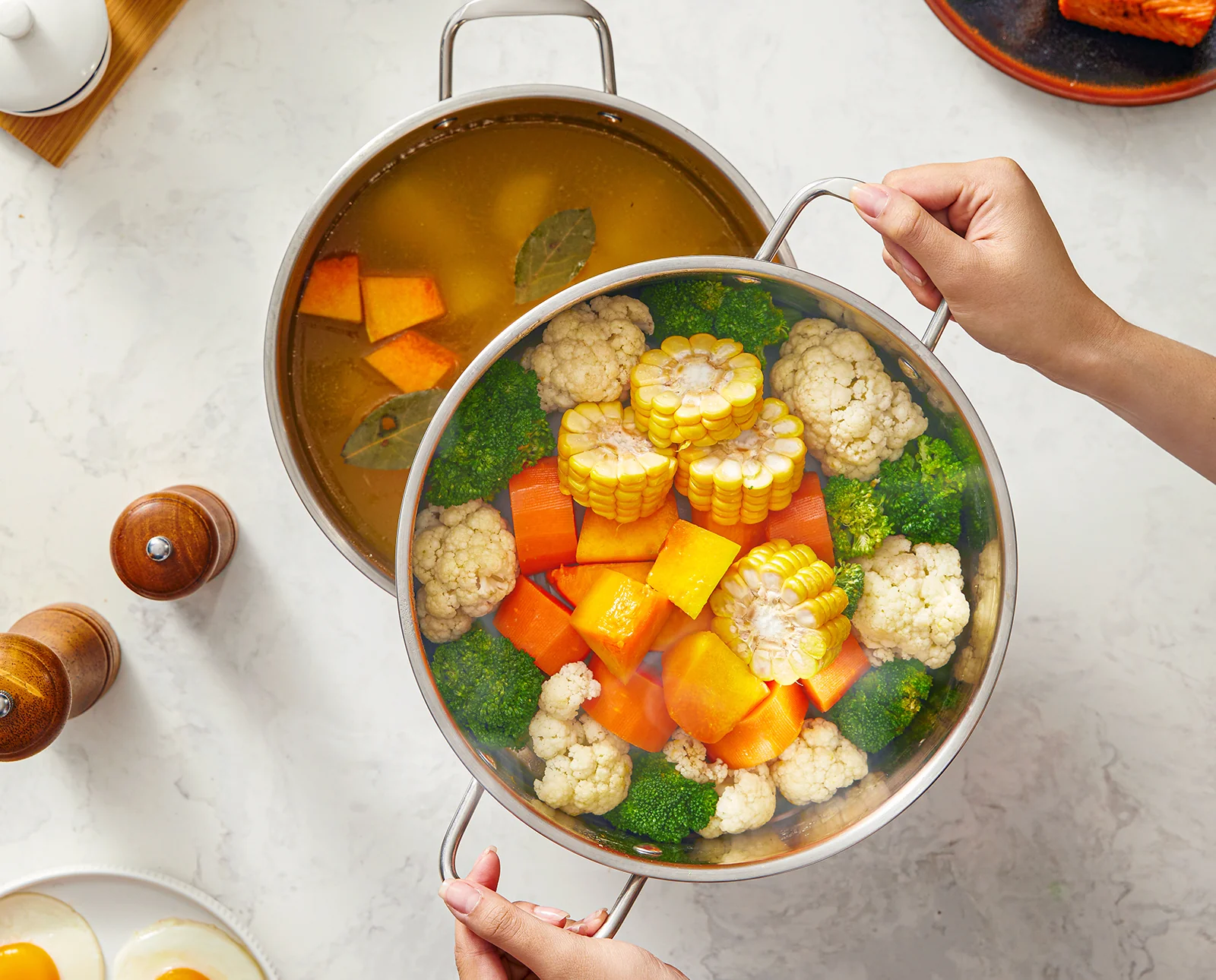
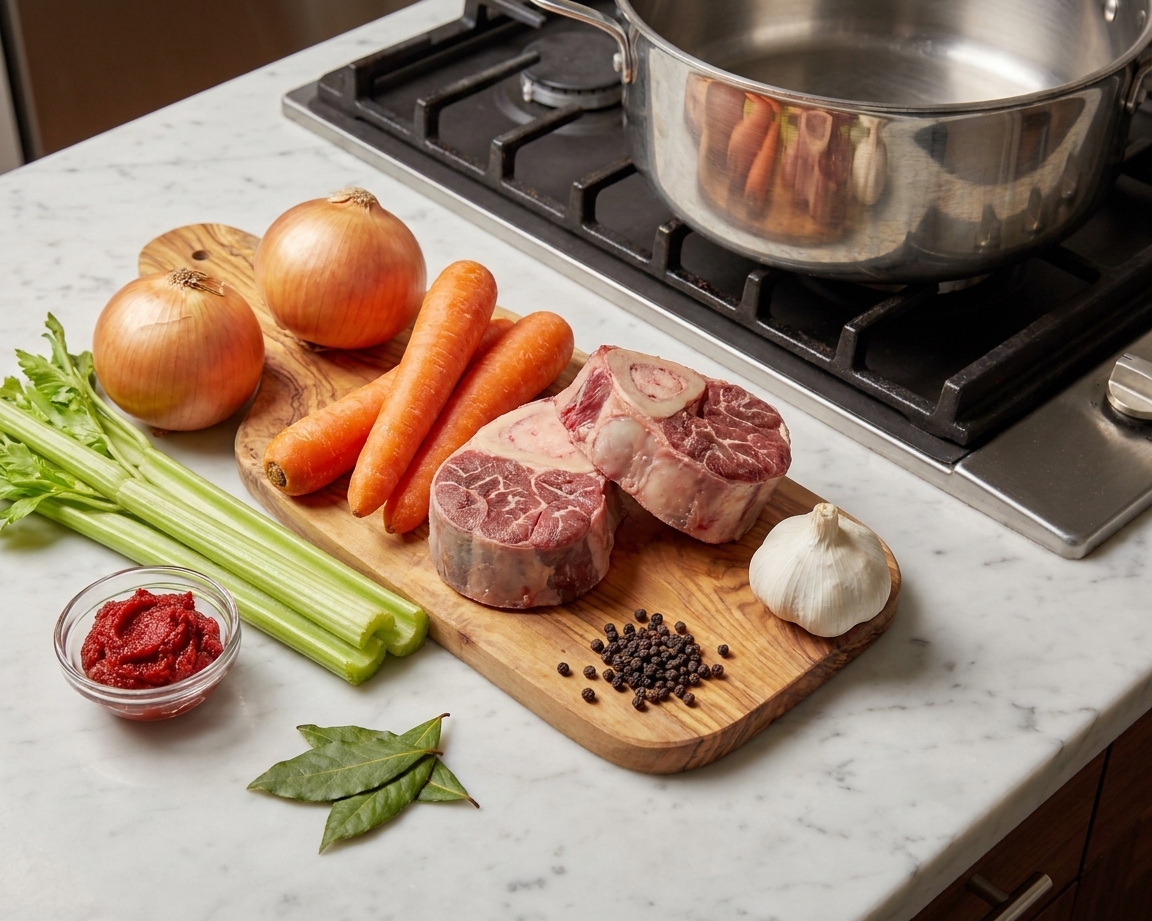
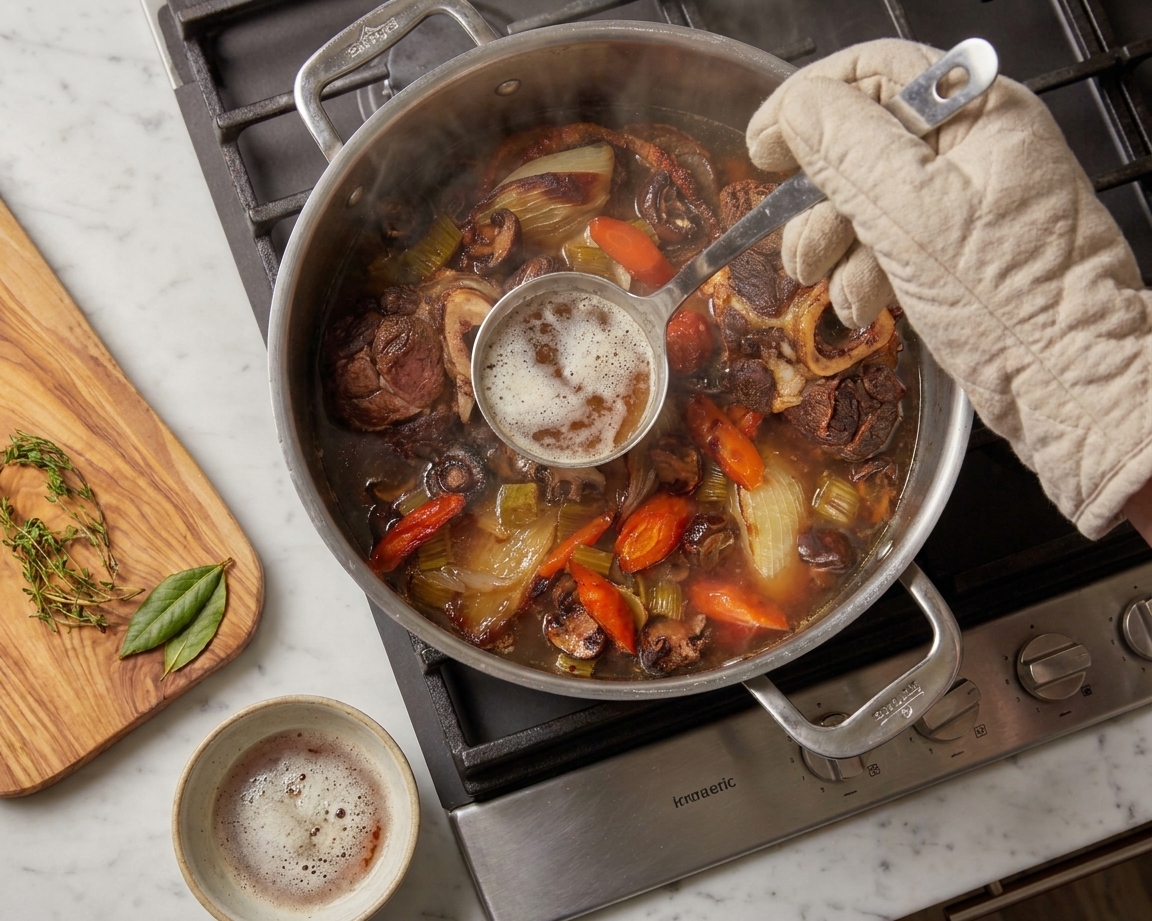
A large stockpot of clear amber beef broth gently simmering on a stovetop with roasted beef bones and vegetables nearby on a warm kitchen counter

Beef broth is one of those quiet kitchen upgrades that makes your soups, gravies, rice, and weeknight braises taste like they had a game plan. The store bought stuff can be fine, but homemade broth brings that clean, roasty depth and a little body that turns a basic bowl of noodles into something you pause for.

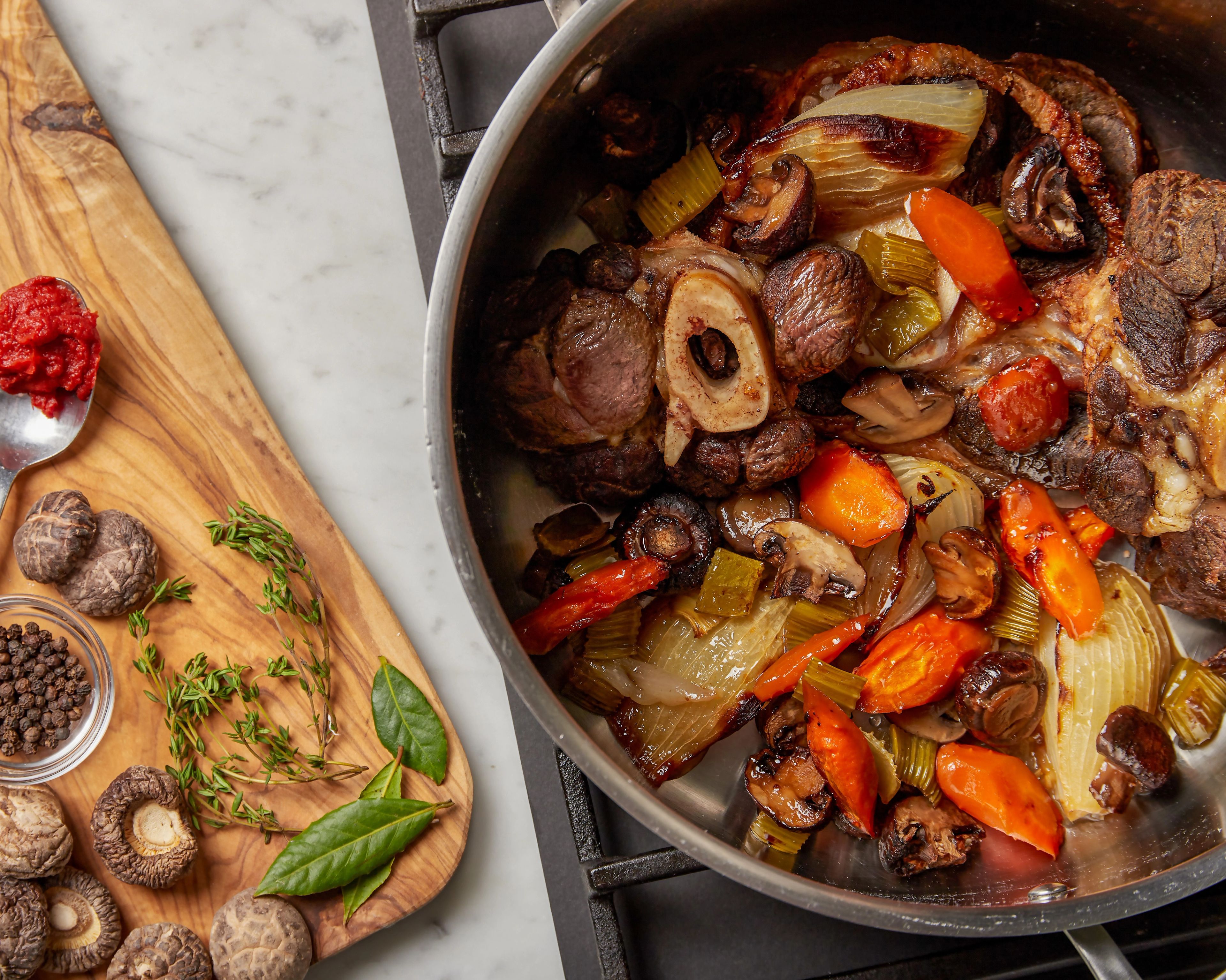
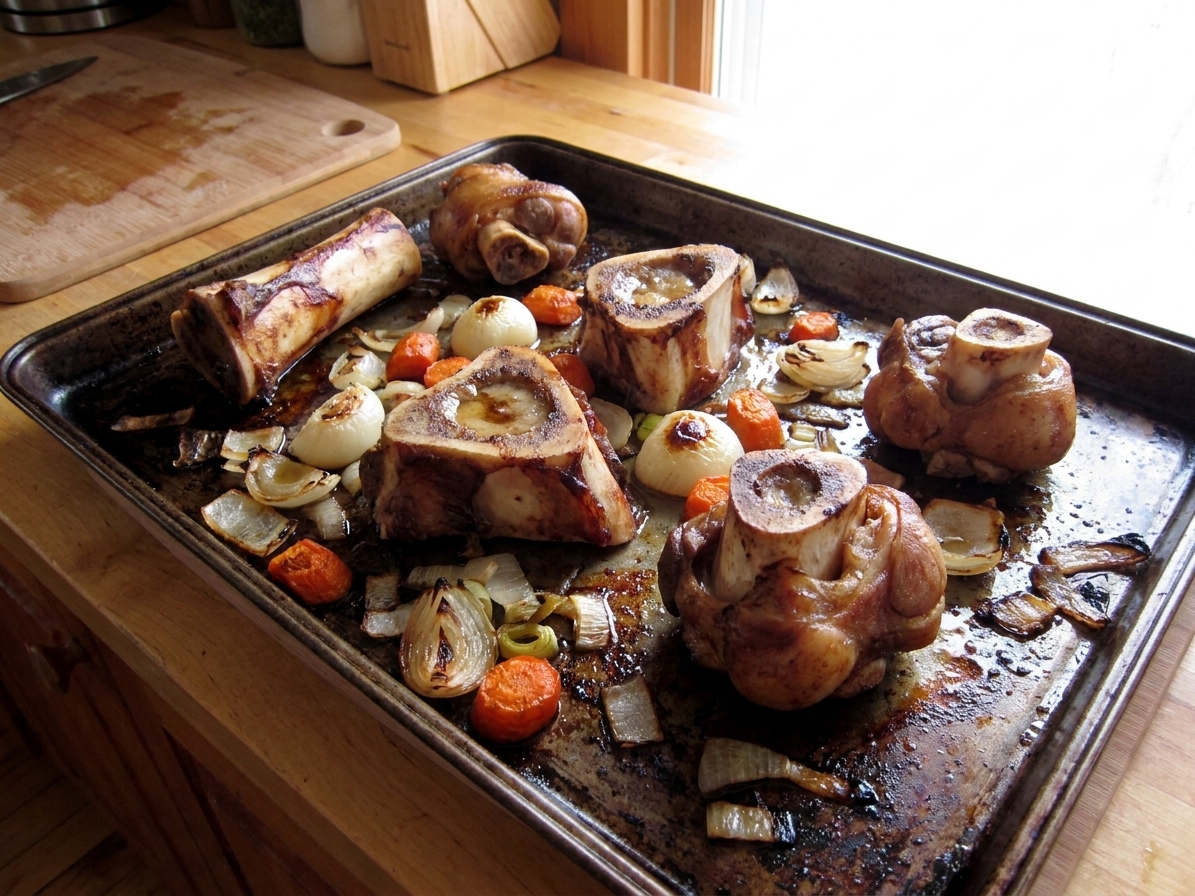
This recipe is my go-to when I have a pack of beef bones and a couple hours where I can be loosely responsible. We roast everything first for flavor, then simmer low and slow so the broth stays clear instead of turning cloudy and aggressive. You do not need fancy equipment. You do need to skim once in a while and taste at the end like you mean it.
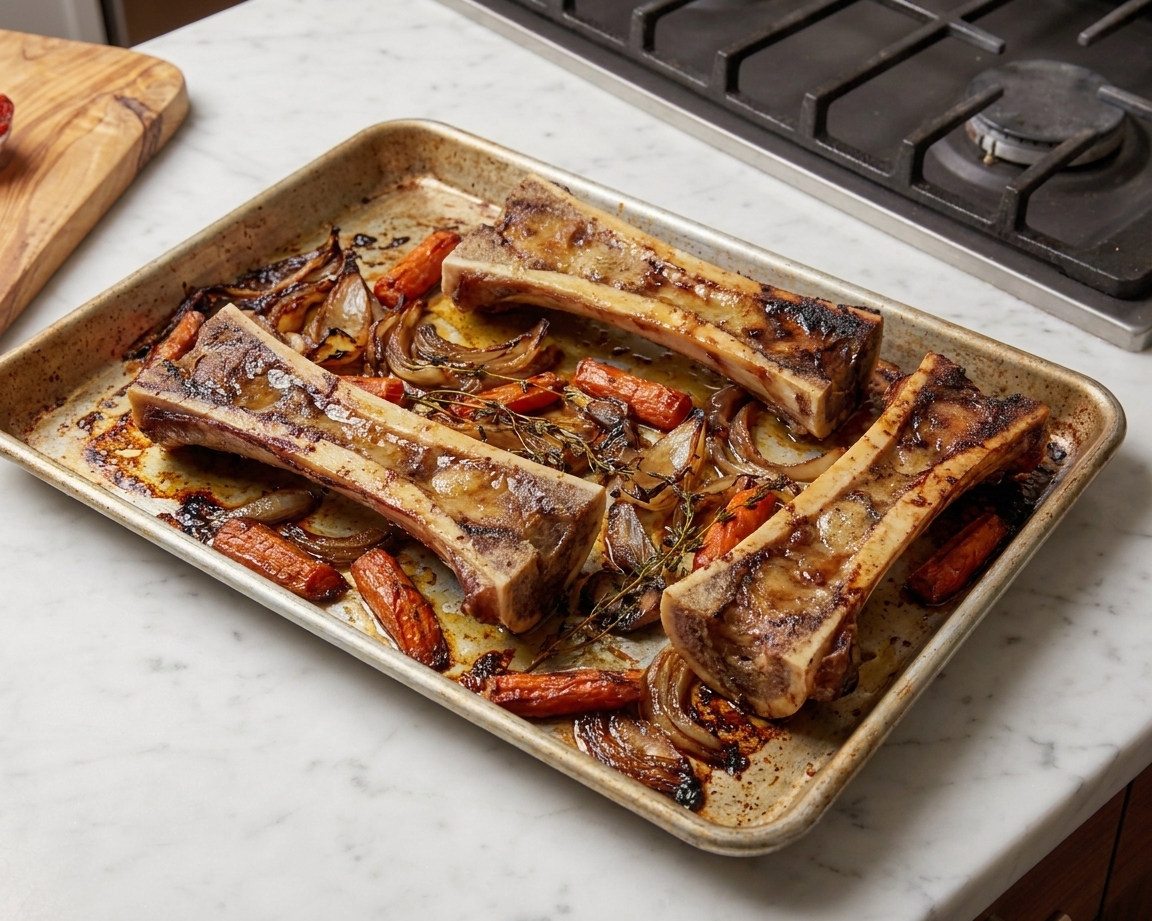
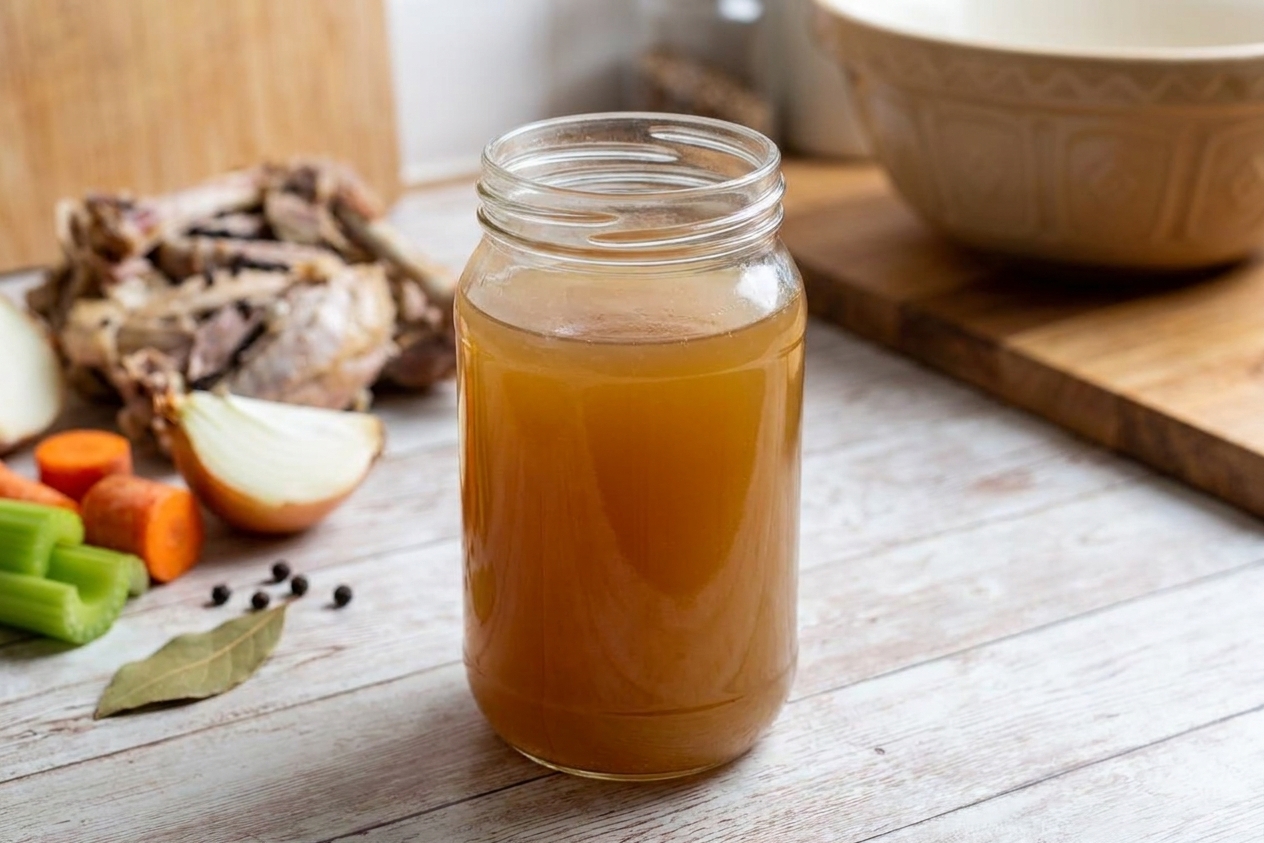
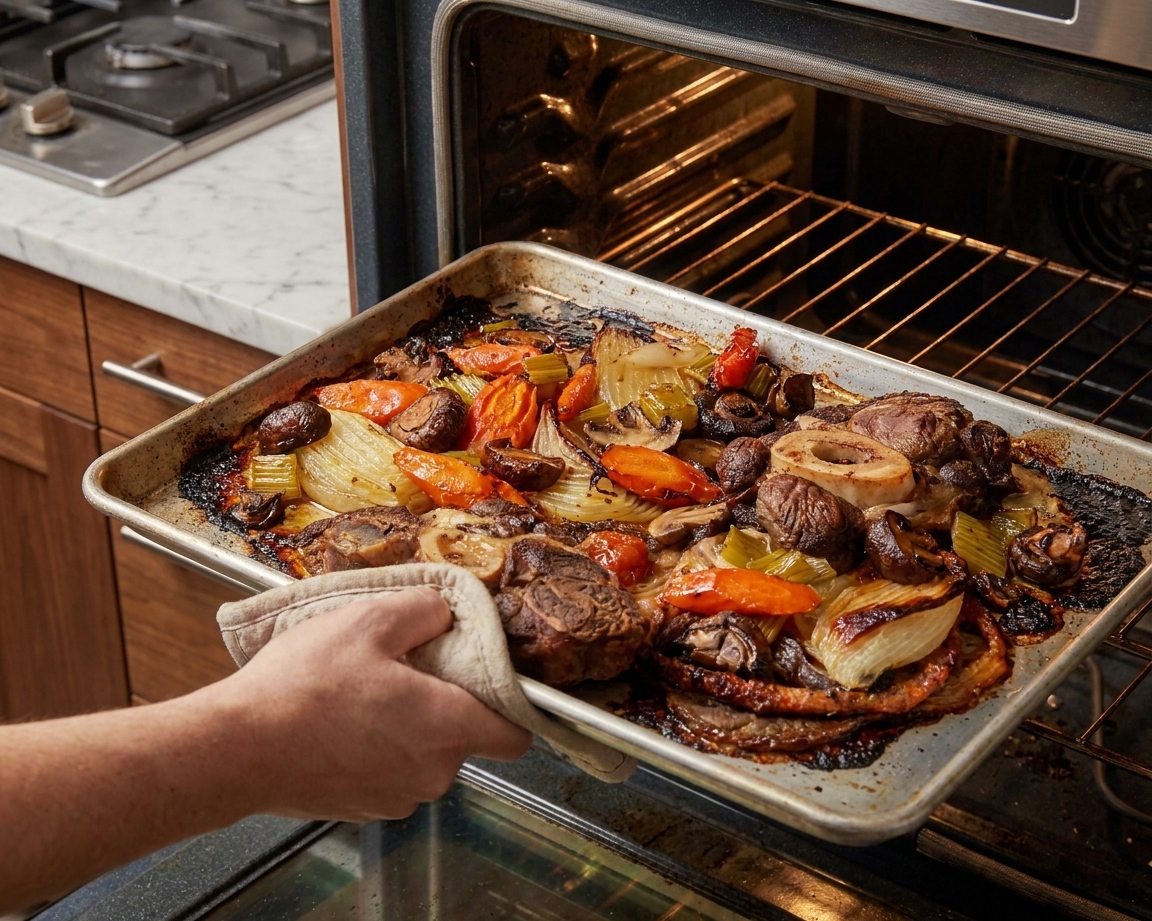
Roasted beef marrow bones on a rimmed baking sheet with browned onions and carrots, resting on a kitchen counter under warm light

Why It Works

  • Deep beefy flavor from roasting the bones and tomato paste before simmering.
  • Cleaner, clearer broth thanks to a gentle simmer and regular skimming.
  • Freezer friendly and easy to portion so you always have a shortcut for soups, sauces, and grains.
  • Not too salty because we salt at the end, which gives you control for whatever you are cooking next.

Pairs Well With

Storage Tips

How to store beef broth

  • Fridge: Cool broth quickly, then refrigerate in airtight containers for 3 to 4 days (up to 5 days if it was cooled fast and your fridge stays at 40 F or below). When in doubt, trust your senses and reboil before using. Once chilled, lift off the fat cap if you want a leaner broth, or keep some for flavor.
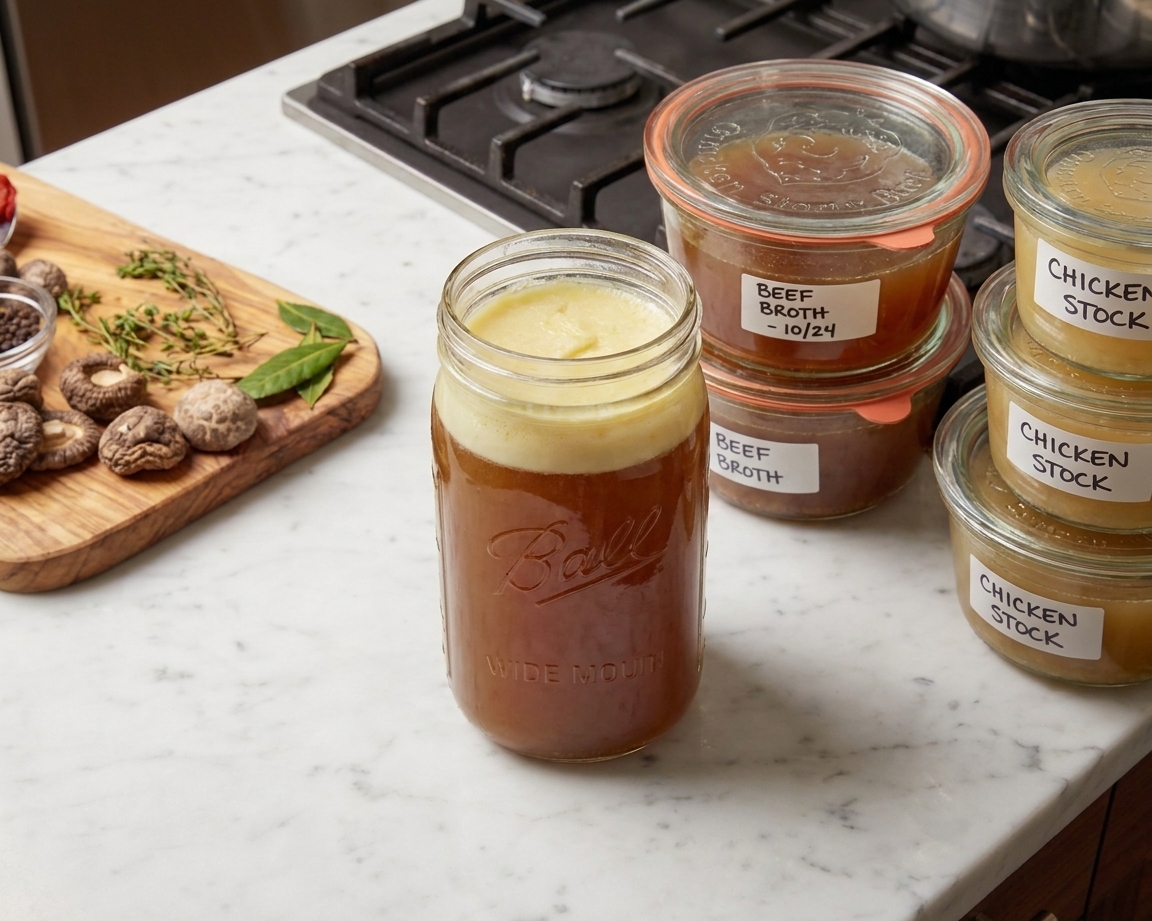
  • Freezer: Freeze up to 3 months for best flavor. Portion into 1 cup and 2 cup containers so you can grab what you need. Silicone muffin trays also work great for small flavor bombs.
  • Fast cooling tip: For large batches, safety is about speed. Set the pot in a clean sink filled with ice water and stir occasionally, or pour into shallow containers to cool faster. Aim to get it into the fridge within 2 hours.
  • Reheating: Warm gently on the stove. If it gelled in the fridge, that is a good sign and it will melt back into liquid as it heats.

Common Questions

Common questions about beef broth

What is the difference between beef broth and beef stock?

Broth is usually lighter and can be made with meat and bones, while stock leans heavily on bones and collagen for more body. This recipe sits in that happy middle: it is broth in spirit, but it has some stock energy because we use plenty of bones and simmer long enough to pull out gelatin.

Why did my broth turn cloudy?

Cloudiness usually comes from a hard boil, stirring a lot, or letting the pot get too wild. Keep it at a bare simmer where you see a few lazy bubbles. Skim the foamy stuff early and often.

Do I have to roast the bones?

No, but roasting is where the flavor lives. If you skip it, you get a cleaner, lighter broth that is great for certain soups, but you lose that toasted, savory depth.

Can I cook this in a slow cooker or Instant Pot?

Yes. Roast the bones first for flavor. For a slow cooker, go on low 10 to 12 hours. For an Instant Pot, cook 90 to 120 minutes on high pressure depending on bone size and how much gelatin you want, then let it naturally release. Strain and chill as usual.

Should I add salt while it simmers?

I recommend waiting until the end. Broth reduces a bit as it cooks, and salting early makes it easy to overshoot. Season the finished broth lightly, or keep it unsalted so it can flex into any recipe.

How much broth will I end up with?

It depends on your pot, simmer strength, and how much evaporation you get. Expect about 8 to 12 cups. If the bones start peeking out while it simmers, add a splash of water to keep them mostly submerged.

I never took the culinary degree route, but I did take the learn by doing and occasionally making a mess route. Broth was one of the first things that made me feel like I had real kitchen leverage. You roast bones, you simmer, you skim, and suddenly you have liquid gold that makes Tuesday night taste like Sunday. Also, I fully support sipping a mug of hot broth like it is tea, especially when you need something cozy but do not want a whole meal.