Stock vs broth: what is the difference?
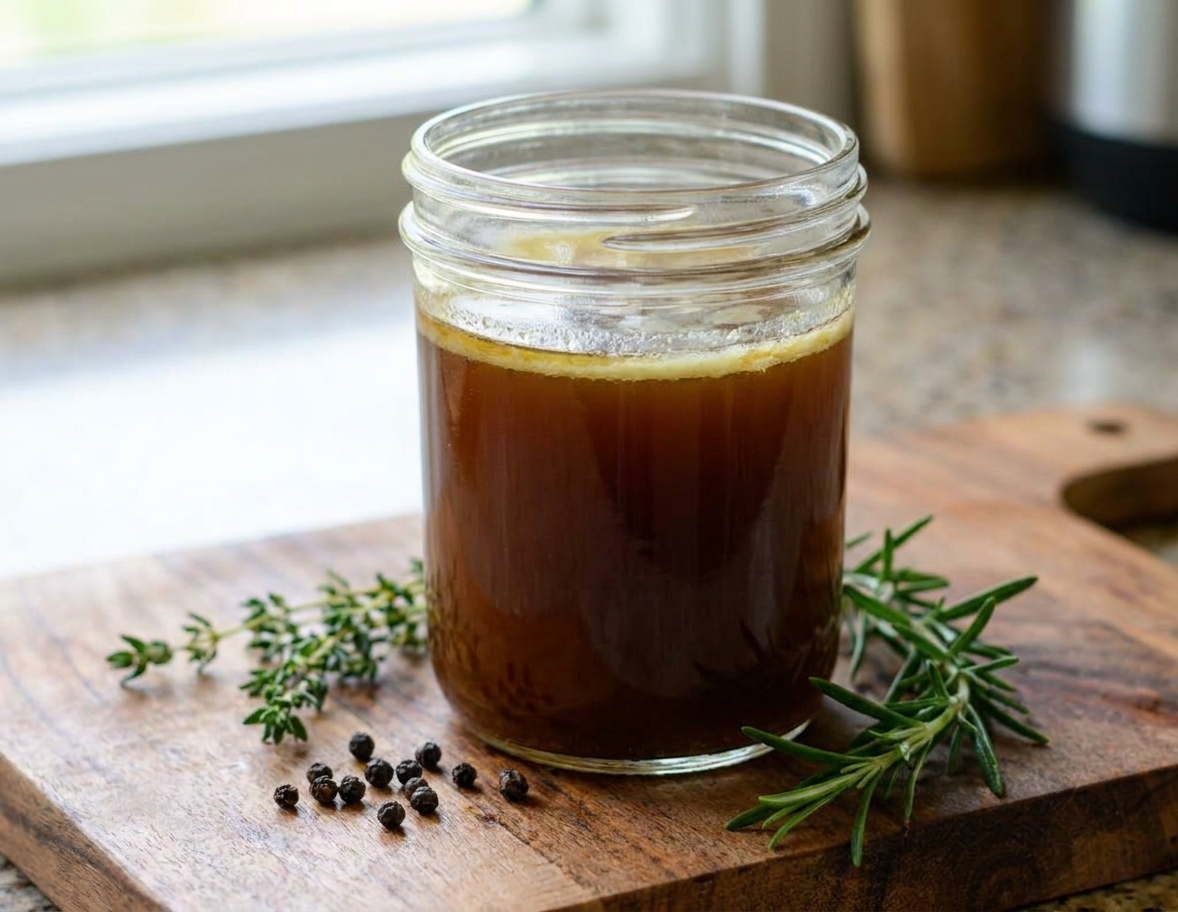
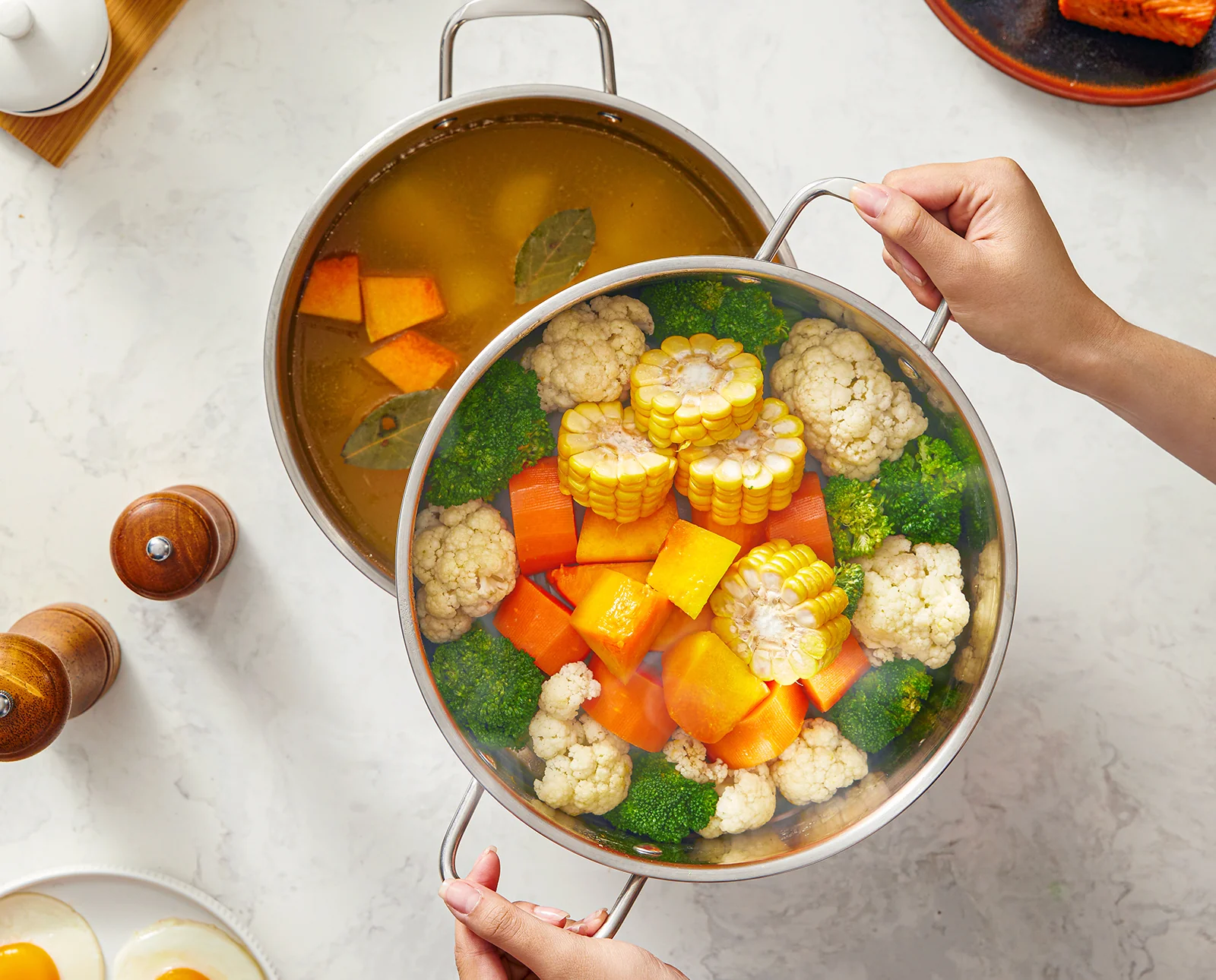
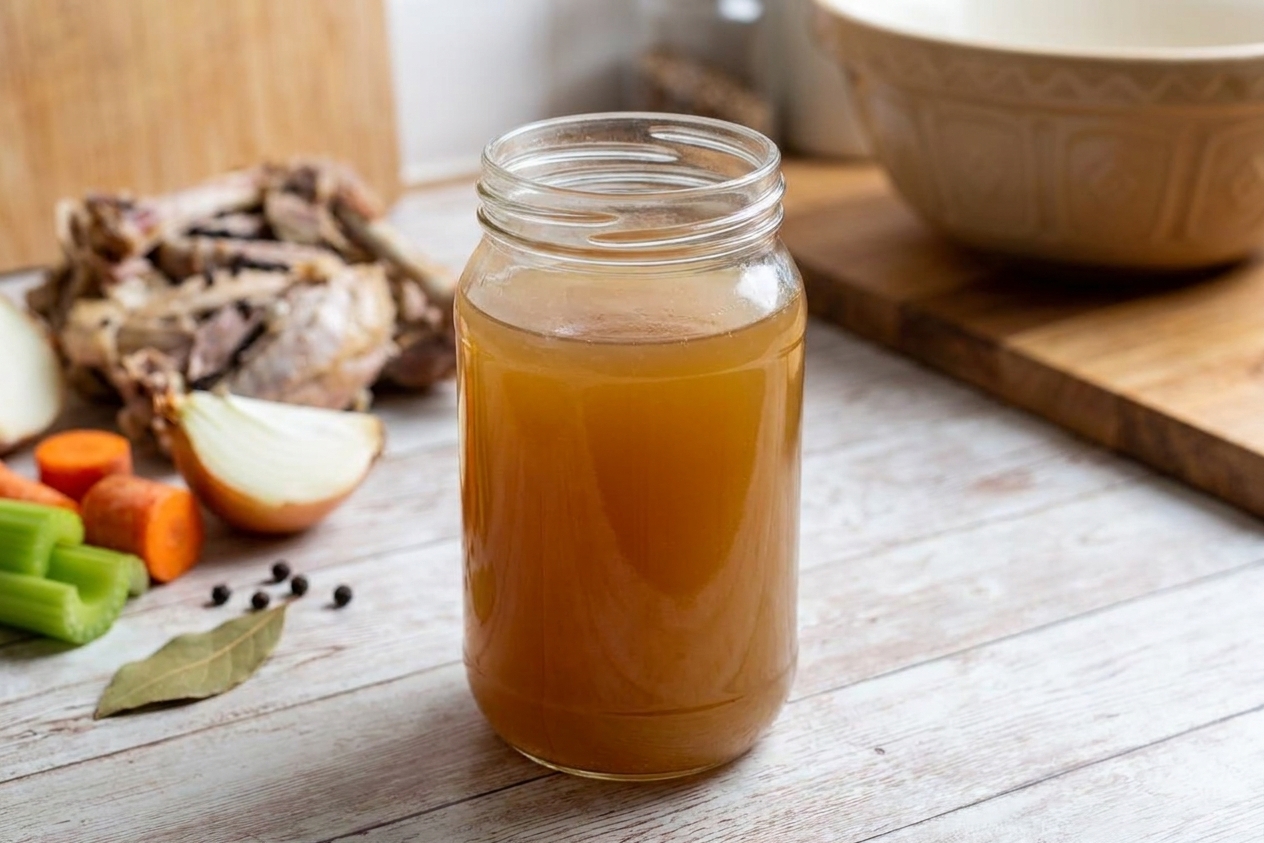
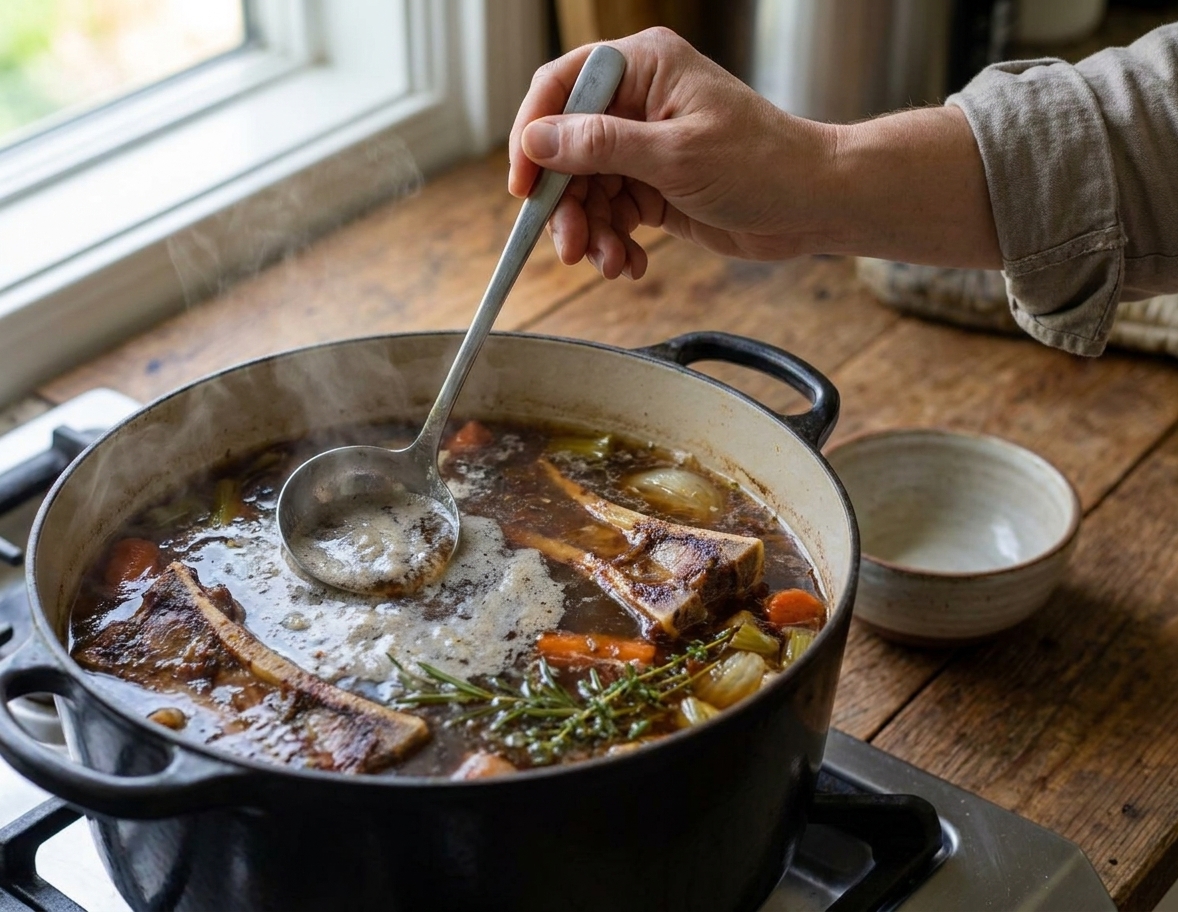
Stock is made primarily from bones (often roasted) and simmered long enough to pull out collagen, giving it body. Broth is usually made with more meat and is often seasoned. This recipe is a true stock, so keep the salt light and season the final dish instead.
What bones make the best beef stock?
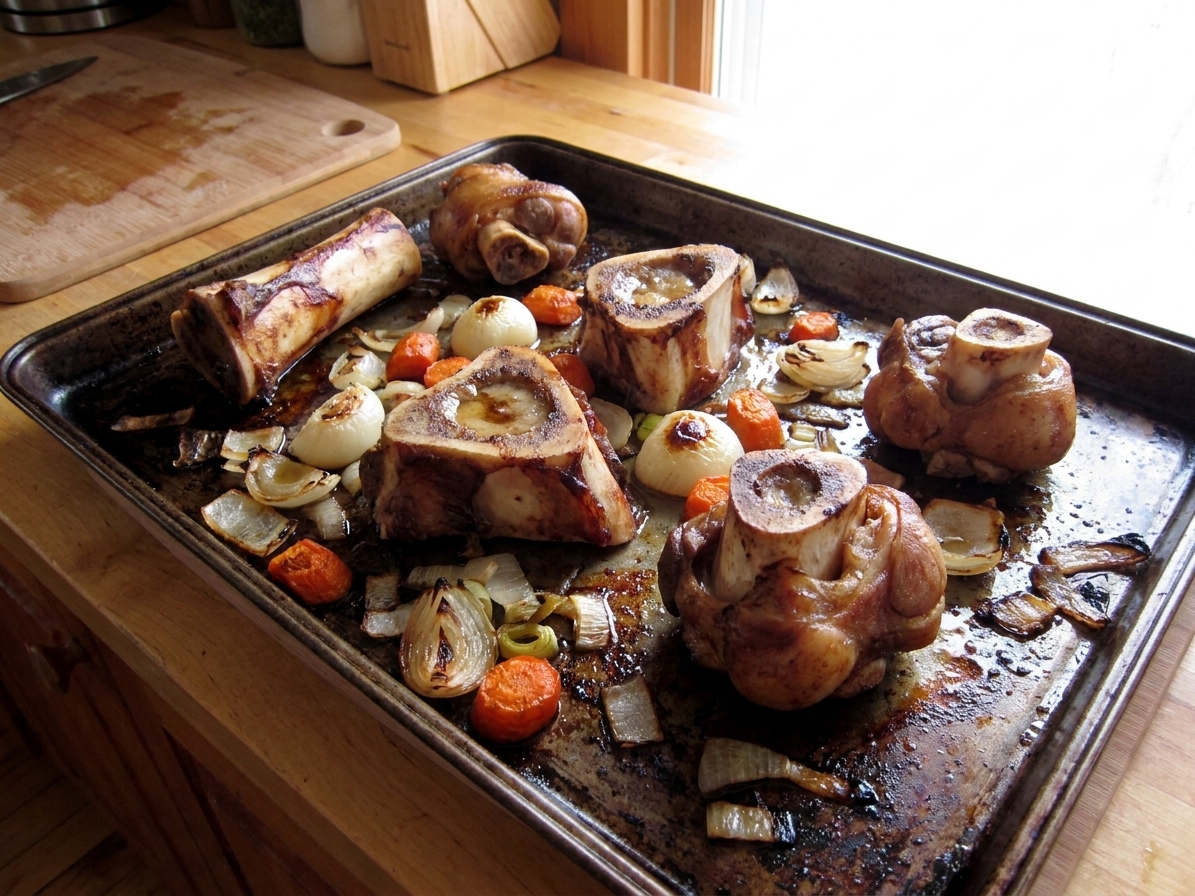
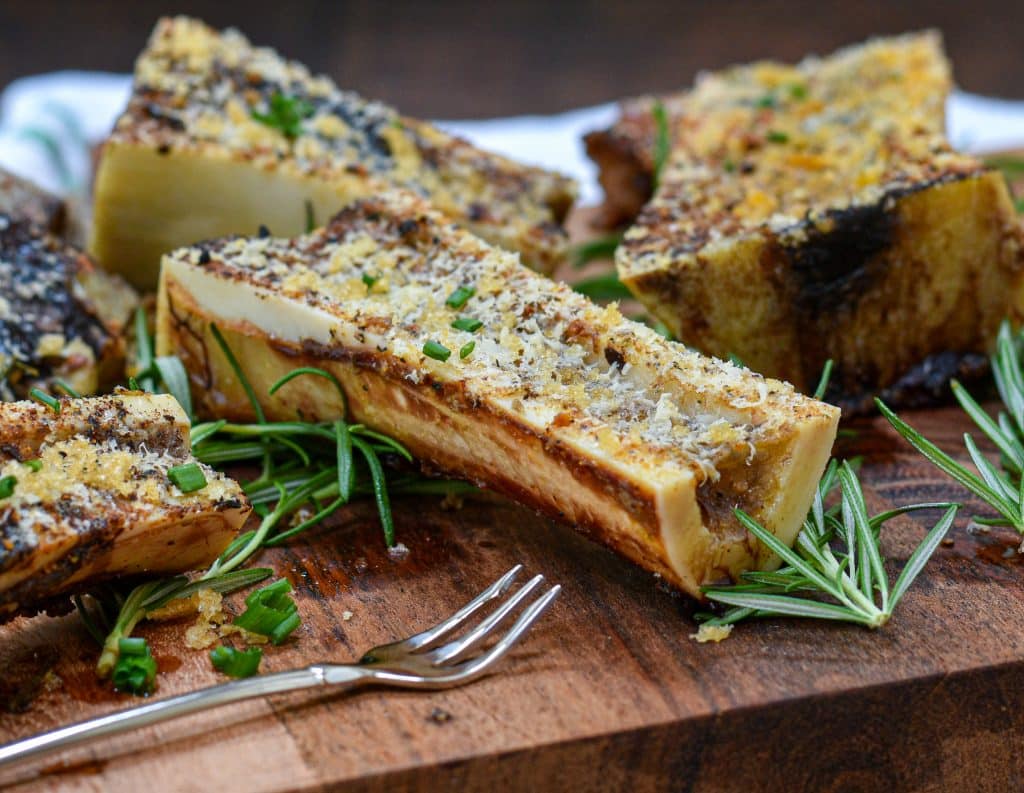
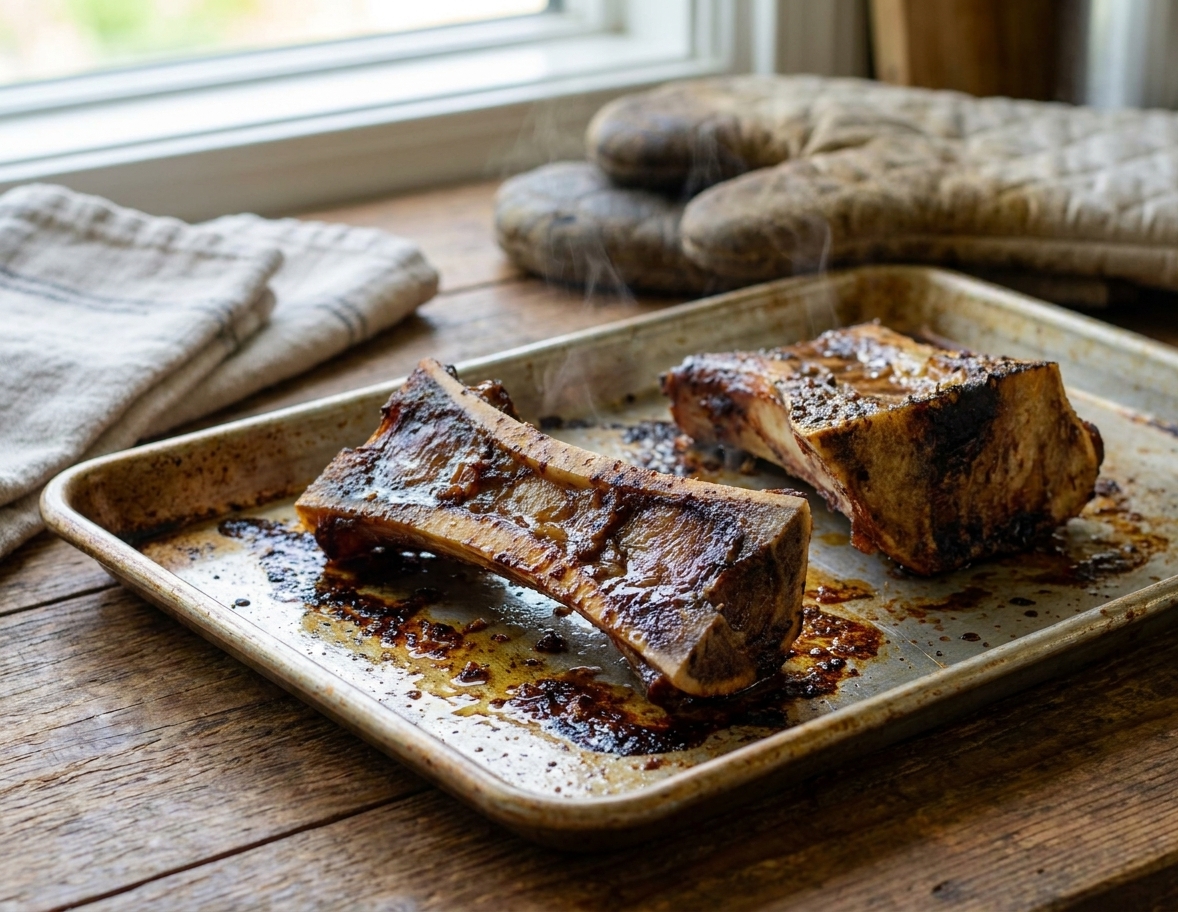
Use a mix. For flavor, add marrow bones or meaty ribs. For gelatin, add knuckle bones, shank, oxtail, or feet. If you can only grab one type, choose shank or knuckle for that jiggle when chilled.
Do I really have to roast the bones?
For classic brown beef stock, yes, if you want the deep color and caramelized flavor. If you skip roasting you get a lighter, cleaner stock that's still tasty but less dramatic.
Why do you simmer so gently?
A hard boil knocks fats and proteins into the liquid and can make your stock cloudy and greasy. A lazy simmer keeps it cleaner-tasting and more balanced.
Can I make this in a slow cooker?
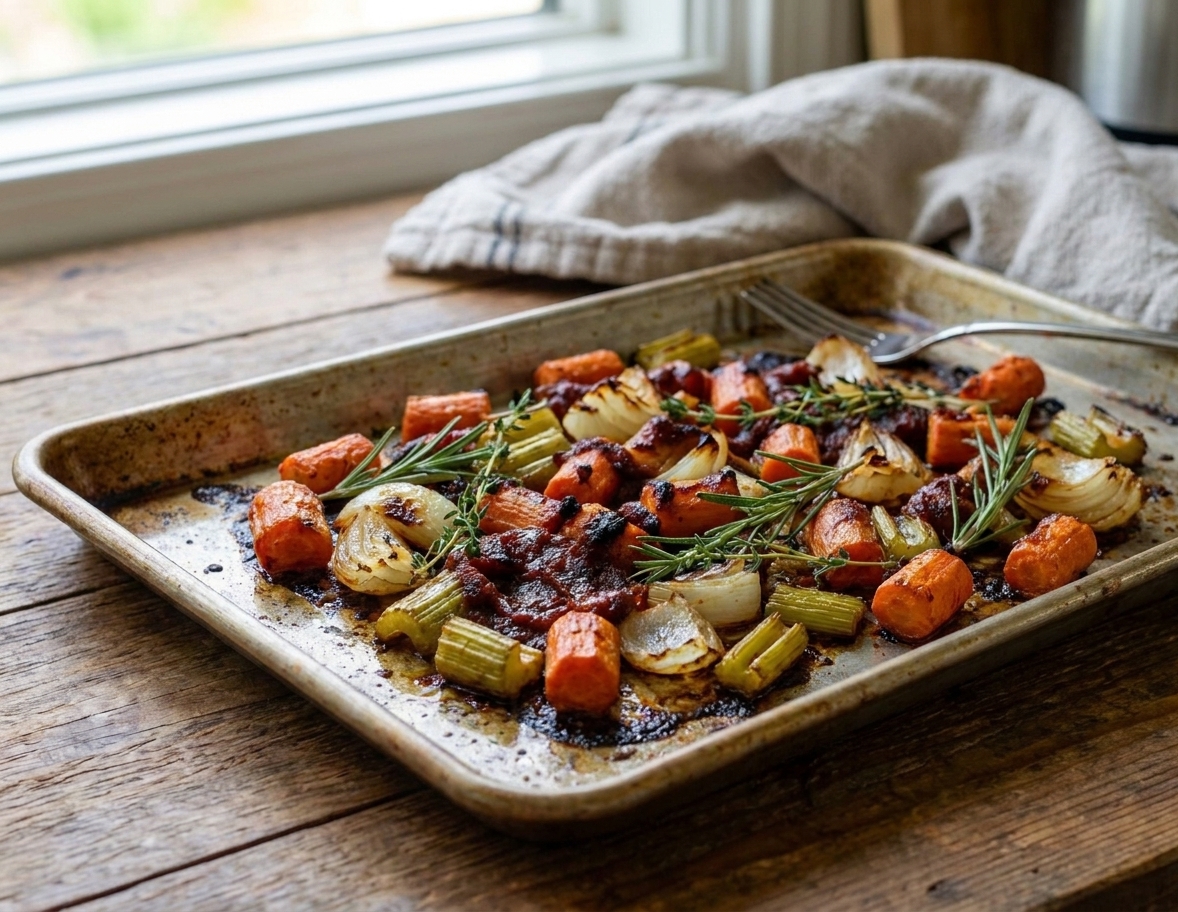
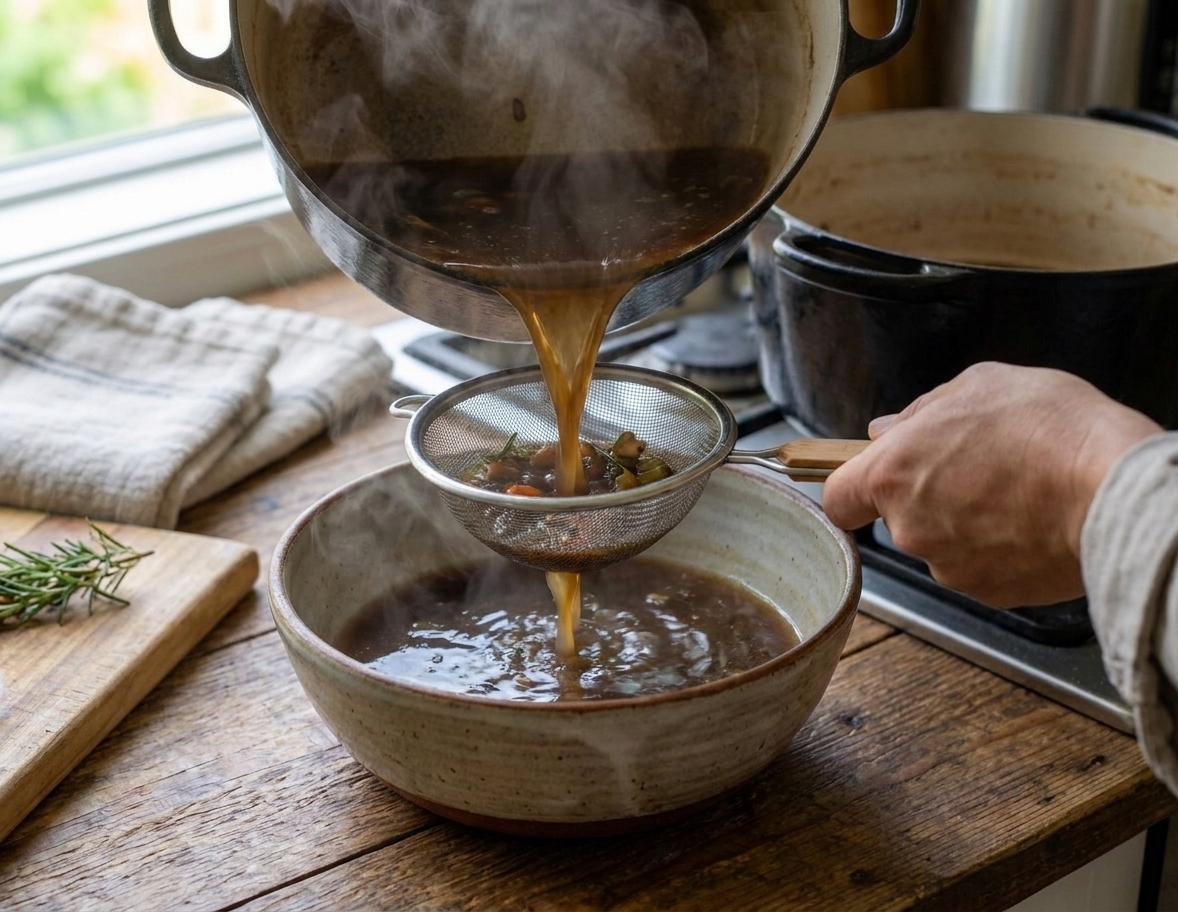
Yep. Roast the bones and veggies first, then cook on low for 12 to 18 hours. If your slow cooker manual says it's OK, you can crack the lid for the last 1 to 2 hours for a bit of reduction. If not, just reduce the strained stock on the stovetop afterward.
Can I pressure cook beef stock?
Yes. Roast as written, then cook at high pressure for 2 to 3 hours with natural release. You'll get great body fast, though the flavor can be slightly less rounded than an all-day simmer.
My stock did not gel in the fridge. Did I mess up?
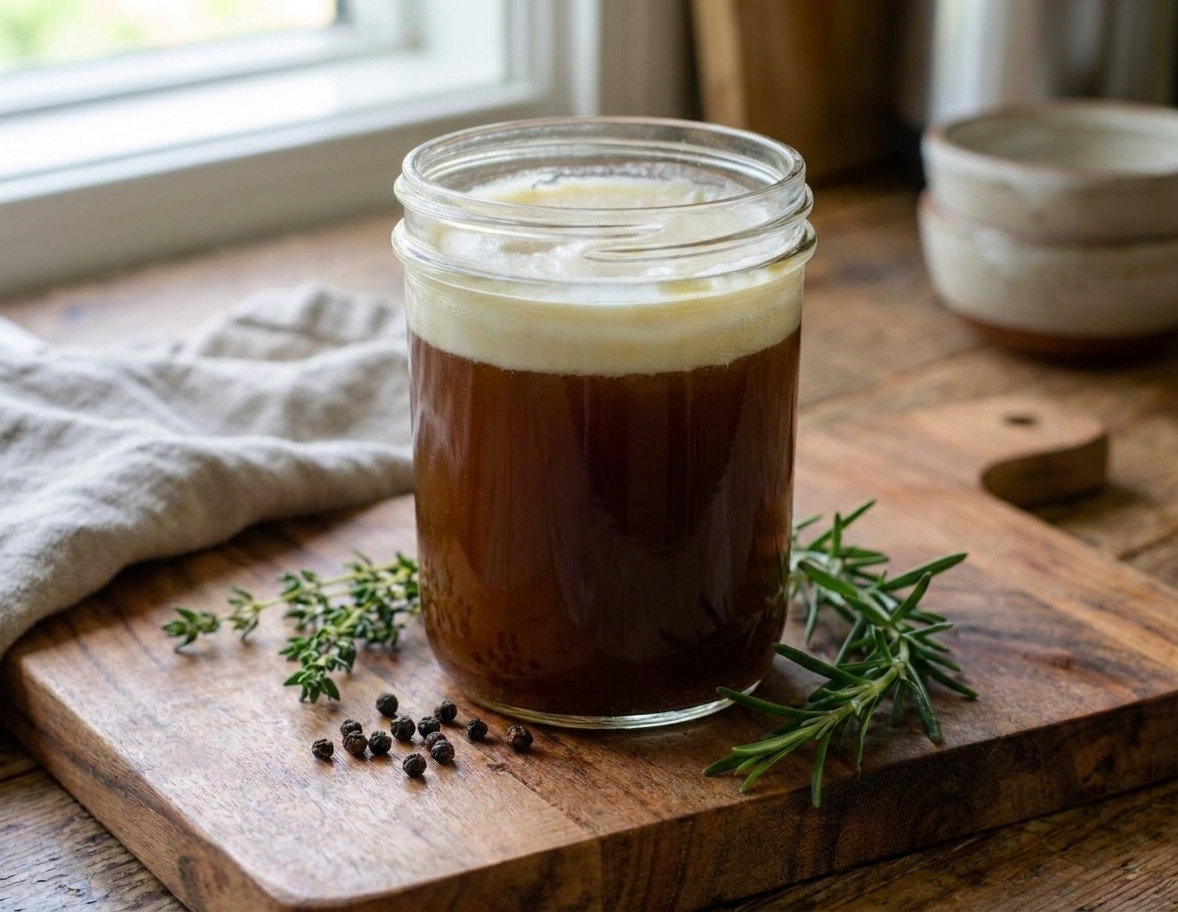
Not necessarily. It usually means you had fewer collagen-rich bones, or you added too much water for the amount of bones. It'll still taste great and work for soups and braises. Next time add more knuckle, shank, or oxtail, or reduce the strained stock for more body.