Mom's Best Recipes
Recipe

Homemade Chili Powder

A fresher, bolder chili powder blend you can tweak for heat and smokiness using dried chiles and pantry spices.

Author By Matt Campbell
4.8
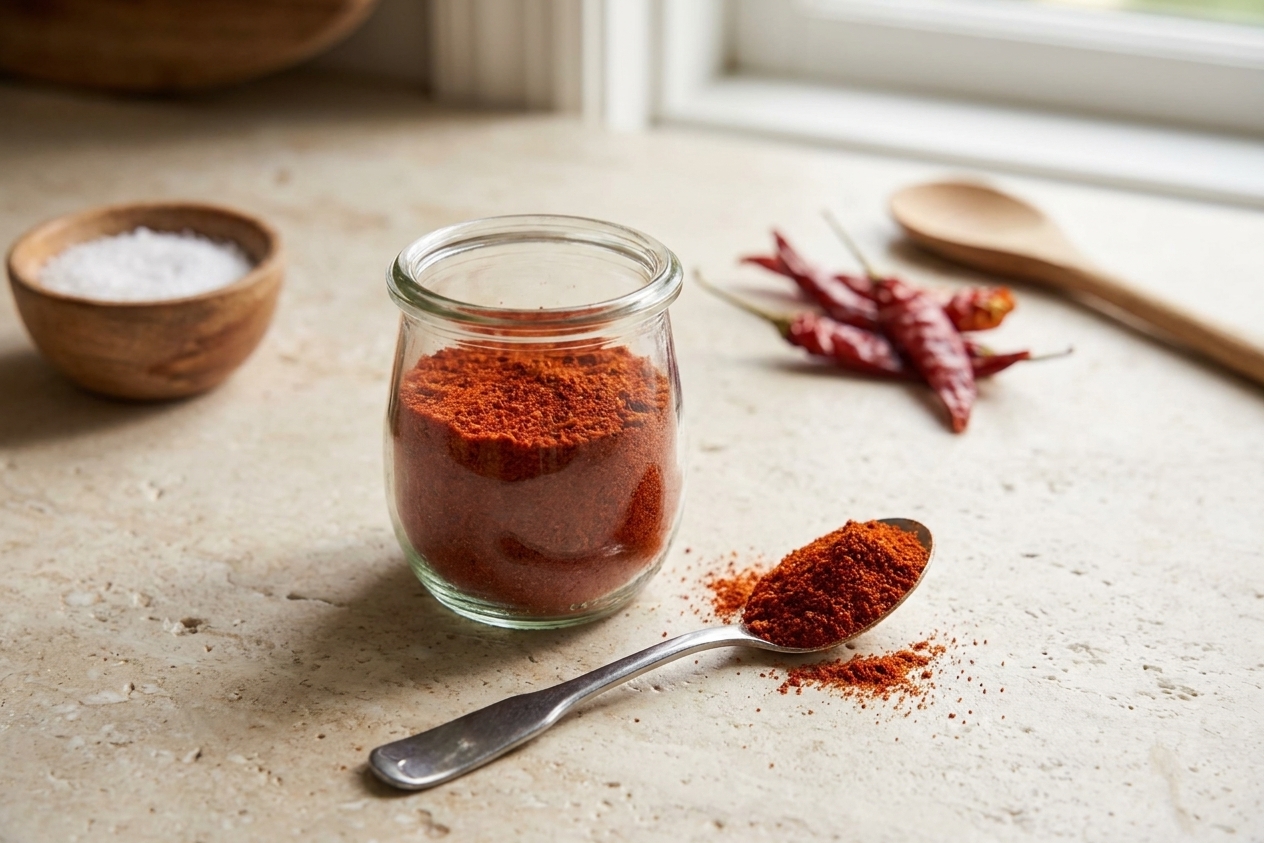
A small glass jar of homemade chili powder on a light stone kitchen counter with a teaspoon of the spice beside it

Let’s clear something up: chili powder is not just “ground up spicy stuff.” The good kind is a blend. Warm, toasty, a little smoky, a little sweet, and just hot enough to keep things interesting. When it’s fresh, it smells like you actually cook in your house.

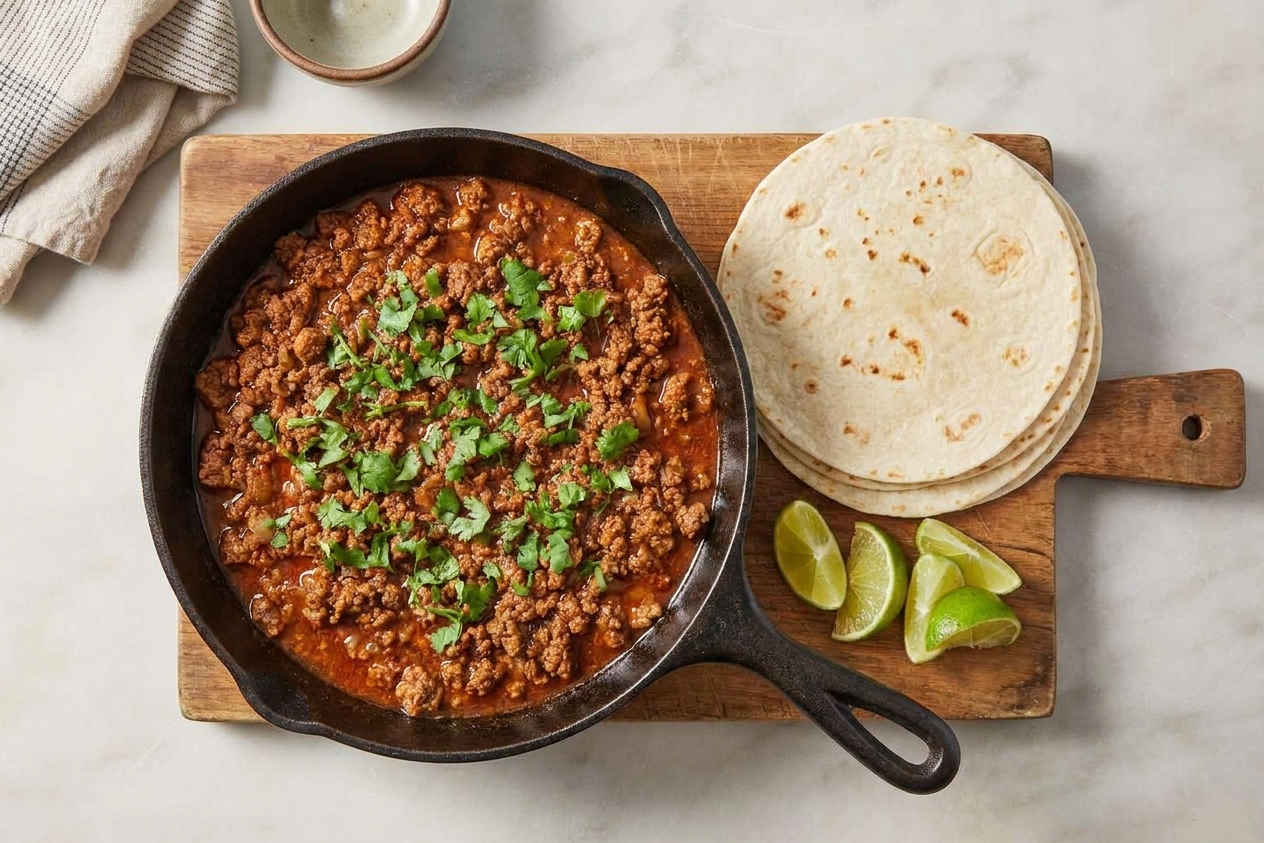
This homemade version is my weeknight power move. Toss it into chili, taco meat, roasted sweet potatoes, even a pot of beans that needs a pep talk. It takes about 10 to 15 minutes, the ingredients are easy to find, and you can dial the heat up or down without playing pantry roulette.

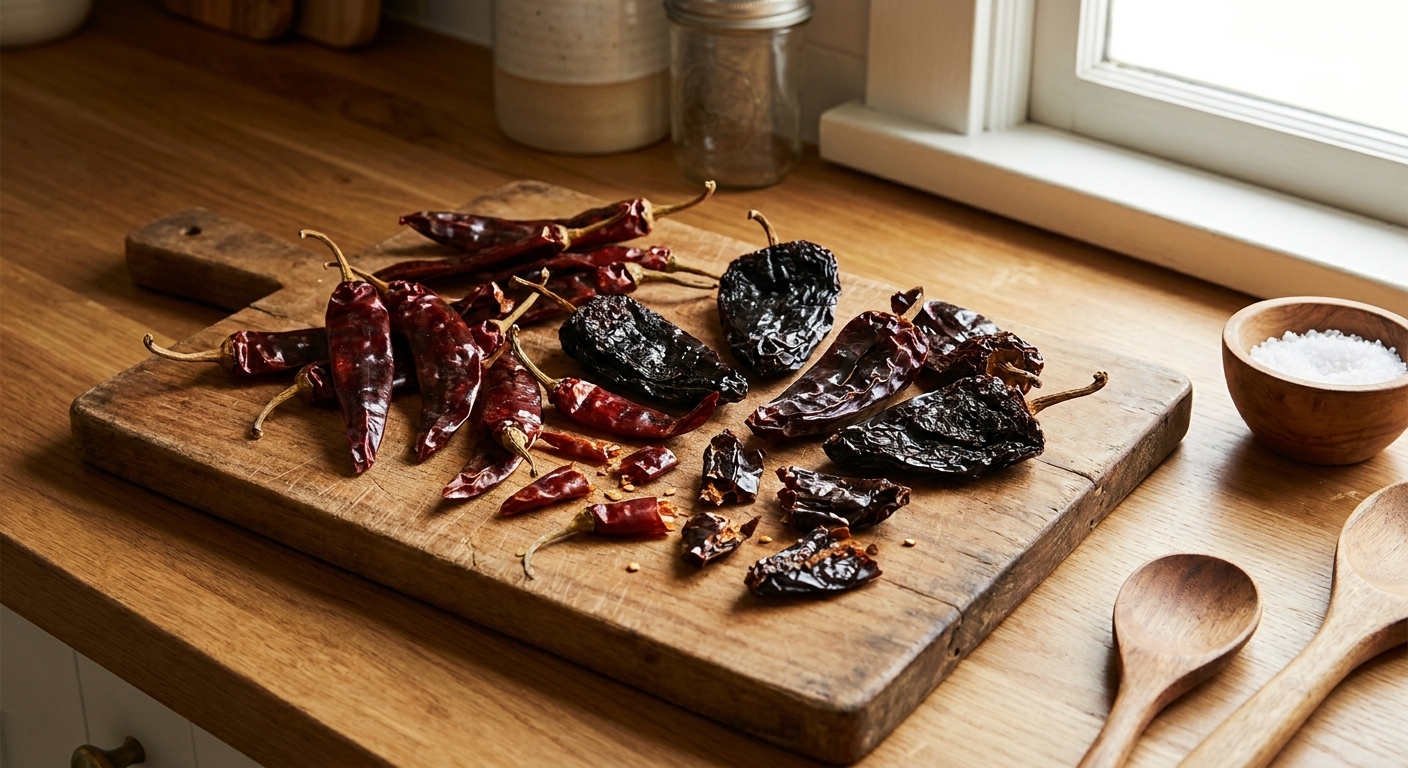
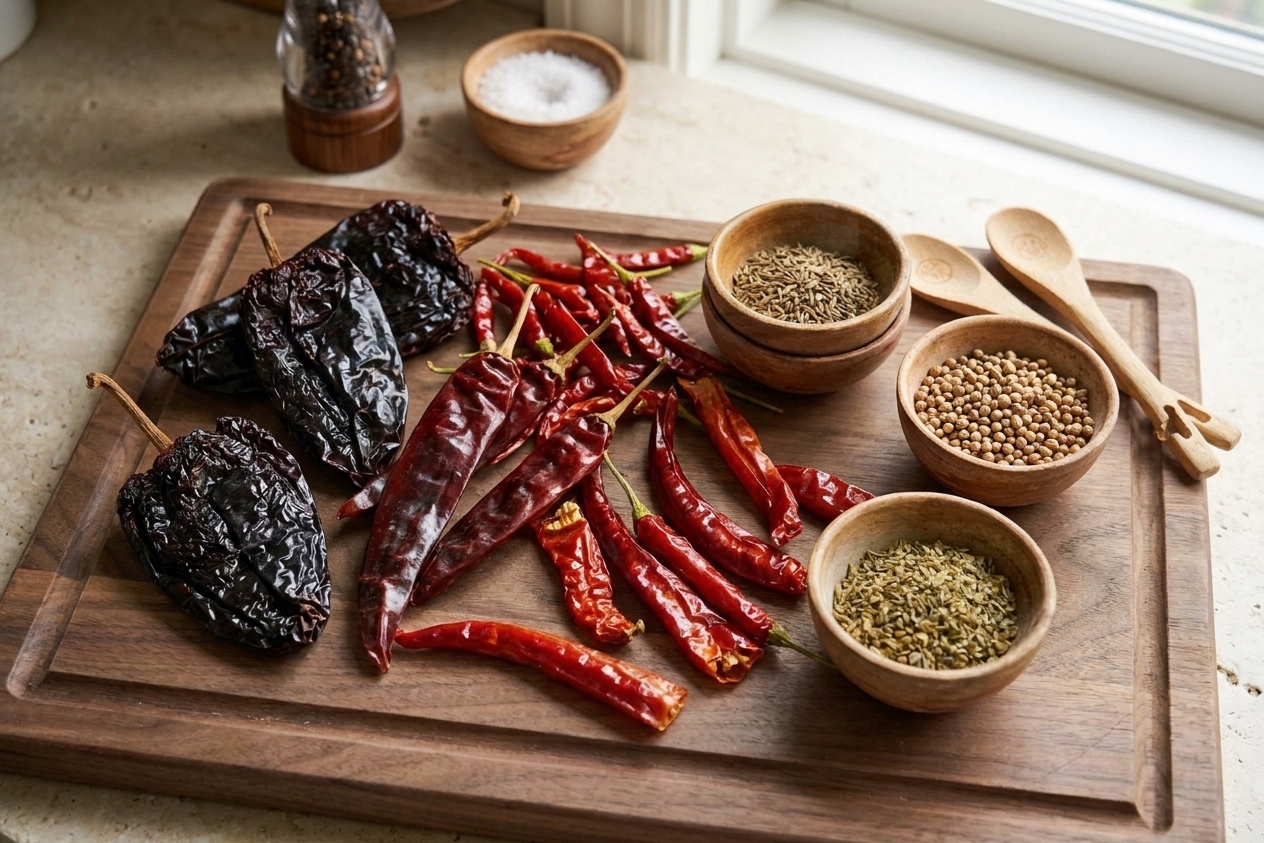
Dried guajillo and ancho chiles spread on a wooden cutting board on a kitchen counter

Why It Works

  • Big flavor fast: Toasting the dried chiles and spices wakes everything up, so you get a deeper, rounder chili flavor.
  • Custom heat level: Use mild chiles for cozy warmth, or add a hotter chile to bring the fire.
  • Cleaner chili taste: This tastes like dried chiles first, not just cumin and salt with a little red color.
  • Works everywhere: Chili, tacos, soups, roasted veggies, dry rubs, and quick marinades all love this blend.

Pairs Well With

Storage Tips

Room temperature: Store in an airtight jar in a cool, dark cabinet for best flavor. It stays tasty for months, but it’s brightest in the first 4 to 8 weeks.

Freezer option: If you make a big batch, freeze some in a small zip top bag or jar. It helps hold onto those volatile chile aromas longer.

Keep it dry: Always use a dry measuring spoon. Moisture is how spice blends get clumpy and sad.

Common Questions

What is chili powder made of?

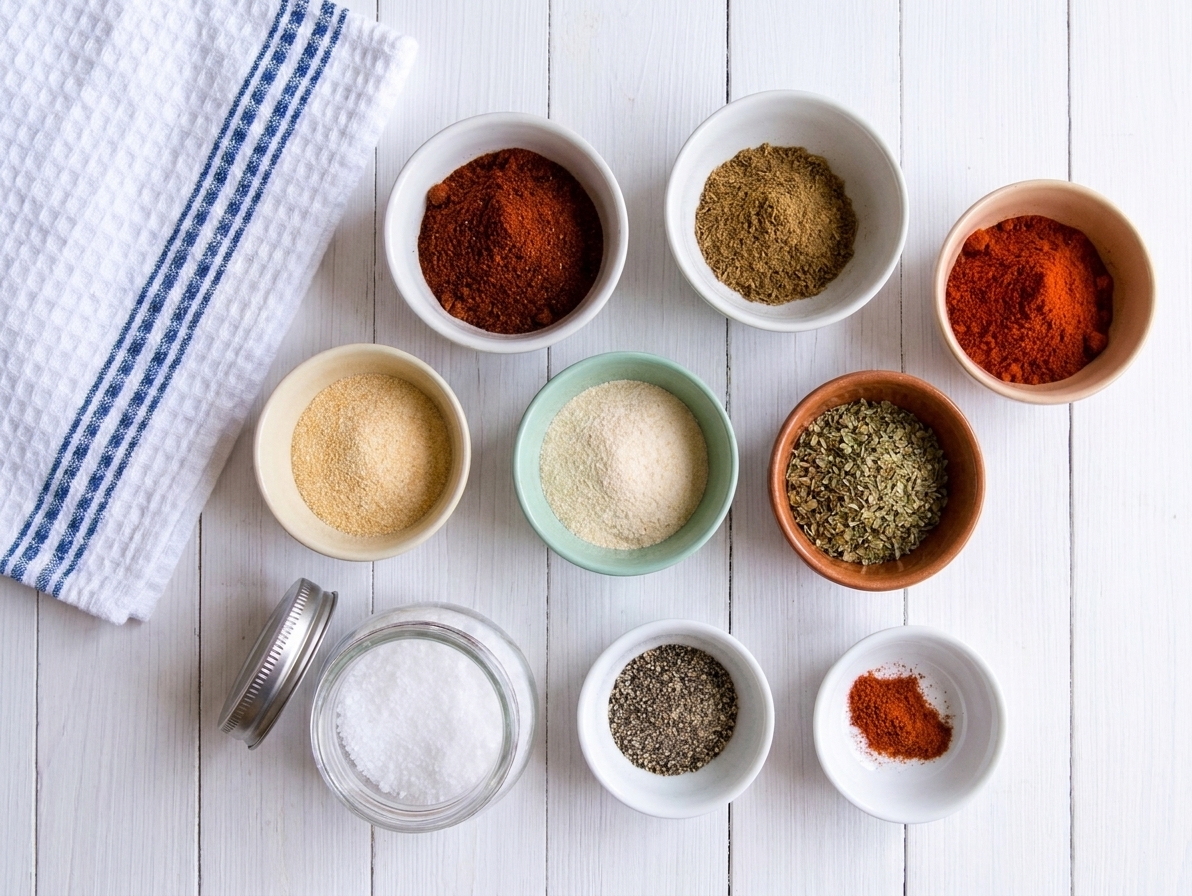
Most chili powder blends are made from dried ground chiles plus supporting spices like cumin, oregano, garlic powder, and sometimes paprika. This recipe uses whole dried chiles for a fresher, more chile-forward flavor.

Is chili powder the same as ground chili pepper?

No. Ground chili pepper is usually one type of pepper ground up (like cayenne). Chili powder is typically a blend meant for chili and savory cooking.

How do I make it less spicy?

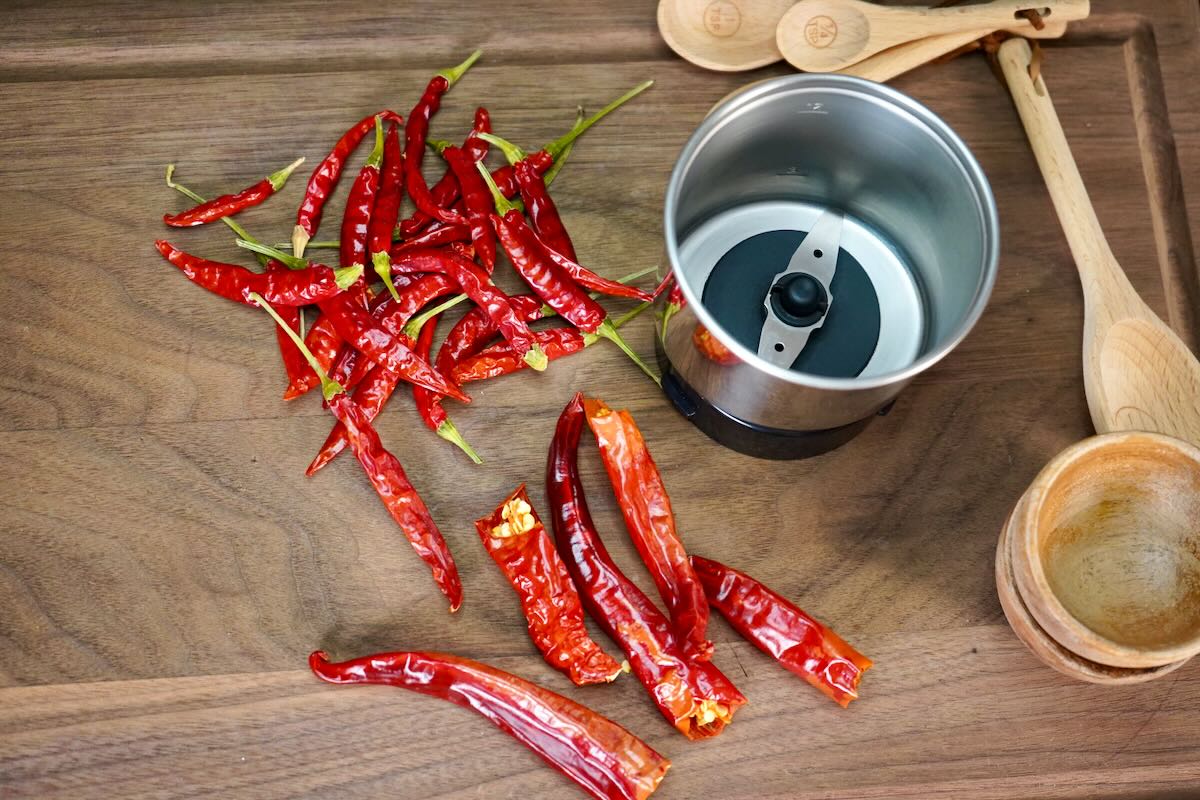
Use mild dried chiles like ancho and guajillo, and skip hotter chiles like árbol. For even less heat, remove the stems and shake out the seeds, then scrape out the pale inner ribs. Most of the heat comes from those inner ribs (the pith/placenta); the seeds can carry heat too because they hang out right next to it.

How do I make it smokier?

Add smoked paprika (this recipe does) and consider using a small amount of chipotle chile. Chipotle is loud, so a little goes a long way.

My chili powder tastes bitter. What happened?

Usually the chiles or spices were toasted too long or at too high a heat. Toast just until fragrant, and keep the heat at medium or lower. If it’s strongly bitter, it may be scorched, and honestly the best fix is to start over. If it’s just a little sharp at the edges, you can soften it by blending in a bit more mild chile (like ancho), a touch more smoked paprika, or a tiny pinch of brown sugar to round it out.

How much should I use?

You can usually swap this 1:1 for store-bought chili powder. If you’re not sure, start with 1 to 2 teaspoons in a dish, taste, and work your way up. Homemade can be a little more lively.
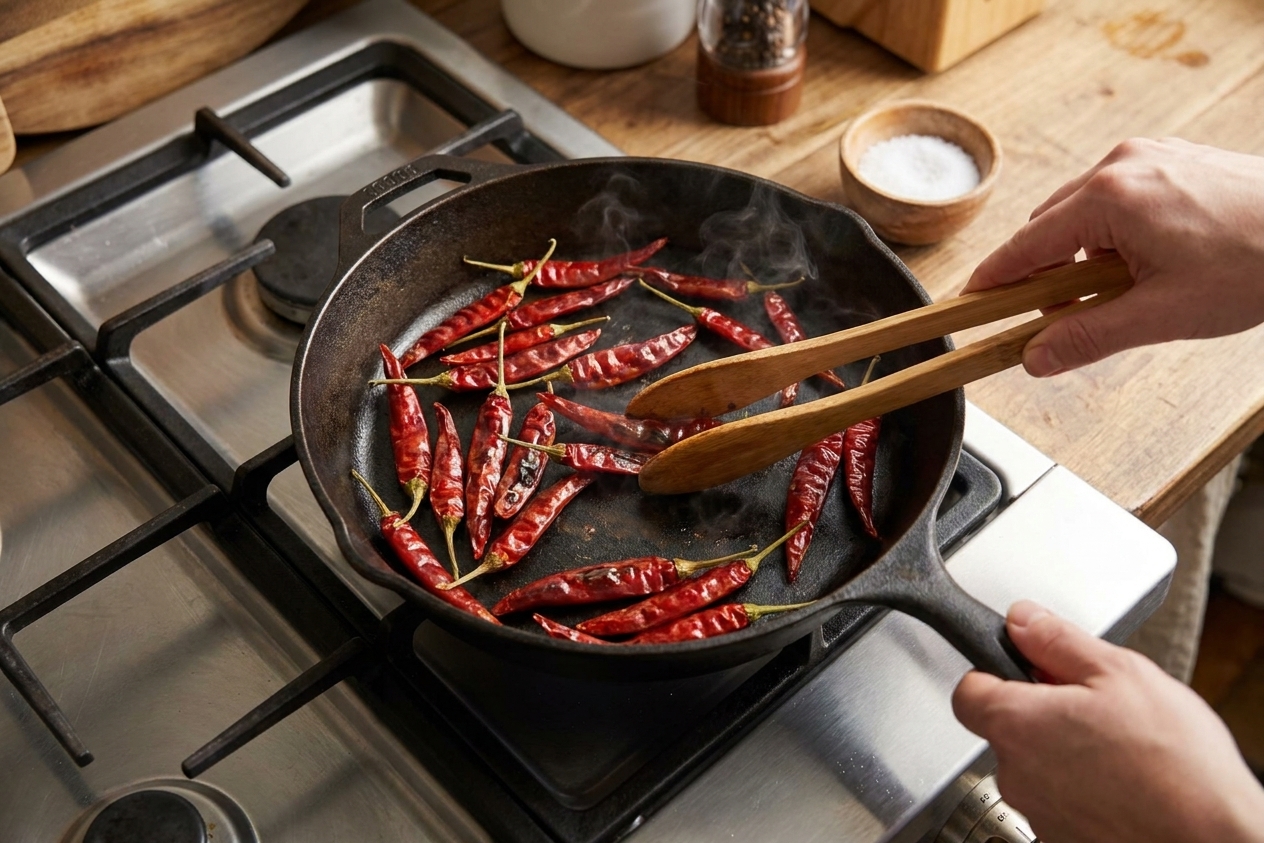

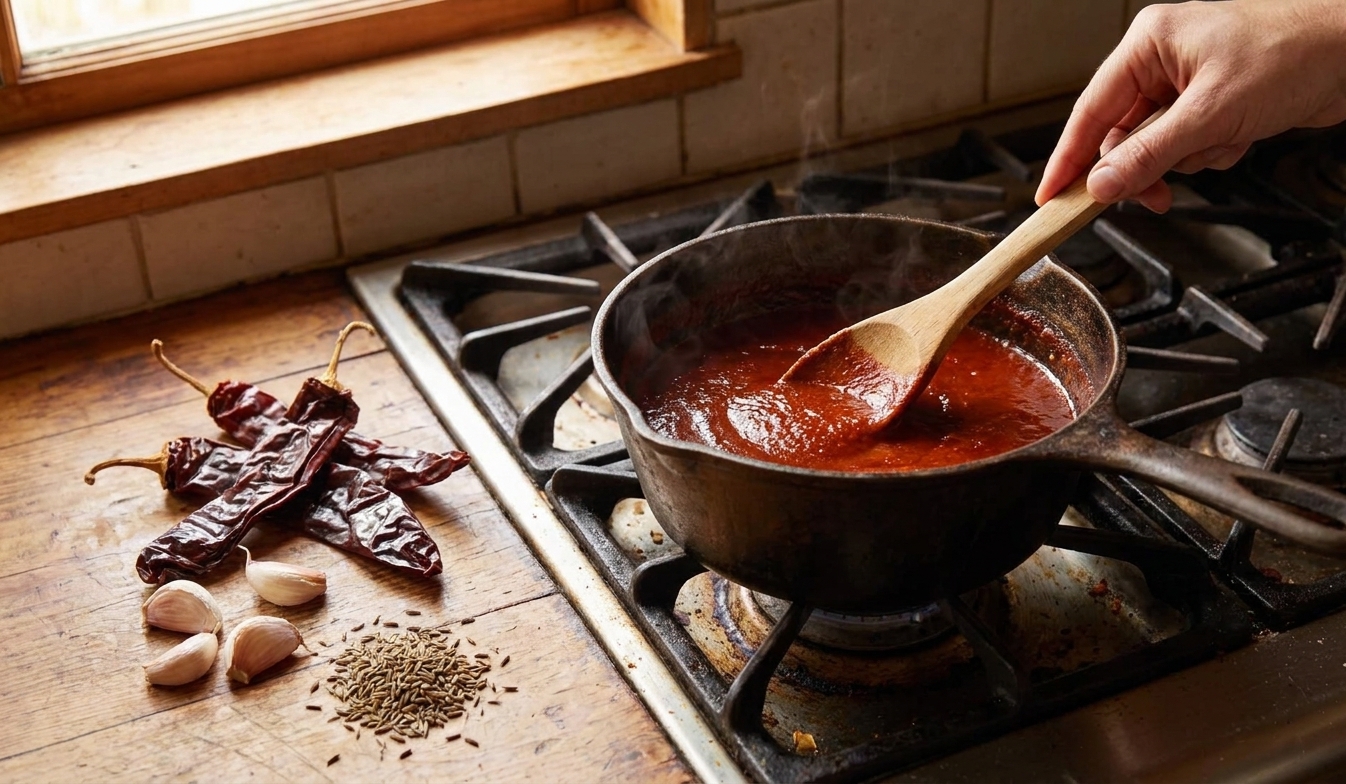
Dried chiles toasting in a cast iron skillet on a stovetop with warm kitchen lighting

I used to buy chili powder, shake some into a pot, and wonder why the flavor always felt a little flat, like it showed up late and forgot its lines. The first time I toasted dried chiles and blended my own, it was an immediate “oh, there you are” moment. Now I keep a jar ready like a kitchen cheat code. When dinner needs help, this is the friend I call.