Mom's Best Recipes
Recipe

Homemade Cuban Bread

A classic Cuban-style loaf with a crisp, split crust and a soft, cottony interior, made with simple ingredients and an optional palm leaf strip.

Author By Matt Campbell
4.8
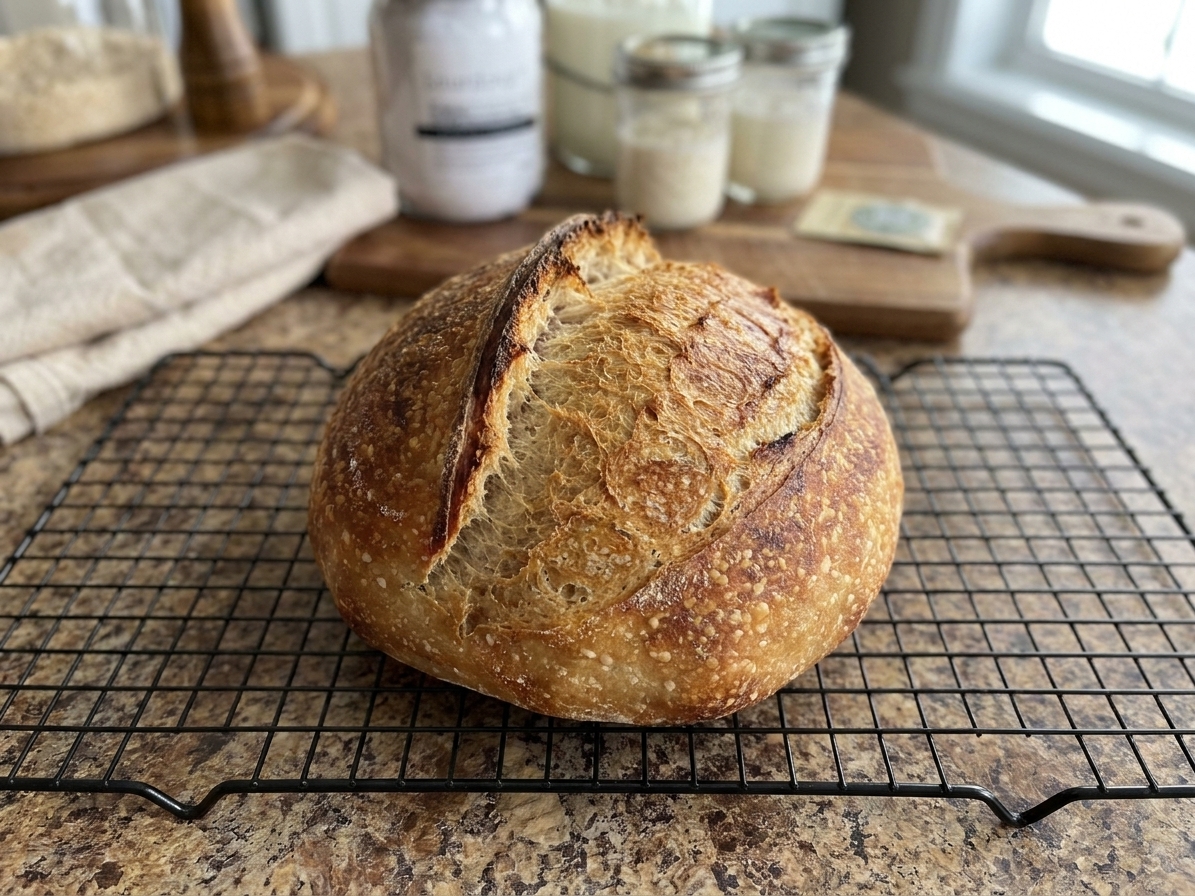
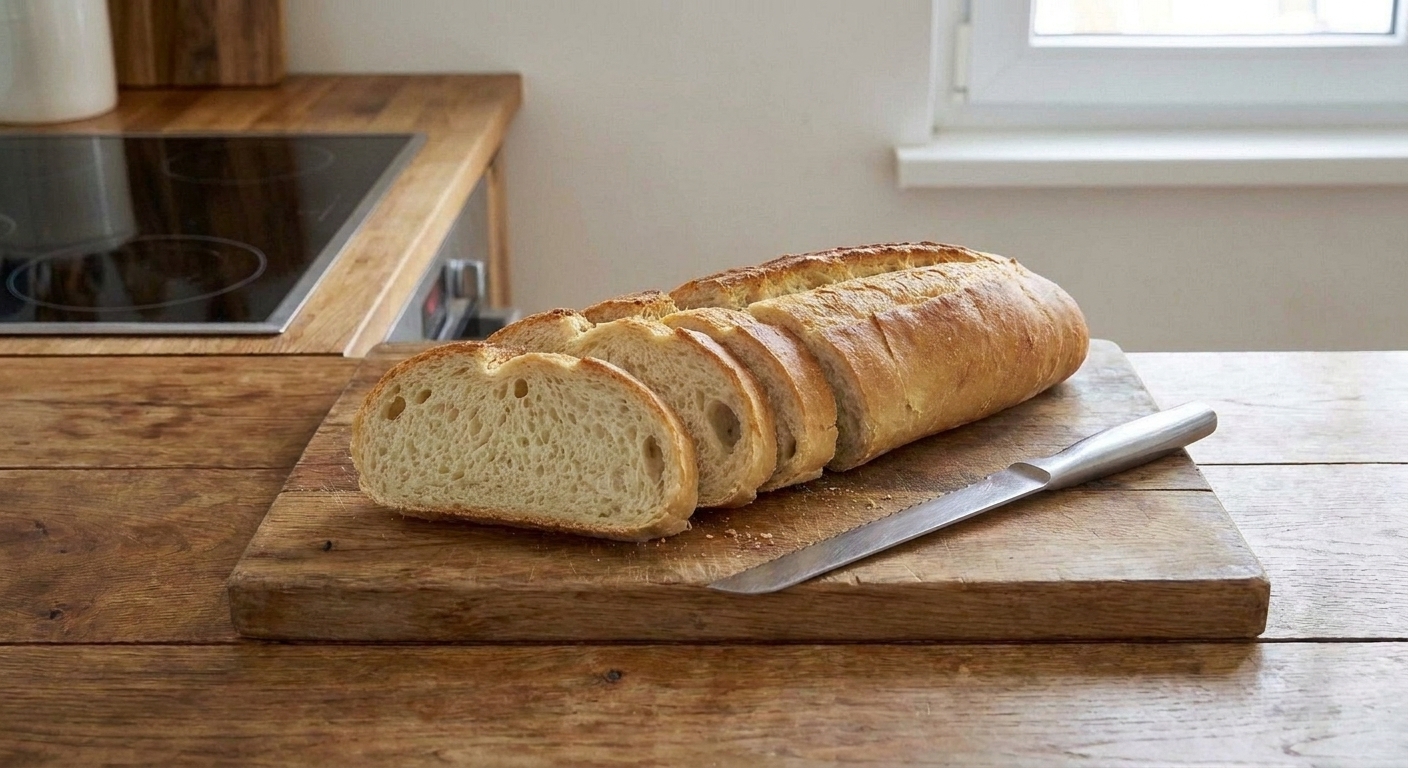
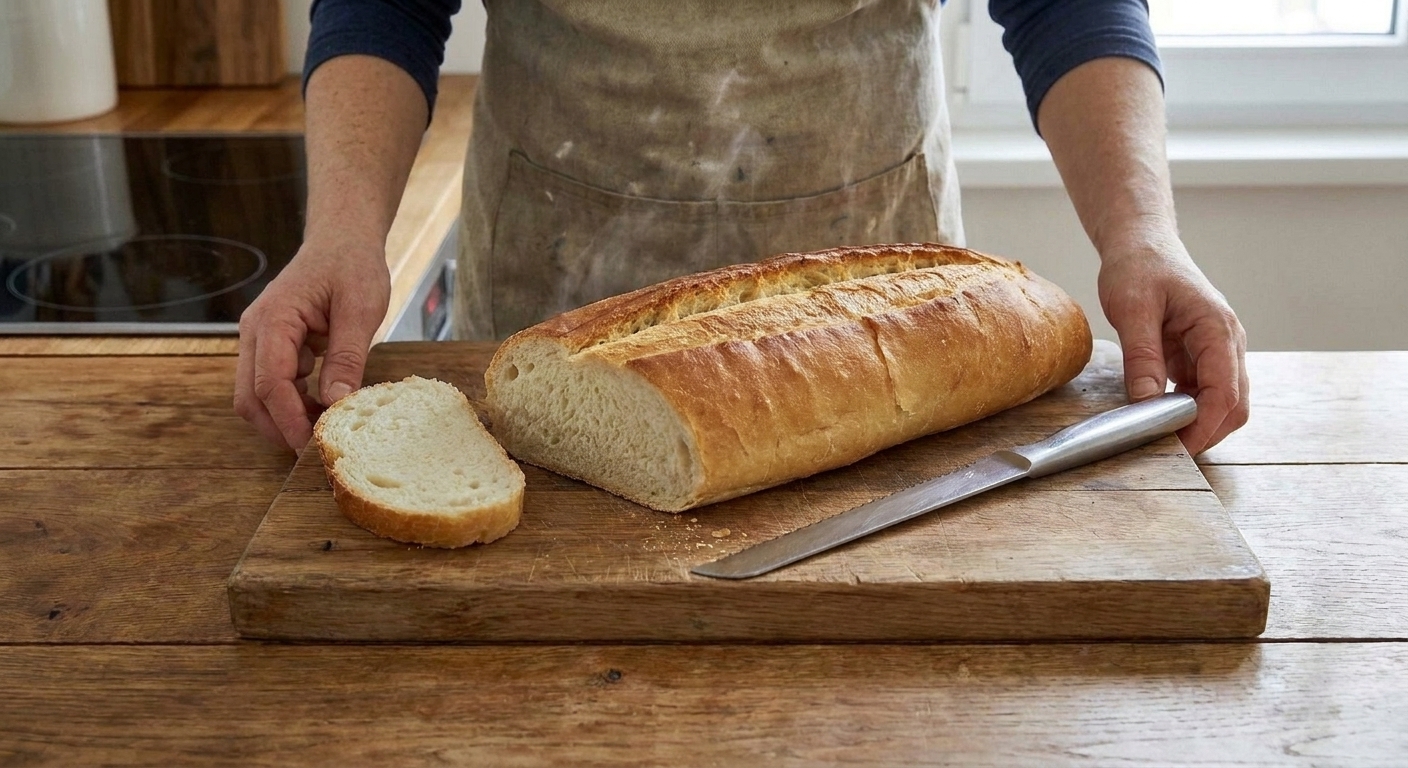
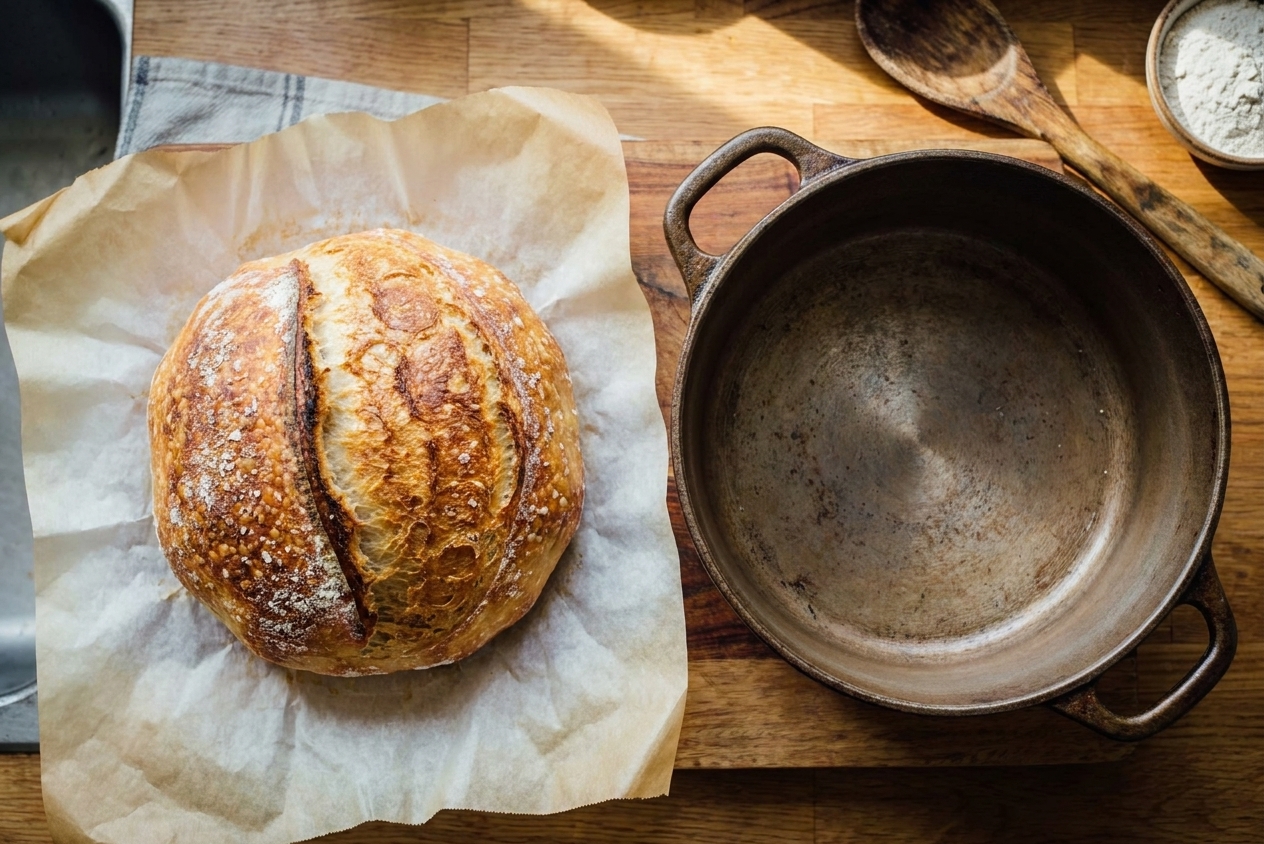
A freshly baked loaf of Cuban bread on a wooden cutting board with a crisp, split top crust and a soft, pale interior visible at one sliced end

Cuban bread is one of those loaves that looks humble until you pick it up and realize it’s basically a magic trick. The crust is thin and crackly, the inside is soft and subtly sweet, and the whole thing is built for sandwiches that mean business. If you’ve ever tried to make a Cuban sandwich at home and thought, “Why is this not hitting like the bakery version,” this bread is usually the missing piece.

This is my home-kitchen version: accessible ingredients, clear steps, and the little tricks that make it feel right. We’re using a steam boost in the oven to get that signature crust, and if you want the classic look, you can add a strip of palmetto or banana leaf on top. Optional, not required, but it does make you feel like you know what you’re doing.
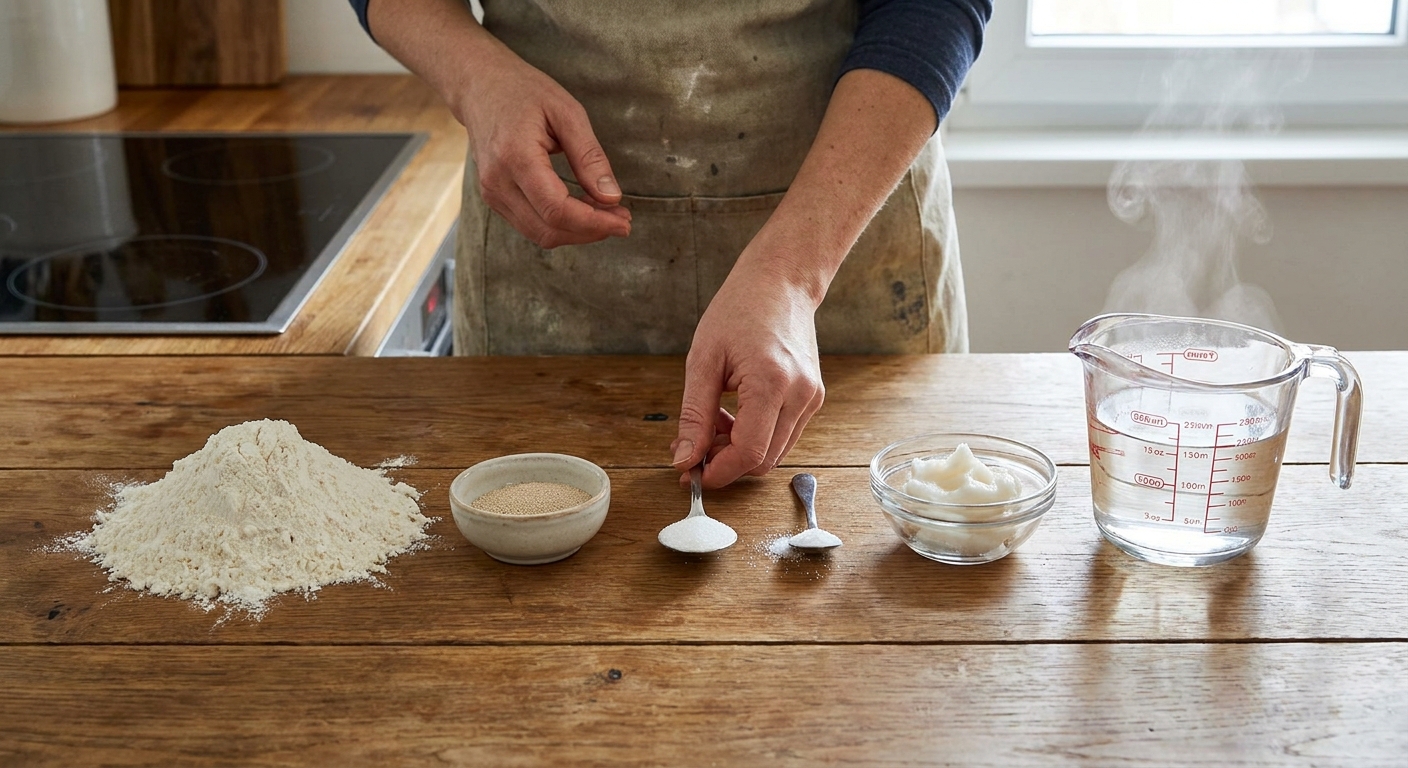
A neat lineup of ingredients for Cuban bread on a bright kitchen counter including flour, yeast, sugar, salt, a small bowl of lard or shortening, and a measuring cup of warm water

Why It Works

  • Soft, fluffy center: A touch of fat keeps the crumb tender and sliceable without turning it into a brioche situation.
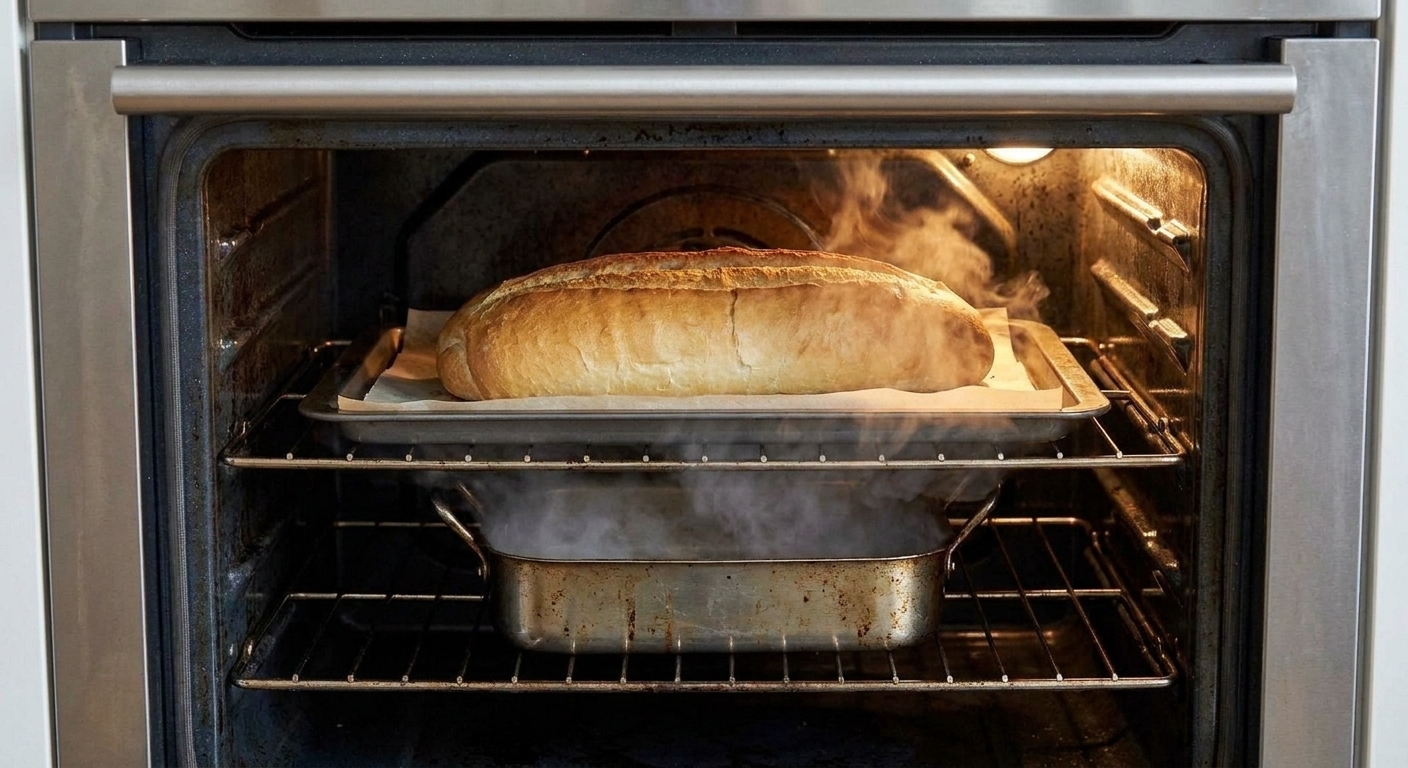
  • Thin, crisp crust: Steam in the oven during the first part of baking helps the loaf expand, then dries into that crackly finish.
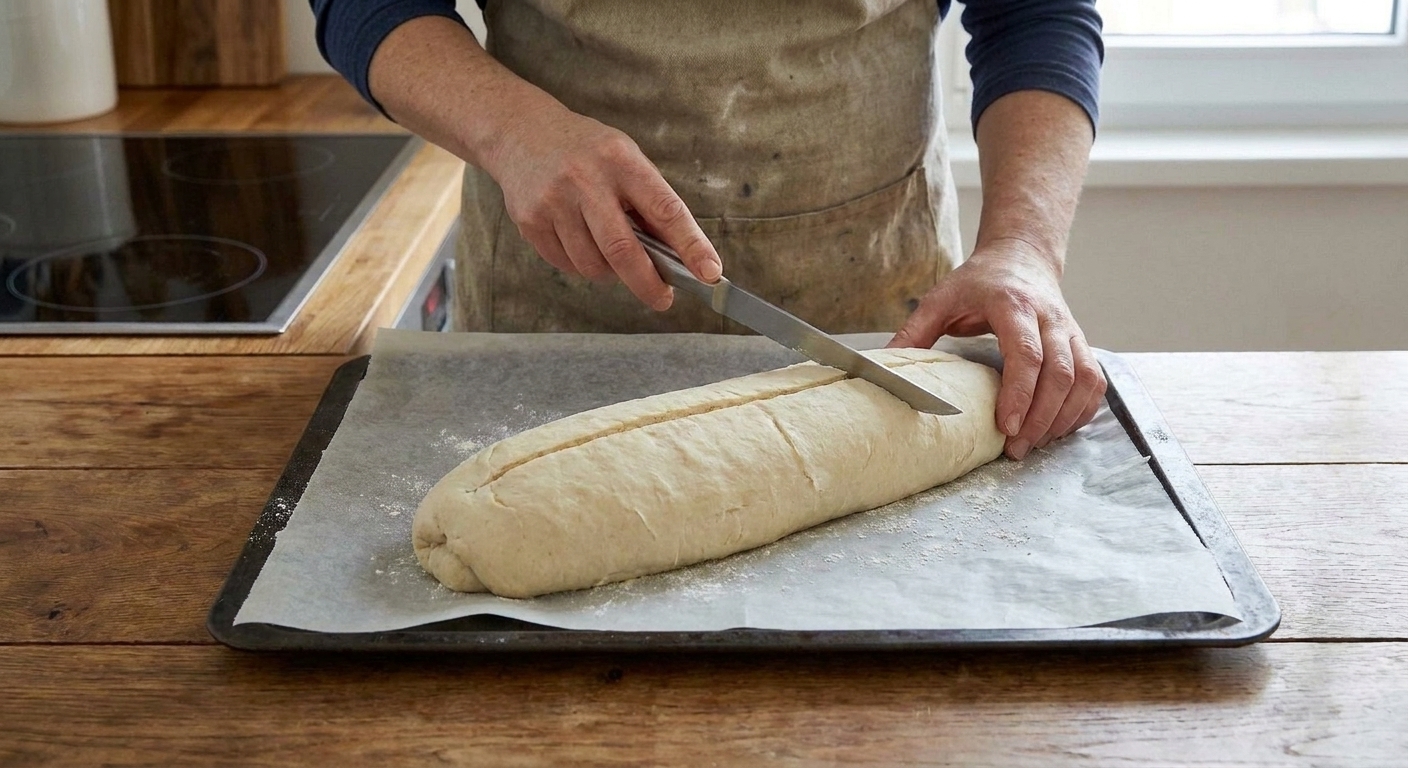
  • The classic split top: A shallow lengthwise score opens up as it bakes for that iconic Cuban bread look.
  • Weeknight friendly: It’s a straight dough with one bulk rise. No sourdough starter, no weird flour, no drama.

Pairs Well With

Storage Tips

Best day to eat it: The day it’s baked, Cuban bread is at its peak. If you’re making Cubanos, plan for fresh if you can.

Room temperature: Let the loaf cool completely, then store in a paper bag or loosely wrapped in foil for up to 24 hours. Plastic will soften the crust fast, which isn’t a crime, but it is a vibe change.

Freeze: Slice the loaf, then freeze in a zip-top bag with parchment between slices for up to 2 months. Toast from frozen or thaw at room temp.

Revive the crust: Spritz the loaf lightly with water and warm in a 350°F oven for 8 to 12 minutes. You’ll hear it crackle again.

Common Questions

What makes Cuban bread different from Italian or French bread?

Cuban bread is typically enriched with a bit of fat (often lard), which gives it a softer, more tender interior than a lean French-style baguette. It’s still crusty, but the crumb is fluffier and slightly richer, making it perfect for pressed sandwiches.

Do I have to use lard?

No. Lard is traditional and gives great texture, but you can swap in vegetable shortening or unsalted butter. If you use butter, the loaf may brown a little more and taste slightly more “buttery,” which I’m not mad about.

What is the palm leaf on top and is it required?

Some traditional Cuban bread, especially Tampa-style loaves, are baked with a strip of palmetto leaf laid over the top. It helps create a defined split and a signature look. Not every bakery uses it, so don’t stress. At home, you can skip it and just score the loaf, or use a clean strip of banana leaf if you can find it. Don’t use random backyard leaves.

Can I make this with all-purpose flour?

Yes. Bread flour gives a slightly chewier structure, but all-purpose works well and is very common in home versions. If your all-purpose flour is lower protein, keep an eye on the dough and don’t over-flour it.

Why didn’t my loaf split open on top?

Usually one of three things: the score was too shallow or too timid, the dough was under-proofed, or the oven didn’t have enough steam early on. Next time, score about 1/4 inch deep and add the steam pan right when the loaf goes in.

How do I use Cuban bread for Cubanos?

Slice lengthwise, pile on roast pork, ham, Swiss, pickles, and mustard, then press until crisp. The bread should compress without tearing and still hold that crunchy exterior.

I didn’t set out to become a “bread guy,” but Cuban bread has a way of pulling you in. The first time I tried making Cubanos at home, the fillings were solid, the press was hot, and the result was still missing that bakery crunch and softness combo. Once I baked the bread myself, everything clicked. Also, there’s something deeply satisfying about a loaf that crackles when you pull it from the oven like it’s applauding you for showing up.