Mom's Best Recipes
Recipe

Homemade Fondant

A smooth, stretchy marshmallow fondant that's easy to color, easy to roll, and friendly for first-time cake decorators.

Author By Matt Campbell
4.7
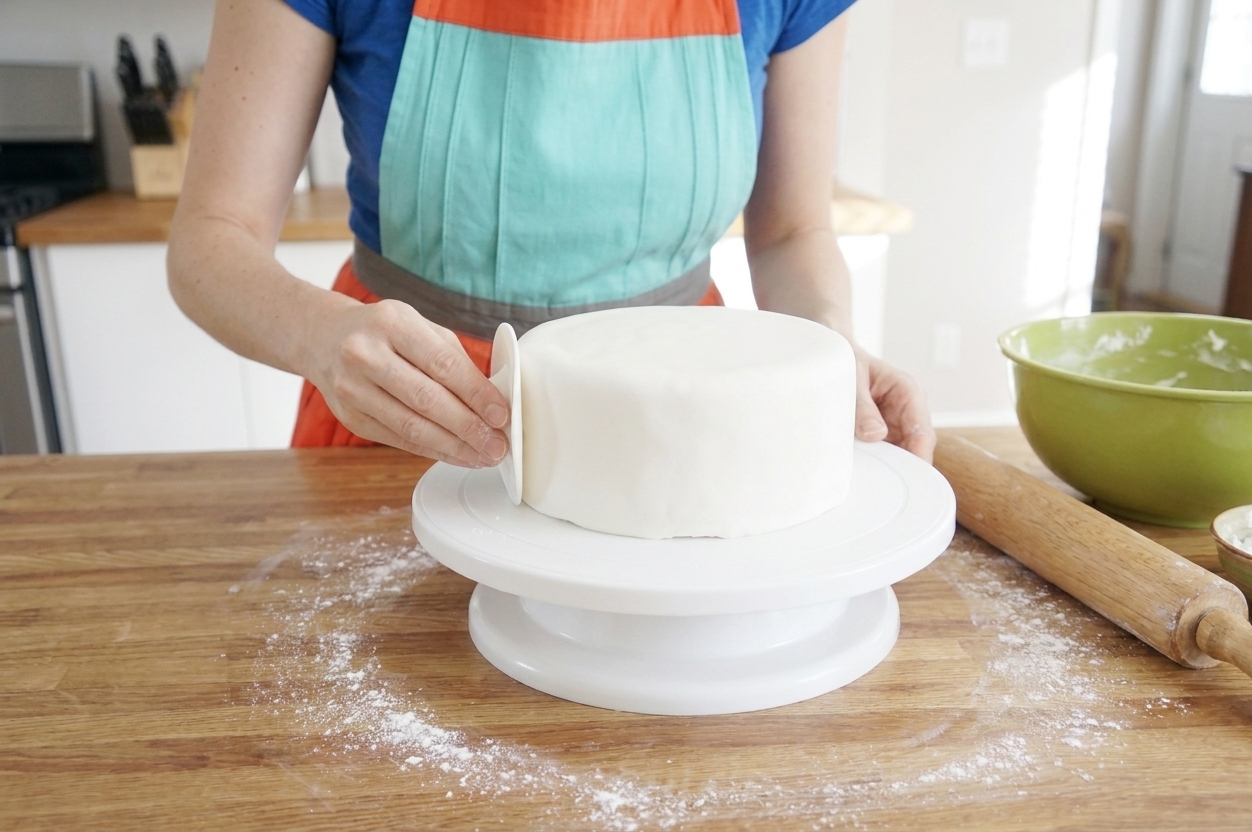
A single round cake smoothly covered in white fondant on a turntable in a bright home kitchen

Fondant has a reputation for being fussy, but this homemade version is the chill friend that shows up on time and actually helps clean up. It's soft, stretchy, and forgiving, which is exactly what you want when you're trying to get a cake looking sharp without a full pastry school background.

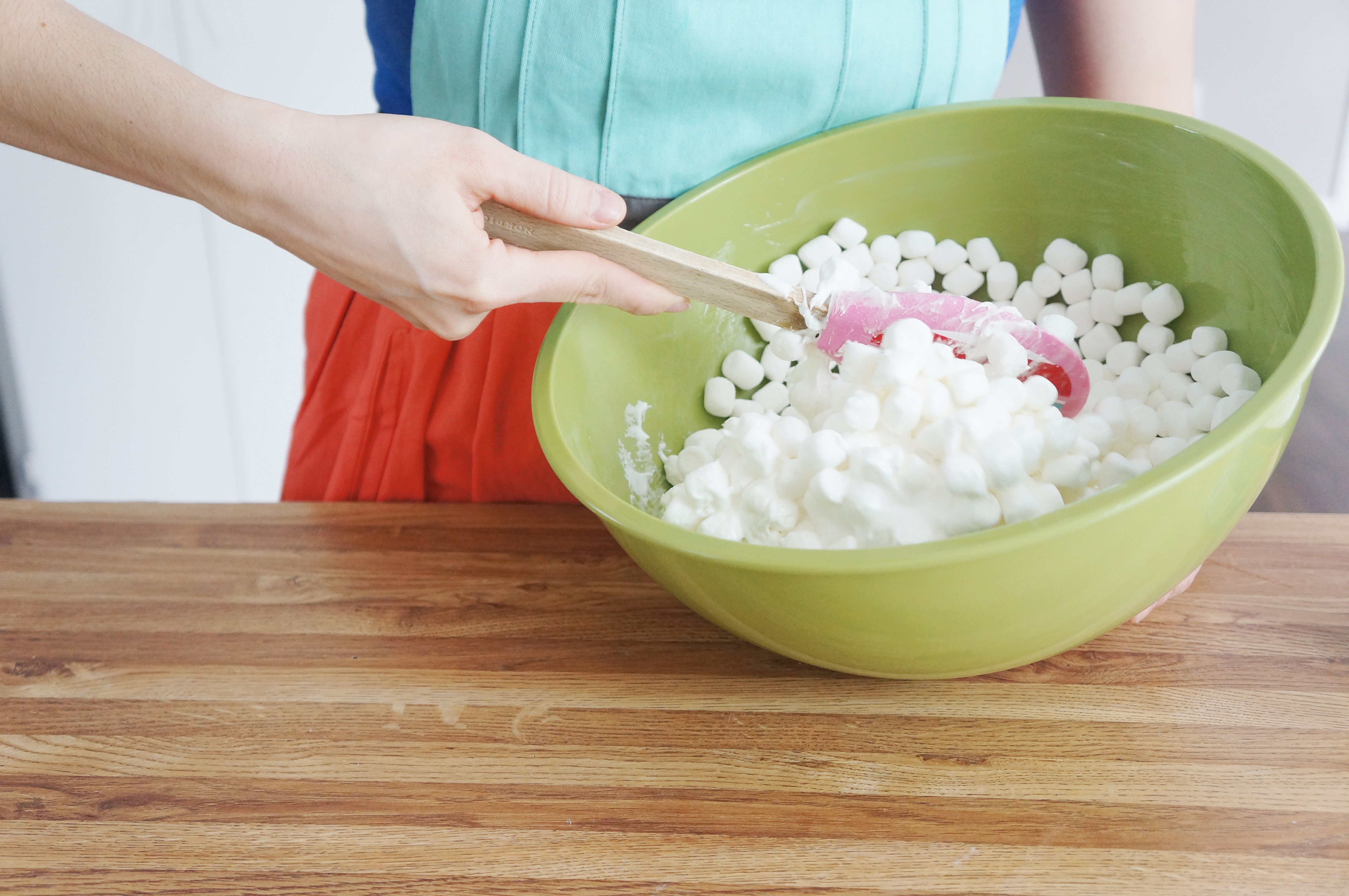
This recipe uses marshmallows, which gives you fondant that tastes better than the store-bought brick and is way easier to make. We're going for smooth surfaces, crisp edges, and just enough structure to hold cute decorations, without turning your kitchen into a powdered sugar blizzard.
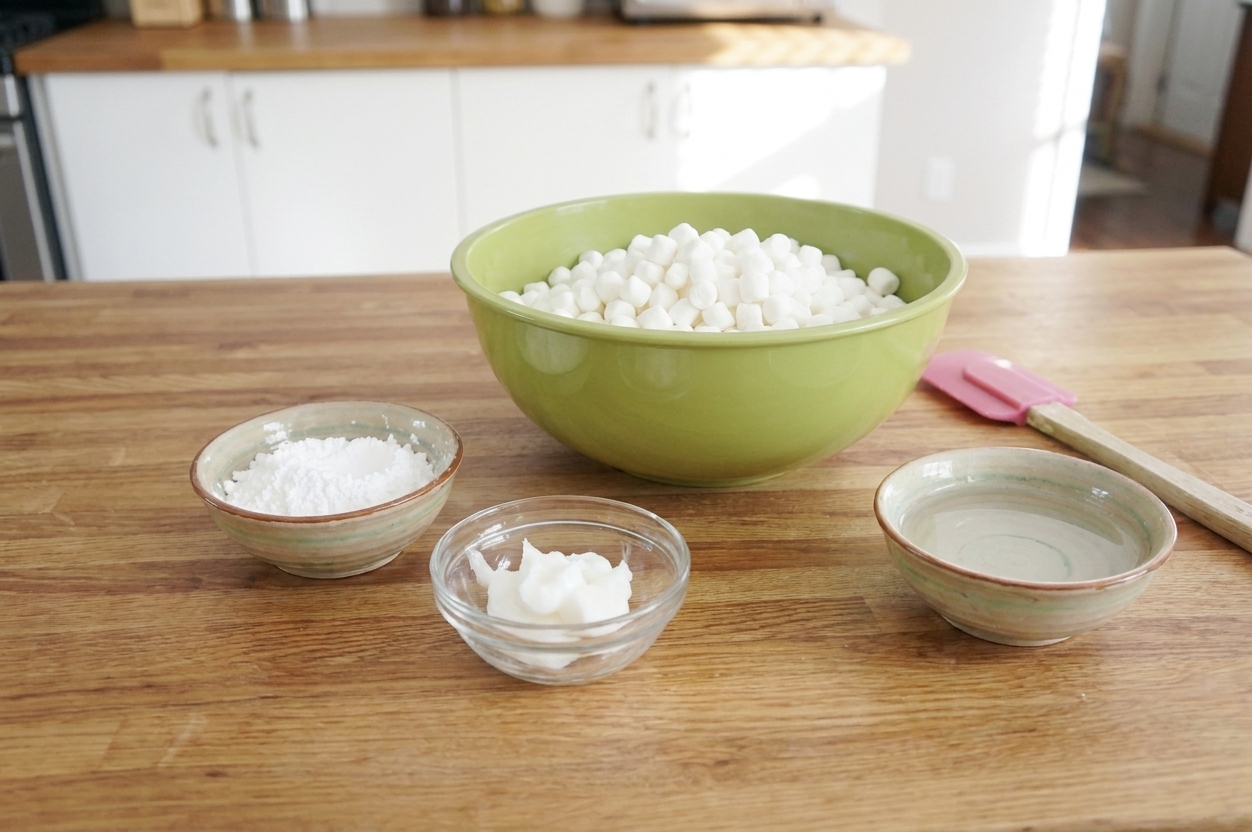
Marshmallows, powdered sugar, shortening, and a small bowl of water arranged on a clean kitchen counter

Why It Works

  • It's beginner-friendly. Marshmallows do most of the hard work, so you get elasticity without complicated candy stages.
  • Texture is controllable. Add powdered sugar for structure, or a touch of water or shortening to soften things up.
  • It rolls smoothly. With a short rest, it becomes easier to handle and less sticky.
  • It stores well. Wrap it right and you'll have fondant ready to go for last-minute cupcakes and birthday cakes.

Pairs Well With

Storage Tips

Short term: Coat the outside lightly with shortening, then wrap tightly in plastic wrap. Place in a zip-top bag with the air pressed out. Store in a cool, dry place at room temperature for up to 2 weeks (warm kitchens can shorten this).

Longer storage: Double-wrap and freeze for up to 2 months. Thaw overnight at room temperature (still wrapped), then knead until pliable.

Before using again: Bring it fully to room temp and knead for a minute or two. If it's firm, a 5-second microwave burst can help.

Important: Avoid the refrigerator. Fridge humidity can make fondant sweaty and sticky, which isn't the vibe when you're trying to get a clean finish.

Common Questions

Why is my fondant cracking when I roll it?

Cracking usually means it's too dry. Knead in 1/2 teaspoon water at a time or a small dab of shortening until it bends without splitting. Also make sure it's rested and not cold-stiff from storage.

Why is it so sticky?

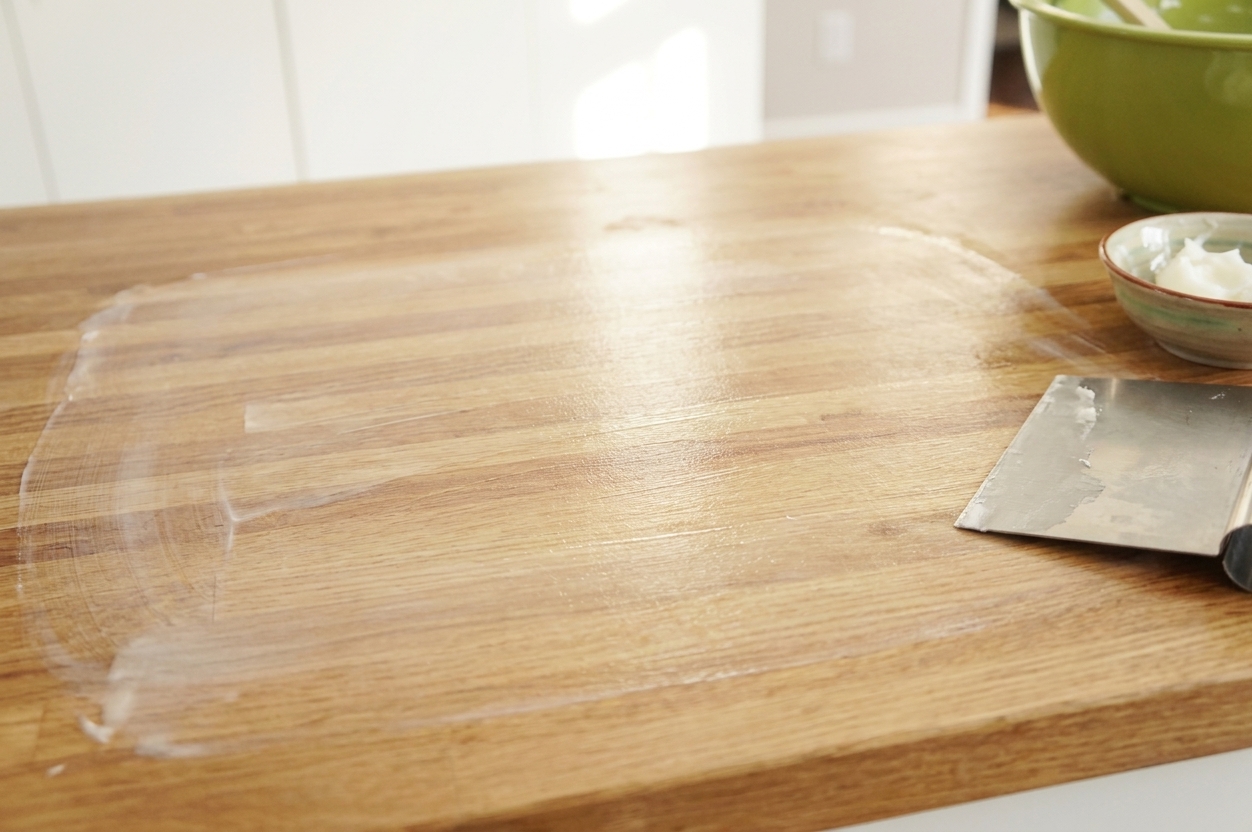
Sticky happens when the marshmallow base is still warm or you don't have enough powdered sugar. Let it cool for a minute, then knead in more powdered sugar a few tablespoons at a time. Lightly grease your hands and work surface with shortening instead of adding a ton of extra sugar right away.

Can I color it?

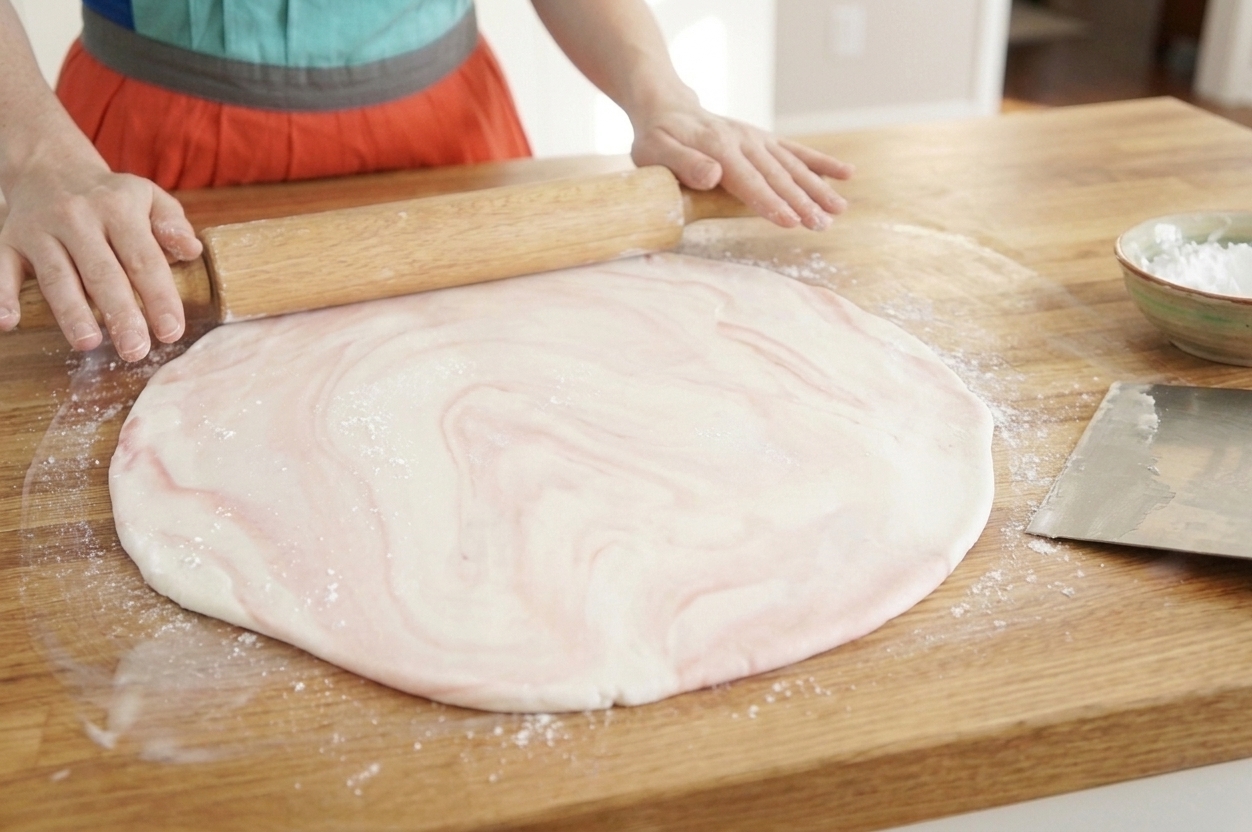
Yes. Gel food coloring works best. Use a toothpick to add a little at a time, because a tiny amount goes a long way. Wear gloves if you value your fingerprints. Knead color in gradually, then let the fondant rest 10 minutes because the color deepens as it sits.

Can I flavor it?

Totally. Add 1/2 to 1 teaspoon vanilla, almond, or lemon extract when you melt the marshmallows. Go easy. Too much liquid can make it sticky.

How much fondant do I need to cover a cake?

As a rough guide, this batch is usually enough for one 8-inch round cake about 4 inches tall when rolled to about 1/8 inch. For a taller 8-inch cake, a 9x13 sheet cake, or if you like rolling a little thicker, plan on 1.5 batches.

The first time I made fondant at home, I was convinced I'd end up with a sugar tar pit permanently attached to my countertop. Instead, I got this surprisingly smooth dough that rolled out like soft clay and made my cake look like I had my life together. Now it's my go-to for birthday cakes and those “I volunteered to bring dessert, help” moments. The secret isn't perfection. It's keeping shortening nearby, testing your patience as you go, and remembering that a smooth cake is mostly just a series of small fixes.