Mom's Best Recipes
Recipe

Homemade Pie Shell

A flaky, all-butter pie crust that rolls easily, bakes up crisp, and works for sweet or savory pies.

Author By Matt Campbell
4.8
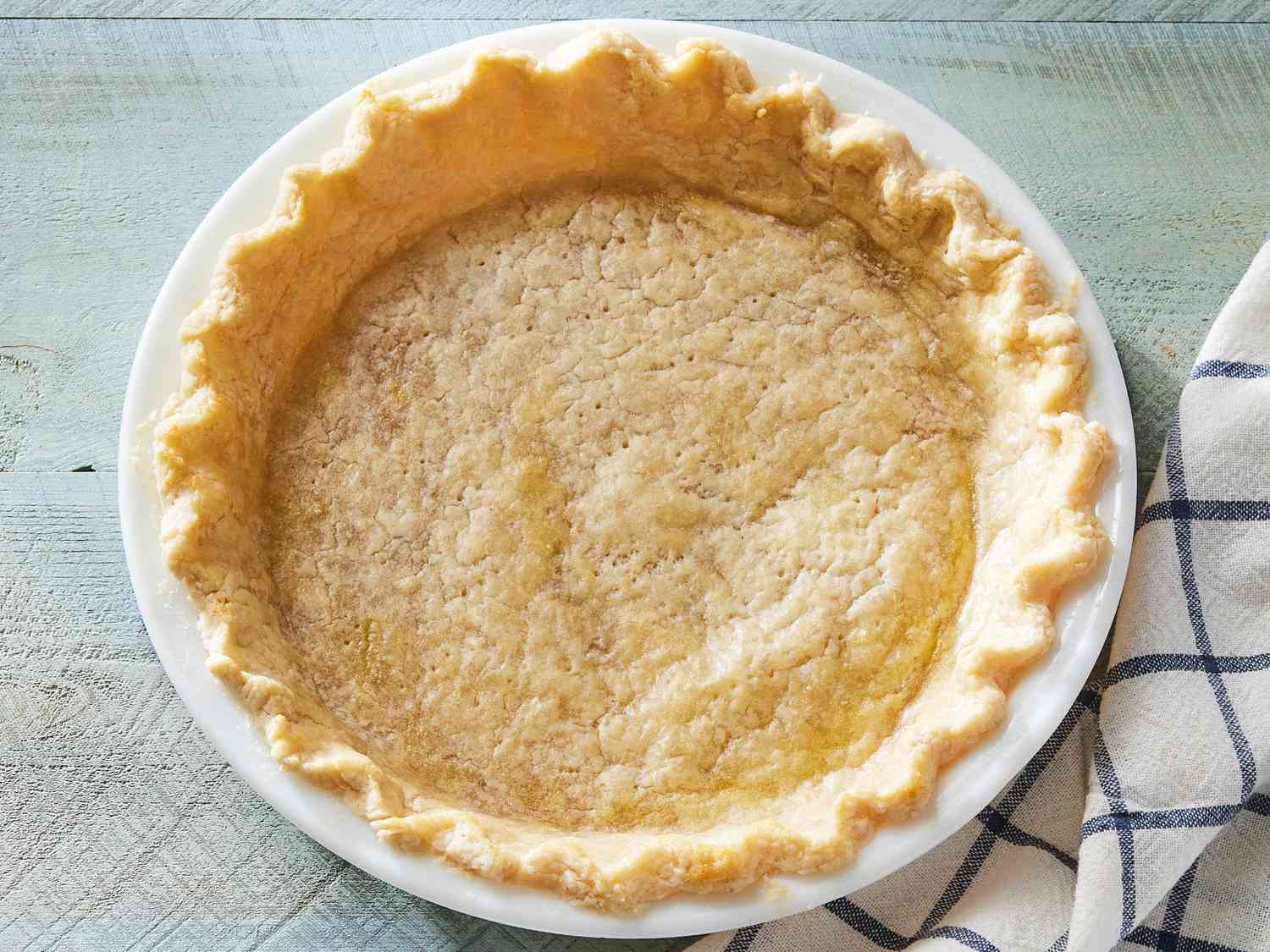
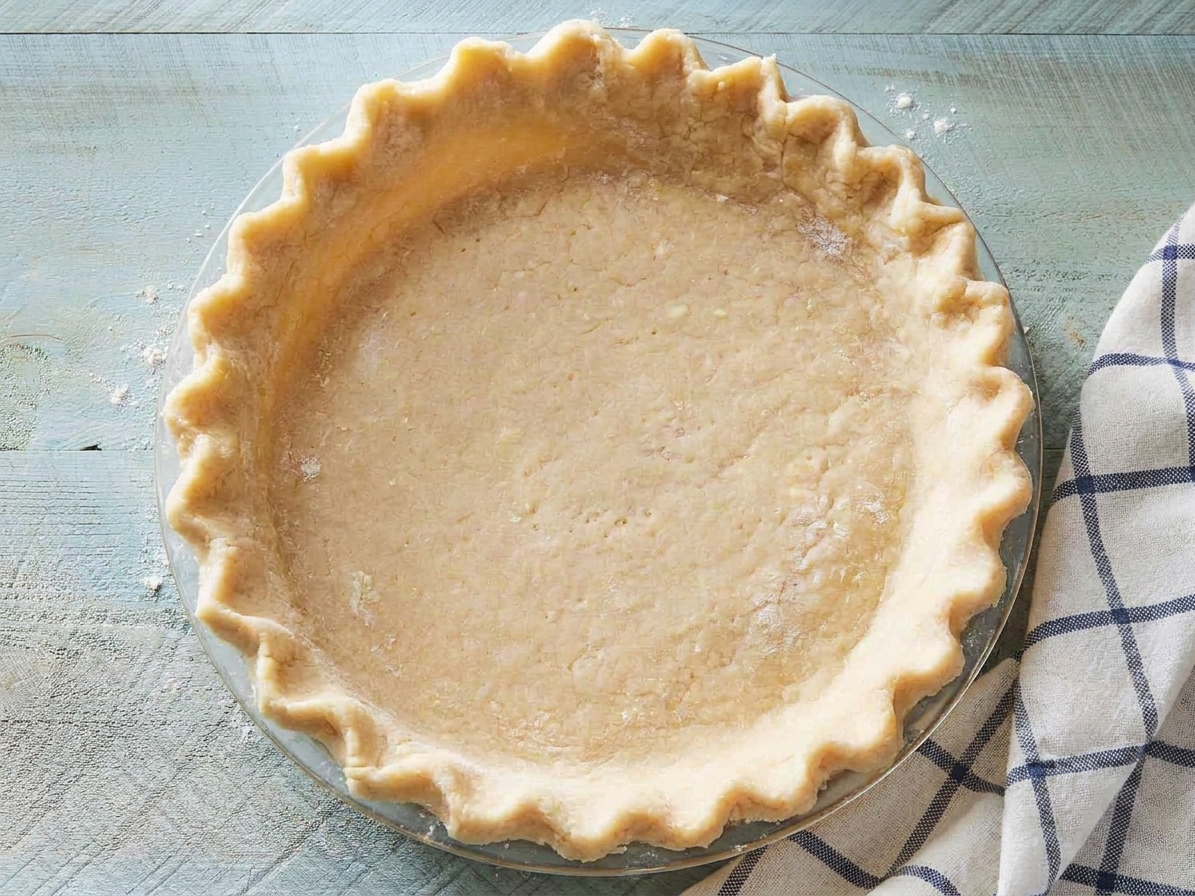
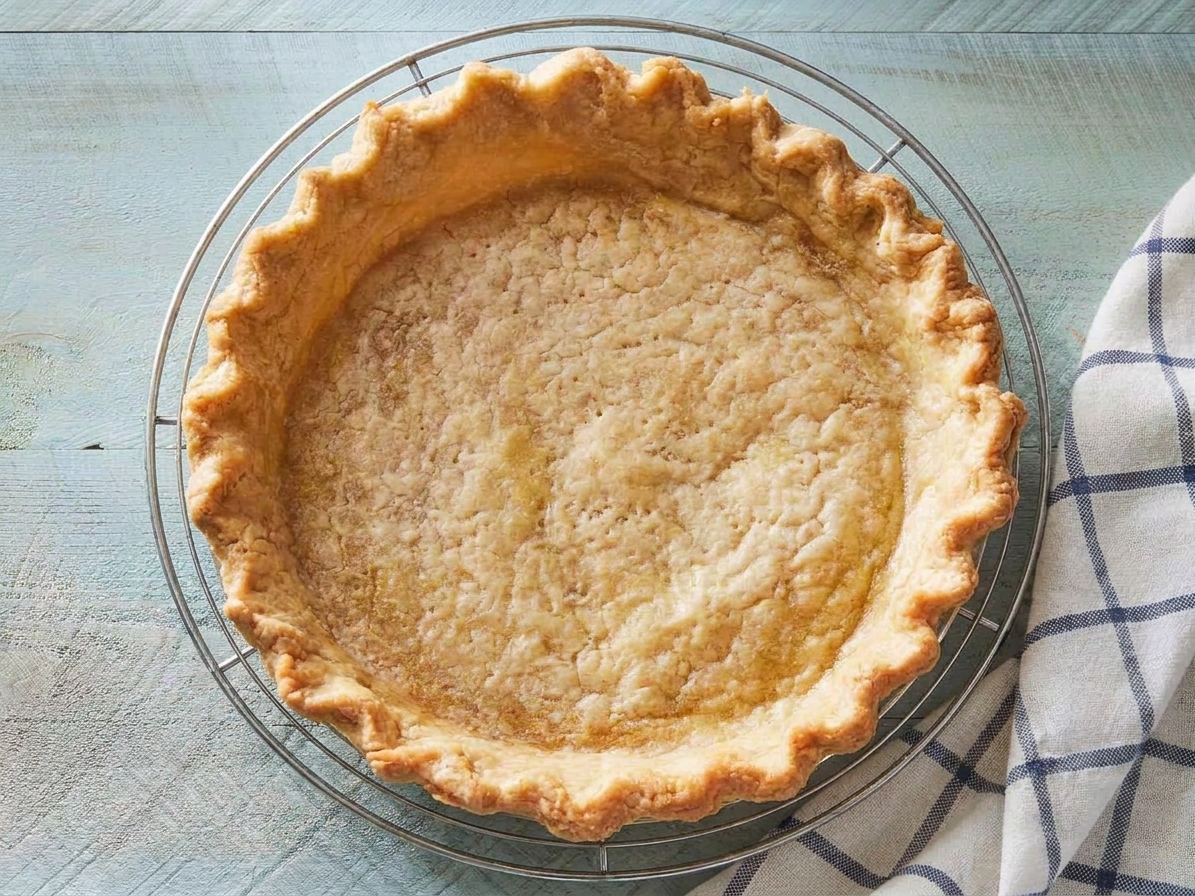
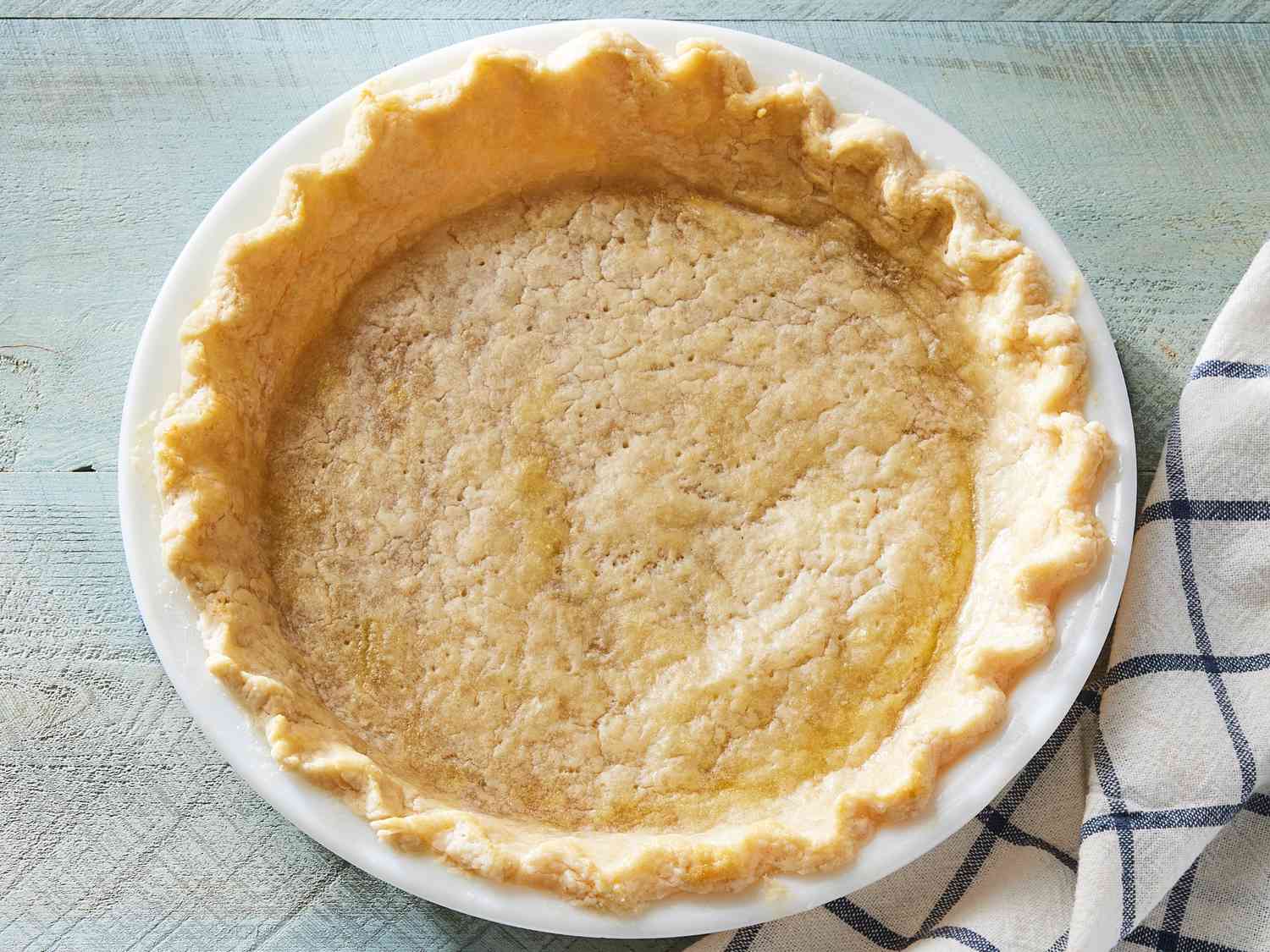
A golden baked pie shell in a glass pie dish on a light kitchen counter with a few scattered flour smudges and a rolling pin nearby

Homemade pie shell energy is basically this: you want something that tastes like a butter-forward bakery case, but you also want it to behave itself on a Tuesday. This crust does both. It is flaky with those crisp little layers that shatter at the edge, but it is also forgiving enough that you do not have to treat your kitchen like a science lab.

We are going all-butter for flavor, using a little vinegar for tenderness, and keeping the process simple: keep it cold, do not overwork it, and give it a proper rest so it does not shrink and sulk in the oven.

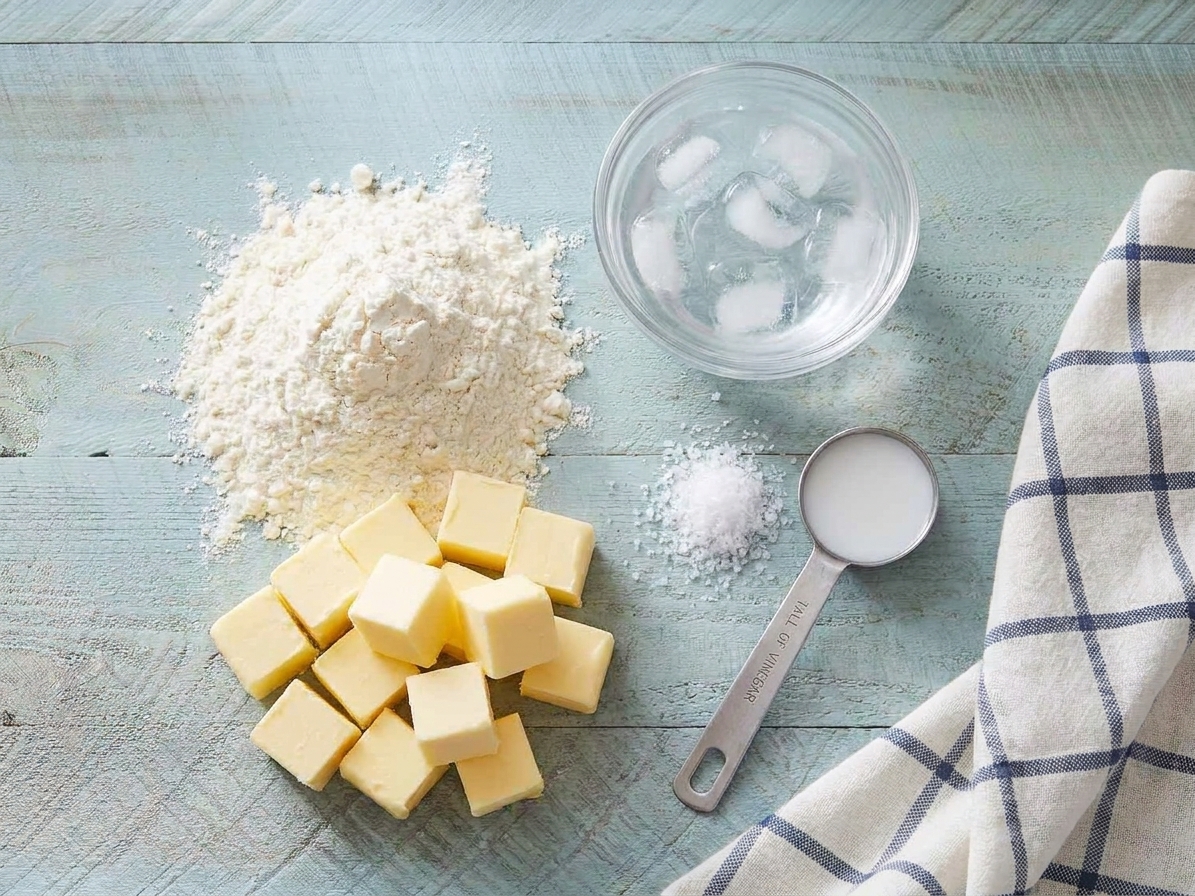
Measured flour, cubed cold butter, a small bowl of ice water, salt, and a tablespoon measure of vinegar arranged on a kitchen counter

Why It Works

  • Flaky layers without fuss: Cold butter plus a gentle mix gives you those crisp edges and tender interior.
  • Great flavor: All-butter crust tastes like, well, butter, not “generic pie.”
  • Less shrinkage: Resting the dough relaxes gluten so it holds its shape in the pan.
  • Crisp bottom options: You can blind bake for custard and cream pies, or par-bake for juicy fruit fillings.
  • Make-ahead friendly: Dough can be refrigerated or frozen so pie day is calmer.

Pairs Well With

Storage Tips

How to Store Pie Dough and Baked Shells

  • Unbaked dough (disc): Wrap tightly in plastic wrap and refrigerate up to 3 days. If it gets very firm, let it sit at room temp 10 to 15 minutes before rolling.
  • Unbaked dough (fitted in pie plate): Cover and chill up to 24 hours. This is great for reducing shrinkage.
  • Freeze unbaked dough: Wrap the disc, then place in a freezer bag. Freeze up to 3 months. Thaw overnight in the refrigerator.
  • Freeze an unbaked shell in the pan: Freeze until solid, then wrap the whole pie plate well. Bake straight from frozen, adding a few minutes to bake time.
  • Baked pie shell: Cool completely, then store at room temp for 1 day (loosely covered). If your kitchen is humid, the crust may soften, so re-crisp in a 350°F oven for 5 to 8 minutes. For longer storage, refrigerate 2 to 3 days and re-crisp before using.

Common Questions

Common Questions

Is this a single crust or double crust recipe?

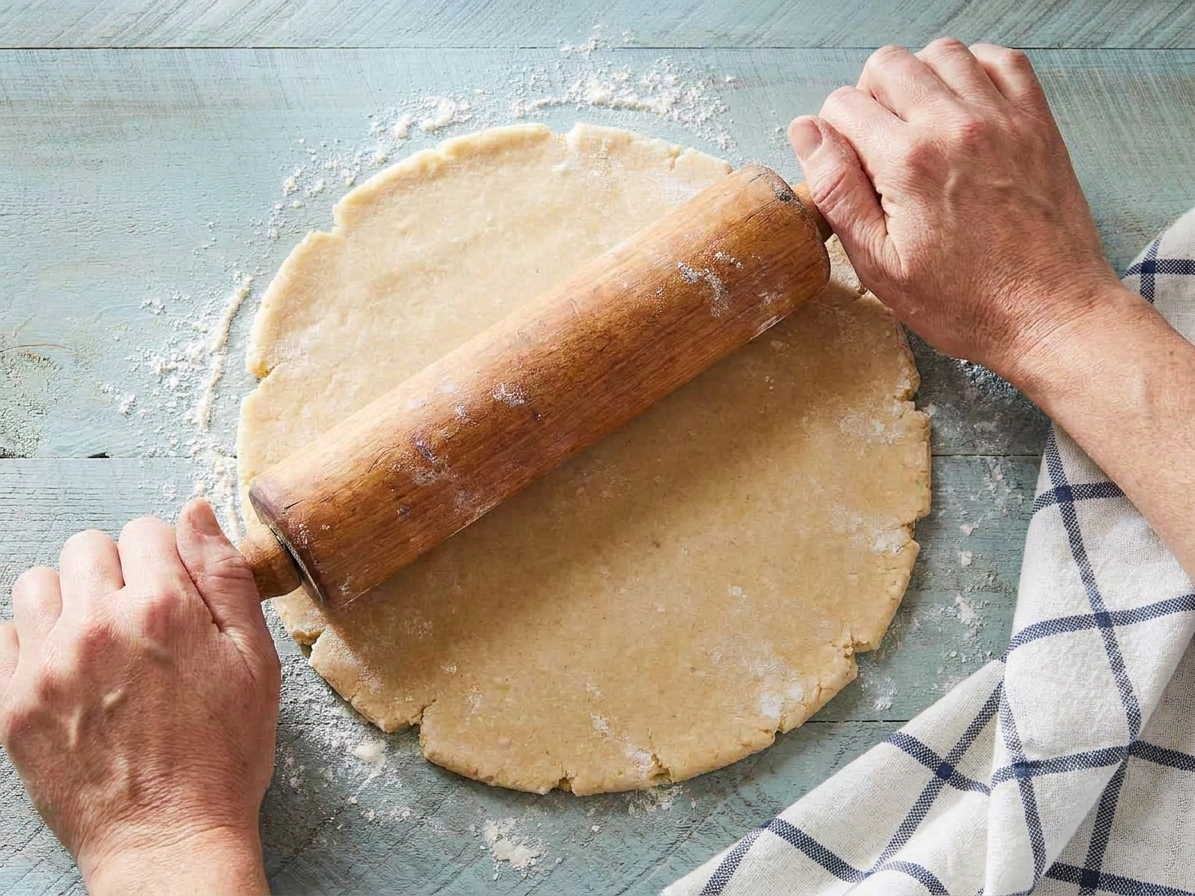
This makes one 9-inch pie shell (bottom crust). For a double-crust pie, double the ingredients and divide the dough into two discs. Chill both, then roll one for the bottom and one for the top.

Why did my crust shrink in the oven?

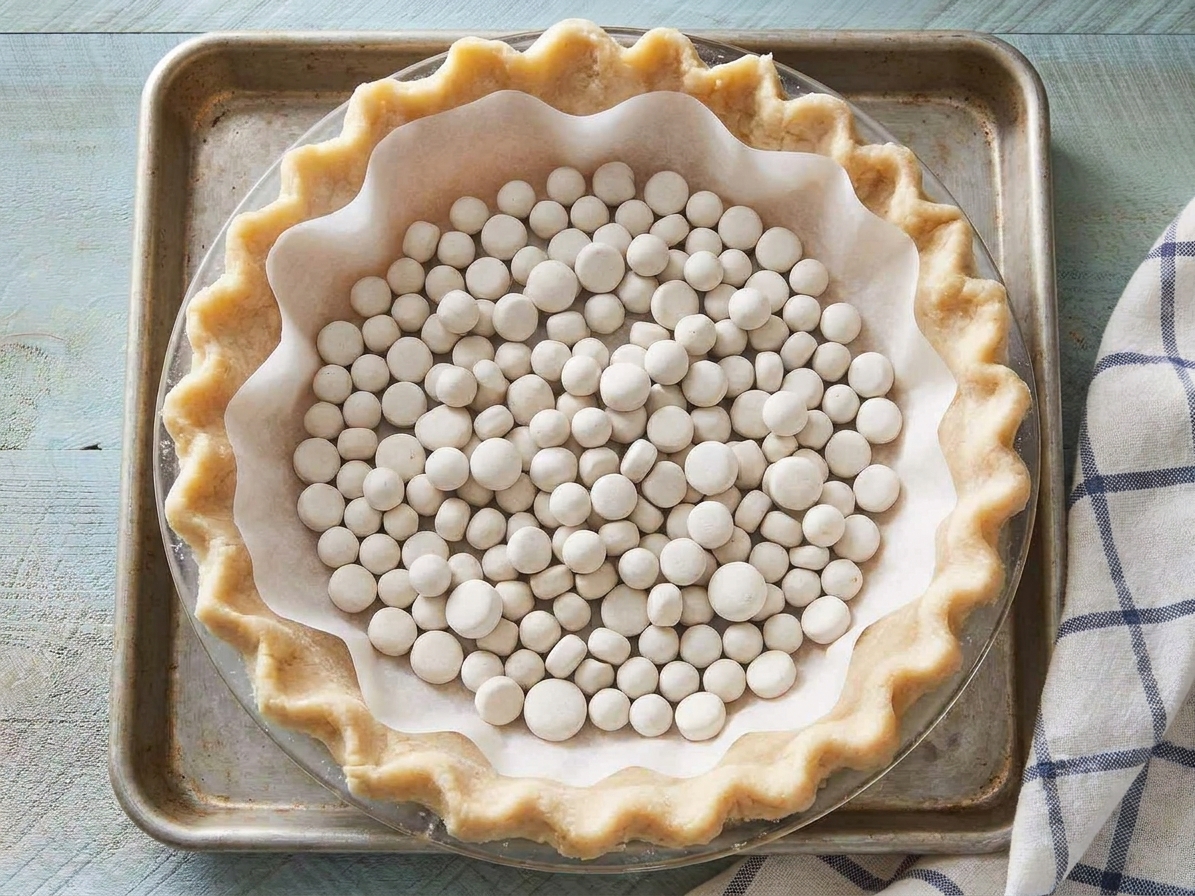
Shrinkage usually comes from two things: overworking the dough (gluten tightens up) and not resting it long enough. Chill the shaped crust in the pie dish at least 30 minutes before baking, and do not stretch the dough to fit. Lift and ease it down into the plate so it can relax.

Can I use salted butter?

Yes. Since salted butter varies by brand, treat this as a guideline: reduce the added salt to 1/4 teaspoon, or omit it if you know your butter runs salty. If your filling is on the mild side, you can always add a pinch of salt there too.

What does vinegar do in pie dough?

A little acid can help keep the dough tender by slightly limiting gluten development. It is a small effect, but it is a helpful one, and you will not taste it.

How do I keep the bottom from getting soggy?

Blind bake for custard and no-bake fillings. For fruit pies, you can brush the chilled crust with egg white and bake it for 3 to 5 minutes before filling. Also, baking on a preheated sheet pan helps the bottom set faster.

Do I need a food processor?

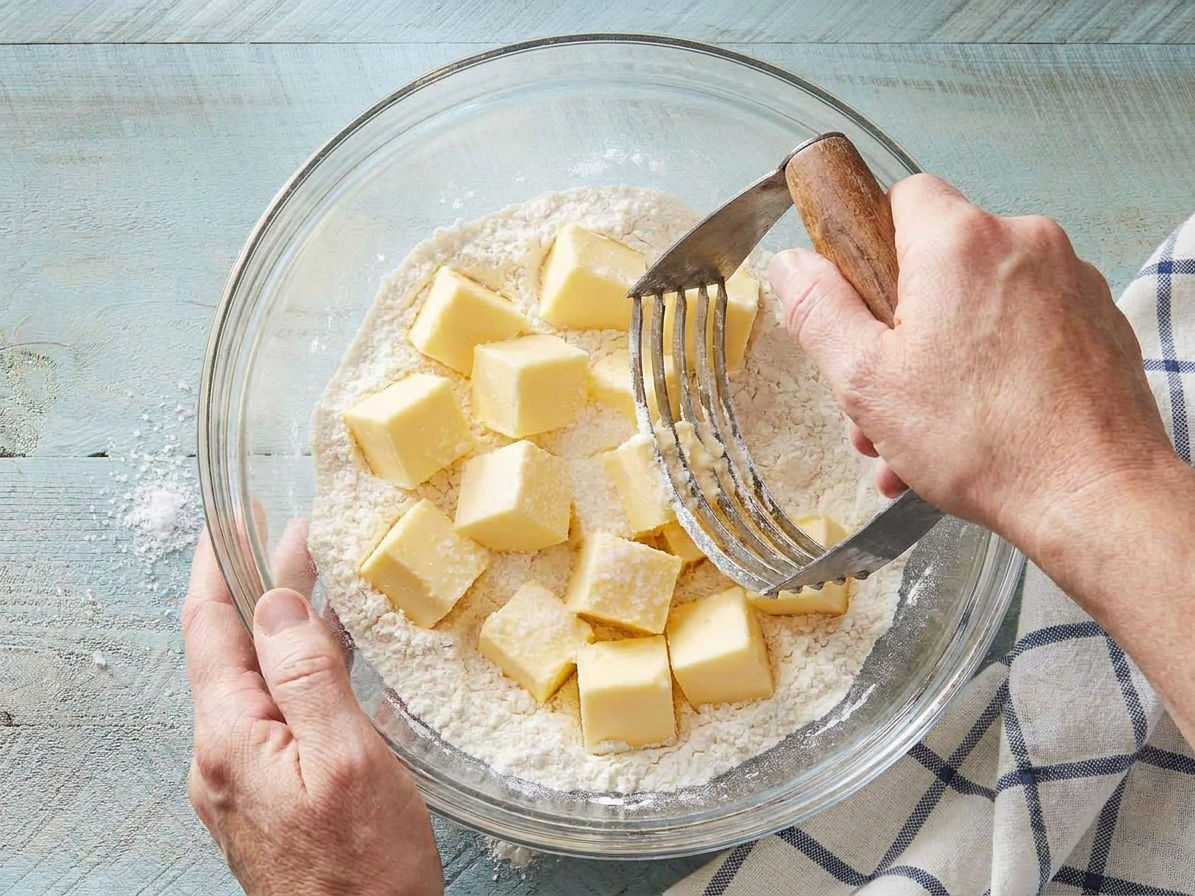
Nope. A pastry cutter, two forks, or even your fingertips work. The key is stopping while you still have visible bits of butter.

Glass vs metal pie dish: does it matter?

It does. Metal tends to brown the bottom faster. Glass lets you see what is happening, but it can take a few extra minutes to fully crisp. Either works. Just use the visual cues and add time as needed.

Can I make this crust for savory pies?

Absolutely. Leave the sugar out if you want, or keep it. The amount is small and mostly helps browning.

I used to treat pie crust like it was a personality test I kept failing. Too crumbly, too tough, shrinking like it had somewhere better to be. The shift happened when I stopped chasing perfection and started chasing temperature. Cold butter, cold water, a real rest in the fridge. Suddenly the dough rolled out without a fight, and the baked shell had that buttery snap that makes you steal a broken edge piece “for quality control.”