Is pumpernickel the same as rye bread?
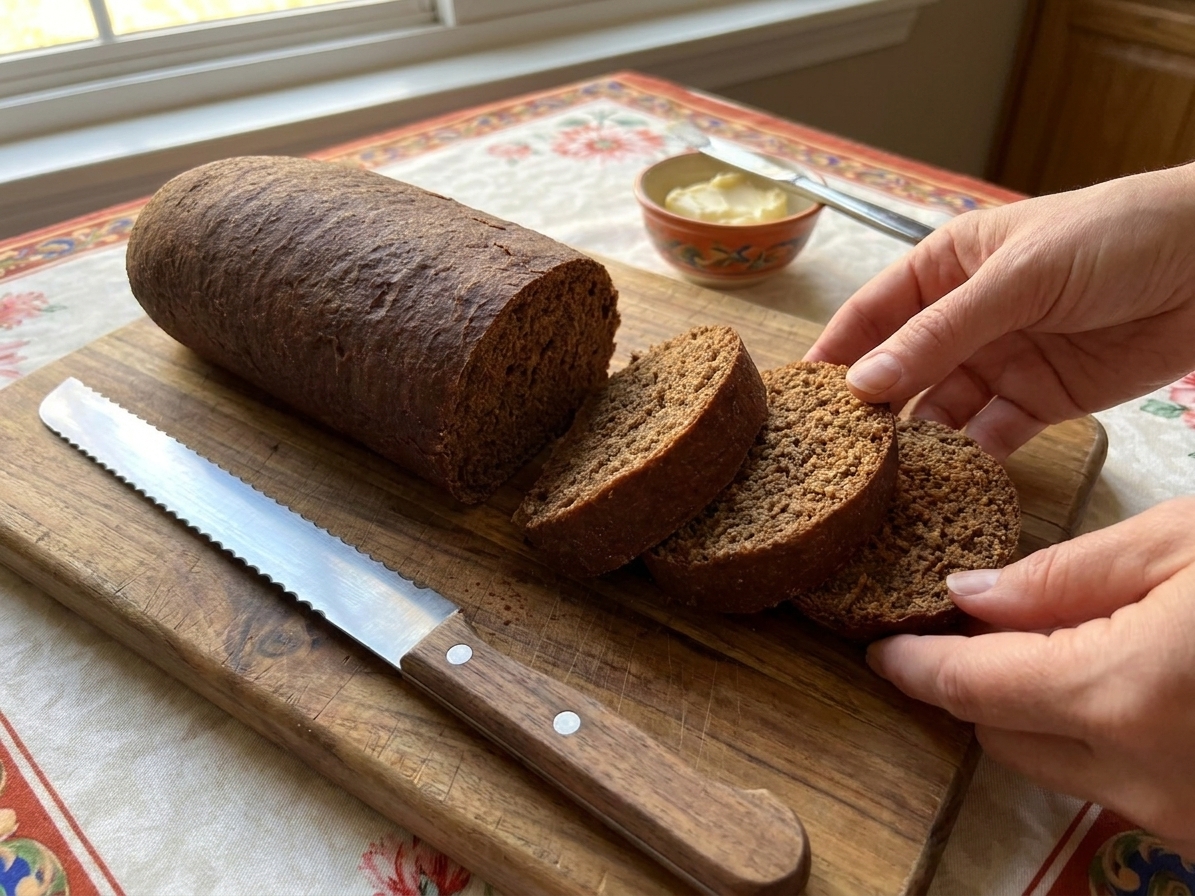
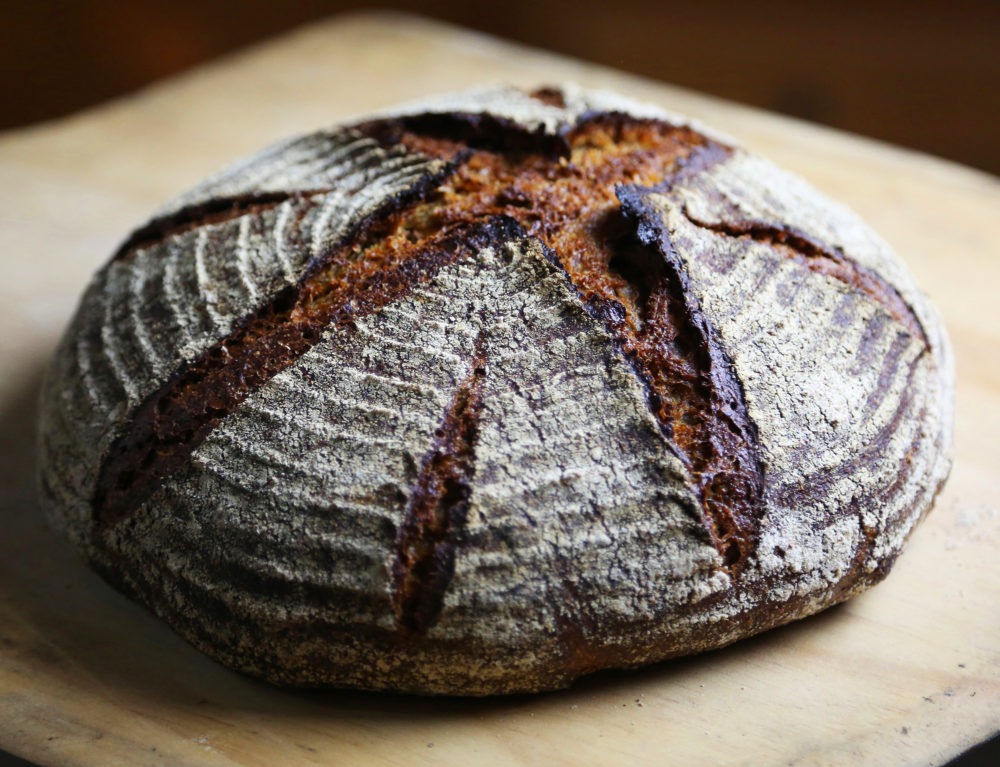
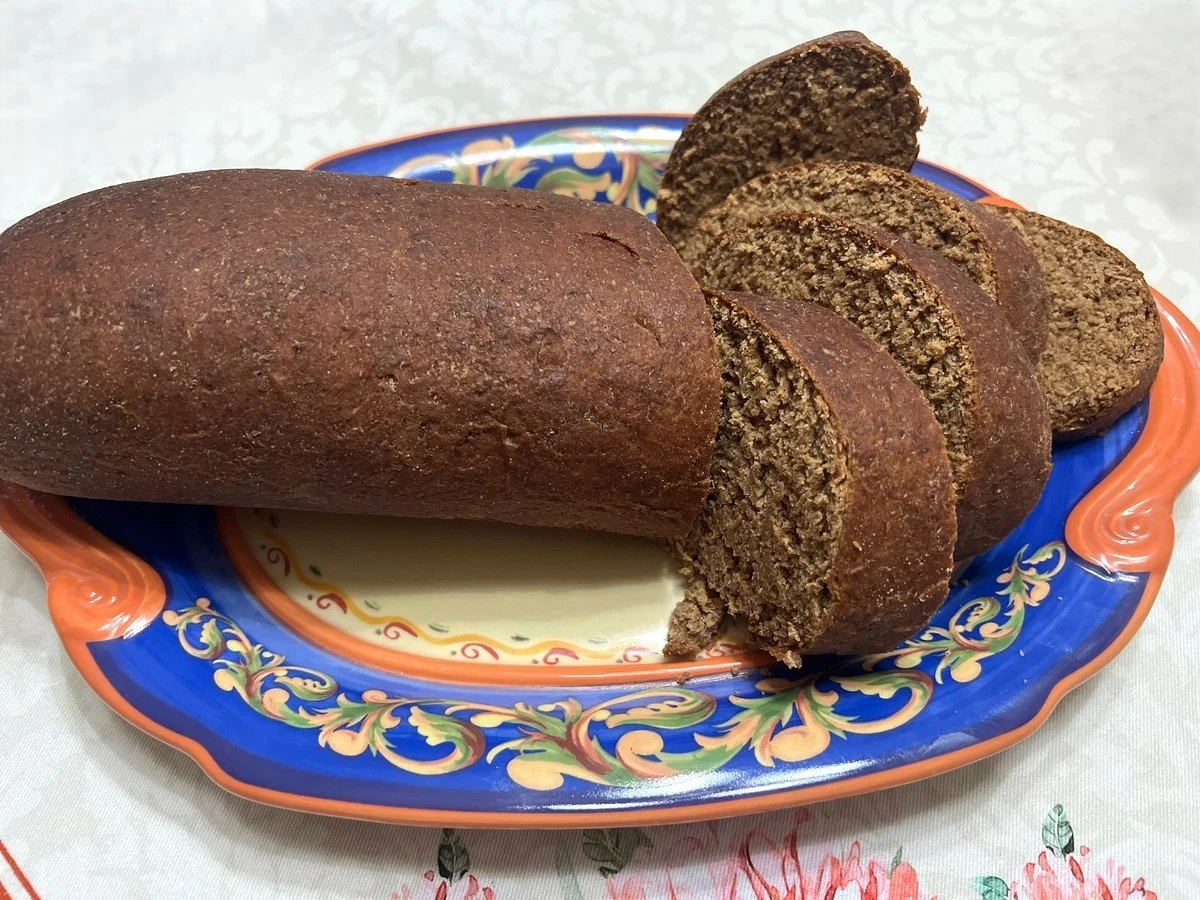
Pumpernickel is a type of rye bread, but it is usually darker and deeper tasting. Traditional German-style pumpernickel is often made with coarsely ground whole rye (sometimes rye berries) and baked low and slow for a long time, frequently using sourdough. This recipe is a home-kitchen pumpernickel-style loaf that captures the flavor and color with accessible ingredients.
Why add cocoa powder? Will it taste like chocolate?
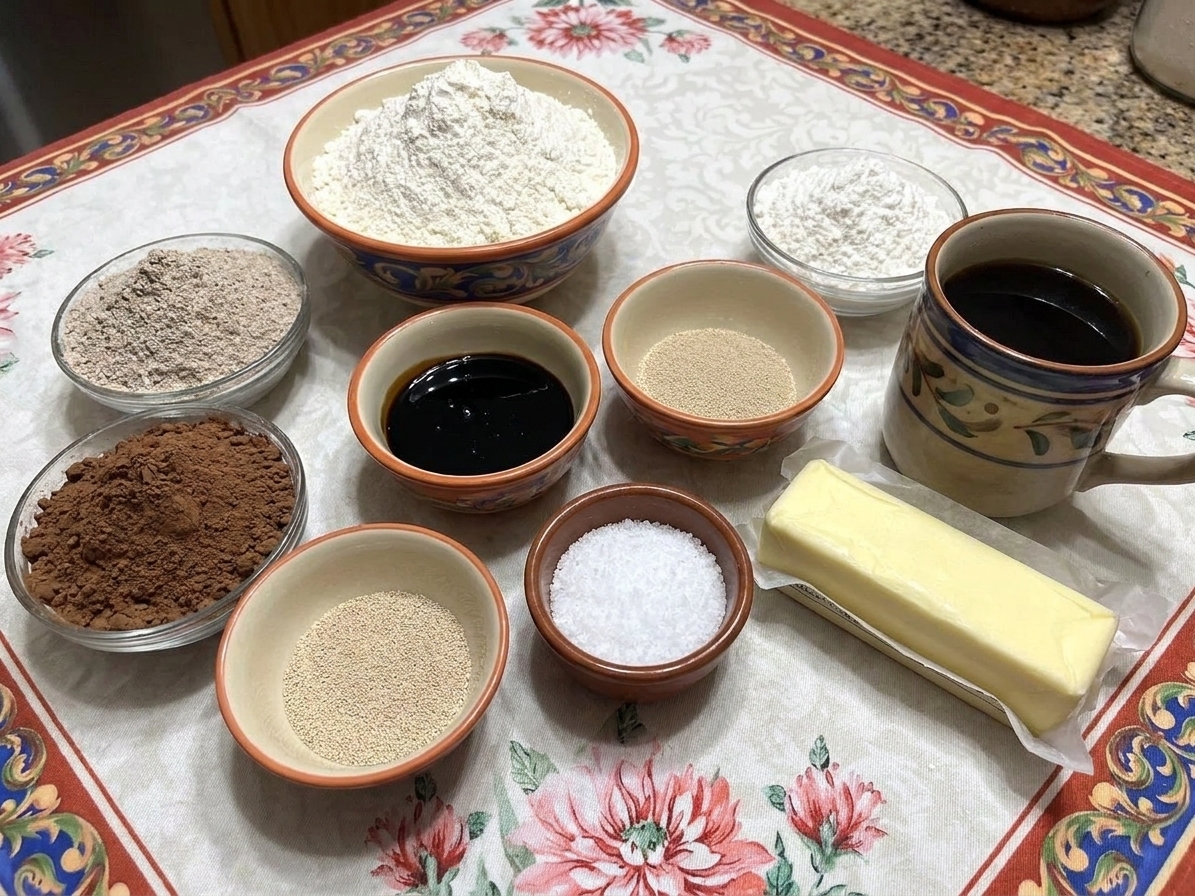
Nope. Cocoa here is a tiny amount for color and a gentle roasted note. If you use natural unsweetened cocoa, it will not make the bread taste like dessert.
Do I have to use coffee?
You can swap the coffee for warm water. Coffee adds a little bitterness and depth that plays really well with rye and molasses, but it is not required. Just make sure it is warm, not hot. Aim for 105°F to 110°F.
Why is my rye dough sticky?
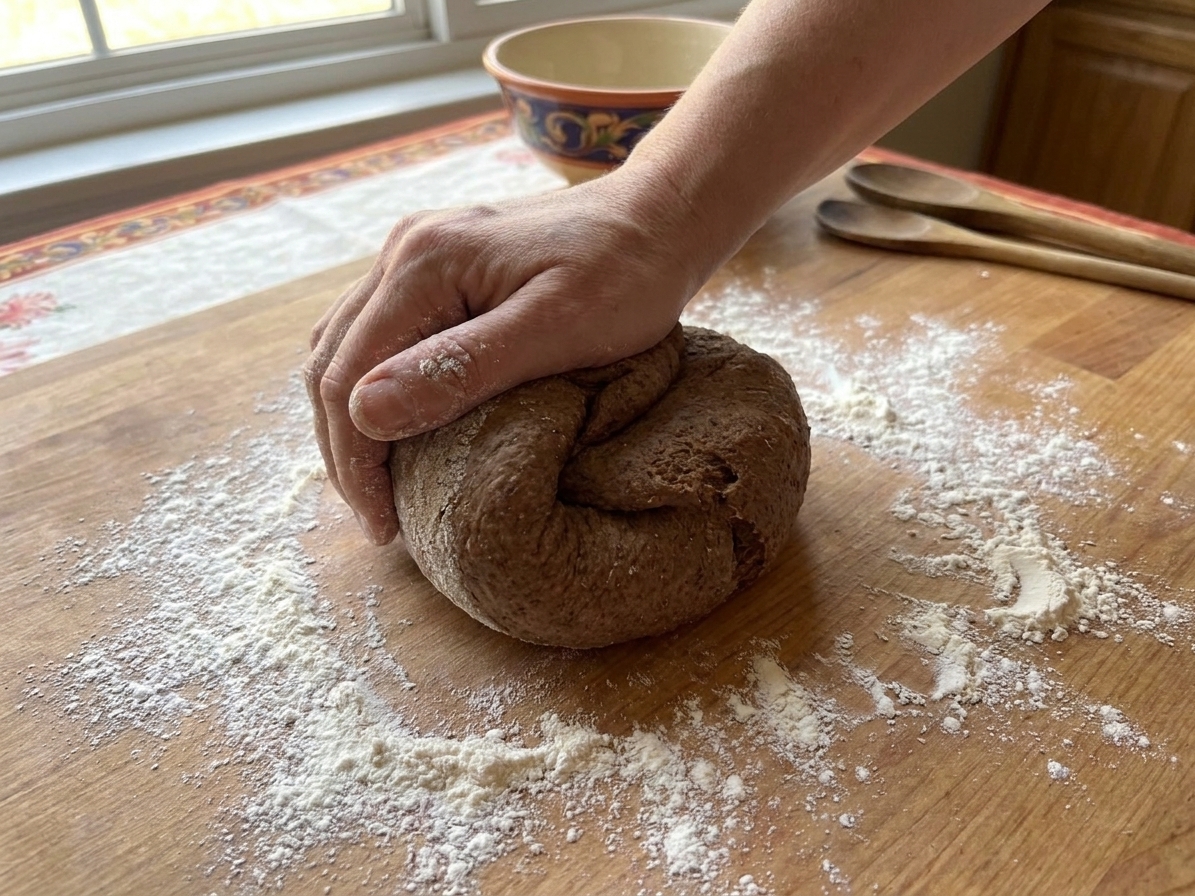
Rye is sticky. It does not build stretchy gluten structure the same way wheat does, and it also has lots of natural gums (pentosans) that hold onto water. Expect a tacky dough. Knead until it becomes cohesive and smoother, not necessarily super elastic. Use lightly oiled hands if needed, and avoid dumping in lots of extra flour or the loaf can turn dry.
What kind of rye flour should I use?
Light or medium rye flour works best here. Dark rye will taste stronger and can make the loaf a bit denser.
What kind of molasses is best?
Use mild or regular molasses. Blackstrap is much more bitter and can bully the flavor in this loaf.
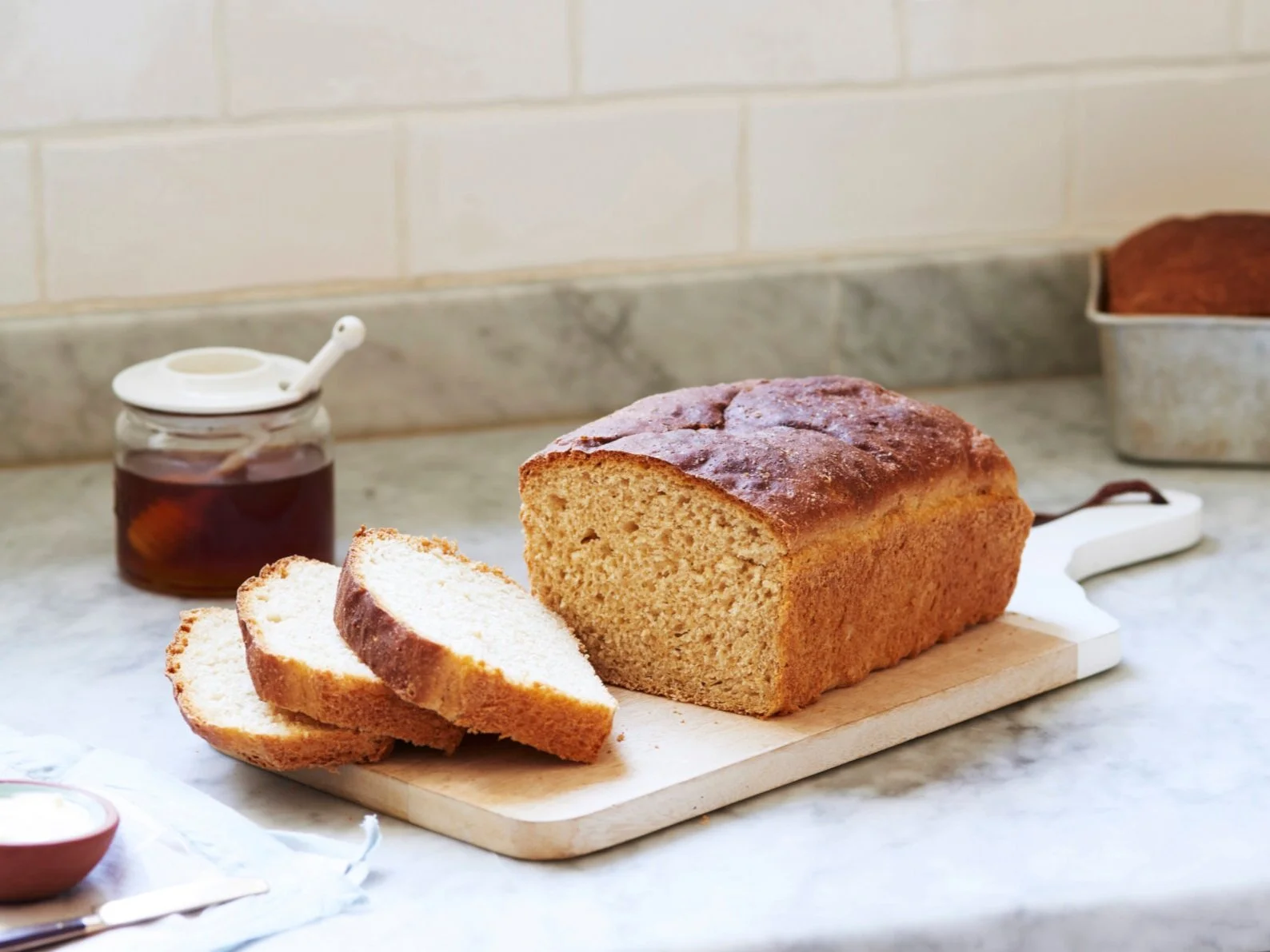
Can I make this in a loaf pan?
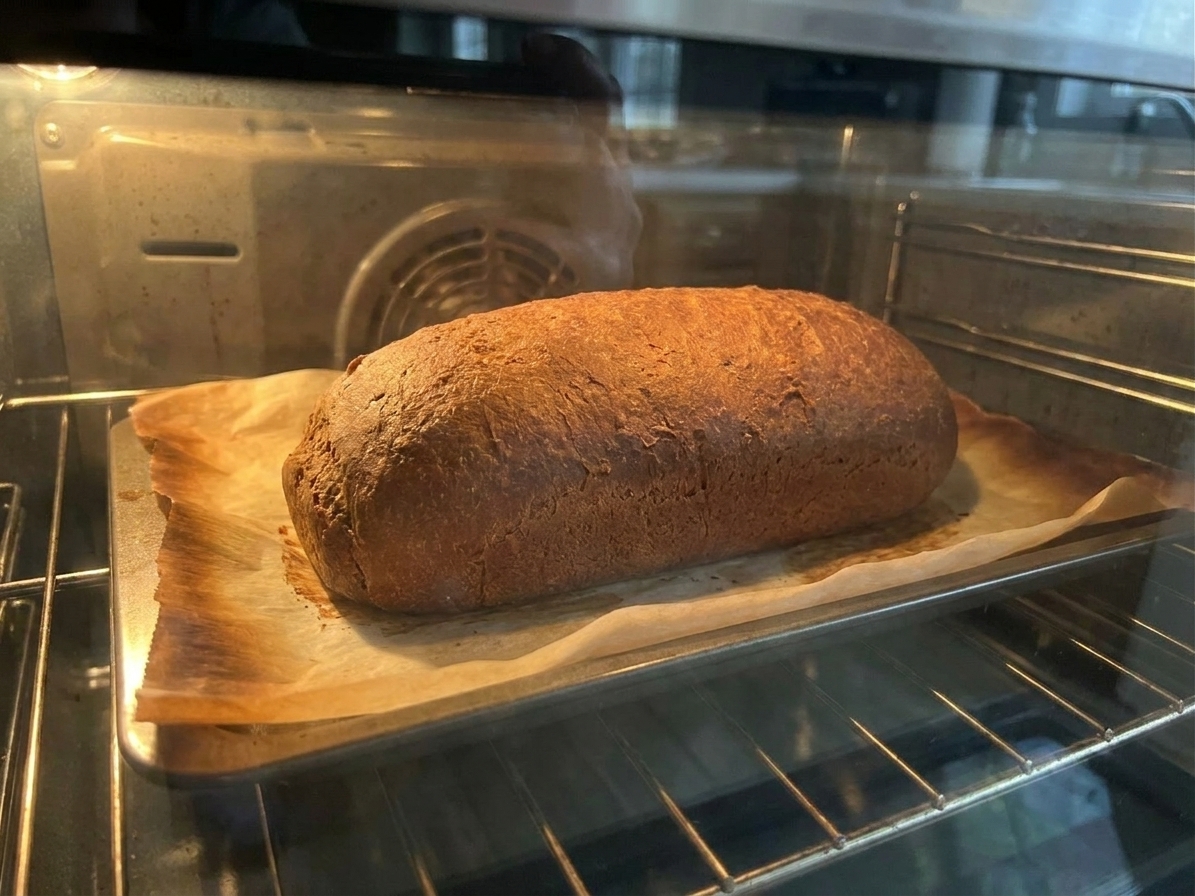
Yes. A 9x5-inch loaf pan works great. The bake time may be a few minutes longer than a free-form loaf. Aim for an internal temp of at least 195°F (up to 205°F), then cool fully so the crumb sets.
Why is my loaf dense or gummy?
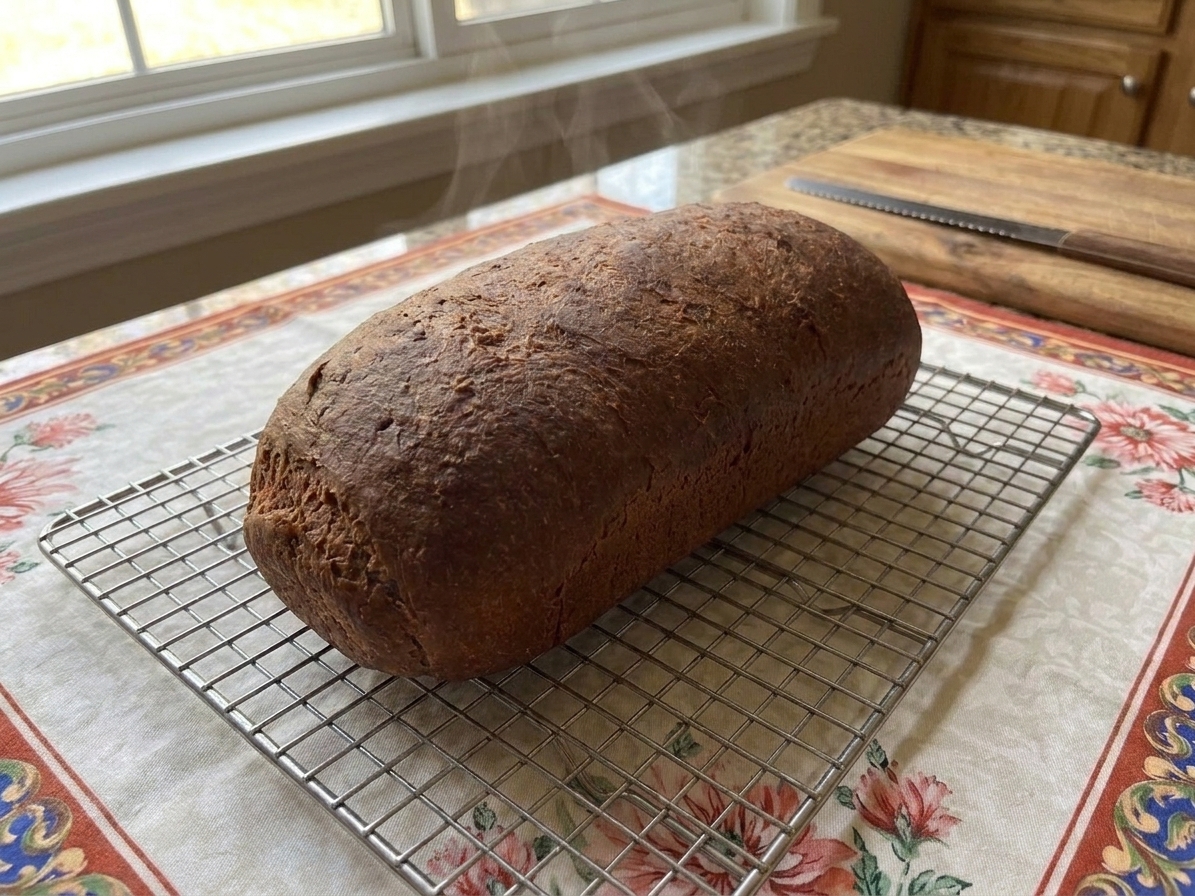
Dense: the dough may be underproofed, your yeast may be old, or you may have added too much flour. Gummy: the loaf may be underbaked or sliced too soon. Rye breads really reward patience, so give it that full cool down before cutting.