Mom's Best Recipes
Recipe

Hummingbird Sugar Water Recipe

A quick, safe hummingbird nectar recipe using the classic 1:4 sugar-to-water ratio, plus easy feeder tips for busy households.

Author By Matt Campbell
4.9
A clear glass hummingbird feeder hanging in a sunny backyard with a ruby-throated hummingbird sipping fresh sugar water, realistic photography
Jump to Recipe

If you have a hummingbird feeder in the yard, you already know the feeling. You catch that little buzz of wings out of the corner of your eye, and suddenly the whole day gets 10 percent better.

This hummingbird sugar water recipe keeps it simple and safe: plain white sugar, plain water, and the classic 1:4 ratio that matches what most hummingbirds are looking for. No red dye. No honey. No drama. Just clean fuel, made in minutes, so you can get back to the chaos inside the house while the tiny backyard regulars handle the chaos outside.

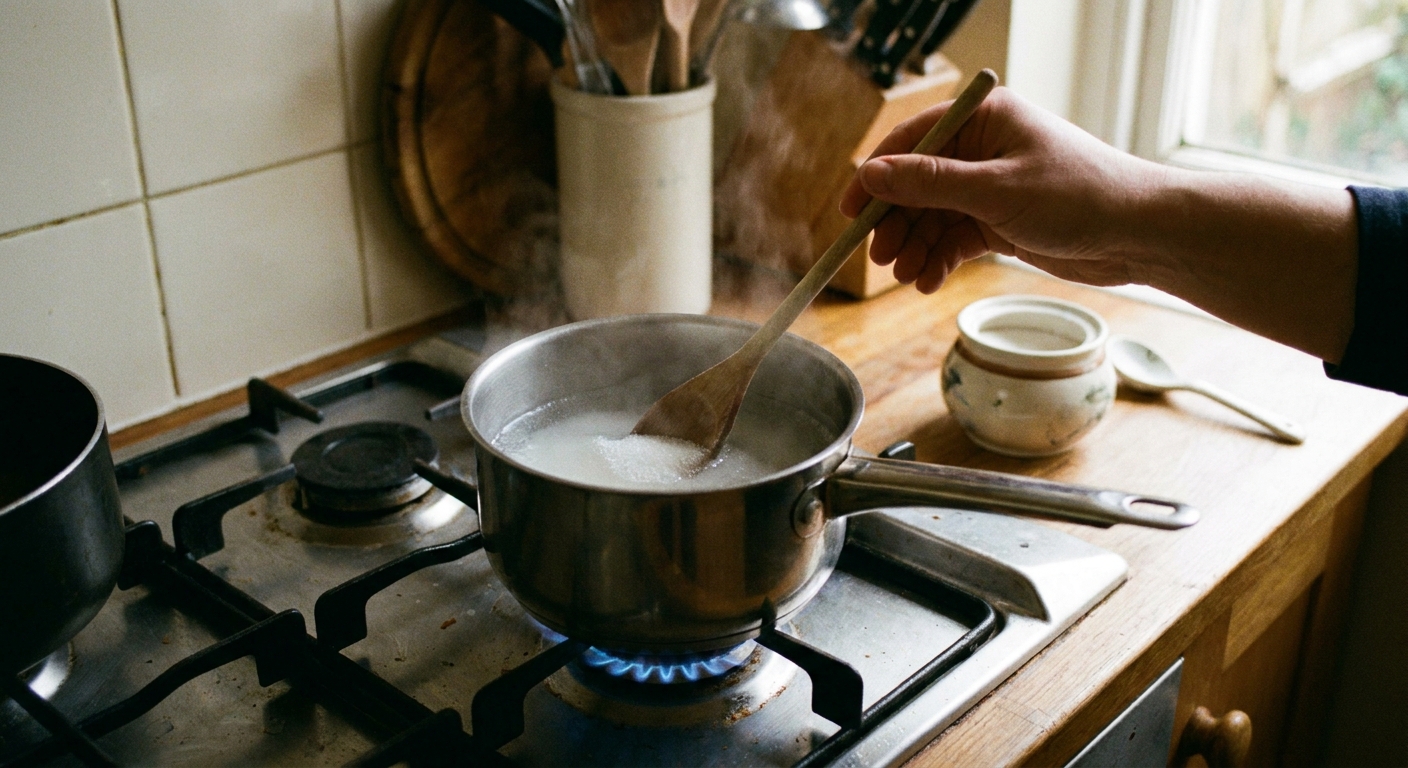
A hand stirring dissolved white sugar into a small saucepan of hot water on a home stove, realistic kitchen photo

Why It Works

  • Correct ratio every time: 1 part sugar to 4 parts water is the widely recommended baseline for most feeders and seasons.
  • Only two ingredients: No dyes, no syrups, no mystery additives that can spoil faster or harm birds.
  • Quick dissolve: A short heat step helps the sugar fully dissolve so it does not settle in the feeder.
  • Cleaner feeder, happier birds: Simple nectar is easier to keep fresh, and a clean feeder is the real secret sauce here.

Pairs Well With

Storage Tips

Storage Tips

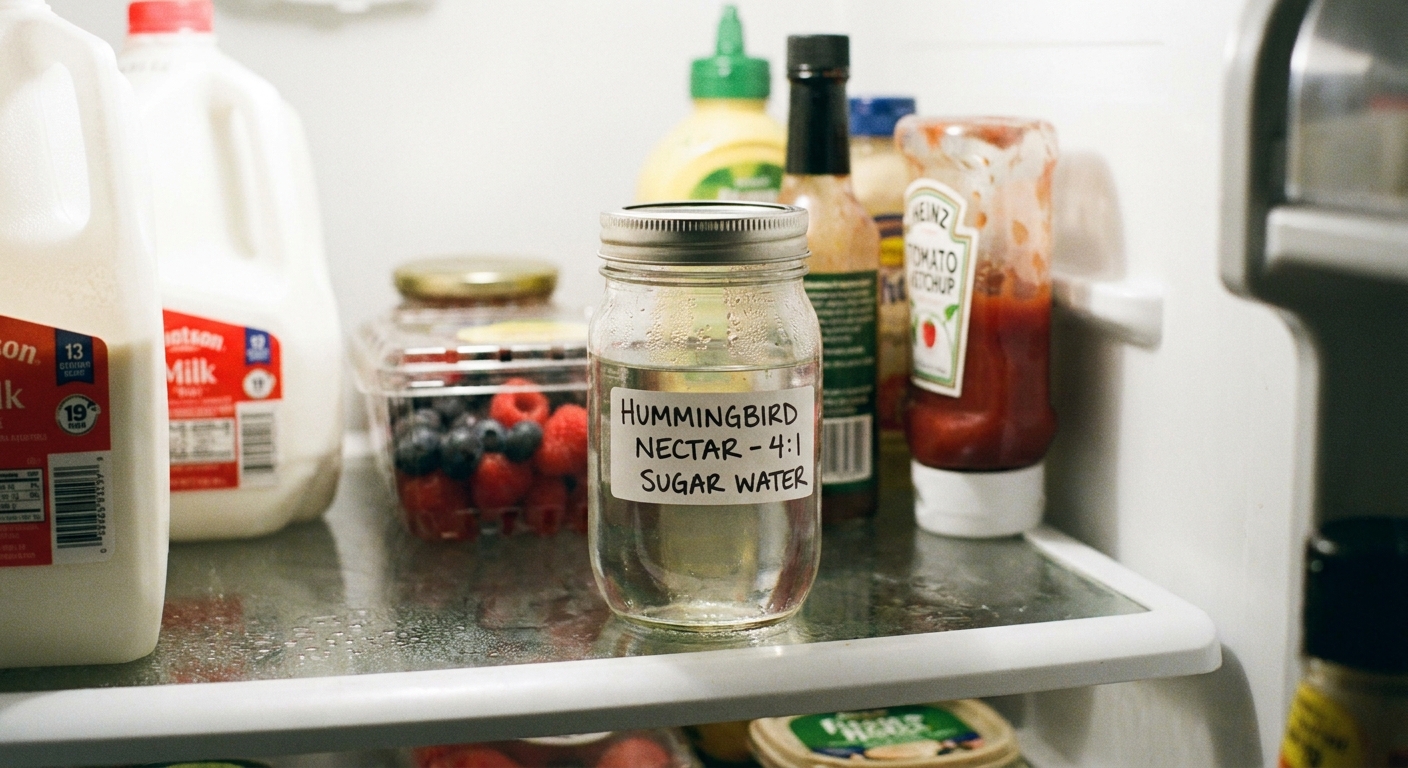
Fridge: Store extra sugar water in a clean, covered jar or bottle in the refrigerator for up to 7 days. If it looks cloudy or smells off, toss it and make a fresh batch.

Feeder: How long it stays fresh outside depends on heat. As a busy-household rule of thumb:

  • Hot weather (around 90°F and up): change every 1 to 2 days
  • Warm weather (around 80 to 89°F): change every 2 to 3 days
  • Mild weather (below 80°F): change every 3 to 5 days

Do not freeze in the feeder. You can freeze extra nectar in a freezer safe container if you want, but most households do best just making smaller batches more often.

A small sealed glass jar of clear hummingbird sugar water sitting on a refrigerator shelf, realistic photography

Common Questions

Common Questions

What is the correct hummingbird sugar water ratio?

The standard is 1 part white sugar to 4 parts water (for example, 1 cup sugar + 4 cups water). That is the reliable everyday ratio for most hummingbirds and most seasons.

Do I need to boil the water?

You do not have to do a full rolling boil. Heating the water helps the sugar dissolve quickly and evenly, and it may help slow spoilage. The bigger difference-maker is keeping the feeder clean and refreshing the nectar often.

A simple approach is to bring the water just to a simmer, stir in sugar until clear, then cool completely.

Can I use brown sugar, raw sugar, or coconut sugar?

Skip them. Stick to plain white granulated sugar. Other sugars have extra minerals and impurities, and they can spoil faster. They are simply not recommended for feeders.

Can I use honey or maple syrup?

No. Honey can ferment quickly and may grow harmful microbes. Maple syrup is also not recommended for hummingbirds. White sugar is the safest, most consistent option.

Should I add red food coloring?

No. Most hummingbird feeders already have red parts that attract birds. Dye is unnecessary and not recommended.

Can I use artificial sweeteners?

No. Artificial sweeteners do not provide the calories hummingbirds need and should never be used in a feeder.

Why did my nectar turn cloudy?

Cloudiness usually means it is starting to spoil, especially in heat. Dump it, wash the feeder thoroughly, and refill with fresh cooled nectar.

How do I clean a hummingbird feeder?

Rinse with hot water and scrub with a bottle brush. For deeper cleaning, use a mild solution of white vinegar and water, then rinse extremely well. Avoid harsh soaps.

Some wildlife guidance sources also allow a very diluted bleach solution for occasional deep cleaning. If you go that route, follow a trusted source exactly and rinse until you are confident there is no lingering smell.

How often should I clean and refill the feeder?

In a perfect world, give it a quick scrub every time you refill. In hot weather, clean and refill more often since nectar spoils faster. When in doubt, fresh and clean wins.

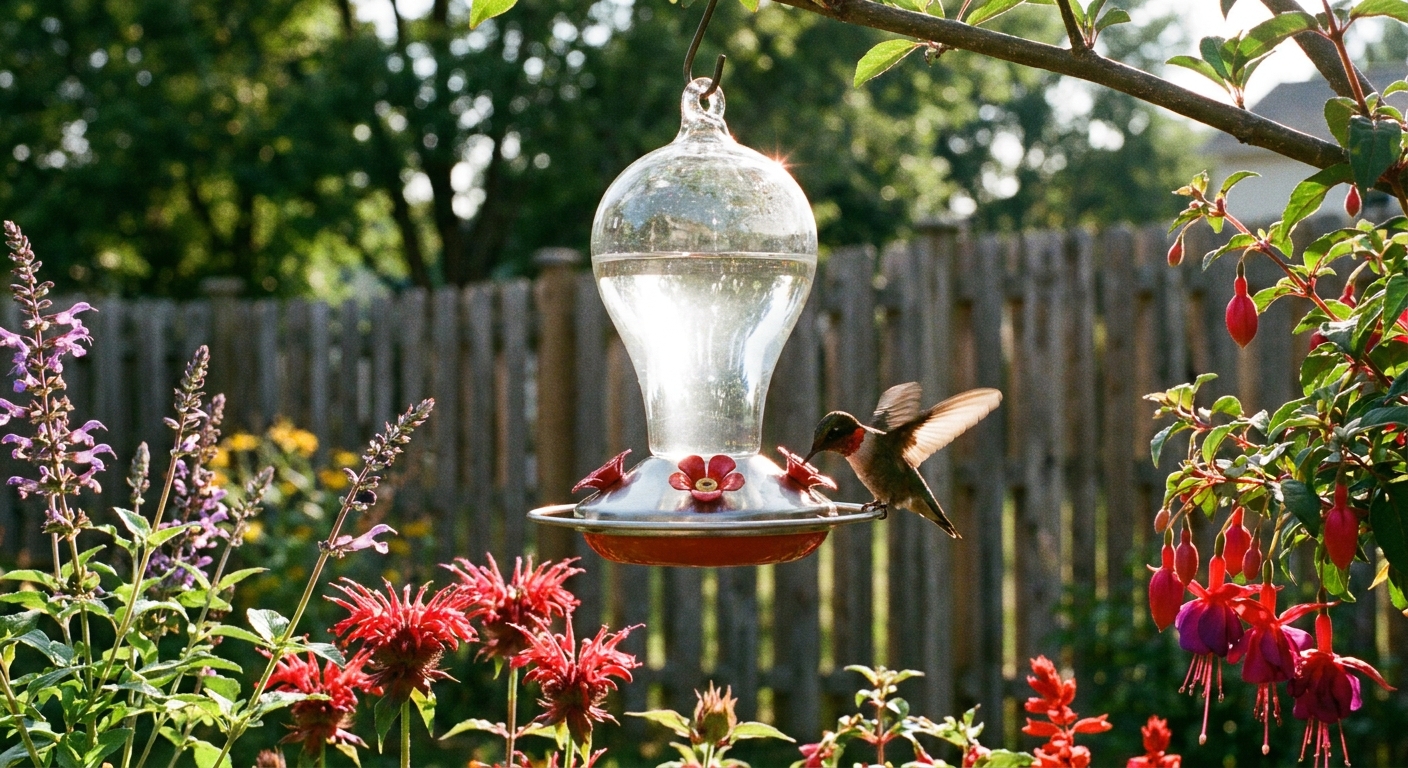
The first time I made hummingbird sugar water, I treated it like a real recipe. I overthought it, started googling fancy add-ins, and nearly convinced myself I needed some special nectar powder. Then I learned the truth: hummingbirds are basically tiny regulars who just want a clean bar and a consistent pour. Now I make a small batch like I am refilling a friend’s coffee. Quick stir, cool it down, fill the feeder, and enjoy the backyard show.