Mom's Best Recipes
Recipe

Jajangmyeon (Korean Black Bean Noodles)

Chewy noodles tossed in a glossy, savory Korean black bean sauce with pork and veggies, plus simple swaps that keep it weeknight doable.

Author By Matt Campbell
4.8
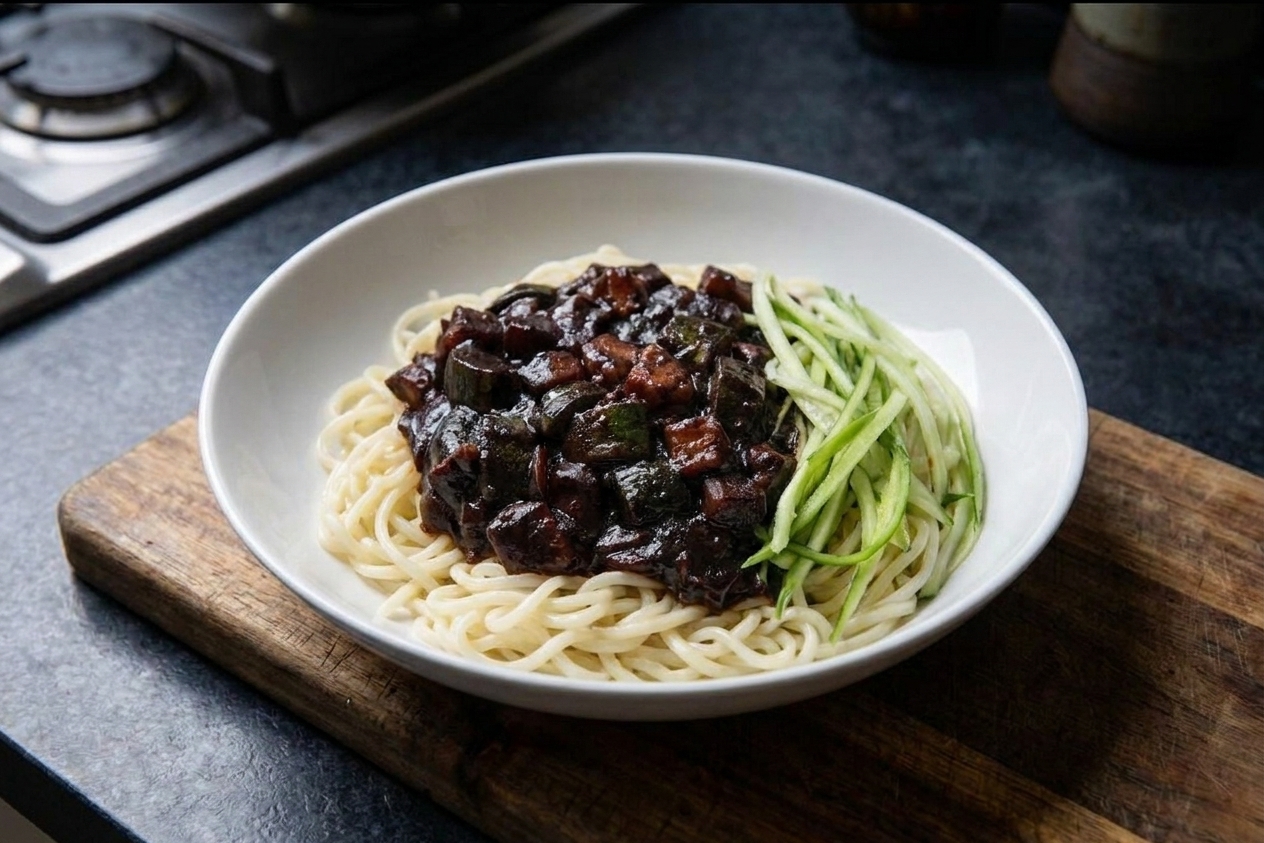
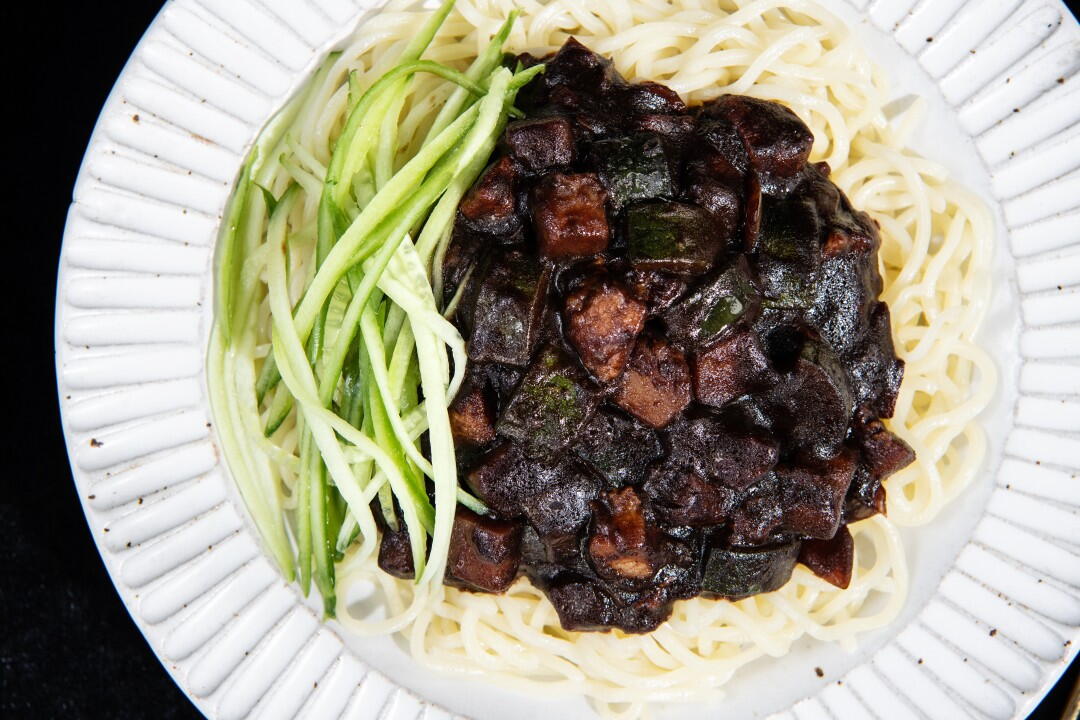
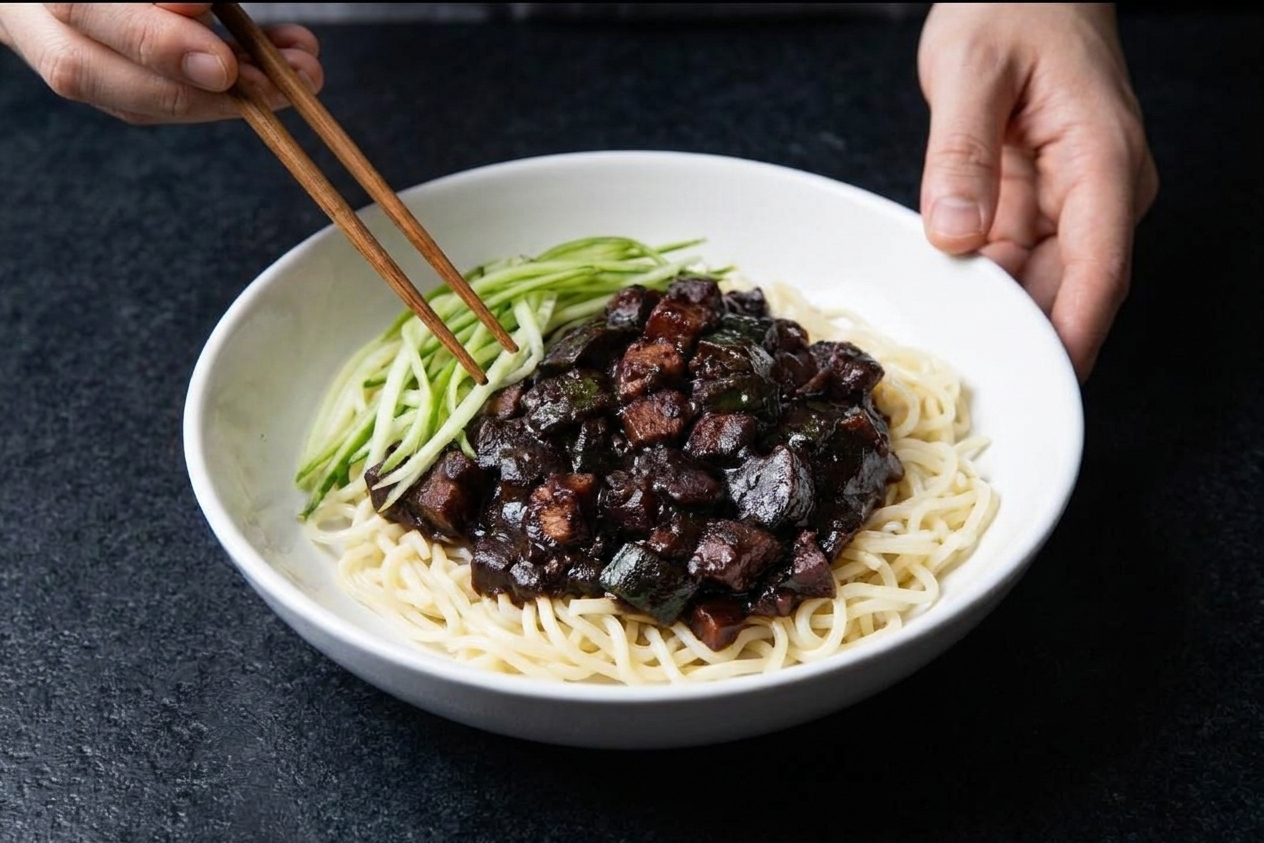
A wide bowl of jajangmyeon with glossy black bean sauce over chewy noodles, topped with crisp cucumber matchsticks on a simple wooden table

Jajangmyeon is one of those dishes that feels like takeout magic, but it is secretly very doable at home. Think: chewy noodles, a shiny black bean sauce that tastes deeply savory and a little sweet, and enough diced pork and veggies to make it a full, cozy bowl.

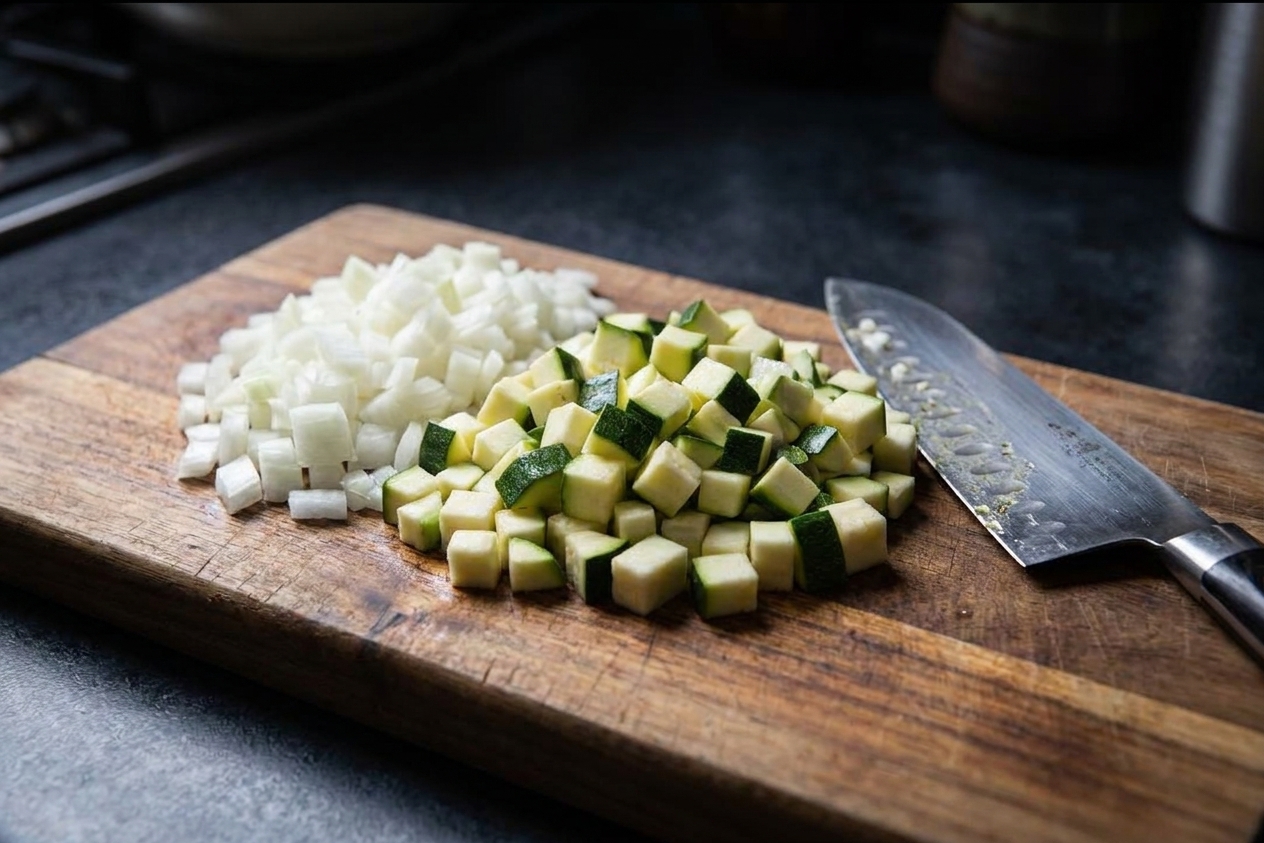
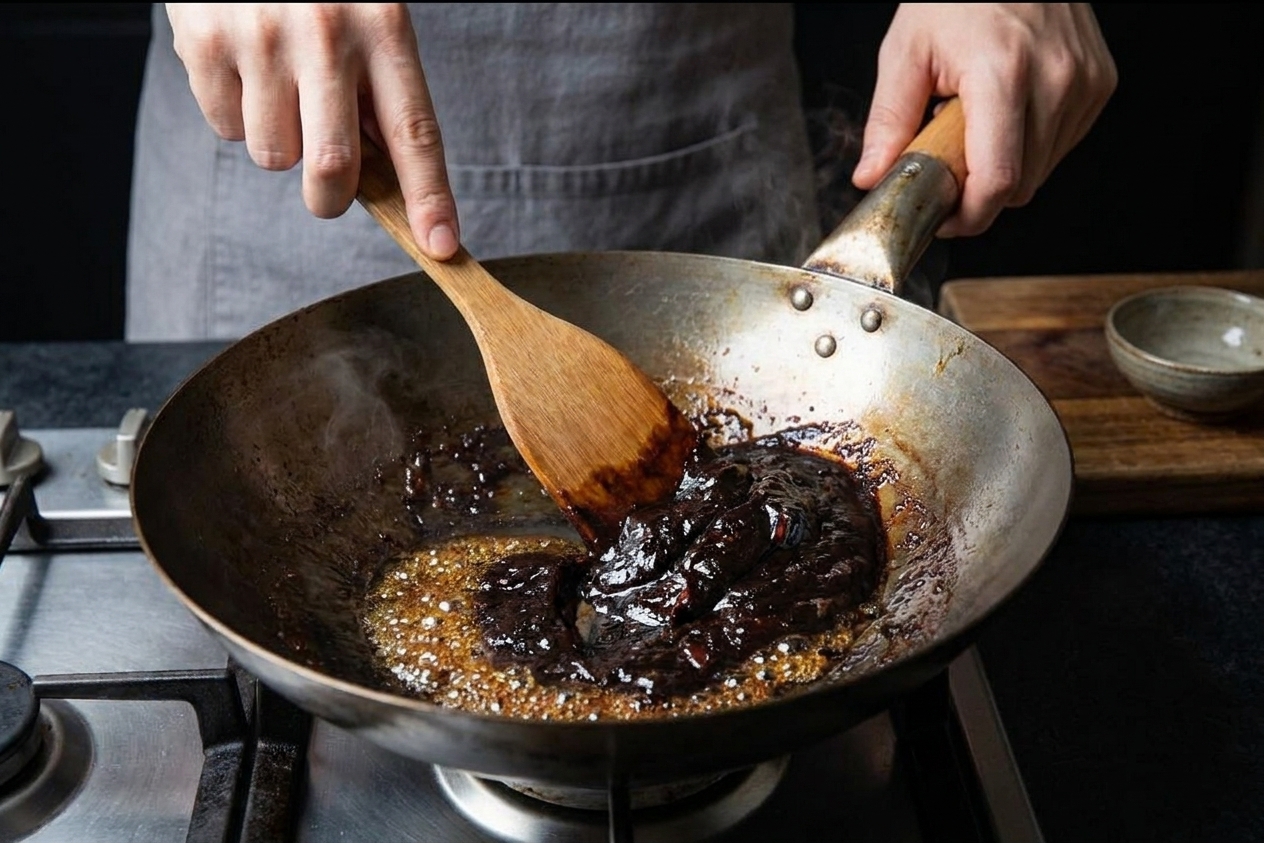
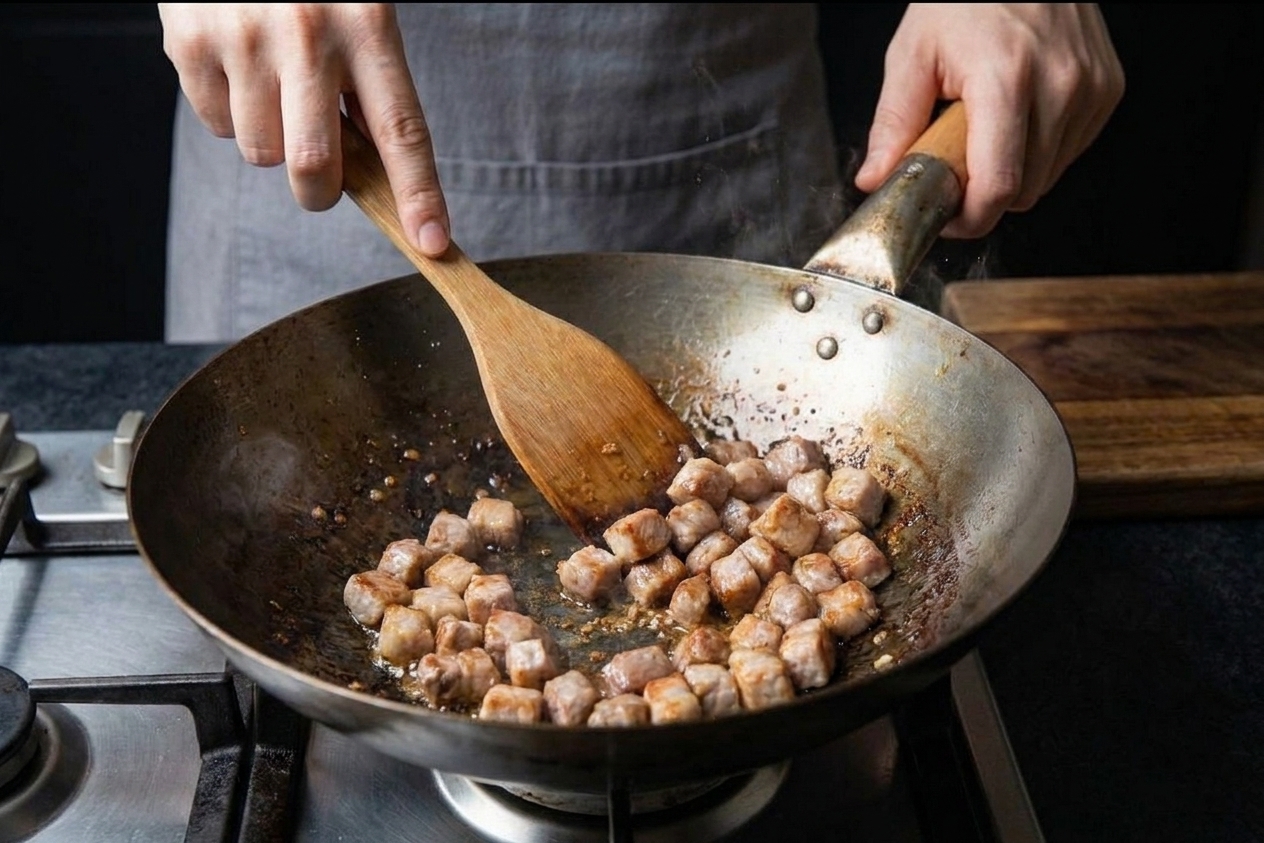
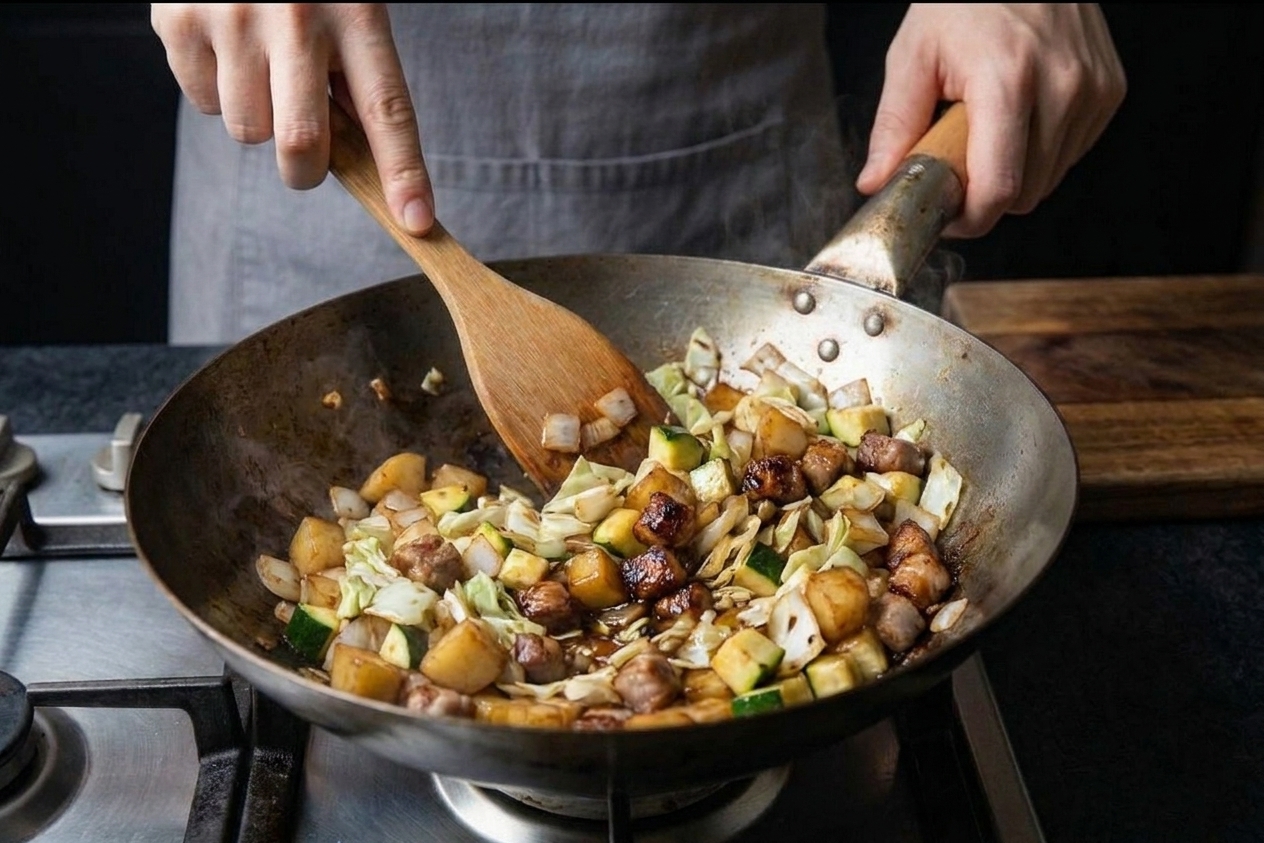
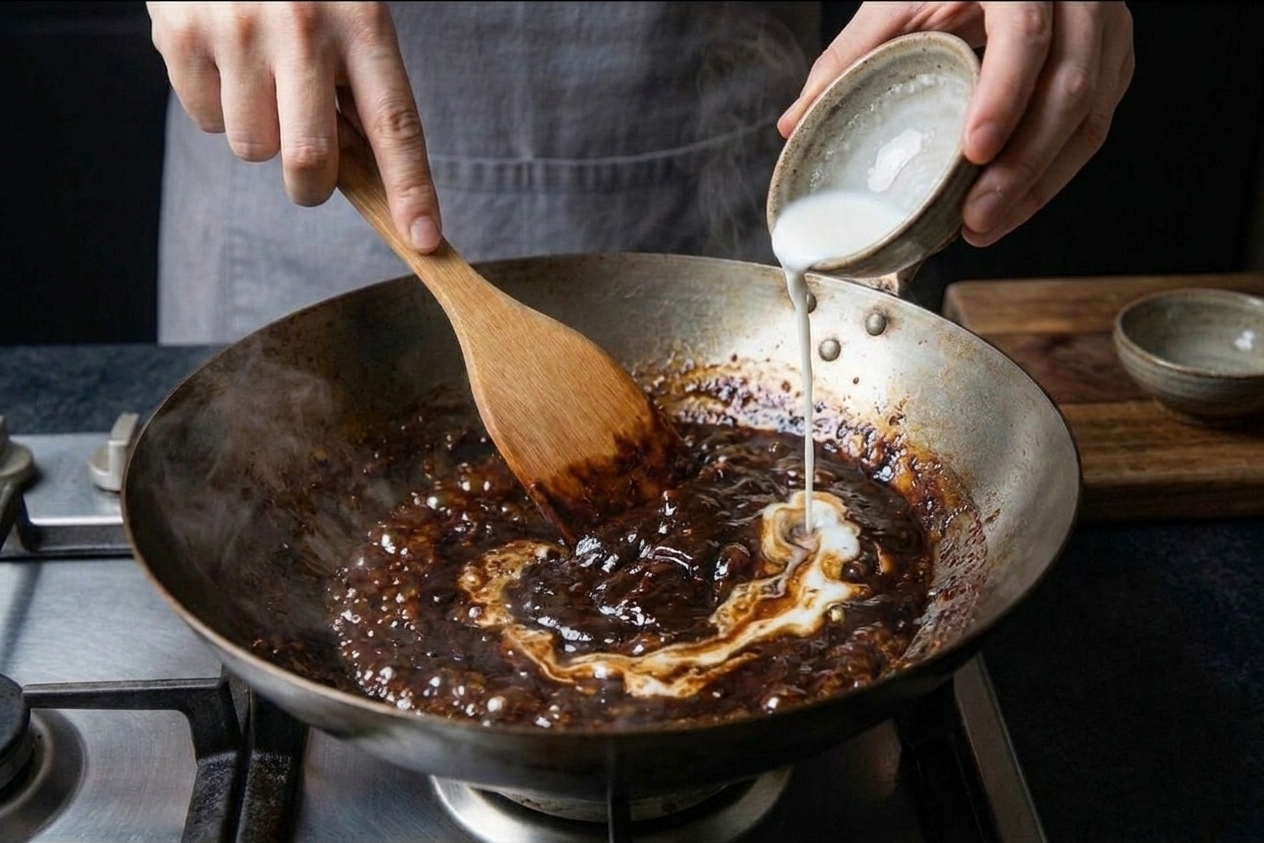
The key is chunjang, Korean black bean paste. We fry it briefly in oil to knock out any harsh bitterness, then build the sauce from there. If you can dice vegetables and stir a pan, you can make this.

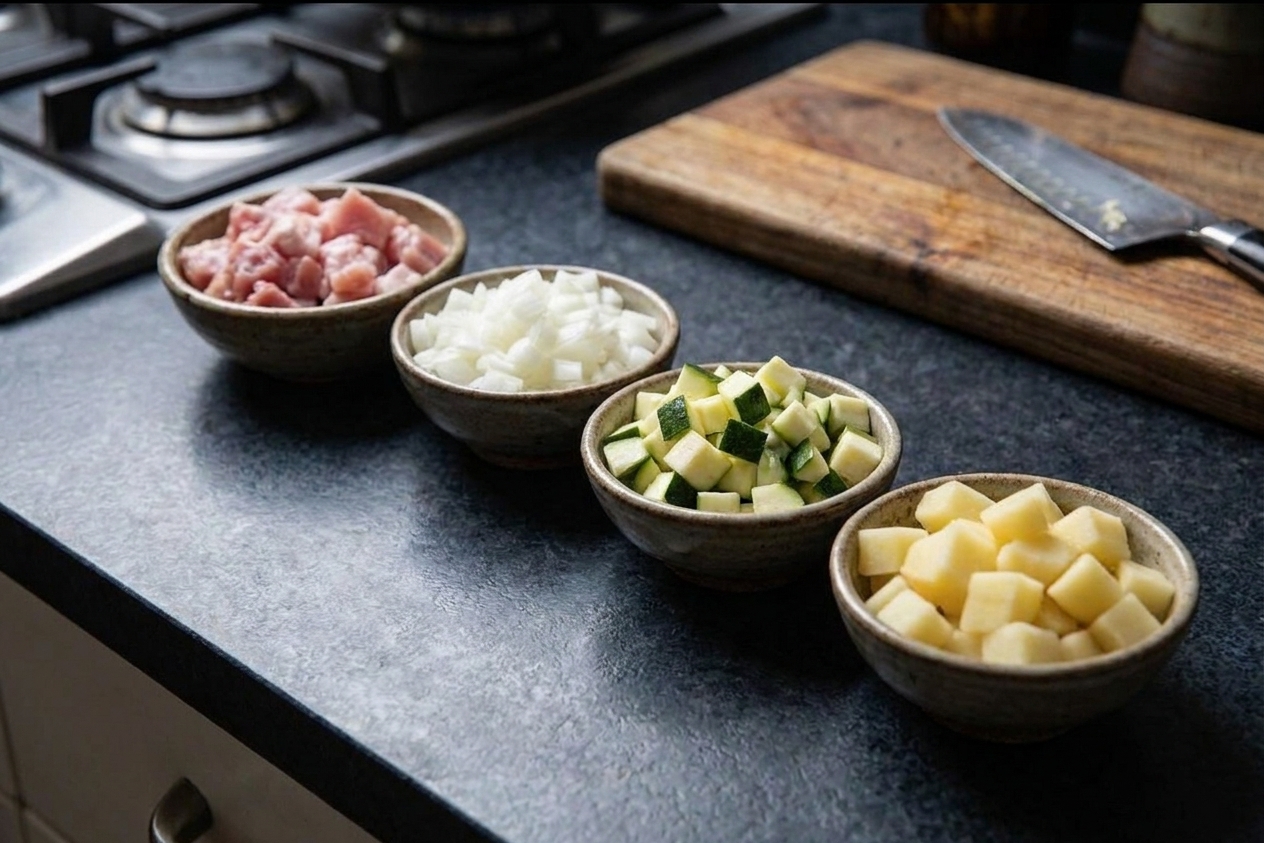
Jajangmyeon ingredients on a kitchen counter including chunjang black bean paste, fresh noodles, diced pork, onion, zucchini, potato, and cucumber

Why It Works

  • Restaurant-style flavor with accessible ingredients: chunjang plus a quick fry gives you that signature deep, roasty base.
  • Glossy, clingy sauce: a simple cornstarch slurry turns the sauce silky so it hugs every noodle.
  • Flexible and family-friendly: swap pork for chicken, turkey, tofu, or mushrooms without losing the vibe.
  • Meal prep smart: sauce keeps well, and the noodles cook in minutes when you are ready.

Pairs Well With

Storage Tips

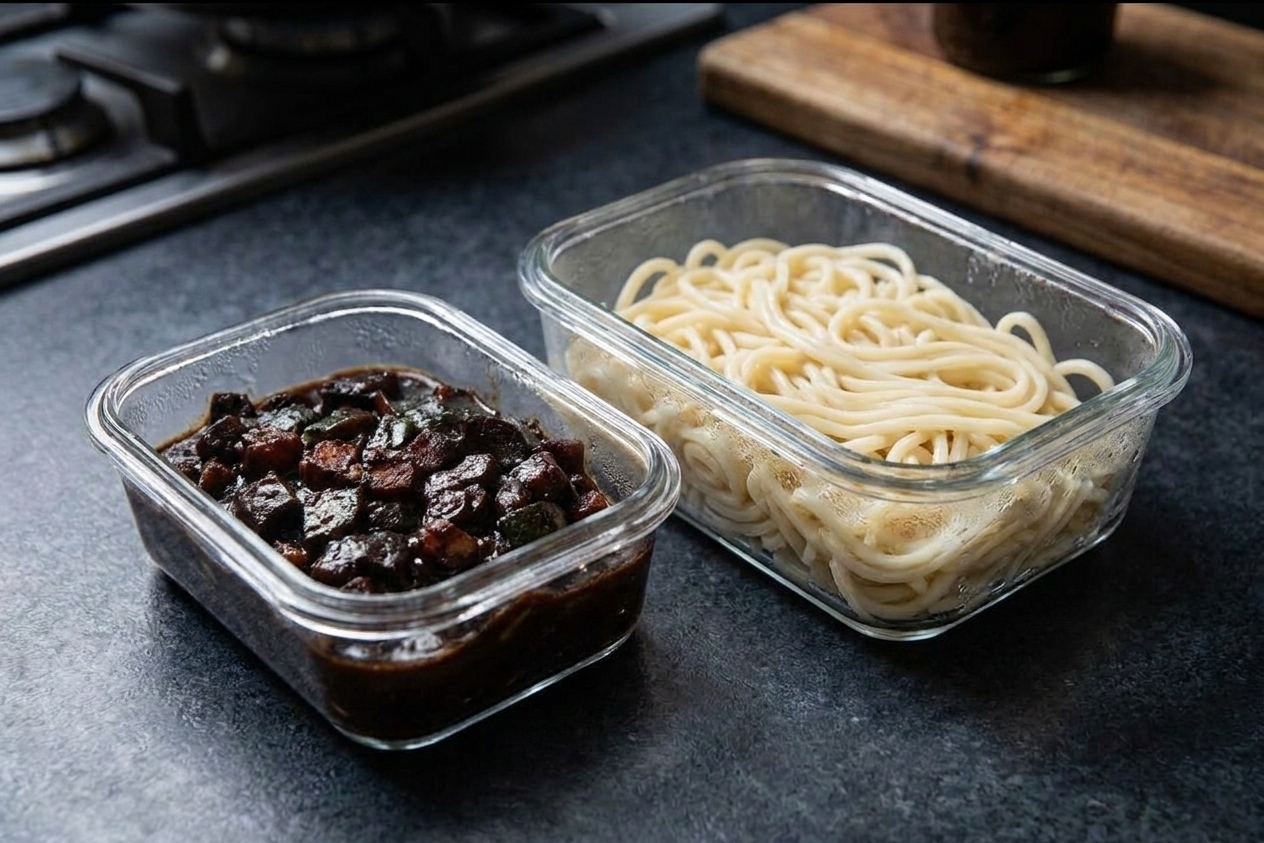
Best practice: store the sauce and noodles separately if you can. The sauce stays great, while noodles can get soft if they sit in it.

Refrigerator

  • Sauce: cool completely, then refrigerate in an airtight container for up to 3 to 4 days.
  • Noodles: refrigerate up to 2 days. Toss with a tiny bit of neutral oil to reduce sticking.
  • Cucumber garnish: keep separate, covered, up to 2 days.

Freezer

  • Sauce: freezes well for up to 2 to 3 months for best quality. Thaw overnight in the fridge.
  • Noodles: not my favorite to freeze. Texture takes a hit.

Reheating

  • Warm sauce in a small pot over medium-low, stirring often. Add a splash of water or broth if it thickened.
  • Cook fresh noodles if you can. To reheat leftover noodles, dip them in boiling water just until loosened and warmed through, then drain well. Timing depends on the noodle thickness.
An airtight container of leftover jajang black bean sauce with a lid next to a separate container for noodles, ready for the refrigerator

Common Questions

What is chunjang, and can I substitute it?

Chunjang is Korean black bean paste used specifically for jajang sauce. It is salty, fermented, and a little bitter until you fry it. There is no perfect substitute, so if you can find chunjang, grab it.

If you are truly stuck, look for a jar labeled black bean sauce for jajang or Korean black bean paste at an Asian market. Some cooks also try tianmianjiang (sweet bean sauce), but it is sweeter and less roasty, so expect a different dish rather than a true swap. If you go that route, start with less added sugar and adjust at the end.

Why do you fry the black bean paste first?

Frying chunjang in oil for about a minute mellows bitterness and deepens the roasty flavor. It is the small step that makes the sauce taste like you ordered it, not like you stirred paste into water.

Is jajangmyeon spicy?

No, it is usually not spicy. If you want heat, add a spoonful of gochugaru (Korean red pepper flakes) or a drizzle of chili oil at the end.

Can I make it vegetarian?

Yes. Swap pork for mushrooms (cremini or shiitake) and use vegetable broth. Add extra zucchini and onion for sweetness, and consider a little diced eggplant for a meaty texture.

What noodles should I buy?

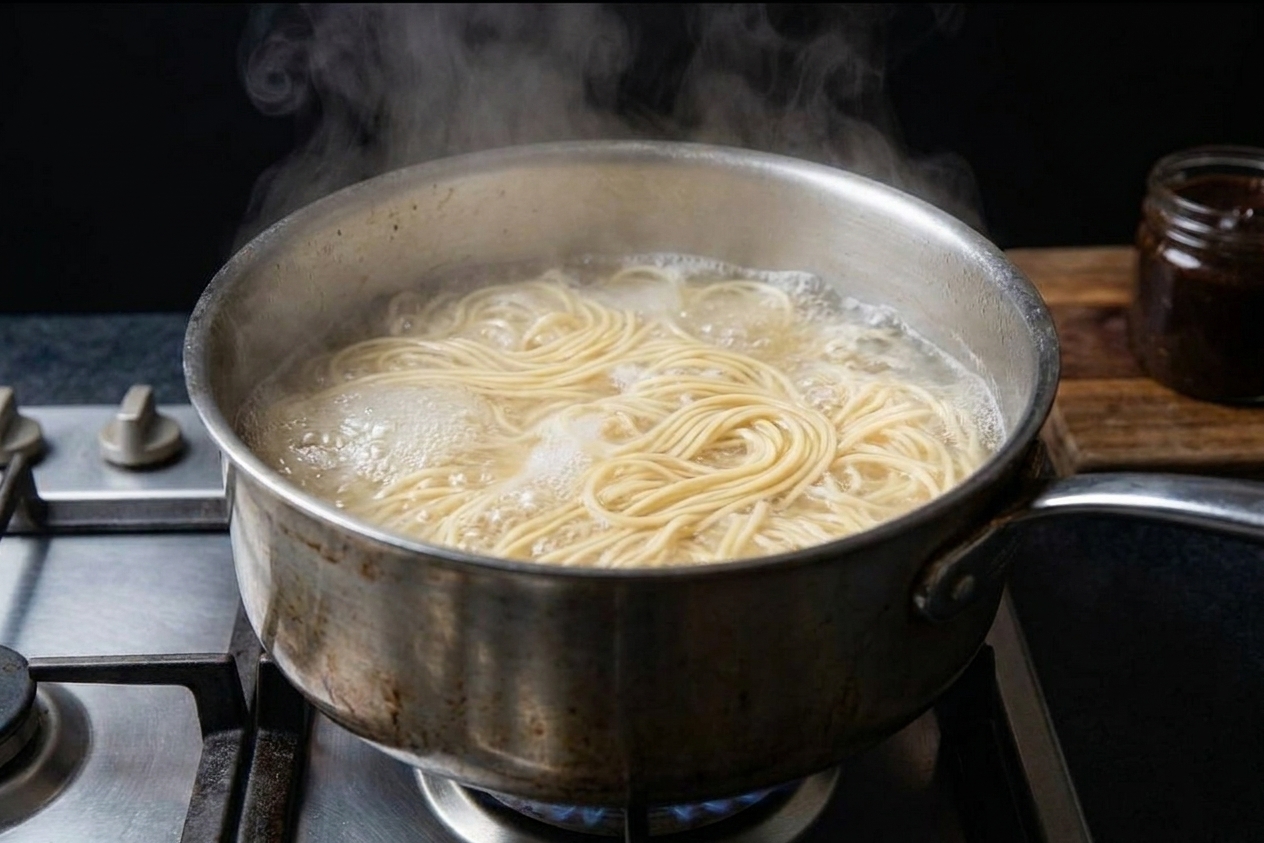
Look for fresh Korean jajangmyeon noodles (often sold refrigerated or frozen). Dried wheat noodles labeled for jajangmyeon also work. If you cannot find them, thick udon-style wheat noodles are a decent backup. Noodle bundles vary a lot by brand, so feel free to use a little less for lighter bowls, or the full amount for extra-hungry people.
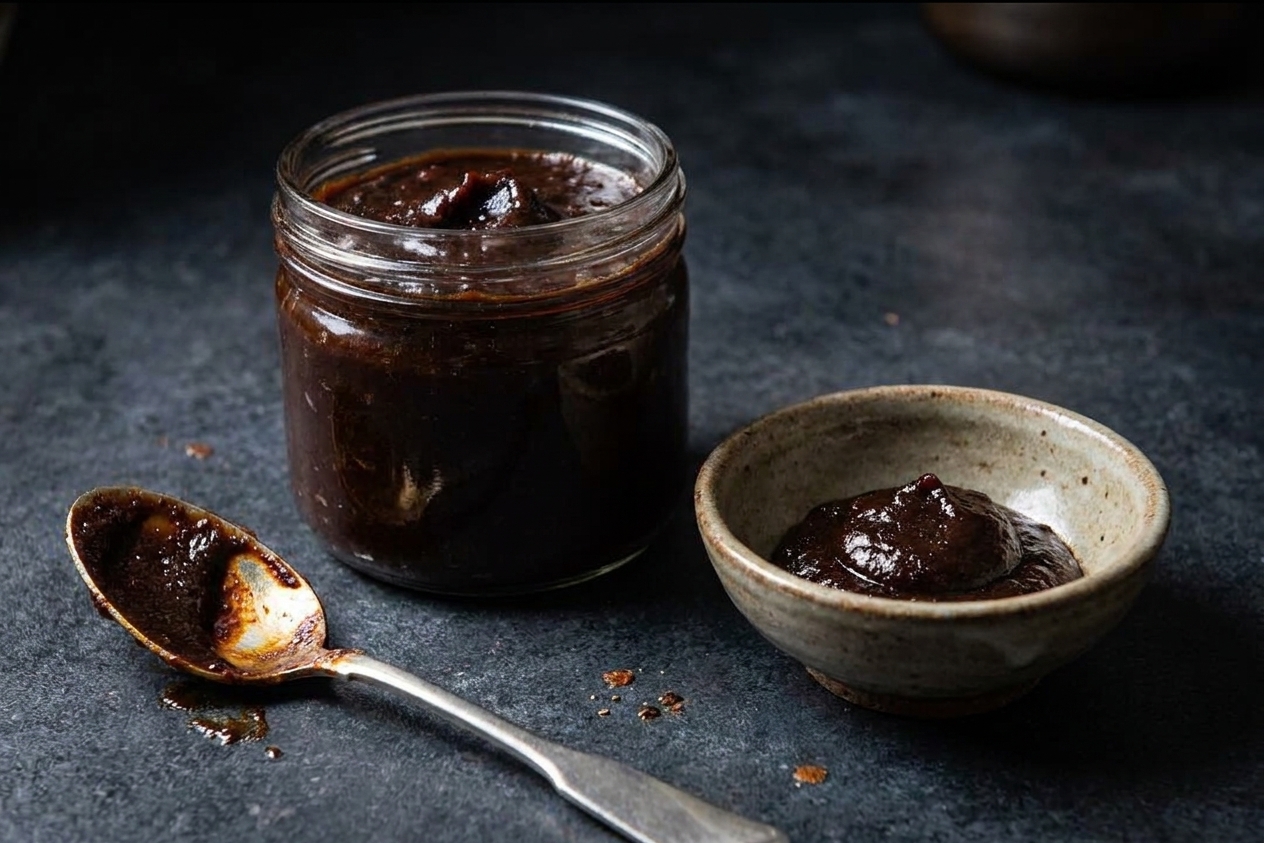

A jar of Korean chunjang black bean paste on a kitchen counter next to a spoon and a small bowl

The first time I made jajangmyeon at home, I expected it to be one of those projects where you end up with three pans, a sink full of regret, and something that tastes like a compromise. Nope. The moment that black bean paste hit the oil and the kitchen started smelling toasty and savory, I was in. Now it is my go-to when I want comfort food that still feels a little special, like I actually tried, even if I am wearing sweatpants and using the same spoon for tasting that I swore I would wash five minutes ago.