What is chunjang, and can I substitute it?
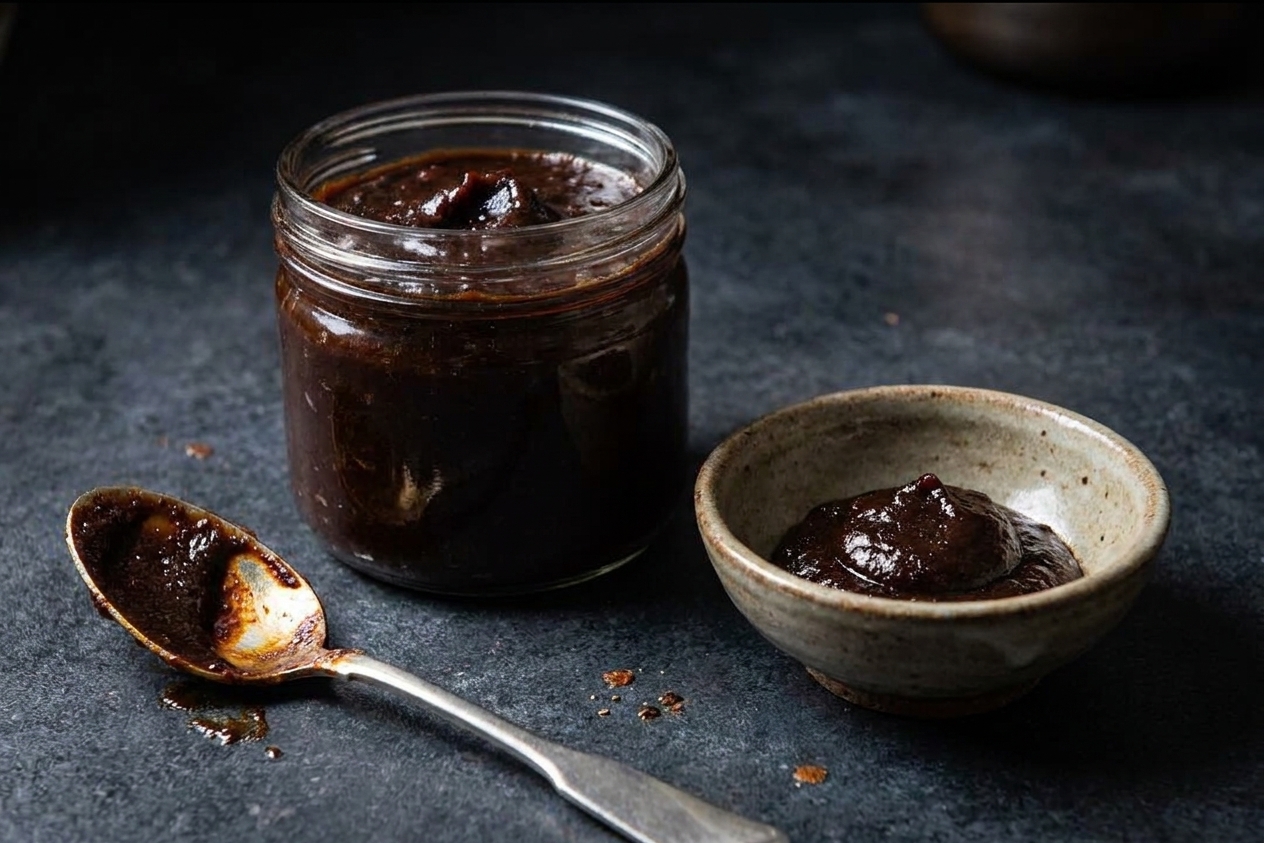
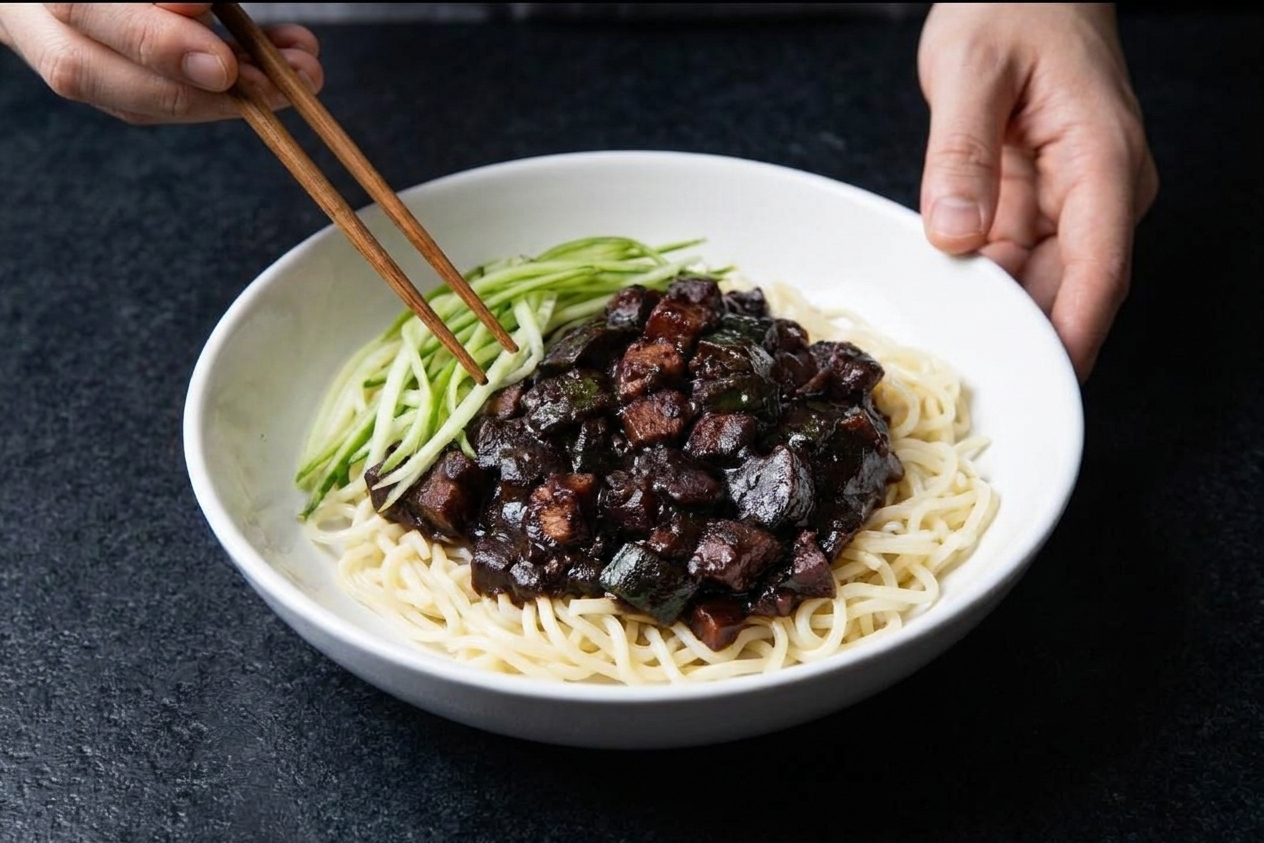
Chunjang is Korean black bean paste used specifically for jajang sauce. It is salty, fermented, and a little bitter until you fry it. There is no perfect substitute, so if you can find chunjang, grab it.
If you are truly stuck, look for a jar labeled black bean sauce for jajang or Korean black bean paste at an Asian market. Some cooks also try tianmianjiang (sweet bean sauce), but it is sweeter and less roasty, so expect a different dish rather than a true swap. If you go that route, start with less added sugar and adjust at the end.
Why do you fry the black bean paste first?
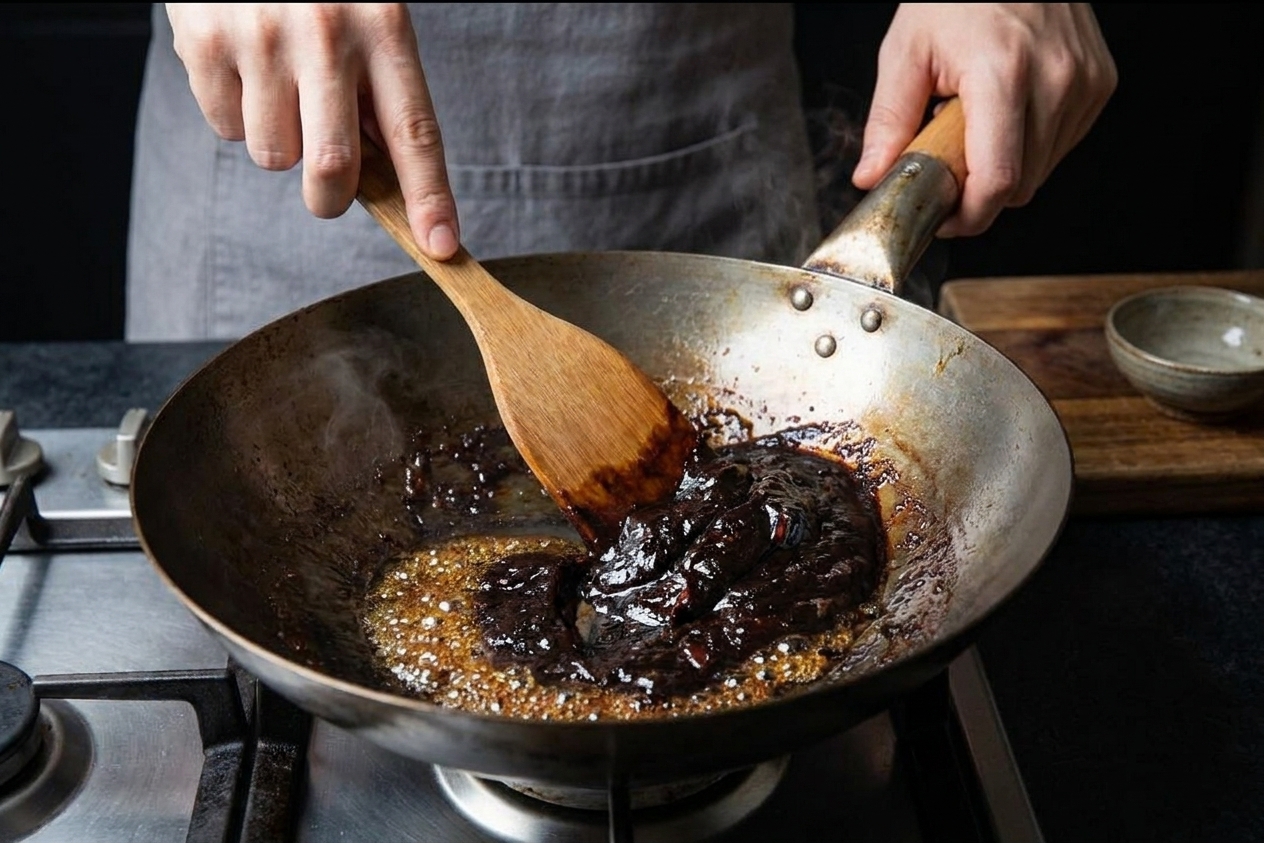
Frying chunjang in oil for about a minute mellows bitterness and deepens the roasty flavor. It is the small step that makes the sauce taste like you ordered it, not like you stirred paste into water.
Is jajangmyeon spicy?
No, it is usually not spicy. If you want heat, add a spoonful of gochugaru (Korean red pepper flakes) or a drizzle of chili oil at the end.
Can I make it vegetarian?
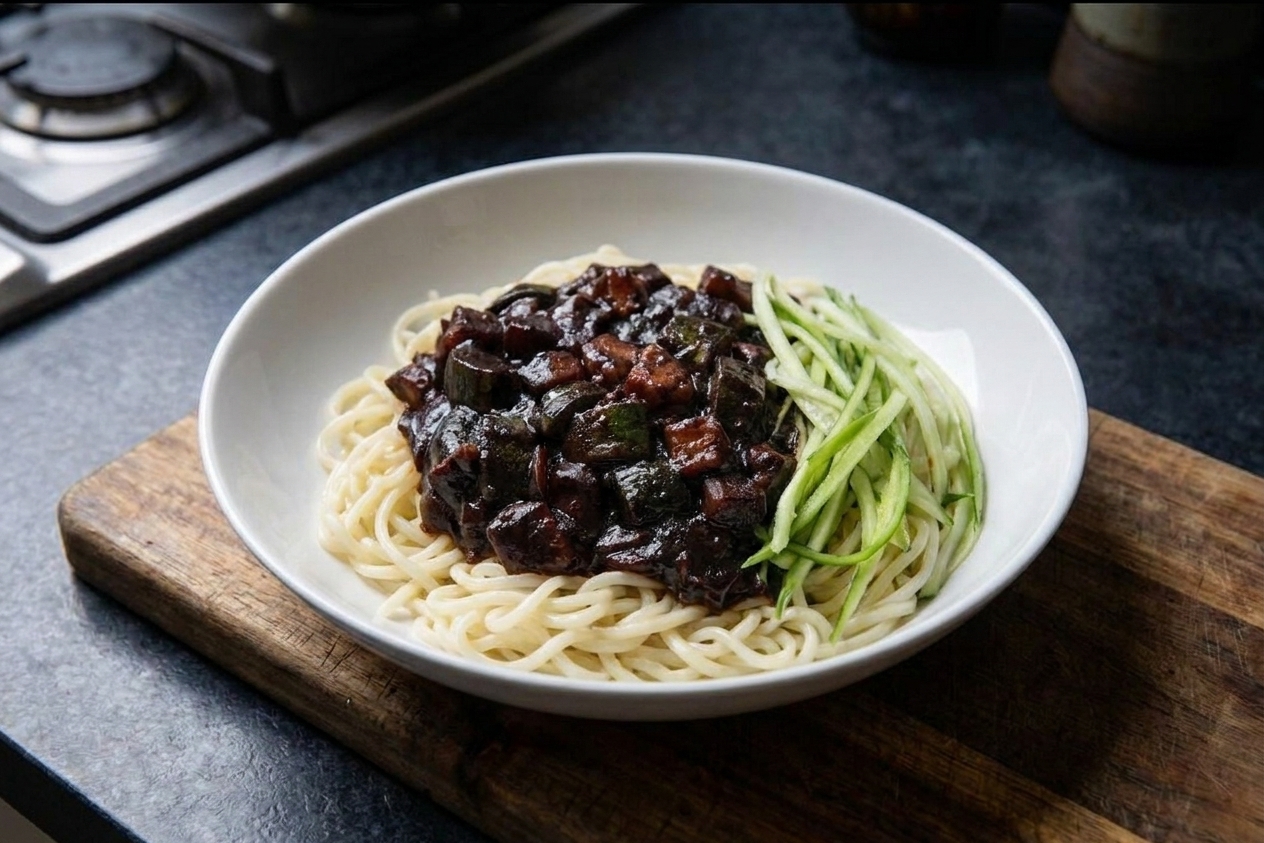
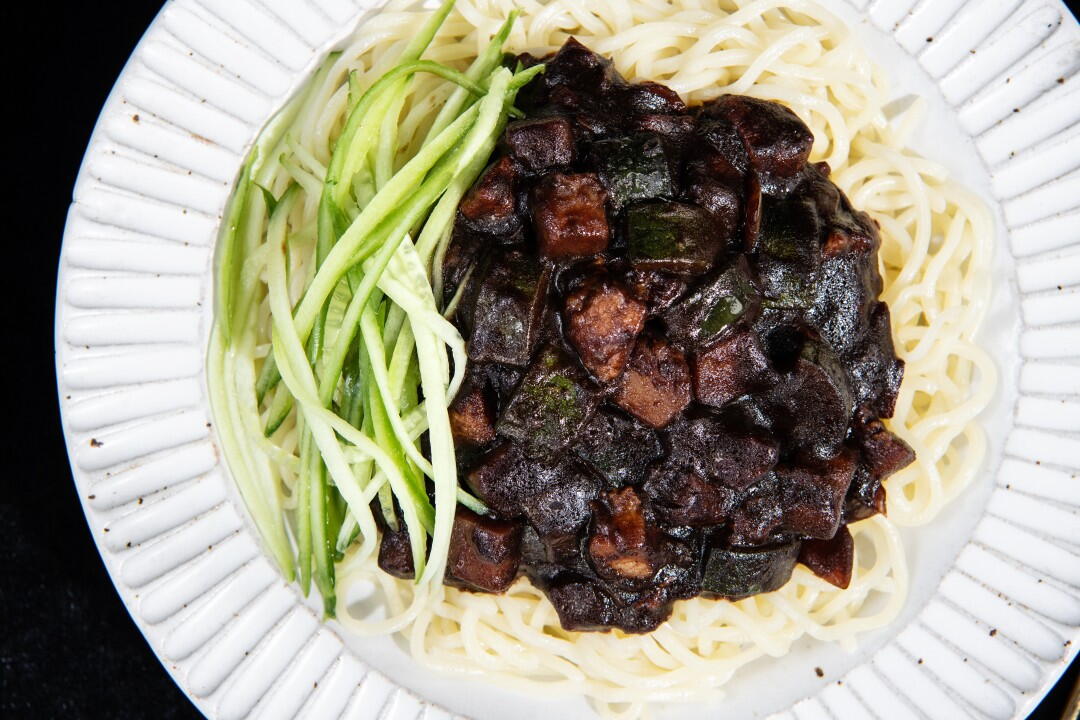
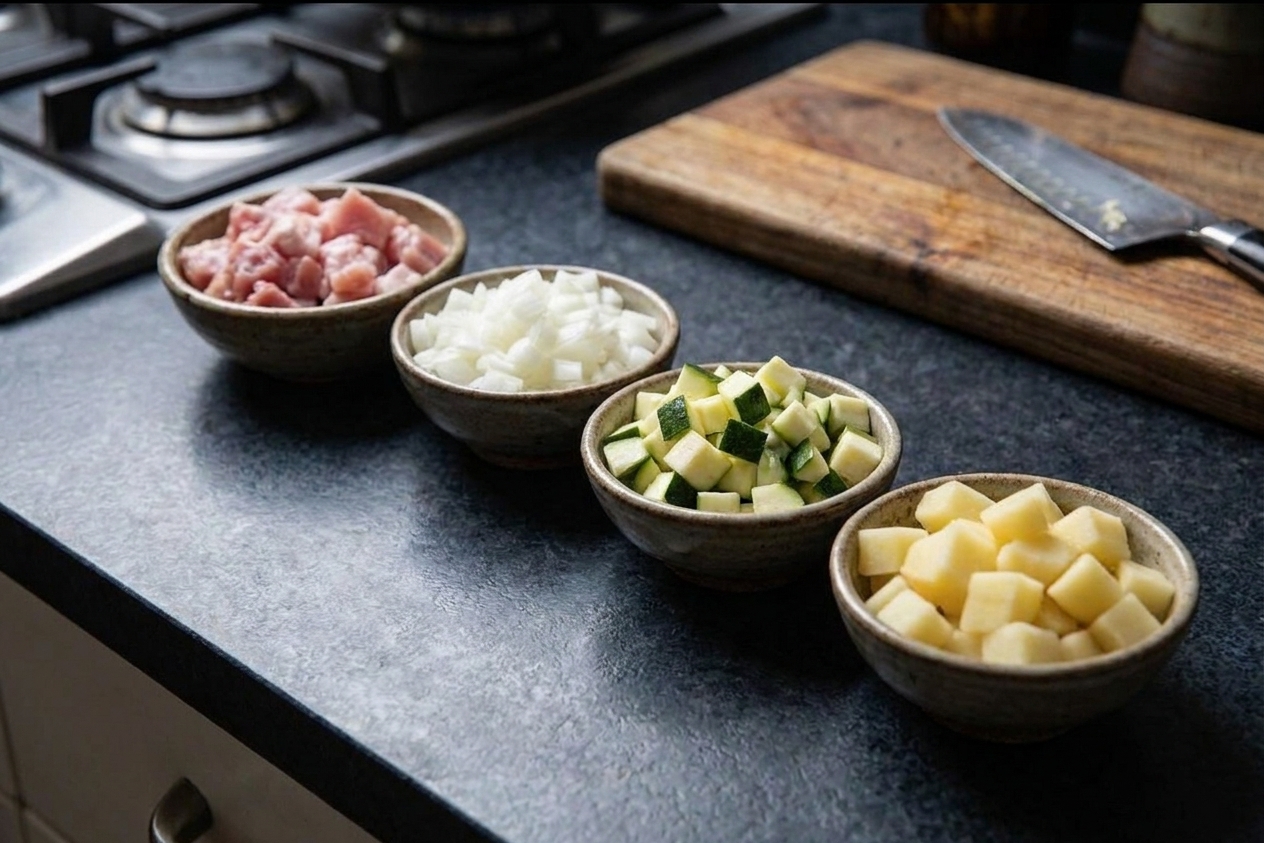
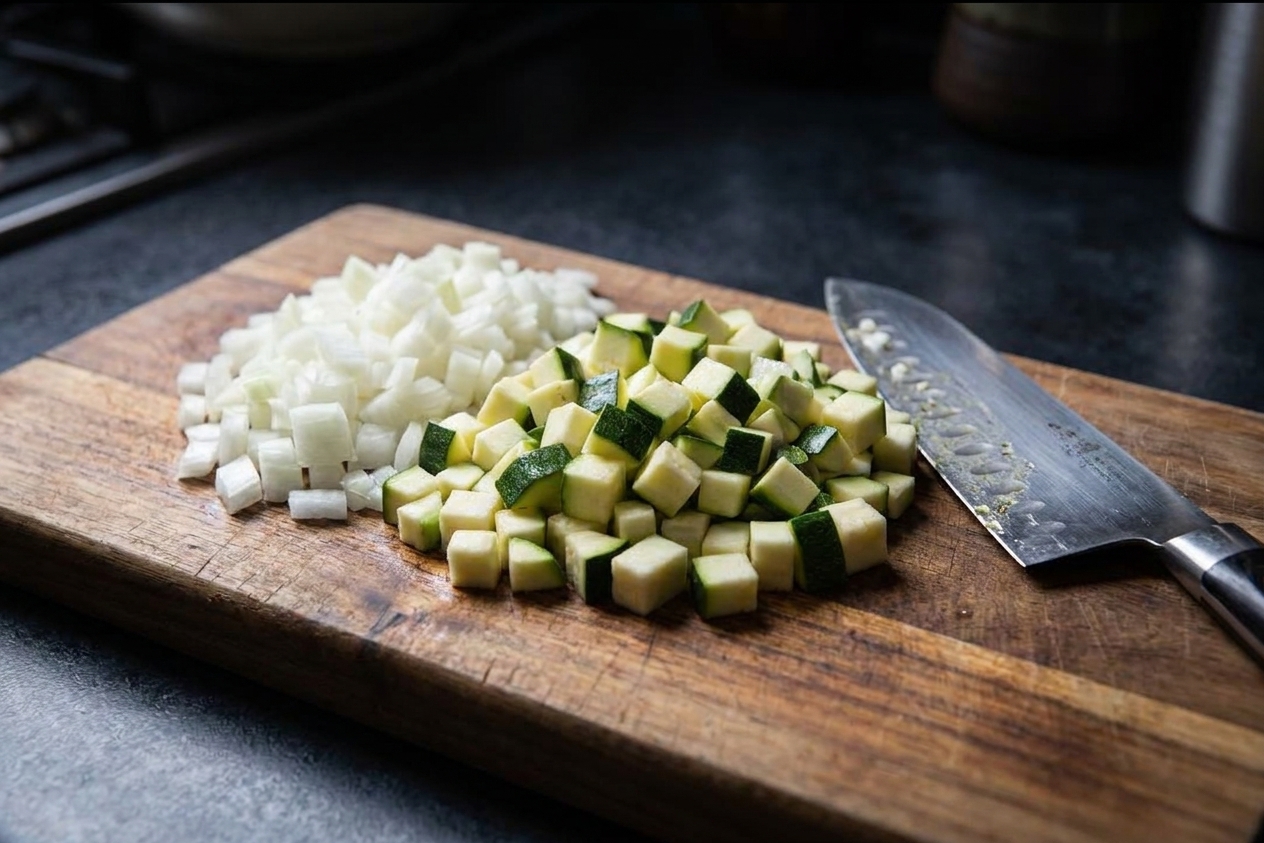
Yes. Swap pork for mushrooms (cremini or shiitake) and use vegetable broth. Add extra zucchini and onion for sweetness, and consider a little diced eggplant for a meaty texture.
What noodles should I buy?
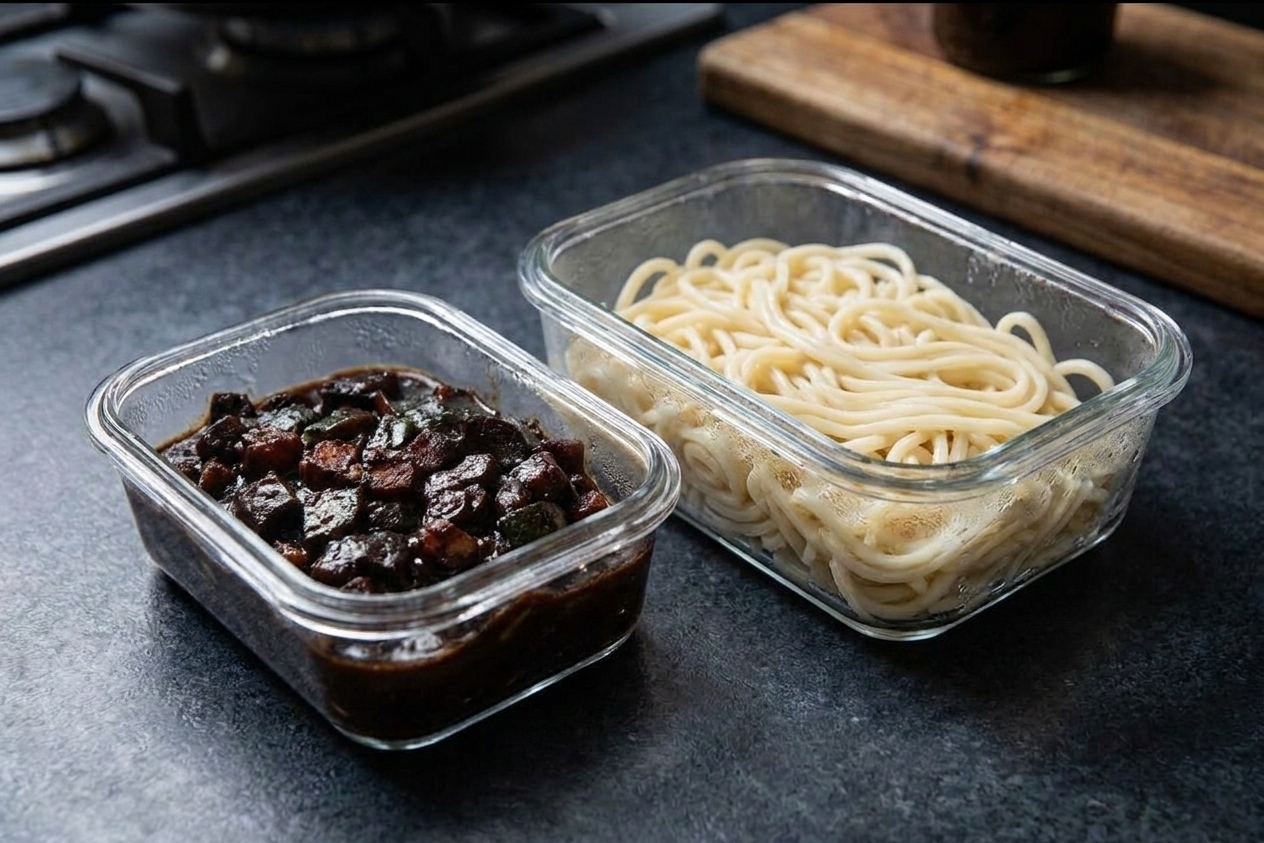
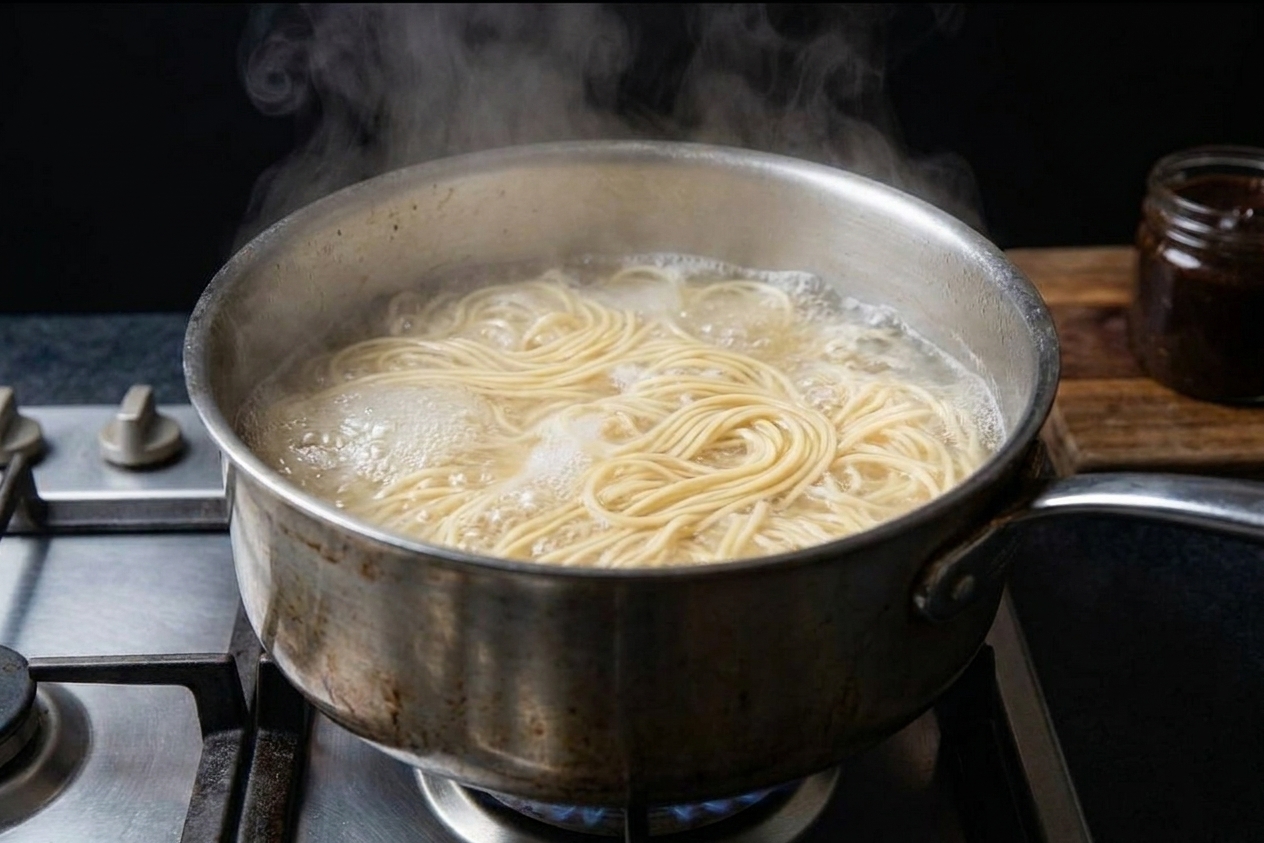
Look for fresh Korean jajangmyeon noodles (often sold refrigerated or frozen). Dried wheat noodles labeled for jajangmyeon also work. If you cannot find them, thick udon-style wheat noodles are a decent backup. Noodle bundles vary a lot by brand, so feel free to use a little less for lighter bowls, or the full amount for extra-hungry people.