
Mom's Best Recipes
Recipe

Japanese Sweet Potato

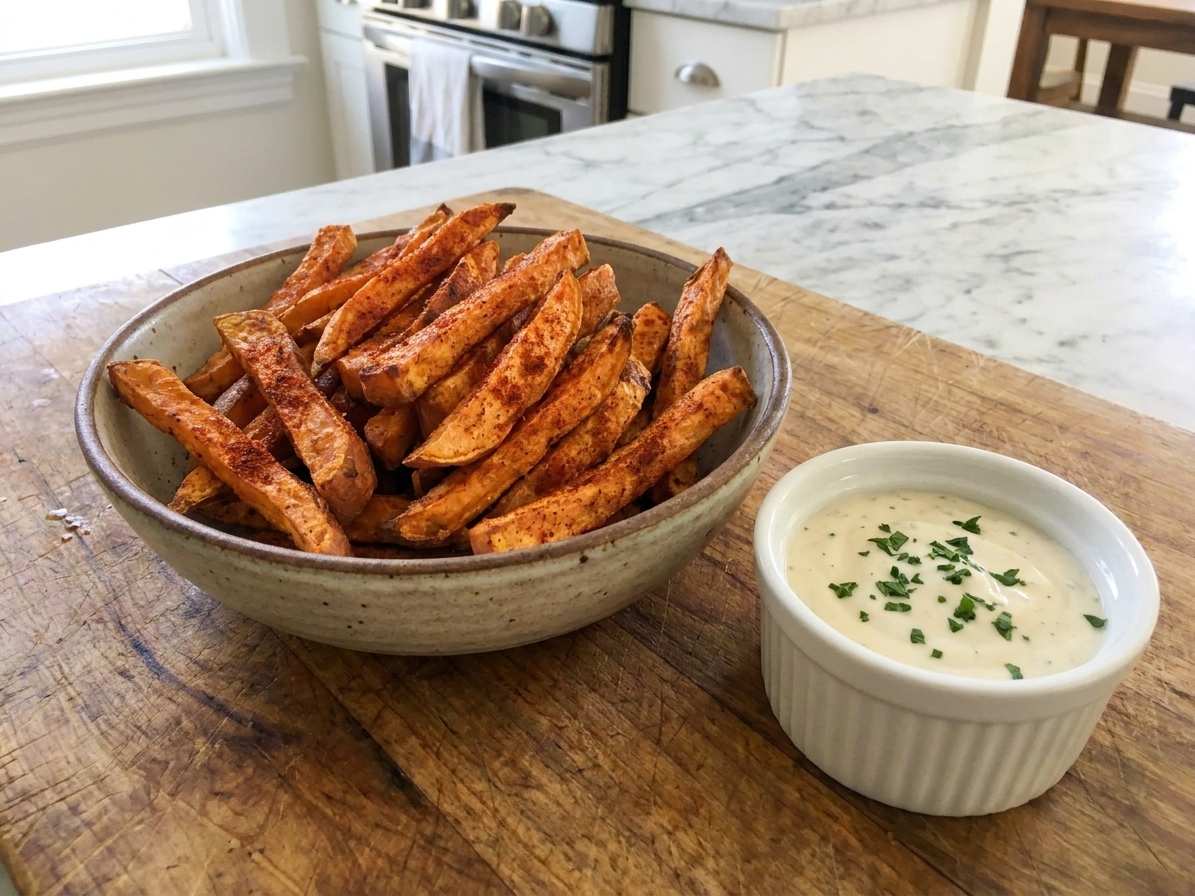
Crisp-edged roasted Japanese sweet potatoes with a quick miso butter that turns sweet, salty, and glossy in minutes.

Author By Matt Campbell
4.8
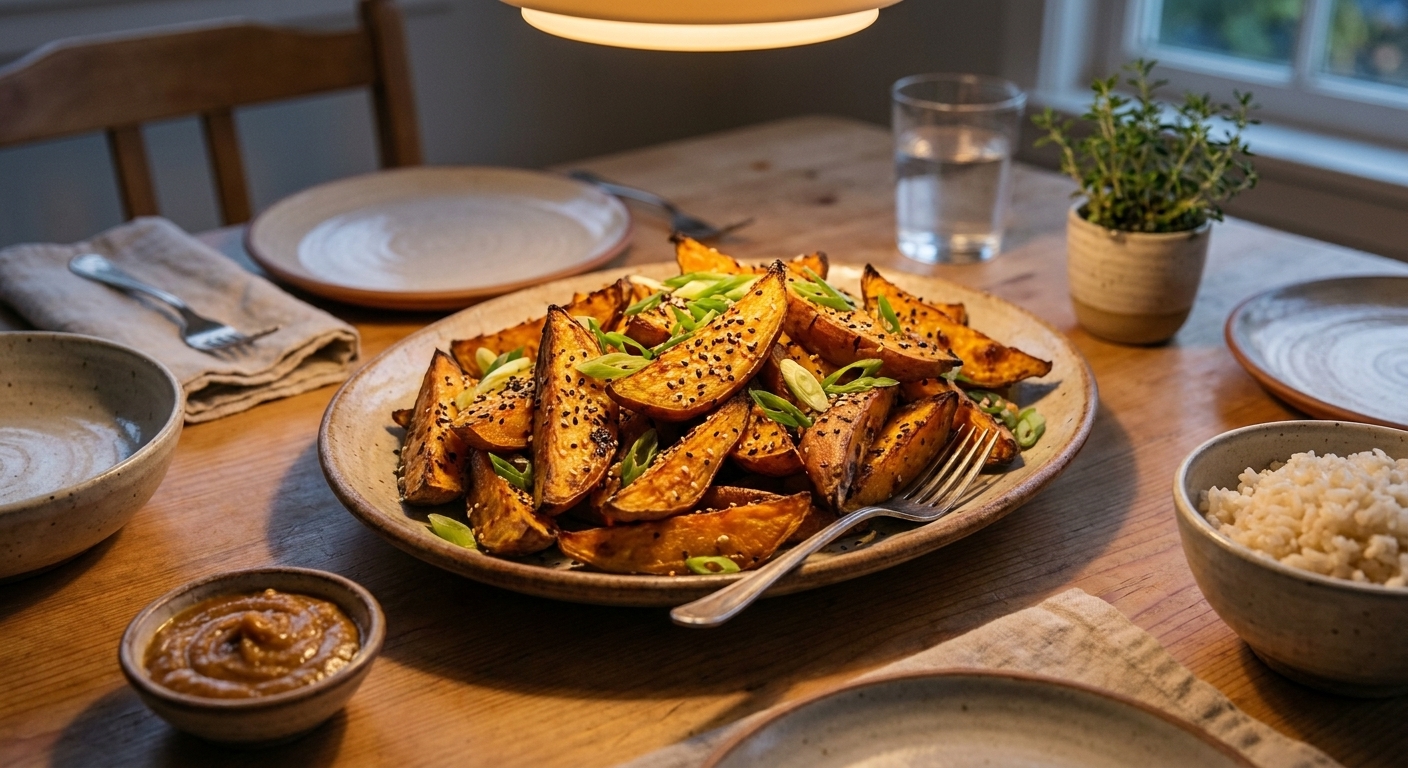
A platter of roasted Japanese sweet potato wedges with crisp browned edges and a glossy miso butter glaze, topped with sesame seeds and scallions on a warm kitchen table

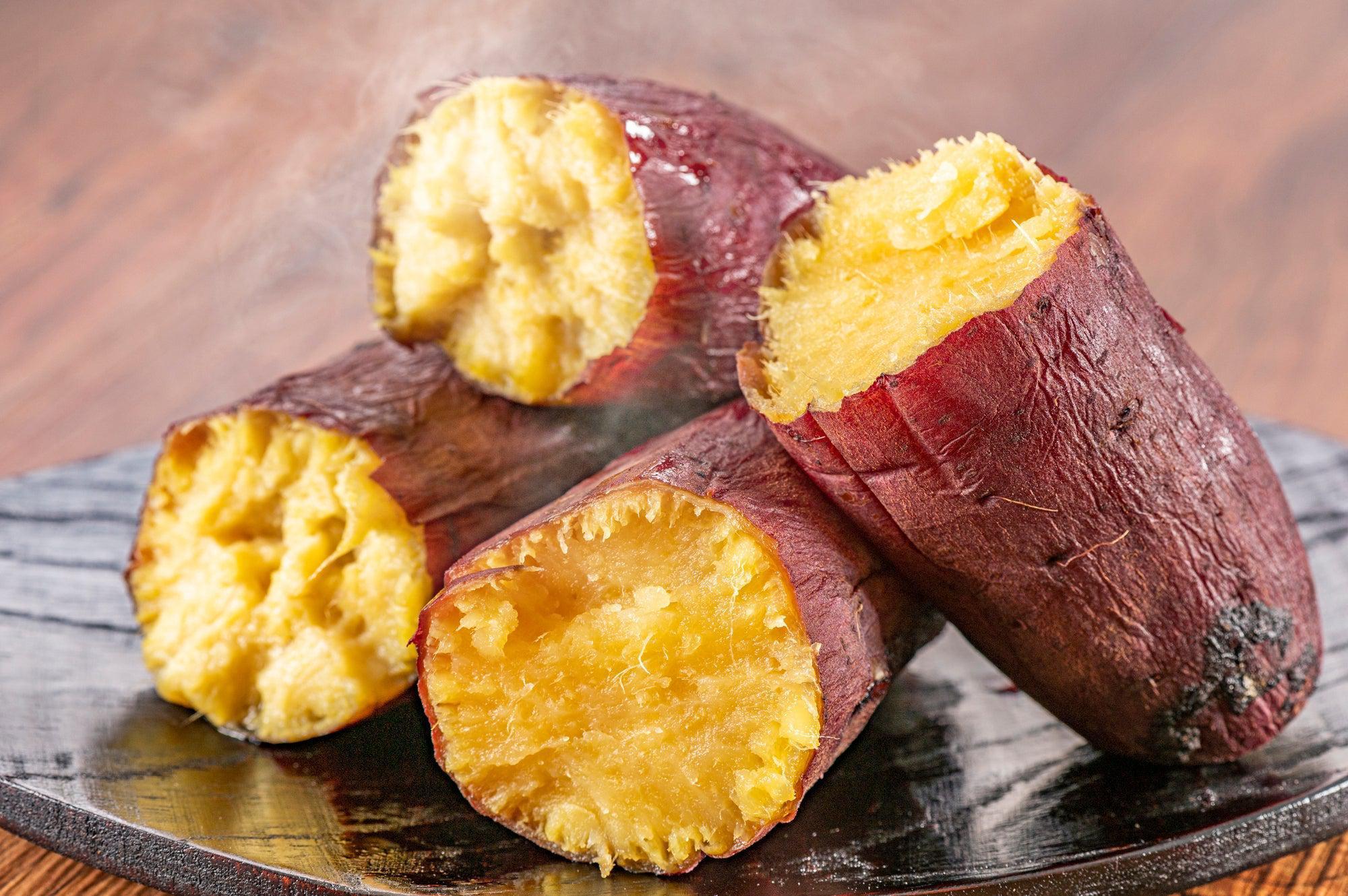
Japanese sweet potatoes are the cozy carb I keep coming back to when I want something easy but still a little special. They roast up with a nutty, chestnut-like sweetness and a fluffy, pale yellow center that feels like dessert, but plays great with savory flavors.

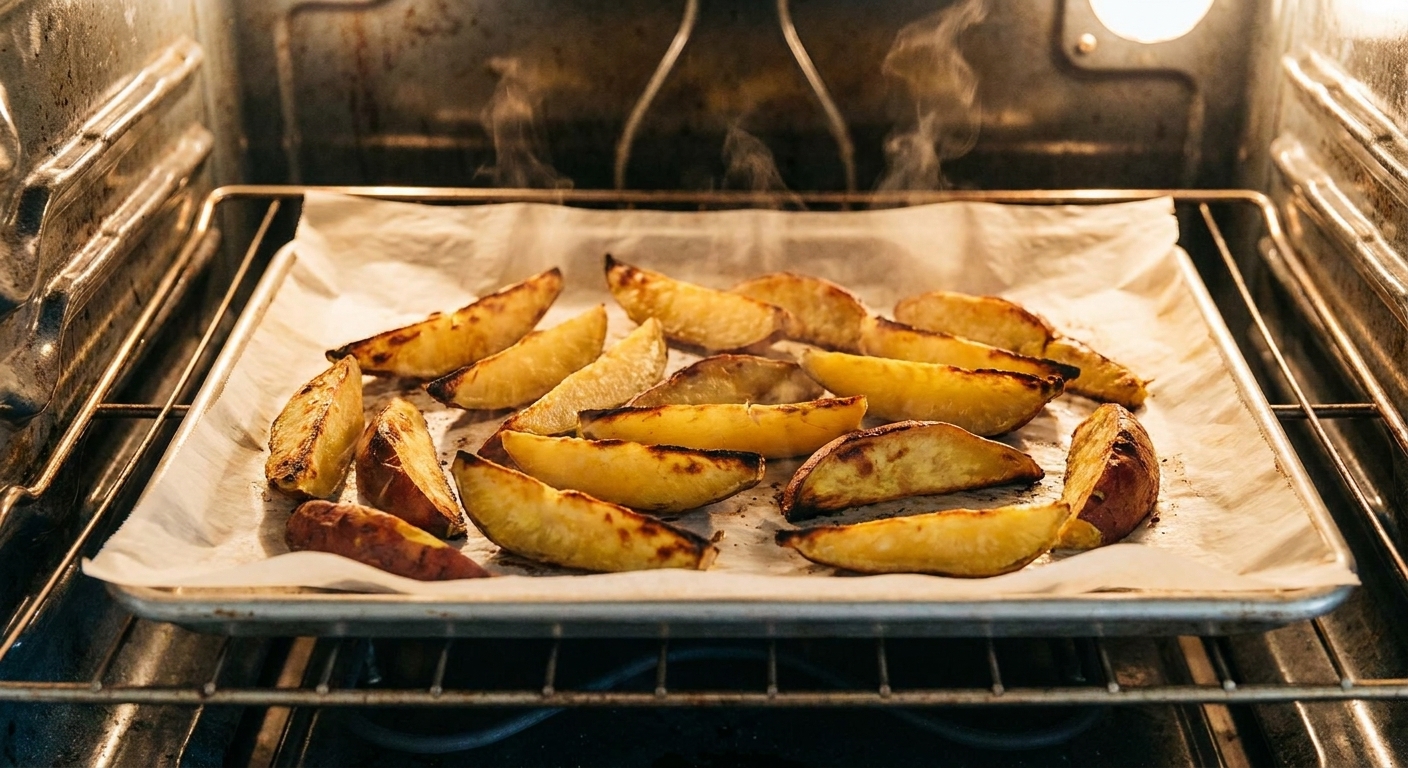
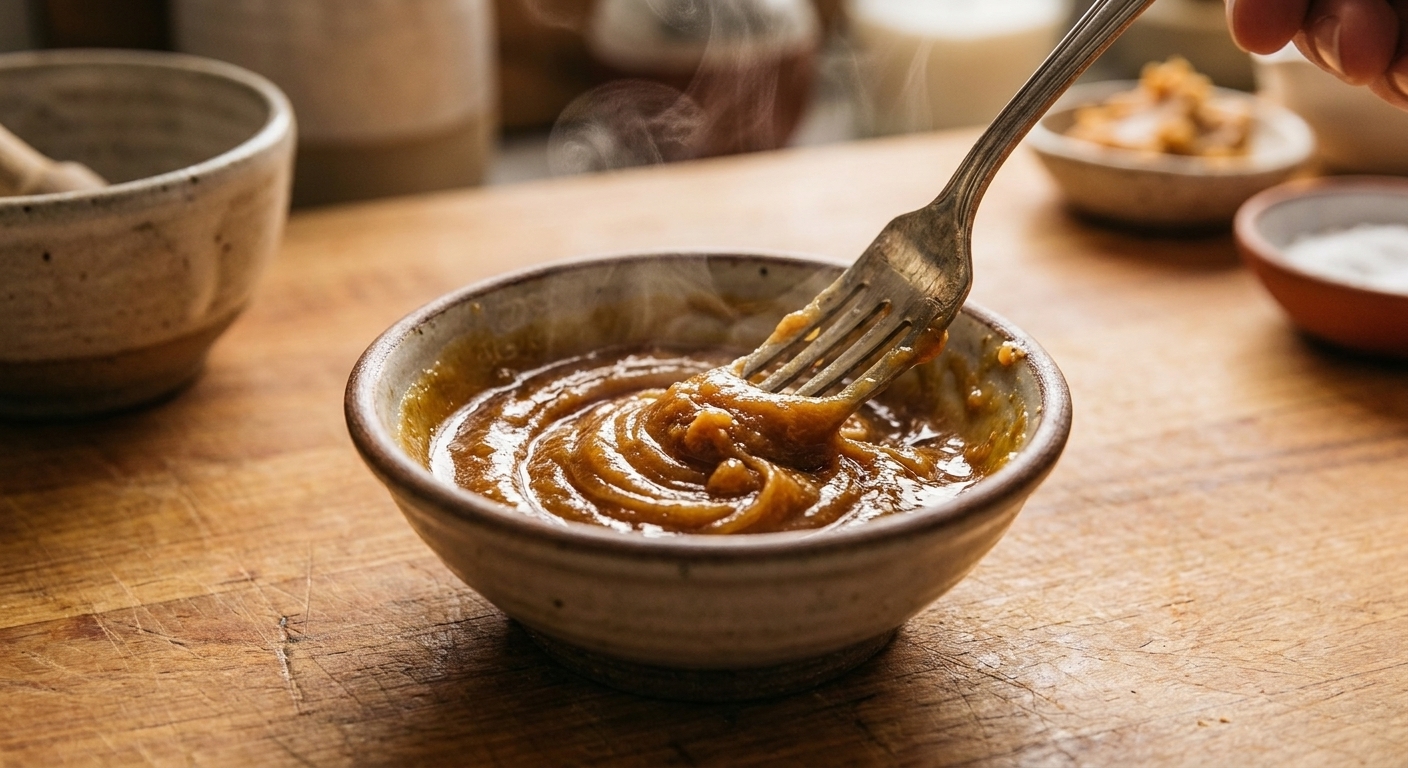
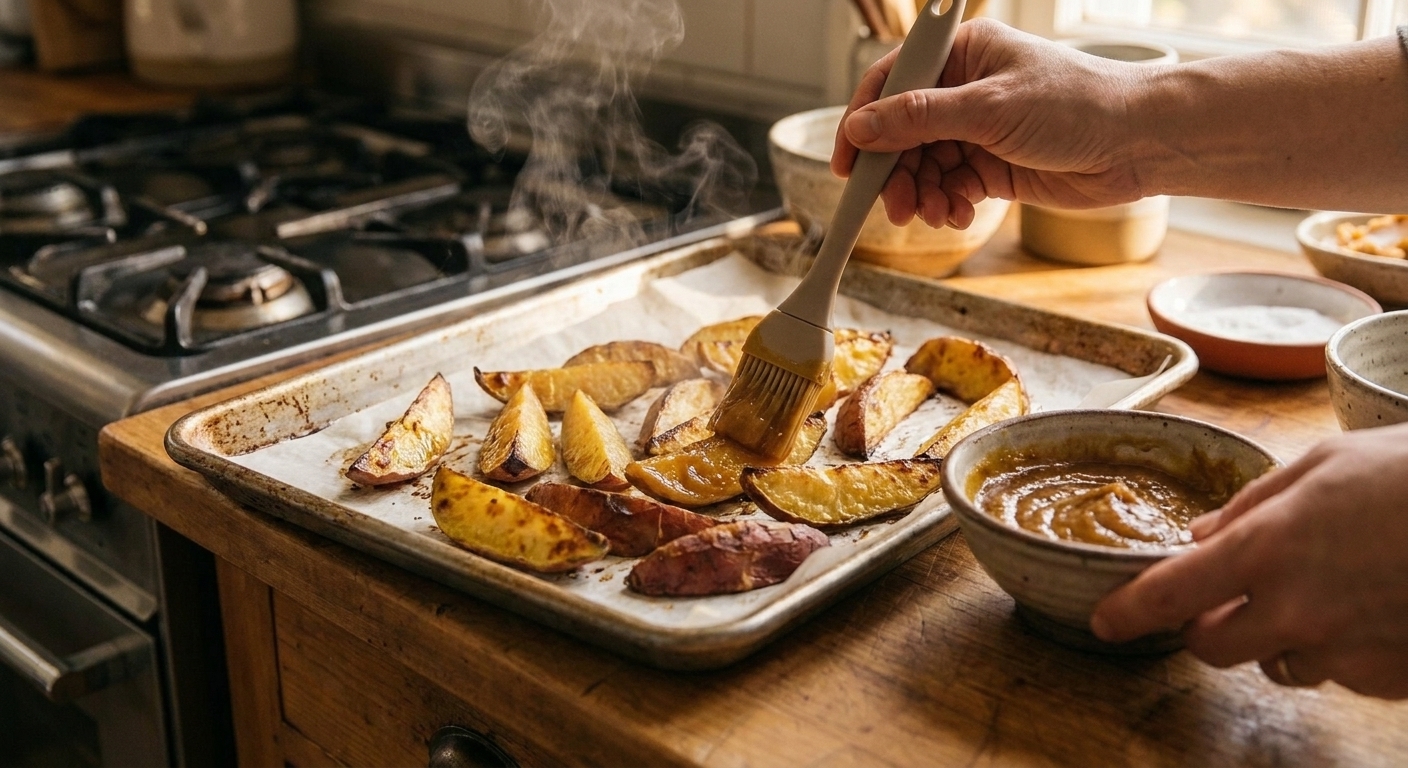
This version is my weeknight go-to: roast at high heat until the edges get crisp, then brush with a fast miso butter that melts into a shiny, salty-sweet glaze. It tastes like you tried harder than you did, which is my favorite kind of cooking.
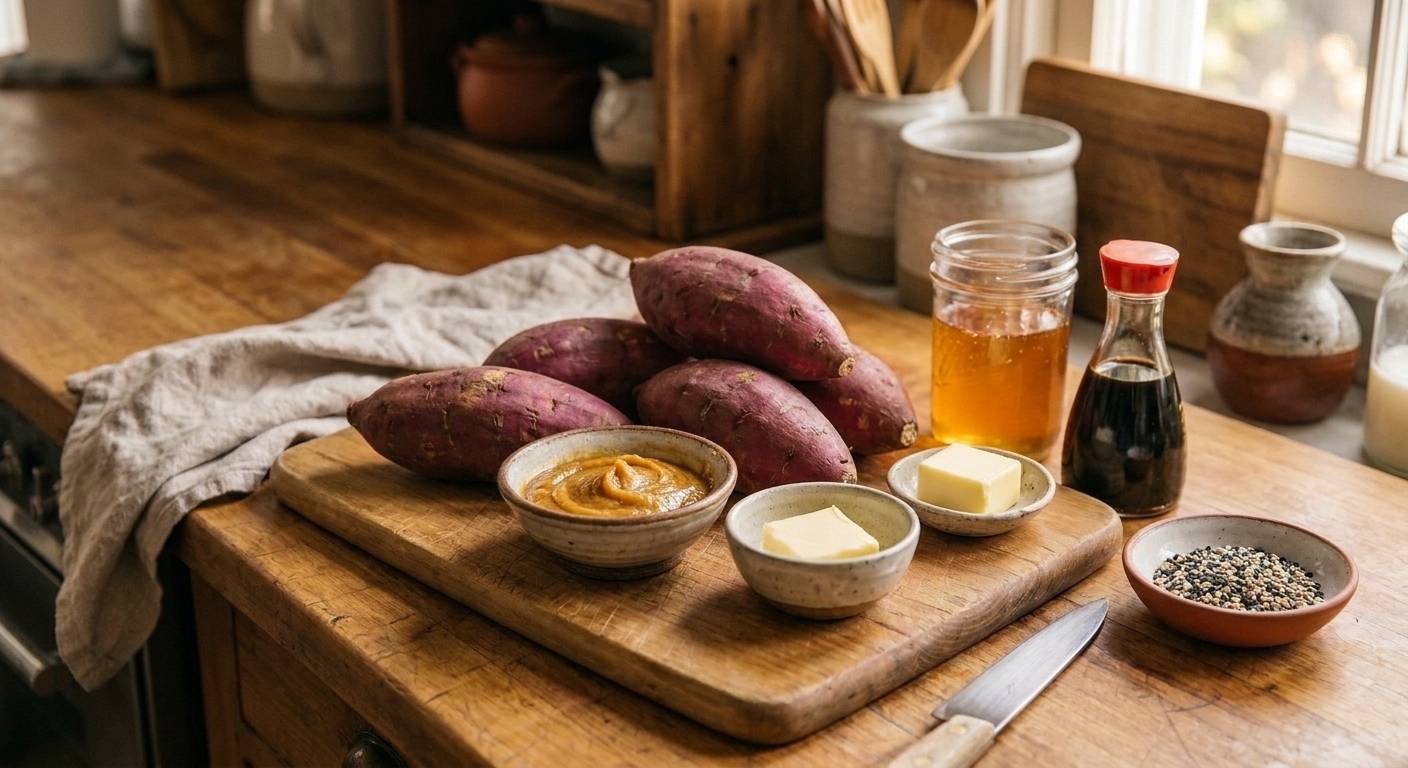
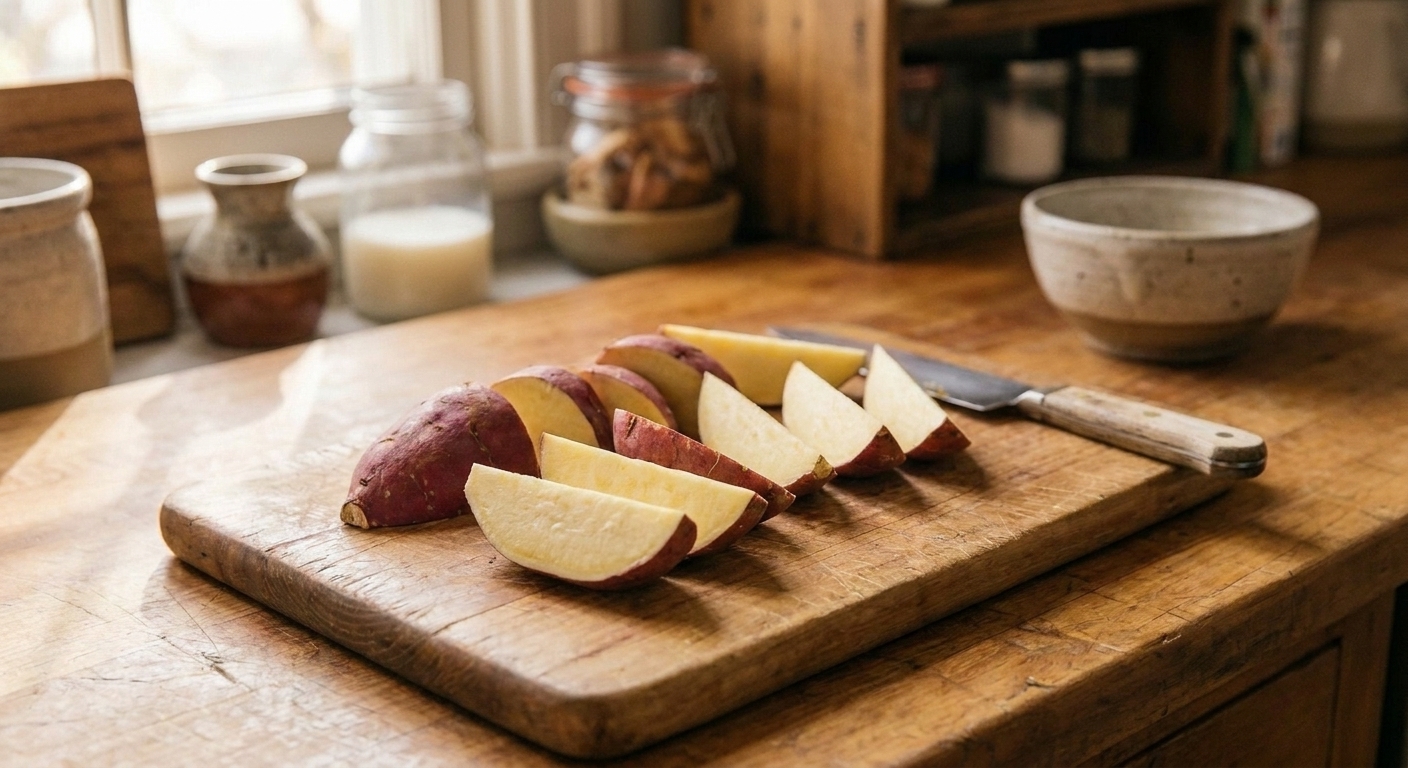
Whole Japanese sweet potatoes, butter, miso paste, soy sauce, honey, and sesame seeds arranged on a light kitchen counter

Why It Works

  • Creamy centers, crisp edges: Cutting into wedges gives you more browned surface area without drying the inside.
  • Big flavor with minimal effort: The miso butter is a one-bowl situation and it clings to the hot potatoes like a glaze.
  • Flexible and forgiving: Works in the oven or air fryer, and the leftovers reheat like a dream for lunch bowls.

Pairs Well With

Storage Tips

Refrigerate: Store cooled leftovers in an airtight container for up to 4 days.

Reheat for best texture: Warm on a sheet pan at 400°F for 8 to 12 minutes, or in an air fryer at 375°F for 4 to 6 minutes to bring back the crisp edges.

Microwave option: Totally fine for speed, but the edges will soften. I like to microwave first, then finish in a hot skillet for 2 to 3 minutes.

Freeze: Freeze roasted wedges (without scallions) for up to 2 months. Thaw overnight in the fridge, then re-crisp in the oven. Texture can get a little more soft or mealy after freezing, but the flavor still holds up.

Common Questions

What is a Japanese sweet potato?

Japanese sweet potatoes are often labeled simply as Japanese sweet potato (and are similar to satsumaimo varieties). They usually have reddish-purple skin and pale yellow flesh. Many are sweeter and drier than orange-fleshed sweet potatoes, with a fluffy, almost cake-like texture when roasted.

Do I need to peel them?

Nope. The skin is edible and helps the wedges hold their shape. Just scrub well and dry them before cutting.

Why are my wedges not getting crispy?

Usually one of three things: the pan is crowded, the oven is not hot enough, or the potatoes were damp. Spread wedges out with space between, roast at 425°F, and make sure they are fully dry after washing.

Can I make these in an air fryer?

Yes. Air fry at 380°F for 16 to 20 minutes, shaking halfway, then brush with miso butter and cook 1 to 2 minutes more to set the glaze.

Can I use a different kind of miso?

Yes. White miso is the mild, sweet choice here, but yellow miso also works. If using red miso, start with a little less since it is stronger and usually saltier.

Is this very salty with miso?

It is balanced. The sweetness of the potatoes plus a little honey softens the miso. If you are sensitive to salt, use a bit less miso or skip the soy sauce.

I used to think sweet potatoes were either “holiday casserole” or “health food.” Then I met Japanese sweet potatoes and, honestly, they fixed the category for me. The first time I roasted them at high heat, I kept walking by the pan, stealing a wedge, and saying “just one more” until dinner was basically a crunchy-edged snack situation. Adding miso butter was an “I wonder if…” move that turned into a permanent habit. Sweet, savory, a little messy. Exactly how I like my kitchen wins.