Mom's Best Recipes
Recipe

Kare Kare

A rich Filipino peanut stew with tender beef, crisp-tender vegetables, and a savory finish of bagoong on the side.

Author By Matt Campbell
4.8
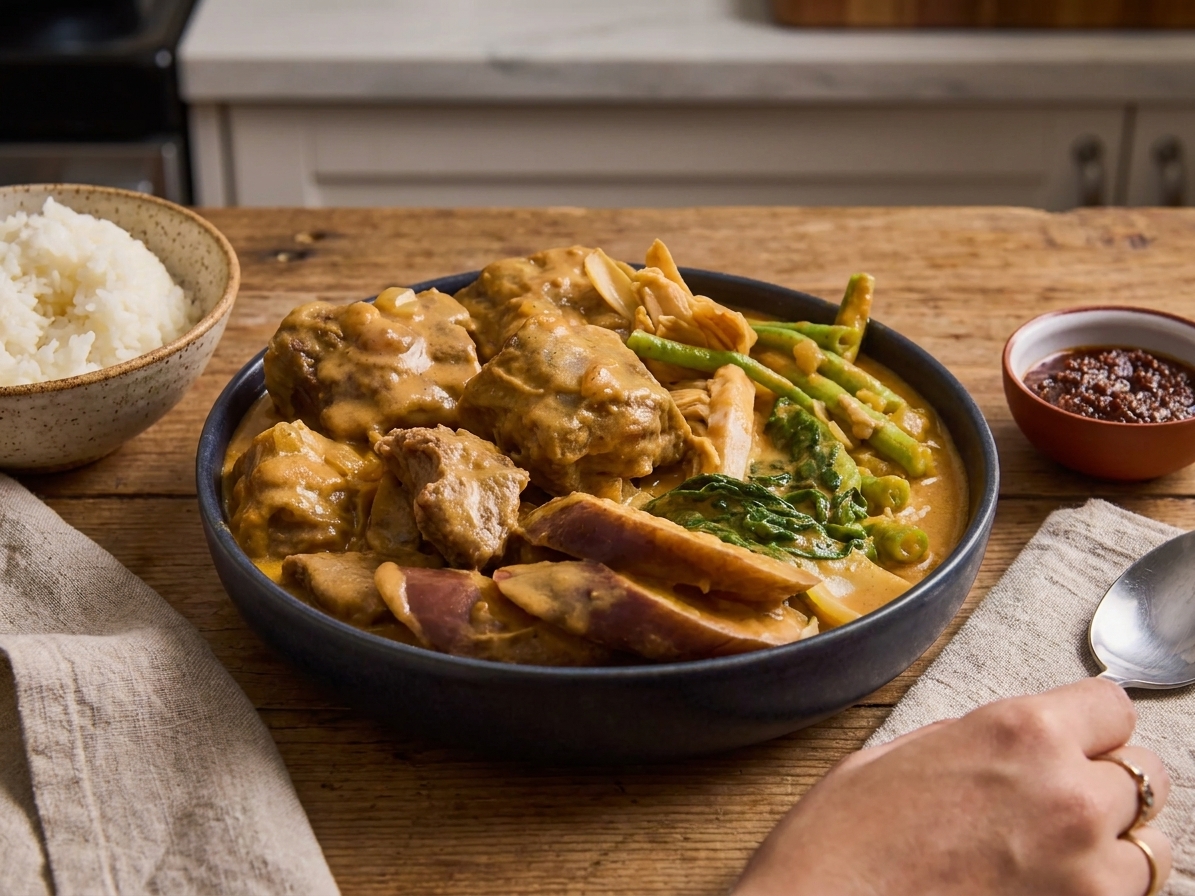
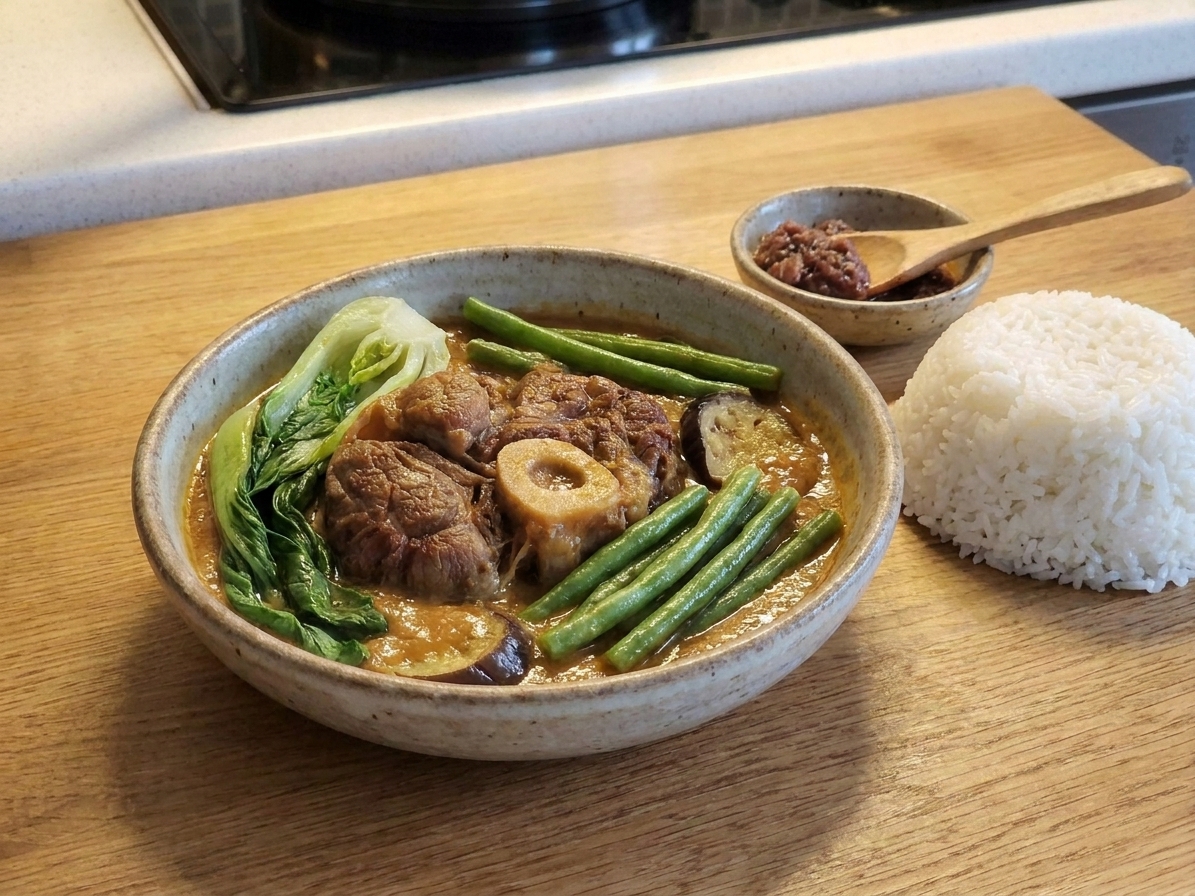
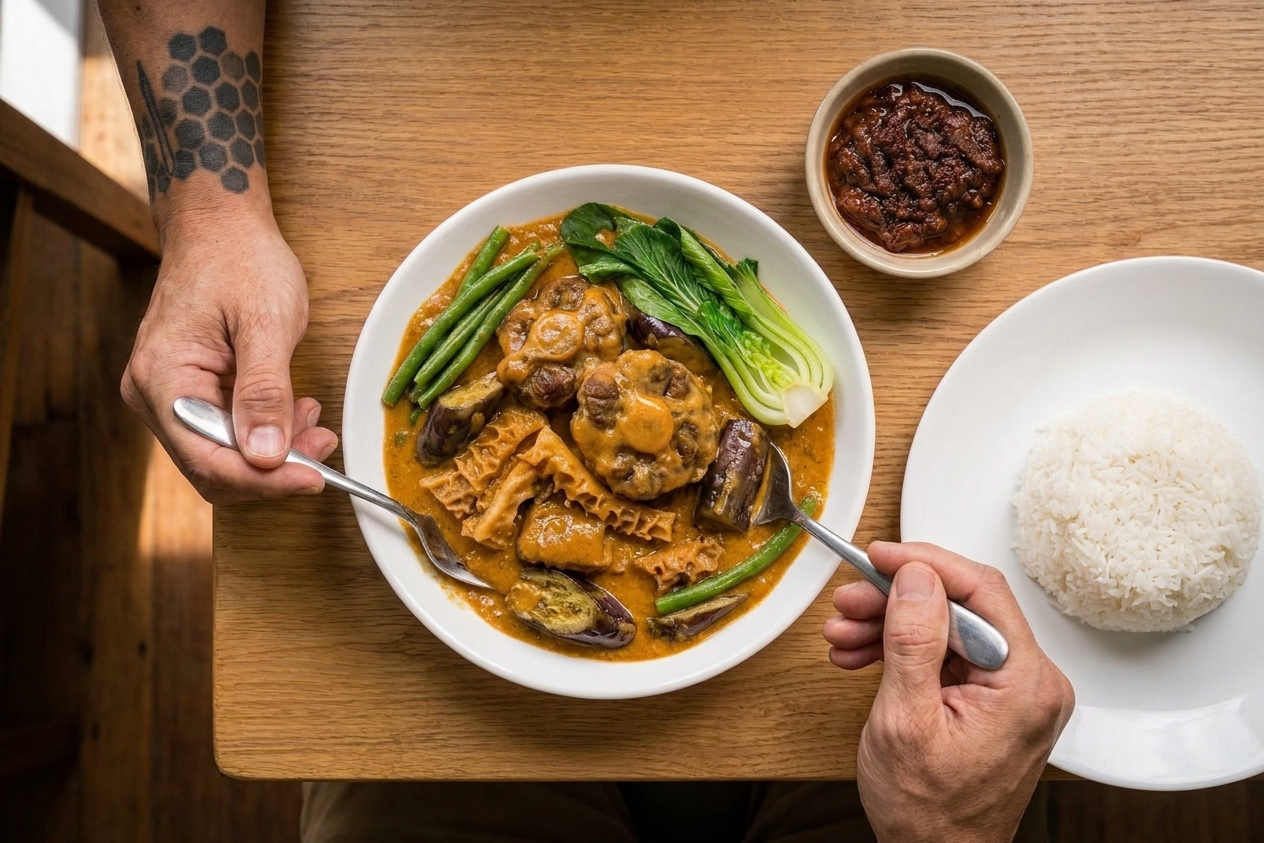
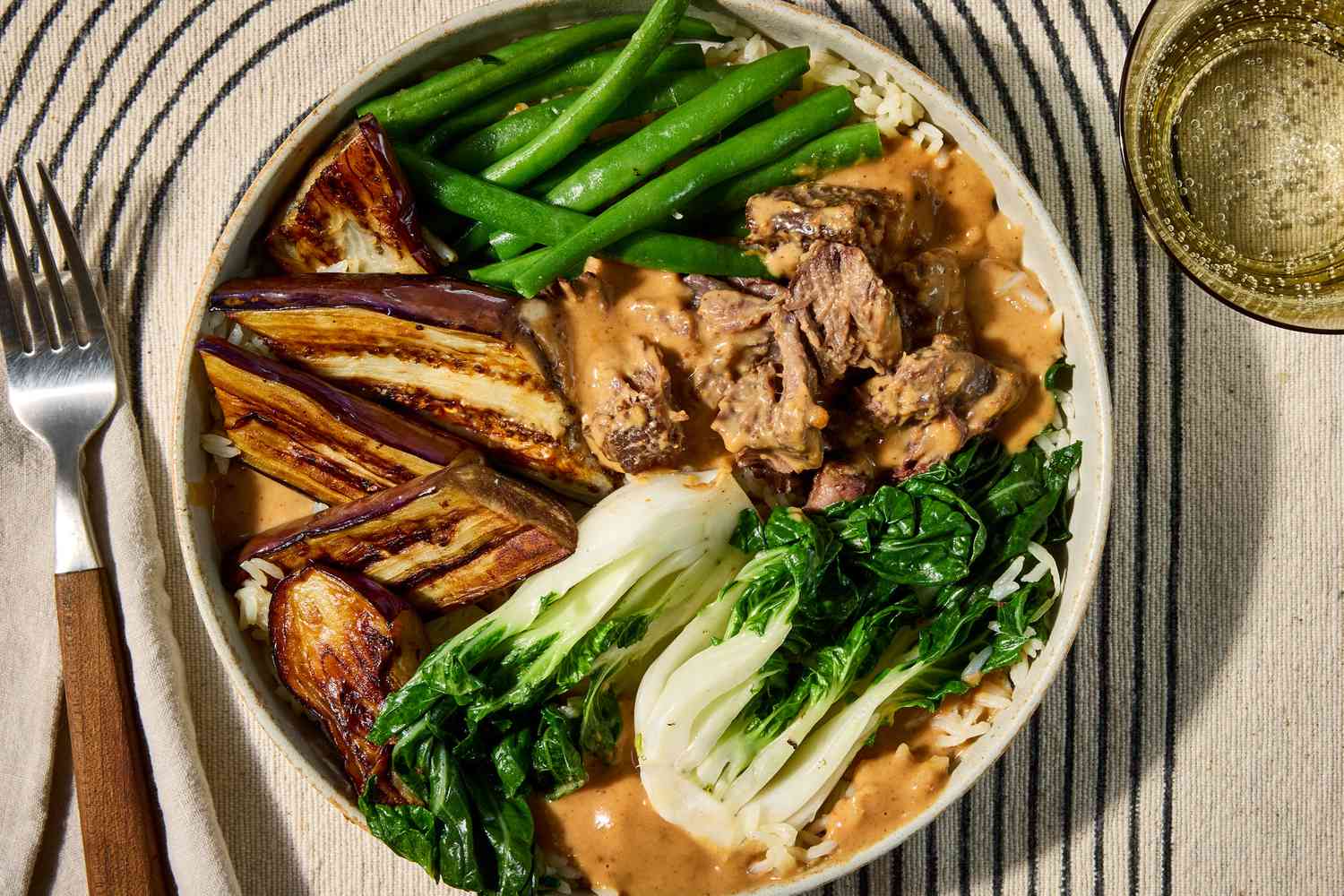
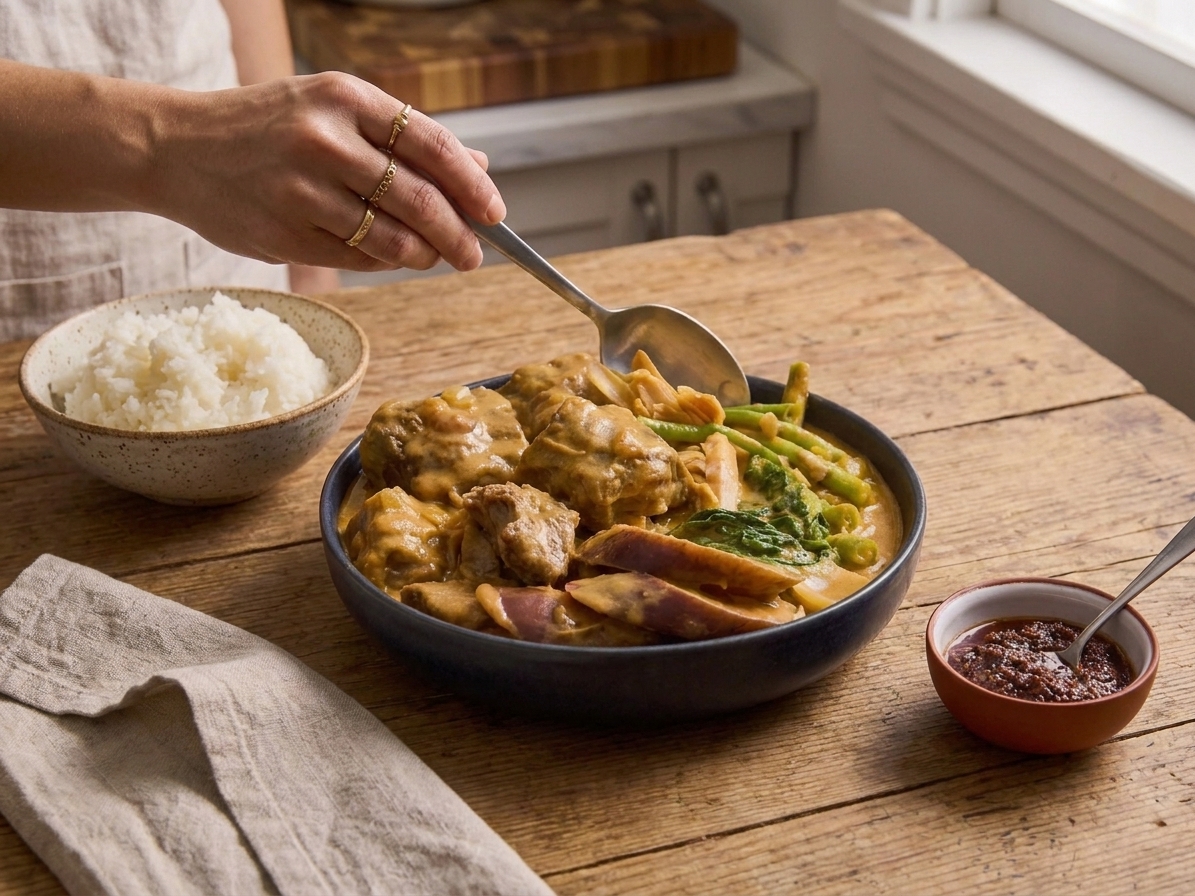
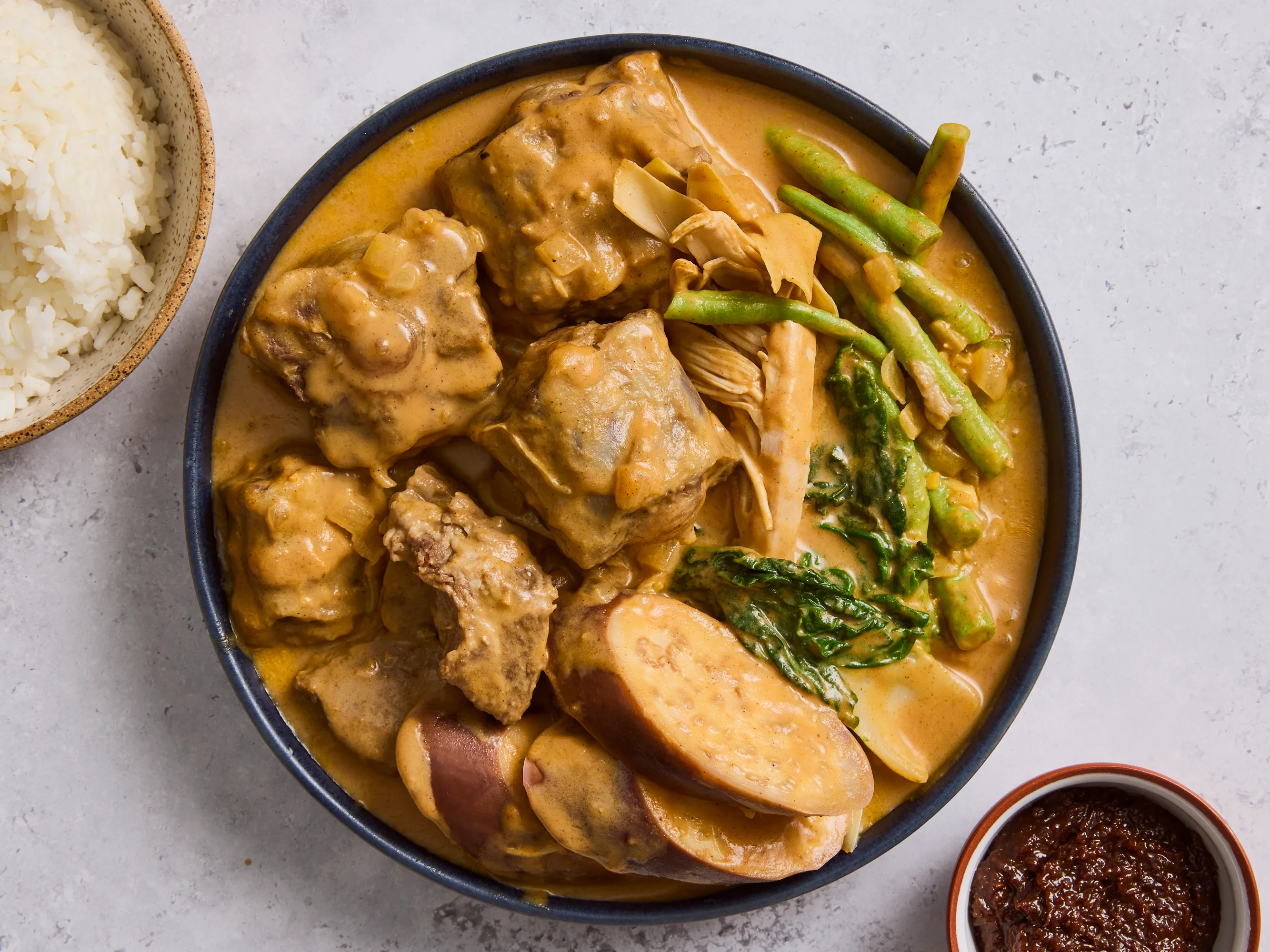
A bowl of kare kare with tender beef and vegetables in a glossy peanut sauce, served with rice and a small dish of bagoong on a warm kitchen table

Kare kare is one of those dishes that feels like a warm hug and a flex at the same time. You get fork-tender beef, a peanut sauce that coats everything like velvet, and a pile of veggies that stay bright and snappy instead of turning into mush. Then you finish it the classic way: bagoong on the side, so each bite can be as salty and funky as you want.

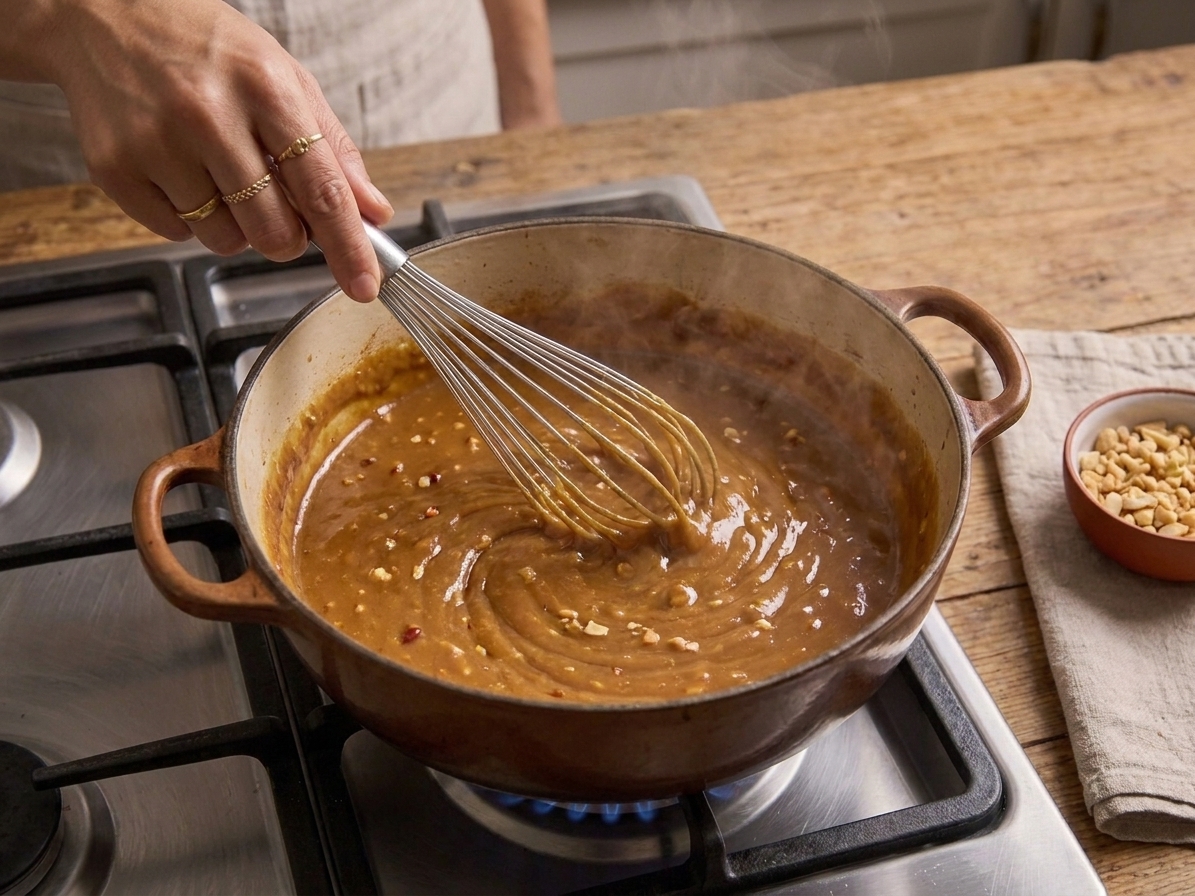
This version is built for a real home kitchen. No hard-to-find shortcuts, no mystery packets required. We are leaning on peanut butter for body, toasted peanuts for texture, and a simple cornstarch slurry to get that signature thick, clingy sauce without stress.

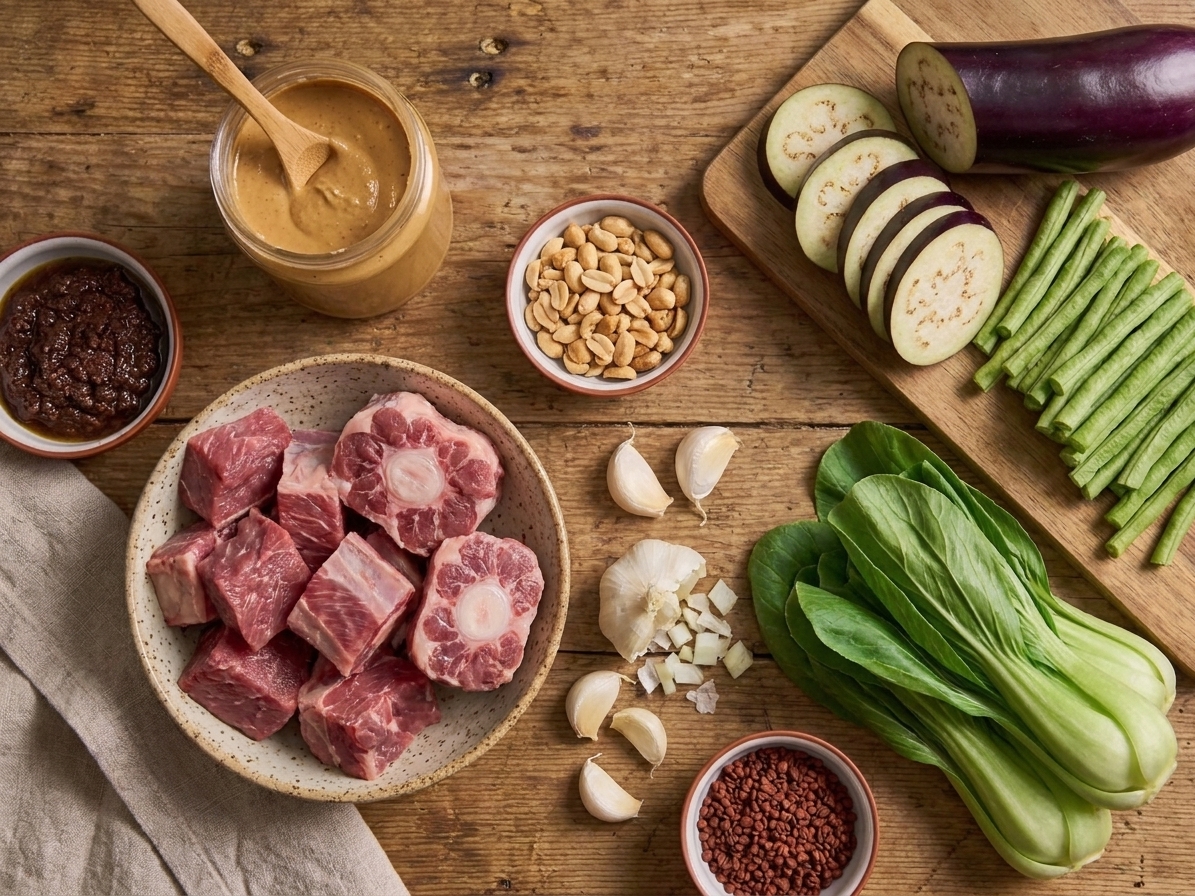
Raw kare kare ingredients arranged on a kitchen counter including beef, peanut butter, toasted peanuts, long beans, eggplant, bok choy, garlic, onion, and annatto

Why It Works

  • Deep, nutty sauce without drama: Peanut butter plus ground toasted peanuts gives you richness and that slightly grainy, traditional texture.
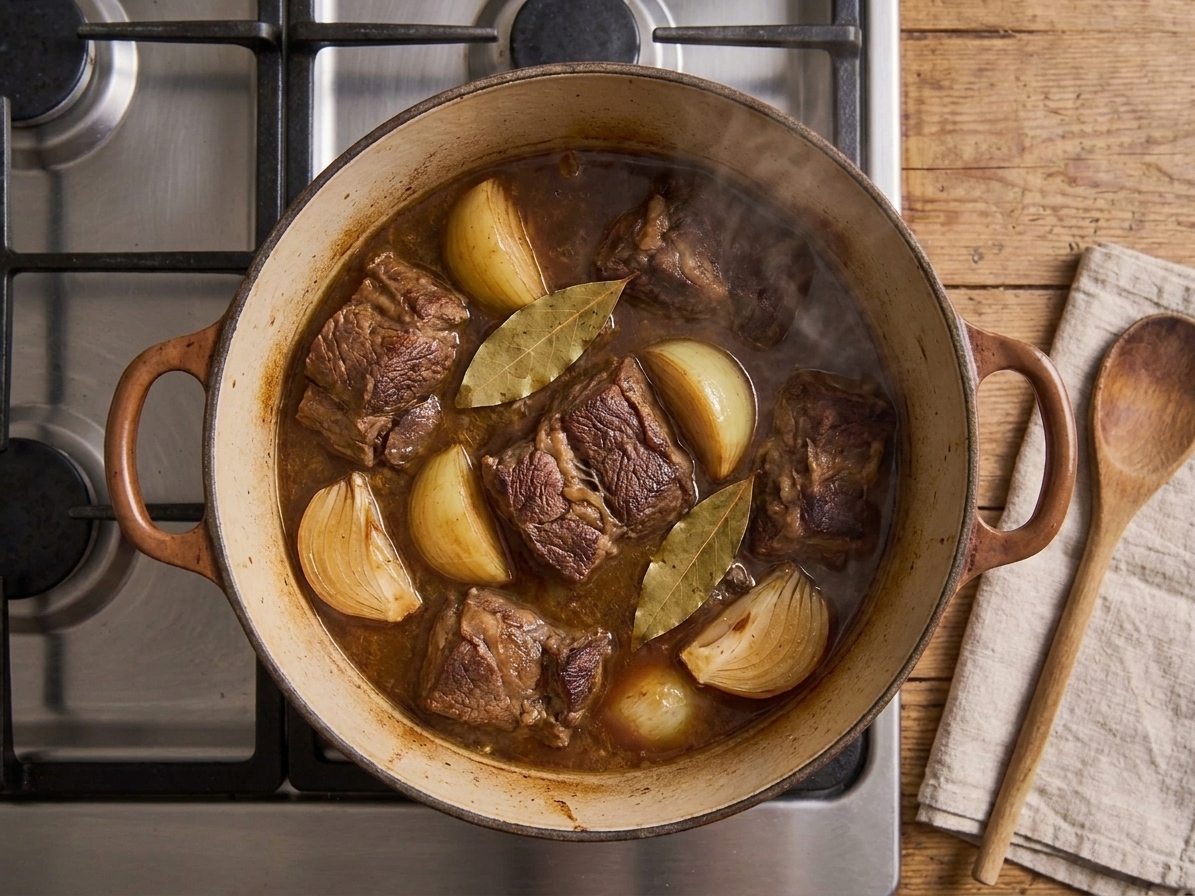
  • Tender beef every time: A gentle simmer builds flavor in the broth and keeps the meat tender and succulent.
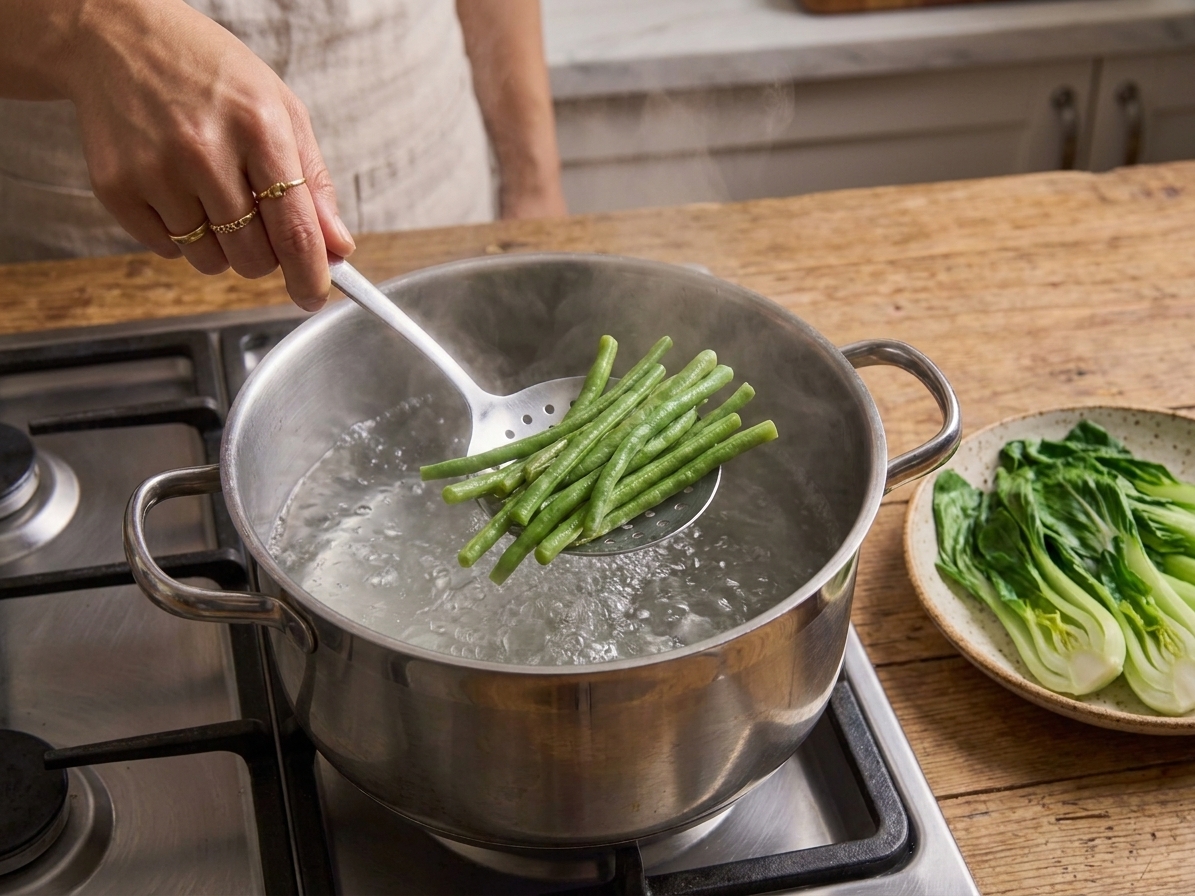
  • Veggies stay crisp-tender: We cook them separately and add at the end so they keep color and bite.
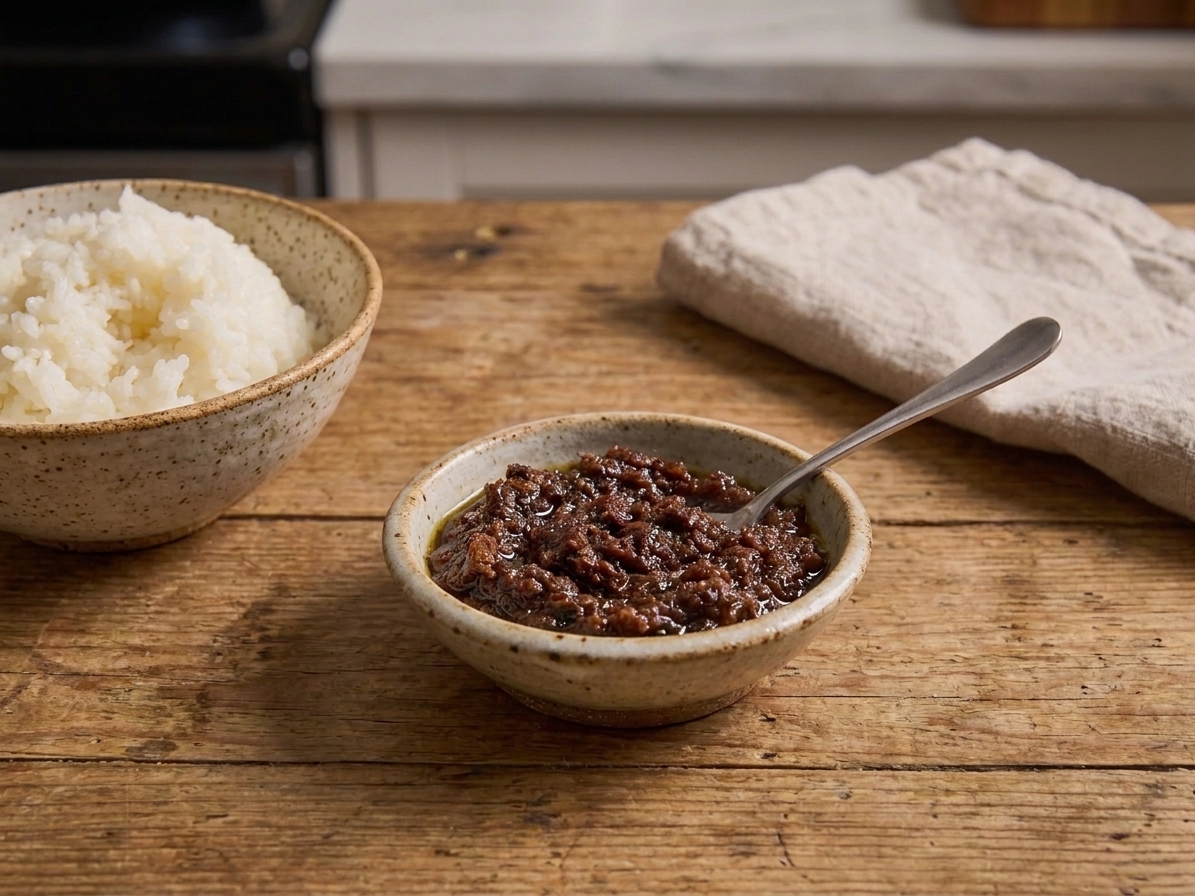
  • Customizable salt and funk: Serving bagoong on the side lets everyone season their own bowl.

Pairs Well With

Storage Tips

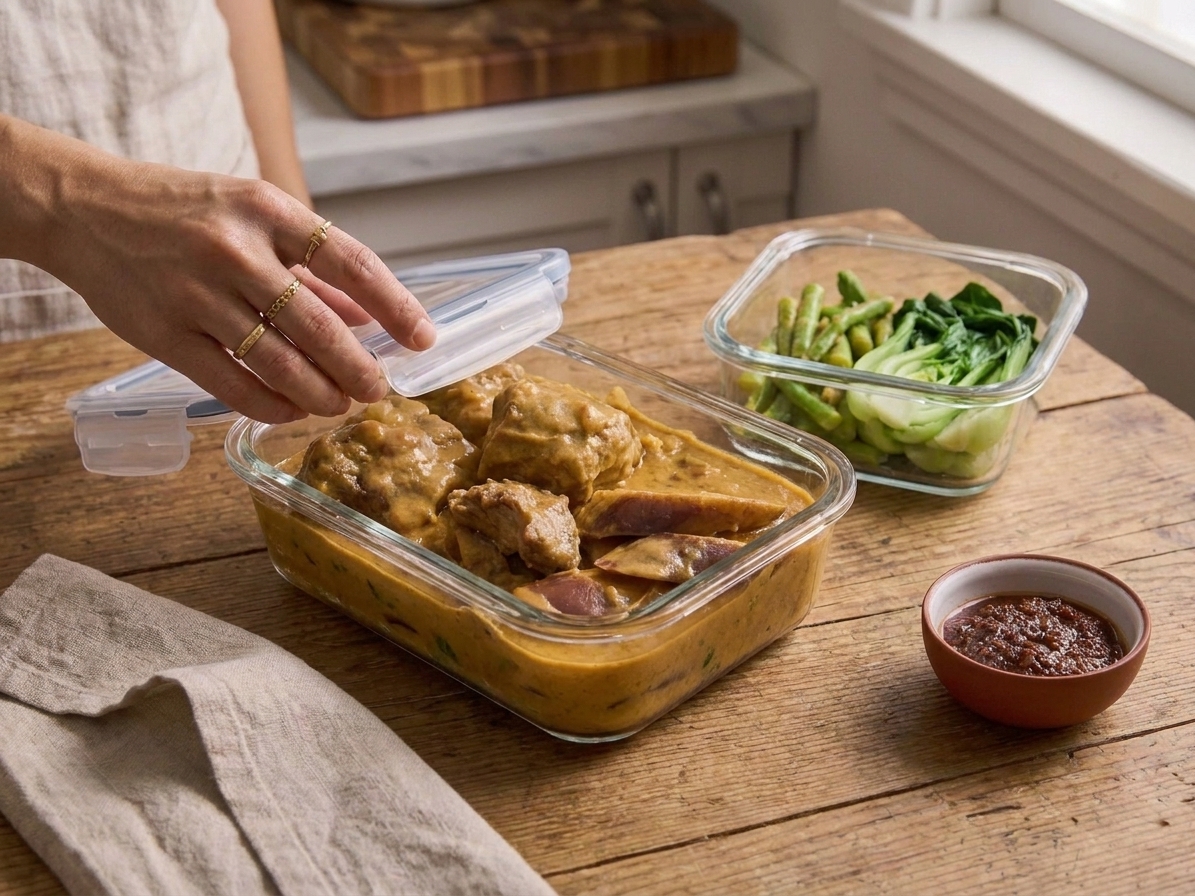
Refrigerate: Store kare kare in an airtight container for up to 4 days. If possible, keep vegetables separate so they do not soften too much.

Freeze: Freeze the beef and peanut sauce (skip freezing the cooked vegetables) for up to 2 months. Thaw overnight in the fridge.

Reheat: Warm gently in a pot over medium-low heat, stirring often. Add a splash of water or broth if the sauce tightens up. Add veggies at the end just to heat through.

A glass meal prep container filled with leftover kare kare peanut stew next to a small separate container of vegetables on a kitchen counter

Common Questions

What does kare kare taste like?

Rich and nutty from peanuts, savory from the beef broth, and gently earthy from annatto. On its own it is more cozy than salty. The magic is adding bagoong at the table for that punchy, salty, funky contrast.

Do I have to use oxtail?

Nope. Oxtail is classic, but it is pricey and takes time. This recipe uses beef chuck for tenderness and accessibility. You can also do beef shank or short ribs with similar timing.

What can I use instead of annatto?

Annatto (atsuete) gives kare kare its warm orange color and subtle earthy flavor. If you cannot find it, you can skip it and the dish will still taste great. The sauce will just be lighter in color.

Is bagoong required?

Most traditionally, kare kare is served with bagoong on the side. If you cannot do bagoong, try a small squeeze of calamansi or lime plus a pinch of salt or a dash of fish sauce in your bowl. It is not the same, but it scratches the itch.

Can I make kare kare ahead?

Absolutely. It is even better the next day. Make the beef and sauce ahead, then cook and add vegetables right before serving.

Any tips for banana blossom?

If you are using banana blossom, soak the sliced pieces in water with a squeeze of lemon or calamansi to help prevent browning. Then blanch or simmer until tender before adding to the sauce.

Peanut allergy swap?

This dish is peanut-forward. If you need an alternative, sunflower seed butter plus toasted sunflower seeds can get you close in richness and texture, but the flavor will be different.

Do I need to cook the bagoong first?

Either works. Some families serve it straight from the jar, others prefer sautéed bagoong for a slightly sweeter, more rounded flavor. If you like, warm a spoonful with a little garlic and onion, then serve it on the side.

A pot of kare kare peanut sauce simmering on the stove with a wooden spoon resting on the rim

The first time I really understood kare kare, it was not from a fancy presentation. It was from watching how people ate it: rice first, stew next, then a careful little dab of bagoong like they were turning a knob from comfort to okay wow. That stuck with me. Kare kare is rich, sure, but it is also playful. You get to build your perfect bite, and honestly that is my favorite kind of food.