Mom's Best Recipes
Recipe

Katsu Sauce

A sweet tangy Japanese-style sauce with big umami energy, made from pantry staples in minutes.

Author By Matt Campbell
4.9
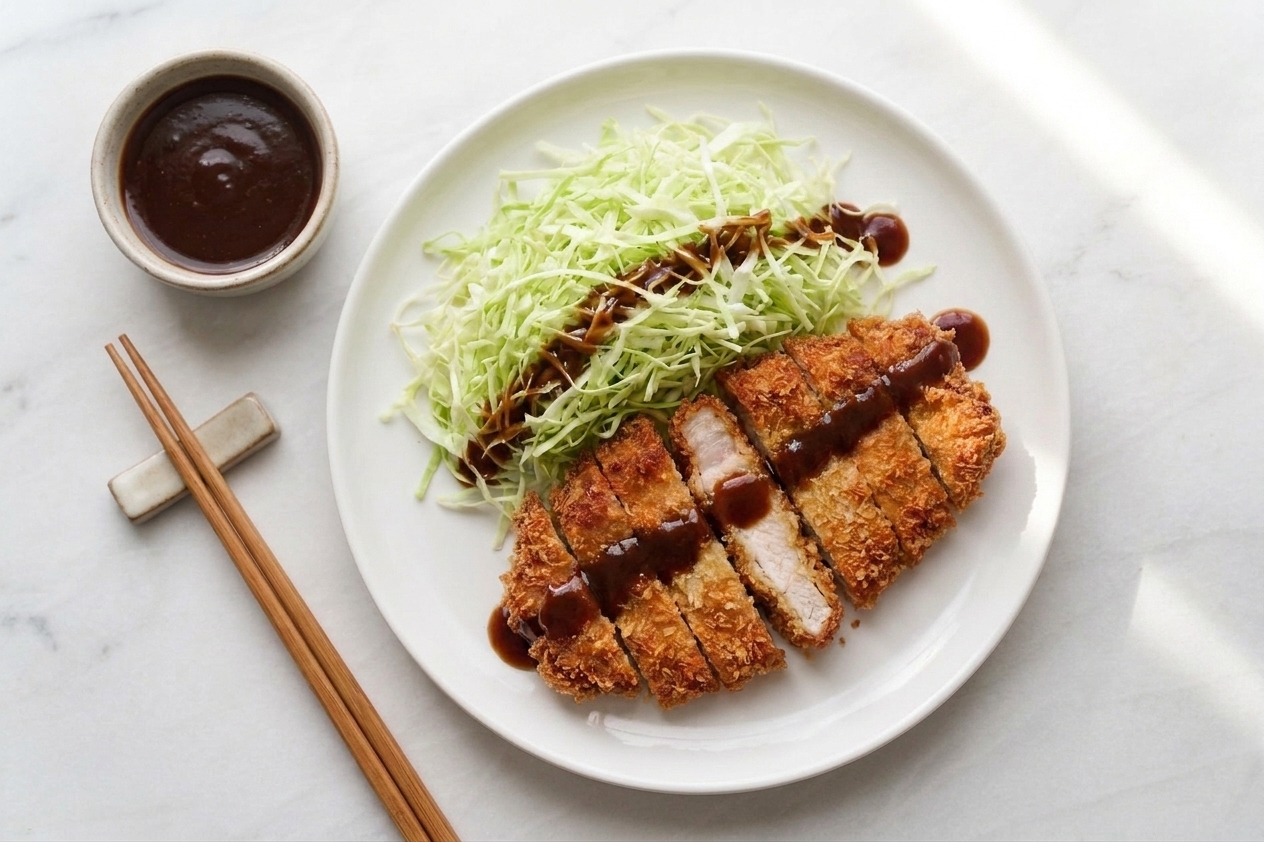
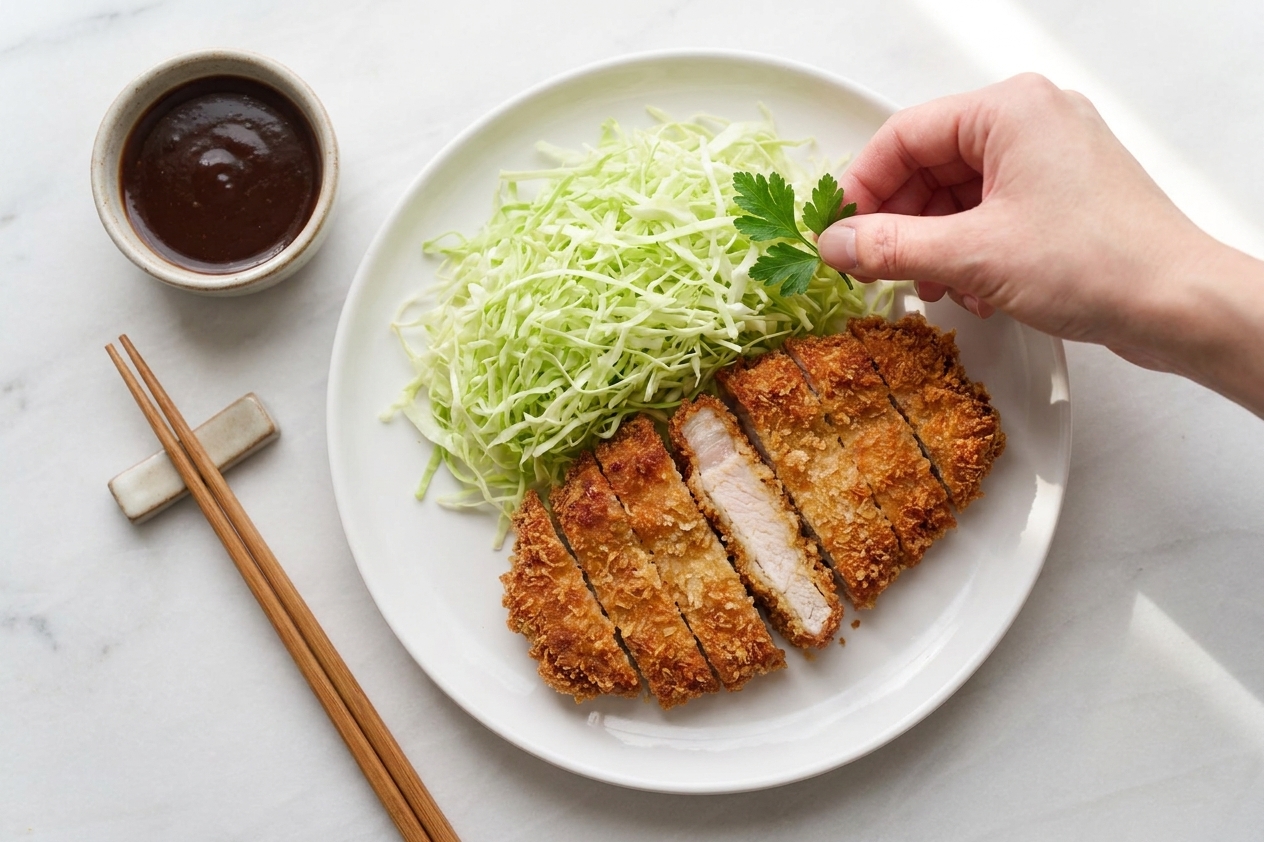
A sliced pork tonkatsu cutlet on a plate with shredded cabbage and a glossy drizzle of katsu sauce, warm kitchen lighting

Katsu sauce is the reason a crispy cutlet goes from good to why am I standing over the stove eating this right now. It is sweet, tangy, a little fruity, and packed with savory depth. The best part is you can make a very legit version at home with stuff you probably already have.

This recipe is my weeknight move. No simmering. No specialty store run. Just a bowl, a whisk, and five minutes. It is perfect for chicken katsu, tonkatsu, baked schnitzel situations, fries, nuggets, cabbage salads, and honestly anything that wants a glossy, bold sauce with a friendly attitude.

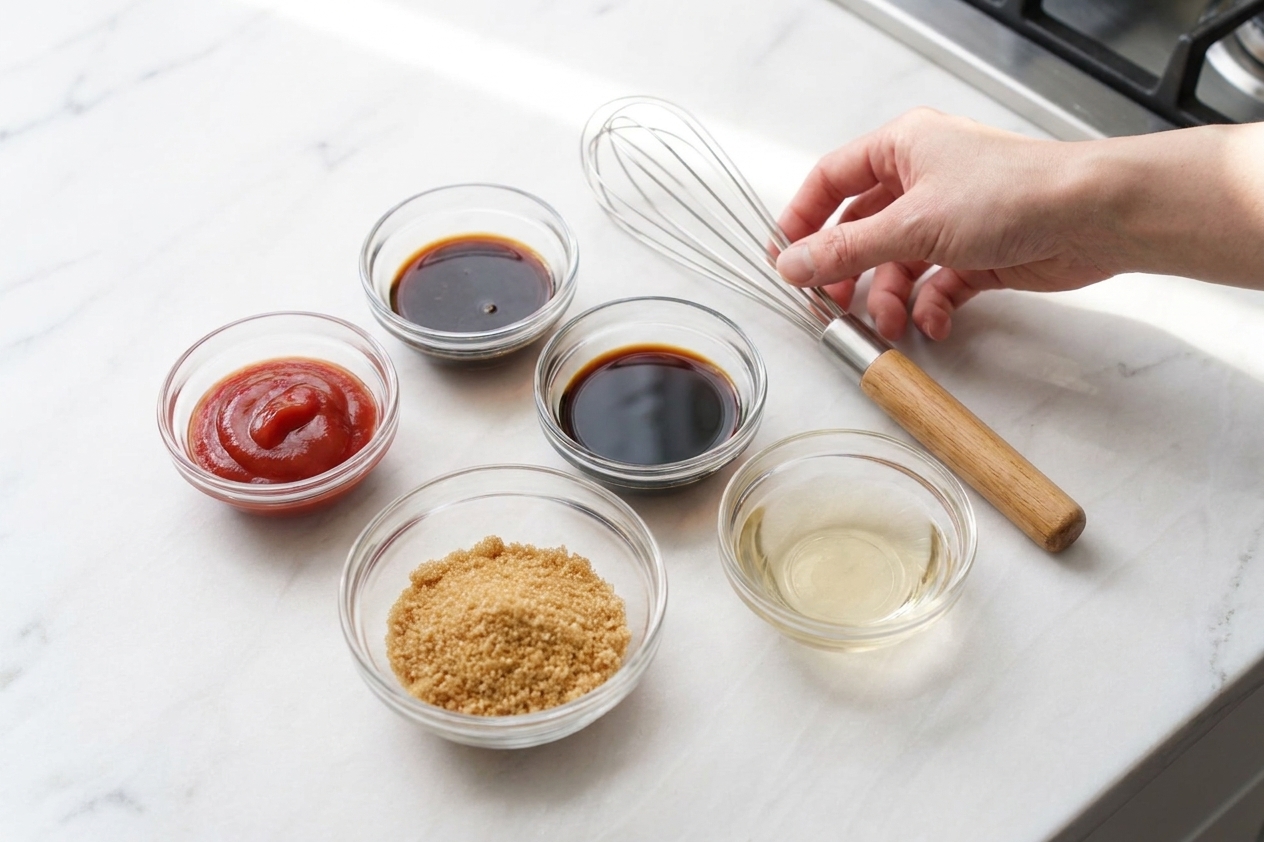
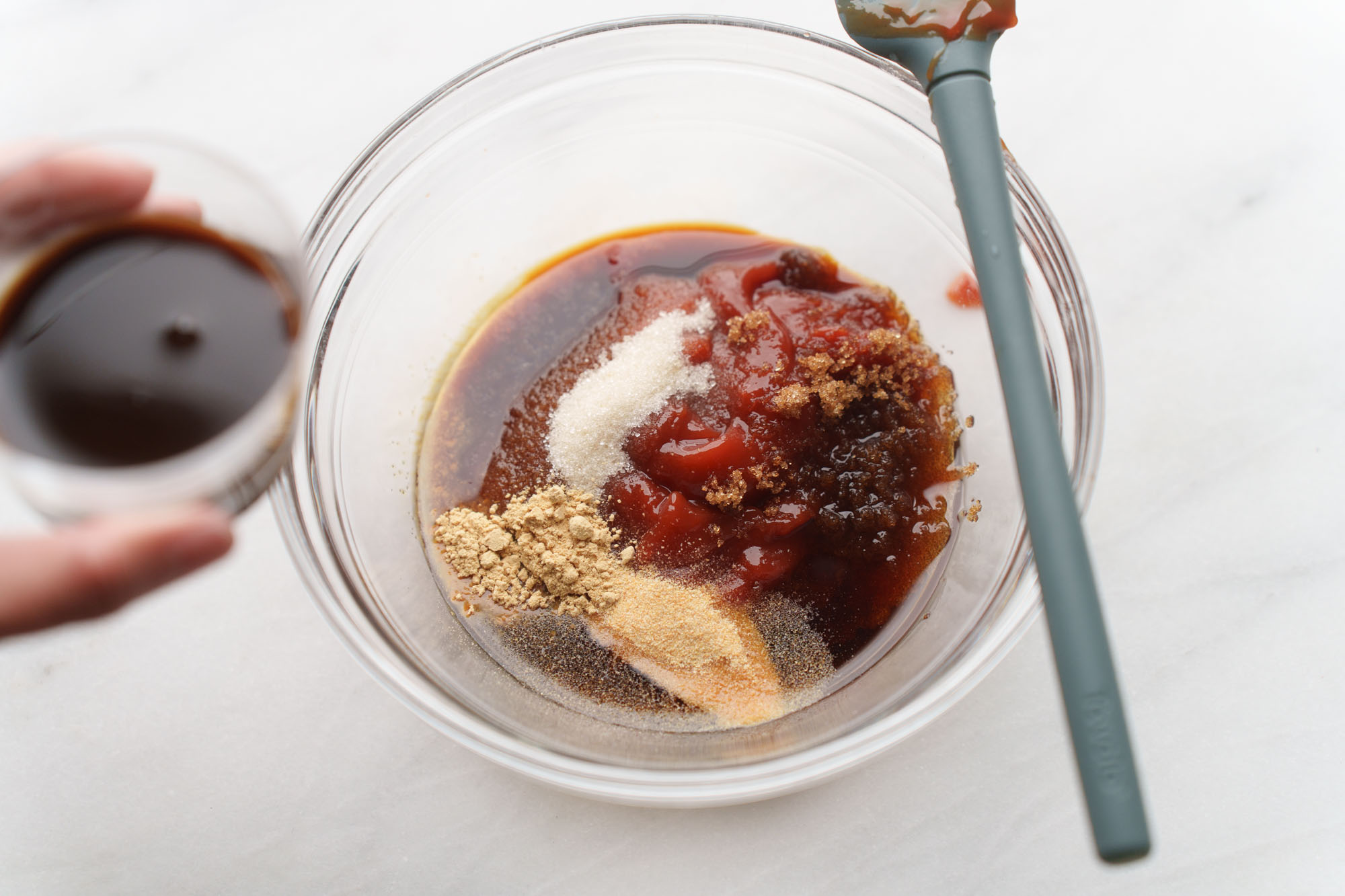
Small bowls of ketchup, Worcestershire sauce, soy sauce, brown sugar, and rice vinegar arranged on a kitchen counter with a whisk

Why It Works

  • Restaurant-style flavor with pantry staples: Ketchup brings sweetness and body, Worcestershire brings tang and complexity, soy sauce brings salt and umami.
  • Balanced, not cloying: A small hit of vinegar and mustard keeps it bright so it does not taste like sweet ketchup.
  • Customizable: Make it thicker, thinner, spicier, or more savory with quick tweaks.
  • Fast: Whisk, rest for a few minutes, then dip, drizzle, repeat.

Pairs Well With

Storage Tips

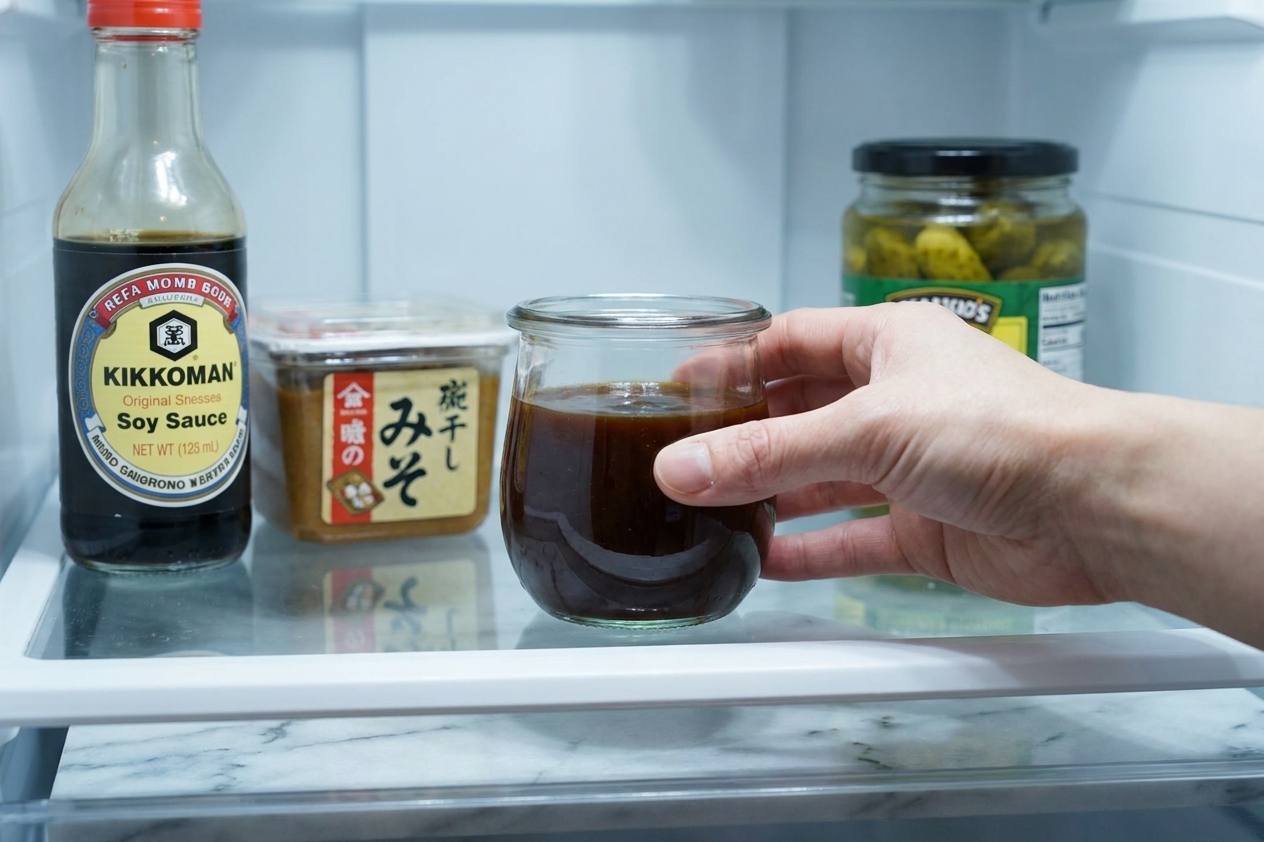
Refrigerate: Store katsu sauce in a clean jar or airtight container for up to 1 to 2 weeks. It often tastes even better after a few hours once the flavors meld.

Use a clean spoon: Avoid dipping used utensils in the jar, and discard if it smells off, looks moldy, or tastes "not right."

Stir before using: It can separate slightly, especially if you used a natural ketchup or different brands.

Freeze: You can freeze it, but the texture may loosen a bit when thawed. If you do freeze, portion it in an ice cube tray, then thaw cubes as needed.

A small glass jar filled with katsu sauce sitting on a refrigerator shelf next to other condiments

Common Questions

Is katsu sauce the same as tonkatsu sauce?

They are often used interchangeably, especially outside Japan. Traditionally, tonkatsu sauce is the more specific name for the thick, sweet tangy sauce served with pork cutlets, while katsu sauce is a broader shorthand people use for the same style of sauce on chicken katsu and other breaded cutlets. Either way, you are in the right neighborhood.

Can I make it without Worcestershire sauce?

You can, but it will taste flatter because Worcestershire brings a lot of layered depth. As a quick workaround, try 2 teaspoons soy sauce + 1 teaspoon vinegar + 1/2 teaspoon brown sugar. If you have it, add 1/4 teaspoon fish sauce for extra savory oomph (optional). A tiny pinch of allspice or ground clove can help mimic that subtle warm spice note. It will not be identical, but it will get you close enough for a Tuesday.

What if I only have regular vinegar, not rice vinegar?

Apple cider vinegar works great. White distilled vinegar also works. If you use distilled, start with a slightly smaller amount, taste, then add more if you want extra tang.

How do I make it thicker like the bottled kind?

Use less vinegar, add 1 to 2 more tablespoons ketchup, or whisk in a cornstarch slurry and heat gently to activate it. Mix 1 teaspoon cornstarch with 1 to 2 teaspoons water until completely smooth, warm the sauce in a small saucepan, then whisk in the slurry and simmer for about 1 minute. Cool and it will thicken more.

Is katsu sauce spicy?

Not usually. It is more sweet tangy savory than hot. If you want heat, add chili garlic sauce, sriracha, or a pinch of cayenne.

Any allergy notes?

This sauce typically contains soy (soy sauce) and may contain fish depending on your Worcestershire brand. If you are avoiding either, check labels and use substitutes accordingly.
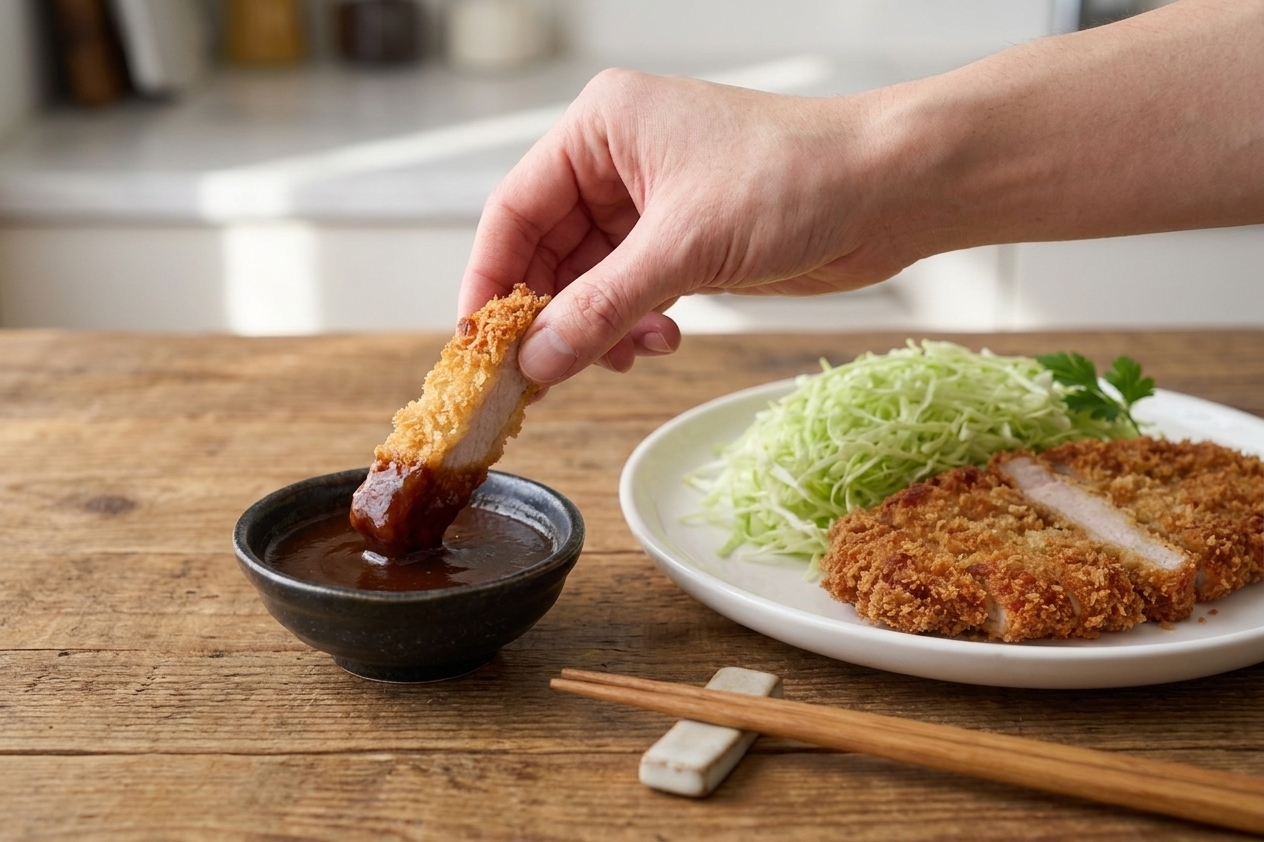

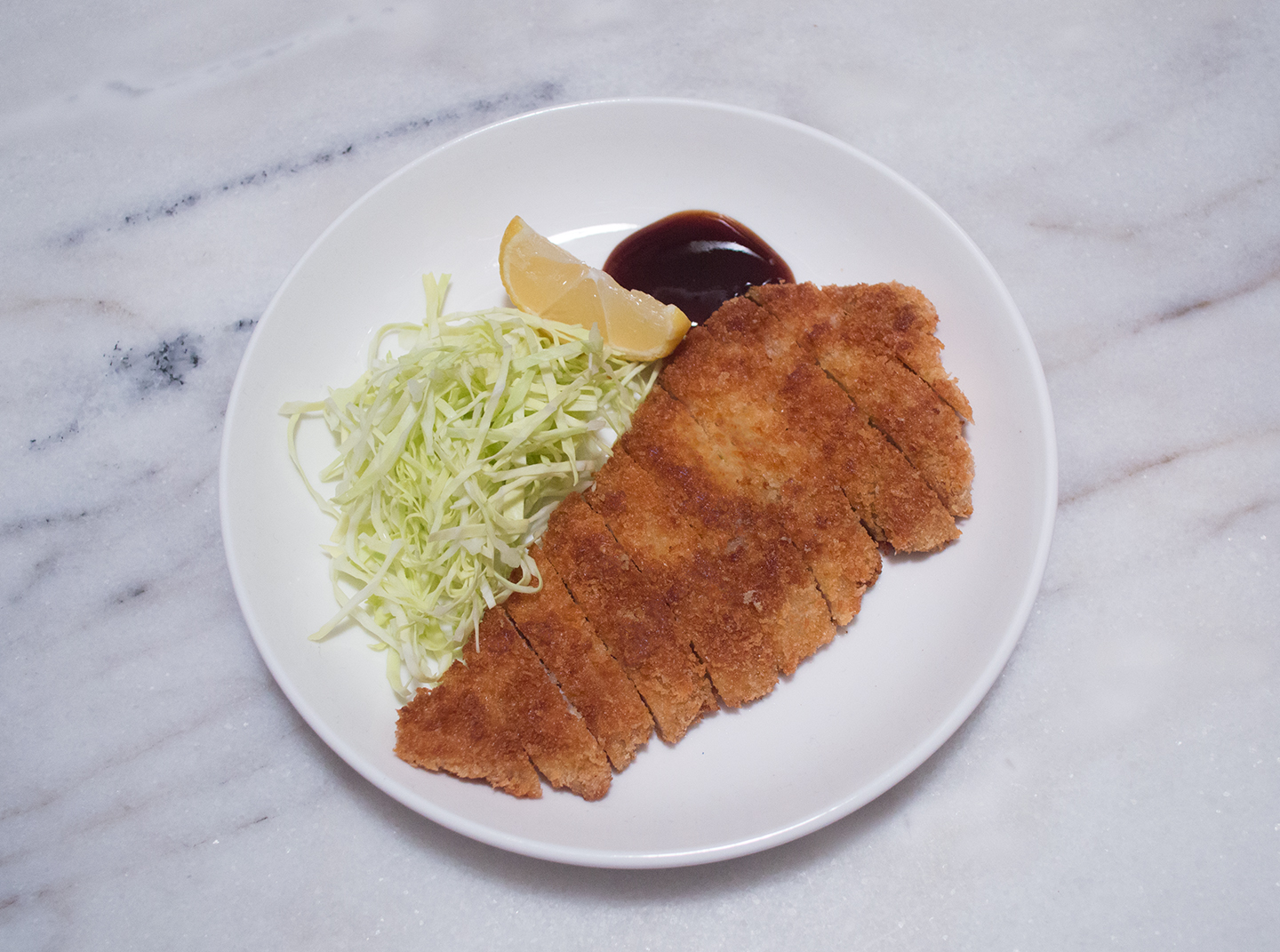
Crispy chicken katsu slices being dipped into a small bowl of katsu sauce on a wooden table

I love sauces that make dinner feel like you tried harder than you did. Katsu sauce is that friend. I started making it when I was chasing more practical kitchen skills, the kind that turn a basic crispy cutlet into something you would happily pay for. Now it is my default: whisk it up, let it rest, taste it, tweak it, and suddenly the plate has a point of view.