Mom's Best Recipes
Recipe

Kimchi Soup

Spicy, tangy, deeply savory kimchi soup with pork, tofu, and a rich broth that tastes like you tried harder than you did.

Author By Matt Campbell
4.8
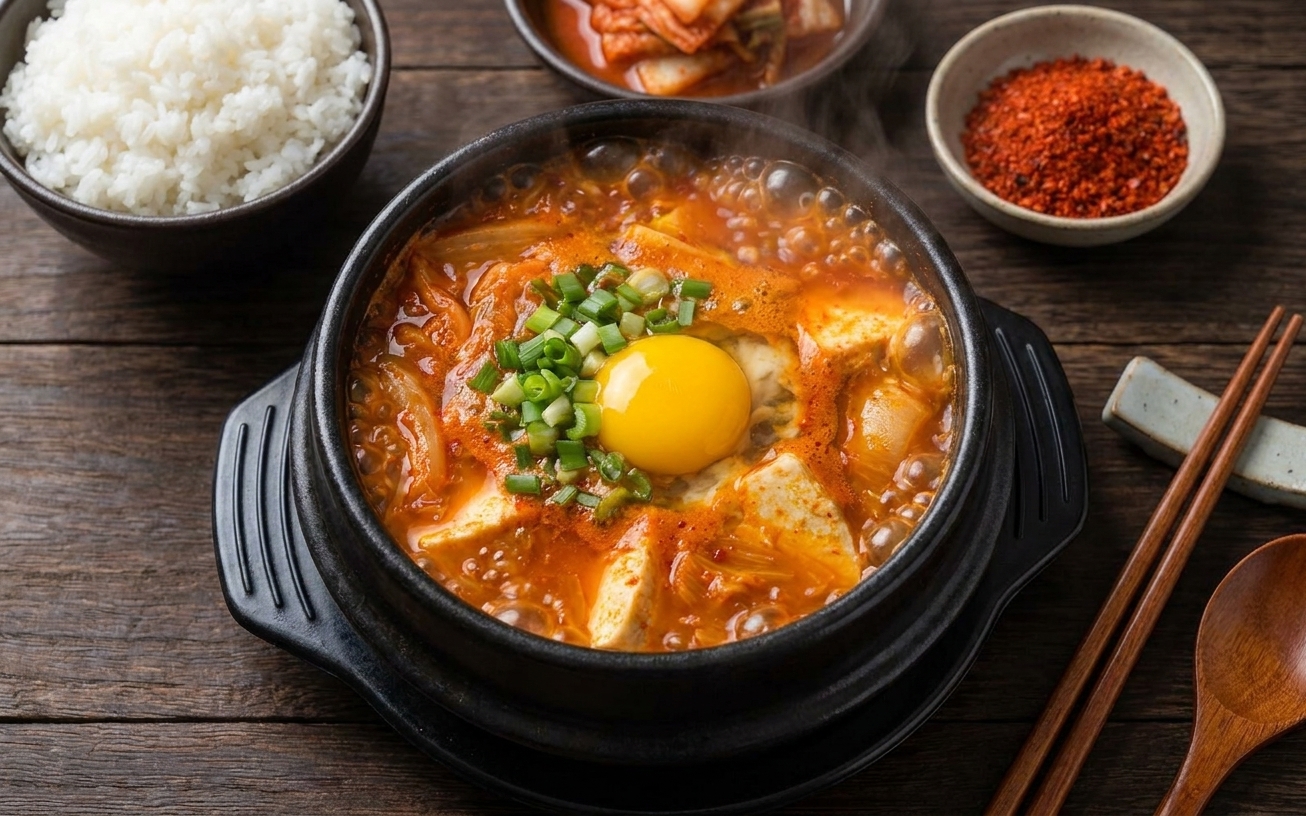
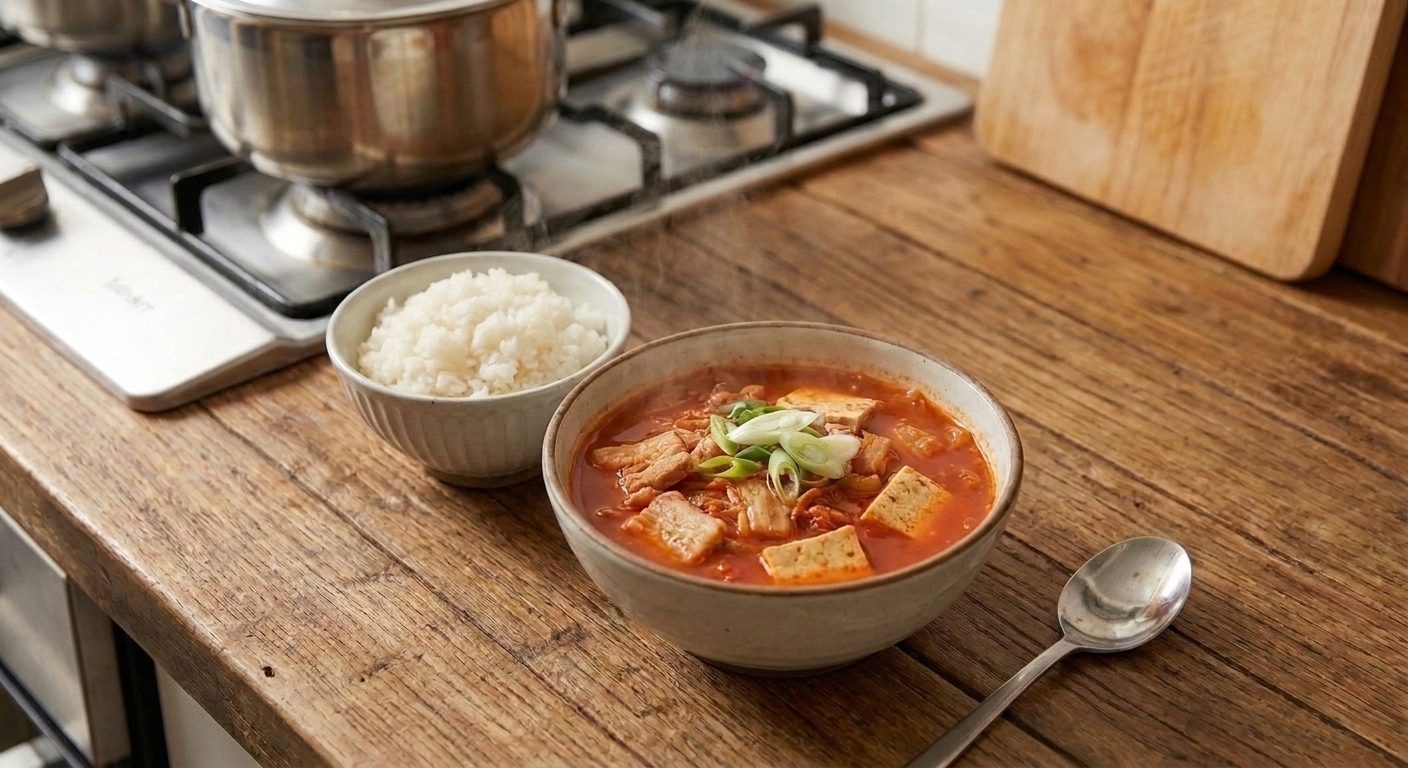
A steaming bowl of kimchi soup with tofu cubes and pork pieces, garnished with sliced scallions, on a wooden table with a bowl of rice and chopsticks

Kimchi soup is one of those dishes that feels like it should be complicated because the flavor is loud in the best way. It is spicy, tangy, savory, and a little funky, with a broth that makes you pause mid-sip, like: okay, wow, that is doing something.

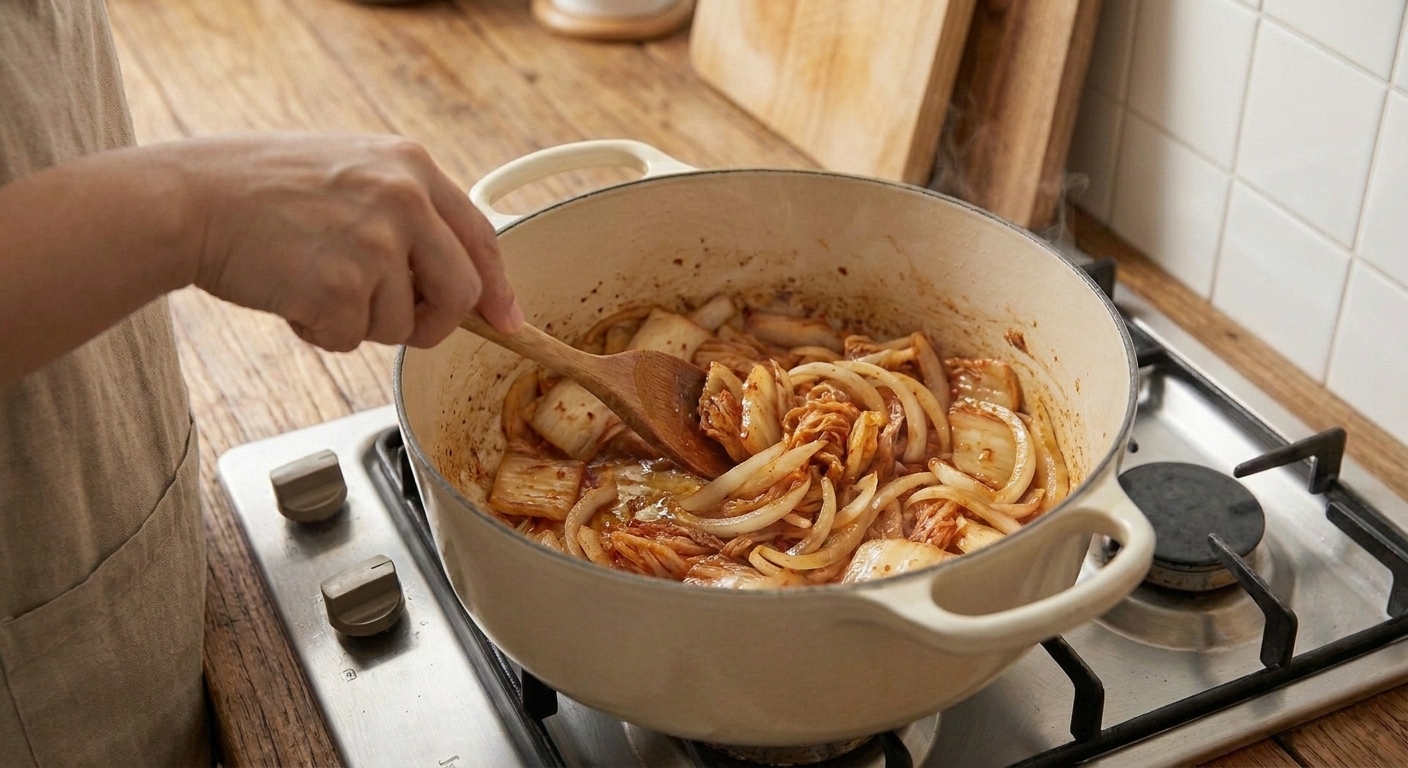
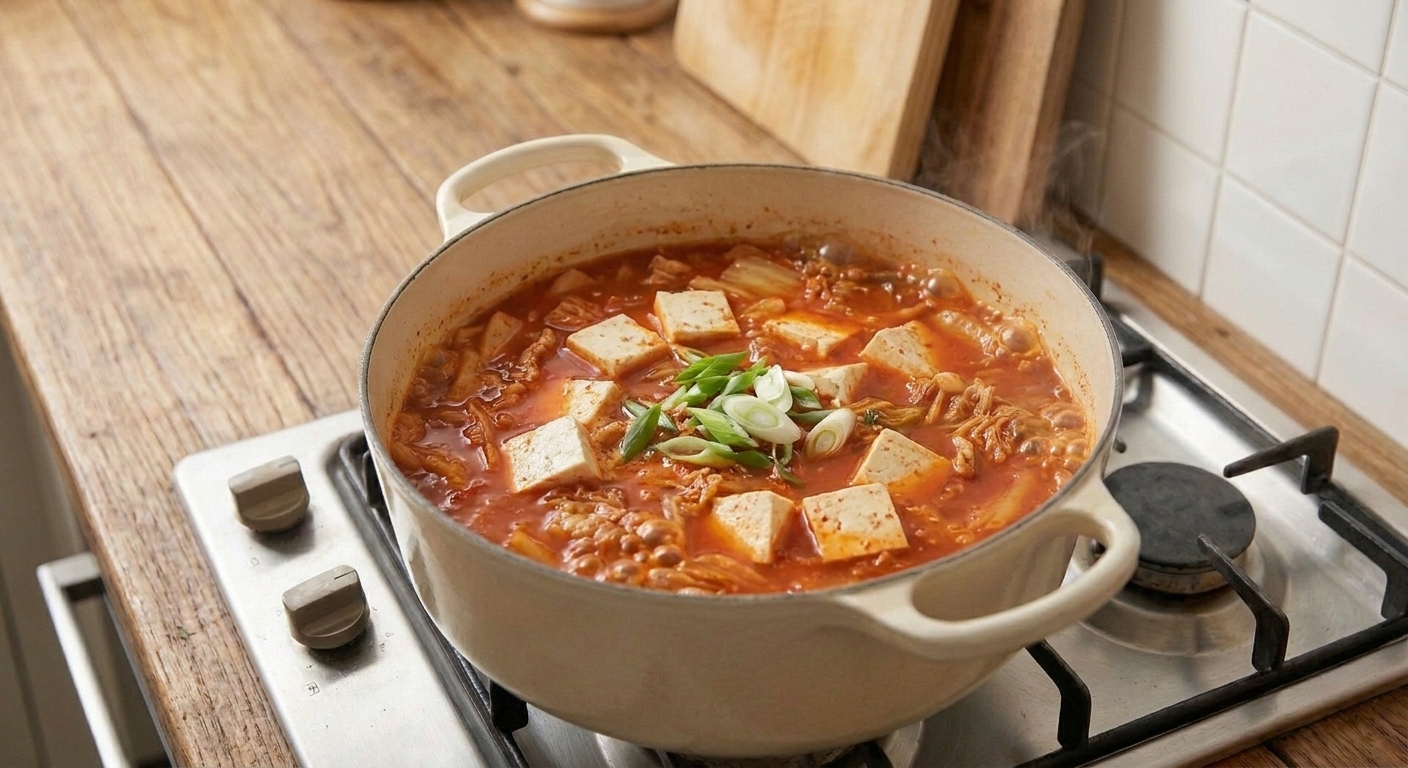
This version leans kimchi jjigae-style. Think sautéed kimchi for deeper flavor, a quick hit of gochujang for body, and then tofu at the end so it stays tender, not sad and crumbly. If you have a jar of kimchi and a block of tofu, you are already halfway there.

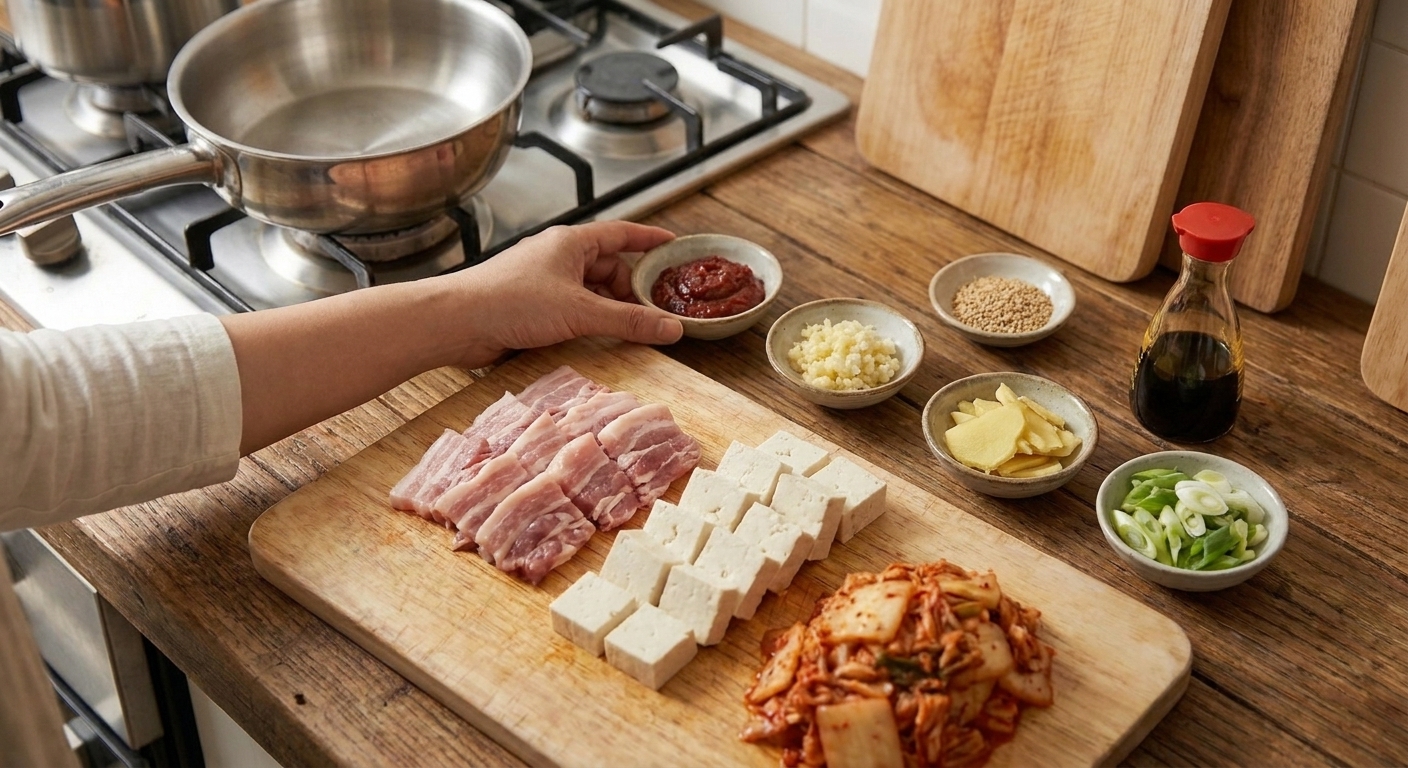
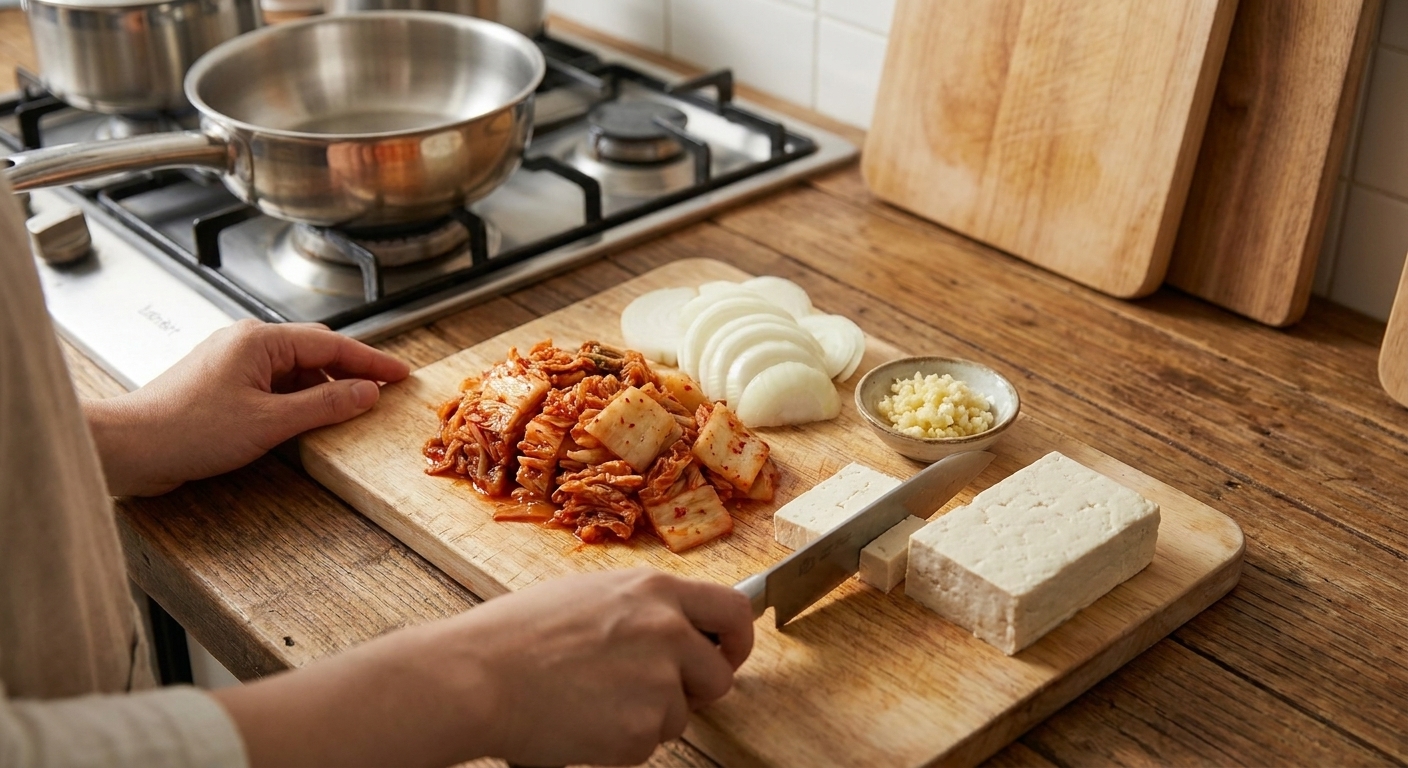
Kimchi, gochujang, garlic, ginger, tofu, scallions, and pork belly arranged on a kitchen counter with small bowls of seasonings

Why It Works

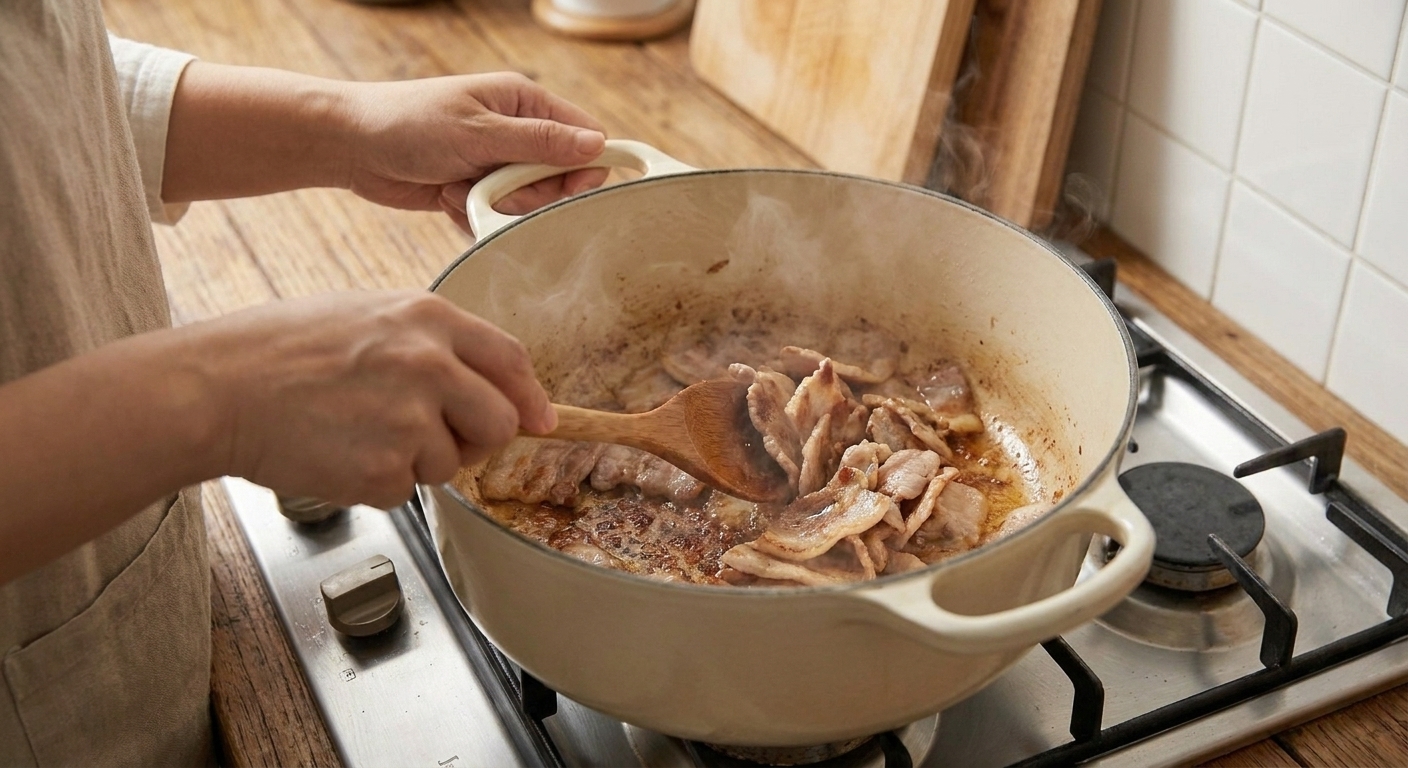
  • Sautéing the kimchi first takes it from sharp to rich, like it got a little caramelized confidence.
  • Kimchi juice is basically free flavor. It adds acidity, salt, and depth in one splash.
  • Gochujang plus gochugaru gives you both body and brightness. Paste for roundness, flakes for that clean chile bite.
  • Tofu goes in late so it warms through without breaking down.
  • A small hit of sesame oil at the end makes the whole pot smell like you know what you are doing.

Pairs Well With

Storage Tips

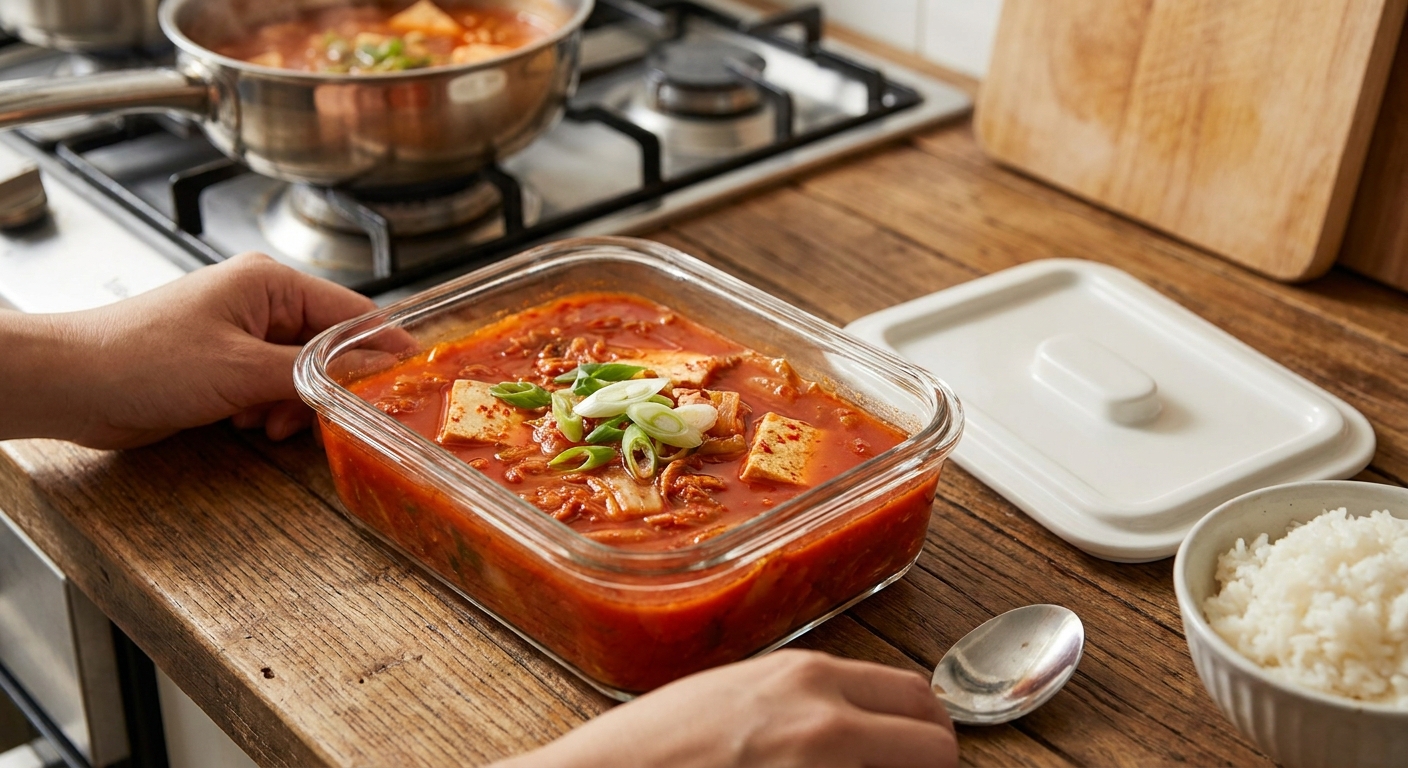
Refrigerate: Cool the soup, then store in an airtight container for up to 4 days. The flavor gets even better by day two.

Reheat: Warm gently on the stove over medium-low until simmering. Stir carefully so the tofu stays in nice chunks.

Freeze: You can freeze it for up to 2 months, but tofu can change texture (it gets a bit more spongey). If that bothers you, freeze the broth and pork, then add fresh tofu when reheating.

A glass meal prep container filled with kimchi soup, tofu visible on top, set on a kitchen counter next to a lid and a small bowl of rice

Common Questions

Is kimchi soup the same as kimchi jjigae?

In English, people sometimes use the terms interchangeably. Traditionally, jjigae is a specific stew category, meaning it tends to be thicker and more substantial. Many versions are made with pork, and an anchovy-kelp stock is common, but not required. This recipe lands in that cozy middle zone: brothy enough to sip, hearty enough to call dinner.

How spicy is this?

Moderately spicy as written. For milder soup, use less gochugaru and choose a milder kimchi. For more heat, add extra gochugaru or a sliced fresh chile.

Do I need fish sauce or anchovy broth?

No. They help, but you can still get a great pot with pantry-friendly swaps. This recipe uses chicken broth, plus kimchi and a little soy sauce to round it out. Note: soy sauce nudges the savoriness in a slightly different direction, but it still tastes fantastic. If you have fish sauce, add a small splash at the end for extra depth.

What protein works besides pork?

Thinly sliced beef, chicken thighs, canned tuna (a classic option), or just mushrooms for a vegetarian vibe. If you go meatless, use vegetable broth and add extra mushrooms for that savory backbone.

Can this be vegetarian or vegan?

Yes, with one important check: kimchi often contains fish sauce or shrimp. If you want it vegetarian or vegan, use vegan kimchi, vegetable broth, and add mushrooms for extra depth.

My broth tastes too sour. How do I fix it?

Add a pinch of sugar or a drizzle of honey, plus a little more broth. You can also add extra tofu or a handful of sliced onions to mellow it out.

My soup tastes flat. What now?

Try one of these: more kimchi juice, a tiny splash of soy sauce, a pinch of salt, or a few drops of sesame oil. Taste after each tweak. This soup rewards small adjustments.

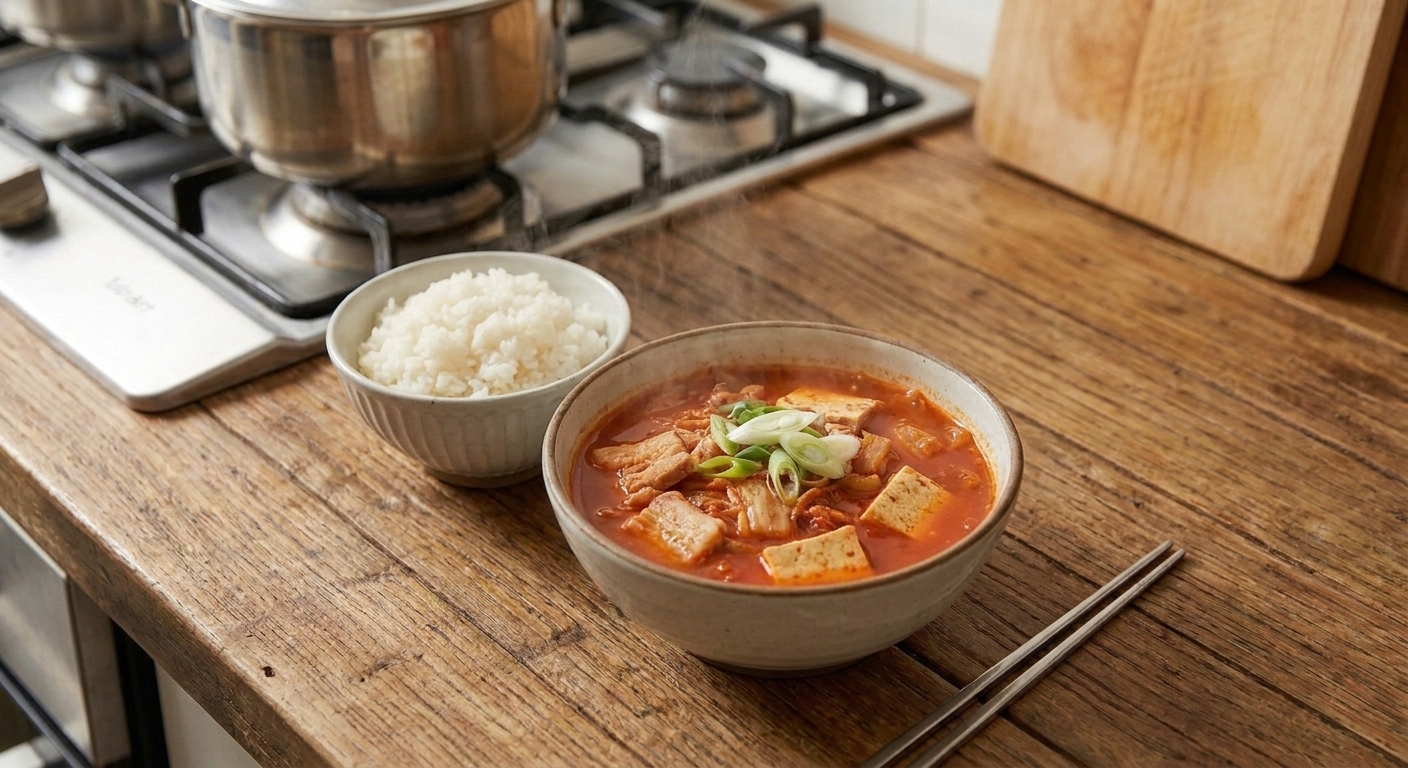
Kimchi soup is my go-to when I want maximum comfort with minimum drama. It is the kind of meal that lets you cook like a human: you chop a few things, sauté until it smells incredible, then let the pot do the heavy lifting while you clean up or, realistically, snack on tofu cubes like a kitchen gremlin. Every time I make it, I tell myself I will measure the kimchi. Every time I absolutely do not. And somehow, it still hits.