What can I put in my kitchen compost bin?
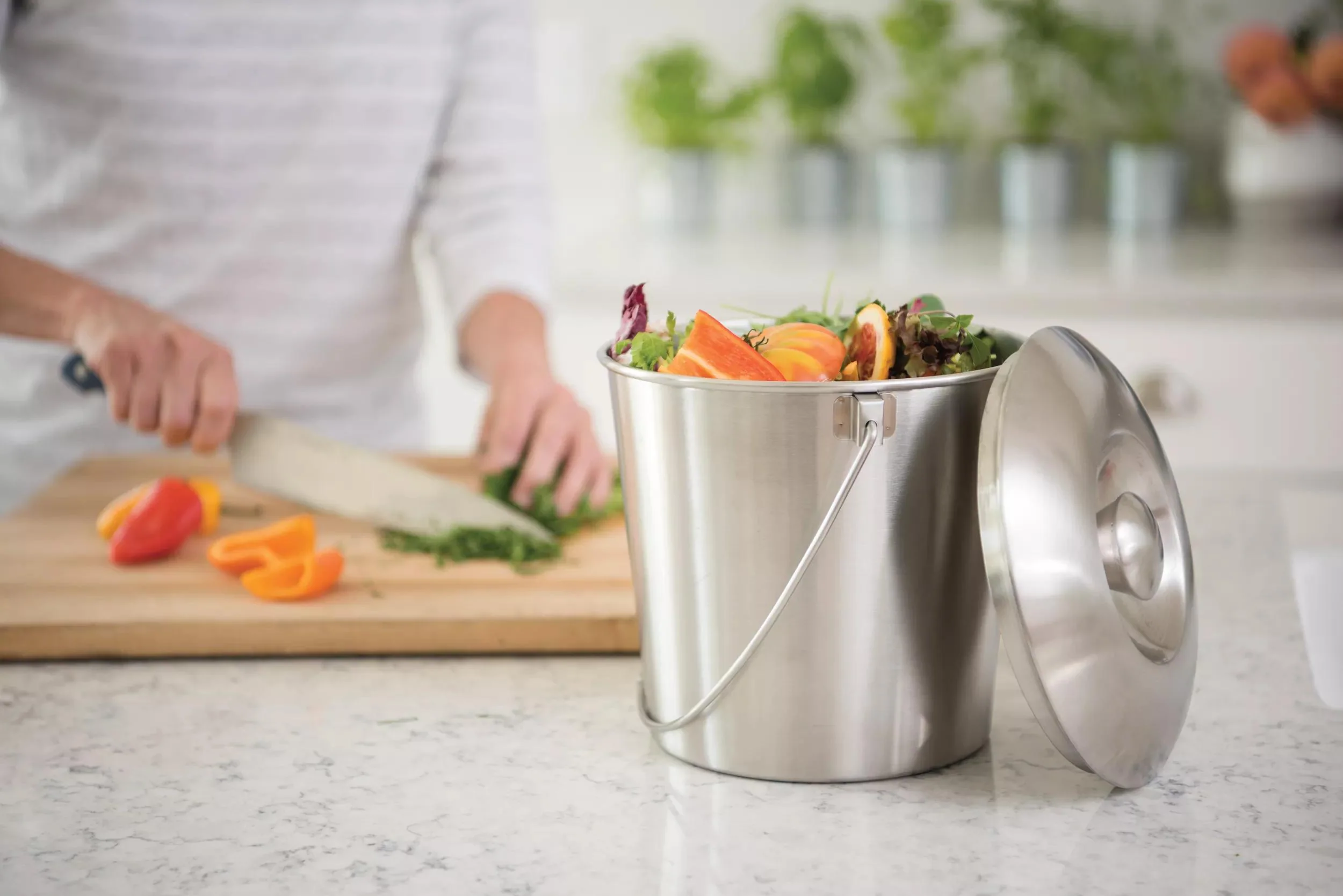
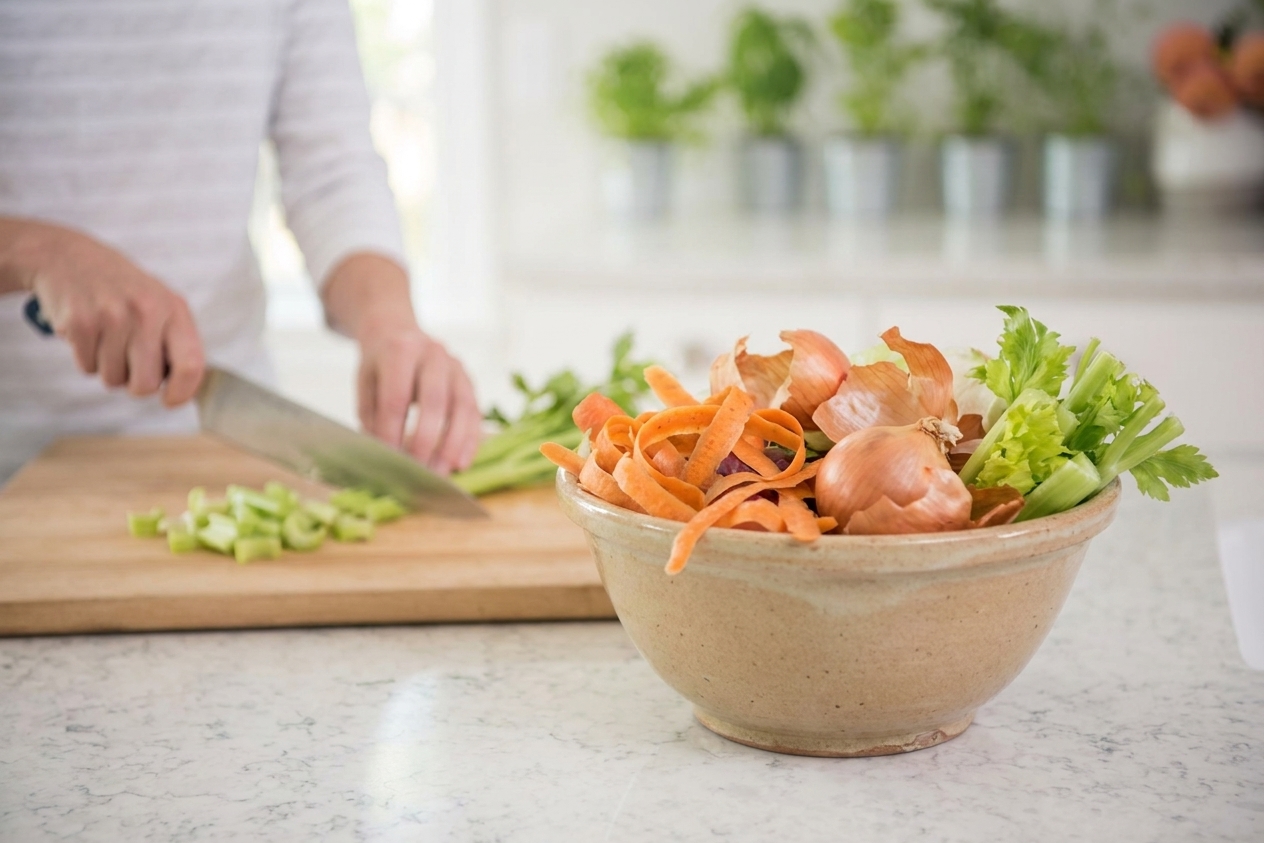
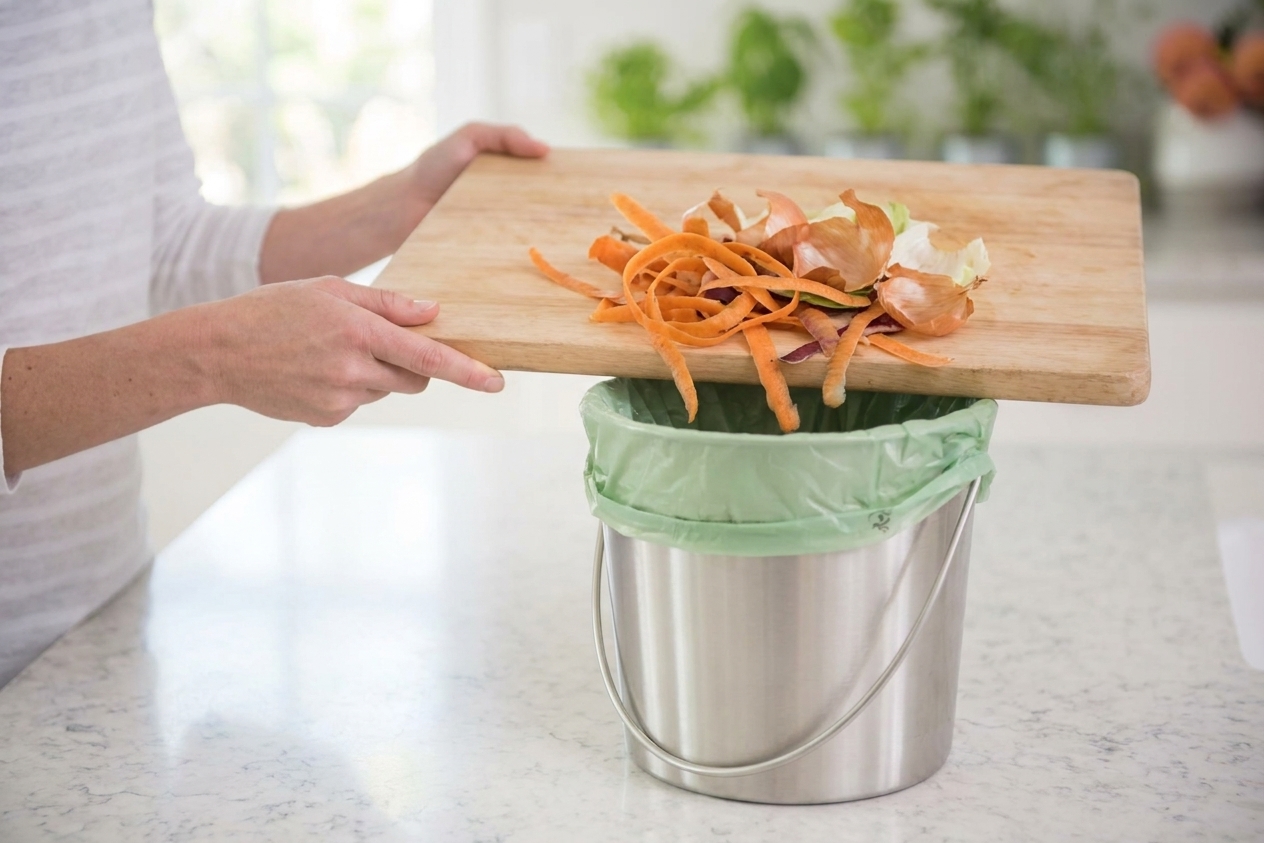
Most home setups love: fruit and vegetable scraps, coffee grounds and paper filters, tea leaves (remove plastic “silky” bags), eggshells, nut shells (in moderation), and small amounts of plain rice or pasta. If you use a municipal green cart, follow your city’s accepted list, since rules vary.
What should I avoid?
For most home piles and countertop collection bins, skip meat, fish, bones, dairy, greasy foods, and oily sauces. They tend to smell, attract pests, and can slow things down. If you run a dedicated high-heat, well-managed system and have a pest-proof setup, some of these items can be composted, but it is not the easiest place to start.
What about “compostable” plastics?
Be picky here. Many “compostable” items (including some liners) are designed for industrial composting conditions and may not break down in a backyard pile. Only use them if your local facility specifically accepts them.
Why does my compost bin smell?
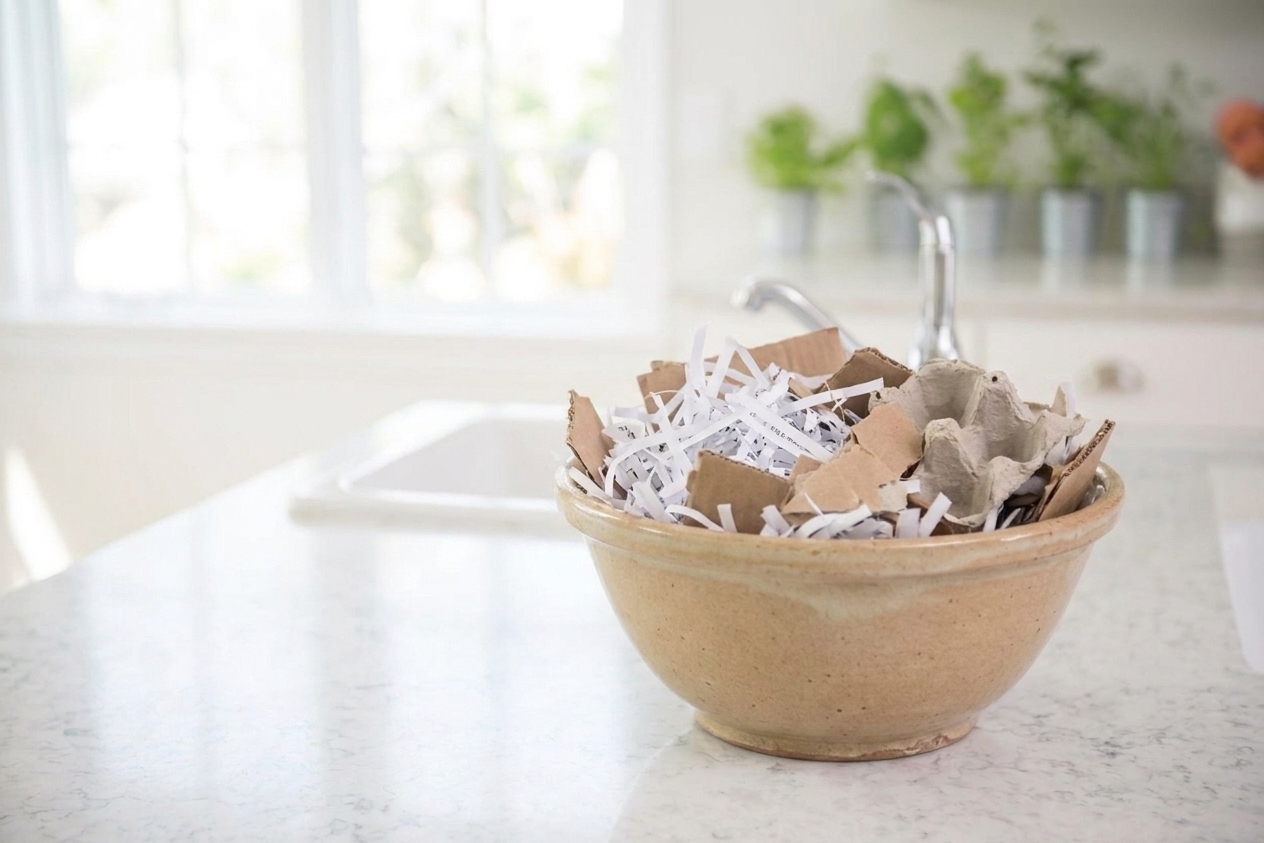
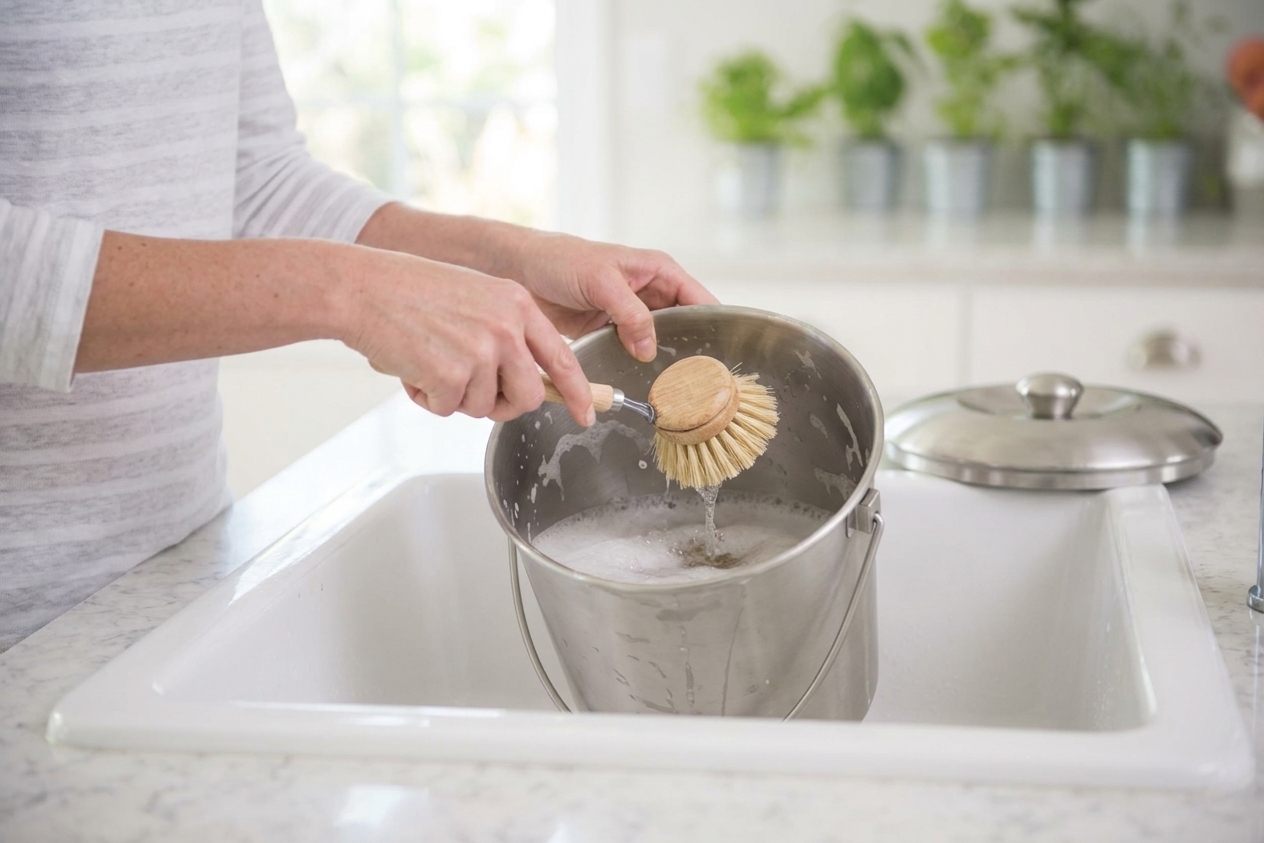
Usually it is too wet, too full, or not getting enough “browns.” Add a handful of shredded paper or dry leaves, keep the lid closed, and empty more often. Also avoid pooling liquids. If it smells sour, give it a wash and start fresh.
How do I stop fruit flies?
- Empty every 1 to 3 days (sooner in warm weather).
- Keep a liner in the bin.
- Bury wet scraps under a layer of paper or cardboard.
- Freeze extra fruit scraps until drop-off day.
Do I need a charcoal filter lid?
It helps with odor, especially in small kitchens, but it is not magic. The biggest improvements come from emptying often and keeping a good mix of wet scraps and dry browns. If you use a filter lid, replace or refresh the charcoal filter on the schedule your manufacturer recommends (often every couple of months, depending on use).
Can I compost citrus and onion scraps?
Yes in most backyard piles and municipal programs. For worm bins, small amounts are usually fine, but big batches of citrus, onion, or garlic can be rough on worms due to acidity, oils, and strong aromatics. If you are unsure, start small and see how your bin responds.
Is this the same as an electric “composter” appliance?
No. A countertop compost bin is just a collection container. Electric units typically heat, dry, and grind scraps into a soil-like output that is often best thought of as pre-compost. Depending on the unit and how you use it, it may need curing time, mixing into soil, or finishing in a real compost system.