What is laundry stripping, exactly?
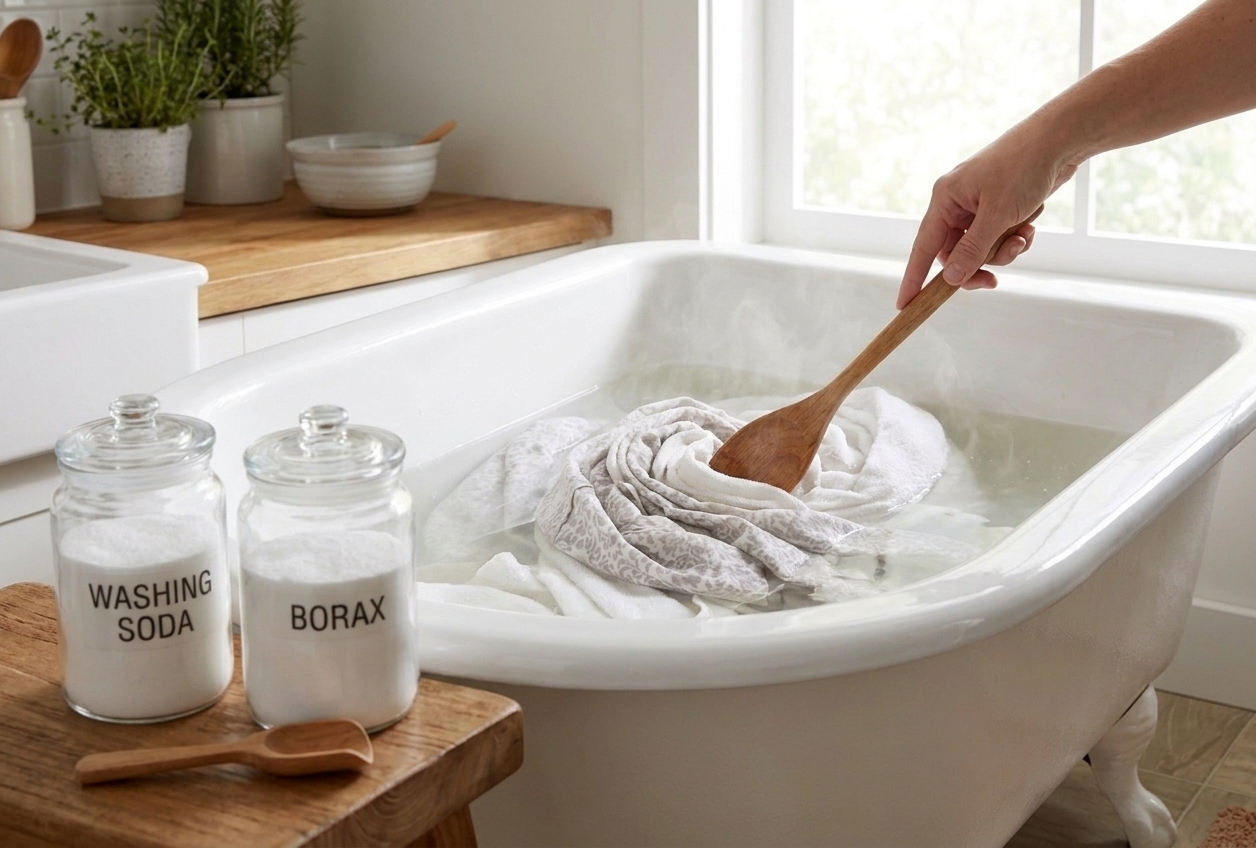
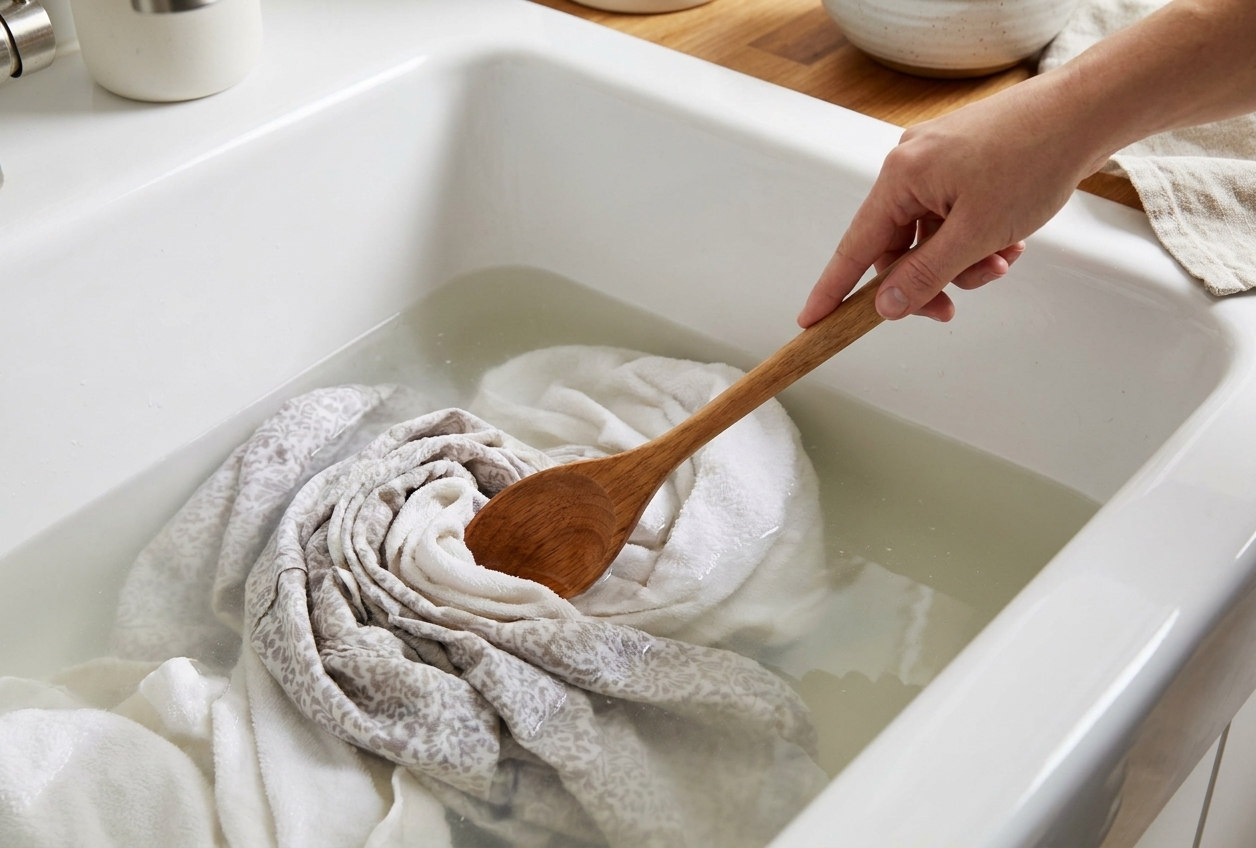
It is a hot-water soak with cleaning boosters that help release hidden residue. The classic combo is borax + washing soda + powdered detergent. In plain terms: the water gets more alkaline, “builder” ingredients help deal with minerals in hard water, and the detergent surfactants help lift oils and stuck-on grime. Results can vary depending on water hardness, how much detergent or softener you have used, and what the fabric has been through.
How often should I strip laundry?
Usually every few months for towels, or whenever things feel waxy, stiff, or smell “off.” If you have very hard water or a lot of athletic gear, you might do it a bit more often. Most households do not need this monthly.
Can I strip clothes instead of towels?
Yes, but be picky. It is best for sturdy items like cotton tees, socks, workout tops, and sheets. Avoid anything delicate, structured, or dyed in a way that might bleed.
What fabrics should NOT be stripped?
- Wool, silk, cashmere
- Leather or suede
- Items labeled “dry clean only”
- Delicates or anything you want to baby
- Anything with unstable dyes (bright reds, dark new jeans) unless you are willing to risk color loss
What about athletic gear and stretchy synthetics?
You can strip some performance fabrics, but treat them gently. Hot water and long soaks can be rough on elastane (spandex). If an item is very stretchy or labeled “cold wash,” use warm water, shorten the soak (try 1 to 2 hours), and skip oxygen bleach unless the care label allows it.
Can I do laundry stripping in a washing machine?
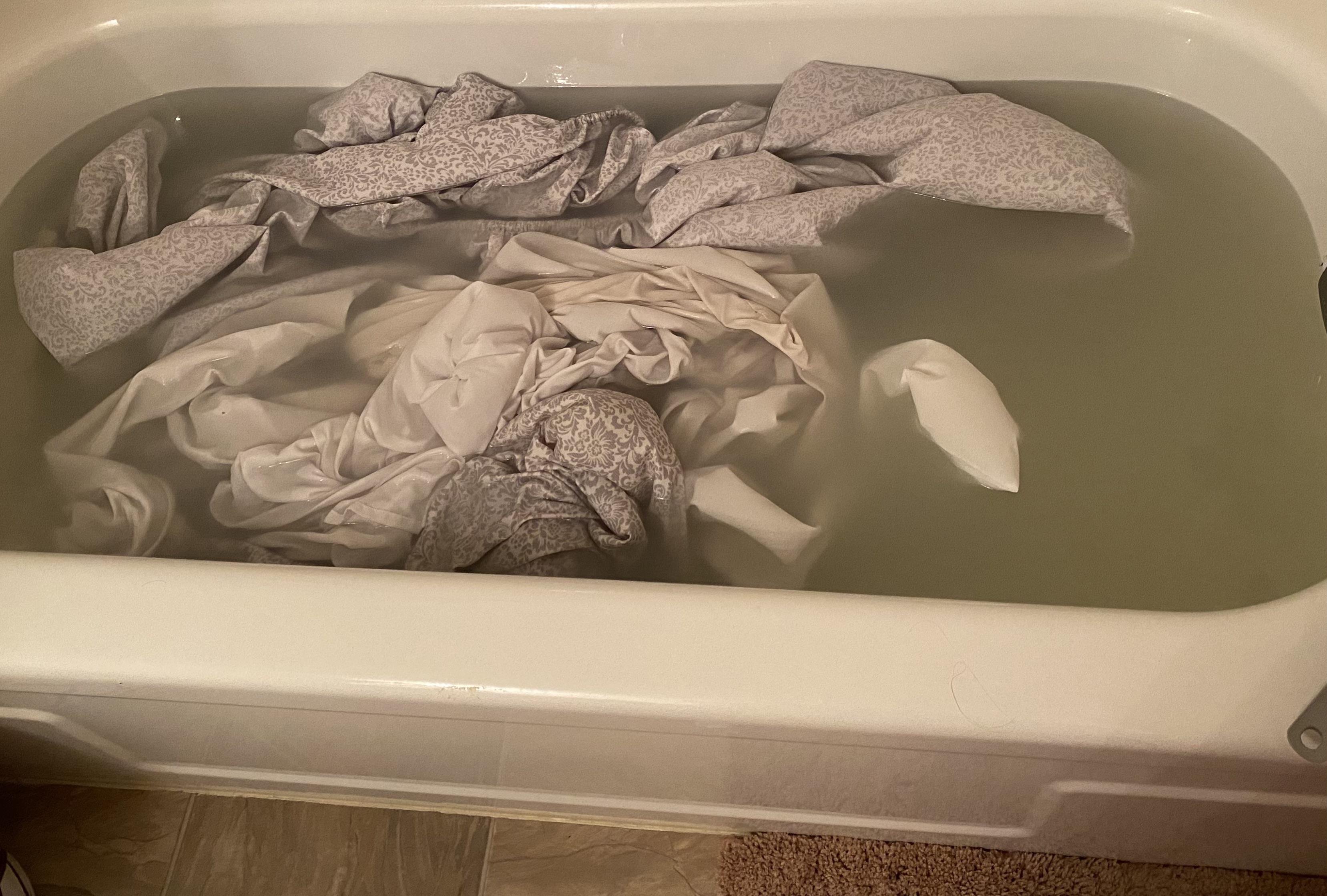
You can, but the bathtub method is easiest because you can use very hot water and actually see what is happening. If you do it in a top-loader, use the hottest water the fabric label allows, pause the cycle after agitation, soak 4 to 6 hours, then finish the cycle and add an extra rinse. For front-loaders, it is trickier since you cannot truly soak a full tub, but some machines have a soak or prewash option. If yours does, use it and follow your manual for the safest approach.
Why is the water so gross?
That murky water is often a mix of loosened detergent, fabric softener residue, oils, minerals, lint, and sometimes dye or optical brighteners. It is equal parts horrifying and satisfying.
Will this fix towels that smell sour after drying?
It often helps a lot, especially if the smell is caused by trapped residue. If towels still smell after stripping, wash them hot with an extra rinse and make sure your dryer is fully drying. Also check your washer for mildew and run a washer-clean cycle.
Is it safe to mix these ingredients?
Used as directed, borax + washing soda + powdered detergent is a common cleaning combo. A few basic safety notes:
- Avoid breathing in powders and rinse any splashes off skin. Borax and washing soda can irritate.
- Keep kids and pets away from the soak bath.
- Check care labels first, especially for dyes, finishes, and blends.
- Do not mix this with bleach or vinegar in the same soak. If you use vinegar, use it separately as a rinse aid in a later wash cycle, not in the stripping bath.
- Availability note: borax is not sold everywhere, and rules vary by region. If you cannot buy it locally, do not improvise with random cleaners.