Mom's Best Recipes
Recipe

Louisiana Rice and Gravy

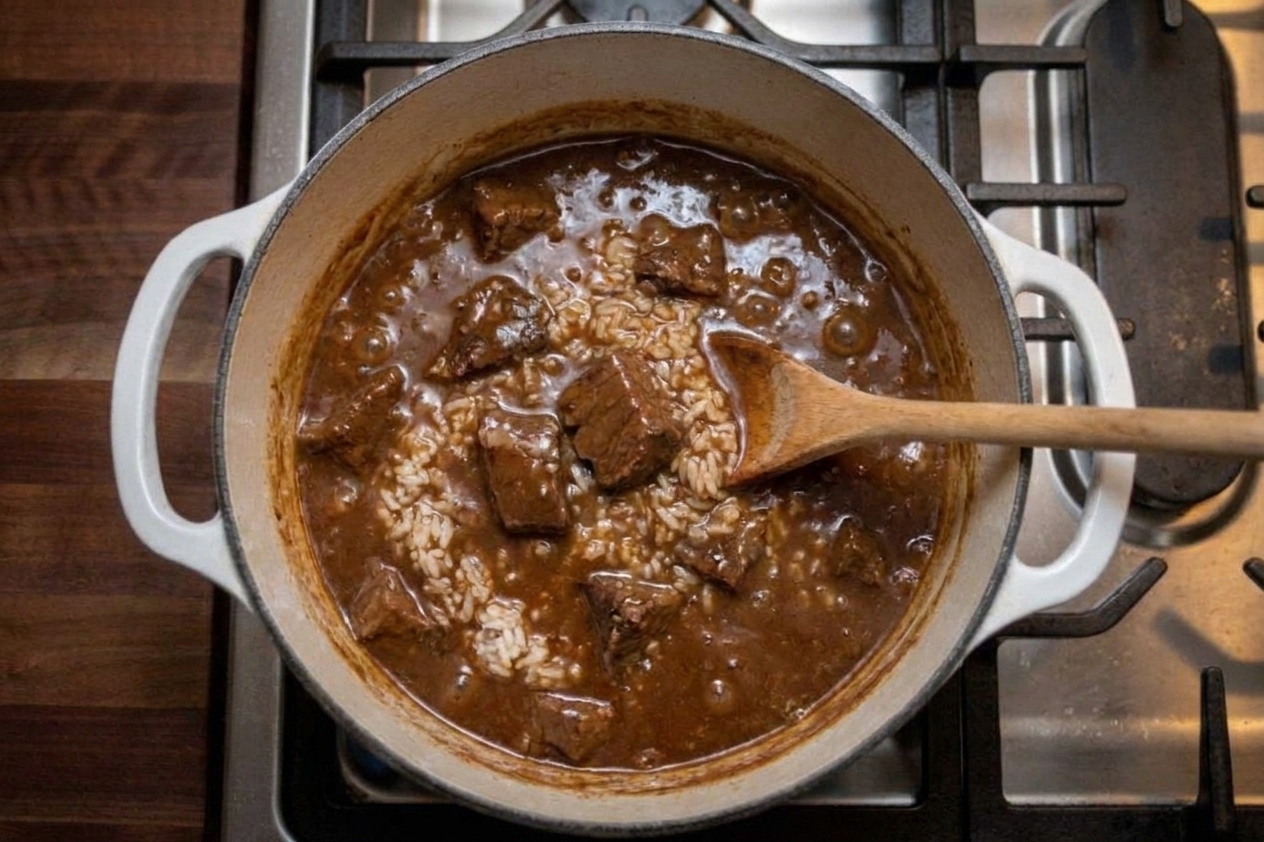
A Louisiana style plate of tender browned meat in dark roux gravy, served with fluffy white rice. No beans, just pure comfort.

Author By Pip
4.8
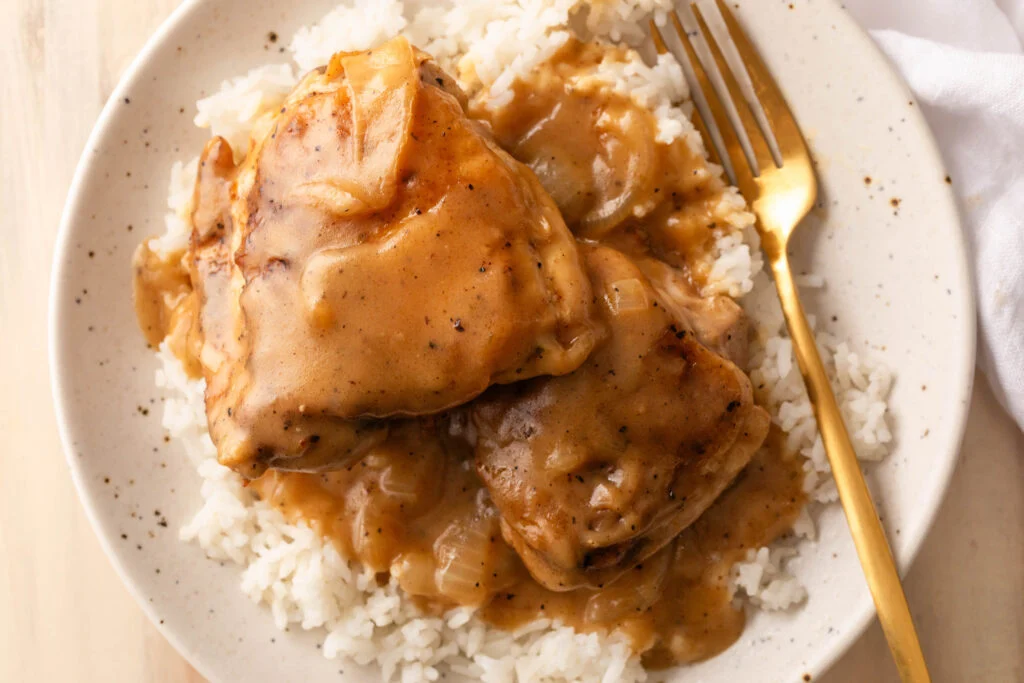
A plated Louisiana rice and gravy dinner with tender chunks of browned beef in dark brown gravy served beside a mound of white rice on a rustic table

Pull up a chair. Our little hedgehog host Pip is scooting a bowl of rice to the center of the table because tonight we are making a Louisiana classic that does not need any fancy talking: rice and gravy.

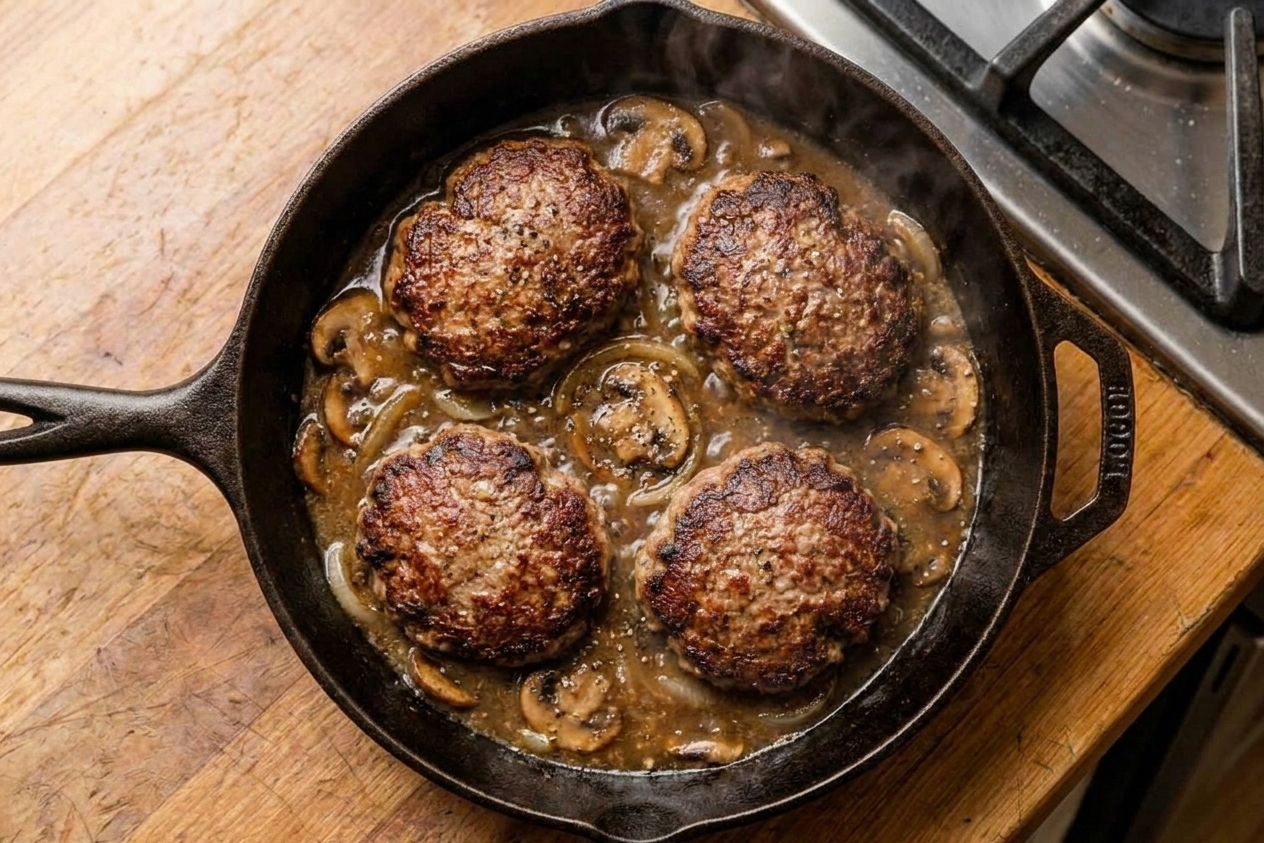
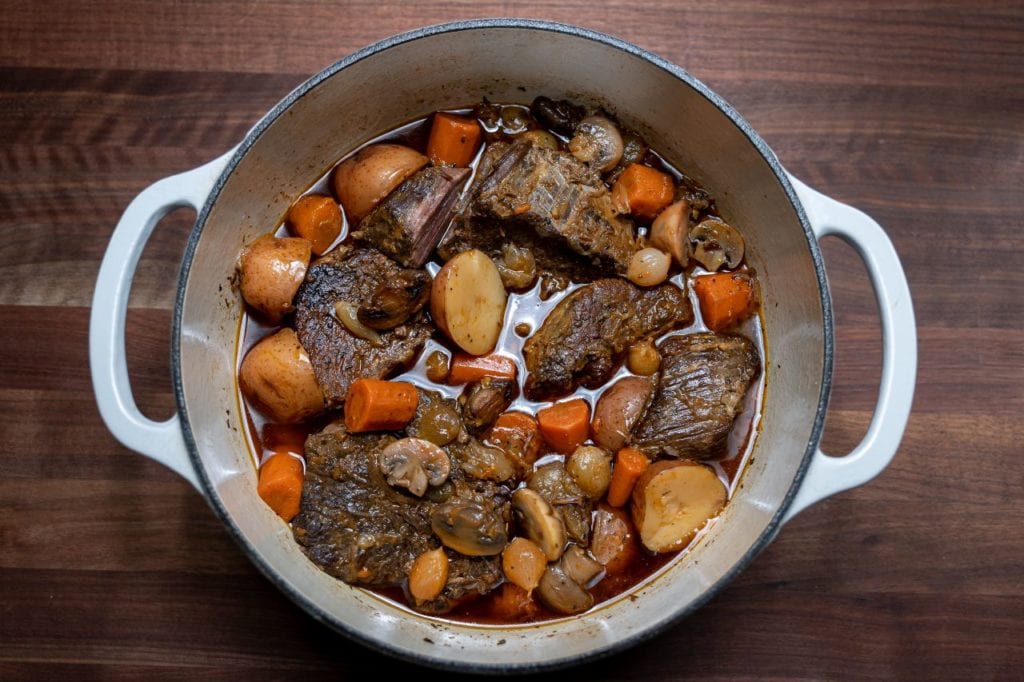
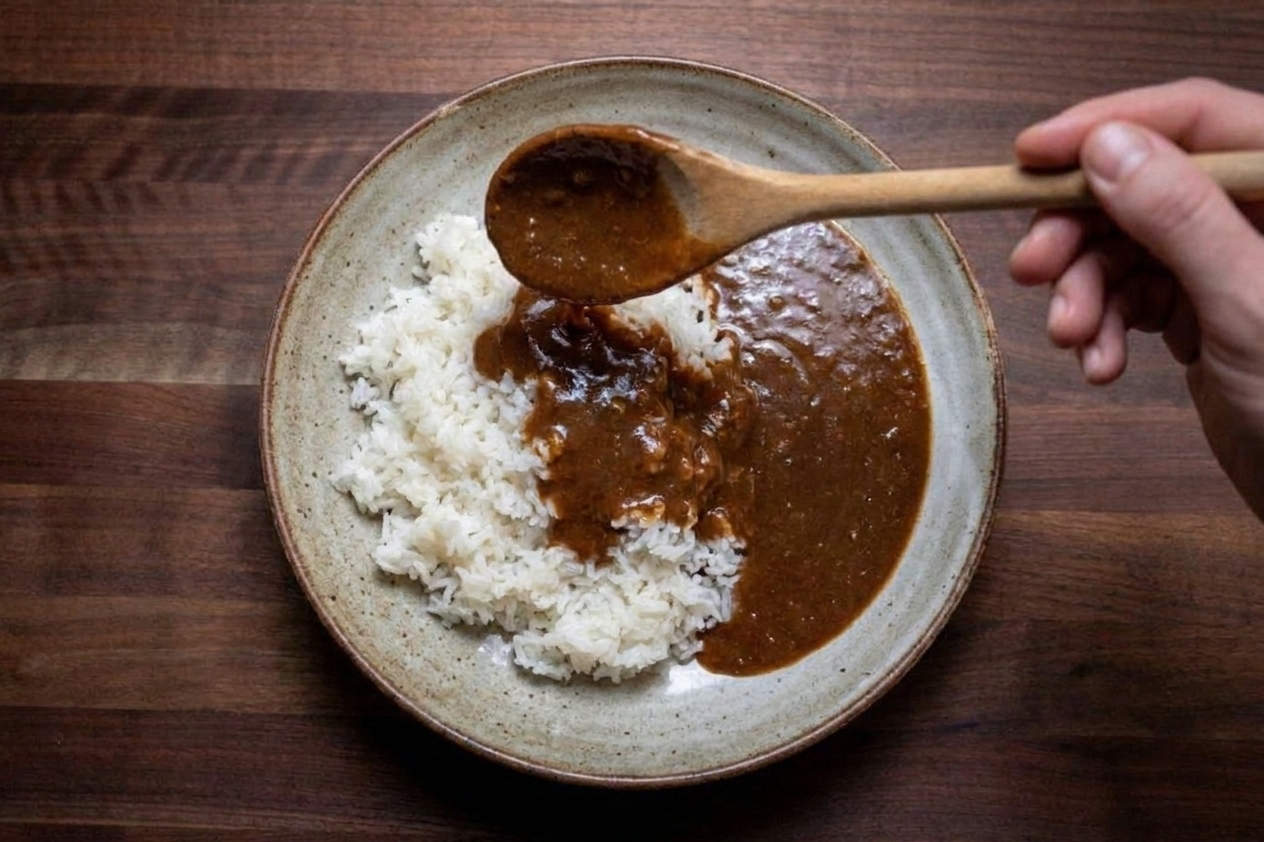
This is a Louisiana style plate built on three cozy moves: brown the meat until the pot smells like Sunday, stir a deep brown roux for that toasty backbone, then let everything simmer low and slow until the gravy hugs your spoon. You serve the rice right beside it so it stays fluffy, then you spoon gravy over as you go. If you know, you know.

And just to be crystal clear: this is not red beans and rice, not gumbo, not étouffée, and not grillades over grits. This plate is all about meat gravy over rice. No beans invited.

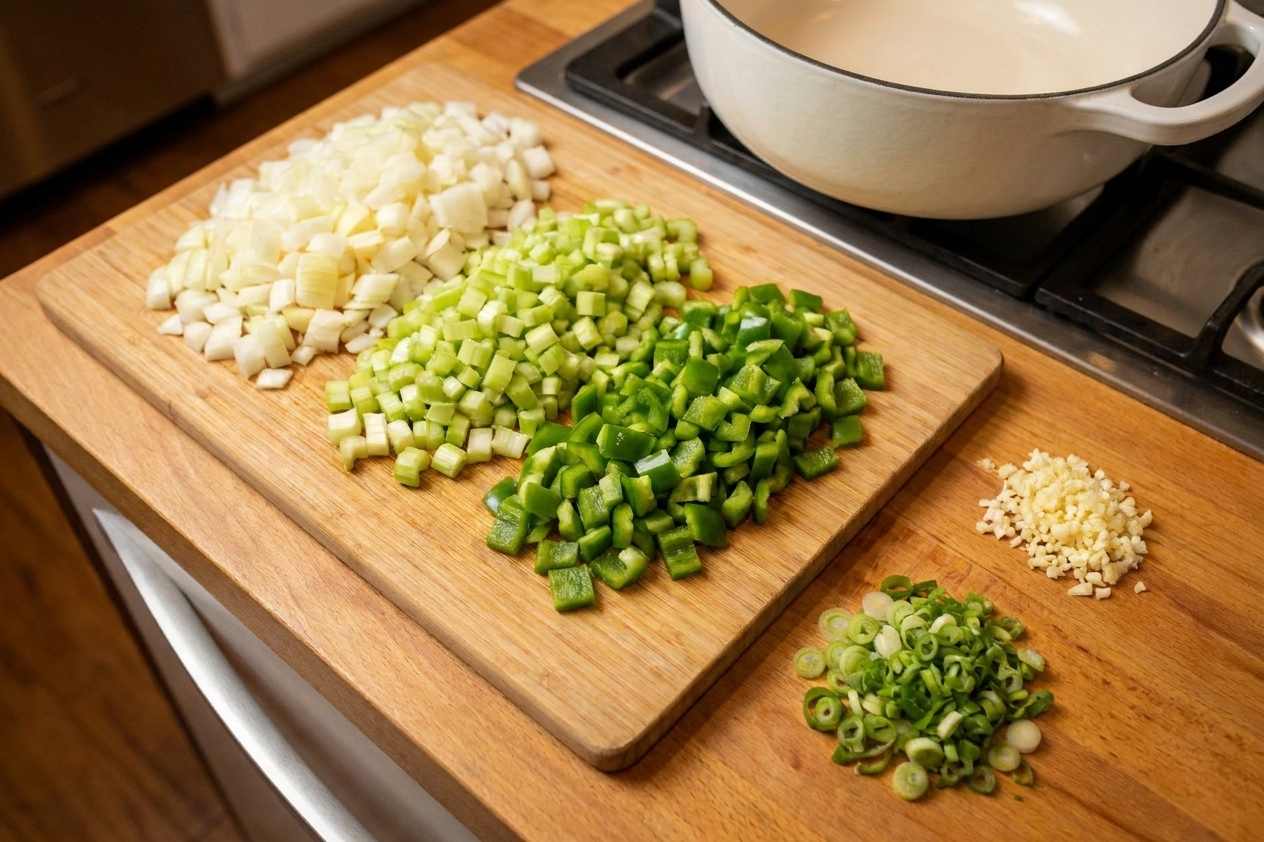
Chopped onion, celery, and green bell pepper arranged on a wooden cutting board next to minced garlic and sliced green onions on a warm kitchen counter

Why It Works

  • Real Louisiana flavor, no shortcuts required: A deep brown roux and well-browned meat build a gravy that tastes roasted and rich, not flat.
  • Tender meat you can cut with a fork: Using the right cut and a gentle simmer gives you that falling-apart bite.
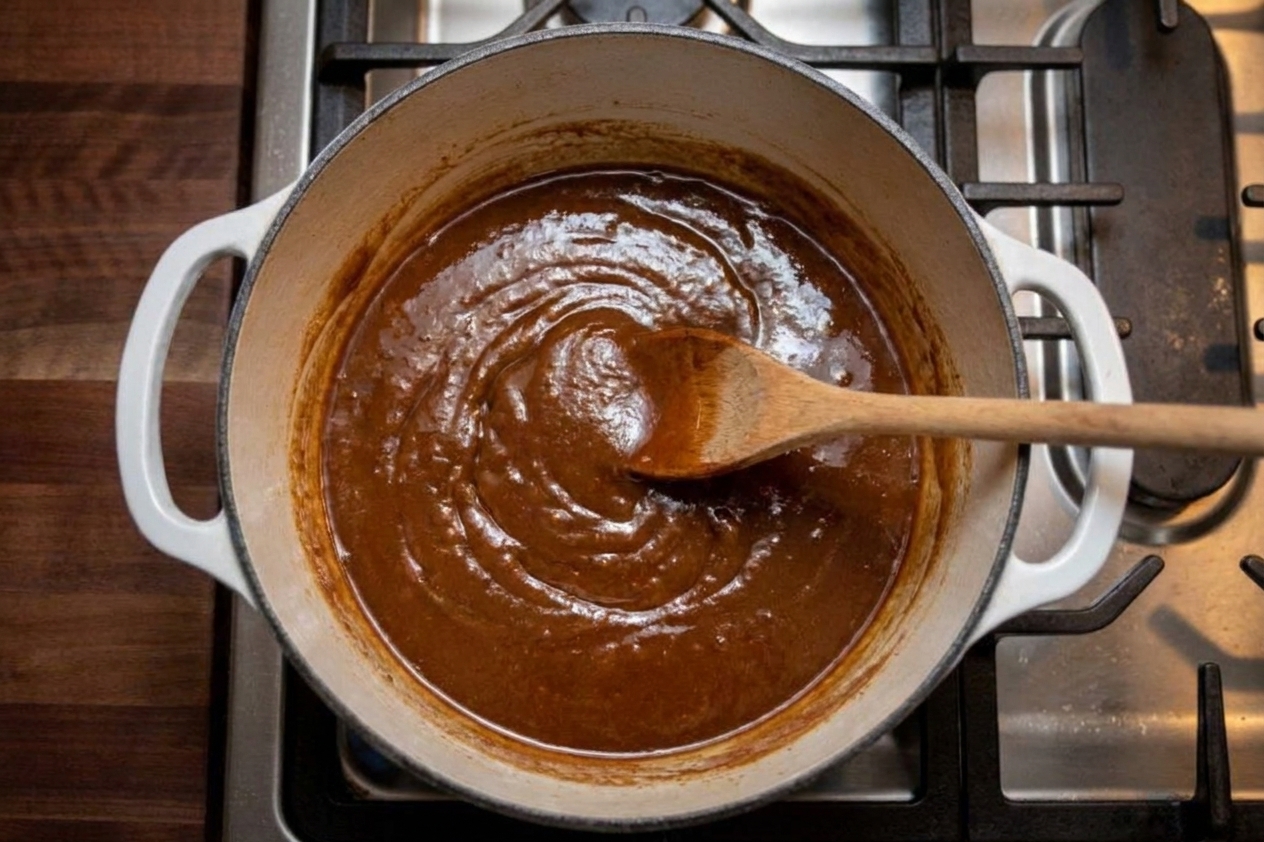
  • The right roux color for rice and gravy: We take the roux to a milk chocolate to dark peanut butter shade, darker than many gravies but typically not as dark as some gumbo roux.
  • A true plate, not a soup: The gravy is thick and spoonable, meant to sit on rice instead of swimming it.

Pairs Well With

Storage Tips

Store: Cool rice and gravy, then store in separate airtight containers if you can. Refrigerate up to 4 days.

Freeze: The gravy and meat freeze well for up to 3 months. Rice can be frozen too, but it is best freshly made. If freezing rice, cool quickly, pack tightly, and thaw overnight in the fridge.

Reheat: Warm gravy in a saucepan over medium-low, adding a splash of broth or water to loosen. Reheat rice covered in the microwave with a tablespoon of water, or steam it gently on the stovetop.

Pip tip: If the gravy thickens into “pot paste” in the fridge, do not panic. That is just the roux doing its job. Add liquid a little at a time while reheating and it will relax.

Common Questions

What color should the roux be for Louisiana rice and gravy?

Aim for deep brown, usually milk chocolate to dark peanut butter. It should smell nutty and toasty, not burnt. For rice and gravy, you want a roux dark enough to taste roasted, but you usually keep it a touch lighter than the very darkest gumbo roux so the gravy still thickens nicely.

What meat works best for rice and gravy?

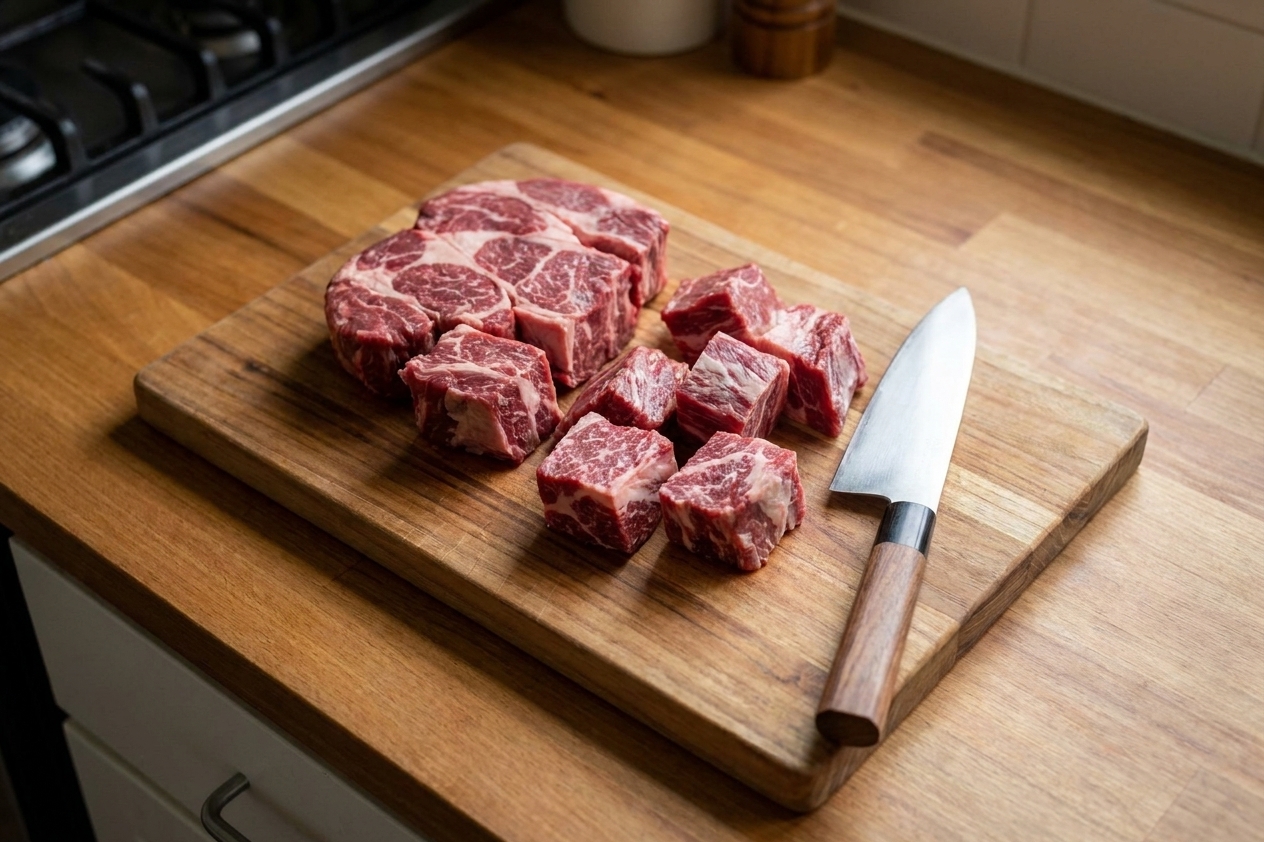
You want a cut that gets tender with a long simmer. Great choices include:

  • Beef chuck roast (classic, forgiving, rich)
  • Pork shoulder or pork butt
  • Pork steaks (shoulder blade steaks)
  • Chicken thighs (boneless or bone-in, shorter cook time)
  • Sausage can be added, but it is best paired with another meat so the gravy still has chunks to spoon

Avoid very lean cuts like eye of round unless you are experienced with braising, because lean meat can dry out before it gets tender.

How long should I simmer if I use chicken or pork?

Chicken thighs usually get tender faster than beef. Plan on about 35 to 55 minutes at a gentle simmer, depending on size and whether they are bone-in. Pork shoulder can take longer, often 2 to 3 hours or more, until it turns truly fork-tender.

How is rice and gravy different from gumbo?

Gumbo is a stew or soup with more liquid, often served in a bowl with rice added to the bowl. Rice and gravy is a plate lunch style dish: thicker gravy, bigger pieces of meat, and rice served on the side so you control how much gravy hits each bite.

How is this different from étouffée?

Étouffée is typically built around shellfish like crawfish or shrimp with a buttery roux and a saucier, more delicate texture. Rice and gravy is usually braised meat with a darker, roastier roux and a heavier, spoon-coating gravy.

How is this different from red beans and rice?

Red beans and rice is a bean-based dish where the beans create the creamy body. Louisiana rice and gravy is meat gravy thickened with roux and reduced broth. No beans here.

How is this different from grillades and grits?

Grillades and grits are usually pounded medallions of meat (often veal, beef, or pork) simmered in a tomato-leaning Creole gravy and served over grits. Rice and gravy is usually chunkier braised meat with a brown roux gravy served with rice.

Why didn’t my gravy get dark enough?

Two usual culprits are (1) the roux was not cooked long enough, or (2) the meat was not browned deeply. Take your time on both steps. Color equals flavor in this dish.

Can I make this without a roux?

You can thicken with a slurry or reduce the liquid, but it will not taste like classic Louisiana rice and gravy. The roux brings that signature toasted, nutty base.

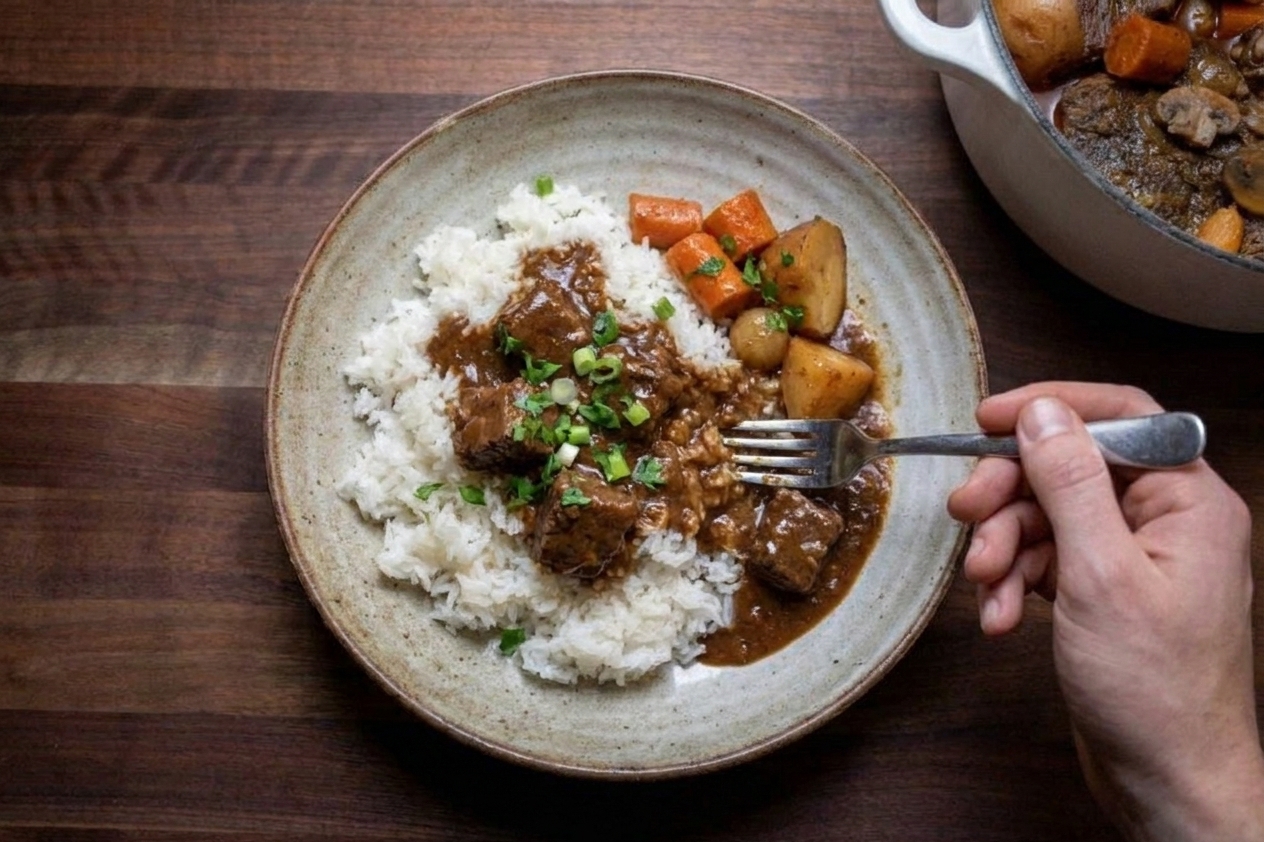
Pip, our kitchen companion, calls rice and gravy a “quiet applause” kind of dinner. It does not show off. It just shows up: a pot that smells toasted and savory, a spoon that leaves a little trail through the gravy, and a pile of rice waiting patiently beside it. It is the kind of meal that makes the kitchen feel smaller and cozier, even if the day felt big.