Mom's Best Recipes
Recipe

Mohinga (Burmese Fish Noodle Soup)

Lemony fish broth thickened with toasted rice (and an optional chickpea flour boost), poured over rice noodles and topped with eggs, herbs, and crunchy bites.

Author By Matt Campbell
4.8
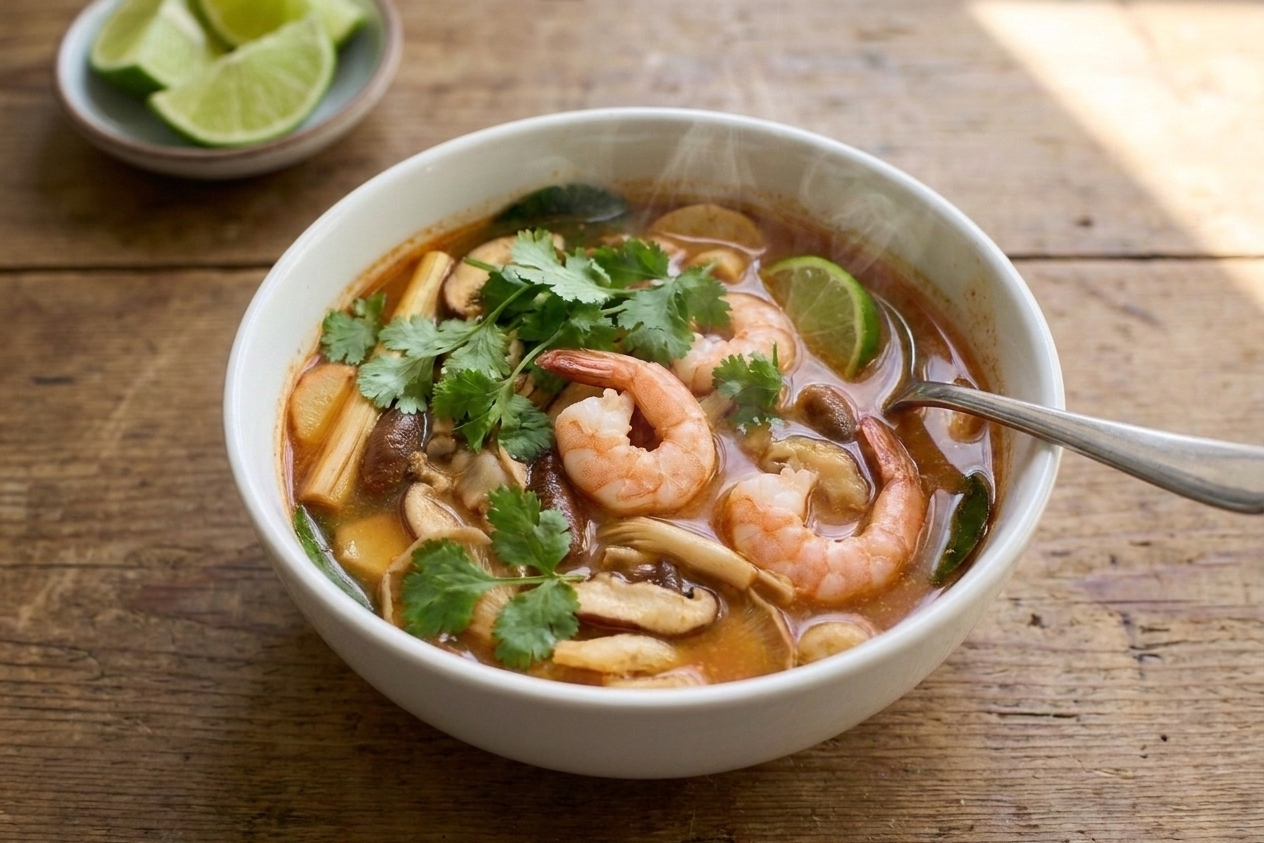
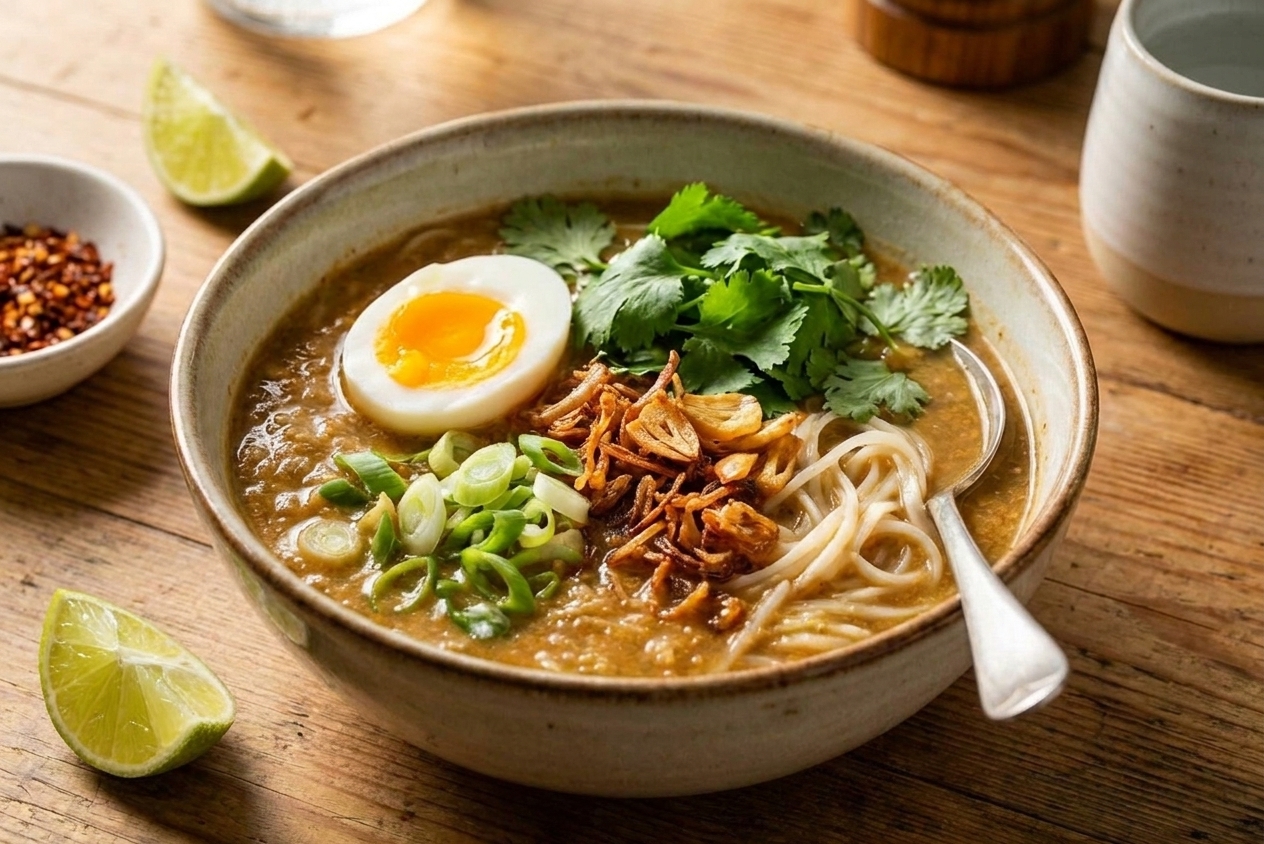
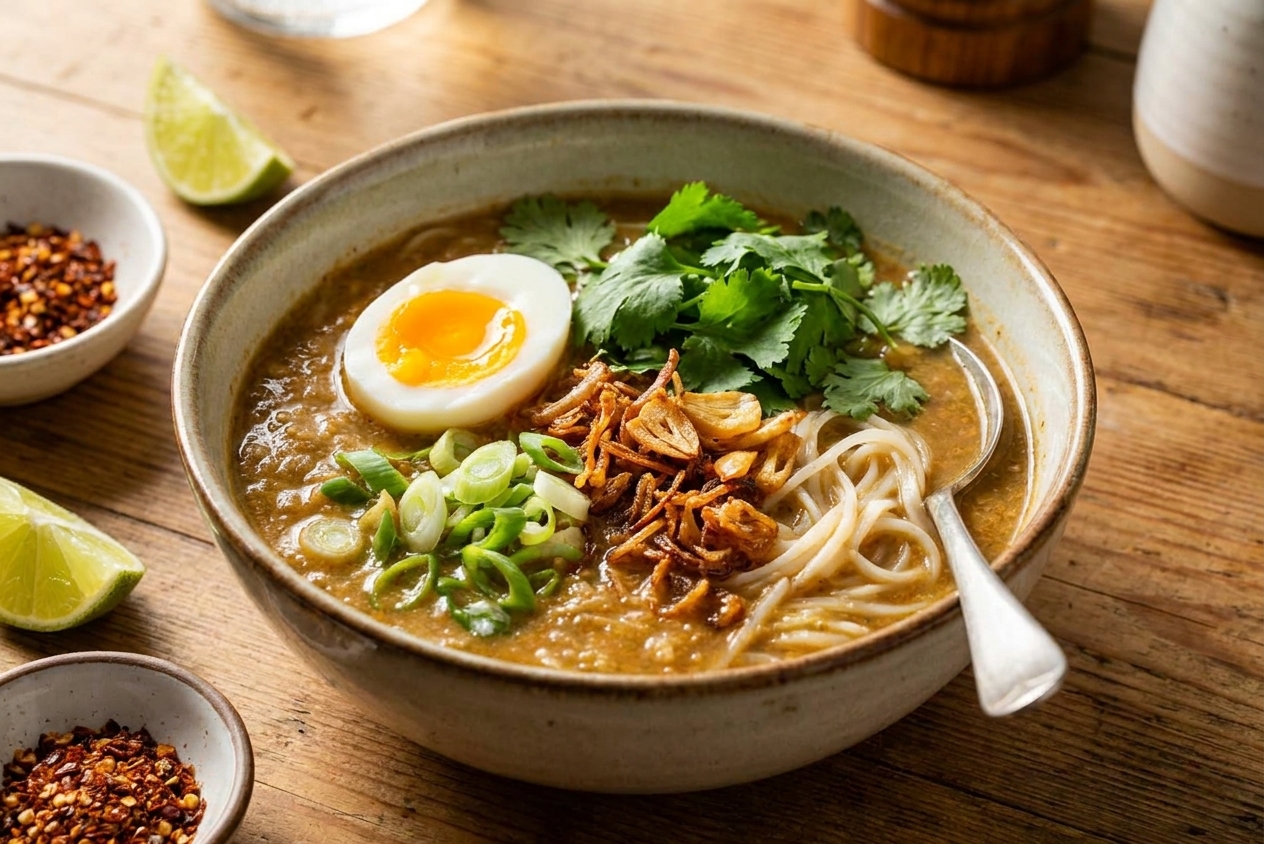
A steaming bowl of Burmese mohinga fish noodle soup with rice noodles, halved boiled egg, fresh cilantro, sliced scallions, and crispy toppings on top, served on a warm-toned kitchen table with soft, warm light

Mohinga is the kind of soup that makes you feel taken care of. It's Myanmar’s iconic fish noodle soup, and it hits that rare combo I'm always chasing: cozy broth, bright aromatics, and a pile of toppings that make every bite feel new. The broth is savory from fish and aromatics, and in this version it gets a fresh little lift from lime. It's also lightly thickened so it clings to the noodles instead of sliding right off.

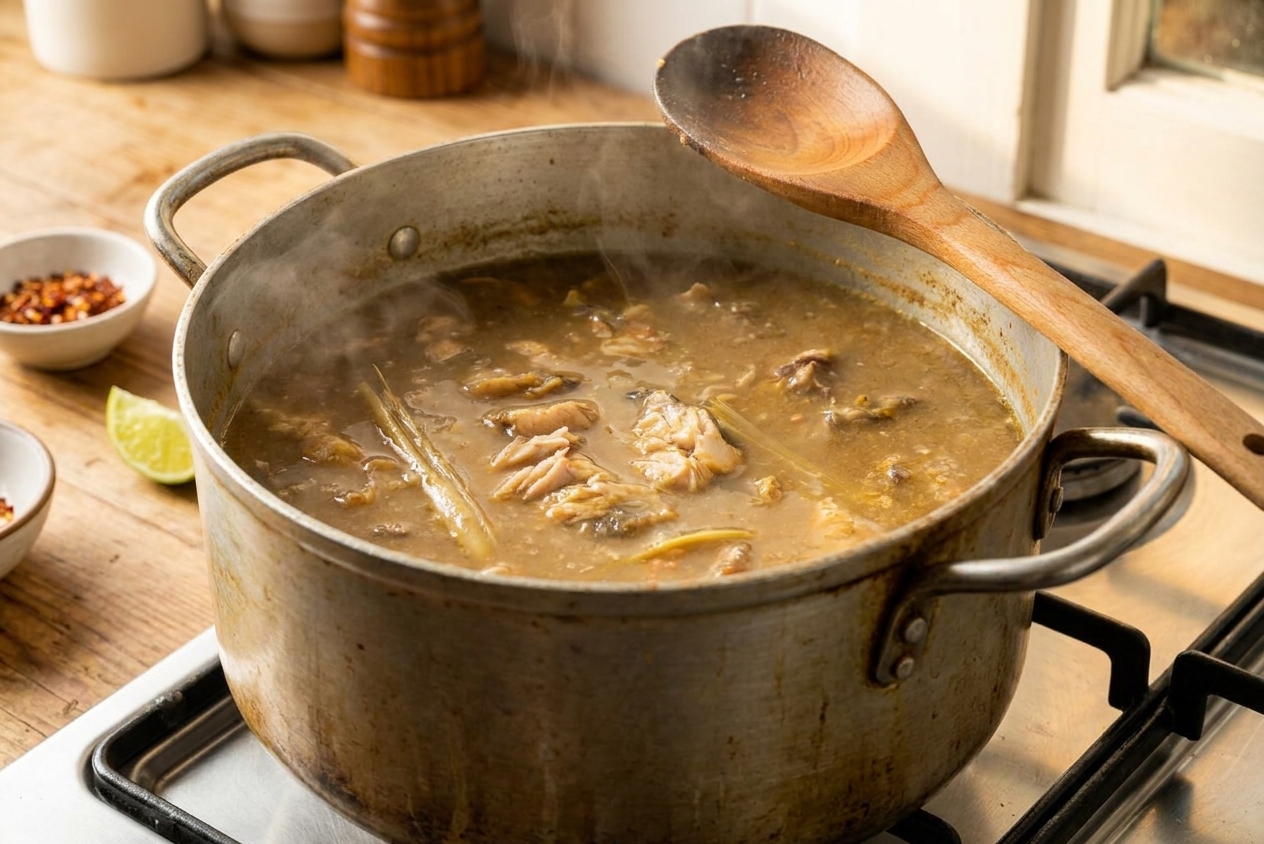
This is a home cook version that keeps the soul of mohinga without requiring a specialty market run that turns into an unplanned field trip. If you can find lemongrass and rice vermicelli, you're already most of the way there. From there, we build flavor fast with garlic, ginger, onion, a little paprika for color, and a gentle simmer that makes the kitchen smell like something good is definitely happening.

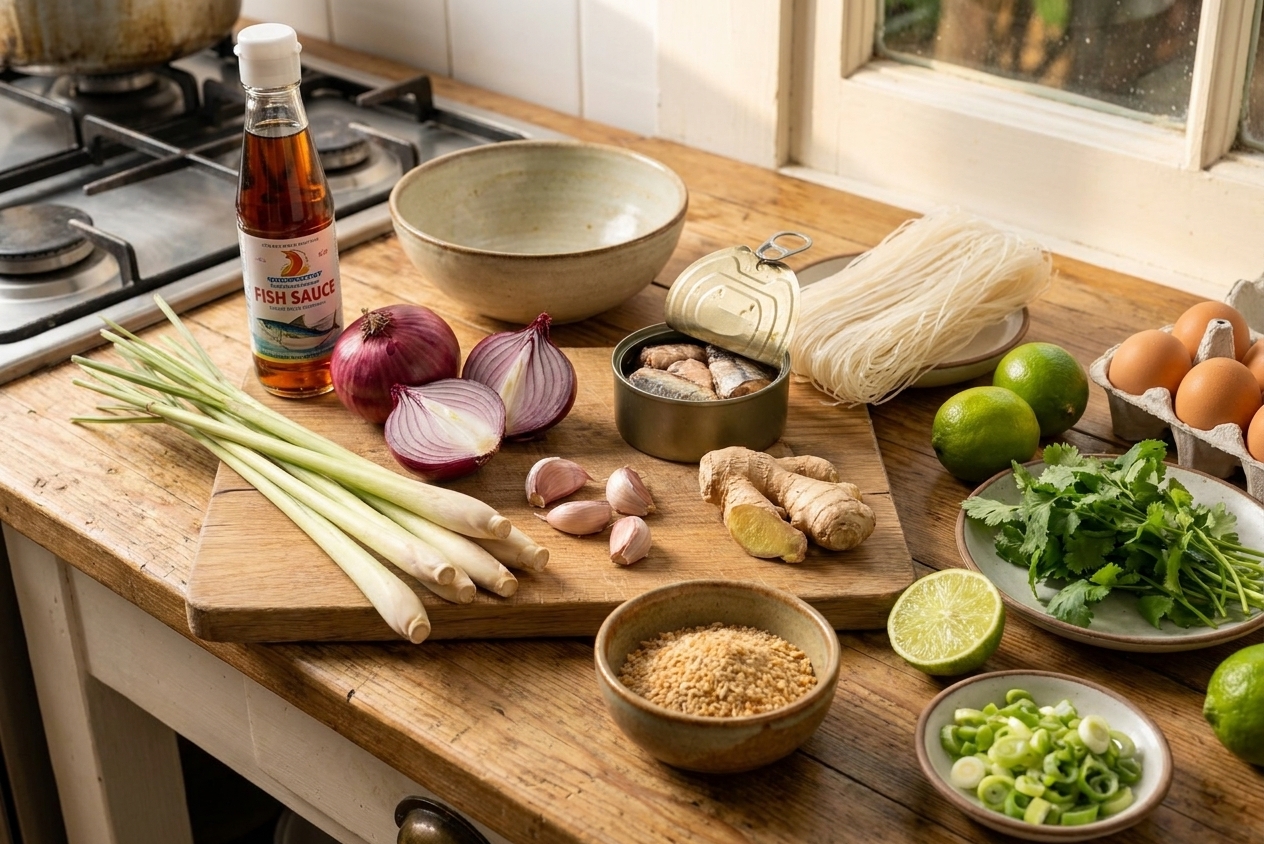
A kitchen counter with mohinga ingredients laid out: lemongrass, onions, garlic, ginger, fish sauce, canned mackerel, rice vermicelli, eggs, limes, cilantro, scallions, and a small bowl of toasted rice powder in warm, homey light

Why It Works

  • Big flavor, accessible ingredients: canned mackerel (or sardines) brings rich fish flavor without needing to hunt down ngapi, the fermented fish paste used in many traditional recipes. (This recipe uses optional shrimp paste for extra depth, but it's a different ingredient.)
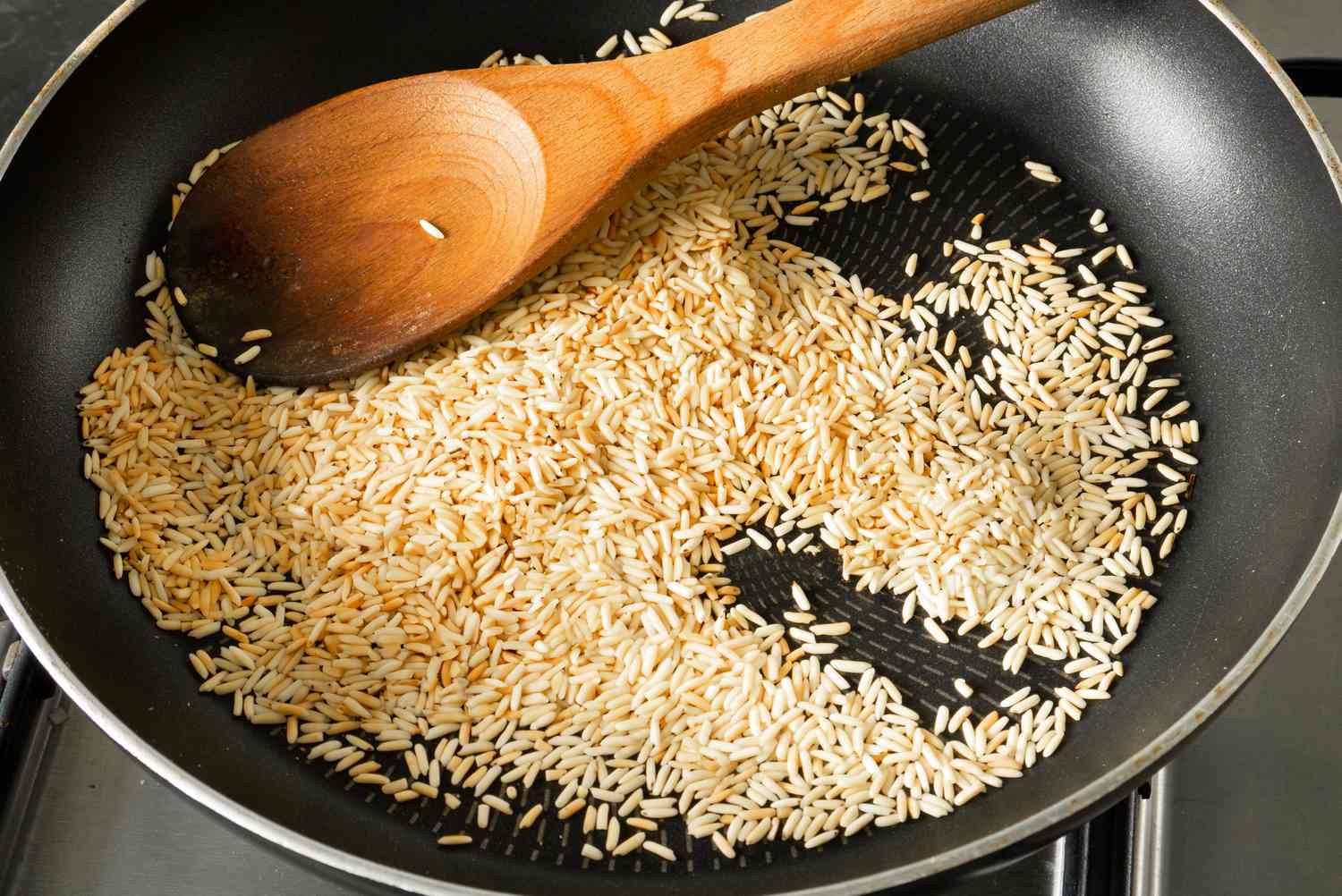
  • That signature body: toasted rice powder thickens the broth gently, giving it a silky, slightly nutty finish. (And if you want, a little chickpea flour can make it feel even more classic.)
  • Bright, not heavy: lemongrass keeps everything lively, and lime is an optional finishing squeeze when you want extra pop.
  • Toppings do the work: eggs, herbs, scallions, and optional crunchy fritters mean you can customize each bowl like a little choose-your-own-adventure.

Pairs Well With

Storage Tips

Best move: store the broth and noodles separately. Noodles love to drink broth and then get soft in a way that's not tragic, just less ideal.

  • Fridge: Cool broth completely, then refrigerate in a sealed container for up to 3 days. Store noodles separately up to 3 days.
  • Freezer: Freeze broth (without noodles) up to 2 months. Thaw overnight in the fridge.
  • Reheat: Warm broth gently on the stove. If it thickened a lot, loosen with a splash of water or stock, then taste and adjust fish sauce and (if using) lime.
  • Eggs and herbs: Keep eggs and fresh herbs separate and add after reheating.

Common Questions

What does mohinga taste like?

Savory, bright, and gently warming with a toasty background from the thickener. Think fish noodle soup meets lemongrass comfort, with a little tangy lift at the end.

Is mohinga spicy?

It can be, but it doesn't have to be. This recipe is mild to medium. Keep it mellow by using less chili flakes or skipping the chili oil garnish. Want more heat? Add chili flakes while simmering, or finish bowls with chili crisp.

What fish should I use?

Traditional mohinga often uses freshwater fish. At home, canned mackerel is fantastic and convenient. Canned sardines also work. If you prefer fresh, try poached white fish like cod or tilapia, then flake it into the broth.

Canned fish tip: Fish packed in water gives you a cleaner broth; fish packed in oil is richer. Either works. Just drain well so the broth doesn't get greasy, and taste before adding extra fish sauce since some brands are saltier than others.

What is the thickener in mohinga?

It varies by region and household. Many versions use toasted chickpea flour (besan/gram flour) as the primary thickener, and some use banana stem for texture. This home-cook version leans on toasted rice powder because it's easy and gives a lightly nutty flavor and gentle thickness. If you'd like a more traditional-style body, whisk in 1 to 2 tablespoons chickpea flour along with the rice powder and simmer well to cook out any raw flour taste.

Can I make it gluten free?

Yes. Use rice noodles (most are gluten free) and confirm your fish sauce is gluten free. Chickpea flour is naturally gluten free. If you add fritters, skip wheat flour and use chickpea flour or rice flour.

What if I can't find lemongrass?

You'll miss some signature aroma, but you can still make a very good bowl. Use extra ginger, plus a little lime zest stirred in at the end. If you have lemon, a strip of peel (removed before serving) helps too.

Do I have to add lime?

Nope. Lime is a bright finishing touch in this version, not a requirement for every mohinga. Try it, then decide: some nights you want that pop, other nights you just want cozy.

What are more traditional topping ideas?

Depending on the household, you might see Chinese celery (instead of cilantro), fried garlic, extra chili oil, and more crunchy toppings. Use what you love. That's the fun part.

The first time I made mohinga at home, I went in wildly confident and immediately learned humility from lemongrass. I had it chopped like it was scallion, tossed it in, and ended up with a soup that tasted great but also tried to fight my teeth. Now I bruise the stalks, simmer them like a bay leaf, and pull them out. Same big aroma, zero surprise chewing. That's kind of the whole mohinga experience for me. It's comforting, a little chaotic, and always better when you taste as you go.