Mom's Best Recipes
Recipe

Old Bay Seasoning

A homemade Old Bay Seasoning style blend with bright spice, gentle heat, and that salty-savory kick for seafood, potatoes, corn, and more.

Author By Matt Campbell
4.8
A small glass jar filled with a reddish-brown Old Bay style seasoning blend on a warm kitchen counter with measuring spoons nearby

Old Bay seasoning has a very specific vibe. It is salty, a little sweet, gently spicy, and somehow makes everything taste like you meant to do that on purpose. This is my pantry-friendly, home-kitchen version. It takes five minutes, no mystery ingredients, and you can tweak it based on what you are cooking and who you are feeding. The best part is you can make a batch today and be dangerously generous with it all week.

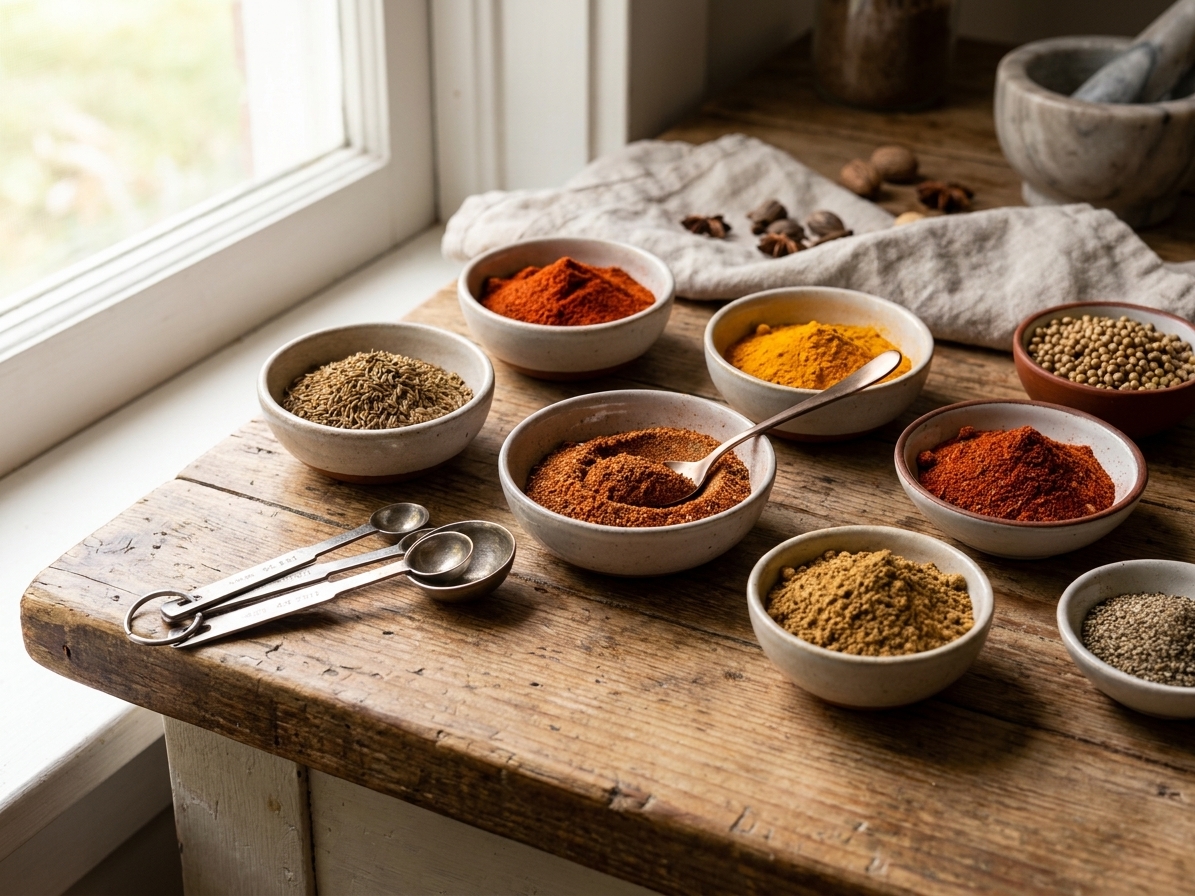
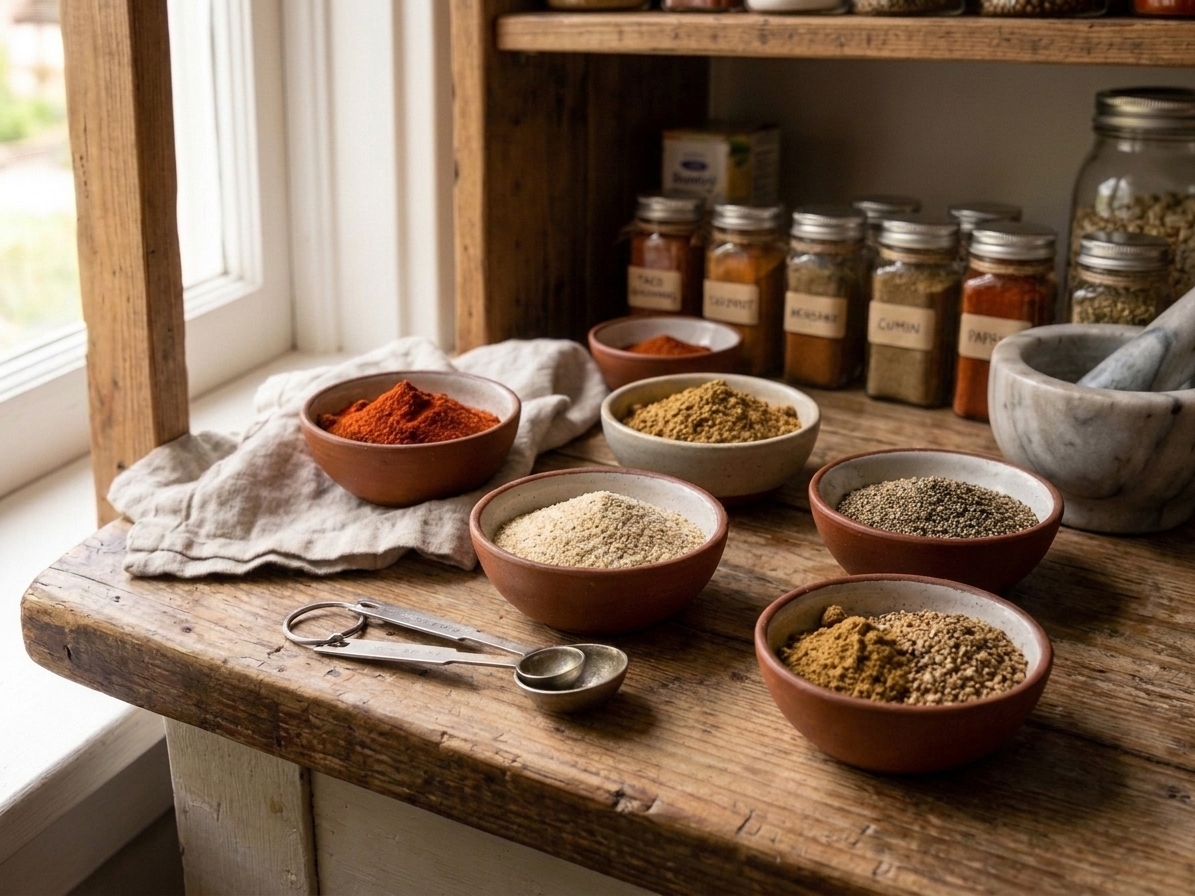
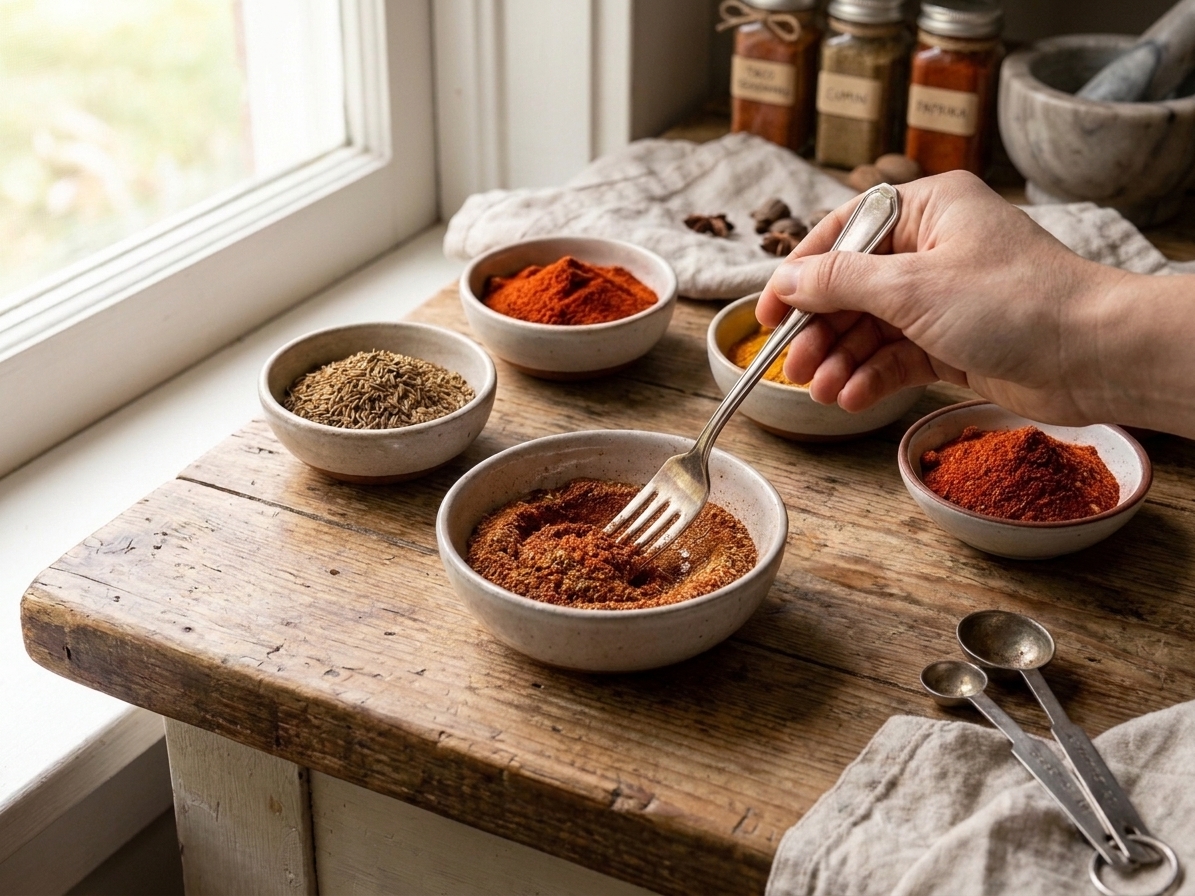
Small bowls of ground spices and measuring spoons arranged on a tidy kitchen counter in soft natural light

Why It Works

  • Big flavor, small effort: Shake-and-go seasoning that upgrades shrimp, fries, corn, chicken, and roasted veggies.
  • Accessible ingredients: Uses common pantry spices with easy swaps if you are missing one.
  • Customizable salt and heat: Make it salt-forward for fries, lower-sodium for everyday cooking, or spicier for seafood boils.
  • Better freshness: Homemade blends stay punchy because you are mixing them when you actually need them.
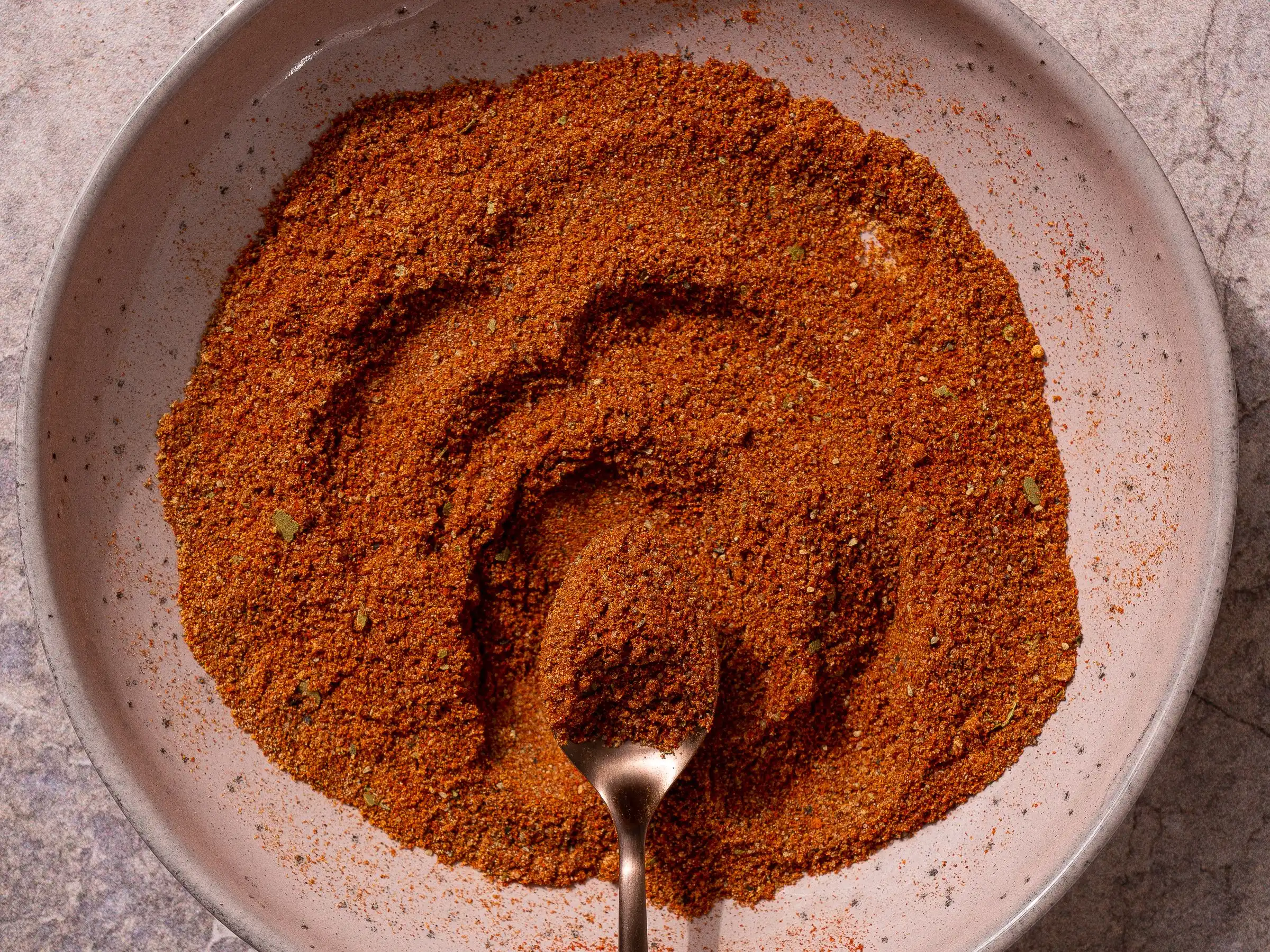
A small ceramic bowl filled with a reddish spice blend ready to be poured into a jar

Pairs Well With

Storage Tips

Room temp: Store in an airtight jar in a cool, dark cabinet. For best flavor, use within 3 to 6 months. (Paprika and cloves tend to fade faster than some spices, so if it starts tasting sleepy, it is time for a fresh batch.)

Keep it dry: Use a dry spoon every time. Steam from the stove is the enemy of spice blends.

Make a shaker jar: If you have an old spice jar with a shaker top, rinse and dry it well, then refill. It makes weeknight seasoning feel weirdly satisfying.

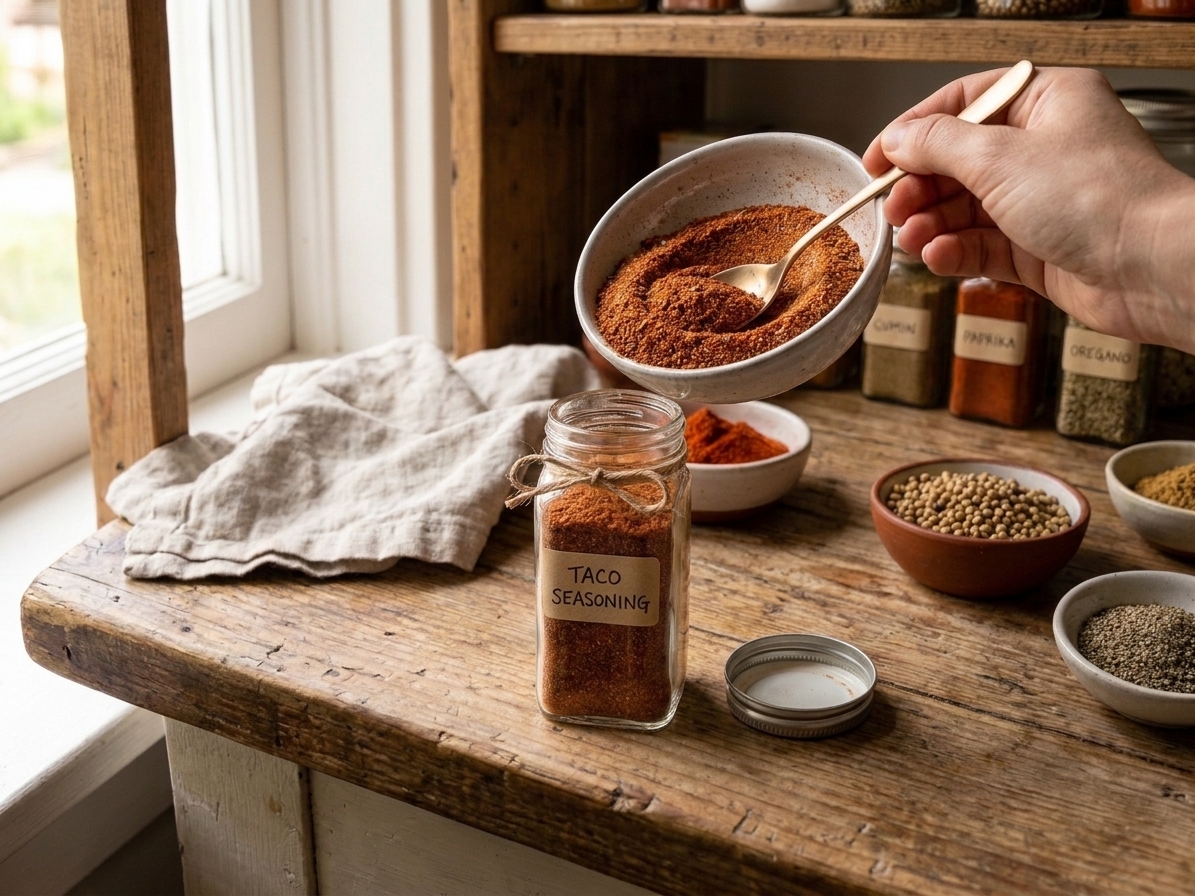
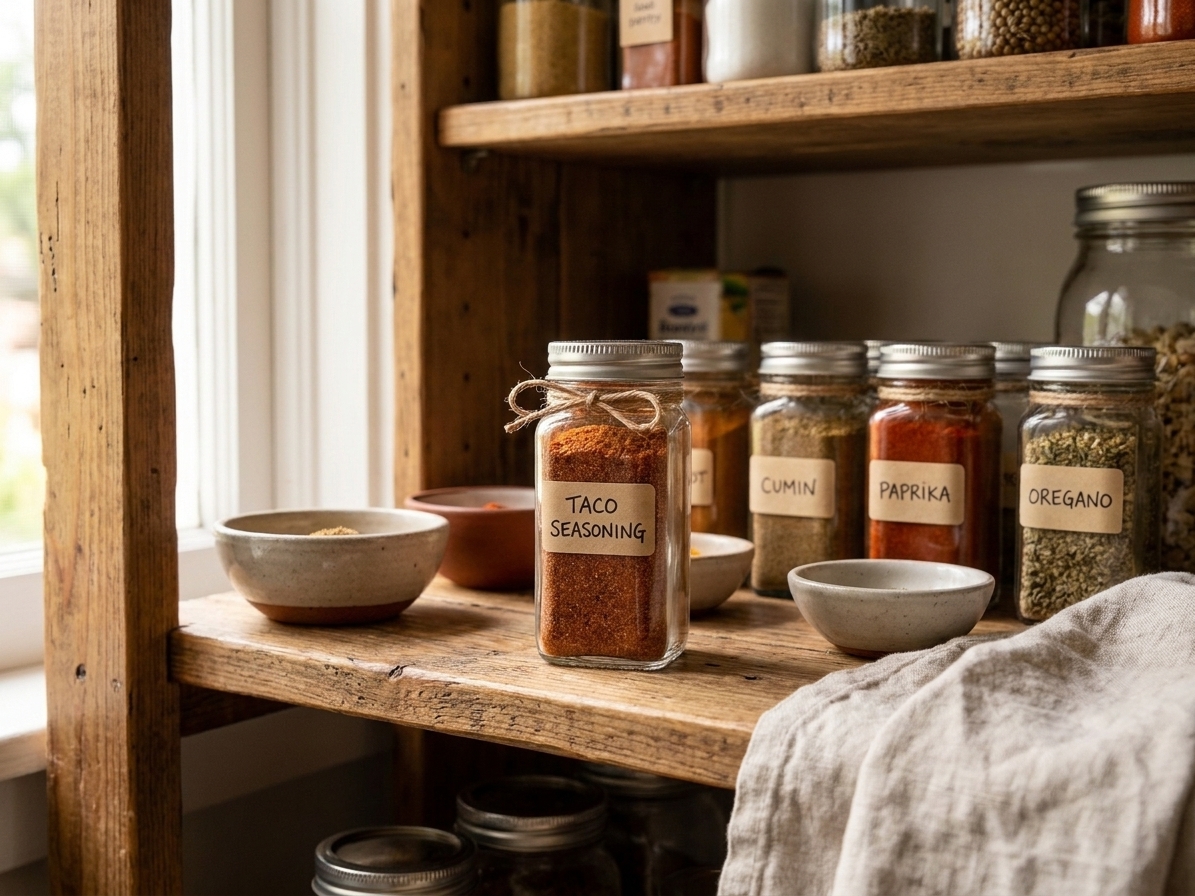
A small labeled glass spice jar sitting on a pantry shelf next to other seasonings

Common Questions

Is this the exact Old Bay recipe?

No. The original blend is proprietary. This is a home-cook friendly Old Bay seasoning style mix that hits the same salty-savory-celery-paprika vibe and works on the same foods.

How much should I use?

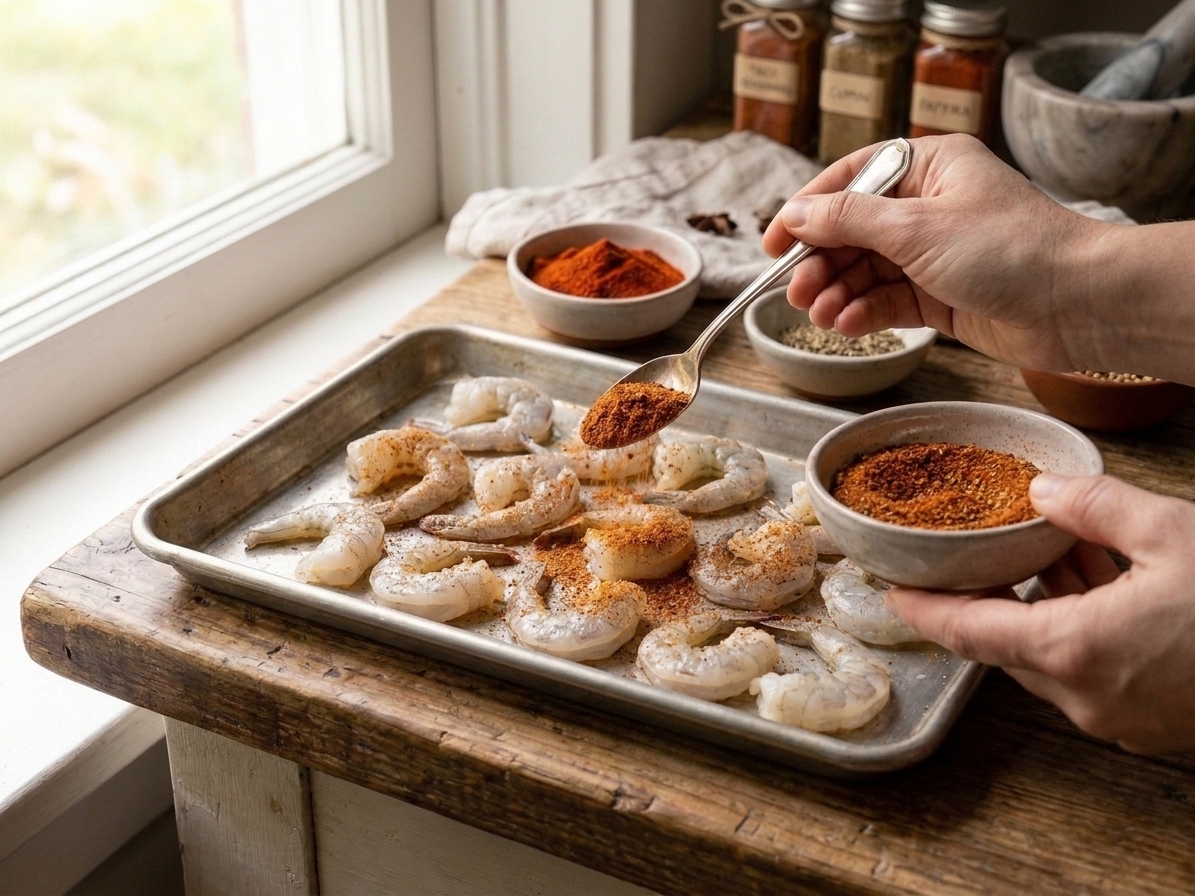
Start with 1 teaspoon per pound of meat or seafood, or 1 to 2 teaspoons per sheet pan of potatoes or veggies. Then taste and adjust. For popcorn, try 1/4 teaspoon per bowl with melted butter.

Can I make it lower-sodium?

Yes. This blend is naturally salt-forward because celery salt is doing a lot of heavy lifting. For a lower-sodium version, cut the celery salt in half and make up the difference with celery seed and paprika. For a no-added-salt option, use celery seed (skip celery salt entirely) and add salt when you cook so you stay in control.

What does it taste best on?

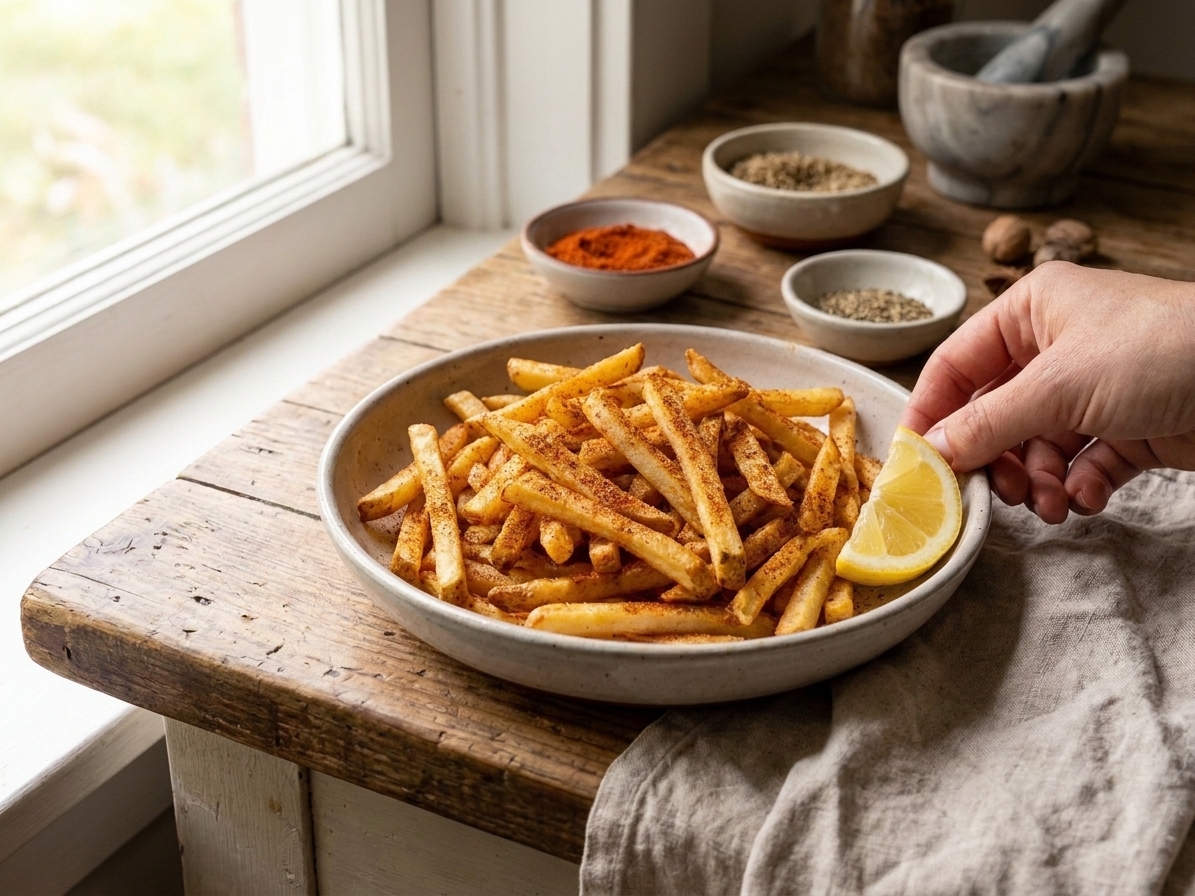
Shrimp, salmon, crab cakes, fries, roasted potatoes, corn on the cob, deviled eggs, chicken wings, and even a quick vinaigrette. If it is beige, it probably needs a shake.

Why does mine taste bitter?

Old spices can taste flat or bitter. Check your paprika and ground cloves first. Also, go easy on cloves. They are powerful and can take over fast.

Do I have to use bay leaves?

Nope. If you use them, crush them very finely so you do not get big leafy flakes. A mortar and pestle works, or a quick pulse in a spice grinder. If you would rather keep the blend smooth, just skip them.

Any allergy notes?

Celery (celery salt and celery seed) can be an allergen for some people, and this blend is fairly salty as written. If you are watching sodium, use the lower-sodium or no-added-salt option above.

I did not grow up measuring spices with a jeweler-level seriousness, but I did grow up loving the kind of food that shows up hot, crispy, and unapologetically seasoned. The first time I tried an Old Bay style blend on fries, I remember thinking, this is basically the cheat code for making simple food taste like a weekend. Now I keep a jar around for those nights when dinner is one sheet pan and a dream.