Mom's Best Recipes
Recipe

Old-Fashioned Caramel Cake

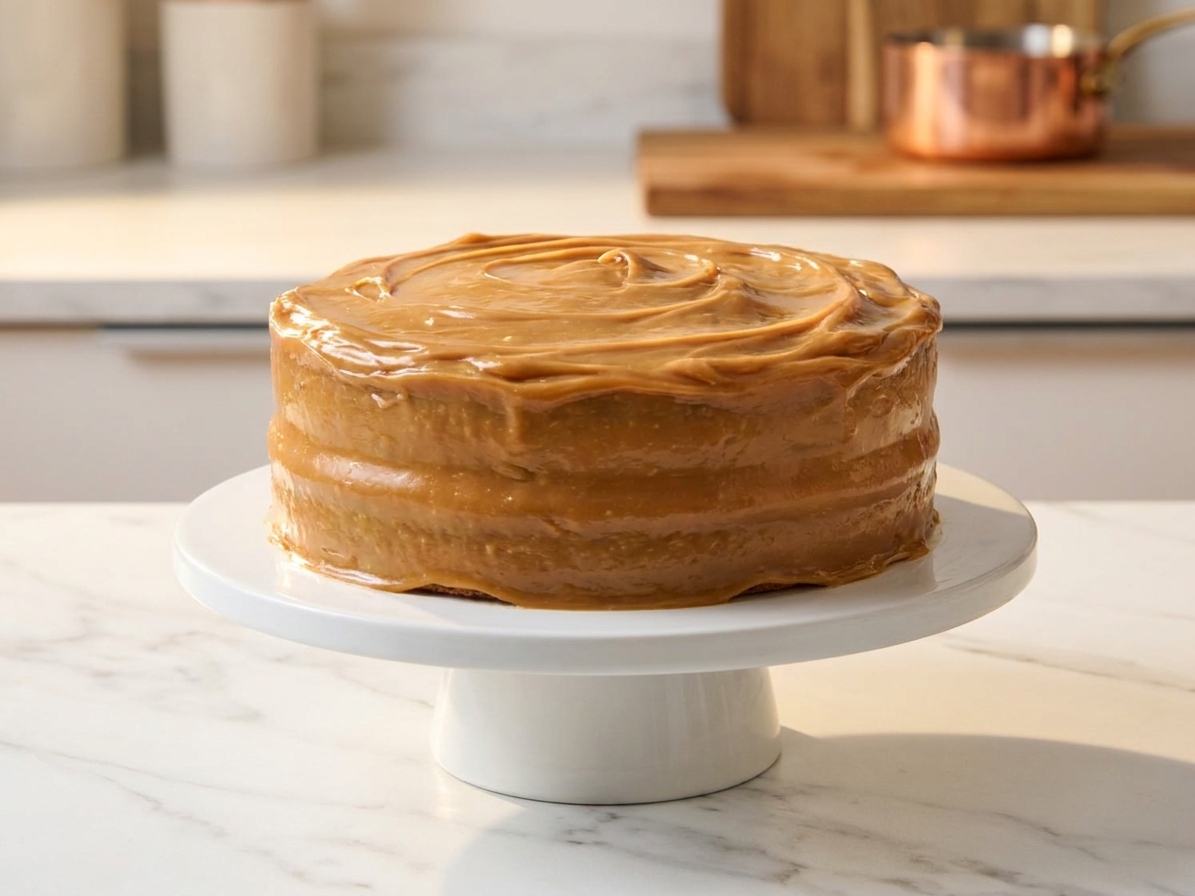
Soft buttery cake layers with a classic cooked caramel icing that spreads smooth and sets into a glossy, sliceable finish.

Author By Matt Campbell
4.8
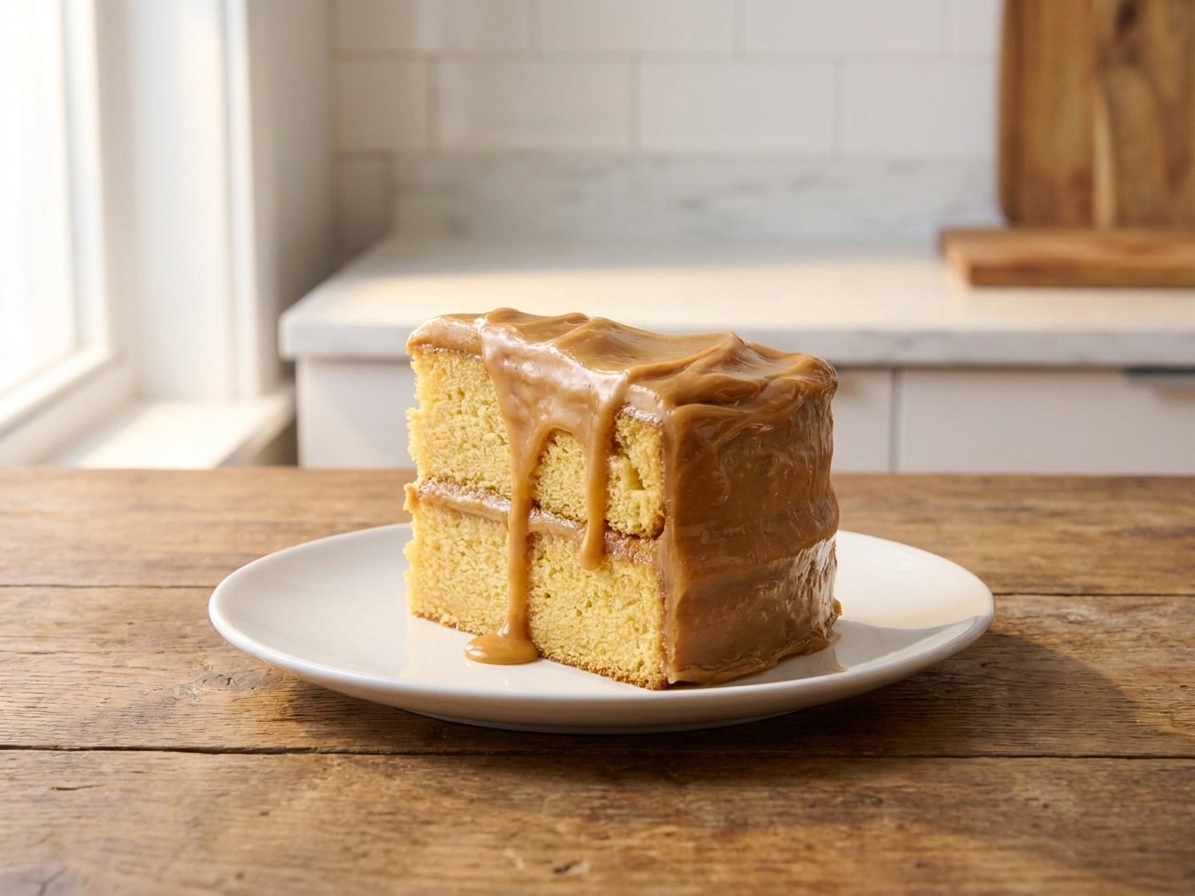
A tall slice of old-fashioned caramel cake on a white plate, coated in glossy caramel icing with a few caramel drips, set on a wooden table in warm natural light

Caramel cake is the dessert equivalent of a good hug. Not a polite little pat on the back, either. I mean the full cozy squeeze: buttery yellow cake, deep brown sugar caramel, and that cooked icing that goes on like satin and sets with just enough bite to feel old-school in the best way.

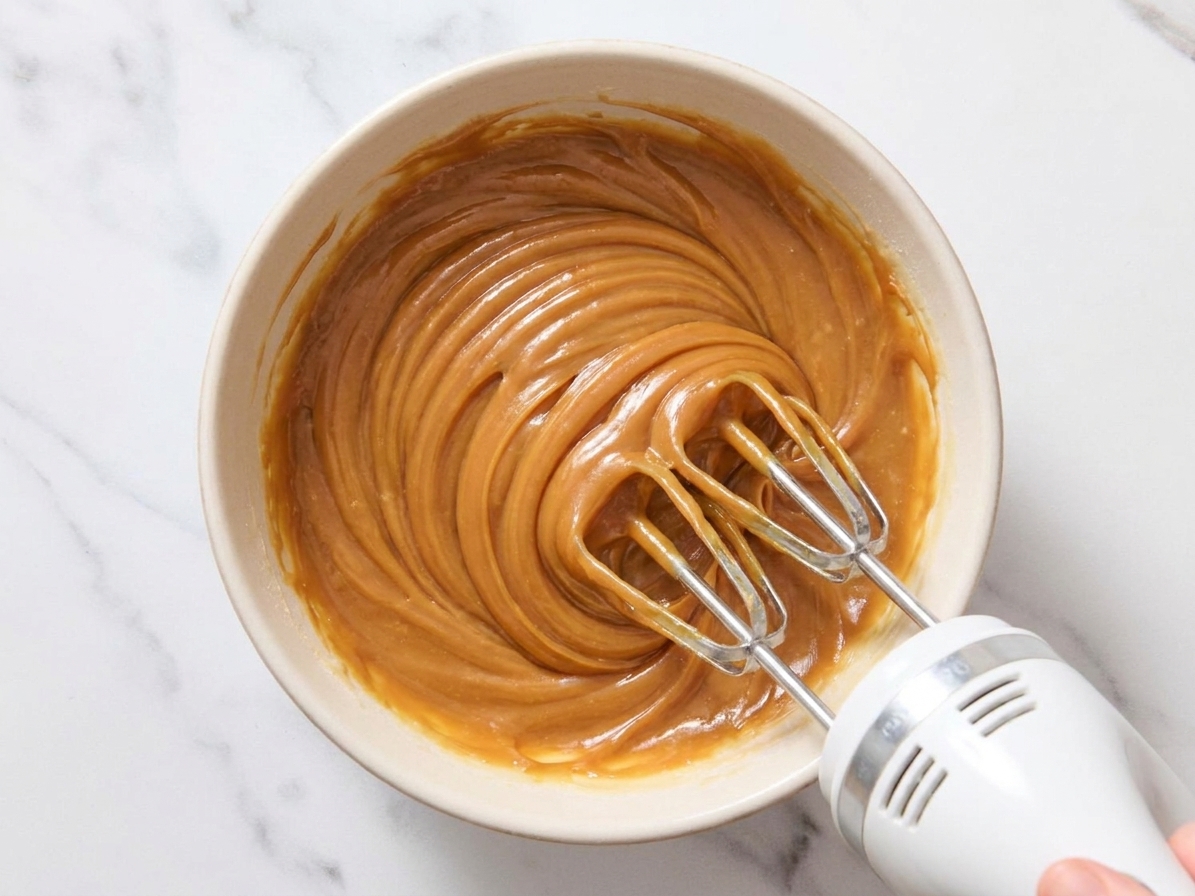
This version keeps ingredients familiar and the steps super doable, even if cooked caramel frosting sounds like something your favorite seasoned baker could do while multitasking and never once looking stressed. The secret is simple: use a candy thermometer if you have one, watch the color, and stir like you mean it.

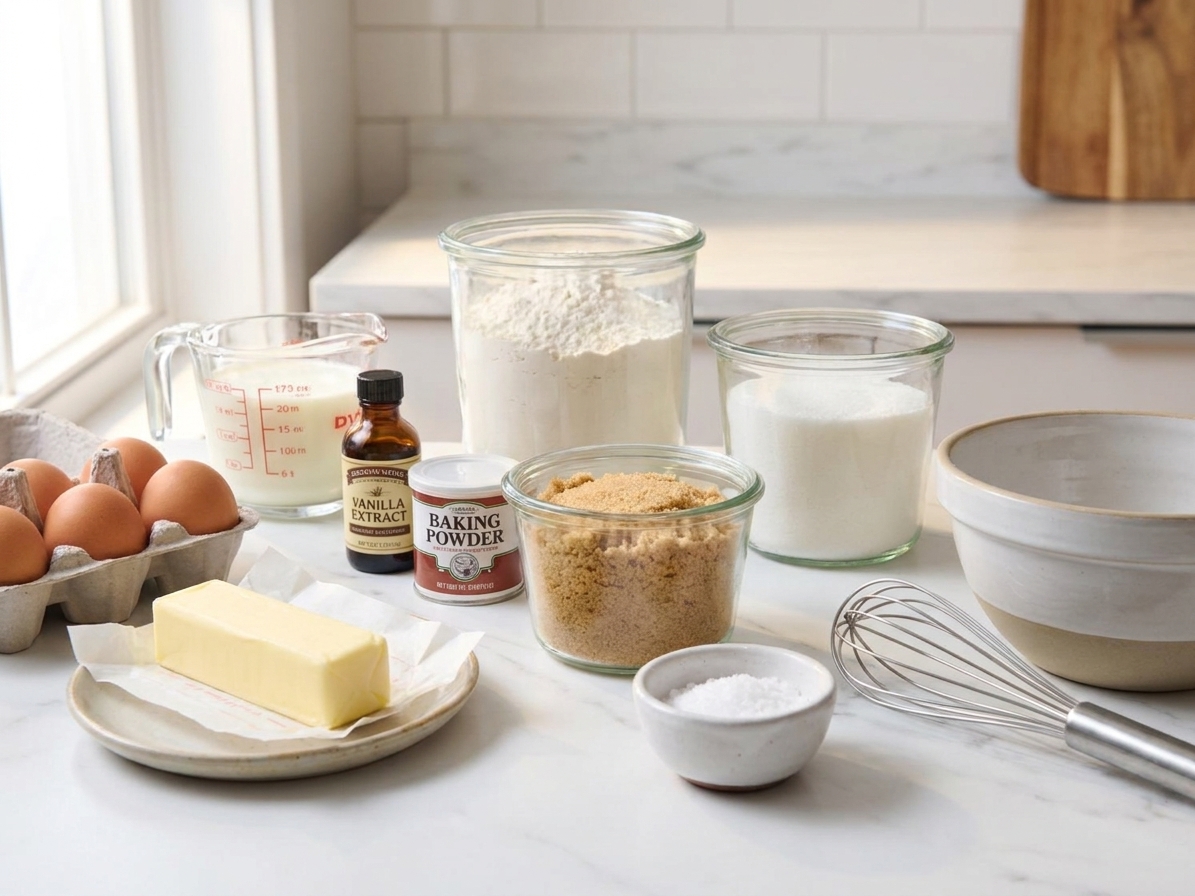
Flour, sugar, brown sugar, butter, eggs, buttermilk, vanilla, baking powder, and a small bowl of salt arranged on a bright kitchen counter

Why It Works

  • Big caramel flavor without being cloying: brown sugar plus butter gives you that toasty, butterscotch depth.
  • Tender, sturdy layers: buttermilk keeps the crumb soft, and the cake holds up under a generous icing blanket.
  • Classic cooked caramel icing that actually sets: you spread it warm, then it firms into that signature caramel cake finish.
  • Make-ahead friendly: the cake tastes even better after a few hours once the icing settles in.

Pairs Well With

Storage Tips

Room temperature: Keep the cake covered (cake dome or tightly wrapped) for up to 2 days. Caramel icing is happiest at cool room temp, not next to a sunny window.

Refrigerator: Store covered up to 5 days. The icing will firm up more when chilled. Let slices sit at room temp for 30 to 60 minutes before serving for the best texture.

Freezer: Freeze slices or the whole cake (well wrapped in plastic wrap and foil) up to 2 months. Thaw overnight in the fridge, then bring to room temp.

My favorite move: Warm a slice for 8 to 10 seconds in the microwave. Not enough to melt the icing into a puddle, just enough to wake up the caramel.

Common Questions

What is caramel cake icing made of?

Caramel cake icing comes in a few old-fashioned styles depending on who taught you. Some versions start with sugar cooked to caramel (often with evaporated milk), and others are a cooked brown sugar and butter base that gets beaten until thick and glossy. This recipe uses the brown sugar route because it is dependable, deeply caramelly, and gives you that spread-warm, set-firm finish.

Do I really need a candy thermometer?

It helps a lot, especially if you are new to cooked icing. For this style of caramel icing, you want the syrup hot enough to thicken and set, typically around 230 to 235°F for a softer set, or 235 to 240°F for a firmer, more fudge-like finish. No thermometer? Cook until the color deepens and a cooled drip on a spoon thickens quickly, but expect a little more trial and error.

Why did my caramel frosting turn grainy?

Usually the sugar crystallized, or the icing cooled too much before spreading. To prevent it, avoid scraping down any dry sugar from the sides of the pan once it starts boiling. If you see crystals forming on the sides, you can carefully brush the sides with a little water. To fix grainy icing, gently warm it over low heat while stirring, or add 1 to 2 teaspoons of hot milk and beat again until smooth.

Why is my frosting runny?

It likely did not cook long enough, or it is still too warm. Let it cool 5 to 10 minutes, then beat again. If it stays thin, add a little more powdered sugar, 2 tablespoons at a time, until it thickens.

Can I make this as a sheet cake?

Yes. Bake in a greased and parchment-lined 9x13-inch pan at 350°F for about 30 to 38 minutes, or until a toothpick comes out clean. Spread the warm icing right on top. You can use all the icing for a generous layer, or cut the icing by about one-third if you prefer a thinner topping.
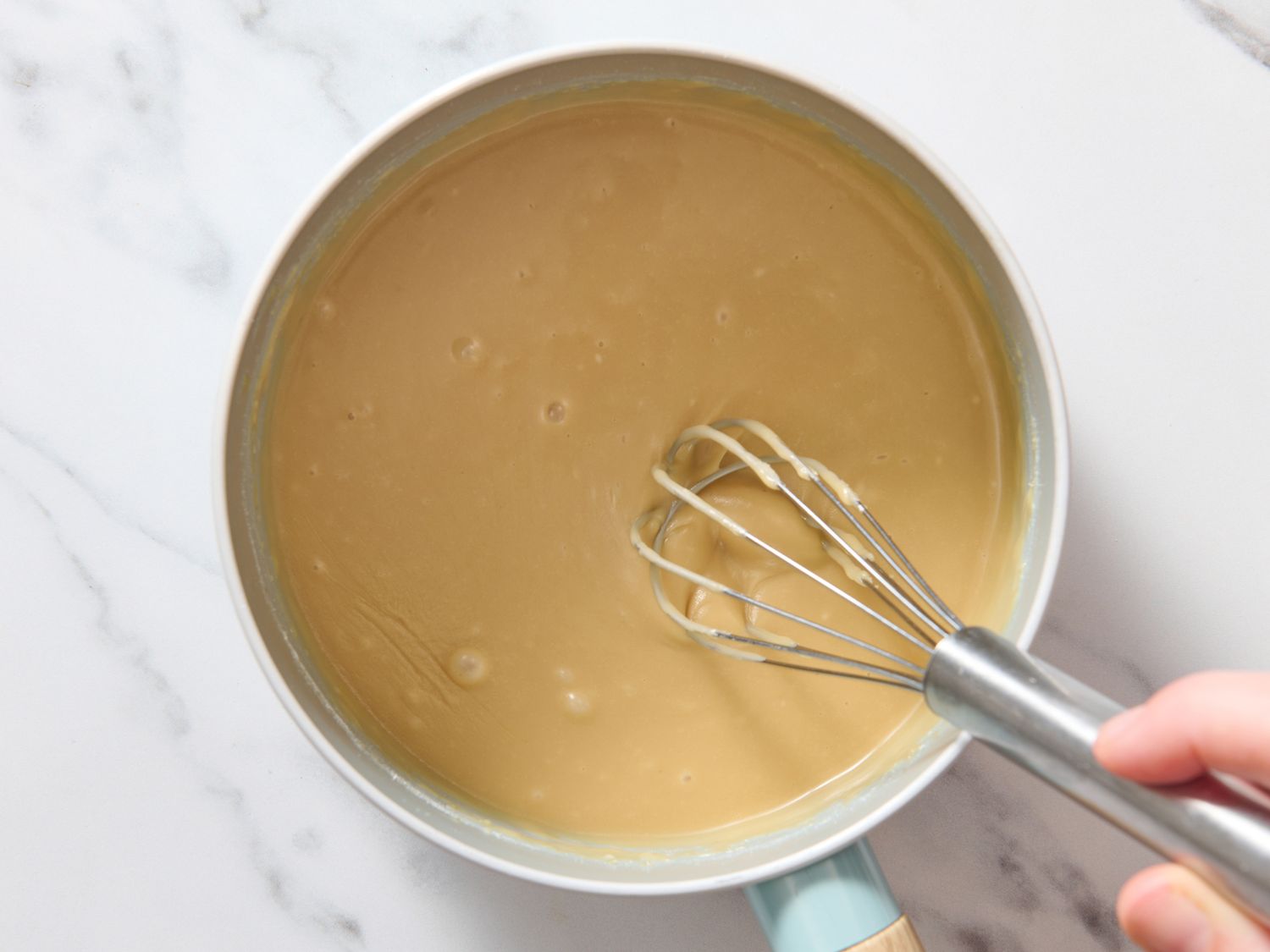

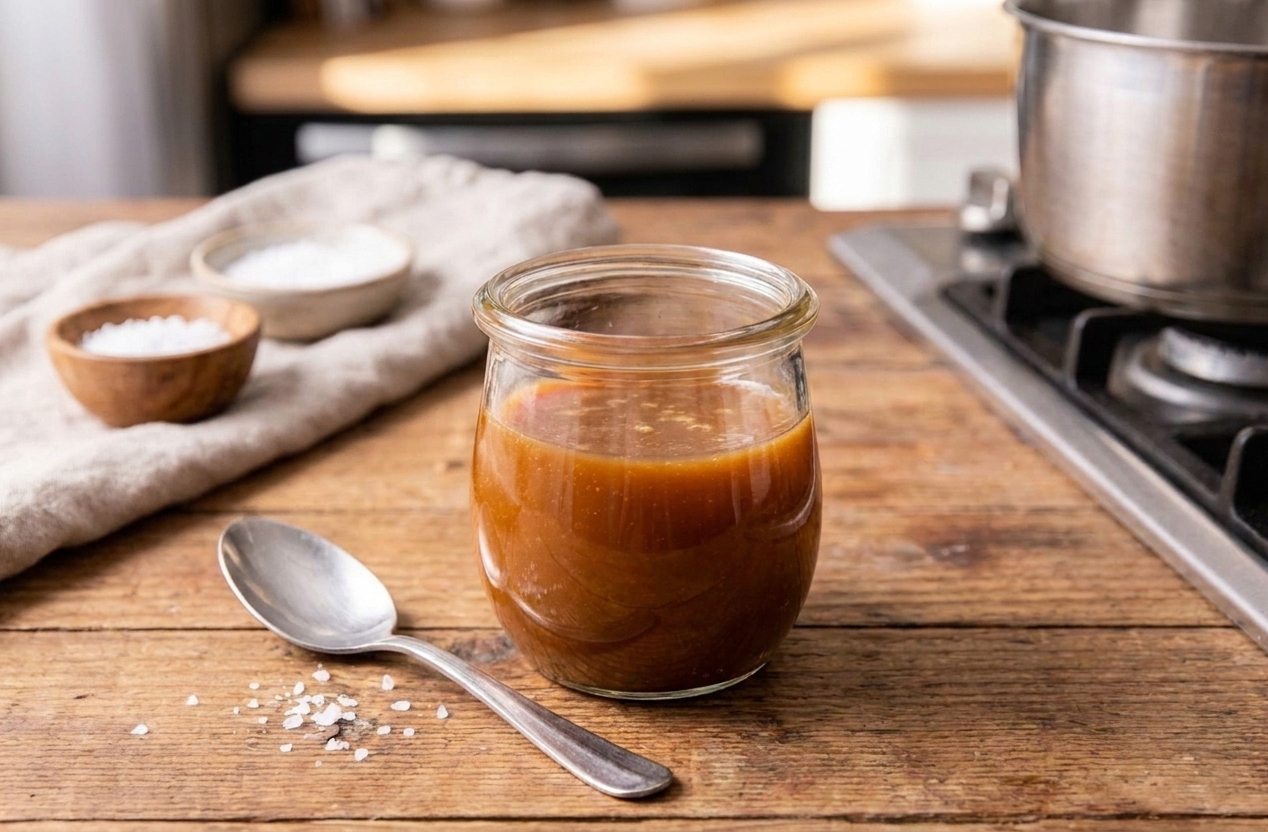
A saucepan of bubbling caramel icing being stirred with a wooden spoon on a stovetop, steam rising in warm kitchen light

Caramel cake feels like the dessert that shows up when someone loves you enough to make a little kitchen mess. The first time I made one, I learned two things fast: cooked caramel icing does not wait on you, and you cannot “eyeball” the heat like you are a Food Network wizard. Once I started treating the frosting like a quick, focused project and not a casual stir-and-scroll situation, it became one of my favorite bakes. It is the kind of cake that makes a regular Tuesday feel like you remembered something important.