Mom's Best Recipes
Recipe

Oven-Baked Salmon

Juicy, flaky salmon baked at high heat with lemon garlic butter and crisp edges. Fast, reliable, and weeknight friendly.

Author By Matt Campbell
4.8
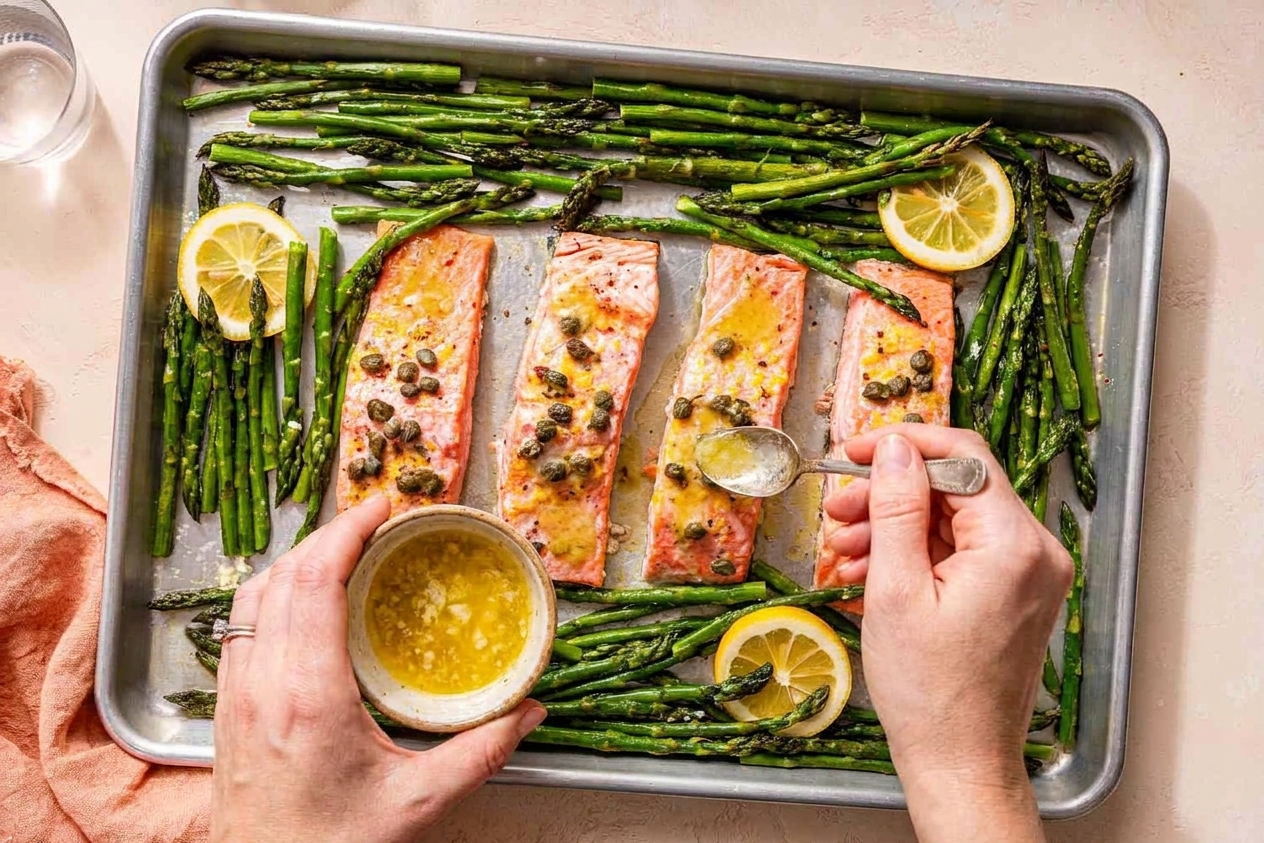
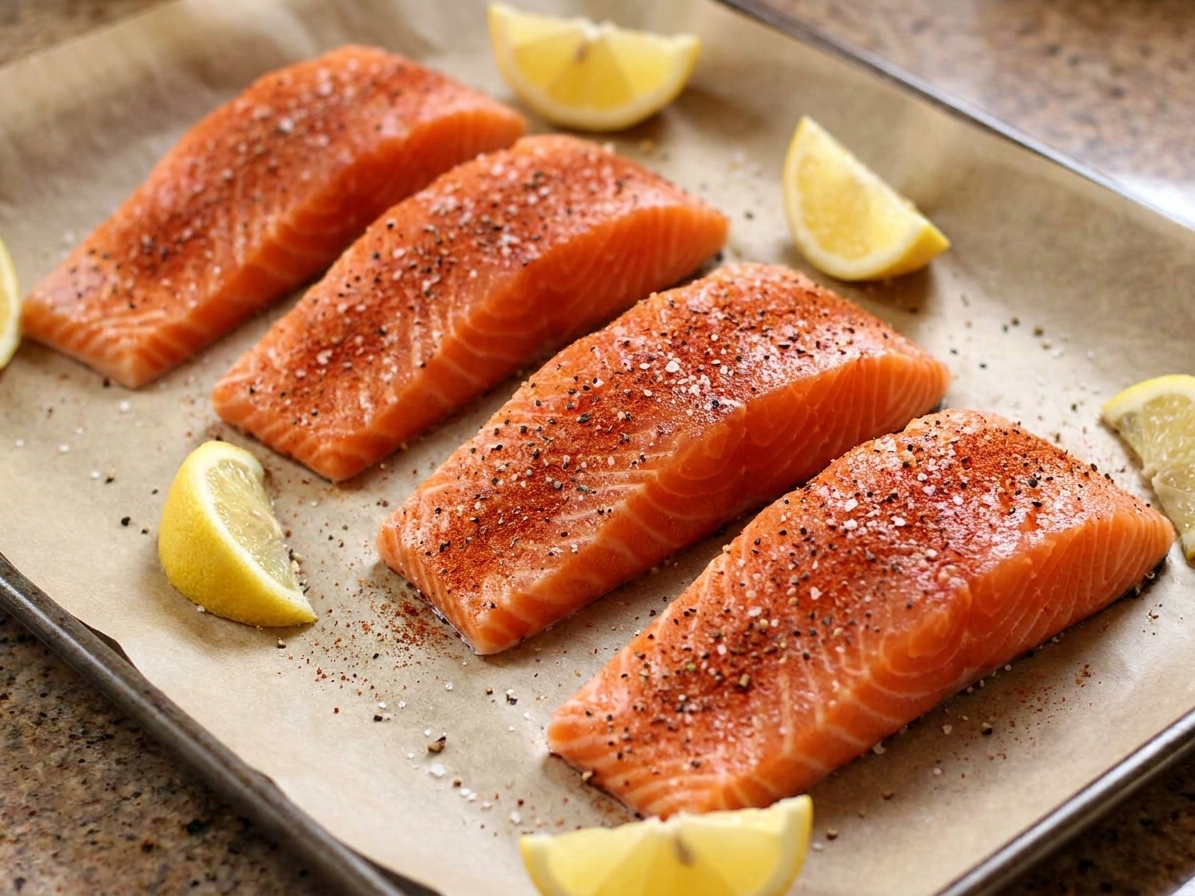
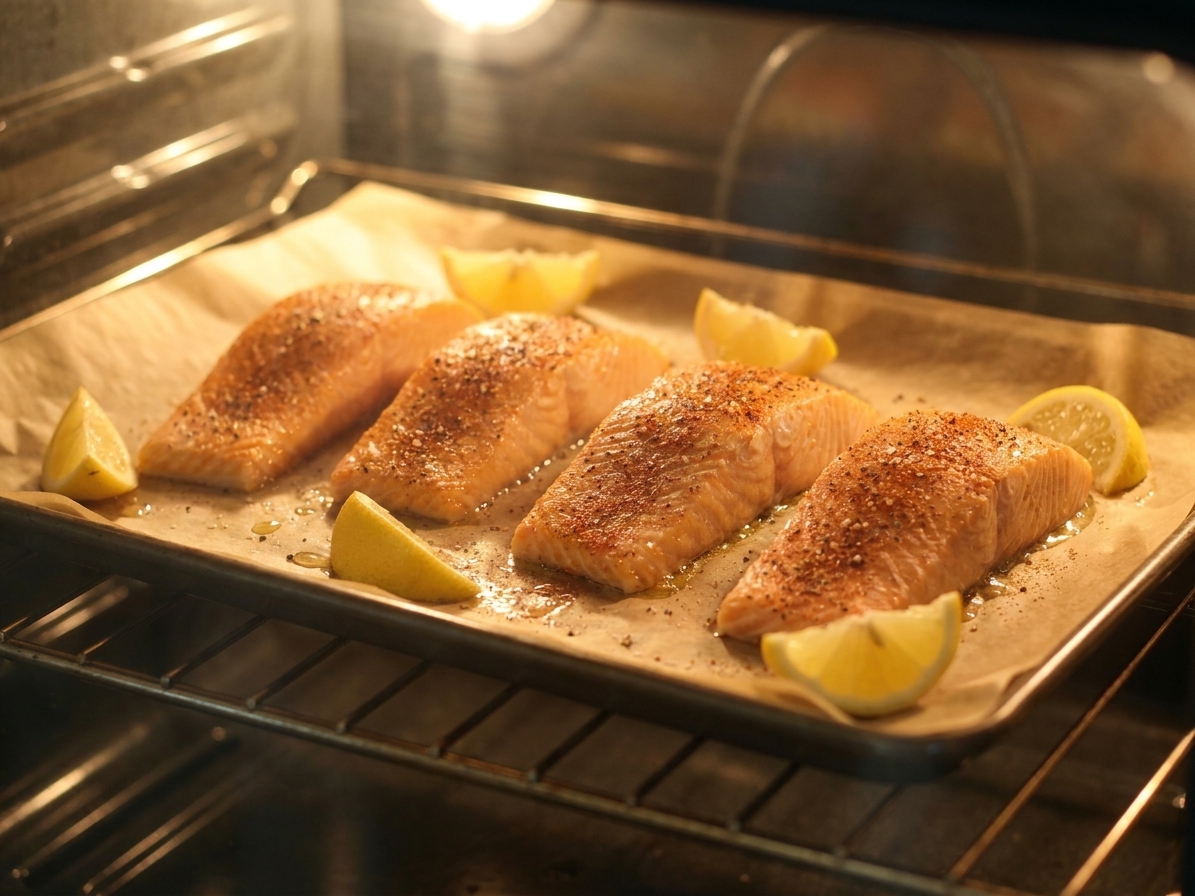
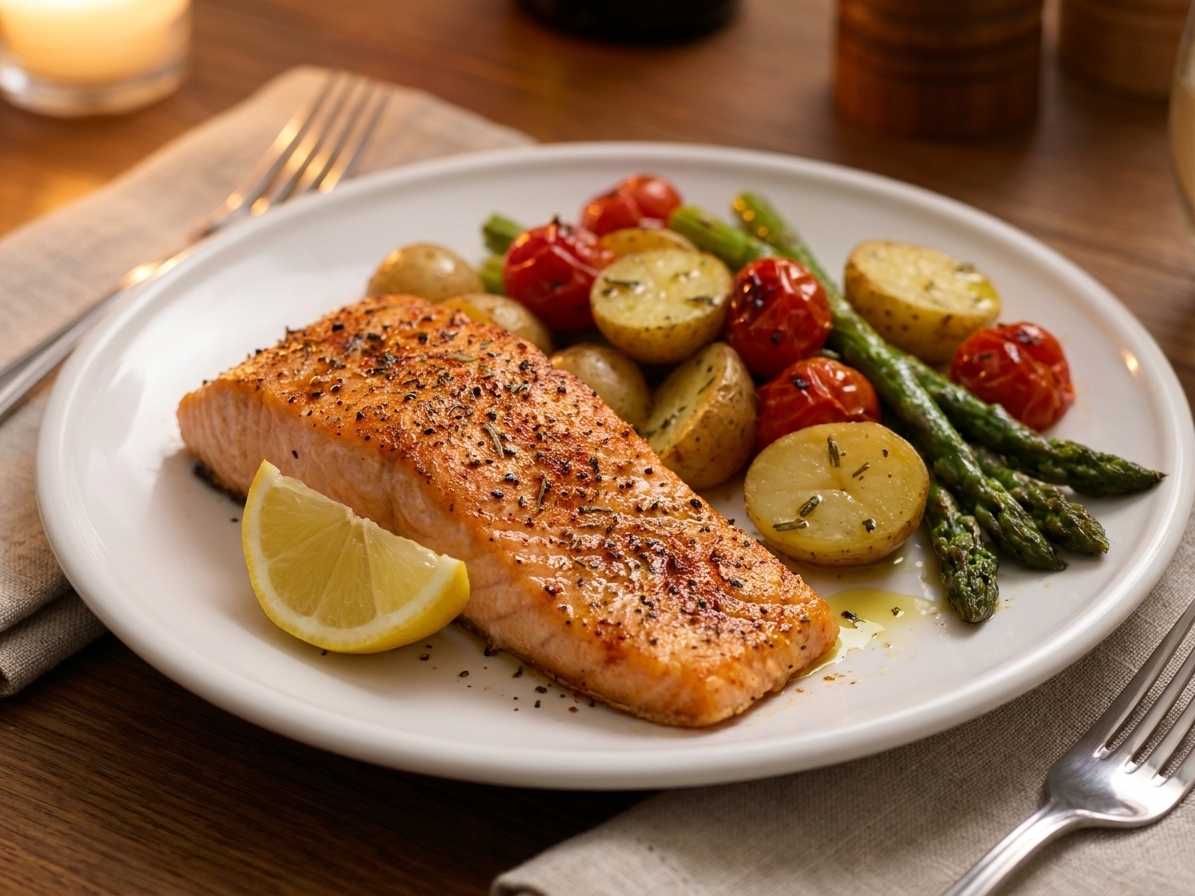
A sheet pan of oven-baked salmon fillets with browned edges, lemon slices, and fresh herbs on a parchment-lined pan in a bright home kitchen

Salmon in the oven is my kind of dinner magic. It looks like you tried really hard, but you mostly just let heat do the work. The goal is flaky, juicy fish with crisp edges and a bright, buttery sauce that tastes like it came from a restaurant that brings warm bread right away.

This recipe is built for real life: minimal ingredients, clear steps, and a couple small tricks so your salmon stays tender instead of turning into the kind of dry fish people politely tolerate.

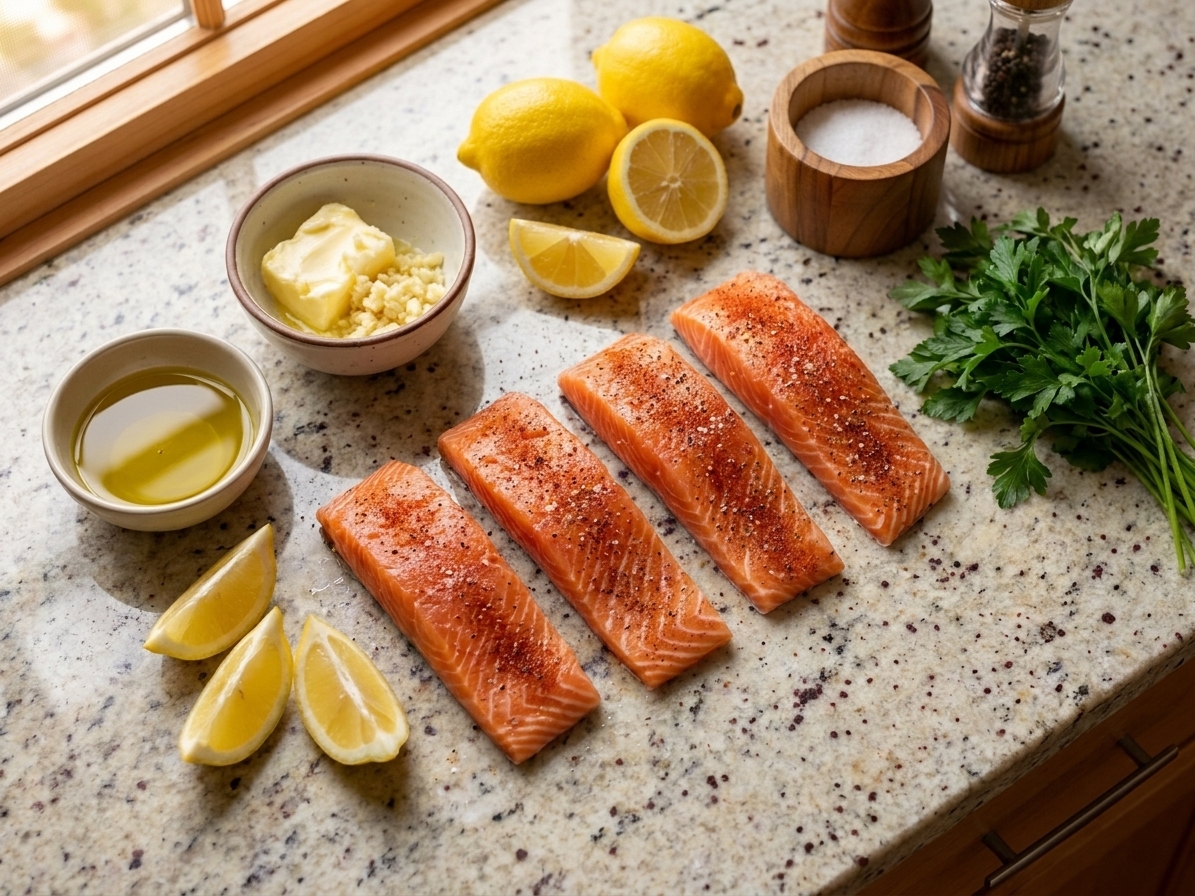
Raw salmon fillets, lemon, garlic, butter, olive oil, salt, pepper, and fresh parsley arranged on a clean kitchen counter with small bowls

Why It Works

  • High heat bakes fast so the outside gets a little color before the inside dries out.
  • Lemon + butter + garlic gives you instant sauce with basically no effort.
  • Optional quick broil at the end adds those crisp edges everyone fights over.
  • Simple doneness target means you can stop guessing and start eating.

Pairs Well With

Storage Tips

Refrigerate: Cool salmon, then store airtight for up to 3 days.

Reheat (best): Warm in a 300°F oven for 8 to 12 minutes, just until heated through. Add a tiny pat of butter or a splash of water to keep it juicy. Reheat until hot and steaming.

Microwave (if you must): 50% power in short bursts. Cover loosely. Stop early.

Eat it cold: Leftover salmon is excellent flaked into salads, rice bowls, or a quick lemony pasta.

Freeze: You can freeze cooked salmon up to 2 months, but quality is best within 1 to 2 months. Thaw overnight in the fridge and reheat until hot.

Common Questions

What temperature should I bake salmon in the oven?

I like 425°F. It’s hot enough to get a little color and keep the cook time short, which helps the salmon stay moist.

How long do you bake salmon?

For individual fillets (about 1 to 1 1/2 inches thick), bake at 425°F for 10 to 14 minutes. Thicker pieces need longer. If your fillets are thin, start checking at 9 to 10 minutes.

Quick rule of thumb: plan on about 4 to 6 minutes per 1/2-inch thickness at 425°F, then confirm with a thermometer.

How do I know when salmon is done?

The best way is a thermometer. For moist, flaky salmon, pull it at 125°F to 130°F in the thickest part, then rest it. The temperature can rise a few degrees as it sits.

The USDA guideline is 145°F, which is fully cooked but often drier. If you’re serving high-risk guests (pregnant, immunocompromised, older adults, or very young kids), cooking to 145°F is the more conservative choice.

If you don’t have a thermometer, look for salmon that flakes easily and is just barely translucent in the very center.

Should I cover salmon with foil when baking?

Not necessary at 425°F. Covering traps steam, which can prevent browning. If your salmon is very lean or you’re worried about dryness, you can loosely tent it for part of the bake, then uncover for the last few minutes.

Skin on or skin off?

Either works. Skin-on is forgiving and helps protect the flesh. You can eat the skin if it crisps, or slide the salmon right off after baking.

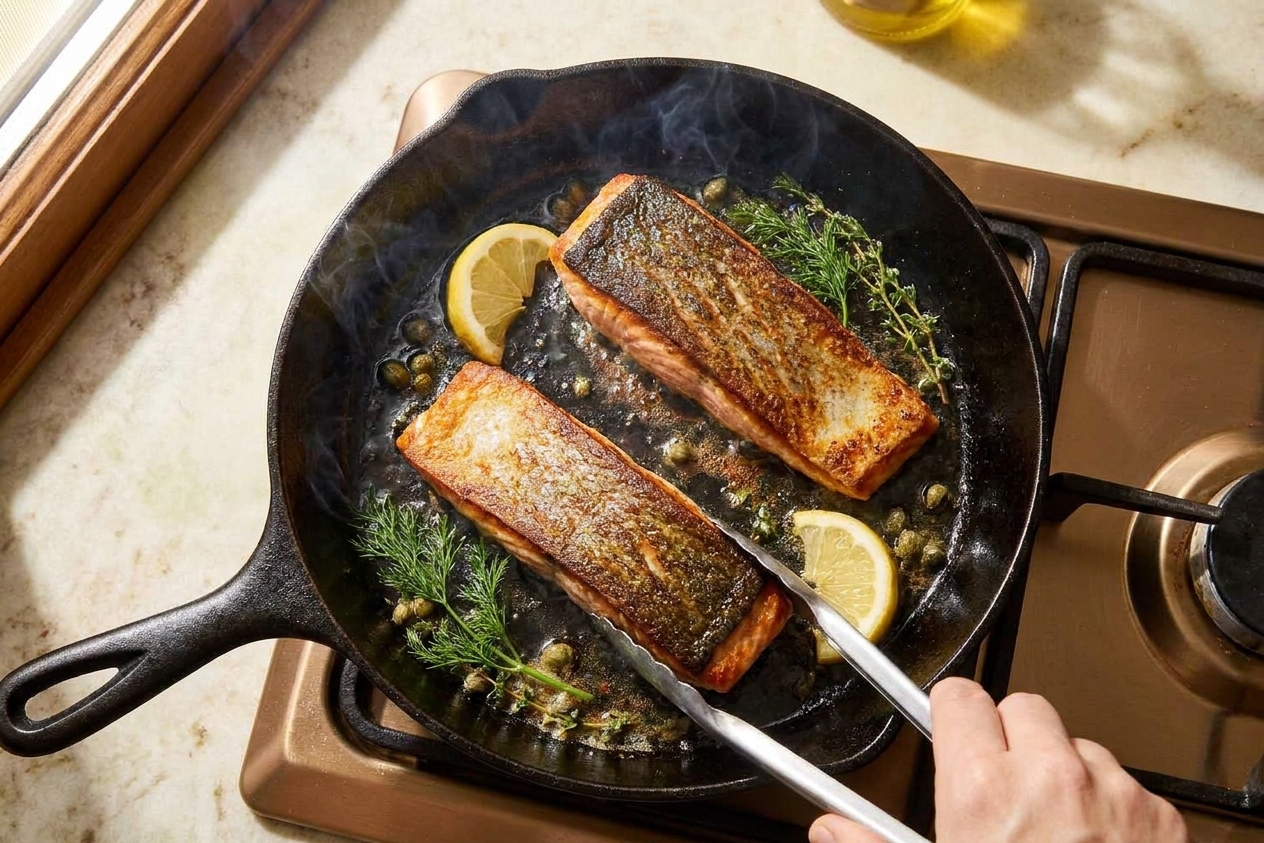
One note: at 425°F on parchment, the skin may not get truly crackly. For crispier skin, finish with a very quick broil or use a preheated sheet pan, and keep a close eye on it.

Can I use frozen salmon?

Yes, but results are best when thawed overnight in the fridge. If baking from frozen, expect to add about 5 to 12 minutes depending on thickness. Don’t marry the clock. Rely on internal temperature for the win.

If it’s vacuum-sealed, thaw it first (still sealed) in cold water or overnight in the fridge, then pat dry before seasoning.

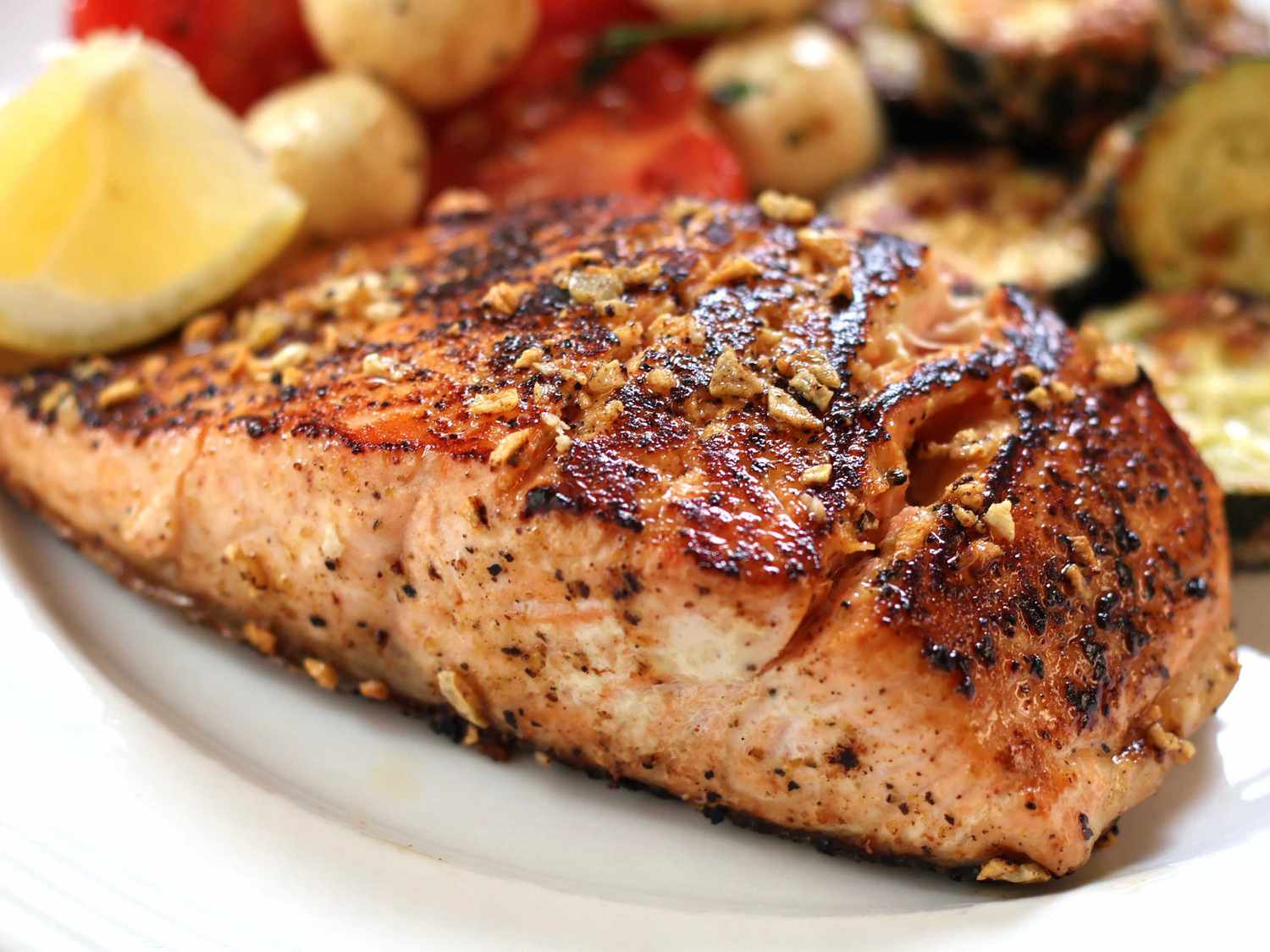
I started making salmon in the oven when I realized I love cooking, but I don’t always love babysitting a pan. Oven salmon is the sweet spot. It gives you that “I made dinner” glow without turning your stovetop into a crime scene. I usually throw it in while I clean up, slice a lemon, and pretend I planned the whole thing. The butter hits the hot fish, the garlic gets loud in the best way, and suddenly it’s a weeknight that feels like you’re doing okay.