Mom's Best Recipes
Recipe

Oven-Braised Beef Back Ribs

Fork-tender ribs with a smoky-sweet glaze, crisp edges, and low-drama oven braising.

Author By Matt Campbell
4.8
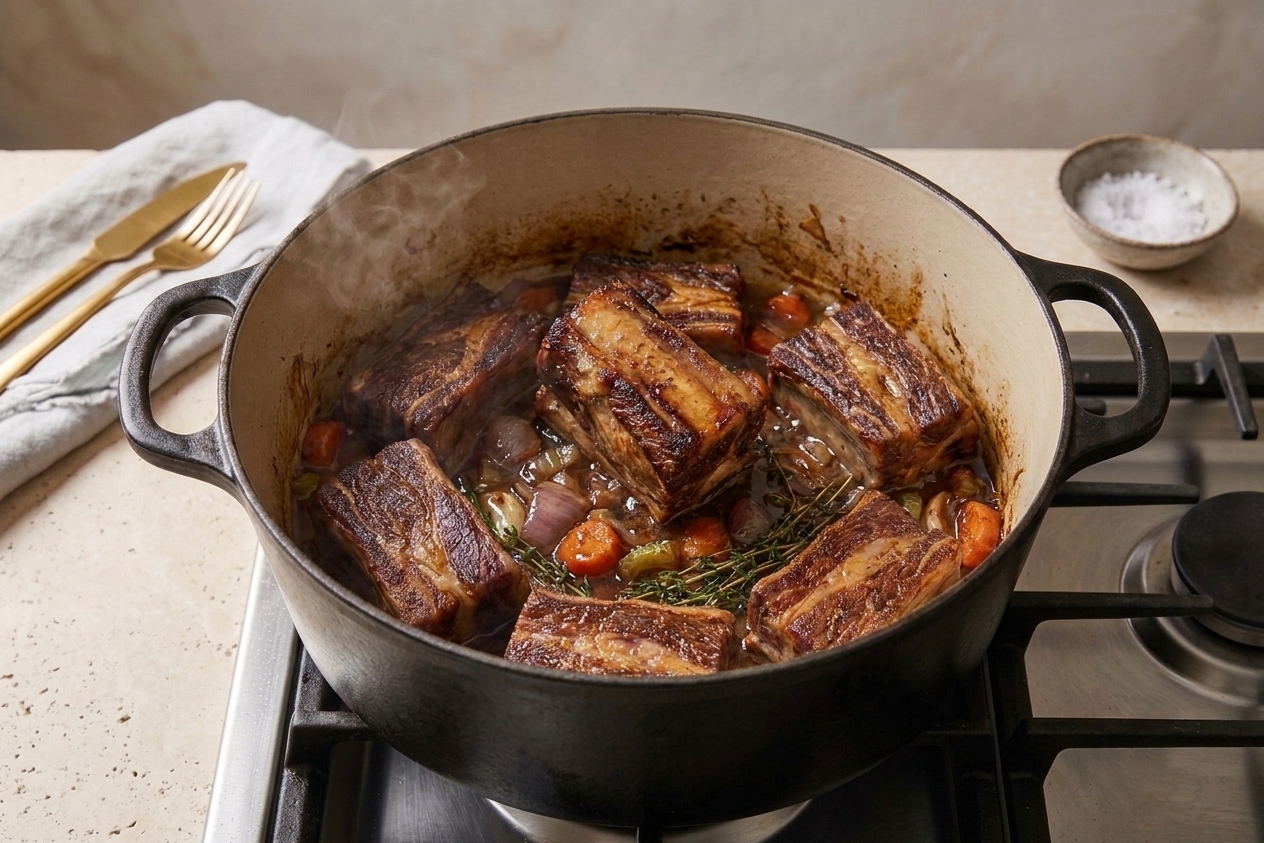
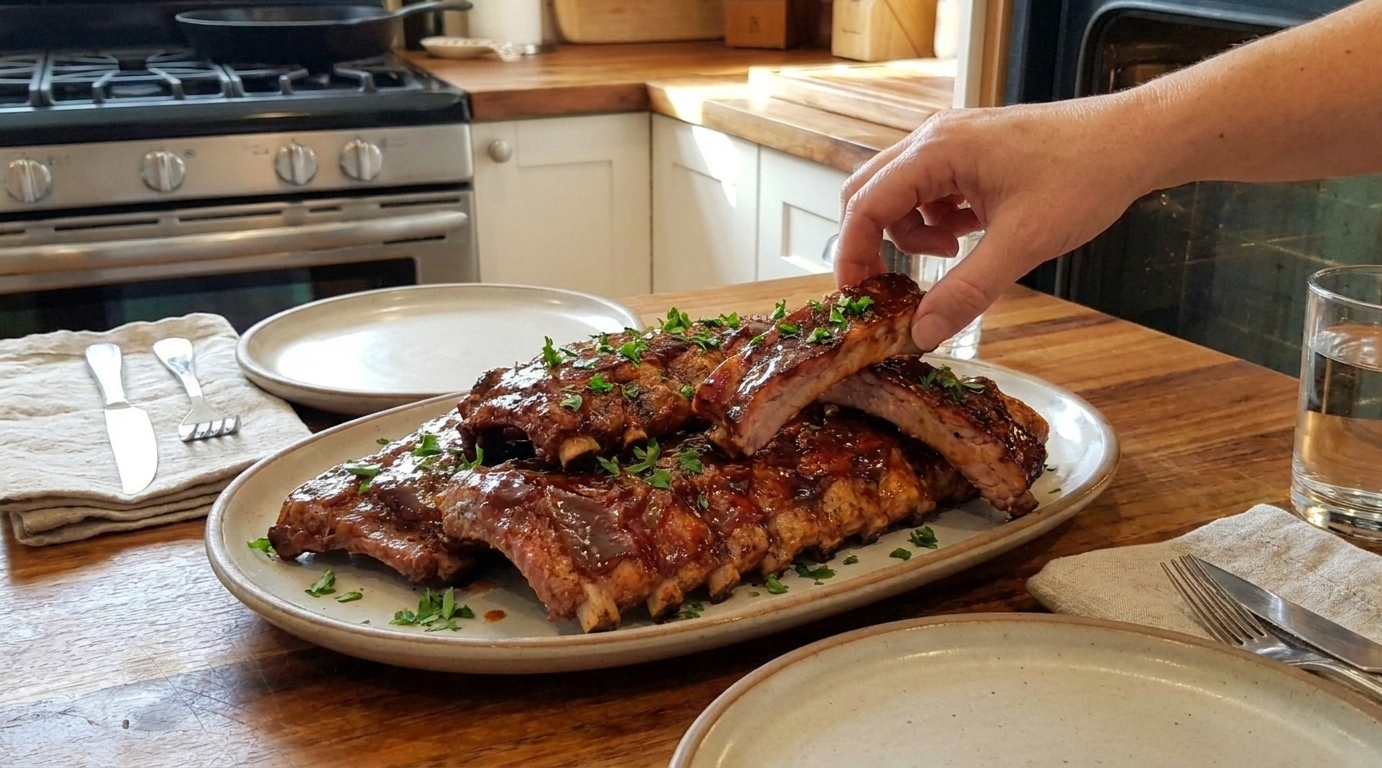
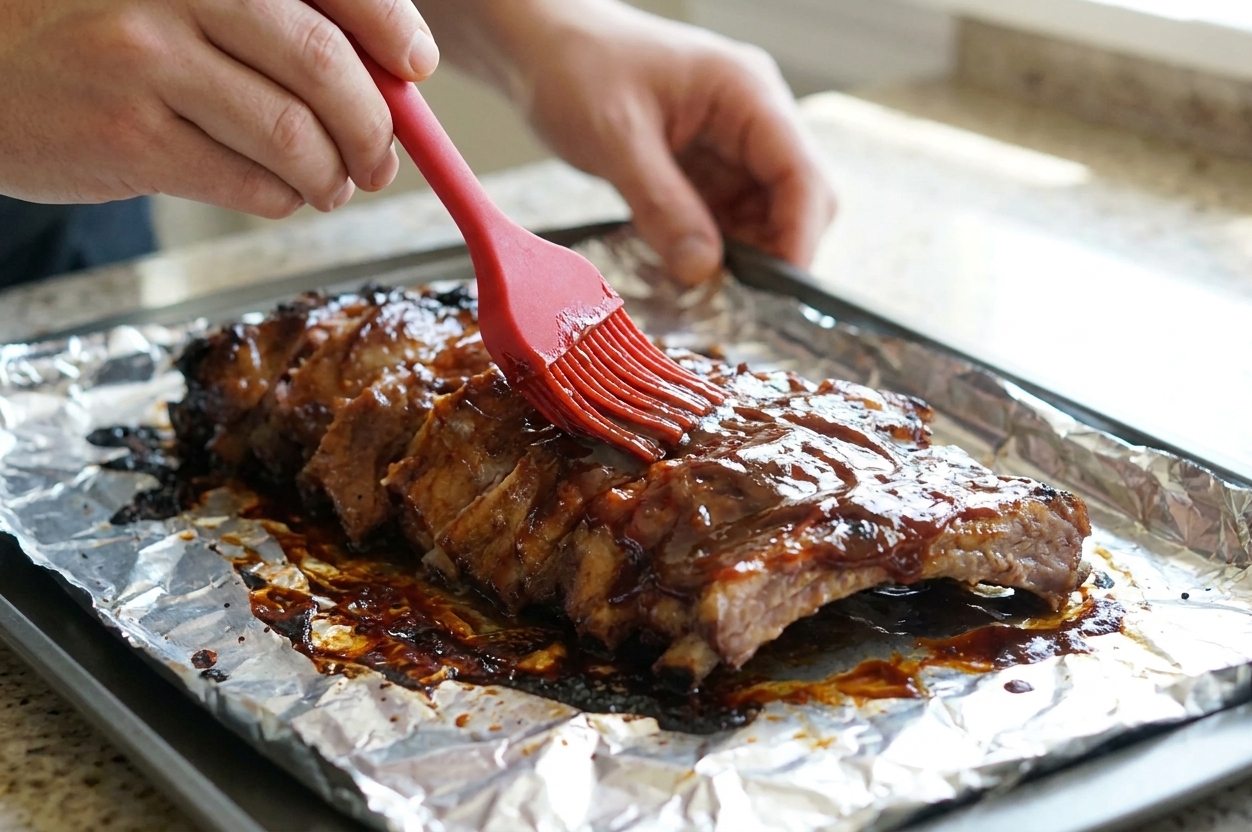
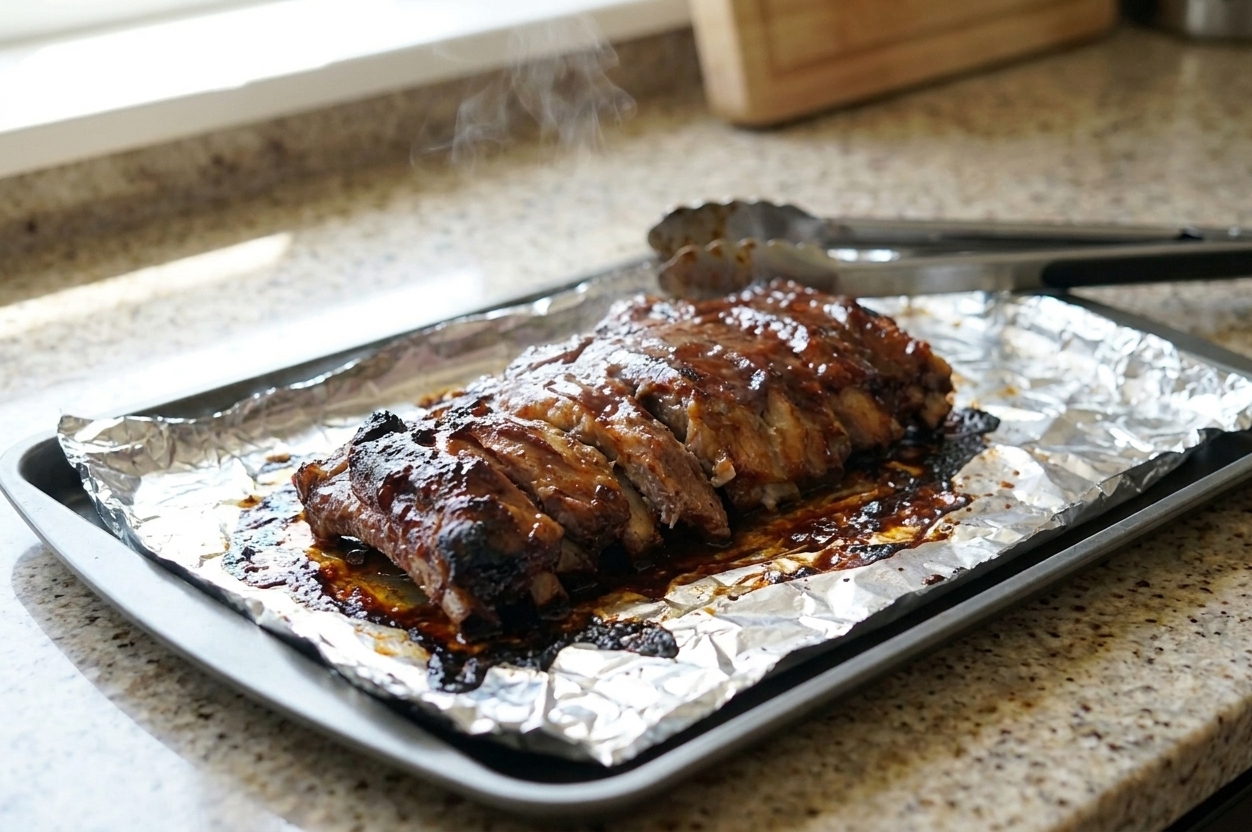
A sheet pan of glossy oven-braised beef back ribs fresh out of the oven, lightly charred at the edges with sauce brushed on, on a warm-toned kitchen counter

Beef back ribs are one of those cuts that look a little intimidating, mostly because they are big, bony, and suspiciously affordable compared to steak. But they cook like a dream if you treat them like what they are: a slow, cozy project that rewards patience with ridiculous flavor.

This is my favorite way to do them at home when I want tender meat, a bright punchy sauce, and those crisp, sticky edges that make you stand at the stove “just tasting” until half the rack is gone. We braise them covered until they are soft, then blast them uncovered with sauce until glossy and slightly caramelized.

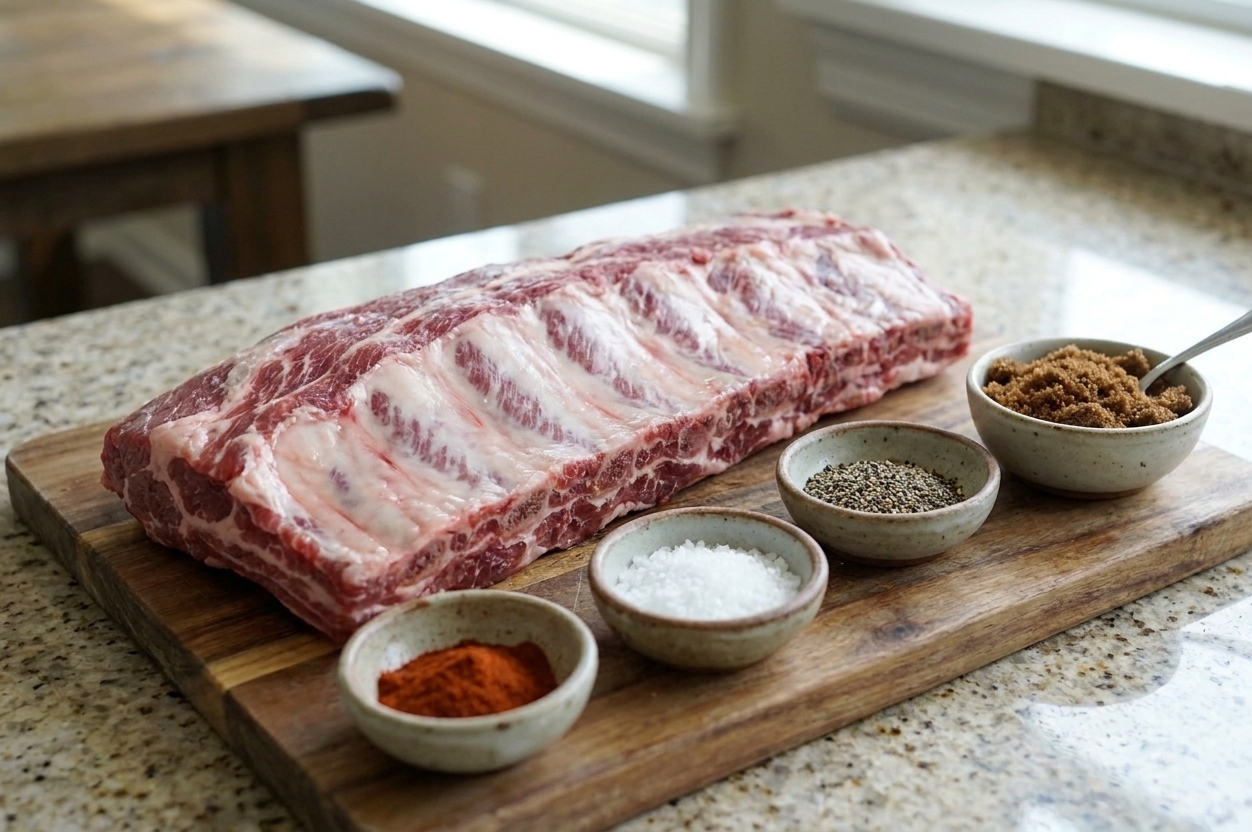
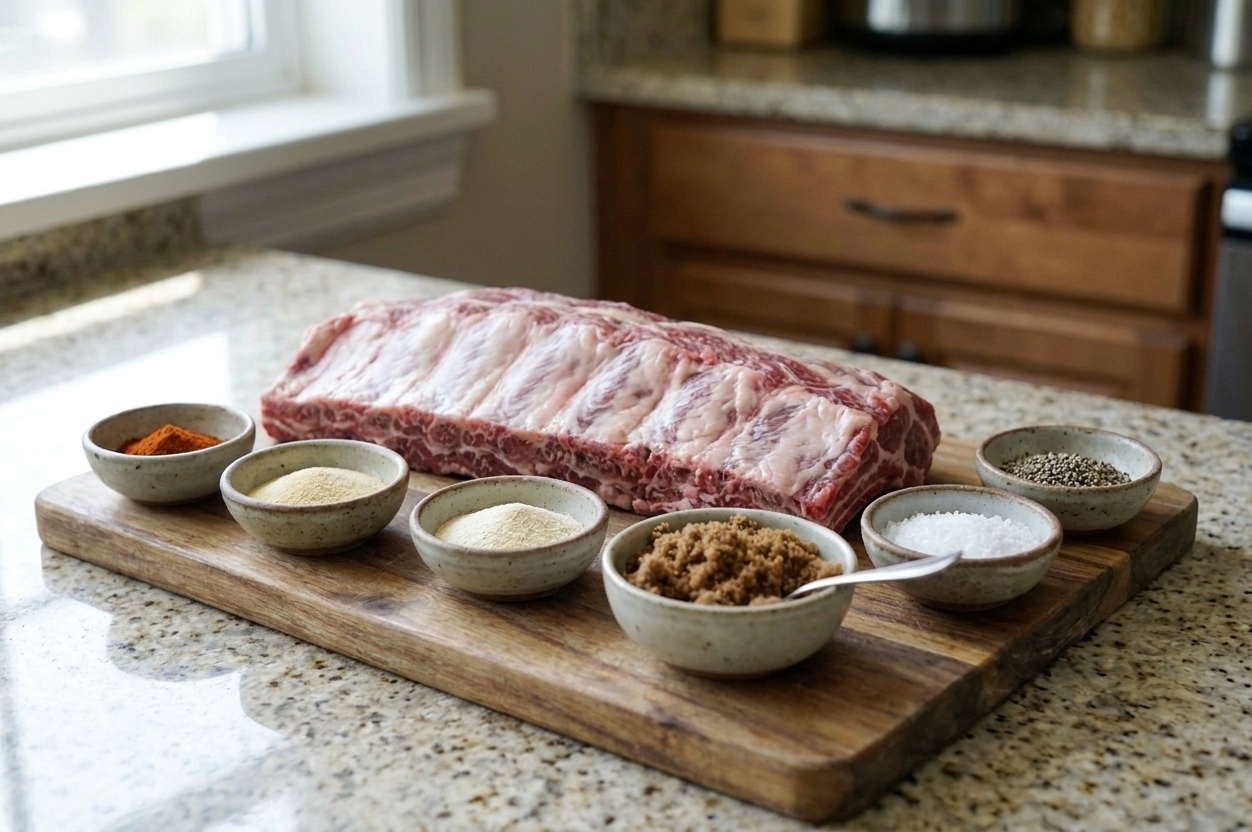
A raw rack of beef back ribs on a cutting board with visible bone and marbling, next to small bowls of salt, pepper, paprika, and brown sugar on a kitchen counter

Why It Works

  • Oven braise is very reliable for tenderness. Covered time in a low oven gently melts connective tissue so the meat loosens from the bones without drying out.
  • The sauce builds fast flavor. Ketchup, vinegar, and a little smoked paprika give you that backyard BBQ vibe without needing a smoker.
  • Two-stage cooking gives you texture. Braise for soft, then uncover and roast for sticky edges and a lacquered finish.
  • Accessible ingredients, flexible method. You can swap sauces, adjust heat, and use what you have without losing the plot.

Pairs Well With

Storage Tips

Refrigerate: Cool ribs completely, then store in an airtight container up to 4 days. Keep a little sauce and pan juice with them so they stay juicy.

Freeze: Wrap portions tightly and freeze up to 2 months. Thaw overnight in the fridge.

Reheat (best way): Put ribs in a baking dish with a splash of water or broth, cover with foil, and warm at 300°F for 20 to 30 minutes until hot. Uncover for the last 5 minutes and brush with extra sauce if you want the edges sticky again.

Leftover move: Pull the meat off the bones and pile it into a toasted roll with pickles and extra sauce. Messy. Worth it.

Common Questions

What are beef back ribs, exactly?

Beef back ribs come from the upper rib section, the same area where ribeye steaks are cut. That means the bones are long and curved, and the meat is often in between the bones rather than in one thick cap like short ribs. You get big beef flavor, but tenderness depends on slow cooking.

Why do my beef back ribs sometimes seem “not meaty”?

Because they are a byproduct cut. If the butcher took a generous ribeye off the bone, there is less meat left on the rack. Look for racks with thicker meat between the bones and decent marbling. If you have a thinner rack, this method still works, just start checking tenderness earlier.

Do I have to remove the membrane?

I recommend it. The papery membrane on the bone side can turn chewy and block seasoning. Slide a butter knife under it, grab with a paper towel, and pull. If it fights you, score it in a few places and move on.

How do I know when the ribs are done?

They are done when a fork slides into the meat easily and you can twist a bone with little resistance. If you like using a thermometer, ribs often turn tender around 195°F to 205°F in the thickest meaty section because collagen has had time to break down. Note that this is a tenderness range, not a food-safety “must hit” number. Tenderness matters more than a single temp.

Can I make these in advance?

Yes. Braise them until tender, cool, then refrigerate. The next day, warm covered at 300°F until hot, then sauce and finish uncovered to caramelize.

Can I do this on the grill instead?

You can, but this recipe is written for the oven so it is predictable. If you grill, cook them indirect and keep a pan of liquid under them if possible, then finish over higher heat with sauce at the end.

I went to school planning on the culinary track, then ended up chasing the practical side of cooking instead. The funny part is that beef back ribs feel like the perfect summary of that decision. They are not fancy. They are not delicate. They are a little chaotic. But if you respect the process and taste as you go, they turn into something that feels restaurant-level without needing restaurant-level stress. This is the kind of dish that makes me want to open my own place someday, because it gets people quiet at the table in the best way.