Is pork butt the same as pork shoulder?
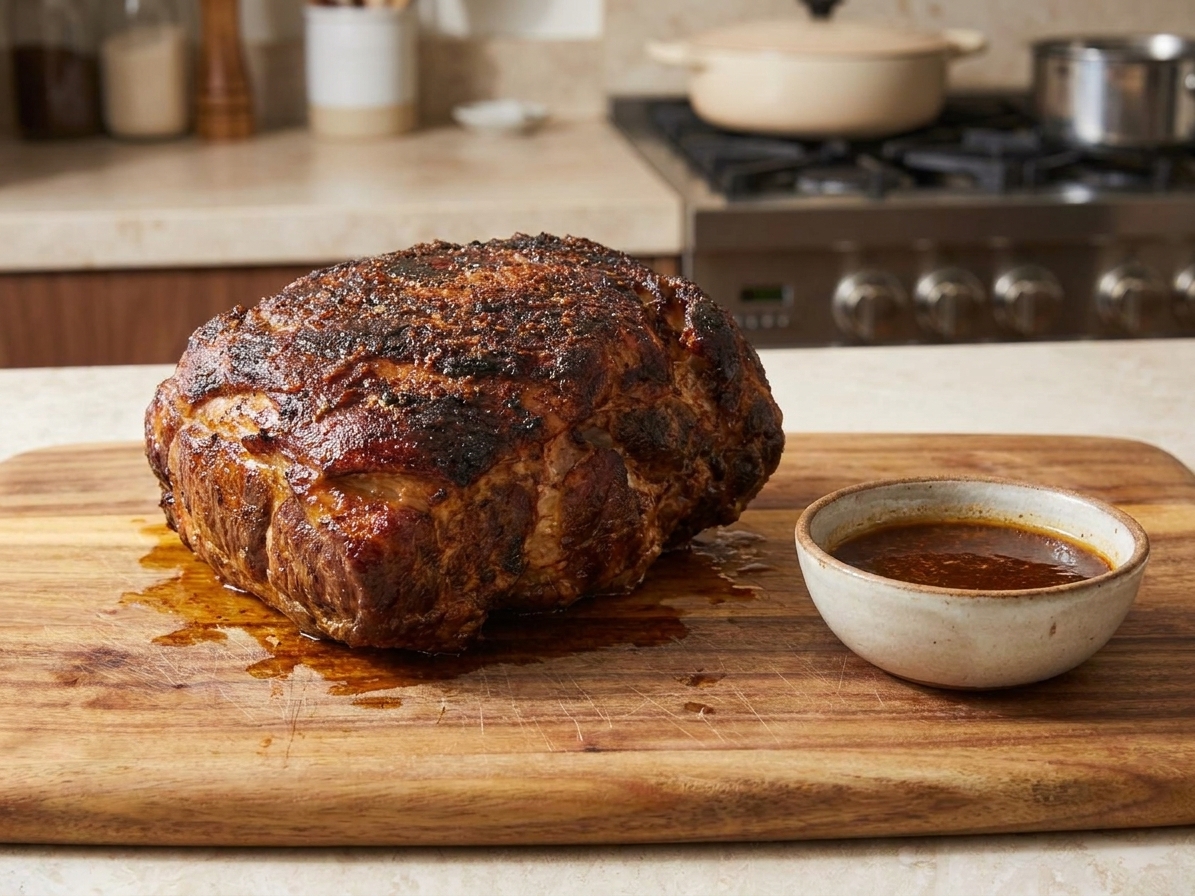
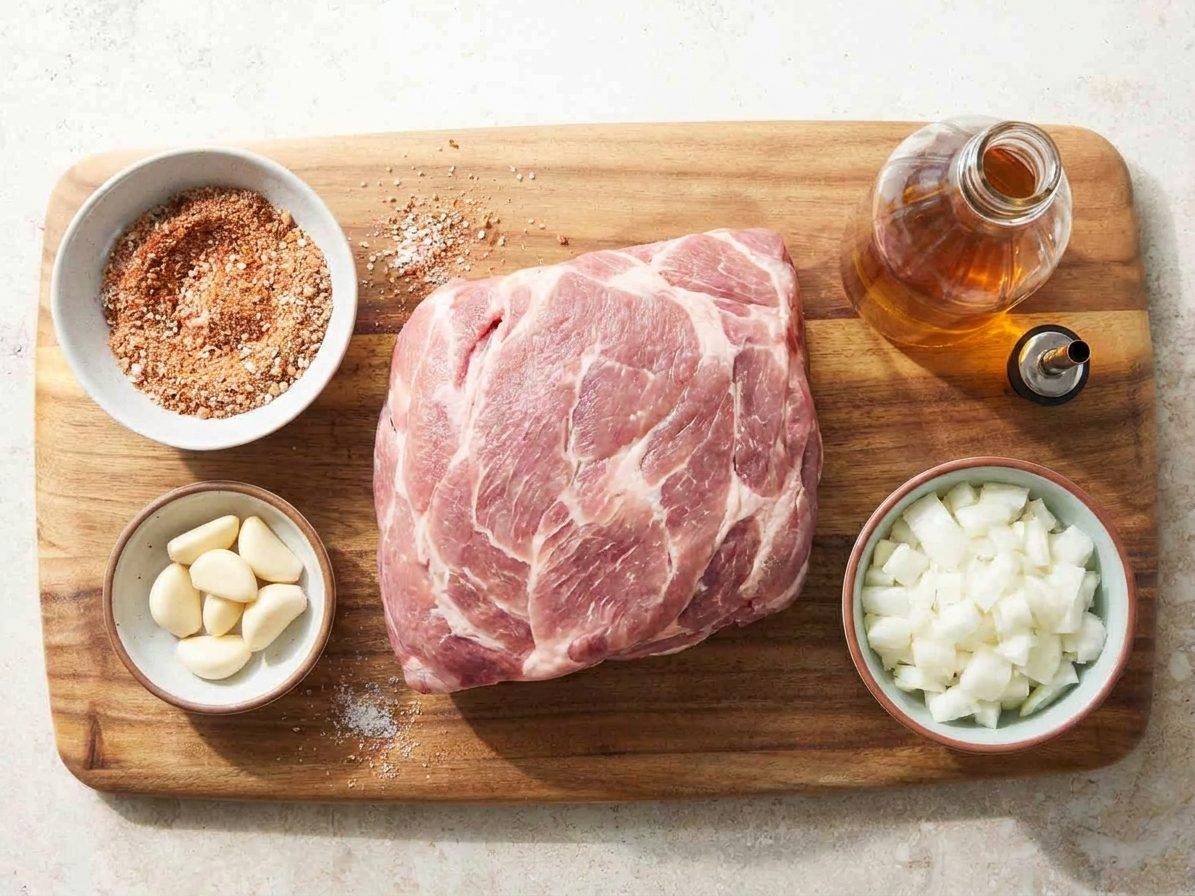
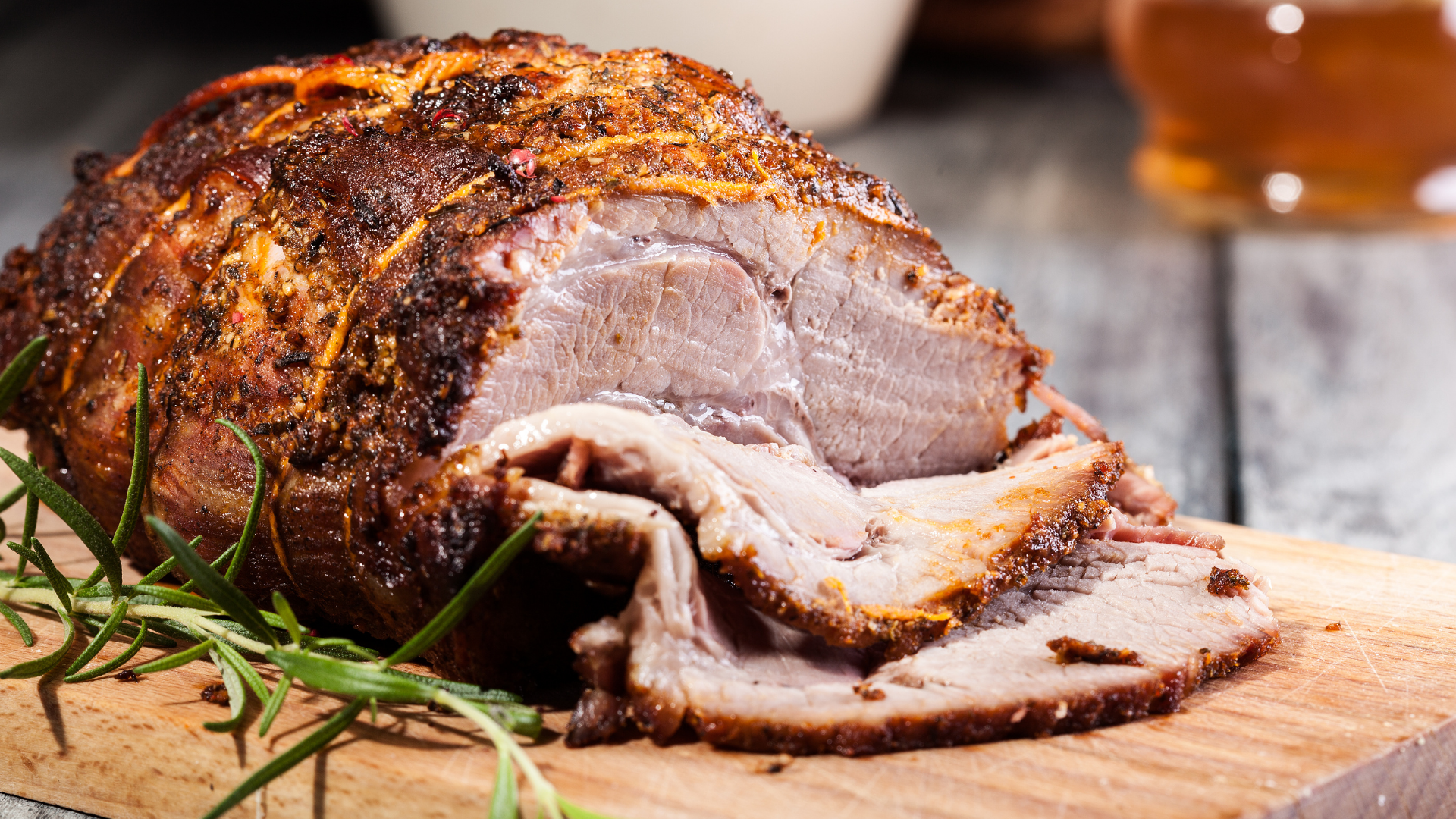
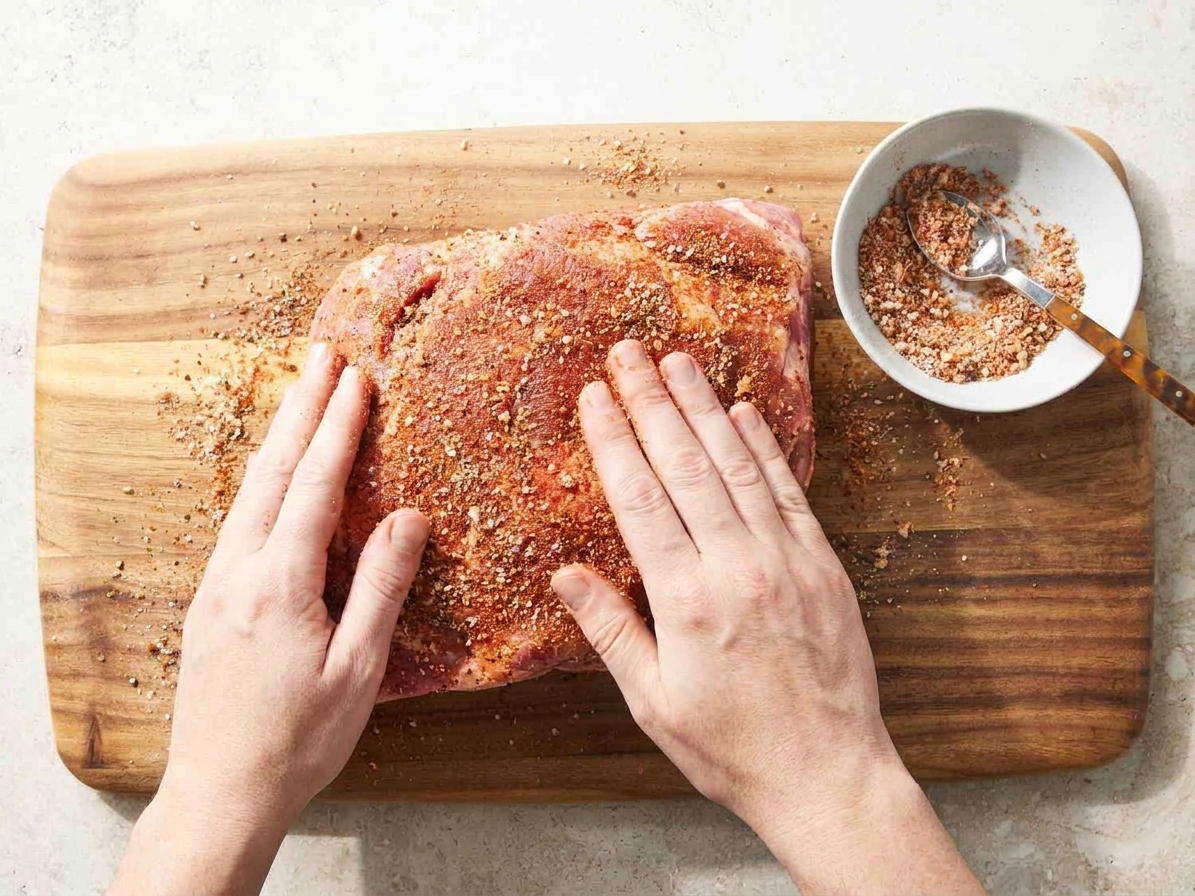
Pretty much for home cooking. “Pork butt” (also called Boston butt) comes from the upper shoulder. It is well-marbled and ideal for roasting until tender and shreddable. Many stores label it as pork shoulder roast, pork butt, or Boston butt.
What internal temperature should pork butt roast be?
Food safety note: Pork is safe to eat at 145°F with rest, but pork butt is a different mission. This cut turns tender when collagen breaks down, so you intentionally cook it much higher for texture.
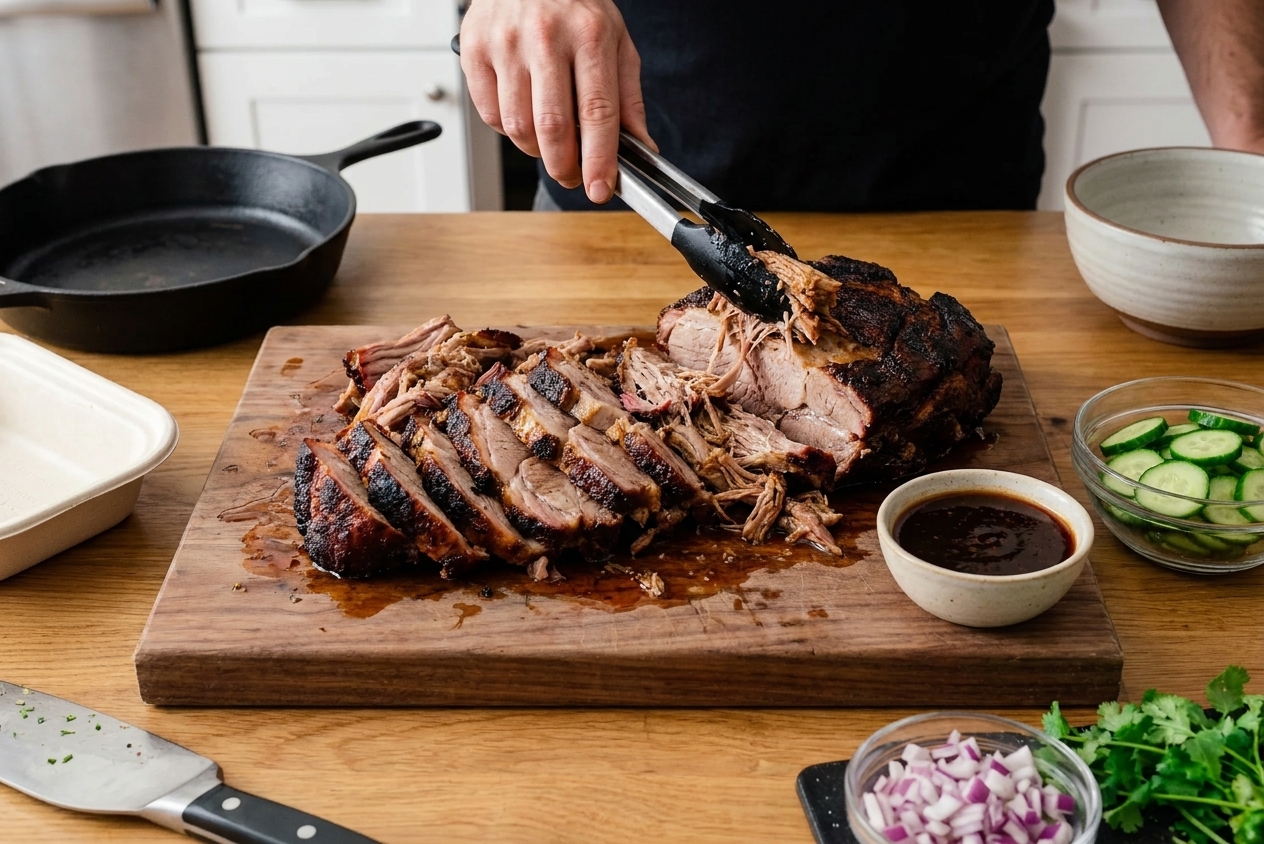
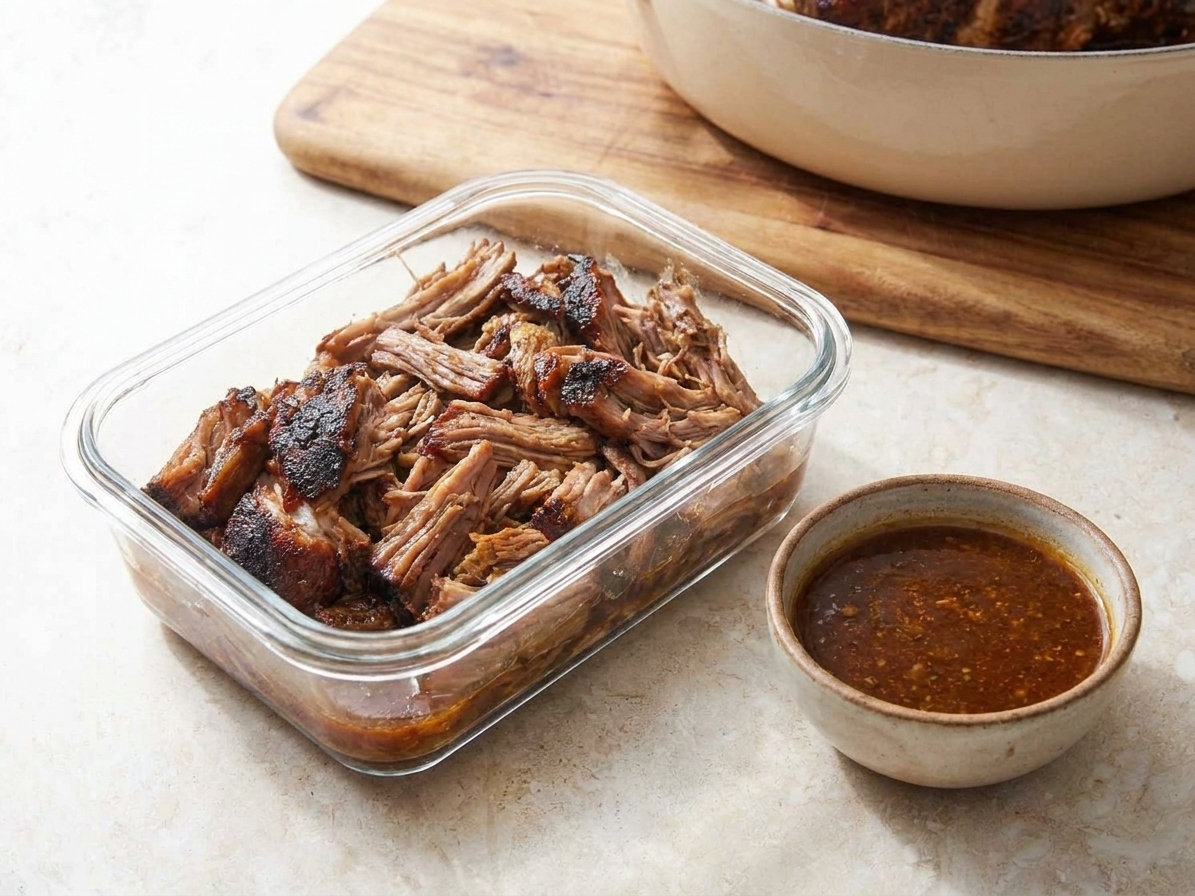
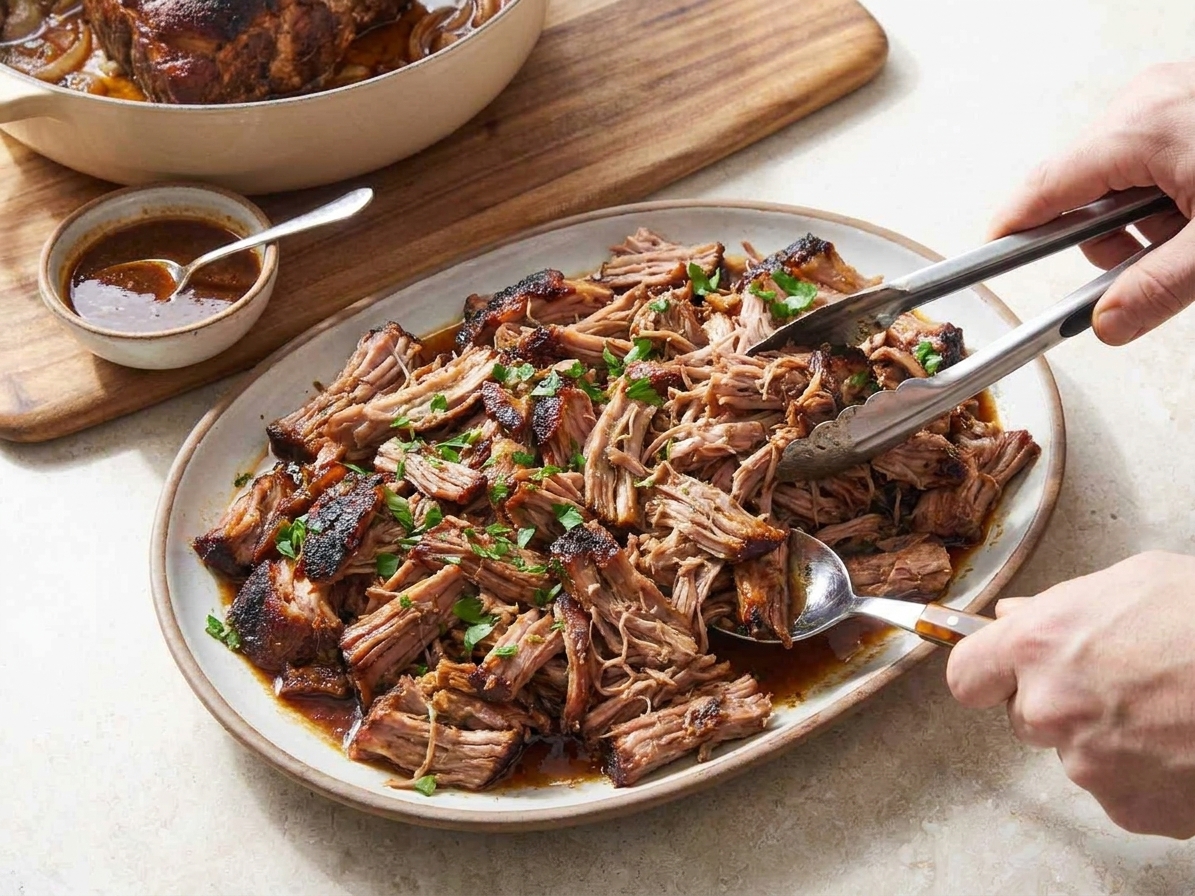
For pork that is tender but still sliceable, pull it around 185°F to 190°F. You can slice at 180°F, but expect it to be firmer and a bit chewy. For truly shreddable, pull-apart texture, aim for 195°F to 203°F. The feel matters too: a probe should slide in with little resistance, like warm butter, in multiple spots.
Should I cover pork butt roast in the oven?
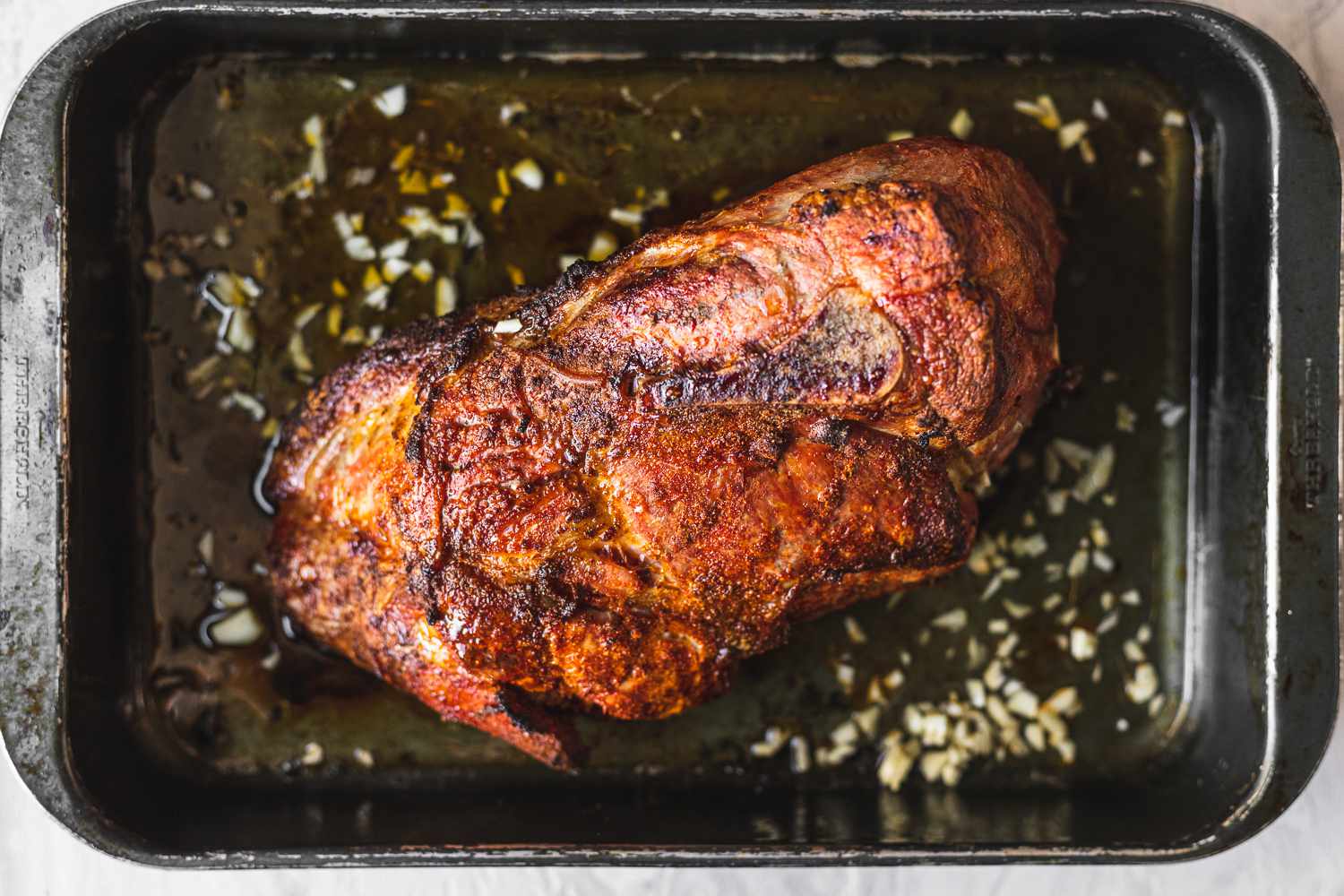
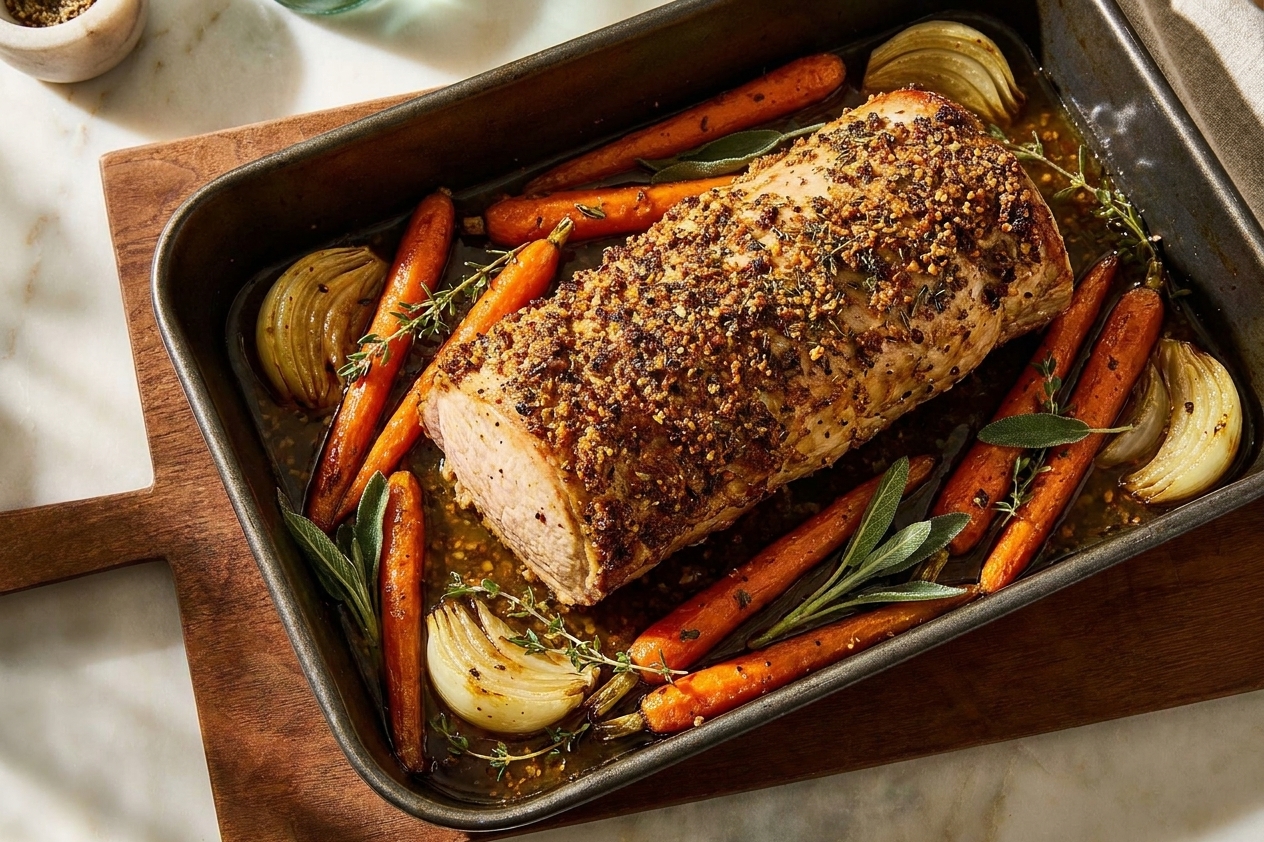
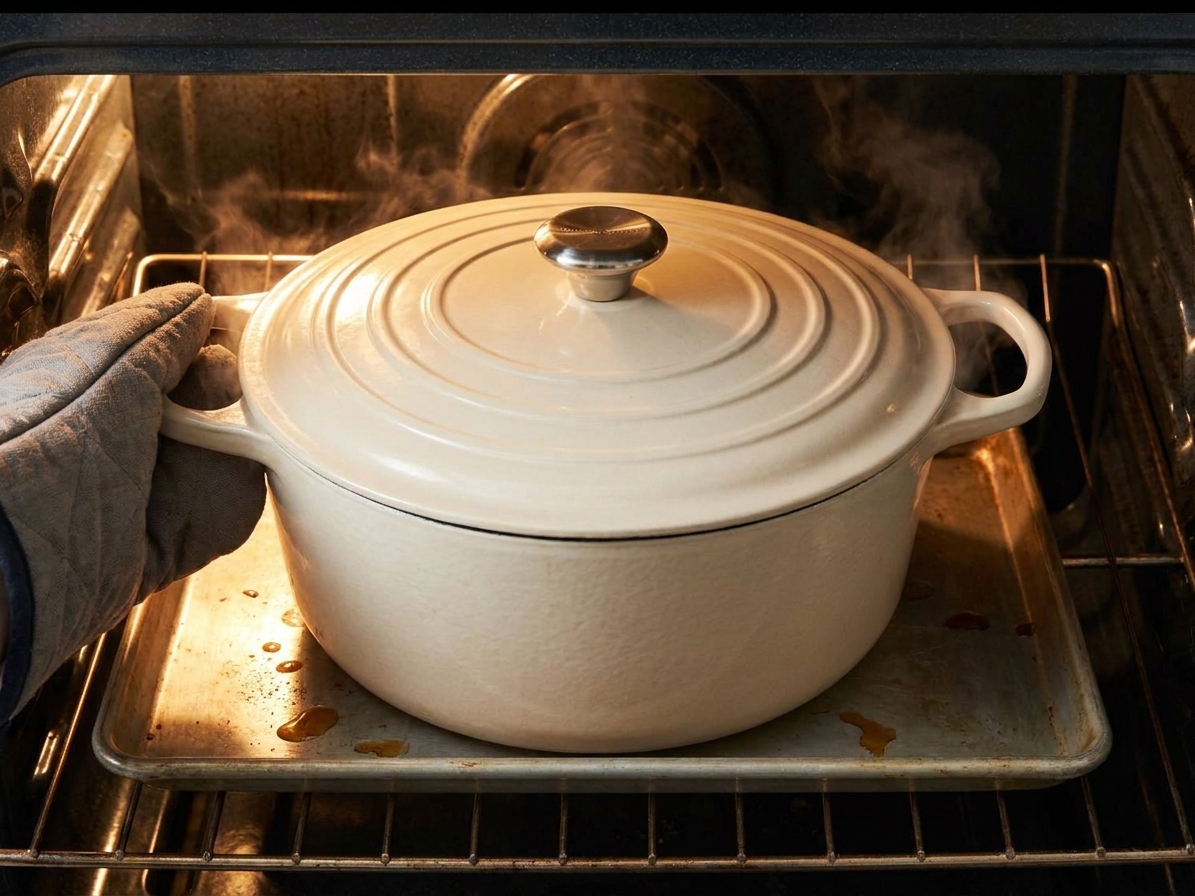
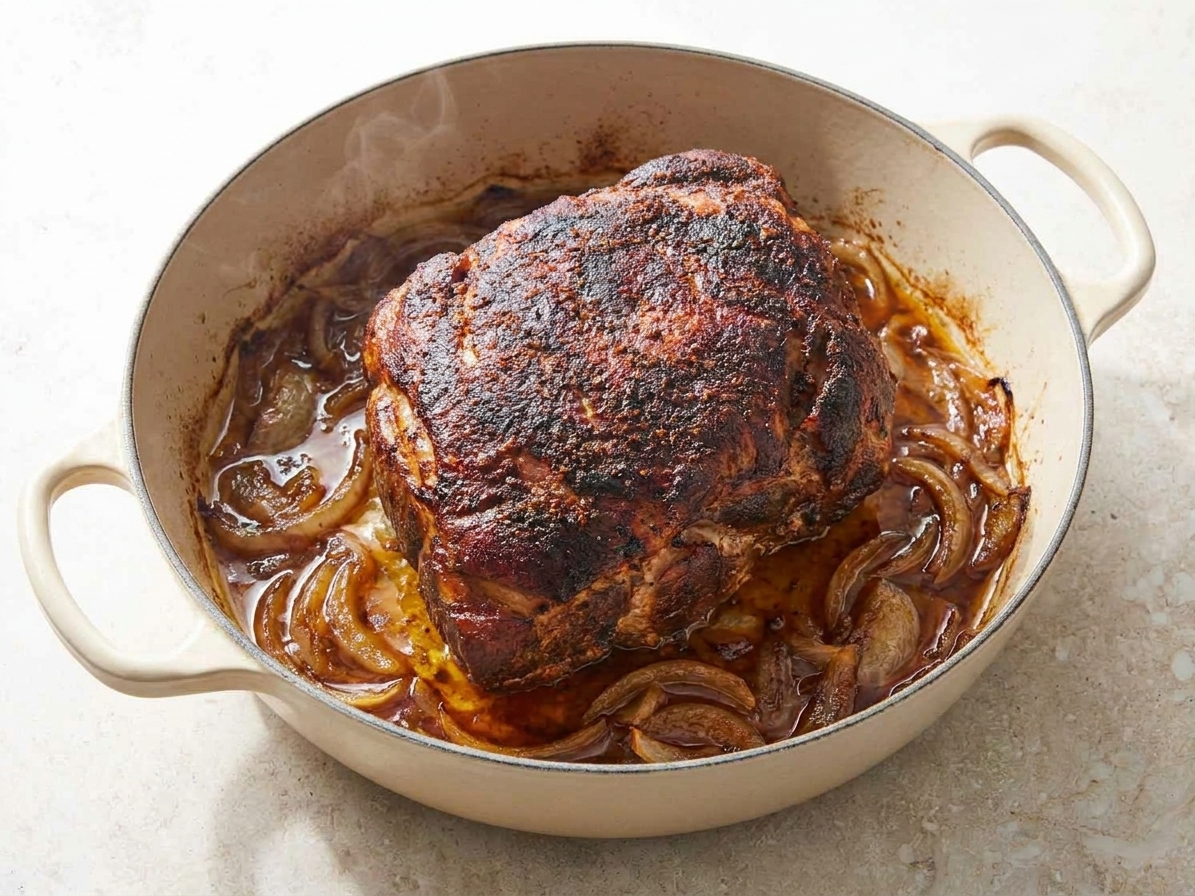
For this recipe, yes at first. Covering helps it stay moist during the long roast. Then you uncover and crank the heat to build crust.
Do I need to sear it first?
Not necessary here. The high-heat finish gives you great browning without extra steps. If you love a deeper crust, you can sear in a hot Dutch oven for 3 to 4 minutes per side before roasting.
Why is my pork butt tough?
It usually needs more time. Pork butt gets tender when collagen melts, which happens after it spends enough time at a high-enough internal temperature. Keep roasting until it hits 195°F to 203°F and feels soft when probed.
Can I make this without sugar?
Yes. The crust will be a little less caramelized, but still tasty. Swap brown sugar for 1 teaspoon extra paprika and a drizzle of honey in the pan sauce if you want a touch of balance.
Does cook time change for bone-in vs. boneless?
Yes, a bit. Boneless can cook slightly faster; bone-in can take a little longer. Either way, cook to temperature and tenderness, not the clock.