Mom's Best Recipes
Recipe

Pad Kee Mao (Thai Drunken Noodles)

Spicy, savory Thai basil noodles with wide rice noodles, crunchy veg, and a glossy garlic-chile sauce that tastes like takeout but cooks in your own pan.

Author By Matt Campbell
4.8
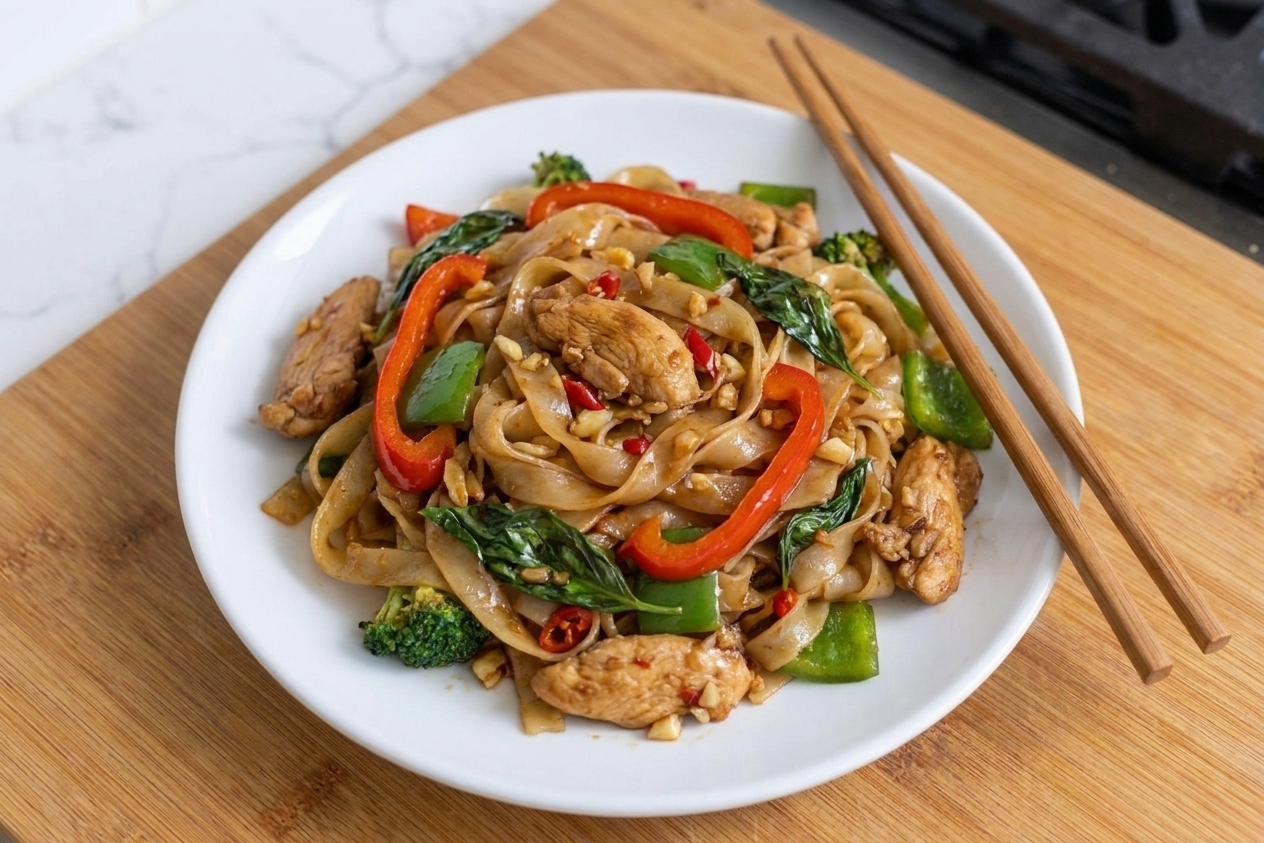
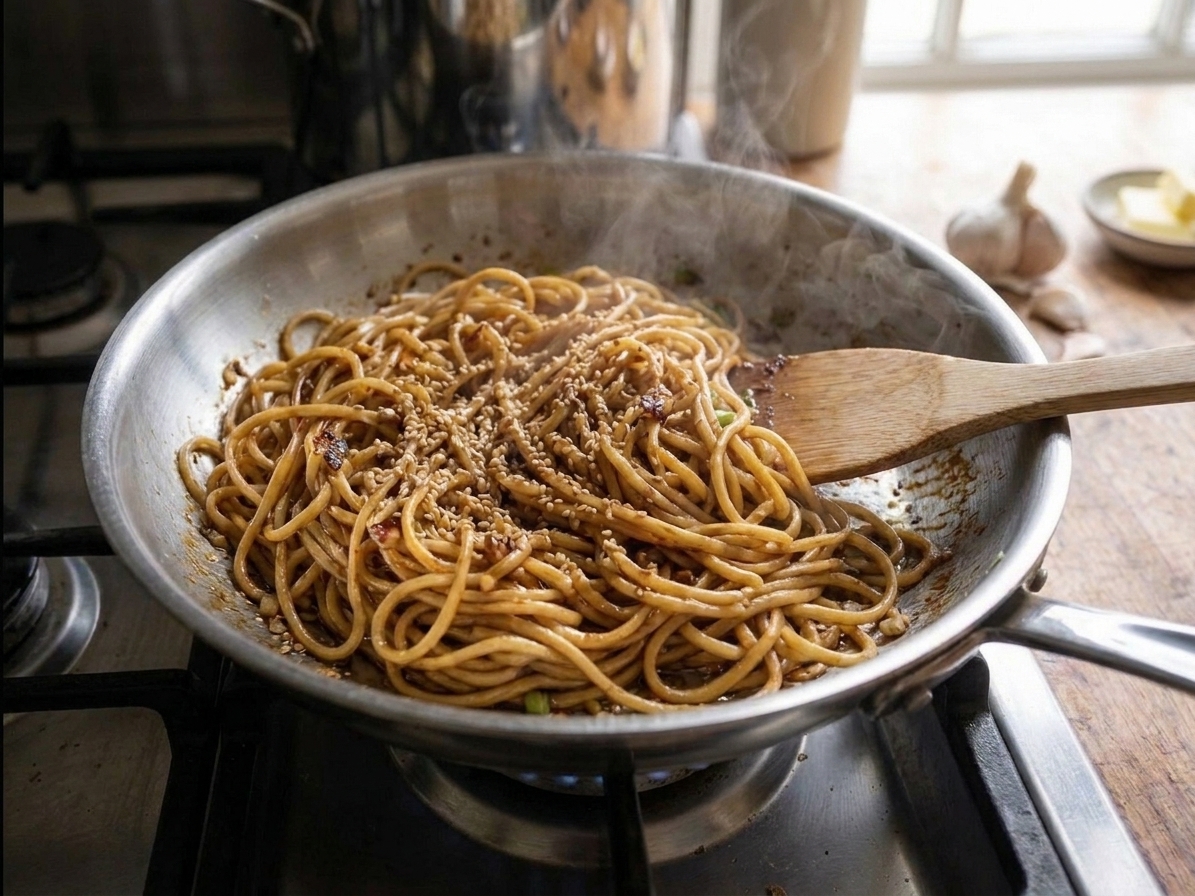
A plated serving of pad kee mao with wide rice noodles, Thai basil leaves, bell peppers, and glossy spicy sauce on a white plate on a warm kitchen table

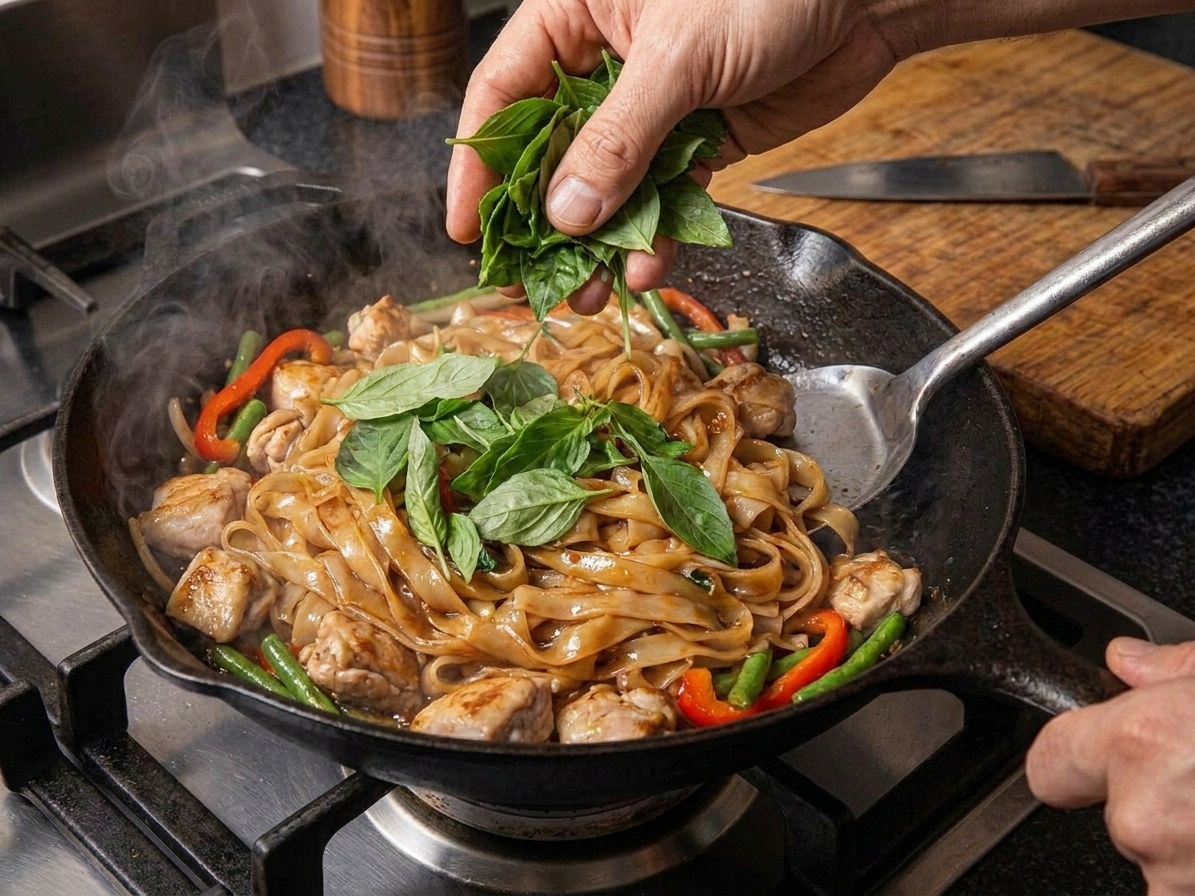
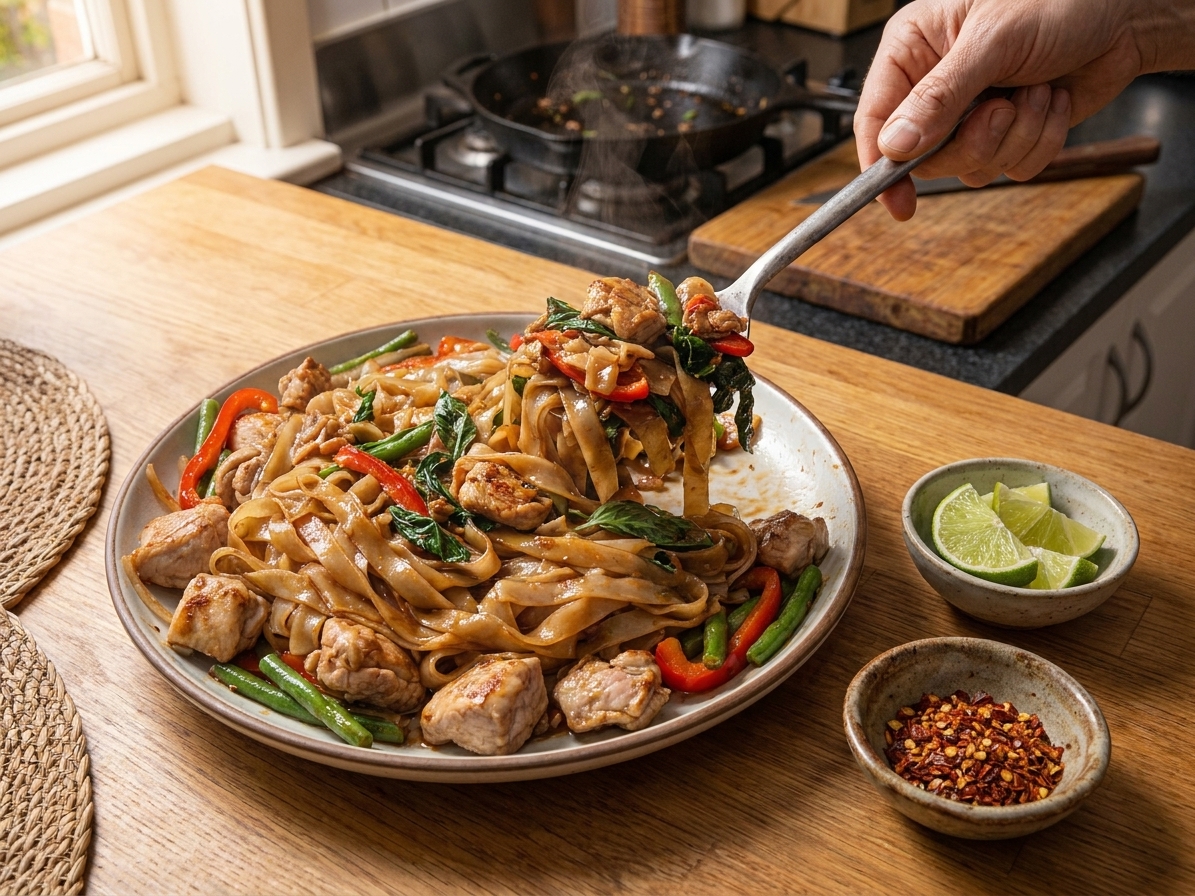
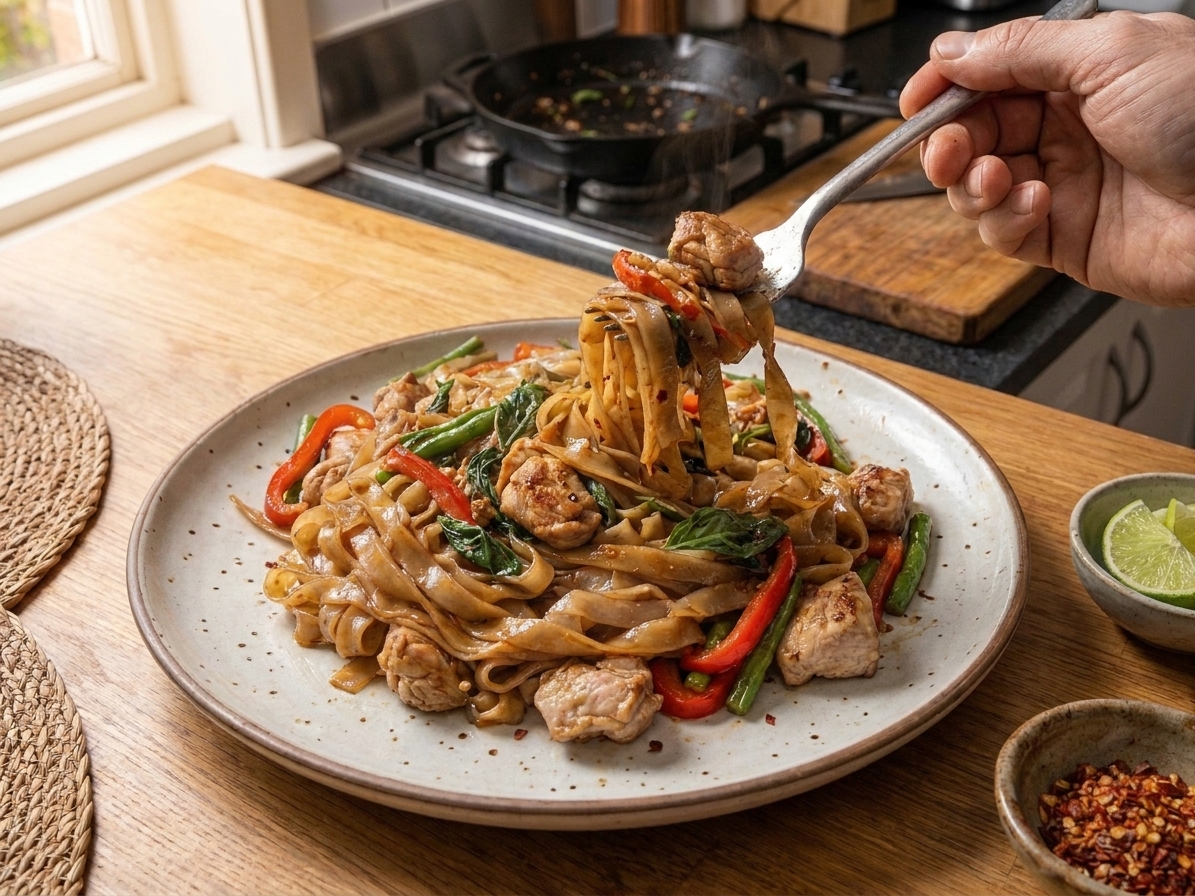
Pad kee mao is the noodle dish I make when I want chaos in the best way. Wide rice noodles, a loud little garlic-chile moment, basil that smells like you know what you’re doing, and crisp veggies that stay snappy even when the sauce gets glossy and clingy.

Despite the nickname, there’s typically no booze in it, and the origin story depends on who you ask. The vibe is more like: this is what you eat after the night gets interesting. At home, it’s also what you cook when you want maximum payoff in about 20 minutes and you don’t feel like babysitting a complicated sauce.

We’re going for those slightly charred edges, tender noodles that don’t turn into paste, and a sauce that hits salty, sweet, and spicy all at once. Taste as you go. It’s not only allowed, it’s encouraged.

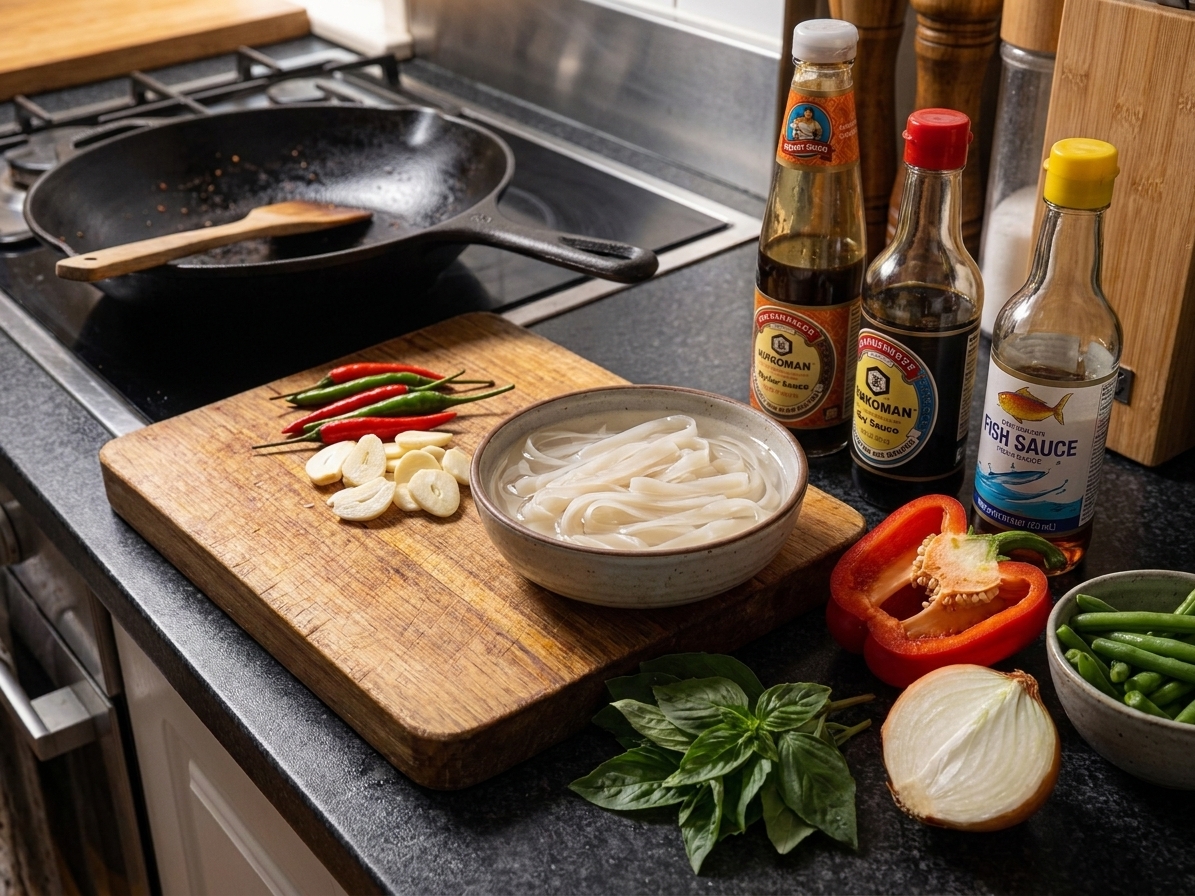
Pad kee mao ingredients arranged on a kitchen counter including wide rice noodles, Thai basil, garlic, chilies, bell peppers, onion, oyster sauce, soy sauce, and fish sauce

Why It Works

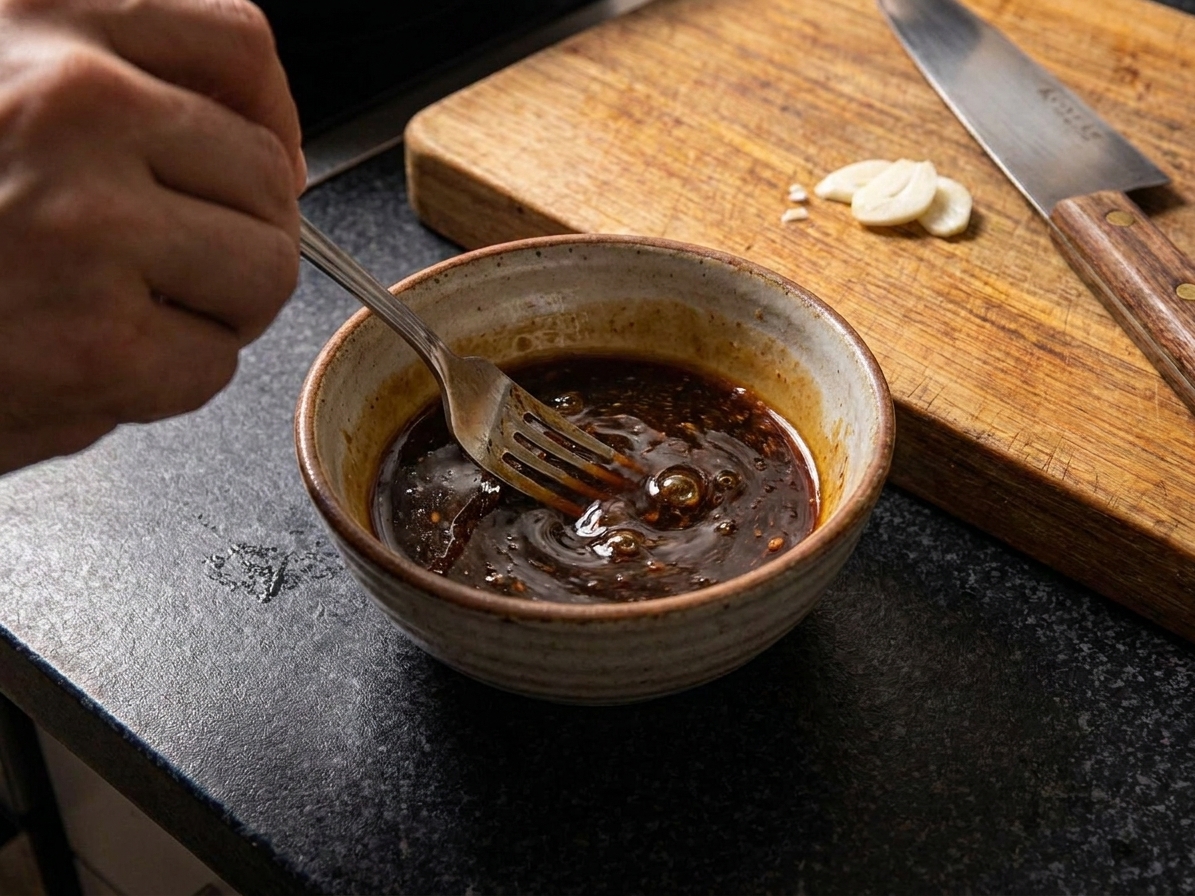
  • Big flavor, simple sauce: Oyster sauce, soy, fish sauce, and a touch of sugar make that classic savory-sweet backbone, then garlic and chile do the heavy lifting.
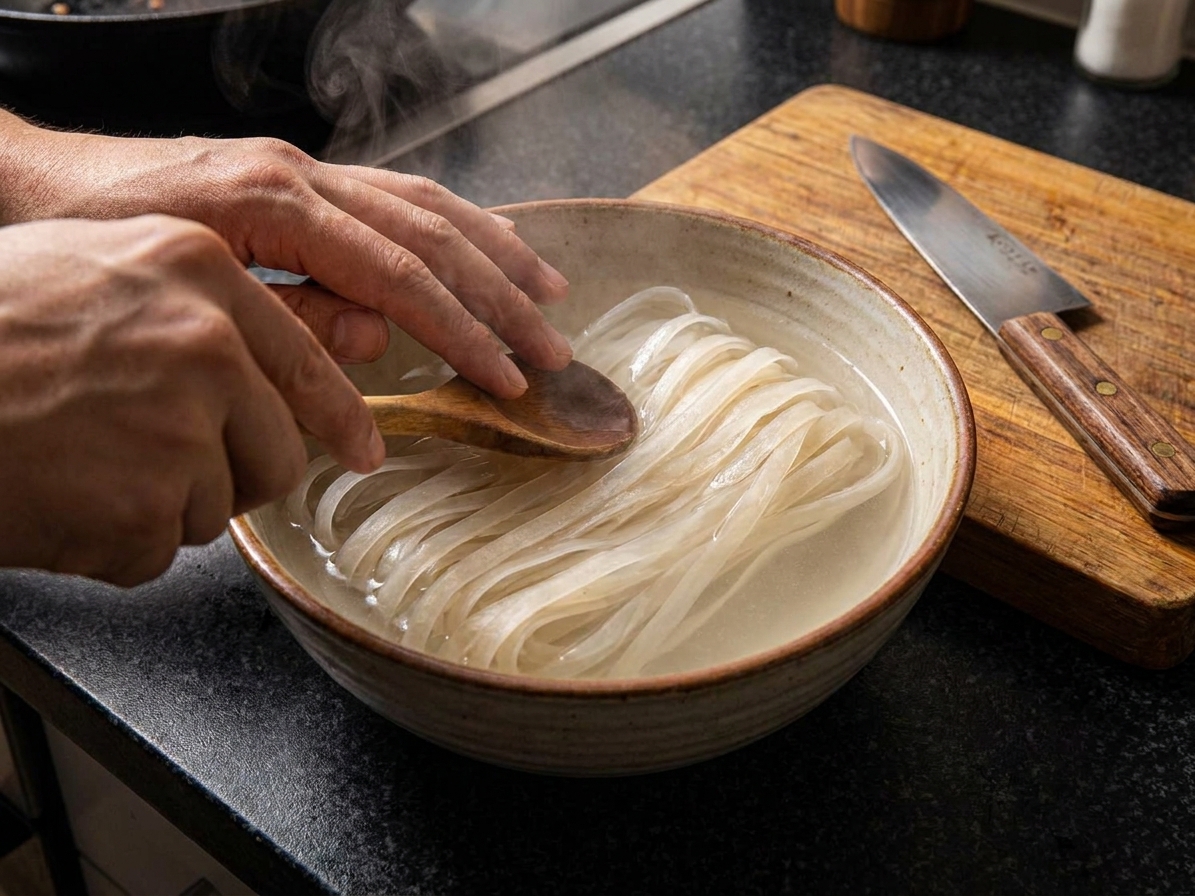
  • Less soggy noodle drama: We loosen refrigerated noodles properly, or soak dried ones just until flexible, so they fry instead of steaming.
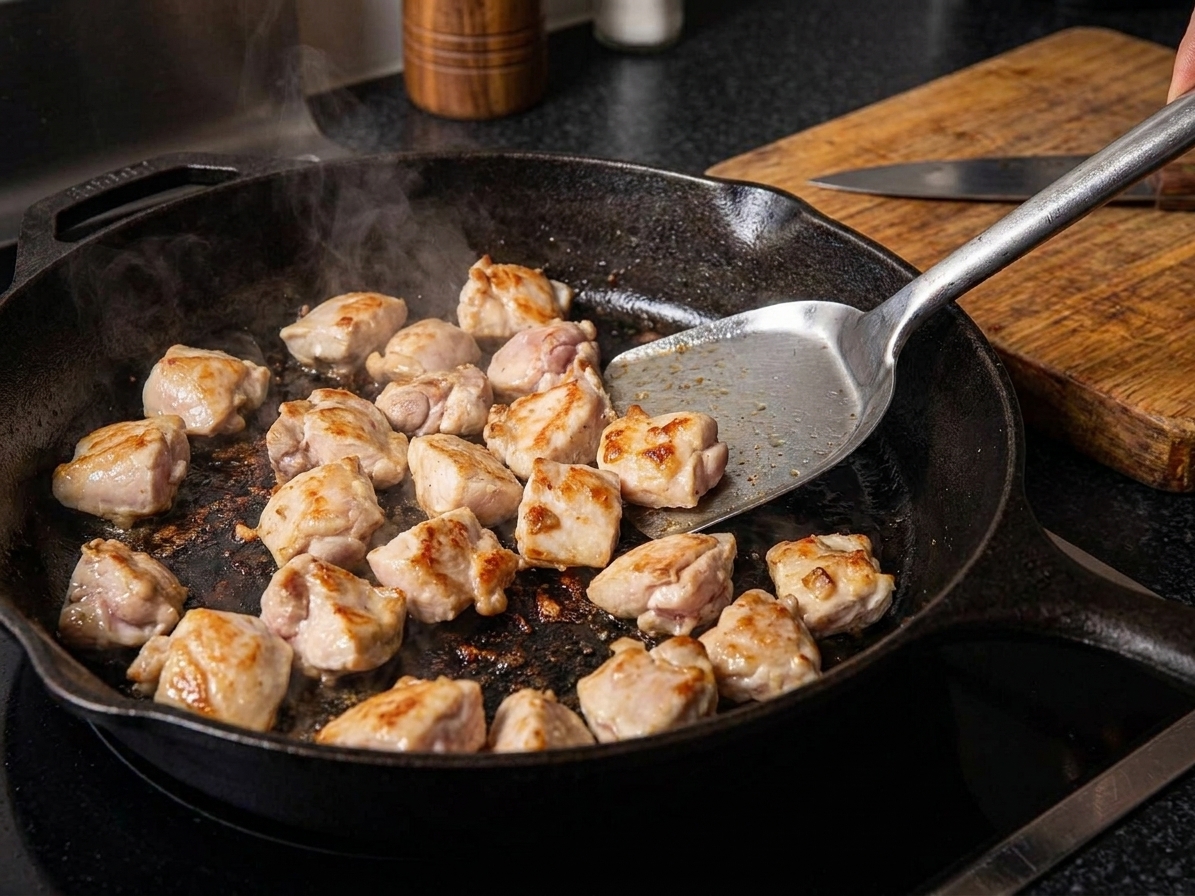
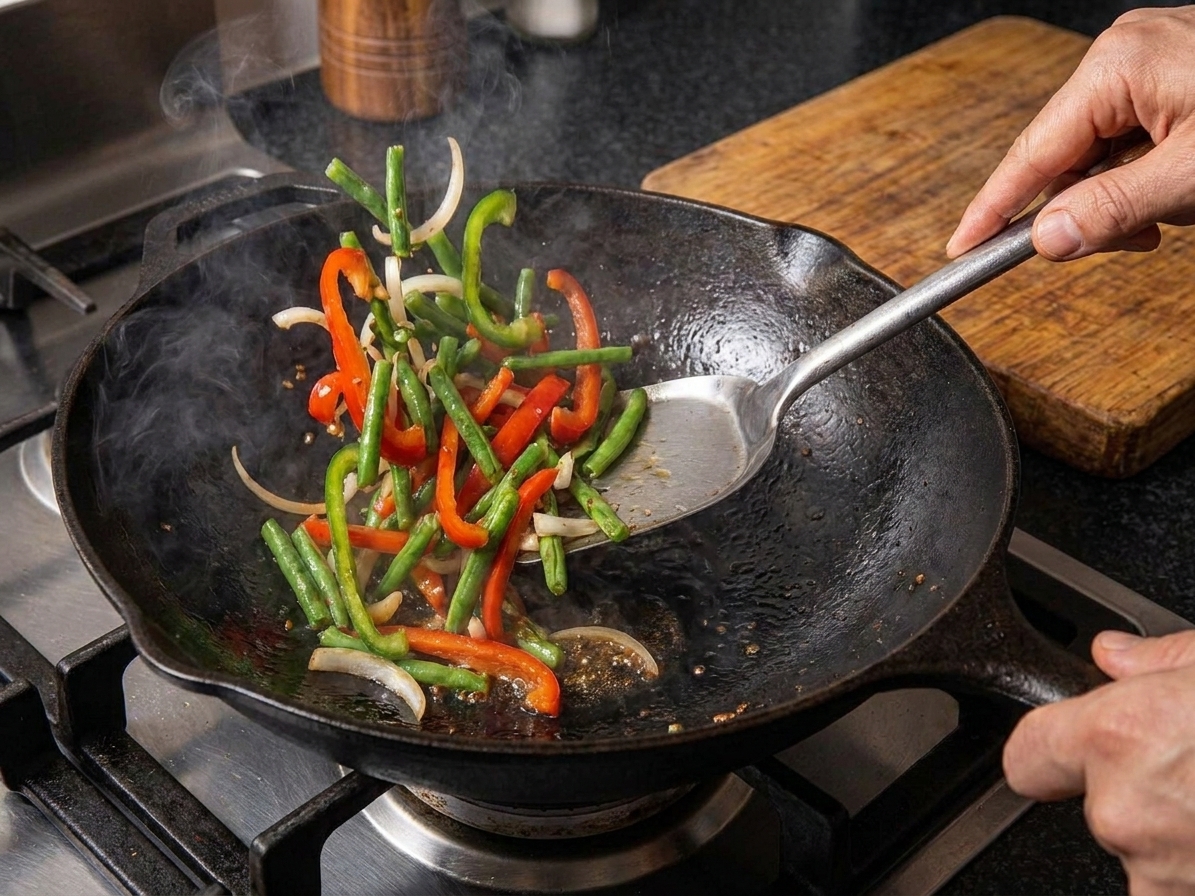
  • Fast stir-fry sequencing: Protein first, then aromatics, then veggies, then noodles, then sauce. That order keeps everything crisp and not overcooked.
  • Thai basil at the finish: Add it last so it stays fragrant and fresh instead of sad and dark.

Pairs Well With

Storage Tips

Fridge: Store leftovers in an airtight container and refrigerate promptly (ideally within 2 hours). They’ll keep well for 3 to 4 days.

Reheat (best method): Warm a skillet over medium-high with a splash of water (1 to 2 tablespoons) or broth. Add noodles and toss until hot and loosened, 2 to 4 minutes. Finish with a tiny drizzle of soy or a squeeze of lime if it tastes flat.

Microwave method: Cover loosely and microwave in 30-second bursts, stirring between, with a splash of water to keep noodles from drying out.

Freezing: Not my favorite. Rice noodles tend to break and turn a bit mushy after freezing, but if you must, freeze up to 1 month and reheat in a skillet with extra sauce or broth.

Allergen notes: Oyster sauce contains shellfish, fish sauce contains fish, and soy sauce contains soy (and often wheat). For gluten-free, use tamari or a gluten-free soy sauce and double-check labels.

Common Questions

Is pad kee mao actually made with alcohol?

Typically no. The name is more about the vibe than the ingredients, and the origin story gets debated depending on who you ask. Most versions rely on a punchy sauce and basil, not booze. If you want, you can add a small splash of Thai whiskey or dry sherry while stir-frying the aromatics, but it’s totally optional.

What is the difference between pad kee mao and pad see ew?

Pad see ew is darker, sweeter, and more soy-forward, often with Chinese broccoli and a gentler heat. Pad kee mao is spicier and more herbal, with lots of basil and often a wider mix of vegetables.

Can I make it without fish sauce or oyster sauce?

Yes. Swap fish sauce with more soy sauce plus a squeeze of lime at the end for brightness. For oyster sauce, use vegetarian oyster sauce (mushroom-based) or hoisin in a pinch. Hoisin is sweeter, so reduce the sugar.

What noodles should I use?

Wide rice noodles are classic. Fresh wide rice noodles are ideal, refrigerated ones are great, and dried wide rice noodles work too. If you can’t find them, use medium-width rice noodles or even lo mein noodles. The sauce still hits.

How spicy is this recipe?

As written, it’s medium-hot. For mild, start with 1 teaspoon chili paste and skip fresh chilies. For spicy, add sliced Thai chilies and a spoon of chili crisp at the end.

The first time I tried pad kee mao, I remember thinking, this tastes like someone turned the volume up on noodles. Not just spicy, but bright and savory and kind of reckless in a way that makes you keep eating. When I started cooking it at home, the lesson was immediate: prep everything first, because once the pan is hot, it’s a sprint. Now it’s one of my go-to dinners when I want takeout energy without the takeout wait, and I want my kitchen to smell like garlic, basil, and good decisions.