Mom's Best Recipes
Recipe

Pasteles Puertorriqueños

Savory Puerto Rican pasteles with garlicky masa, tender pork filling, and banana-leaf wrappers. Make ahead, freeze, and boil whenever the craving hits.

Author By Matt Campbell
4.8
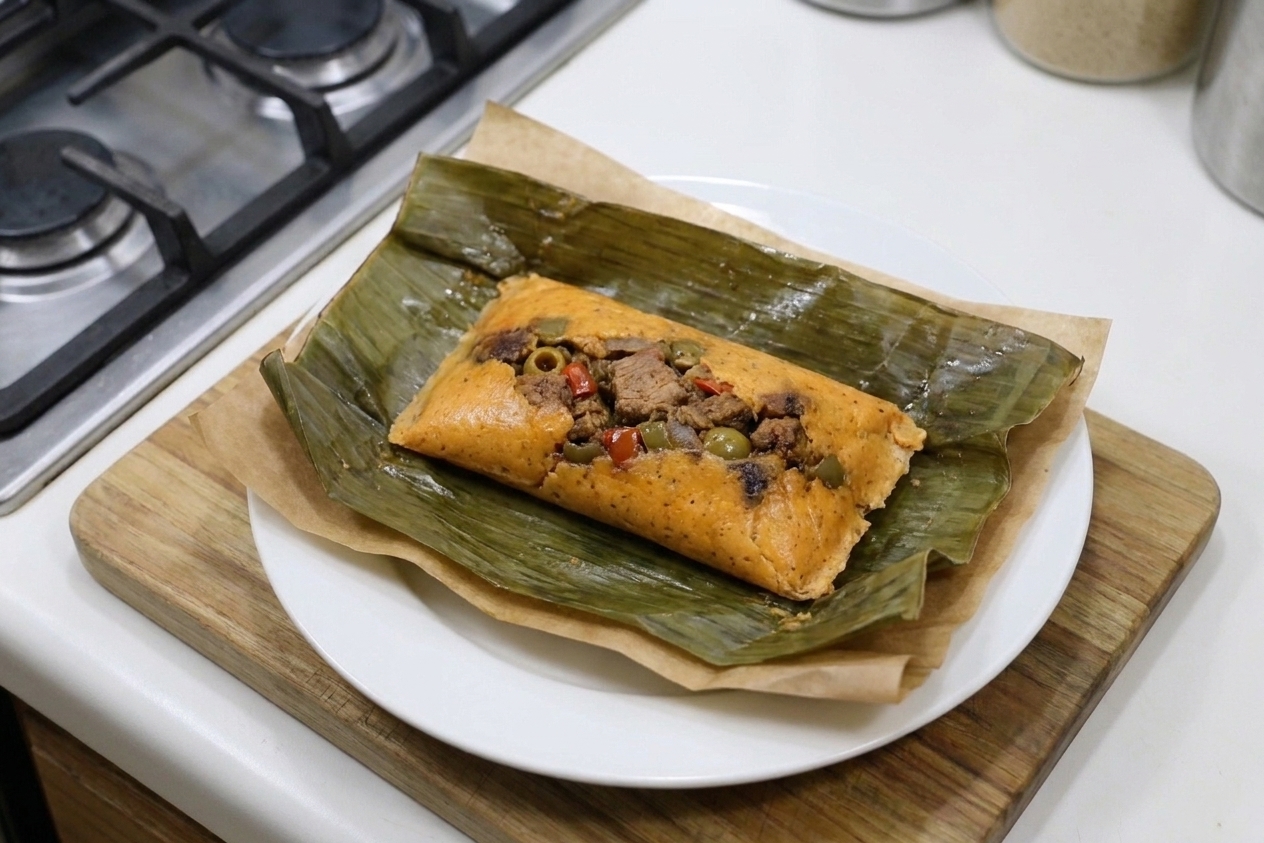
A platter of Puerto Rican pasteles wrapped in banana leaves with kitchen twine, one pastel opened to show the savory pork filling, on a warm-toned kitchen table

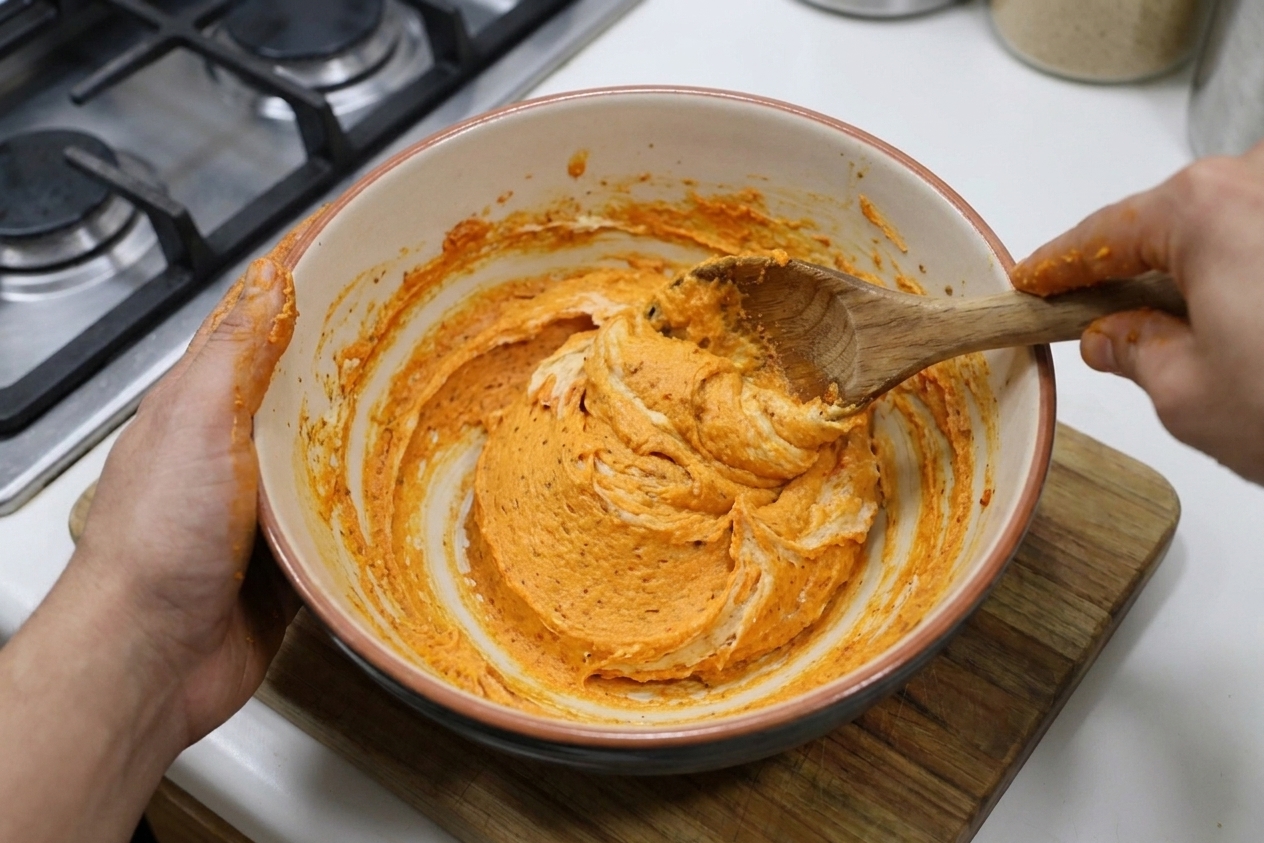
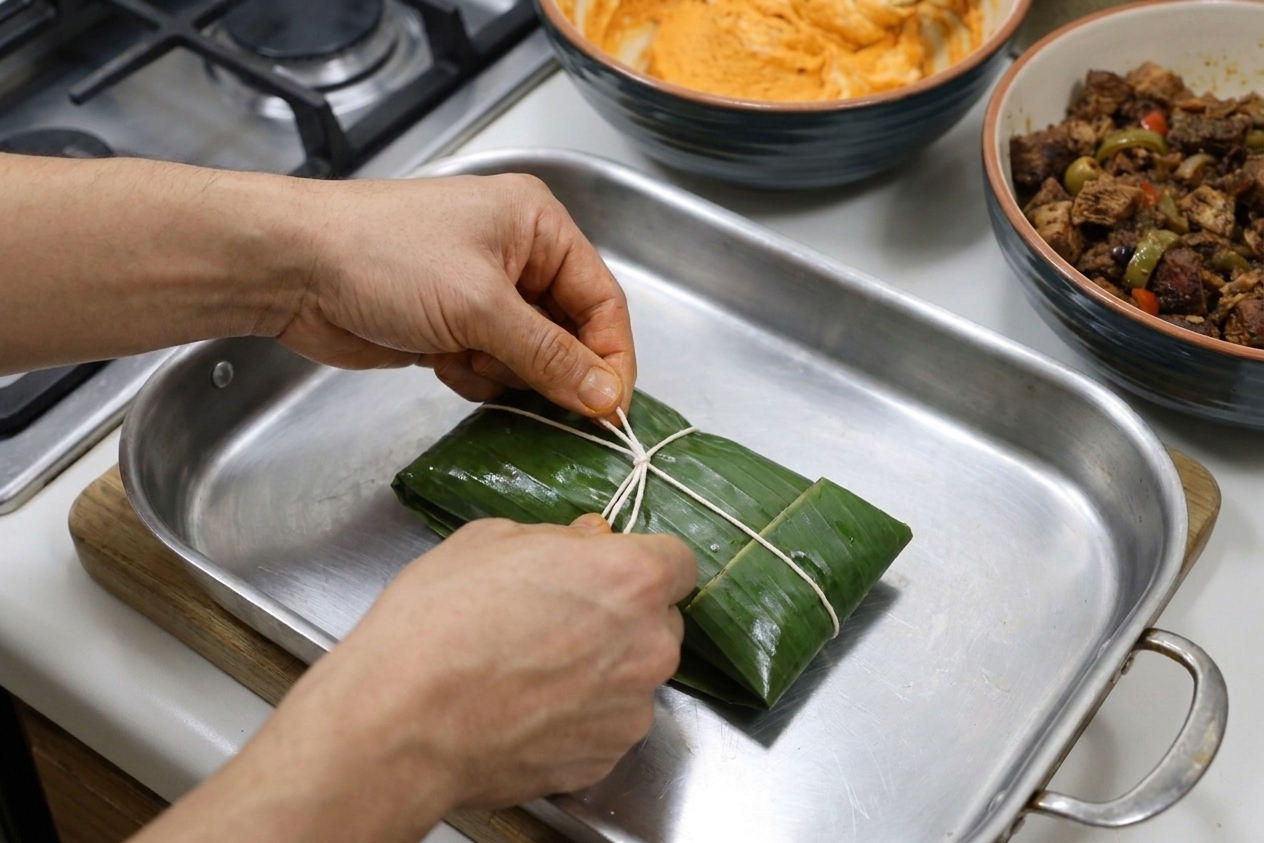
Pasteles are one of those dishes that feel like a whole house project in the best way. Not hard, just layered. You cook a deeply seasoned filling, grate a masa that smells like garlic and green banana, then wrap everything up like little edible presents and boil them until the outside turns tender and the inside turns into pure comfort.

This is my home-cook friendly Puerto Rican pasteles recipe. Clear steps, accessible ingredients, and a few save-your-sanity moves so you can actually enjoy the process. Put on music. Recruit a friend. Taste as you go, but taste the cooked bits, not the raw masa. Pasteles reward the chaos.

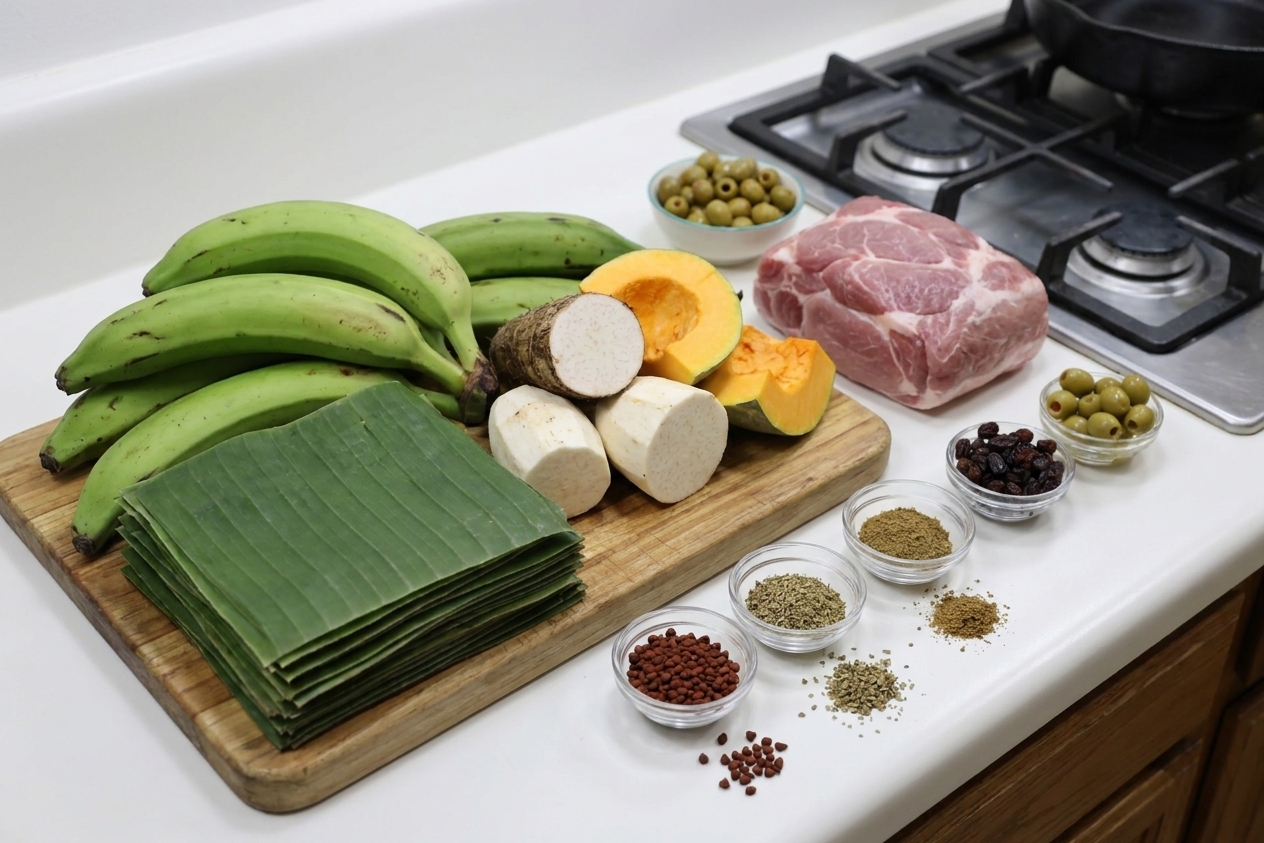
Banana leaves, green bananas, green plantains, yautia, calabaza squash, pork shoulder, olives, raisins, and spices arranged on a bright kitchen counter

Why It Works

  • Big flavor, not bland masa: We season the masa with broth, sazón or annatto oil, and enough salt to make it taste good once cooked.
  • Filling that stays juicy: A quick braise-style cook keeps the pork tender and the sauce thick enough to spoon without leaking everywhere.
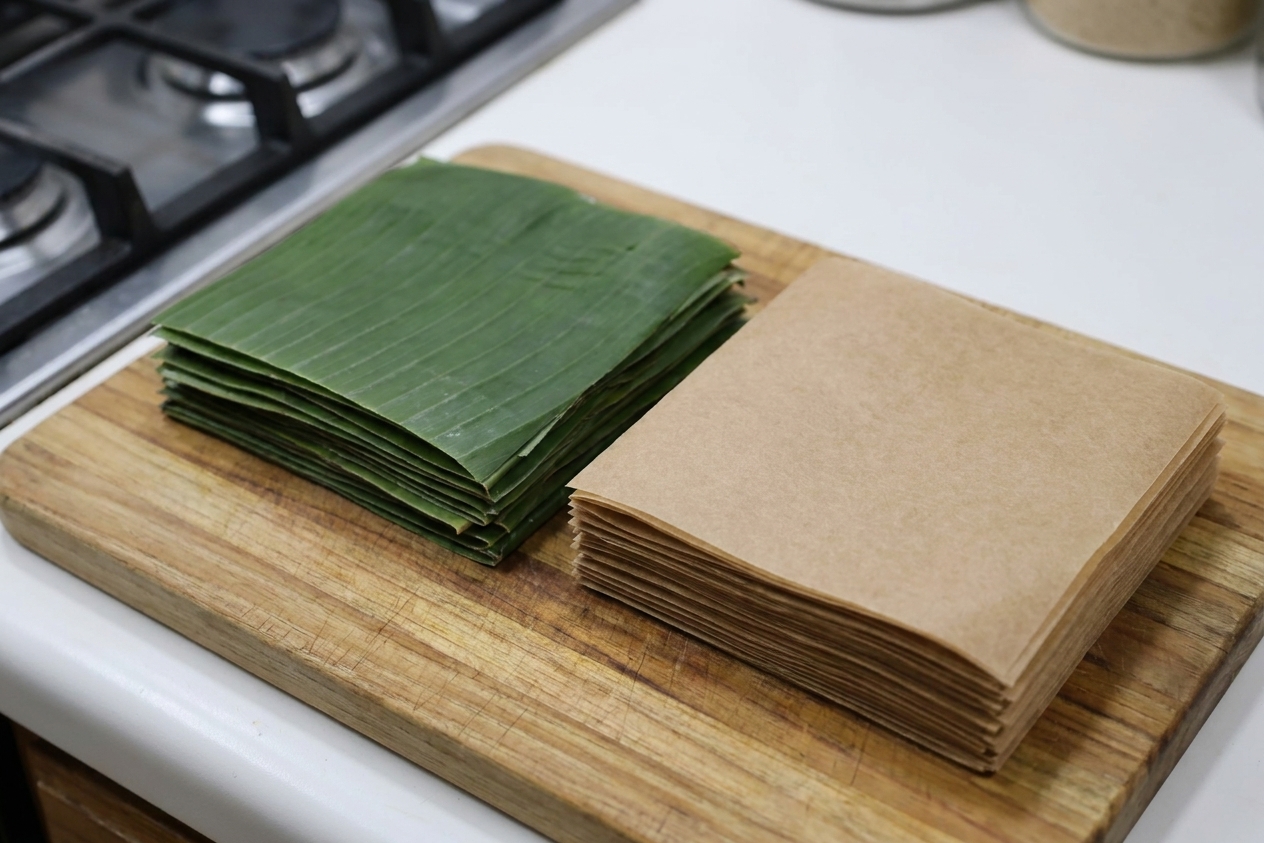
  • Wrappers that behave: Softened banana leaves, trimmed ribs, and a parchment layer make wrapping easier and help prevent sticking and tearing.
  • Freezer-friendly by design: Pasteles are basically meal prep with a party hat. Make a batch, freeze, and boil straight from frozen.

Pairs Well With

Storage Tips

Storage Tips

Refrigerate

Cool cooked pasteles completely, then refrigerate (still wrapped) for up to 4 days. Reheat by simmering in gently bubbling water for 10 to 15 minutes, or steam until hot throughout.

Freeze (best option)

Freeze uncooked wrapped pasteles on a sheet pan until firm, then transfer to freezer bags. They keep well for 3 months.

To cook from frozen: add to gently boiling water and cook for 50 to 60 minutes, keeping them fully submerged. They are done when the masa feels set and tender through the center.

Freeze cooked pasteles

You can freeze them cooked, too. Thaw overnight in the fridge, then re-simmer for 10 to 15 minutes to heat through. Texture is slightly softer than cooking from frozen, but still delicious.

Common Questions

Common Questions

What are Puerto Rican pasteles?

Pasteles are savory parcels made from a masa of grated green bananas, plantains, and root vegetables, filled with seasoned meat (often pork), wrapped in banana leaves, tied, and boiled. Think of them as the holiday cousin of tamales, with a totally different flavor profile.

Do I have to use banana leaves?

For the most traditional flavor and aroma, yes, banana leaves are the move. If you cannot find them, you can wrap in parchment paper and then foil. You will lose that banana-leaf fragrance, but the pasteles will still cook and hold together.

Where do I find banana leaves?

Look in the freezer section of Latin or Asian markets. They are often sold folded in a bag. Thaw before using.

Can I make the masa in a food processor?

Yes. Cut vegetables into chunks and pulse, scraping the bowl often. You want a fine shred, not a smooth puree. Over-blending makes a gummy texture.

What is yautía and what can I substitute?

Yautía is a starchy root also called malanga in many markets. It adds body and a creamy texture to the masa. If you cannot find it, use more yuca (cassava) or green bananas. The flavor shifts a bit, but it still works.

Why did my pasteles fall apart?

Usually one of three things: the wrap was loose, the masa was too wet, or the water boiled too aggressively. Tie snugly, keep the simmer gentle, and if your masa seems loose, stir in a bit more grated green banana or plantain. A spoonful of masa harina can work as a last-resort binder.

How do I know when they are done?

After cooking, let one rest 5 minutes, unwrap, and press the masa lightly. It should feel set and tender, not raw or wet in the center. If it seems undercooked, rewrap and simmer 10 more minutes.

Can I taste the masa to check seasoning?

Not raw. Raw yuca and yautía can irritate your mouth and throat. Yautía irritation is mainly from naturally occurring crystals (calcium oxalate), while yuca needs thorough peeling and full cooking for safety. To check seasoning, cook a tiny spoonful of masa first (microwave 20 to 40 seconds, or pan-fry a small patty) and taste that, then adjust salt.

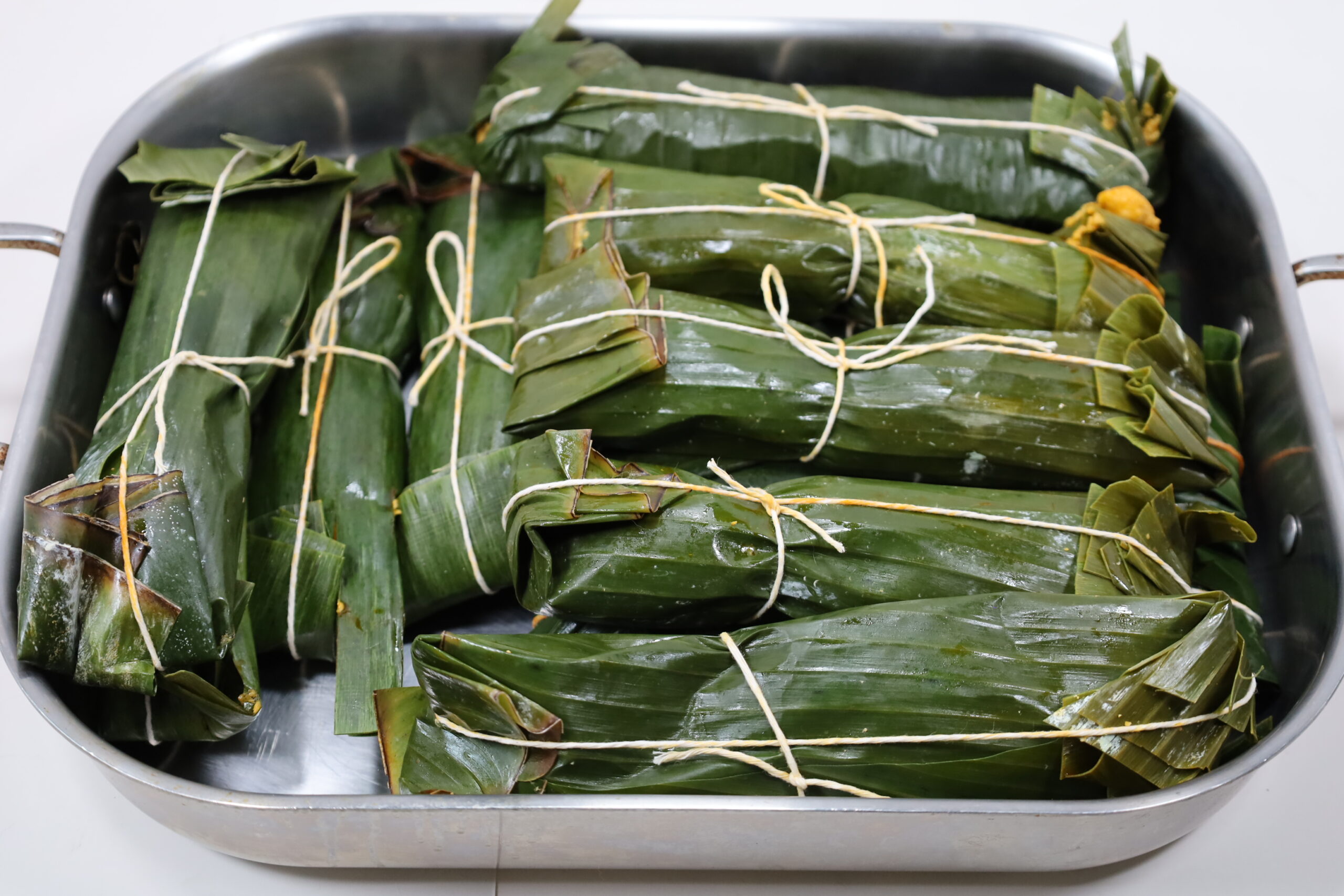
I love pasteles because they are a team sport. One person is on banana leaf duty, one is tying knots like it is an Olympic event, and somebody is definitely taste-testing the filling every time they walk by the stove. I did not take the straight line into culinary school, but dishes like this are why I wanted that life in the first place. They teach you rhythm: season, adjust, fold, simmer, repeat. And when you finally unwrap one, steaming and savory and a little messy, it feels like you made something that actually matters.