Mom's Best Recipes
Recipe

Peppercorn Squash

Roasted squash with cracked peppercorns, caramelized edges, and a buttery maple pan sauce that tastes fancier than it is.

Author By Matt Campbell
4.8
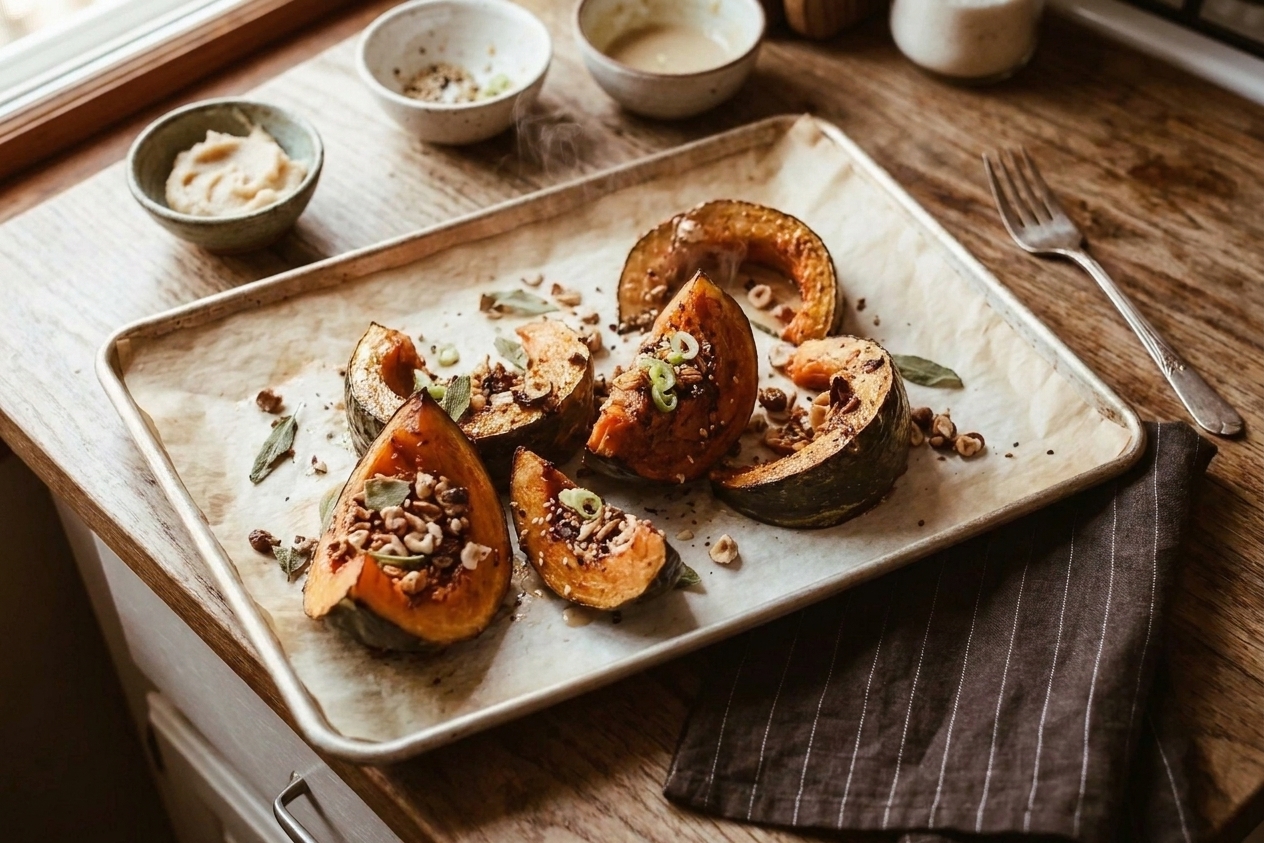
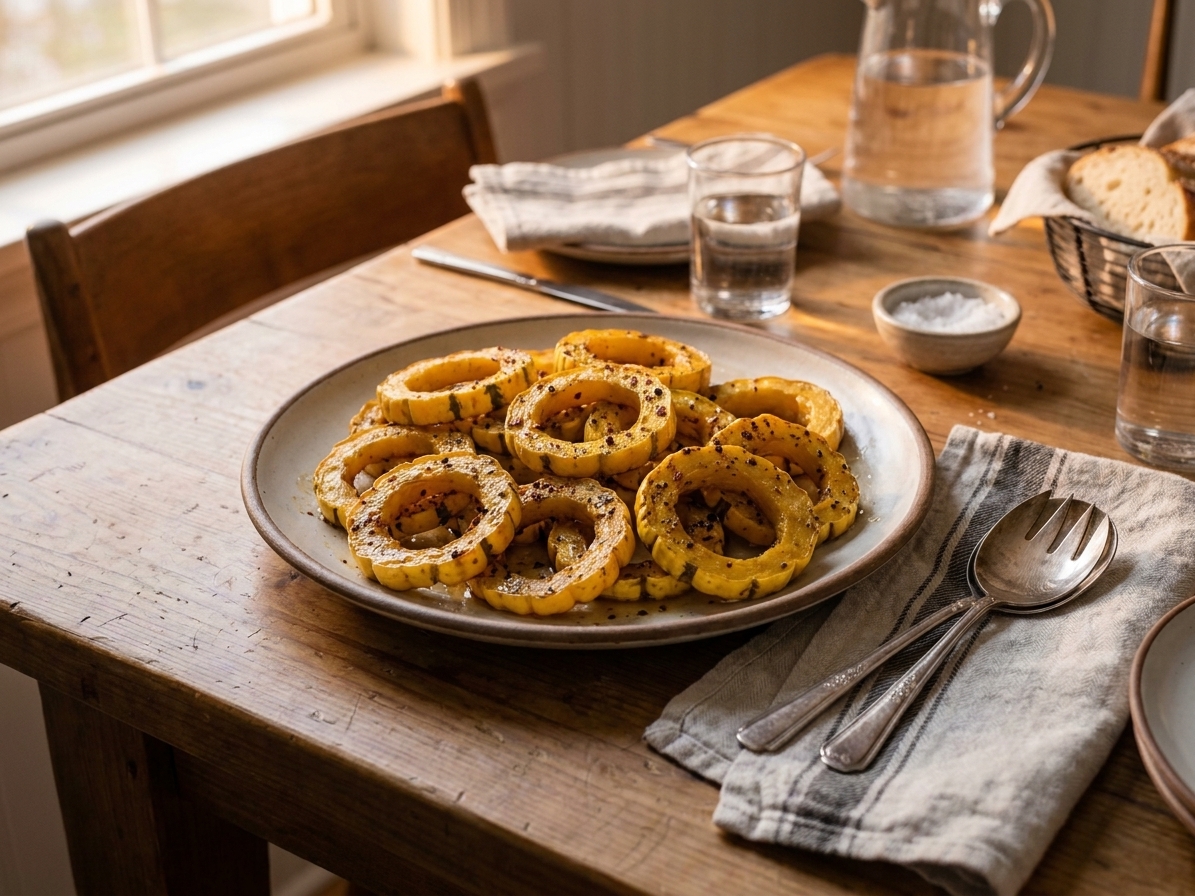
A platter of roasted delicata squash rings with caramelized edges, cracked black pepper, and a glossy maple-butter sheen on a warm-toned kitchen table

Peppercorn squash is what happens when a cozy roasted veggie gets a little steakhouse energy: big cracked pepper, high-heat roasting, and a finish that tastes like you had a plan all along. The edges go crisp, the centers turn silky, and a tiny hit of sweetness rounds everything out. It is simple enough for a Tuesday, but it absolutely holds its own on a holiday table.

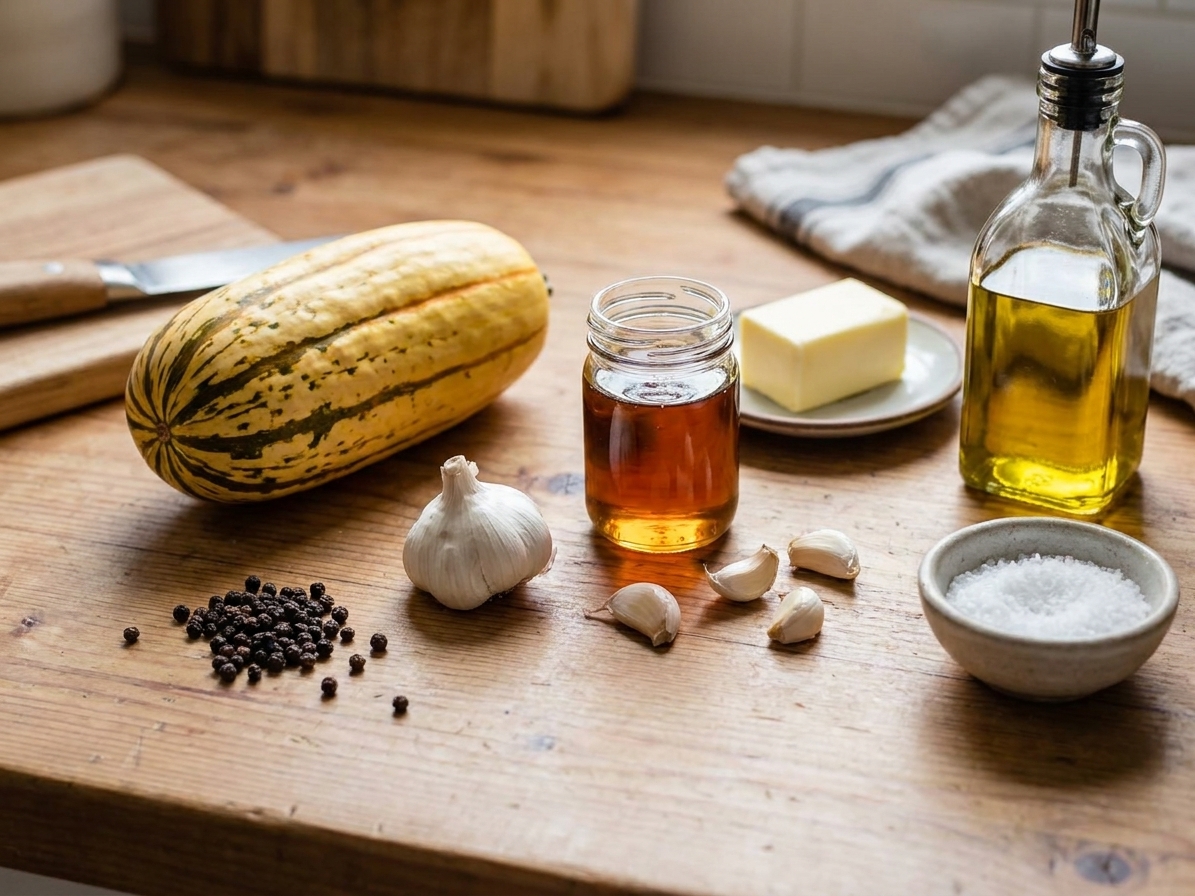
Whole delicata squash, peppercorns, garlic, maple syrup, butter, olive oil, and salt arranged on a bright kitchen counter

Why It Works

  • Big flavor from basic pantry stuff: cracked peppercorns, garlic, maple, butter, and salt do the heavy lifting.
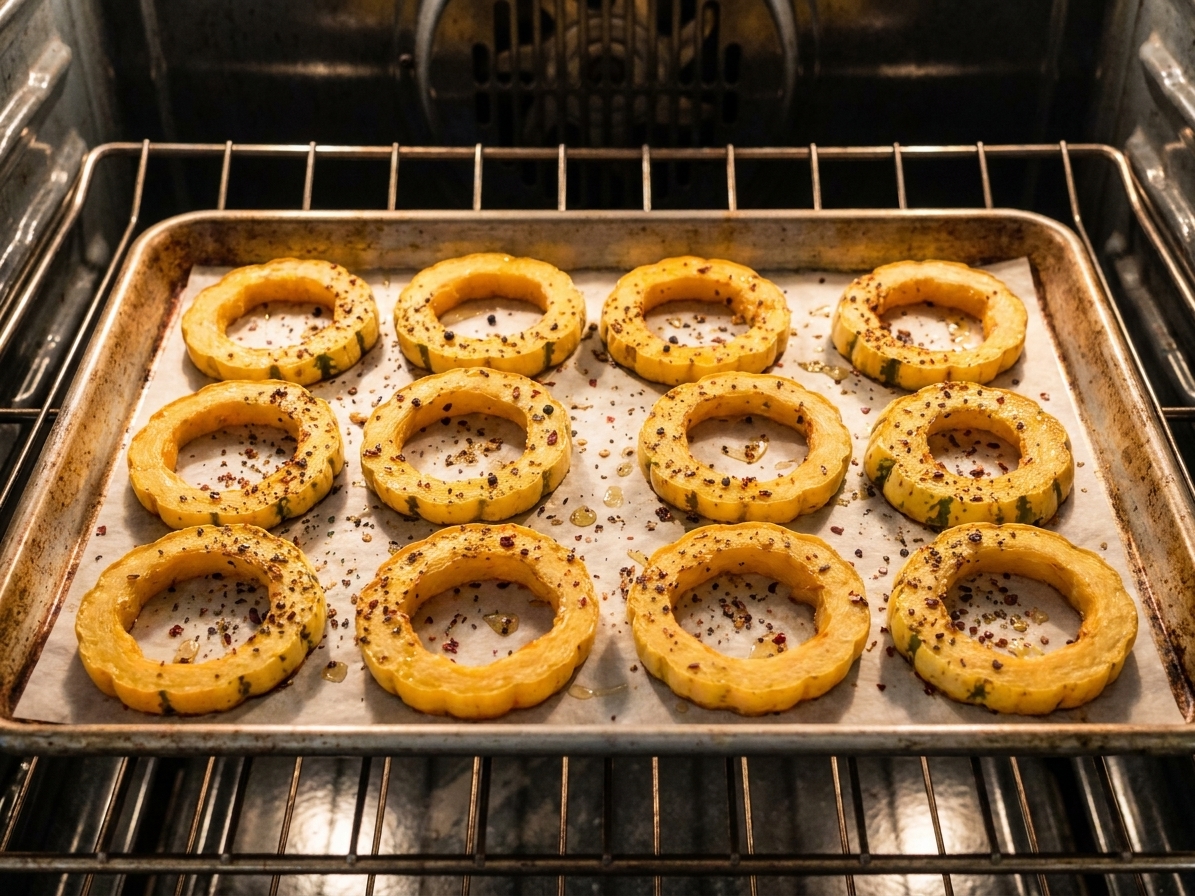
  • Texture you actually crave: high-heat roasting creates browned, crisp edges without drying the squash out.
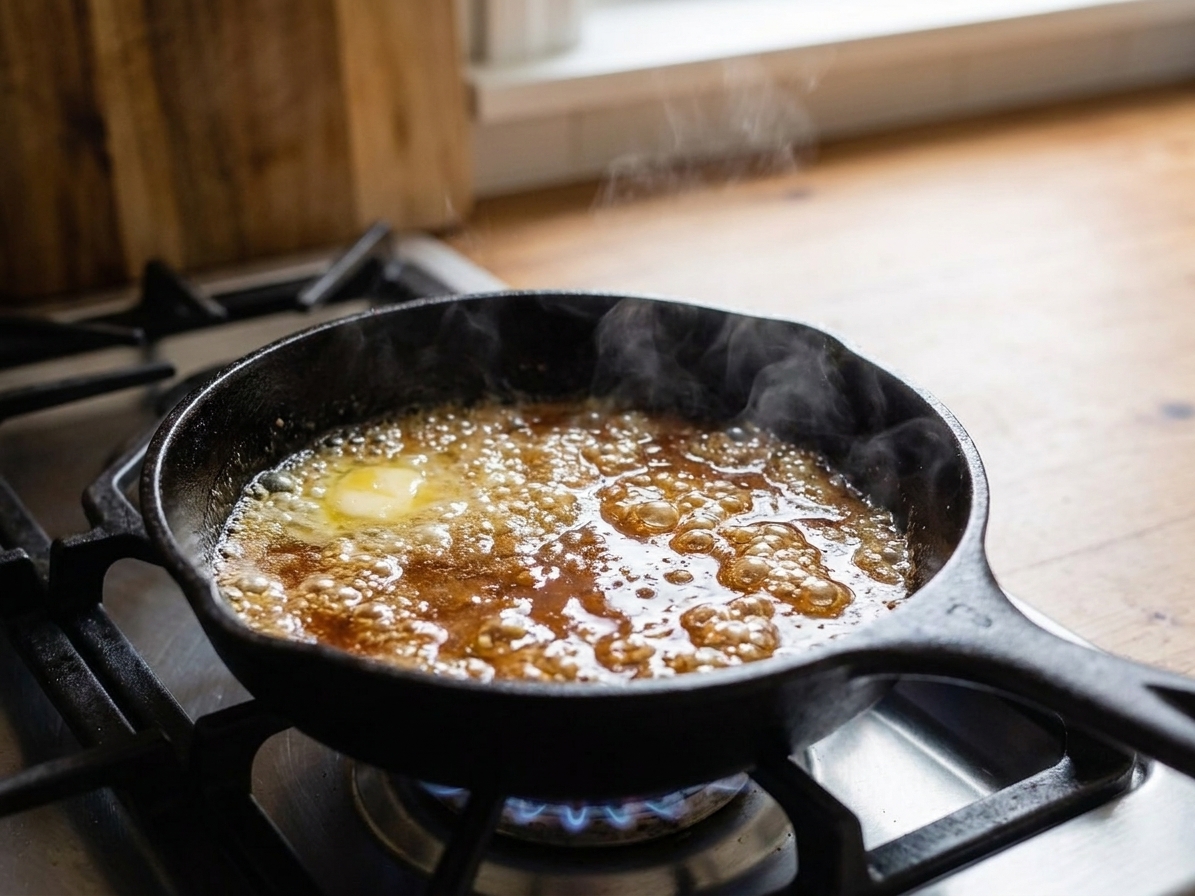
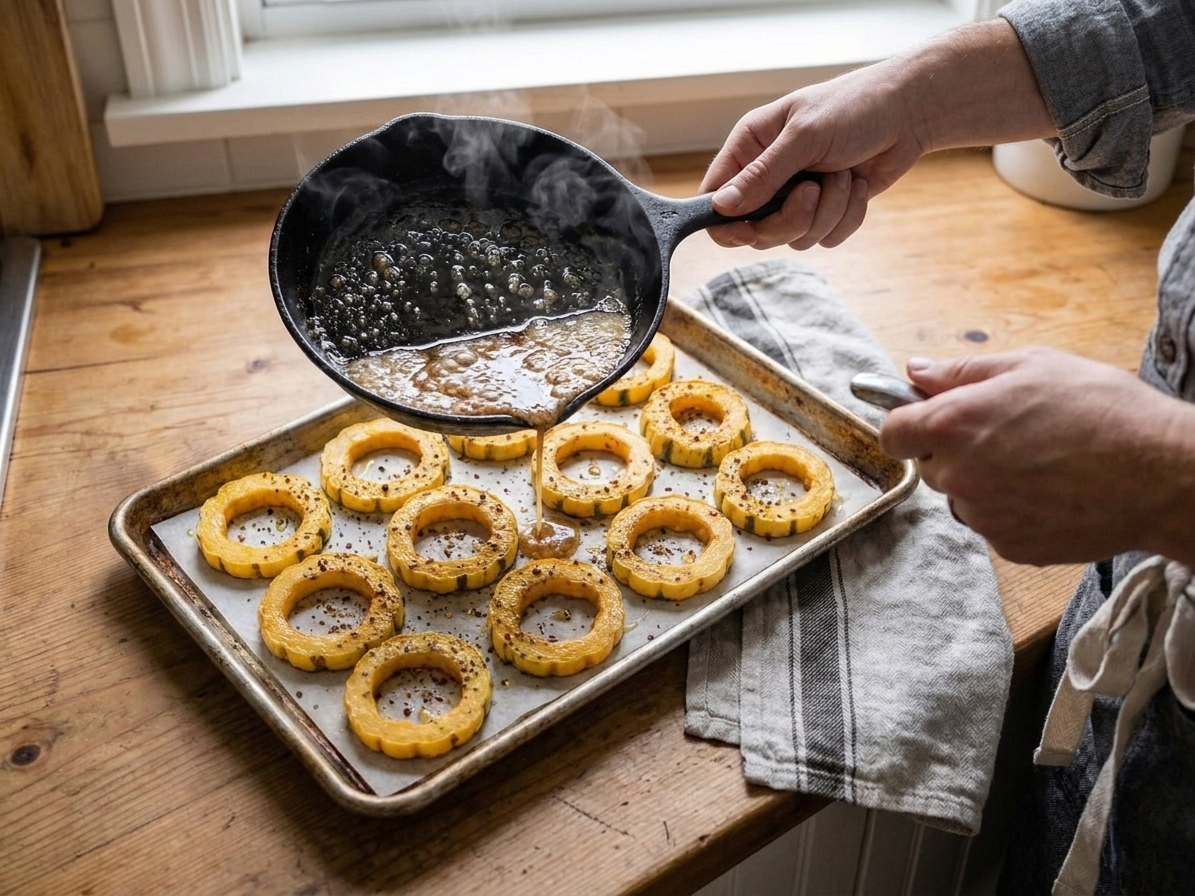
  • A built-in sauce: the quick maple-butter drizzle hits all the nooks and turns the pan juices into something you will want to spoon over everything.
  • Flexible: works with delicata, acorn, butternut, or kabocha, depending on what you have.

Pairs Well With

Storage Tips

Refrigerate: Store leftovers in an airtight container for up to 4 days.

Reheat (best texture): Warm on a sheet pan at 400°F for 8 to 12 minutes until hot and the edges perk back up.

Reheat (quickest): Microwave in 30-second bursts. It will be softer, still tasty.

Freeze: You can freeze it for up to 2 months, but expect a softer texture after thawing. I like using thawed leftovers in grain bowls, soups, or blended into a sauce.

Sauce note: If you have extra drizzle, store it separately and rewarm gently over low heat so it stays smooth.

Common Questions

What kind of squash should I use?

Delicata is my favorite here because the skin is edible and it roasts fast. Acorn works great too. For butternut, peel and cut into 1-inch chunks. For kabocha, the skin is edible but can be tough depending on the squash, so I often peel it for this (or roast it skin-on and just know you might get a chewier bite).

Do I have to use whole peppercorns?

Whole peppercorns cracked fresh give you that bold, floral pepper bite without tasting dusty. If you only have pre-ground pepper, use it. Start with 3/4 to 1 teaspoon and adjust to taste.

How do I crack peppercorns without a grinder?

Put peppercorns in a zip-top bag and lightly smash with the bottom of a skillet or a rolling pin. You want coarse pieces, not powder.

Why is my squash not browning?

Usually one of three things: the pan is crowded, the oven is not hot enough, or the squash is too wet. Spread it out in a single layer, roast at 425°F, and pat pieces dry if they seem damp.

Can I make this ahead?

Yes. Roast the squash up to a day ahead, refrigerate, then reheat in the oven. Store the sauce separately and rewarm it gently over low heat so it stays glossy. If it looks like it wants to split, pull it off the heat and whisk in a teaspoon of water.

I started making peppercorn squash during the part of the year when everything in my kitchen wants to be either a soup or a carb. I wanted a side dish that felt a little dramatic without requiring a bunch of ingredients I would only use once. Cracked peppercorns were the move. They wake the squash up, and that maple-butter finish makes it taste like you tried harder than you did. My favorite moment is pulling the pan out and seeing those browned edges. That is when you know dinner is about to be good.