Mom's Best Recipes
Recipe

Perfect Seared Tuna

Sesame-crusted seared tuna with a quick soy-lime sauce. Crisp outside, tender center, ready in about 15 minutes.

Author By Matt Campbell
4.8
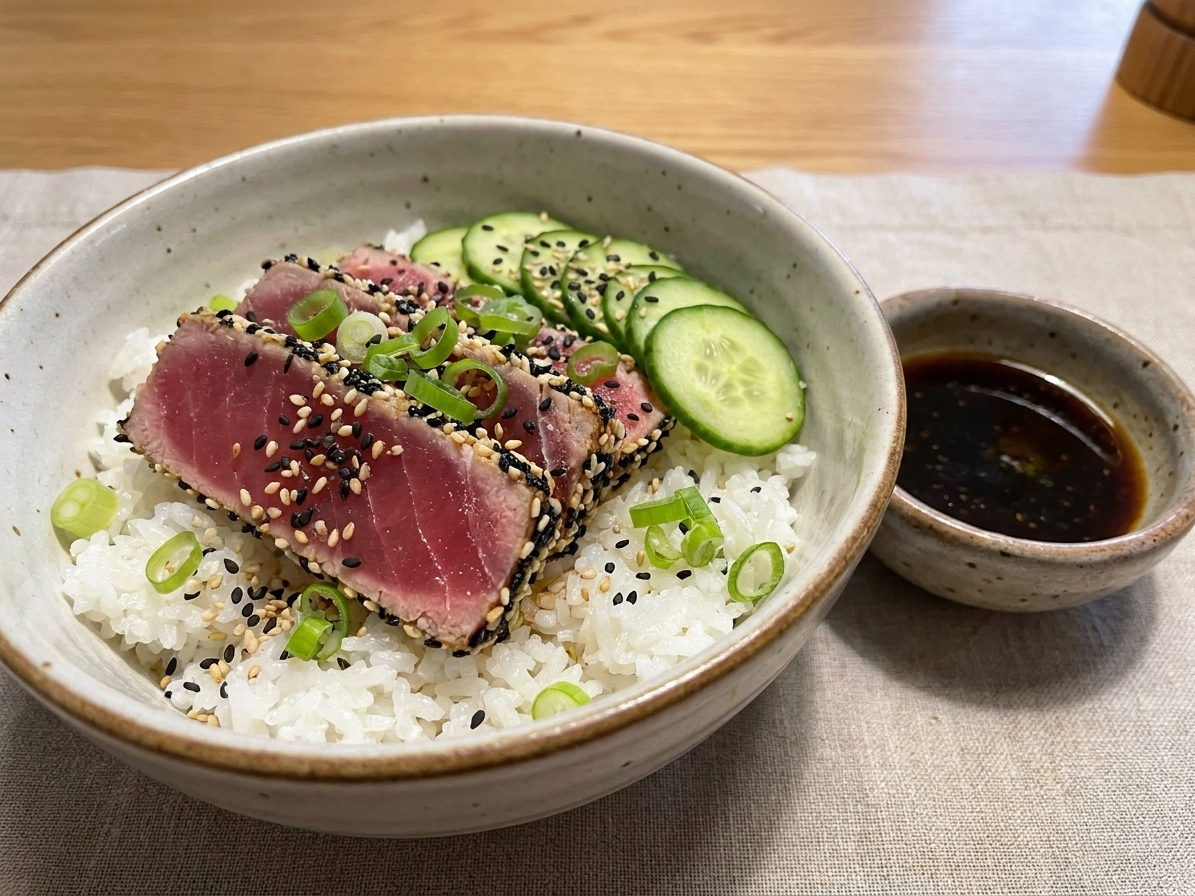
A sliced sesame-crusted seared tuna steak fanned on a white plate with a small bowl of soy-lime dipping sauce, scallions, and sesame seeds on a neutral linen table setting

Seared tuna is the weeknight flex I reach for when I want something that looks fancy but cooks in less time than it takes to argue about what to watch. You get that high-heat crust, a cool and silky center, and a sauce that tastes like you planned ahead. You did not. Nicely done.

This version goes sesame-forward with a bright soy-lime dip that hits salty, tangy, and just a little sweet. Serve it over rice, tuck it into a salad, or eat slices straight off the cutting board like a kitchen goblin. No judgment here.

Quick safety note: For rare to medium-rare centers, buy tuna from a reputable source intended for quick-sear or raw-style use, keep it cold, and use clean tools. If you are in a higher-risk group, cook it through.

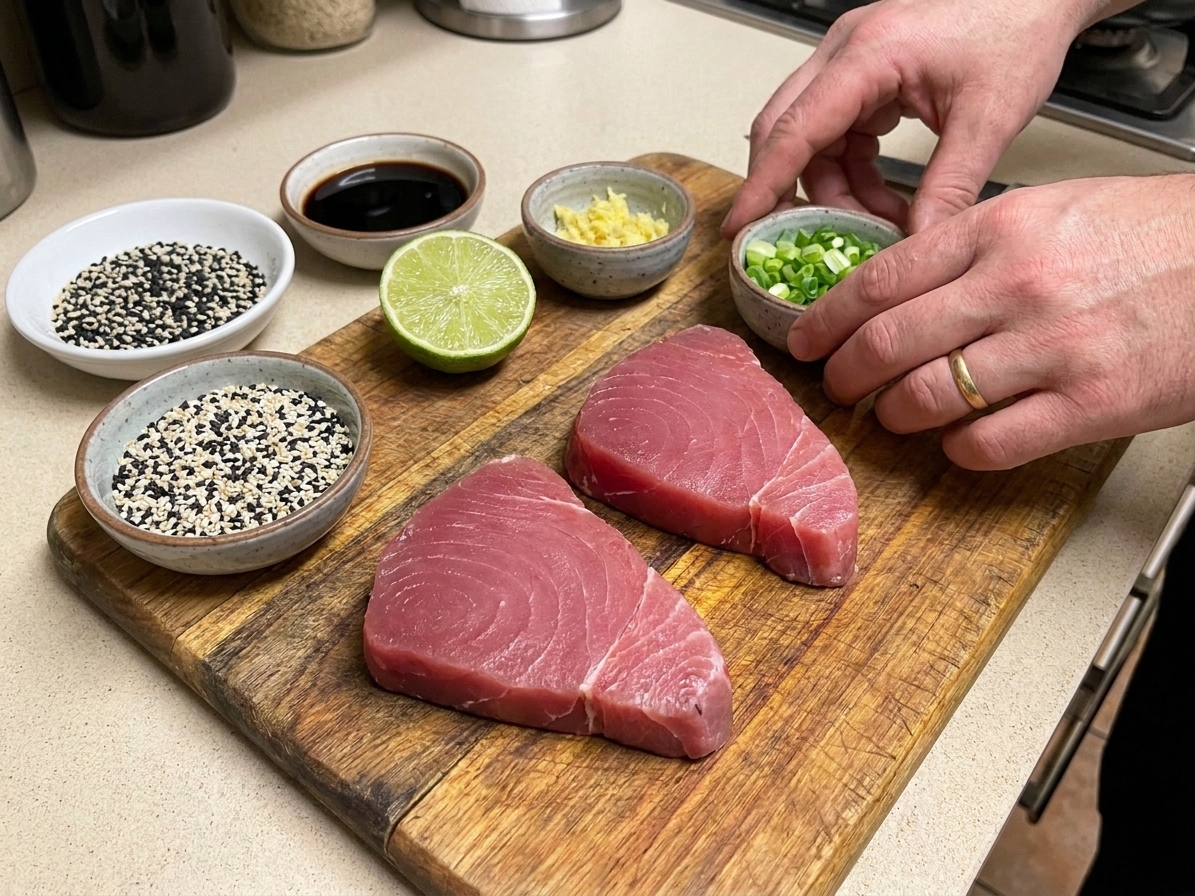
Raw ahi tuna steaks on a cutting board with small bowls of sesame seeds, soy sauce, lime, ginger, and scallions arranged on a clean kitchen counter

Why It Works

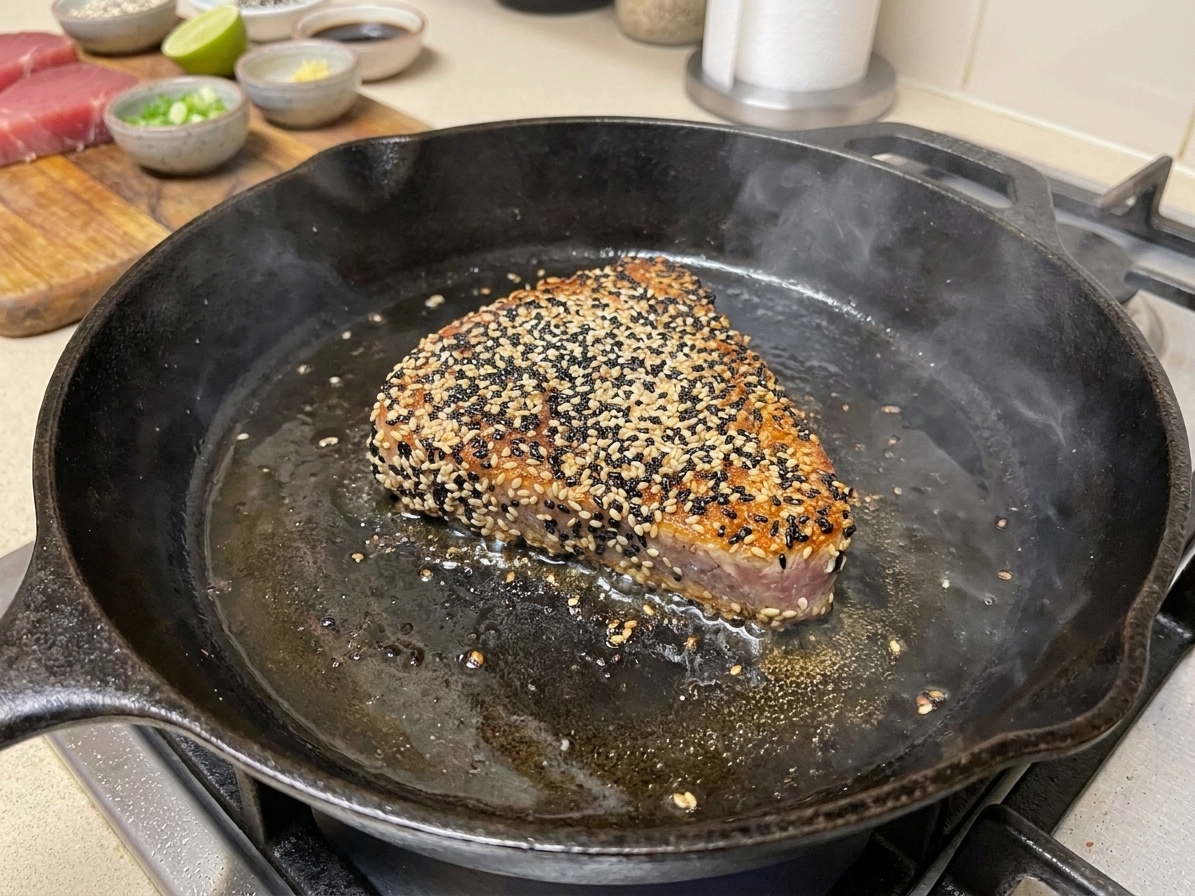
  • Fast, high-reward cooking: A ripping hot pan gives you a crisp crust in 60 to 90 seconds per side.
  • Better texture: A short sear keeps the center tender and clean-tasting instead of dry and flaky.
  • Big flavor with pantry ingredients: Soy sauce, lime, ginger, and sesame do the heavy lifting.
  • Clear doneness cues: You will use time, touch, and a quick rest so you can stop guessing.

Heads up: The temps in this recipe are for doneness and texture, not a food-safety promise. For rare to medium-rare seared tuna, use tuna from a reputable source intended for quick-searing or raw-style use. If you prefer it fully cooked or you are in a higher-risk group, cook it through for an opaque center and firmer bite.

Pairs Well With

Storage Tips

Seared tuna is best right after cooking, but leftovers can still be good if you treat them gently.

  • Refrigerate promptly: Store in an airtight container and get it into the fridge within 2 hours.
  • Best quality window: For the best texture, enjoy within 1 day. You can stretch to 2 days, but it will firm up and lose that silky center.
  • Keep it cold: Do not reheat in the microwave unless you are okay with well-done tuna. Instead, slice it cold and use it in salads, rice bowls, or a quick wrap.
  • Sauce storage: Soy-lime sauce keeps 3 to 5 days in the fridge. Stir before using.
  • Freezing: Not recommended. The texture turns watery and sad.
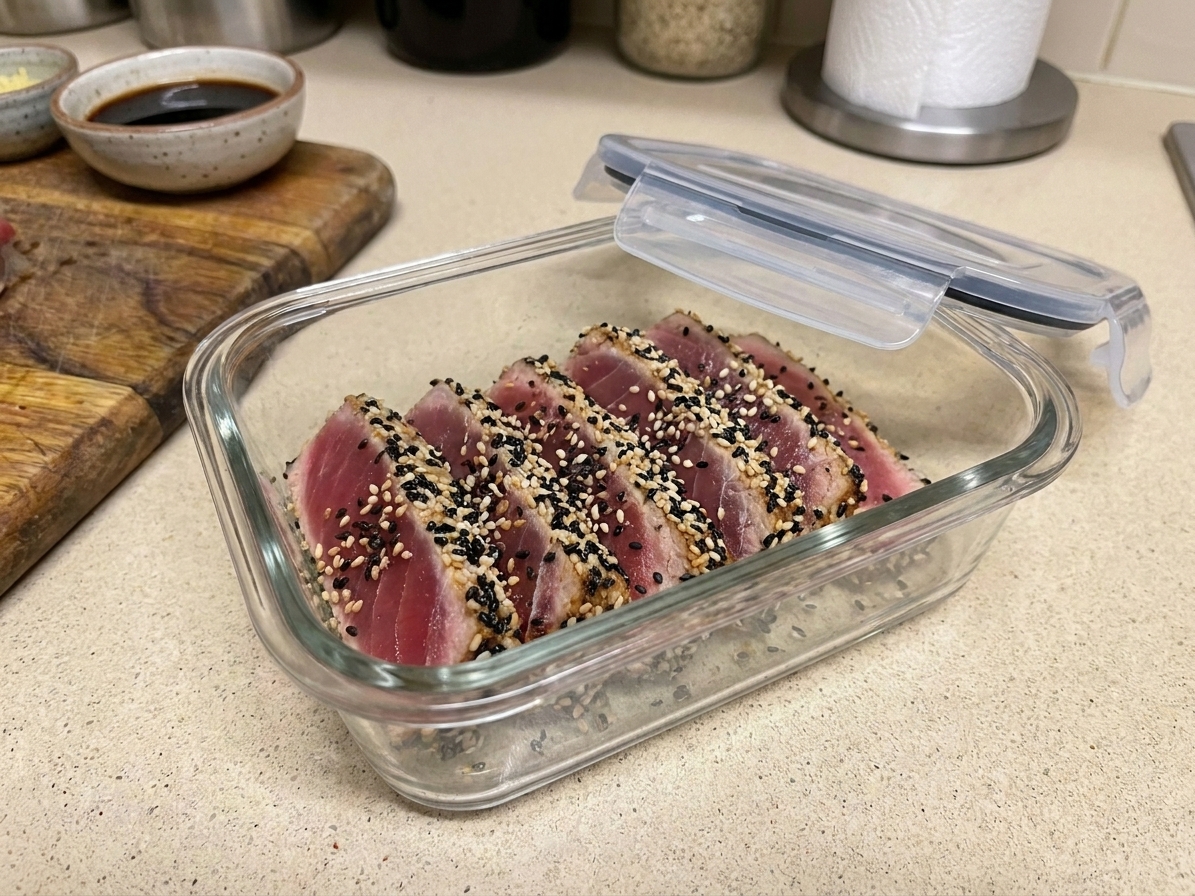
Slices of seared tuna arranged in a glass airtight container on a kitchen counter, ready to refrigerate

Common Questions

What kind of tuna should I buy for searing?

Look for ahi (yellowfin) or bigeye tuna sold as steaks or a loin. Buy the freshest you can from a reputable seafood counter. If you plan to serve it rare in the center, ask for tuna that is appropriate for quick-searing or raw-style preparations, and keep it cold until cooking.

Food safety note: Eating raw or undercooked fish can increase foodborne illness risk. If you are pregnant, immunocompromised, very young, or older, it is safest to cook tuna through.

How do I keep seared tuna from sticking to the pan?

Three things: dry the tuna well, preheat the pan until hot, and use an oil with a higher smoke point like avocado, grapeseed, or canola. Once it hits the pan, let it be. If you try to move it too early, it will cling.

How long do you sear tuna on each side?

For a 1 to 1¼-inch steak: 60 to 90 seconds per side for rare to medium-rare, plus a quick sear on the edges if you want. If your tuna is thinner, shorten the time. If it is thicker, add 15 to 30 seconds per side.

What internal temperature is seared tuna?

Use temps as a texture guide, not a safety guarantee. Rough guide: rare is about 115°F, medium-rare about 125°F. You can absolutely use an instant-read thermometer, but timing and touch work too once you do it a couple times.

Can I cook seared tuna all the way through?

You can. Sear it, then lower heat and cook a few minutes more until it is opaque throughout and flakes more like cooked fish. Somewhere in the 135°F to 145°F range will get you there depending on thickness and how firm you like it, but know it will lose the steak-like texture as it goes more done.

My sesame seeds are getting dark fast. Is the tuna overcooked?

Not necessarily. Sesame seeds can brown before the center warms if the pan is too hot. If the seeds are racing toward burnt, pull the pan off the heat for 20 seconds, lower the burner a notch, and keep going. You want browned and toasty, not bitter.

Can I use a nonstick pan?

Yes. Use medium-high heat (not the highest setting), add oil, and wait for it to shimmer. Nonstick often runs hotter than you think, so start slightly lower and add a few seconds per side if needed.

What should I serve with seared tuna?

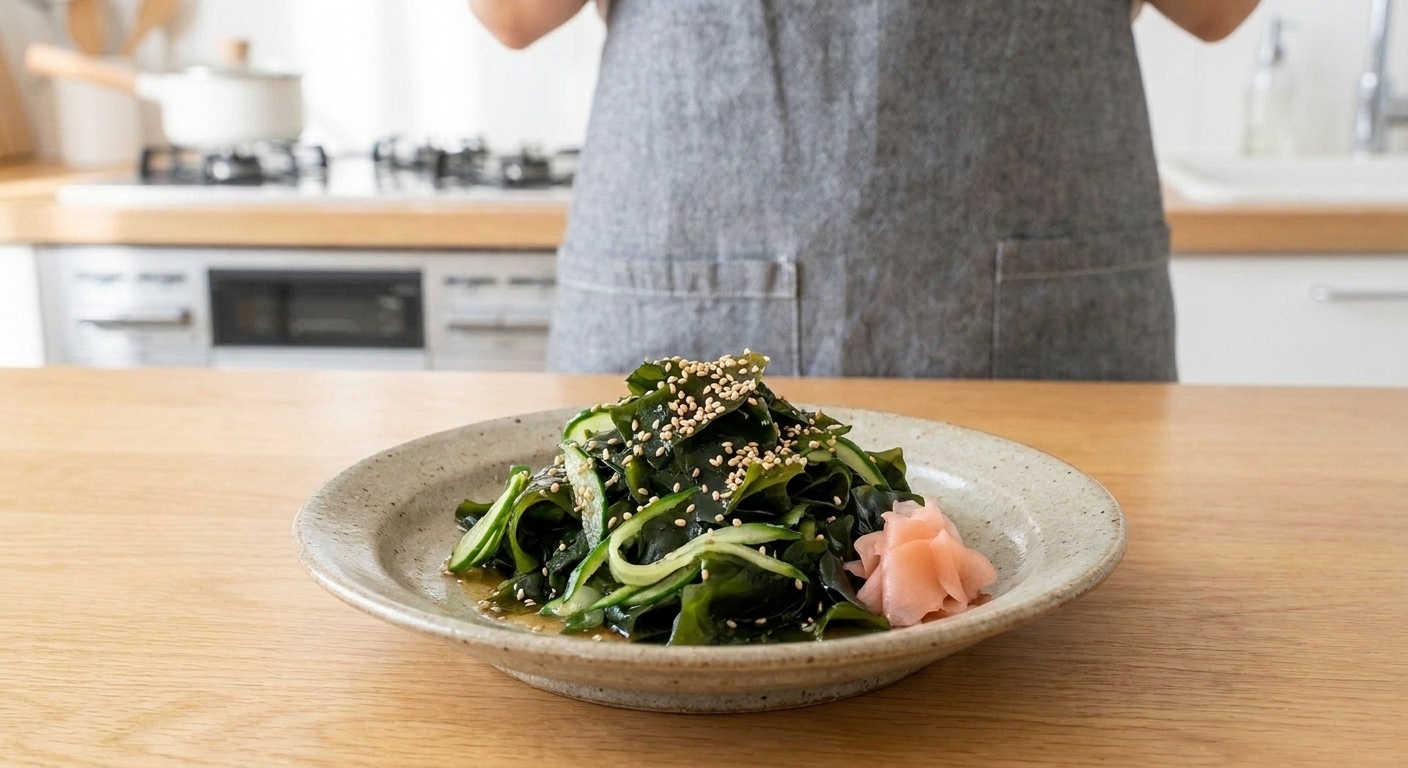
Rice, cucumber salad, sautéed green beans, sesame noodles, or a simple mixed greens salad with citrus. Anything crisp and fresh plays nicely with the rich tuna.

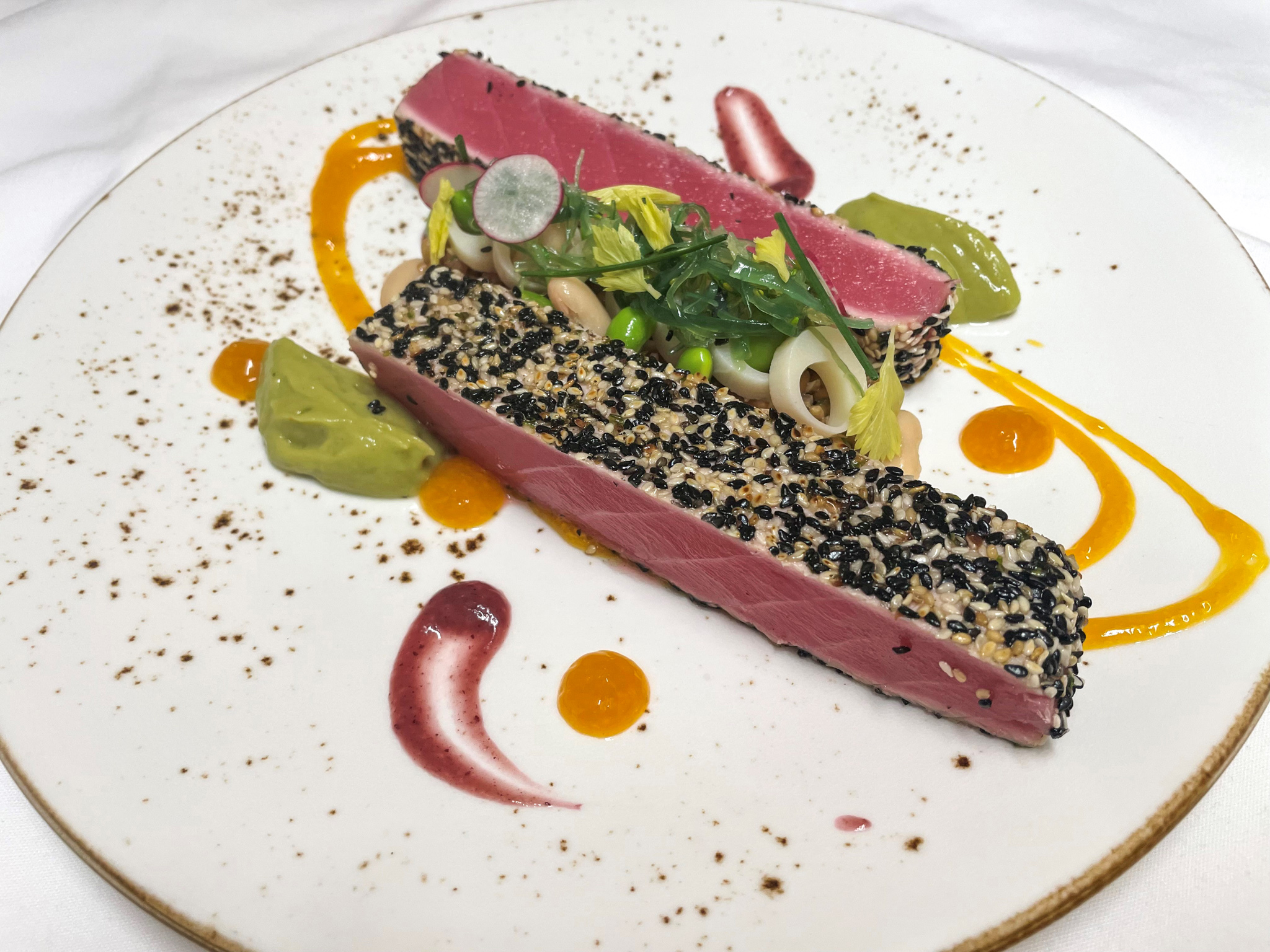
I started making seared tuna when I realized I could get that restaurant feeling at home without turning my kitchen into a full-blown production. It is one of those dishes that rewards confidence. Hot pan, quick sear, done. The first time I nailed it, I remember slicing in and seeing that perfect rosy center and thinking, okay, maybe I can open that restaurant someday. Or at least host a very convincing Tuesday night.