Mom's Best Recipes
Recipe

Phat Si-io

Chewy wide rice noodles stir-fried with chicken, Chinese broccoli, and a glossy soy-based sauce that hits salty-sweet with a little char.

Author By Matt Campbell
4.8
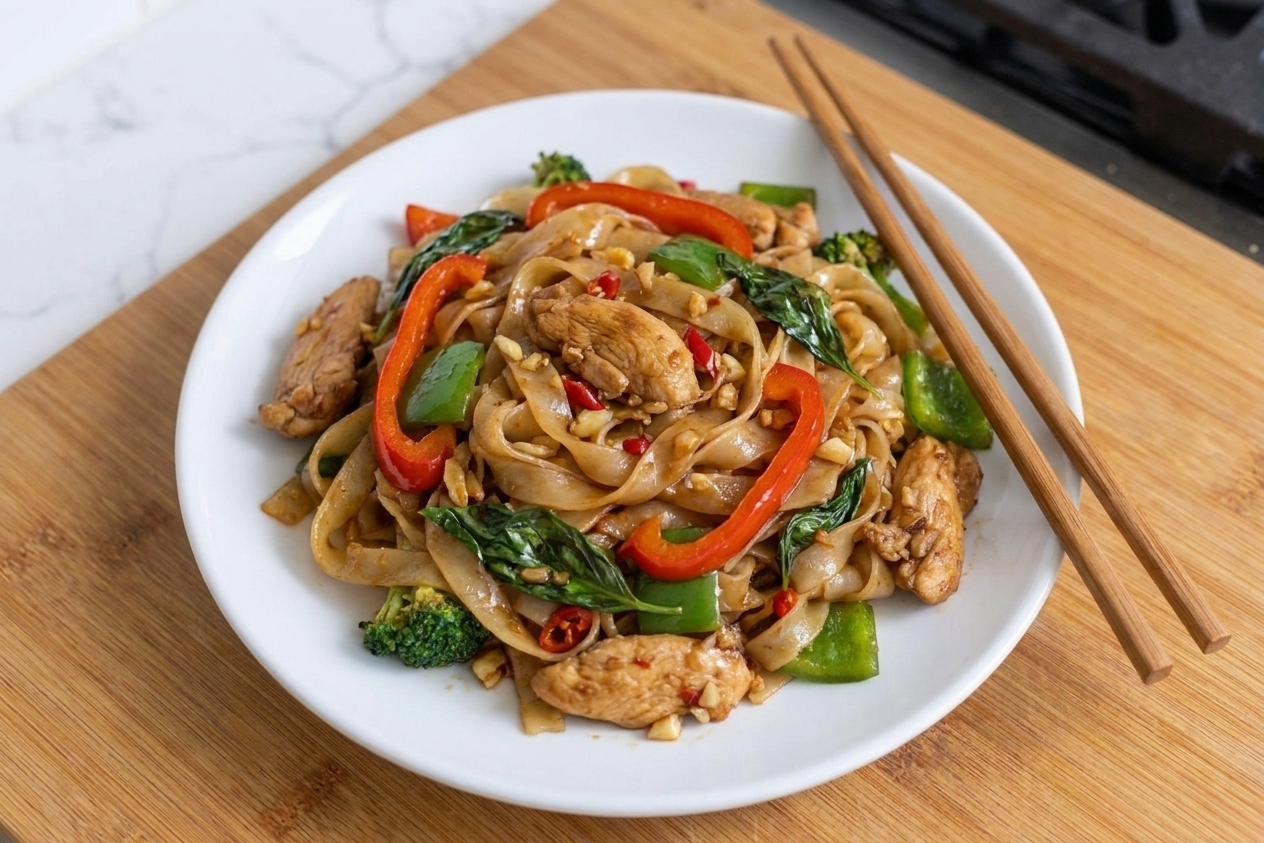
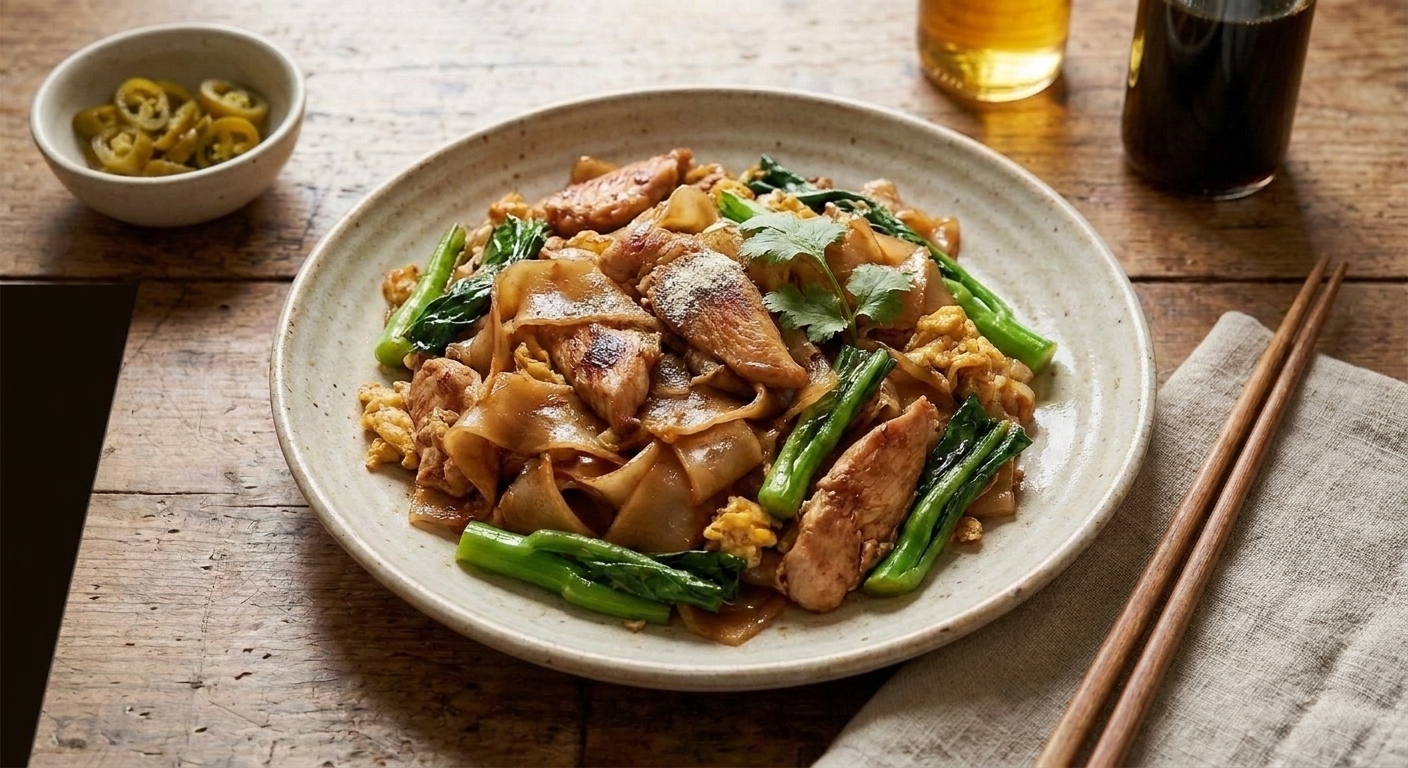
A plated serving of pad see ew with wide rice noodles, chicken, and Chinese broccoli

Phat si-io is one of those dishes that feels like a warm hug, but with a little attitude. You get chewy wide rice noodles, crisp-tender Chinese broccoli, and a soy-forward sauce that clings to everything in the best way. The goal is not a perfectly delicate stir-fry. The goal is bold flavor and a few crisp edges that make you pause mid-bite like, okay, wow.

This version is weeknight-friendly, uses grocery-store ingredients, and keeps the steps clear so you can cook confidently even if your wok skills are more “enthusiastic” than “elegant.”

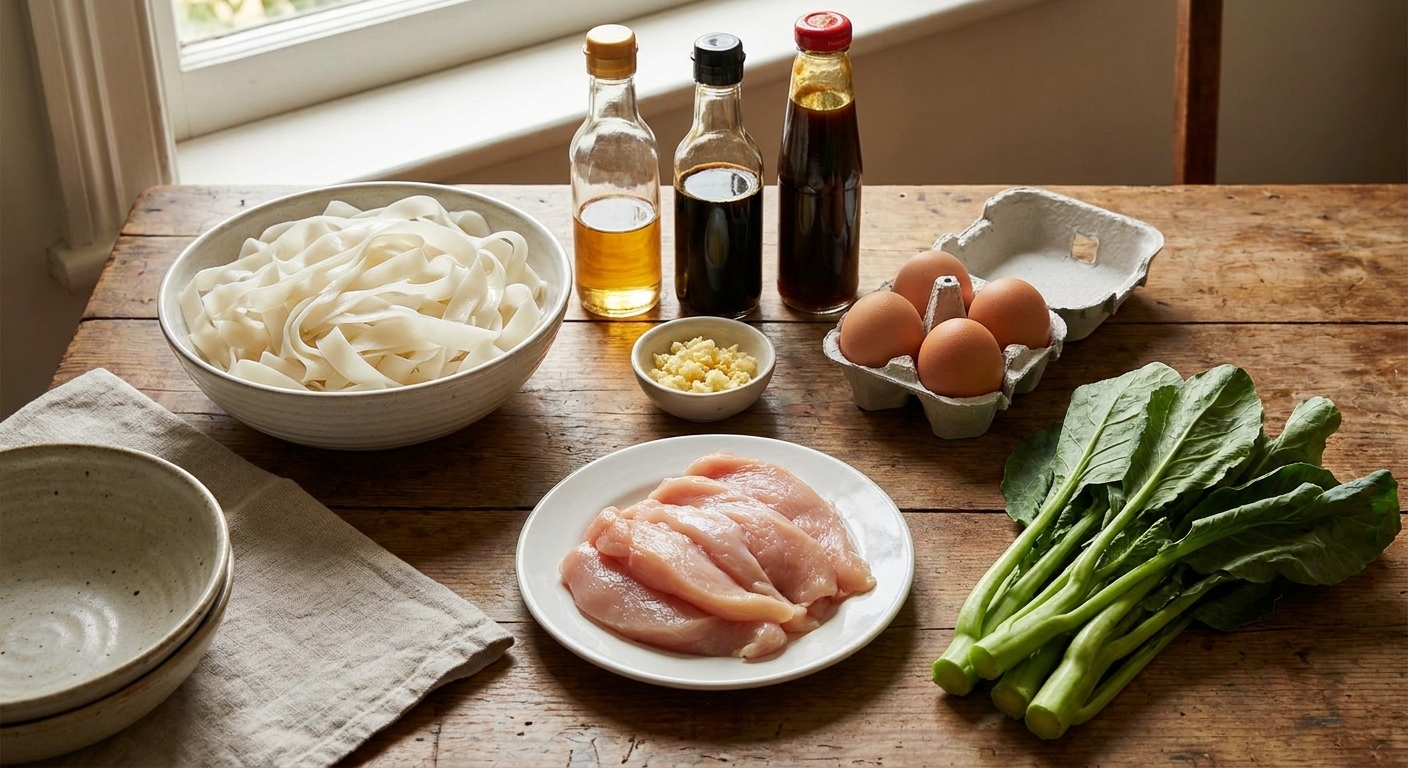
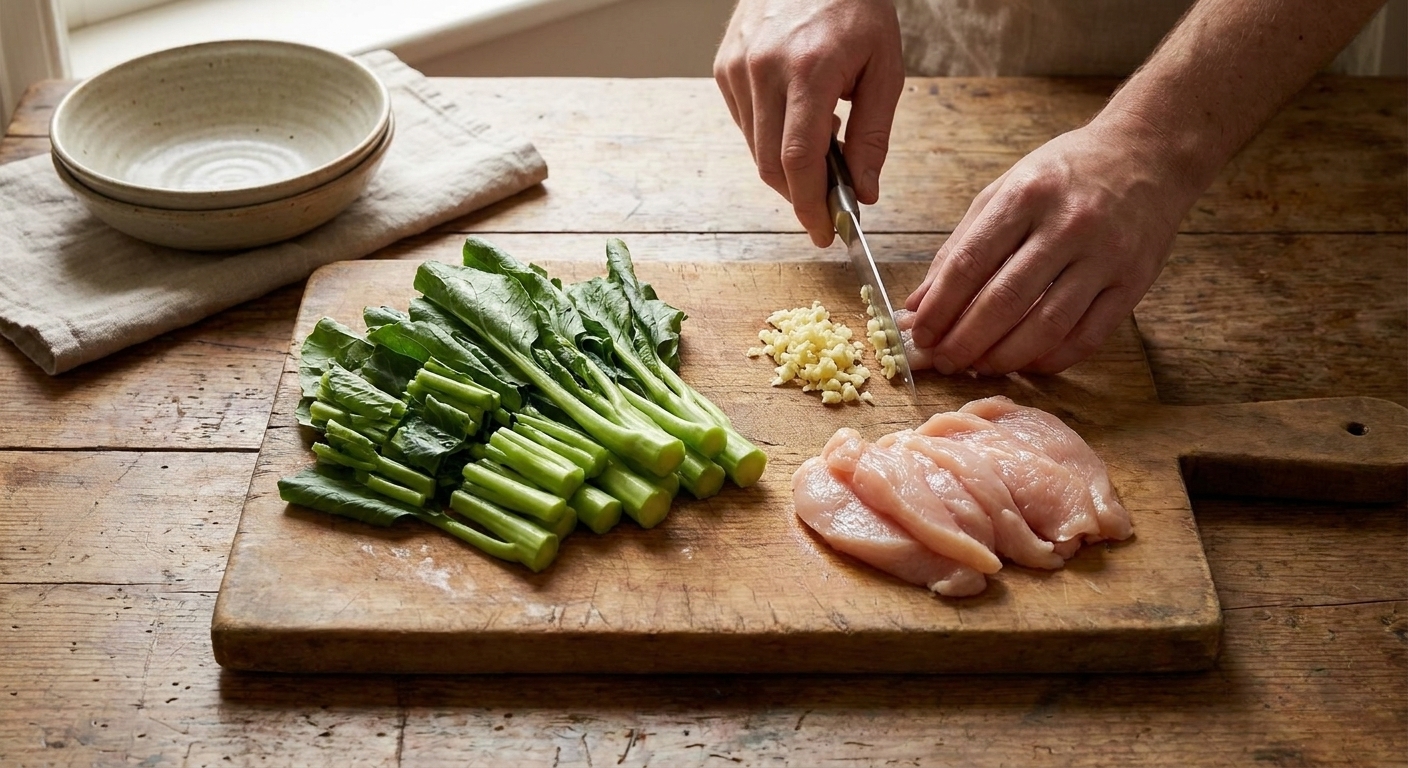
Ingredients for pad see ew including wide rice noodles, soy sauces, oyster sauce, garlic, eggs, chicken, and Chinese broccoli

Why It Works

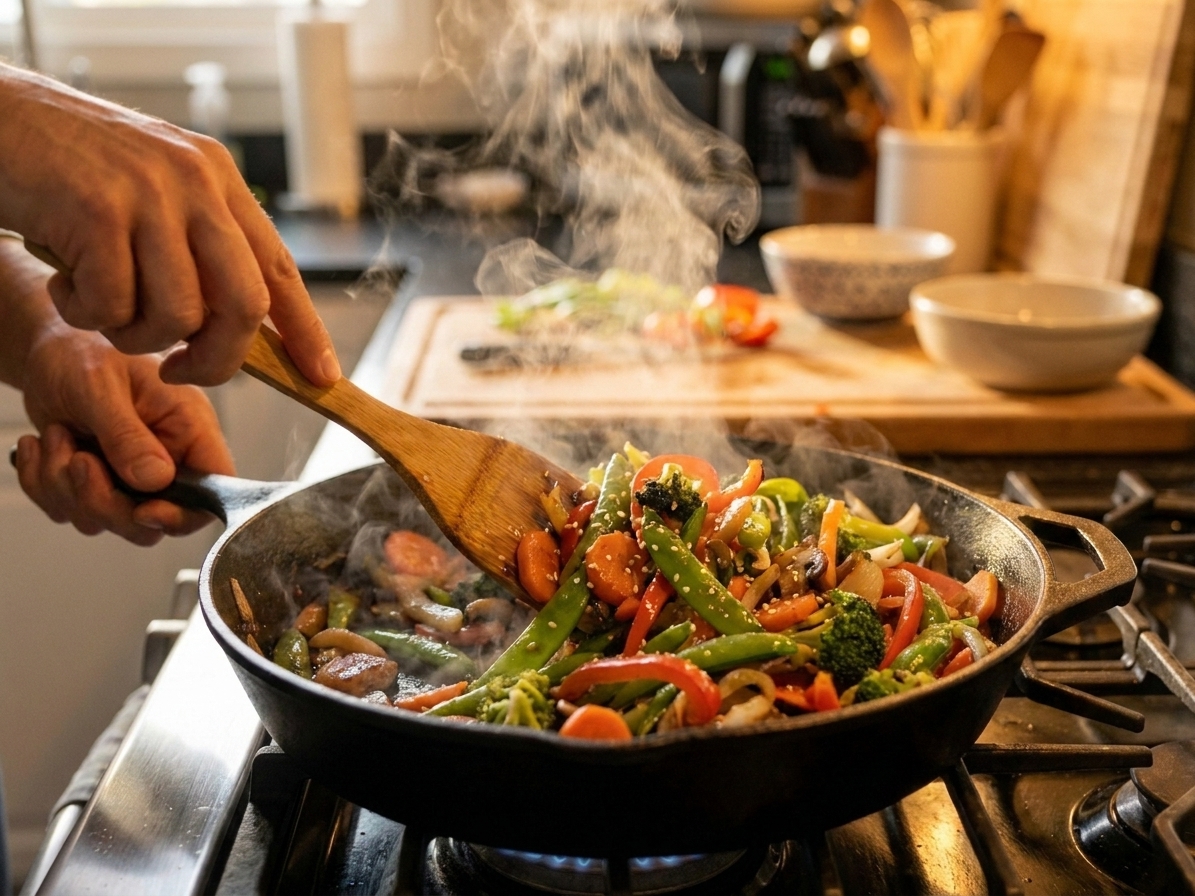
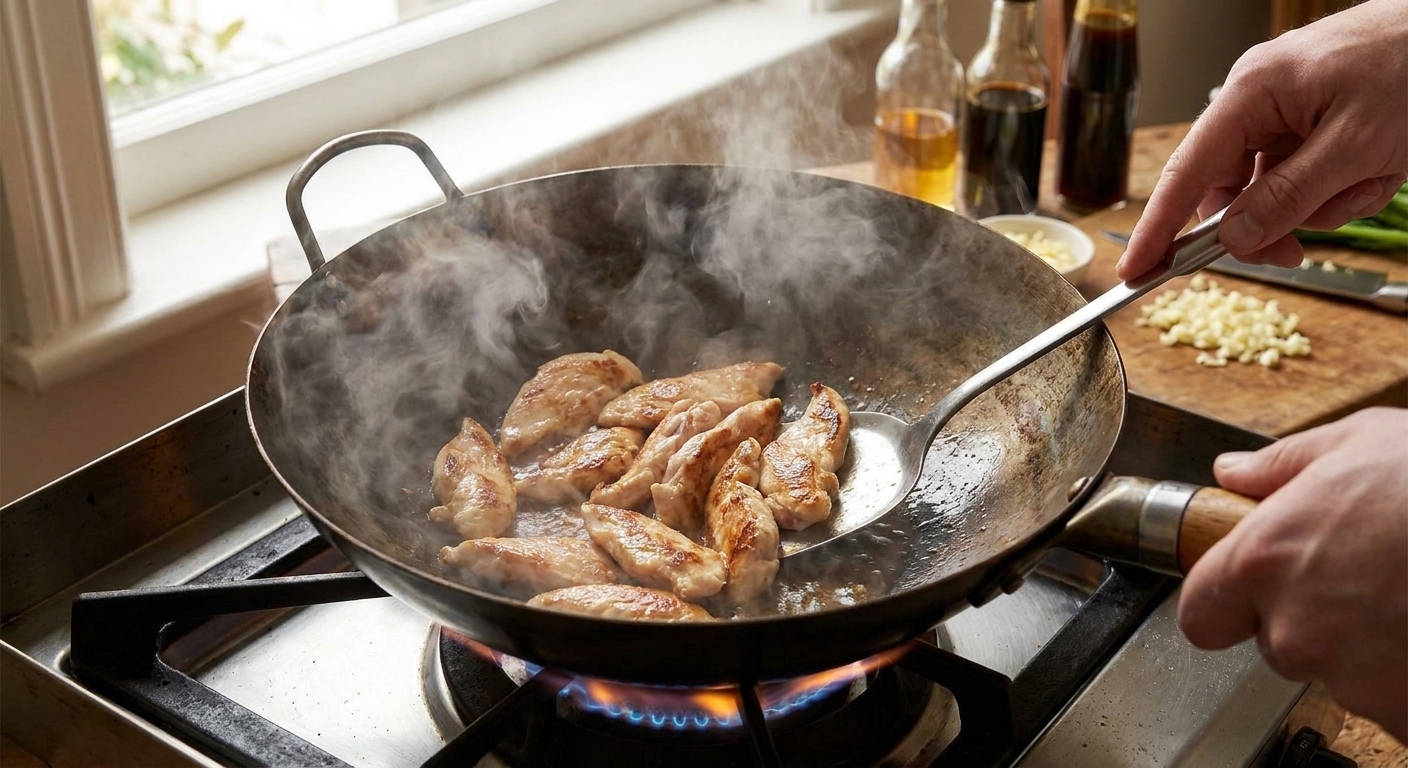
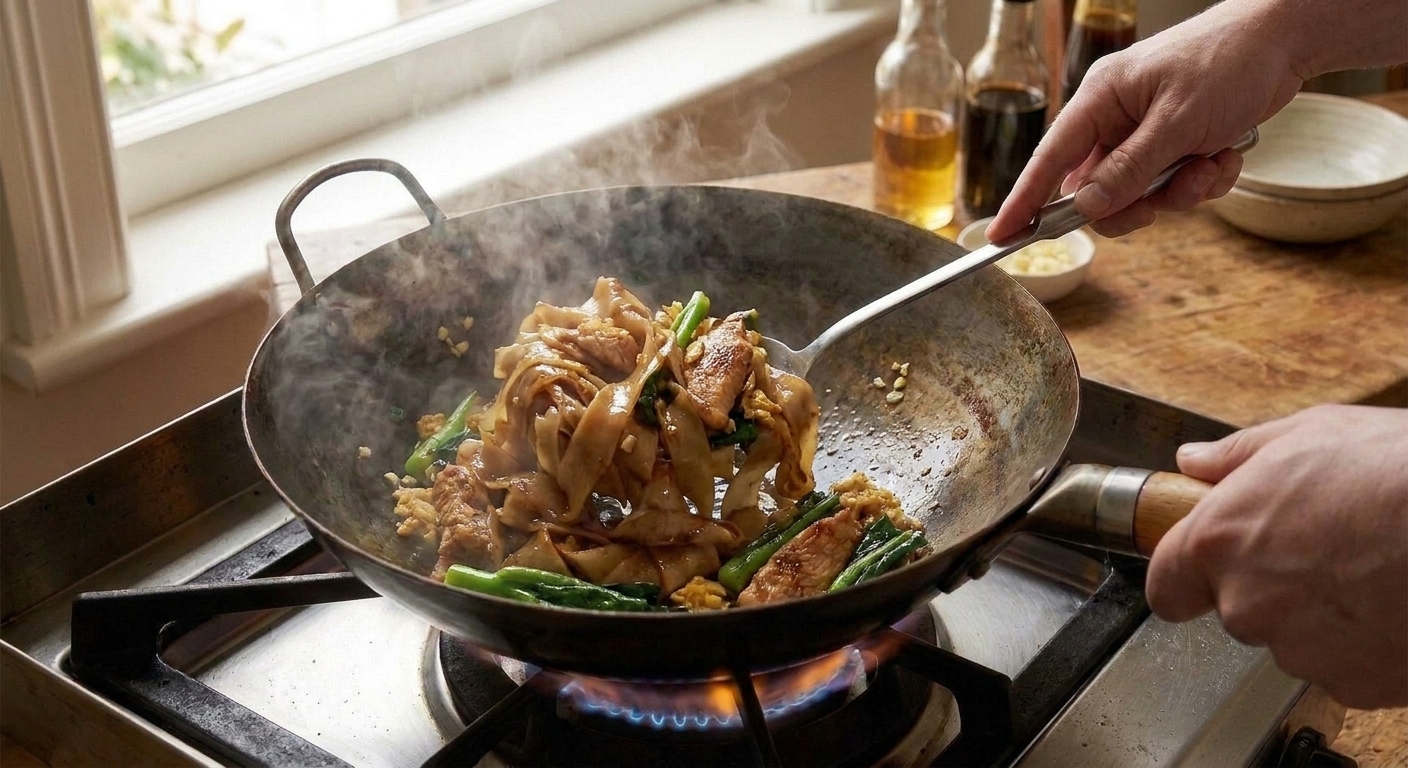
  • Wok-style char at home: We crank the heat and let the noodles sit just long enough to get a little sear.
  • Glossy sauce that actually sticks: A simple mix of soy sauces, oyster sauce, and a touch of sugar coats the noodles instead of pooling at the bottom.
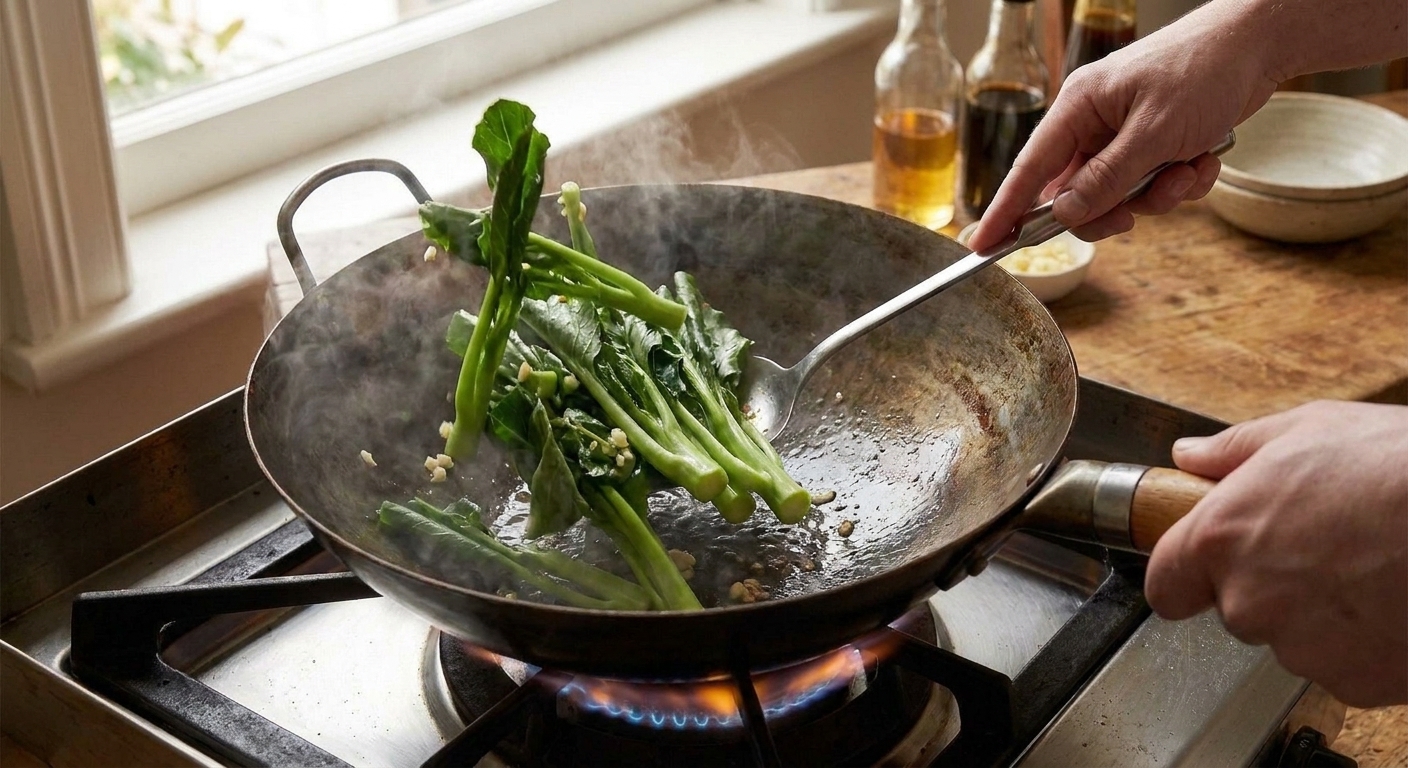
  • Balanced texture: Chewy noodles, tender chicken, silky egg ribbons, and crisp greens all in one pan.
  • Flexible: Swap proteins, adjust sweetness, or go vegetarian without breaking the recipe.

Pairs Well With

Storage Tips

Refrigerate: Store leftovers in an airtight container for up to 3 days.

Reheat: Best in a hot skillet with a small splash of water to loosen the noodles. Stir-fry for 2 to 4 minutes until steaming hot. Microwave works too, but cover it and add a teaspoon of water so the noodles do not turn into one giant chewy brick.

Freezing: I do not love freezing rice noodle stir-fries. The noodles can get brittle and weird. If you must, freeze up to 1 month and reheat gently in a skillet.

Common Questions

Is phat si-io the same as pad see ew?

Yes. Pad see ew is the most common English spelling for ผัดซีอิ๊ว. You may also see spellings like phat si-io or phat si ew. They all refer to the same Thai stir-fried wide rice noodle dish with a soy-forward sauce and Chinese broccoli.

What noodles should I use?

Fresh wide rice noodles (often labeled “sen yai”) are the dream. If you are using dried wide rice noodles, use about 8 oz dried to get roughly the same yield as 12 oz fresh, then soak or boil just until tender. Rinse, drain well, and toss with a tiny drizzle of oil so they do not glue themselves together. If you are unsure, the safest label to follow is: 12 oz cooked wide rice noodles.

Do I rinse fresh rice noodles?

Usually, no. Fresh noodles tend to get waterlogged and more fragile if you rinse them. If they are stuck together from the fridge, warm them briefly (microwave 15 to 20 seconds or steam for a minute), then gently separate with your hands.

My noodles broke or turned mushy. What happened?

Usually one of three things: the noodles were overcooked, the pan was not hot enough, or you stirred nonstop. Keep the heat high and let the noodles sit for 20 to 30 seconds at a time so they can sear.

Can I make it without oyster sauce?

Yes. Use vegetarian oyster sauce (mushroom-based) or add an extra teaspoon of soy sauce plus a pinch more sugar. The flavor will be slightly less rich, but still very good.

How do I make it spicy?

Phat si-io is usually mild. Add chili flakes, sliced Thai chilies, or serve with chili vinegar (prik nam som) on the side.

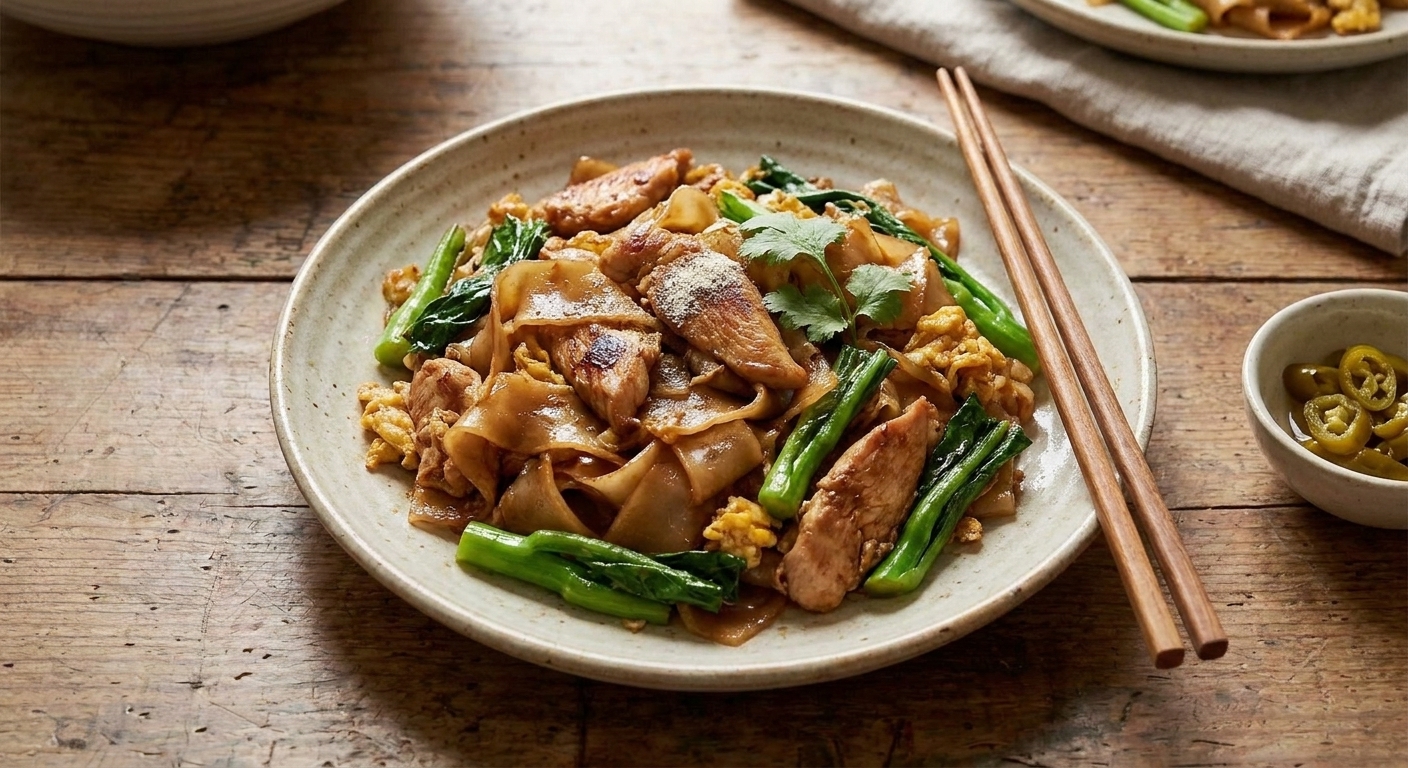
Phat si-io is my go-to when I want takeout comfort without the takeout wait. The first time I tried to make it, I treated the noodles like pasta and stirred them like I was scrambling a problem. They tore, they stuck, and I still ate the whole pan standing at the stove because the sauce was that good. Now I keep it simple: hot pan, quick sauce, let the noodles sit and sizzle, and do not overthink it. A little chaos is kind of the point.