Mom's Best Recipes
Recipe

Phyllo Dough Spanakopita Skillet Pie

Buttery, crackly phyllo layers baked over a lemony spinach and feta filling, all in one skillet for maximum crisp edges and minimal fuss.

Author By Matt Campbell
4.8
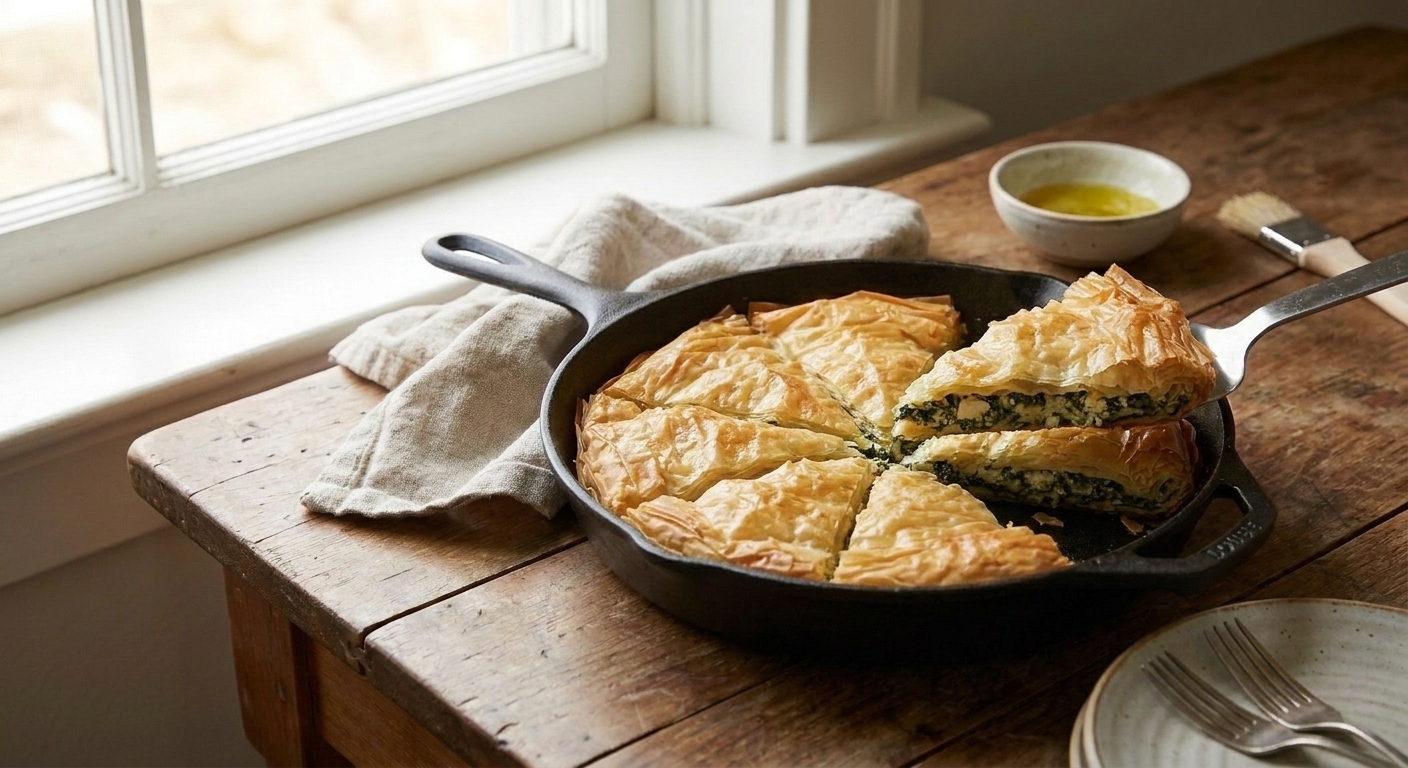
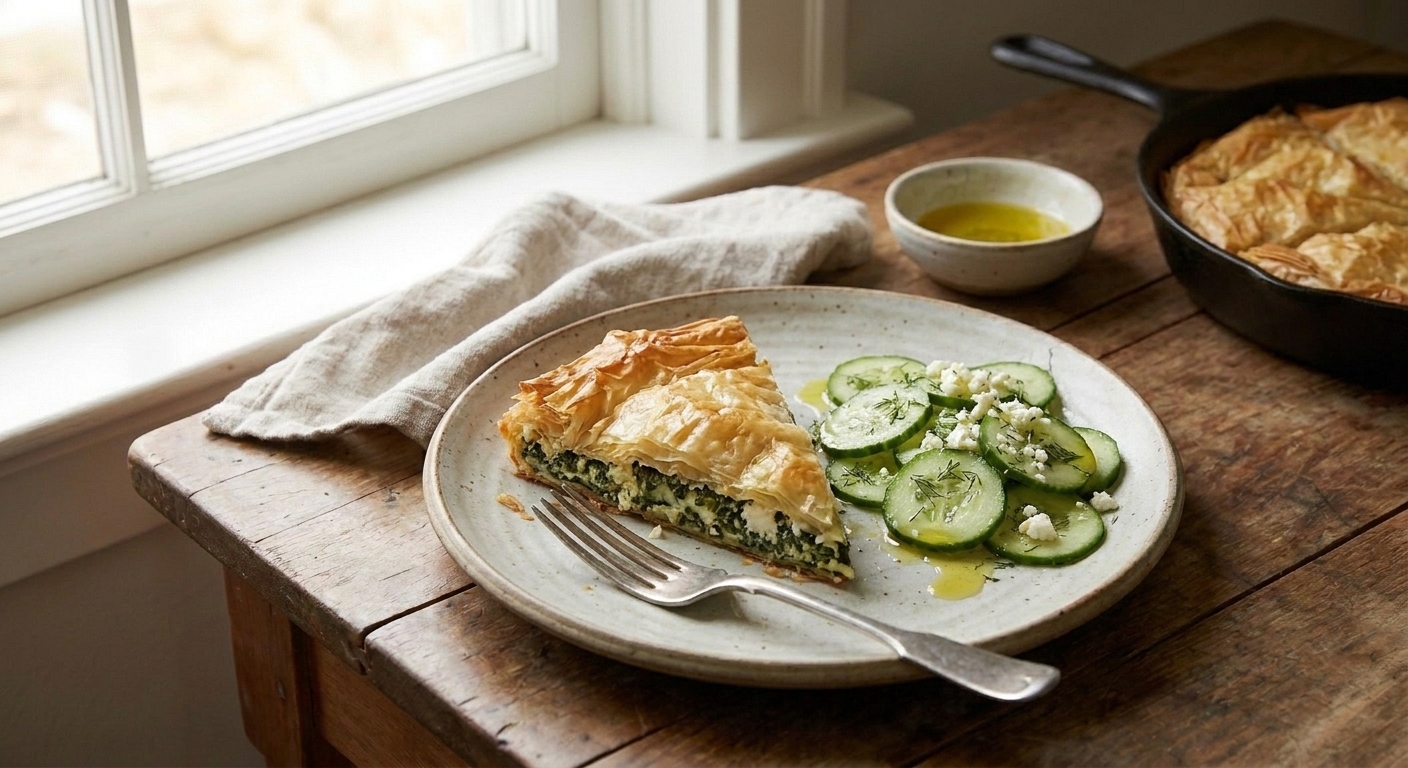
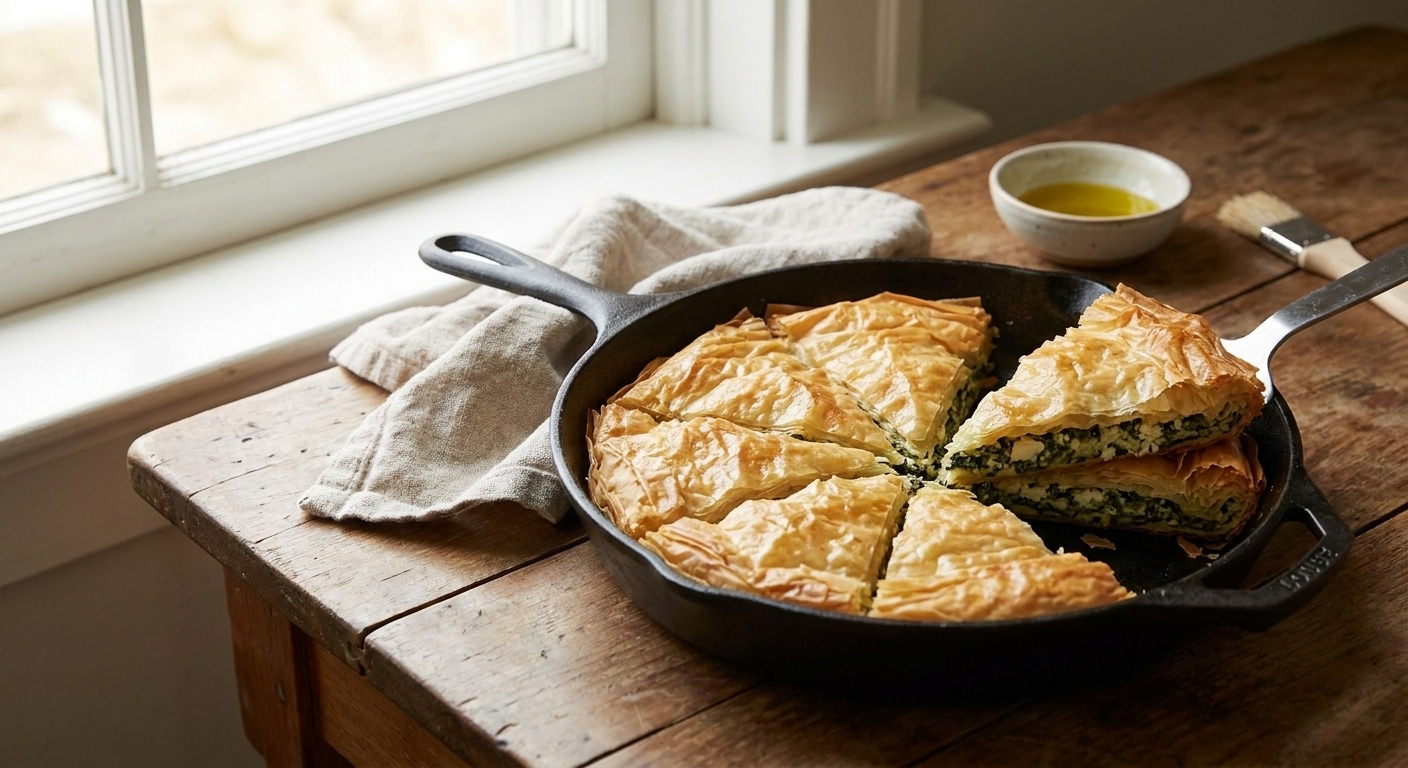
A golden brown phyllo dough skillet pie with crinkled crisp layers, sliced into wedges with spinach and feta filling visible, on a rustic wooden table with a simple linen napkin

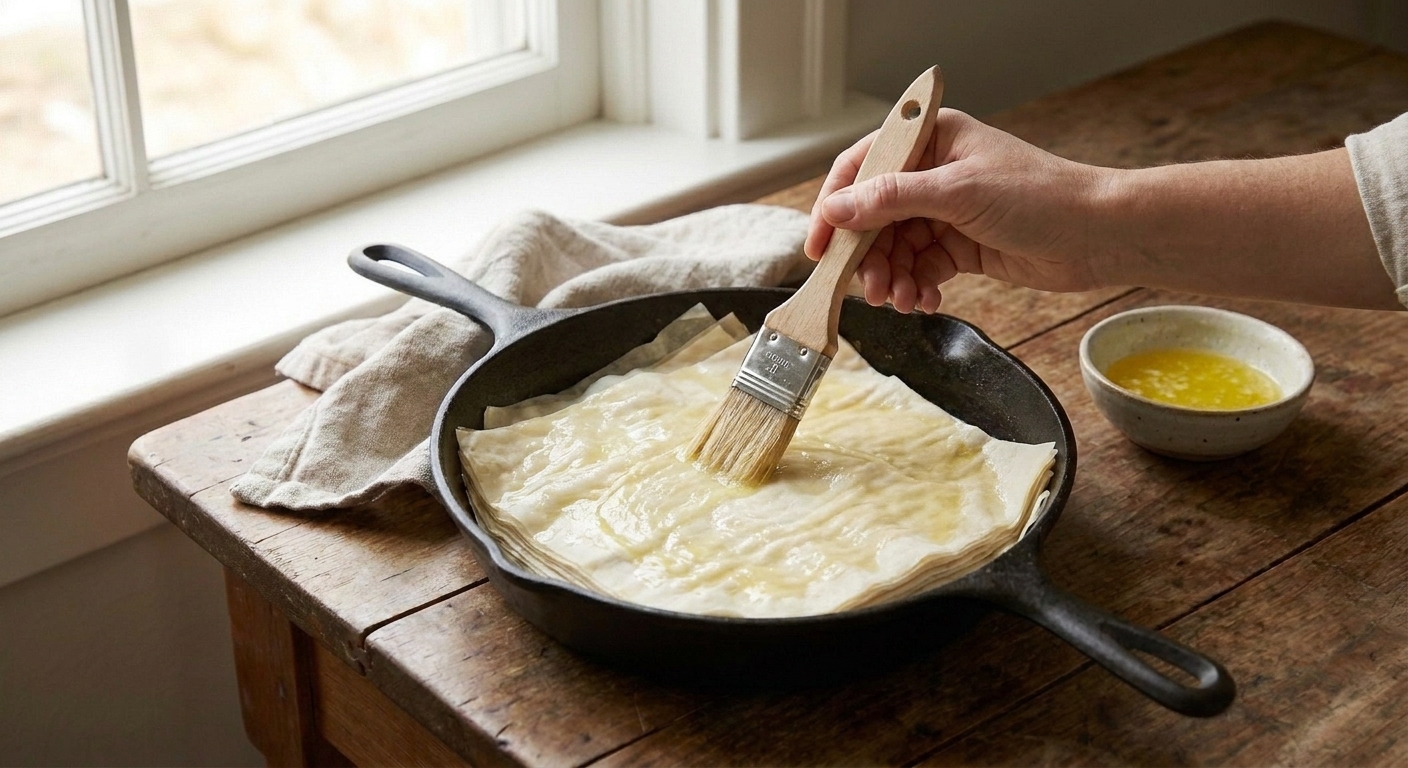
Phyllo dough is one of those ingredients that looks like it belongs in a fancy bakery case. Then you actually use it and realize it is basically a shortcut to maximum crunch with very little drama, as long as you treat it like a delicate sweater. Keep it covered, butter it generously, and do not overthink the rips. Rips are character.

This recipe is my go-to “phyllo confidence builder”. It is a skillet-style spanakopita pie with a bright, lemony spinach and feta filling and that signature shatter when your knife breaks through the top. Cozy carbs, crisp edges, and just enough chaos to keep it fun.
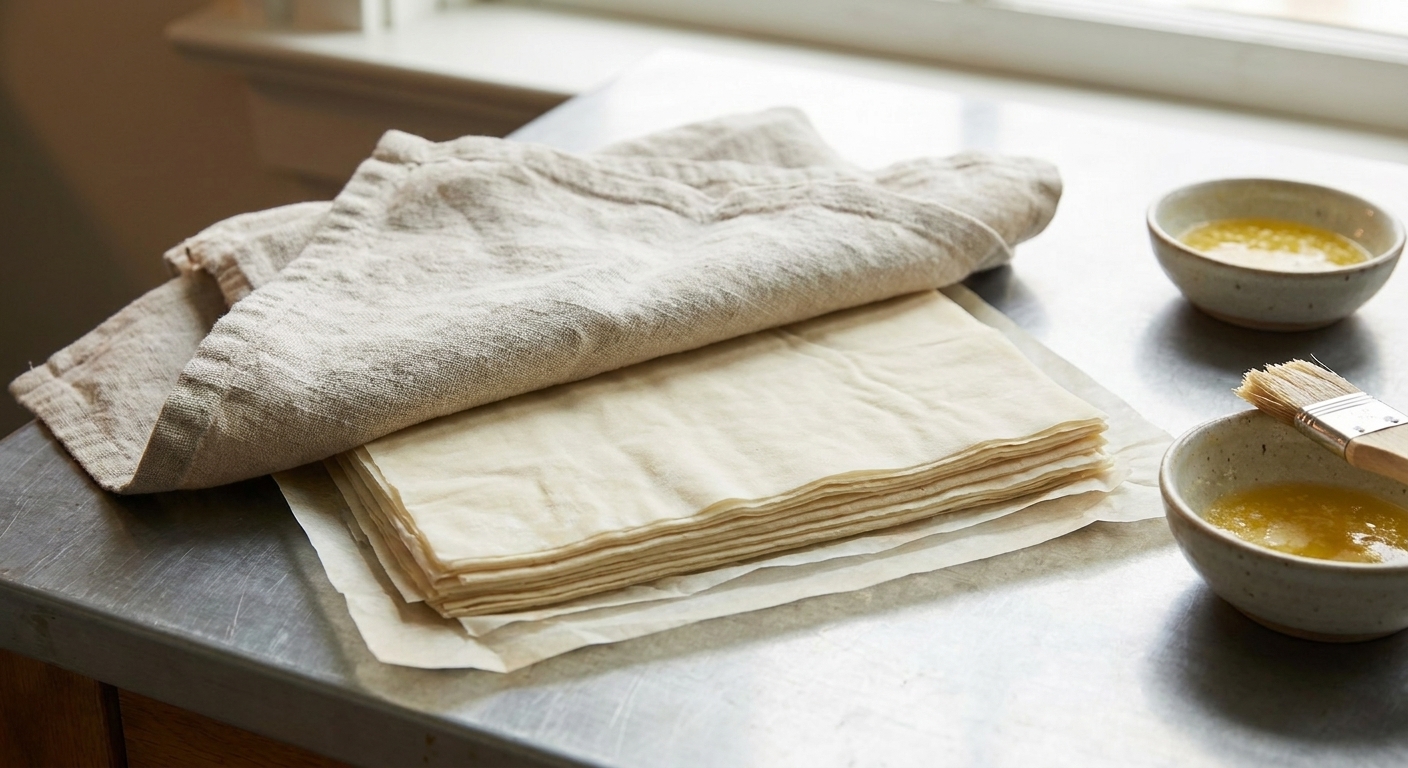
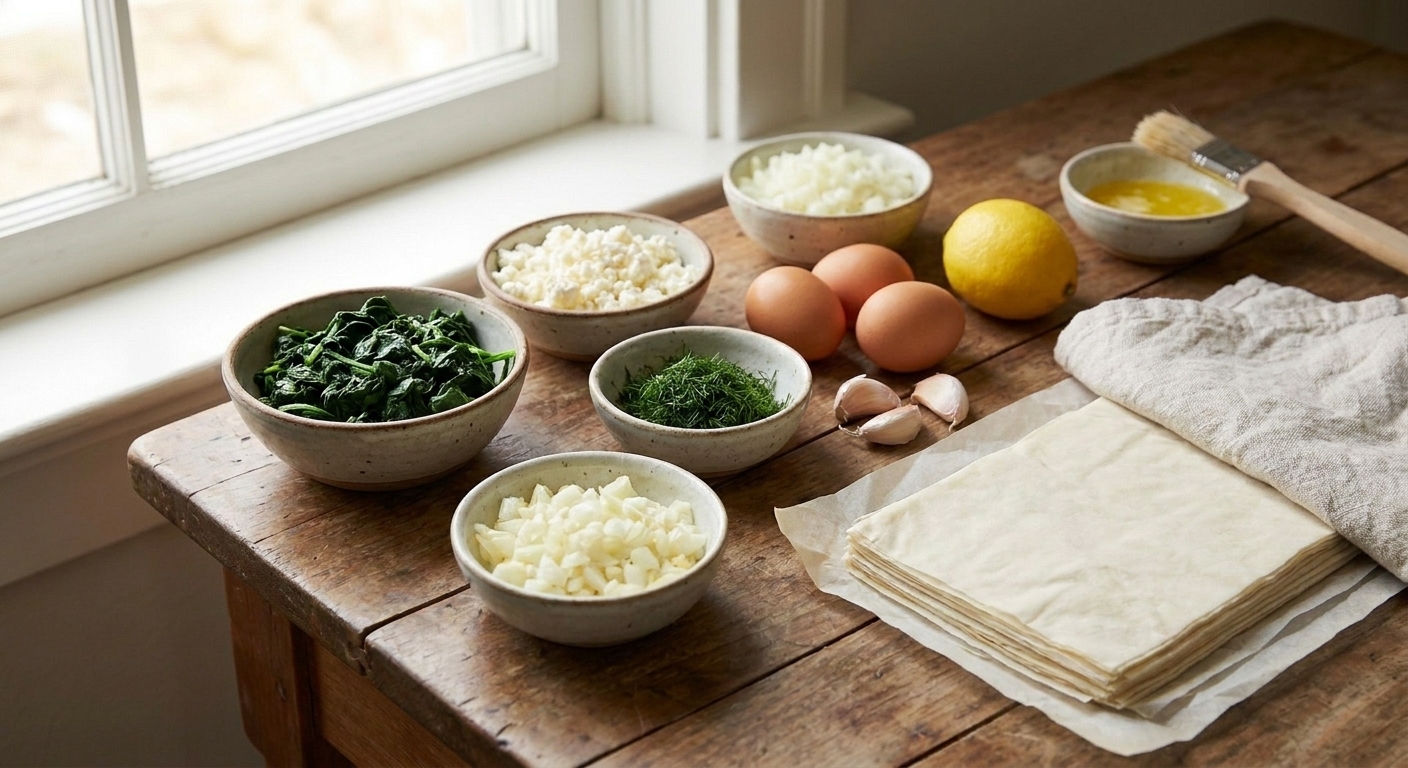
A stack of thawed phyllo dough sheets on parchment paper on a kitchen counter with a clean towel draped over the top

Why It Works

  • Big payoff, small effort: phyllo gives you bakery-level crispness without making dough from scratch.
  • Balanced filling: spinach, feta, lemon, and dill keep it savory and bright, not heavy.
  • Skillet method = crisp edges: more surface area touching hot pan means more golden crunch.
  • Flexible: works with fresh or frozen spinach and lots of easy add-ins.

Pairs Well With

Storage Tips

Refrigerate: Cool completely, then cover and refrigerate for up to 4 days.

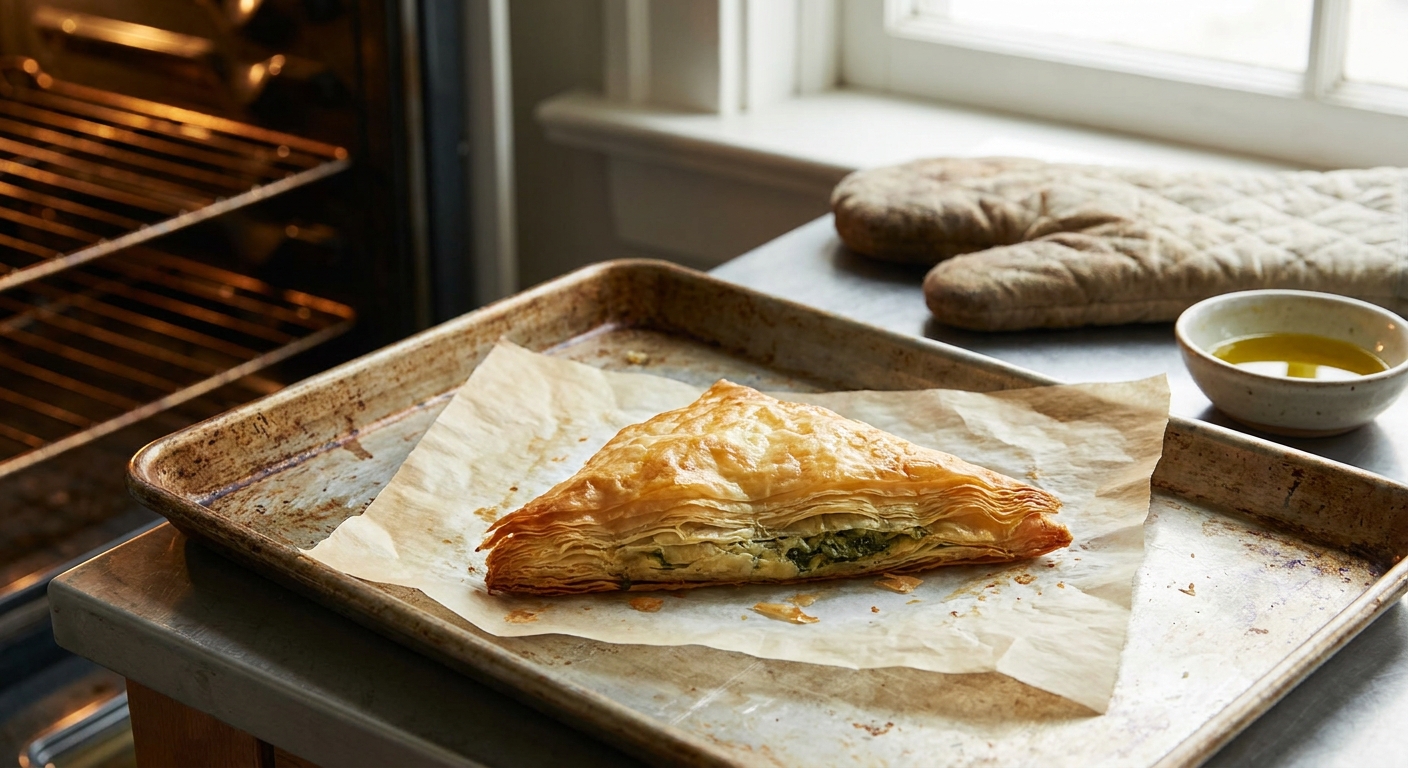
Reheat for best crunch: Warm slices on a sheet pan in a 350°F oven for 10 to 15 minutes until the phyllo is crisp again. The microwave works in a pinch, but the top will soften.

Freeze: Wrap individual slices tightly and freeze up to 2 months. Reheat from frozen at 350°F for 20 to 25 minutes, loosely tenting with foil if the top browns too fast.

Note: Ovens and skillets vary, so treat the timing as a guide and lean on the visual cues: hot throughout, crisp on top, and no wet wobble in the center.

A single slice of phyllo spinach pie on a parchment-lined sheet pan ready to reheat in the oven

Common Questions

What is phyllo dough and how is it different from puff pastry?

Phyllo (sometimes spelled filo) is paper-thin sheets of dough. You build layers by brushing each sheet with butter or oil. Puff pastry is a thicker laminated dough with butter already folded inside, so it “puffs” more. Phyllo bakes up crisp and shattery, not fluffy.

Do I have to thaw phyllo dough before using it?

Yes. Thaw it in the refrigerator overnight, then let it sit at room temperature for 30 to 45 minutes before unrolling. Cold phyllo cracks easily.

How do I keep phyllo from drying out?

Keep the stack covered with a slightly damp towel while you work. Pull one sheet at a time, then cover it back up. If it dries, it gets brittle and tears.

Is it okay if my phyllo tears?

Totally okay. Patch with another piece, or just keep layering. Once it is baked and golden, no one will know and everyone will still hear that glorious crunch.

Can I assemble spanakopita ahead of time?

Yes. Assemble, cover tightly, and refrigerate up to 24 hours. Bake straight from the fridge, adding 5 to 10 minutes if needed.

How do I know it is done?

Look for a deeply golden top and edges, and a center that looks set (no wet wobble when you gently shake the skillet). If you have an instant-read thermometer, aim for about 165°F in the center.

The first time I cooked with phyllo, I treated it like a fragile museum artifact. I moved too slow, it dried out, and the sheets shattered like autumn leaves. Now I do the opposite: I set up my station, keep it covered, and commit. Butter, layer, crinkle, repeat. It is oddly relaxing once you accept that perfection is not the goal, crunch is.