Mom's Best Recipes
Recipe

Pork Adobo

Tender pork in a tangy soy-vinegar sauce with lots of garlic and cozy, glossy vibes.

Author By Matt Campbell
4.8
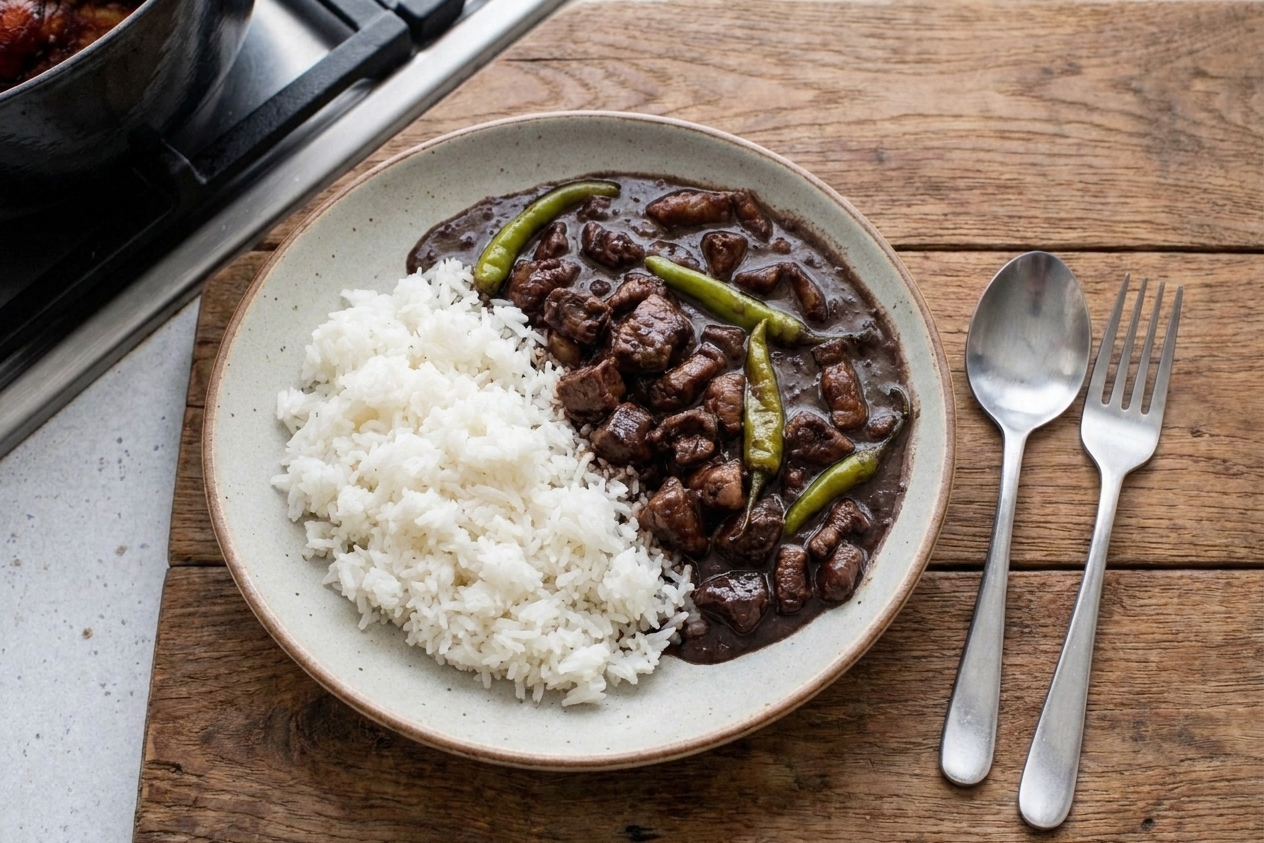
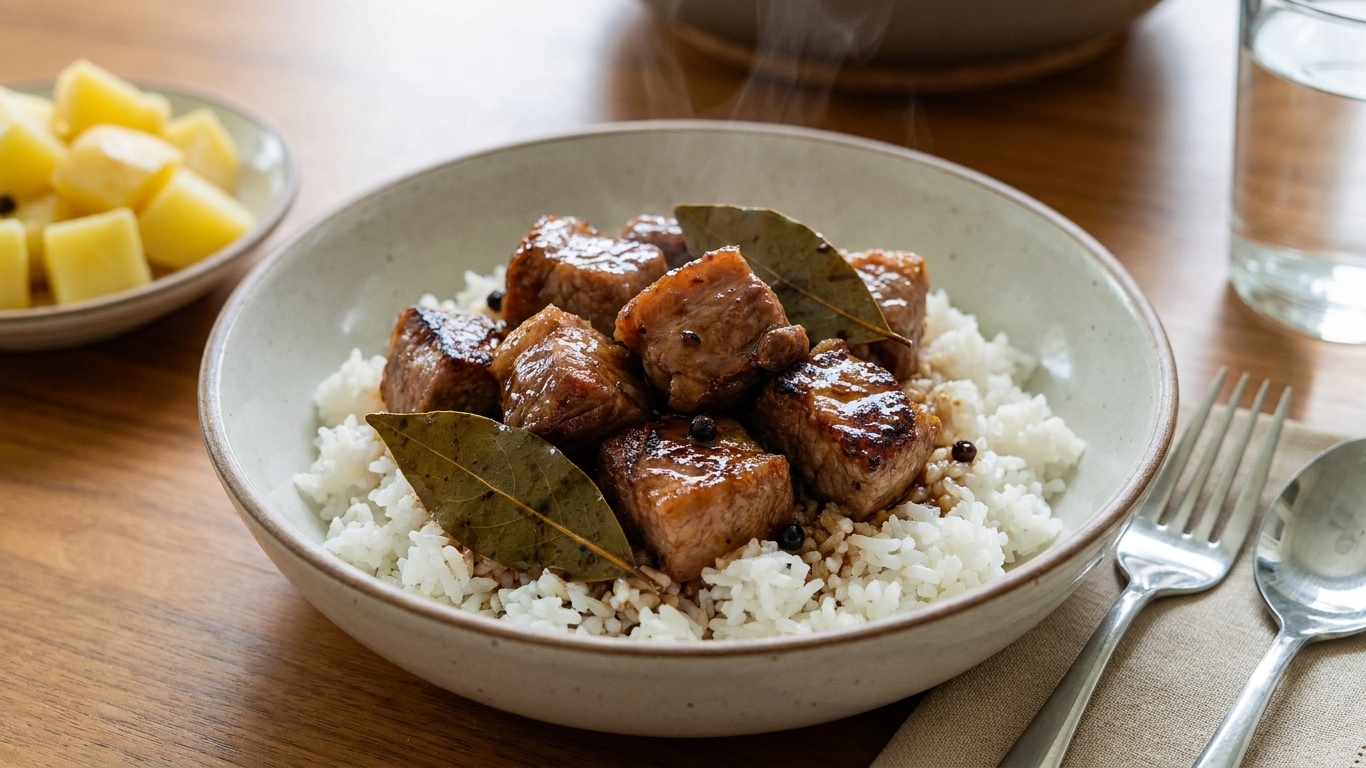
A bowl of pork adobo with glossy dark sauce, tender pork pieces, bay leaves, and white rice on a warm-toned kitchen table with soft natural light

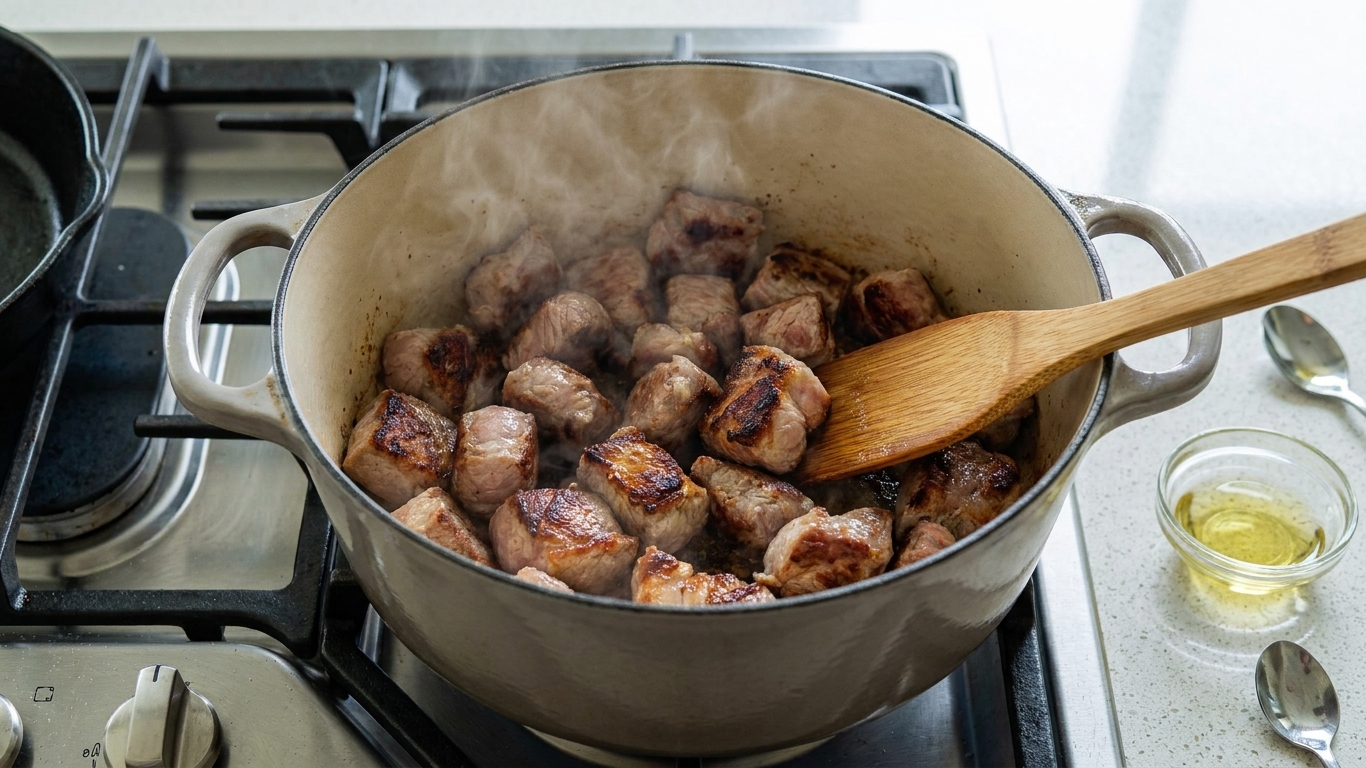
Pork adobo is one of those dishes that feels like it has your back. The ingredients are humble, the method is forgiving, and the payoff is huge: tender pork, a punchy soy and vinegar sauce, and enough garlic to make your kitchen smell like something you should be proud of. This is the version I make when I want bold flavor without babysitting the stove. You brown the pork for crisp edges, simmer it low and slow, then reduce the sauce until it clings.

Serve it with rice, obviously. And do not be shy about spooning that sauce over everything in sight.

Why It Works

  • Big flavor from basic pantry stuff: soy sauce, vinegar, garlic, bay leaf, and peppercorns do the heavy lifting.
  • Two textures in one pot: a quick sear gives you browned bits and crisp edges before the pork turns tender in the simmer.
  • A sauce that actually coats: reducing at the end makes it glossy, punchy, and perfect for rice.
  • Leftovers glow up: the flavor deepens overnight, making tomorrow’s lunch even better.

Pairs Well With

Storage Tips

Refrigerator: Cool completely, then store in an airtight container for up to 4 days. Keep the pork in the sauce so it stays juicy.

Freezer: Freeze up to 2 months. Thaw overnight in the fridge before reheating.

Reheating: Warm gently in a saucepan over medium-low heat with a splash of water if the sauce has gotten very thick. Microwave works too, but stir halfway through so the sauce heats evenly.

Common Questions

Do I need to marinate the pork first?

Nope. Marinating is great if you have time, but this recipe builds plenty of flavor during the simmer. If you want the extra boost, toss the pork with the soy sauce and garlic for 30 minutes in the fridge, then proceed.

Should I use rice vinegar or white vinegar?

Adobo varies from kitchen to kitchen. Many Filipino households commonly use cane vinegar or coconut vinegar, but rice vinegar, palm vinegar, and even distilled white vinegar show up too. Distilled white vinegar gives you that classic sharp tang, while rice vinegar is softer and slightly sweet. Coconut vinegar is also a great option if you want a gentler tang with a little depth. Use what you have and what you like.

Why add vinegar and not stir right away?

This is one of those widely shared adobo tips: add the vinegar, let it come to a simmer for a minute or two, then stir. It helps take the edge off that raw vinegar bite. Is it a strict rule? No. But it is a small habit that tends to make the sauce taste smoother.

How do I know when the pork is tender?

A fork should slide in with little resistance, and the fat should feel soft, not bouncy. If it is still chewy, just keep simmering and add a splash of water if the pot looks dry. Pork is safe at 145°F, but for shoulder or belly, you are cooking for tenderness, which usually means going well beyond that.

Can I make this less salty?

Yes. Use low-sodium soy sauce, and consider starting with 1/2 cup soy sauce plus an extra 1/4 cup water, then adjust at the end. Also, remember that reducing the sauce concentrates salt. Reduce gently and stop when it tastes right.

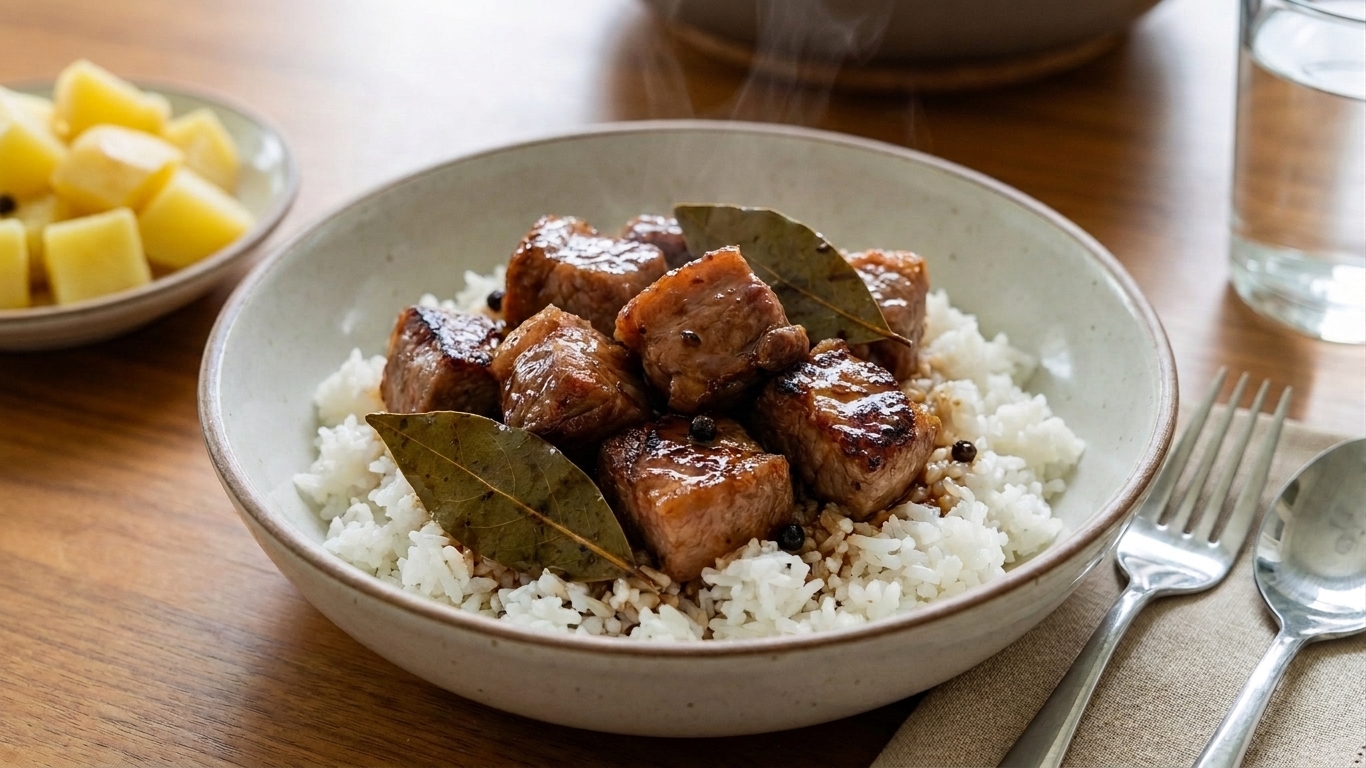
Adobo is one of my favorite “trust the pot” meals. It is the dish I cook when I want something deeply seasoned but I am not in the mood to juggle ten ingredients or hover over a skillet. The first time I really nailed it at home was the moment I stopped rushing the last step. Let the sauce reduce until it looks like it wants to hug the pork. That is the whole vibe.