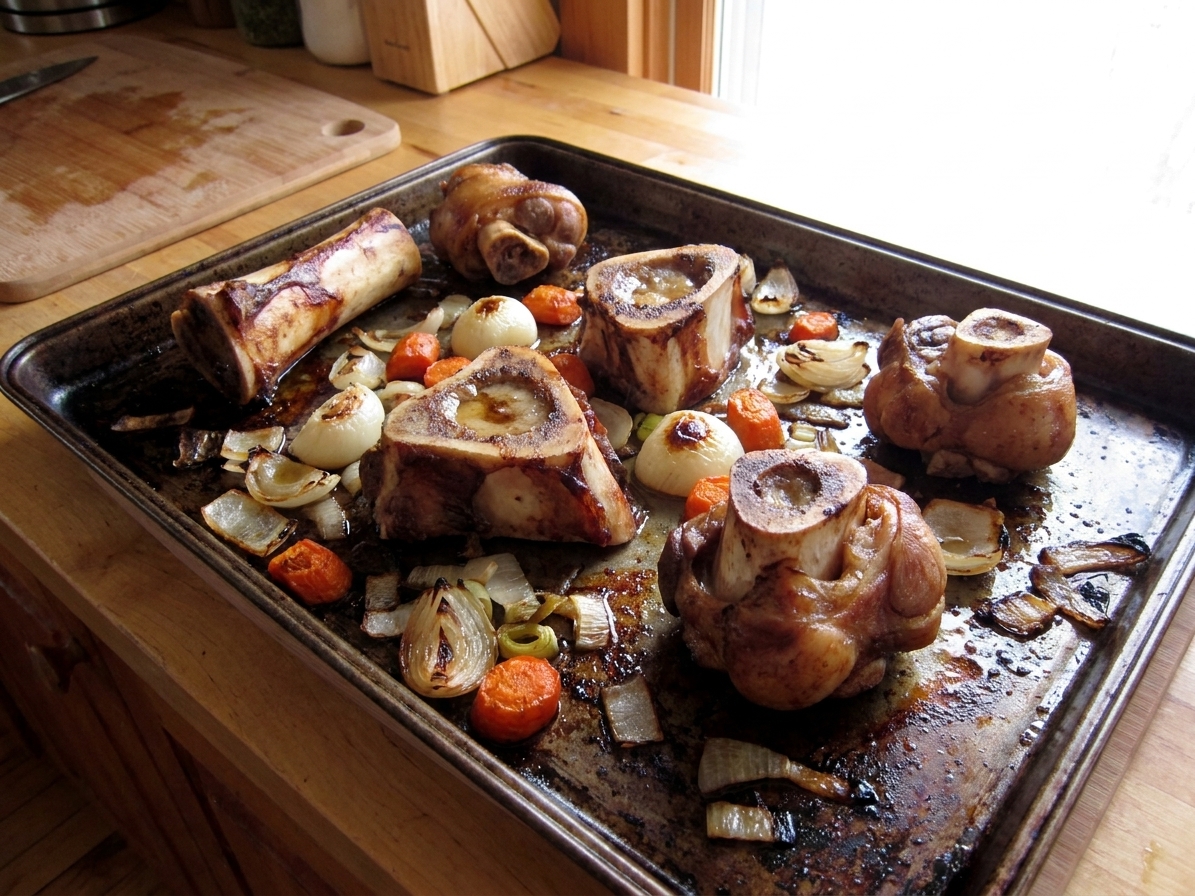
Roast bones for maximum flavor, then simmer low and slow for a rich, gelatinous beef stock you will use all week. Includes storage tips and troubleshooting.
Small paws, big appetite, and a soft spot for comfort food.
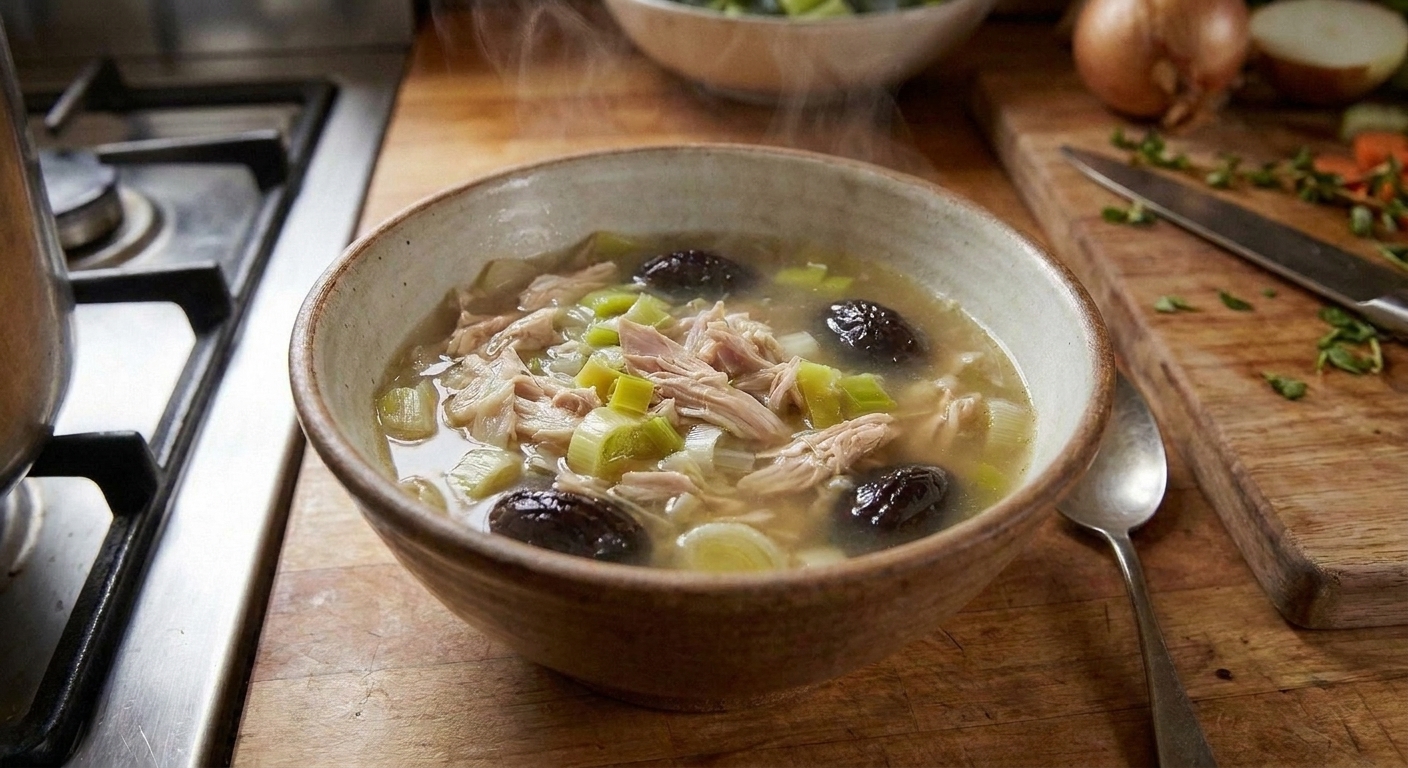
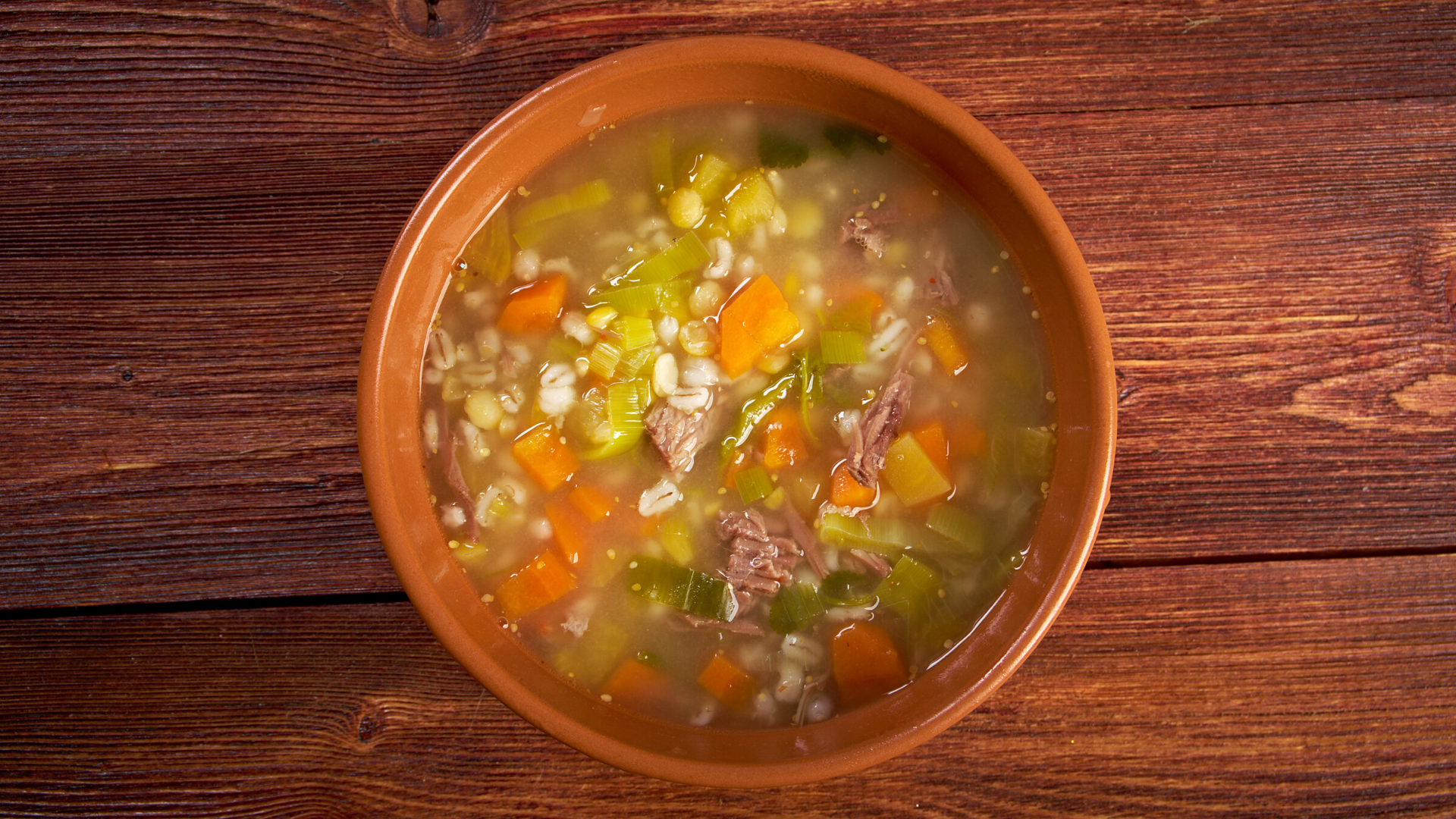
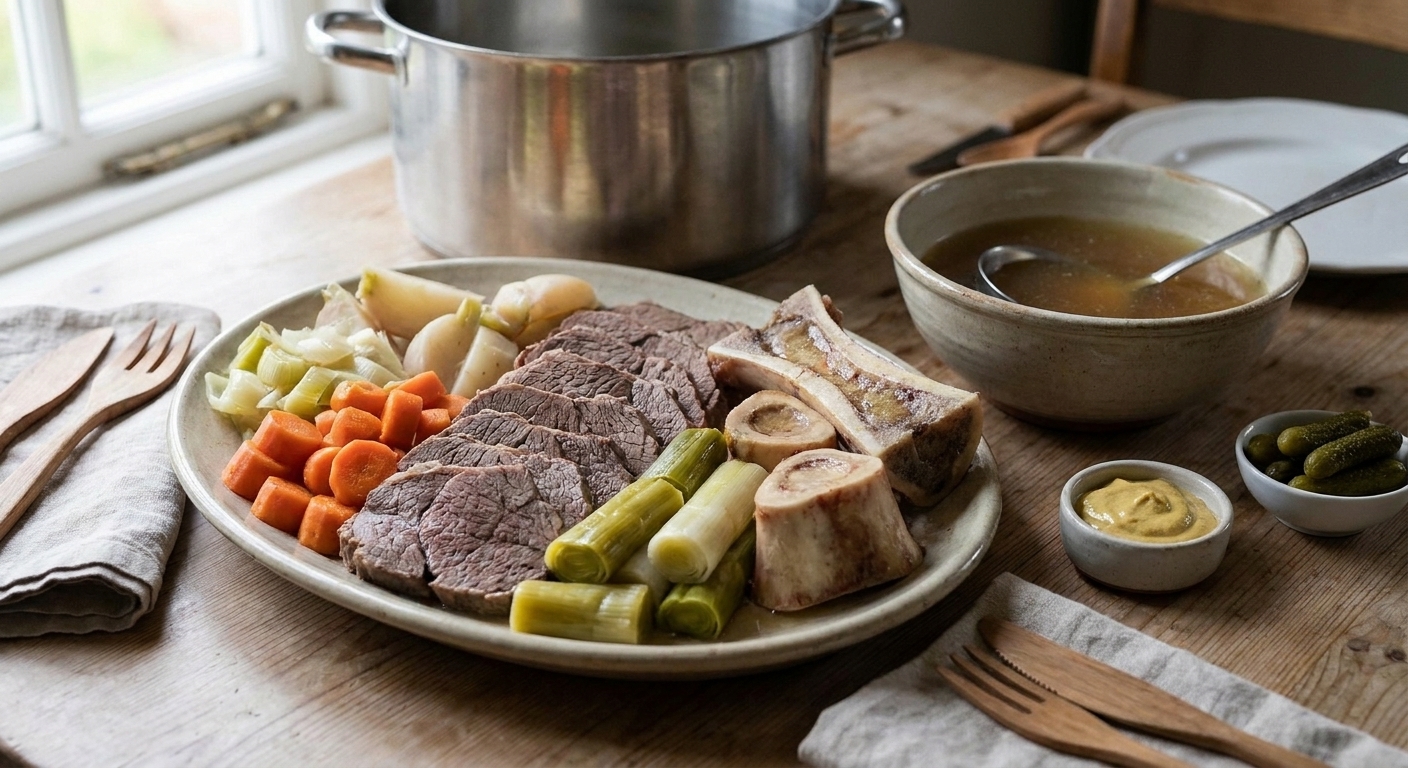
Pot-au-feu is the French answer to the coziest question a kitchen can ask: what if dinner was both a hearty meat platter and a clear, sippable broth you serve on the side? It is gentle simmering, patient skimming, and vegetables that go in at the right moment so they stay sweet and whole instead of turning into mush.
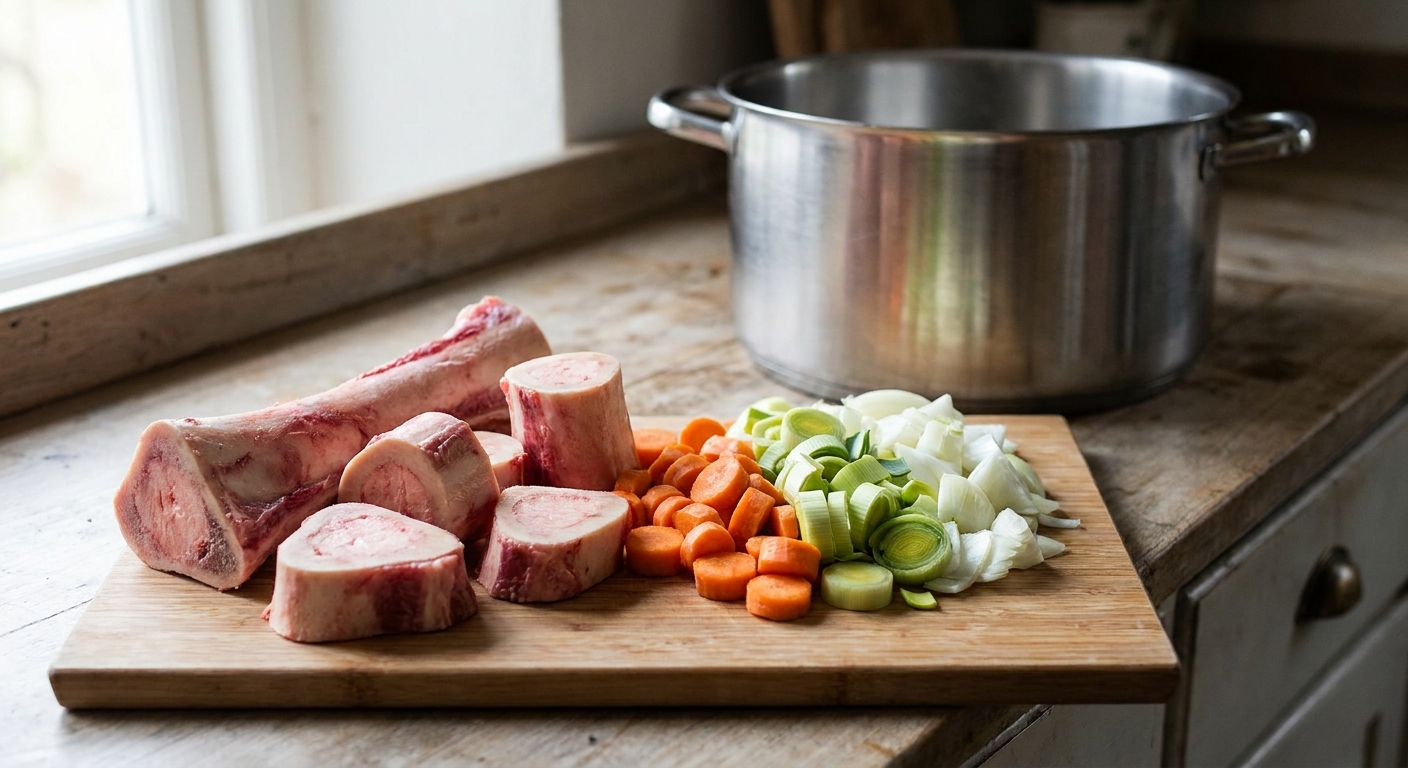
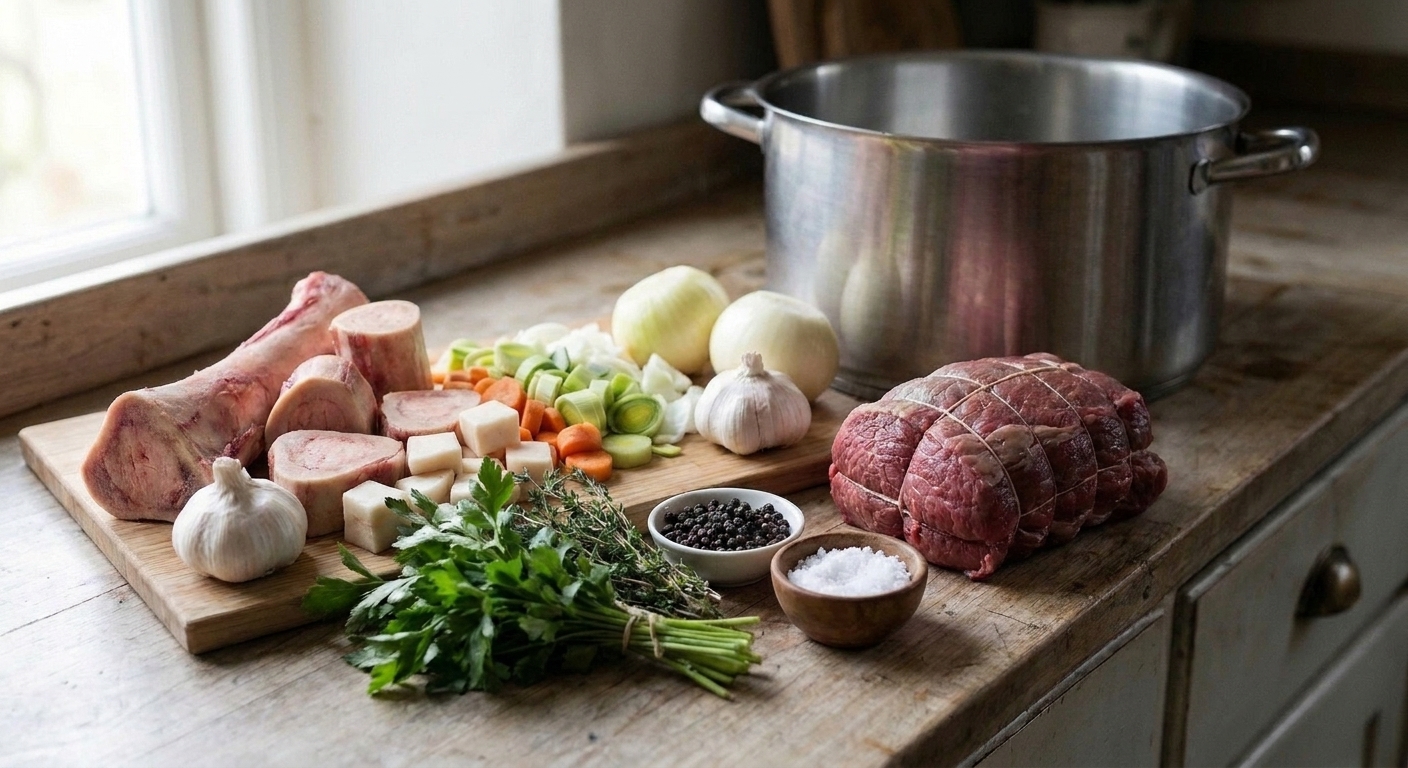
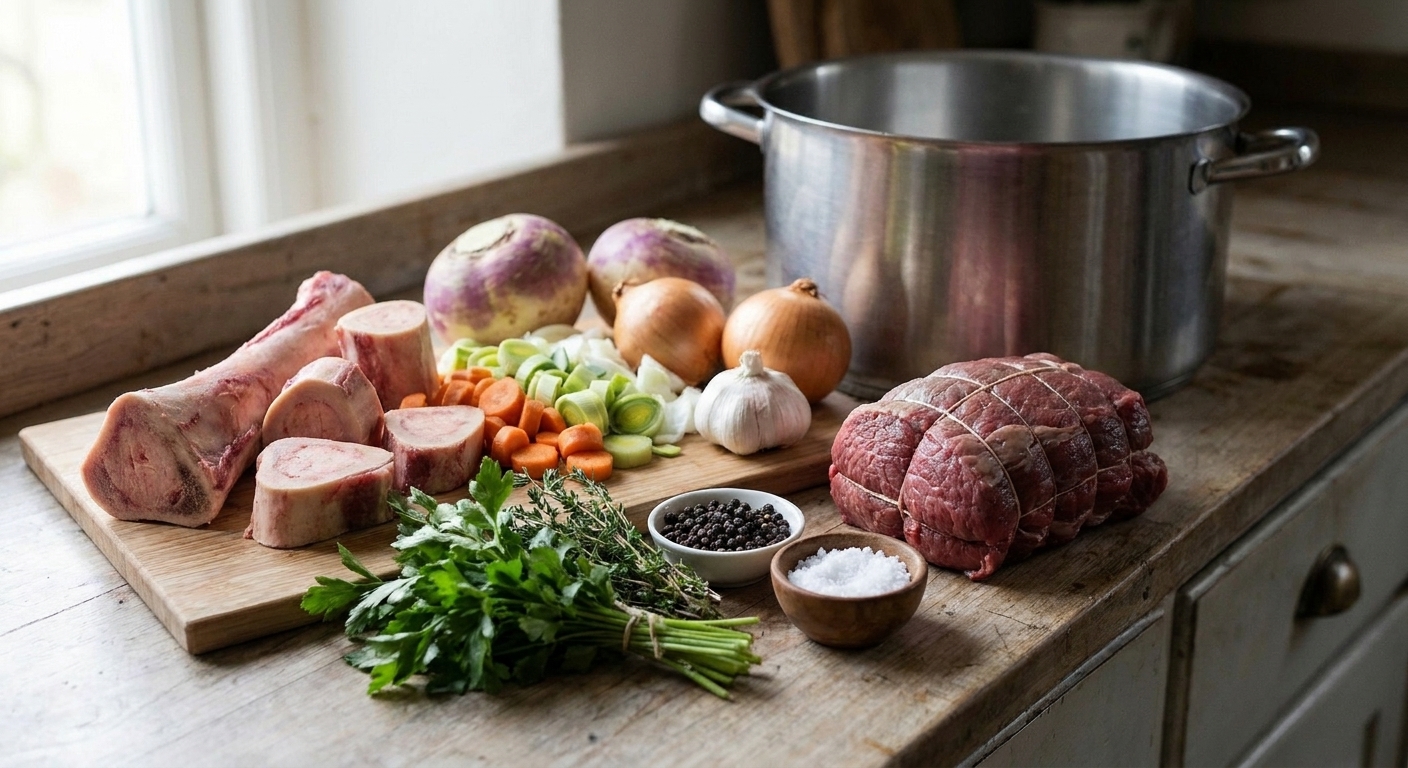
In this version, we simmer beef and marrow bones with aromatics, then add leeks, carrots, and turnips in stages. At the table, you set out mustard and cornichons, pour the broth into bowls, and let everyone build the perfect bite.
Pot-au-feu vs pot roast
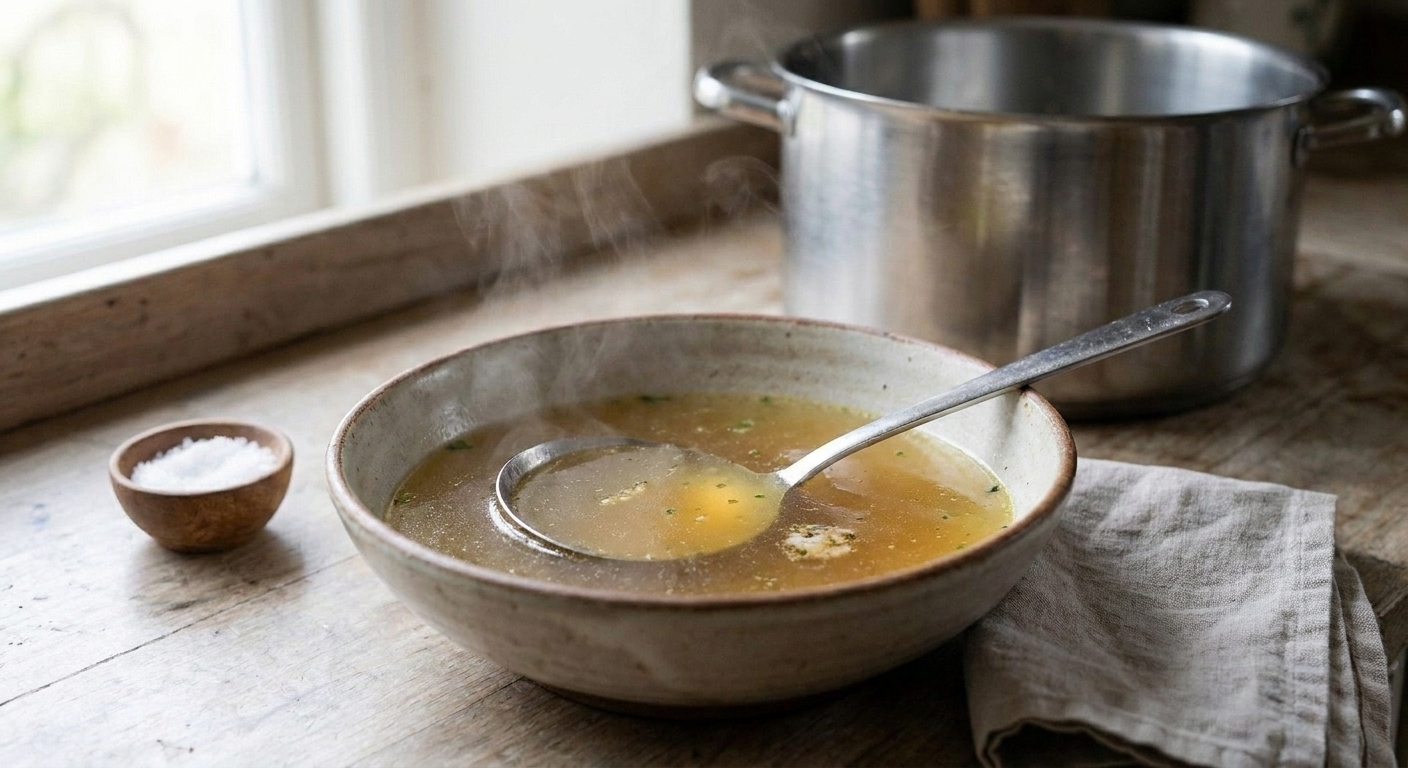
Pot roast is typically braised in a thicker, darker cooking liquid that turns into gravy. Pot-au-feu is simmered in plenty of water to create a clear broth. The meat is tender and flavorful, but the broth is meant to be clean, fragrant, and served in bowls next to the meat and vegetables.
Clear broth basics
- Start with cold water: It helps impurities rise gradually so you can skim them off.
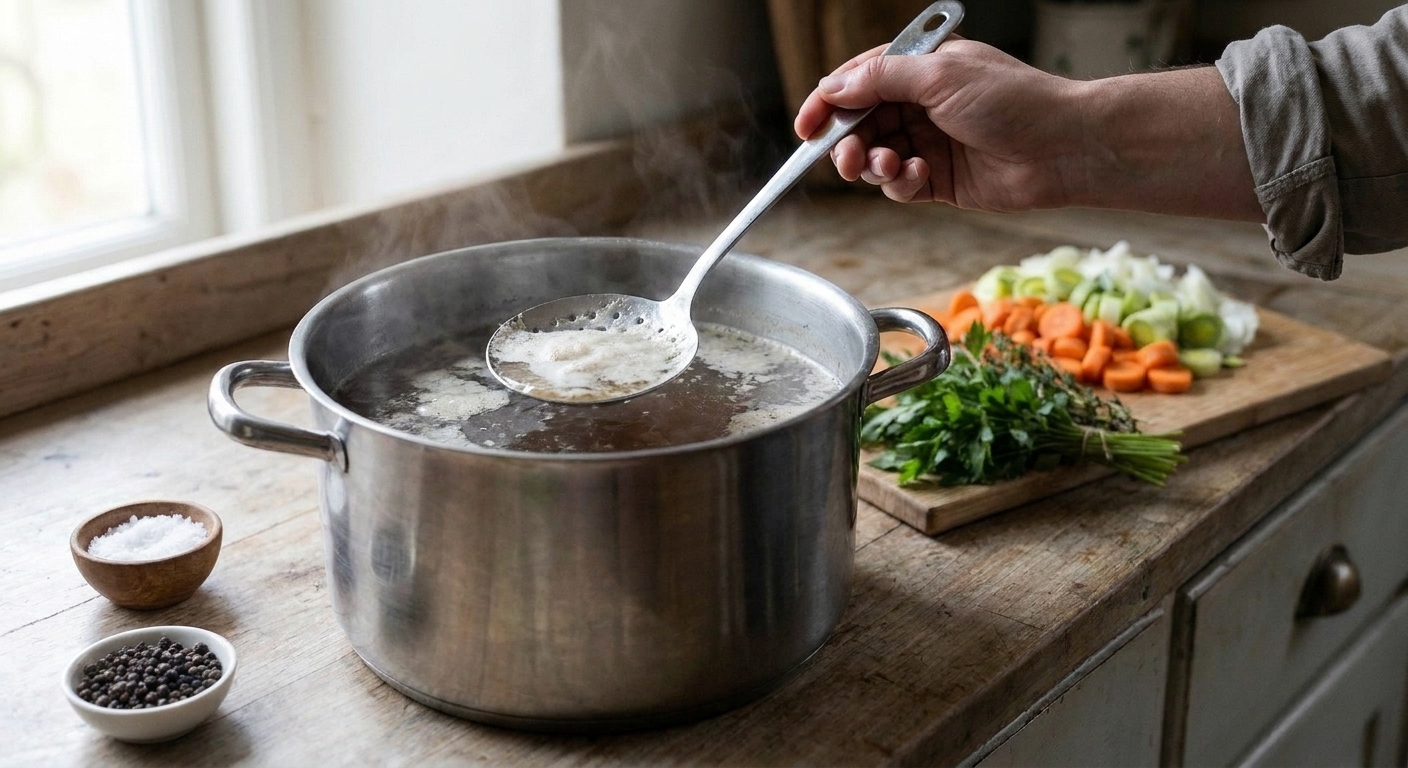
- Keep it at a bare simmer: Boiling agitates fat and proteins into the liquid and turns broth cloudy.
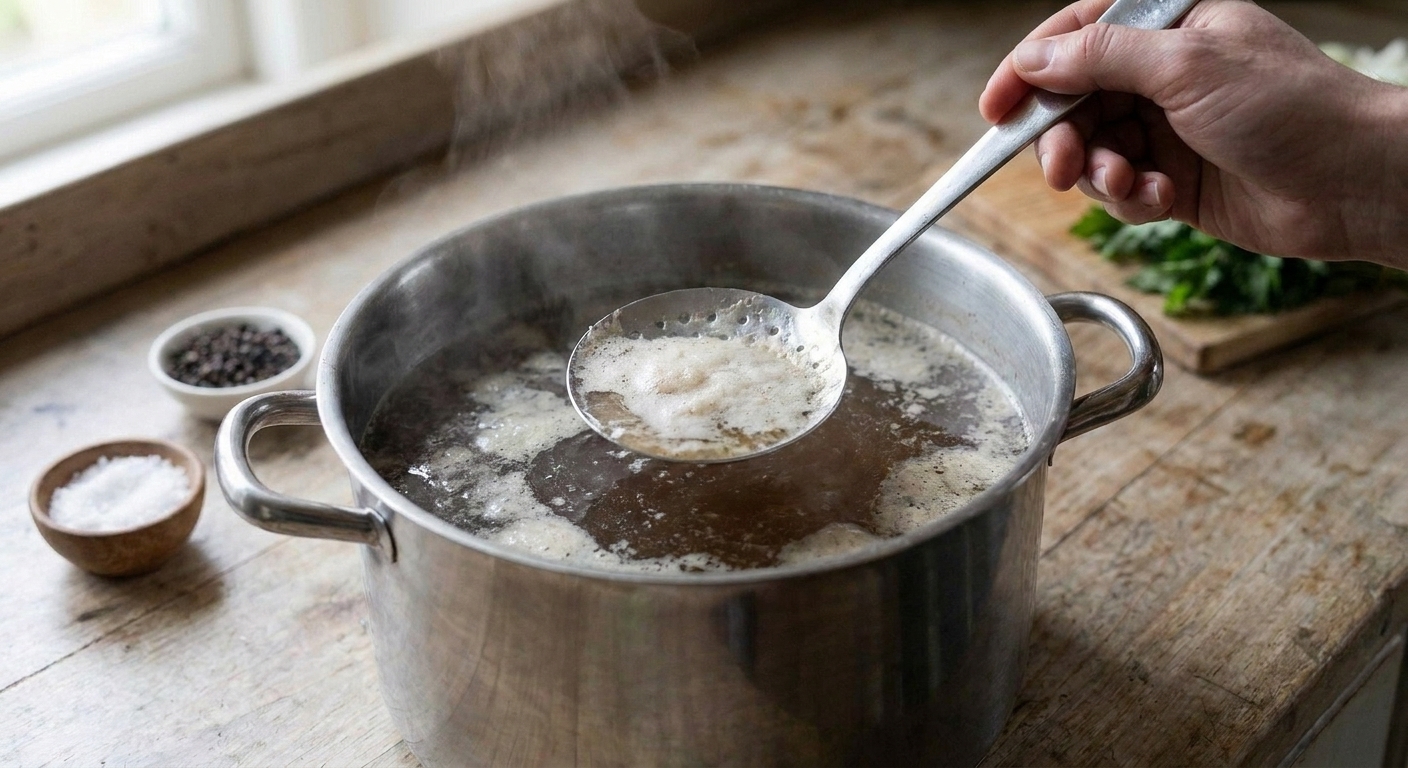
- Skim early and often: The first 30 to 45 minutes matter most.
- Salt thoughtfully: Lightly at the start, then adjust at the end after the broth reduces a bit.
- Optional blanching: A quick blanch of meat and bones is a classic trick for an even cleaner broth.
Vegetable timing
Classic pot-au-feu has vegetables that are tender, not shredded. Add sturdy vegetables later, and delicate ones even later:
- Carrots and turnips: Add after the meat has been simmering until it is starting to relax and soften.
- Leeks: Add toward the end so they stay silky and sweet instead of dissolving.
Leek cleaning tip: Leeks love hiding sand. Split them lengthwise, fan the layers under running water, then slice into large pieces for the pot.
If you love very soft vegetables, you can add them earlier. If you want them neat and sliceable, keep them for the final stretch.