Mom's Best Recipes
Recipe

Poultry Seasoning

A cozy, savory homemade spice blend for chicken, turkey, stuffing, and more.

Author By Matt Campbell
4.8
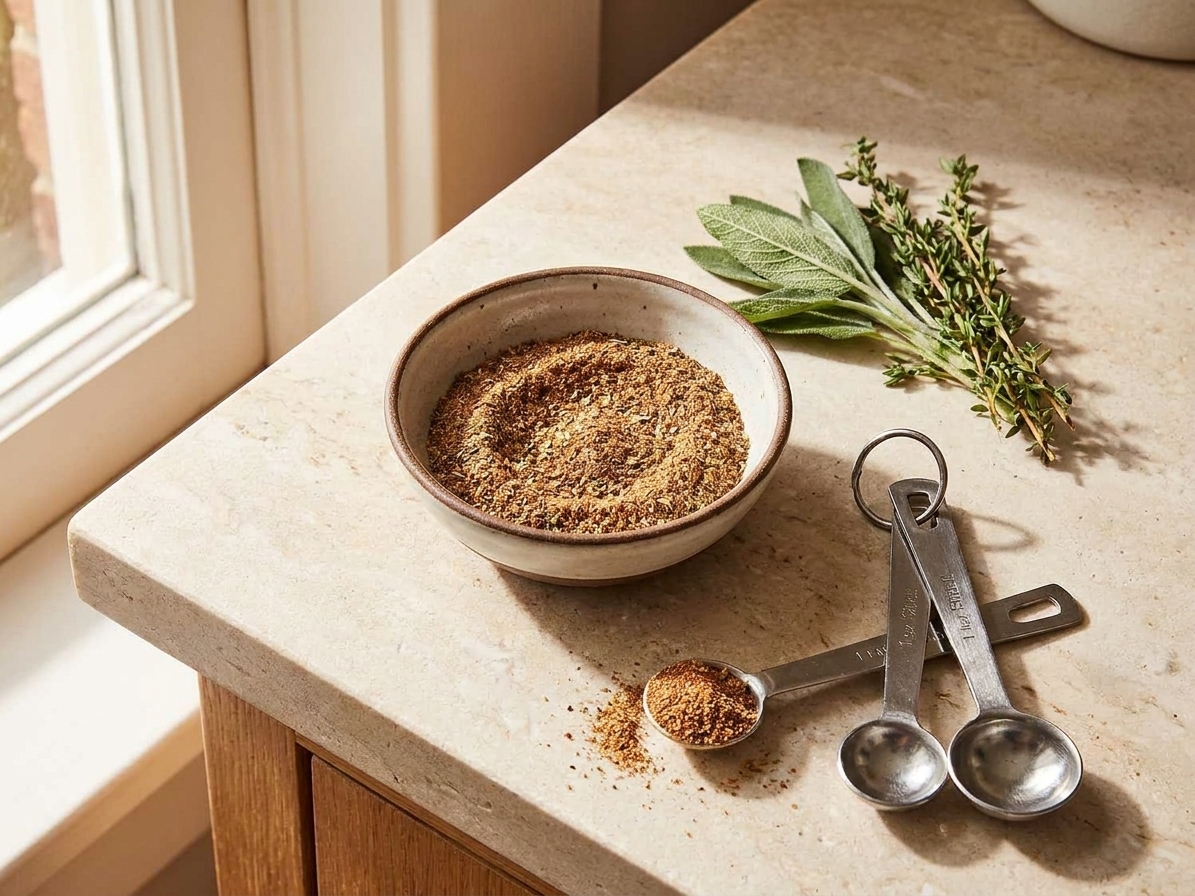
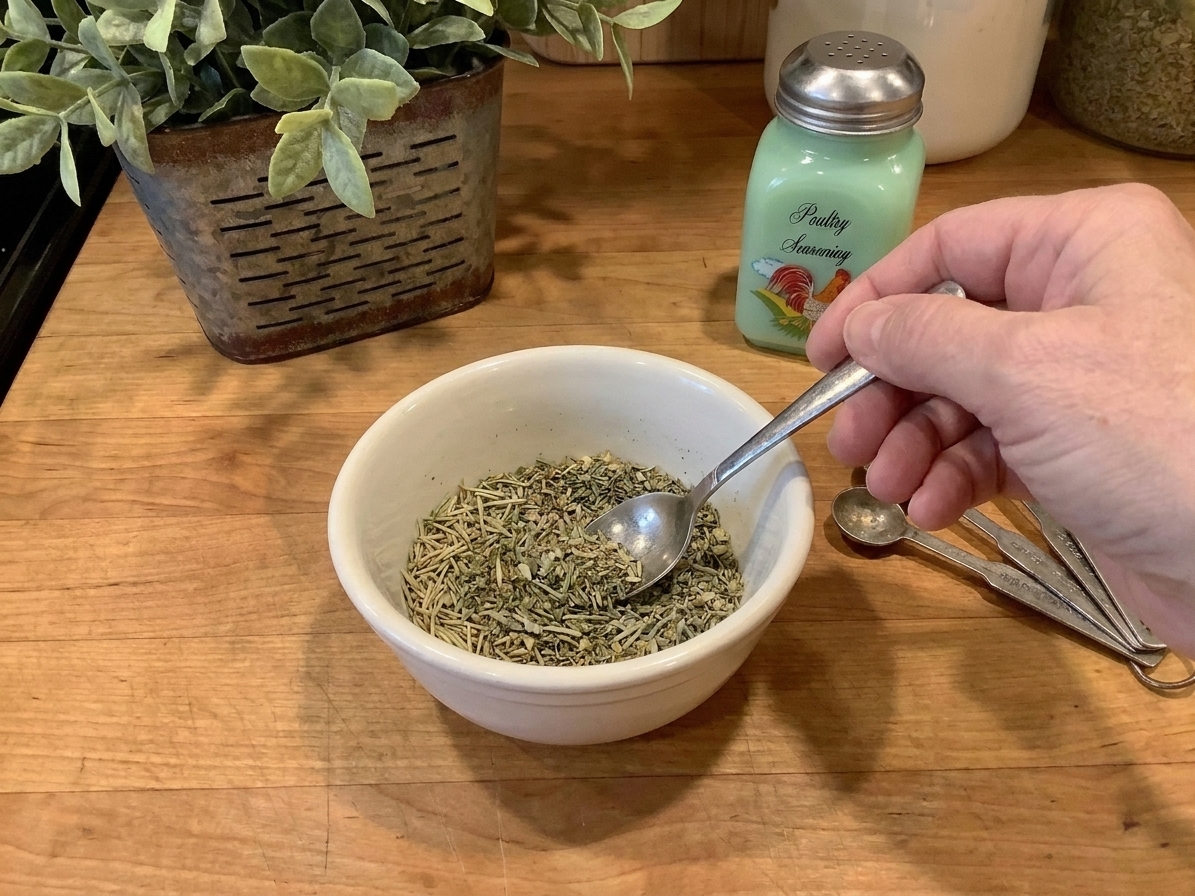
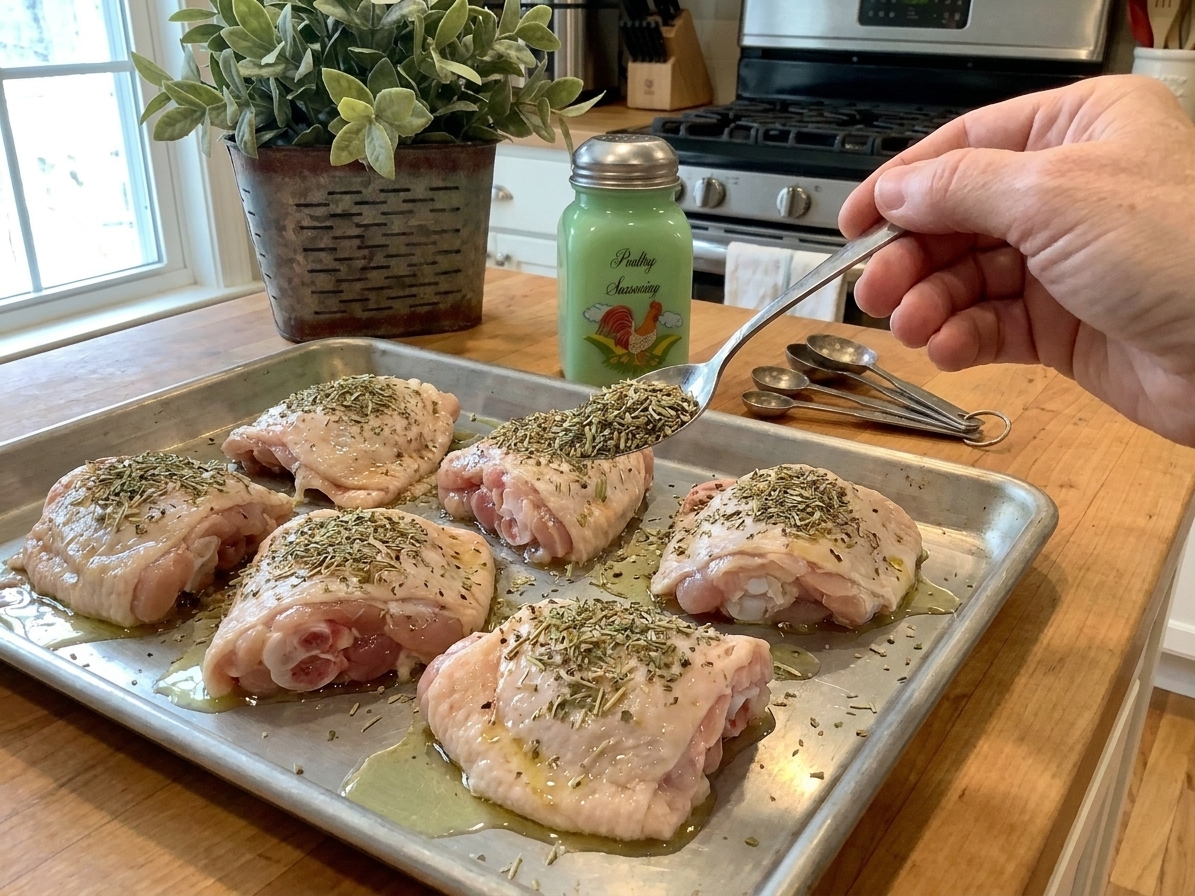
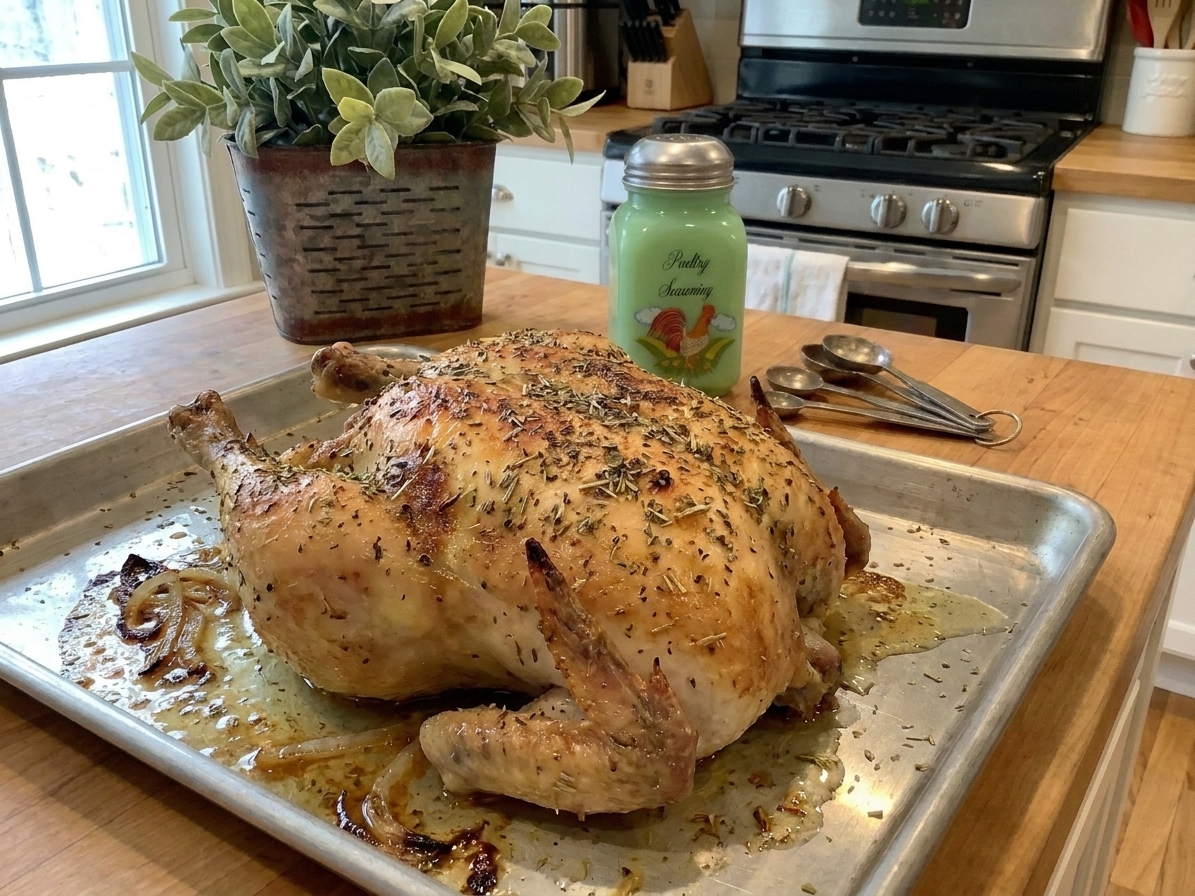
A small glass jar filled with homemade poultry seasoning on a kitchen counter with measuring spoons nearby

Poultry seasoning is one of those quiet little pantry heroes. You shake it on chicken, and suddenly dinner tastes like you actually had a plan. This homemade version is herby, a little woodsy, and gently warm from a pinch of nutmeg.

Everything here is easy to find, and the ratios are flexible. If you love sage, lean in. If rosemary always tries to steal the spotlight, keep it on a shorter leash. Either way, this mix is quick, reliable, and way fresher than that bottle that has been living in the back of the cabinet since 2019.

Why It Works

  • Fresh, bold flavor: Mixing your own means the herbs actually taste like herbs, not like dust.
  • Pantry friendly: No specialty ingredients required, and you can tweak it with what you have.
  • Versatile: Great on chicken and turkey, but also excellent in soups, gravy, roasted potatoes, beans, and stuffing.
  • Scales easily: Make a small jar now or a bigger batch for holiday cooking.
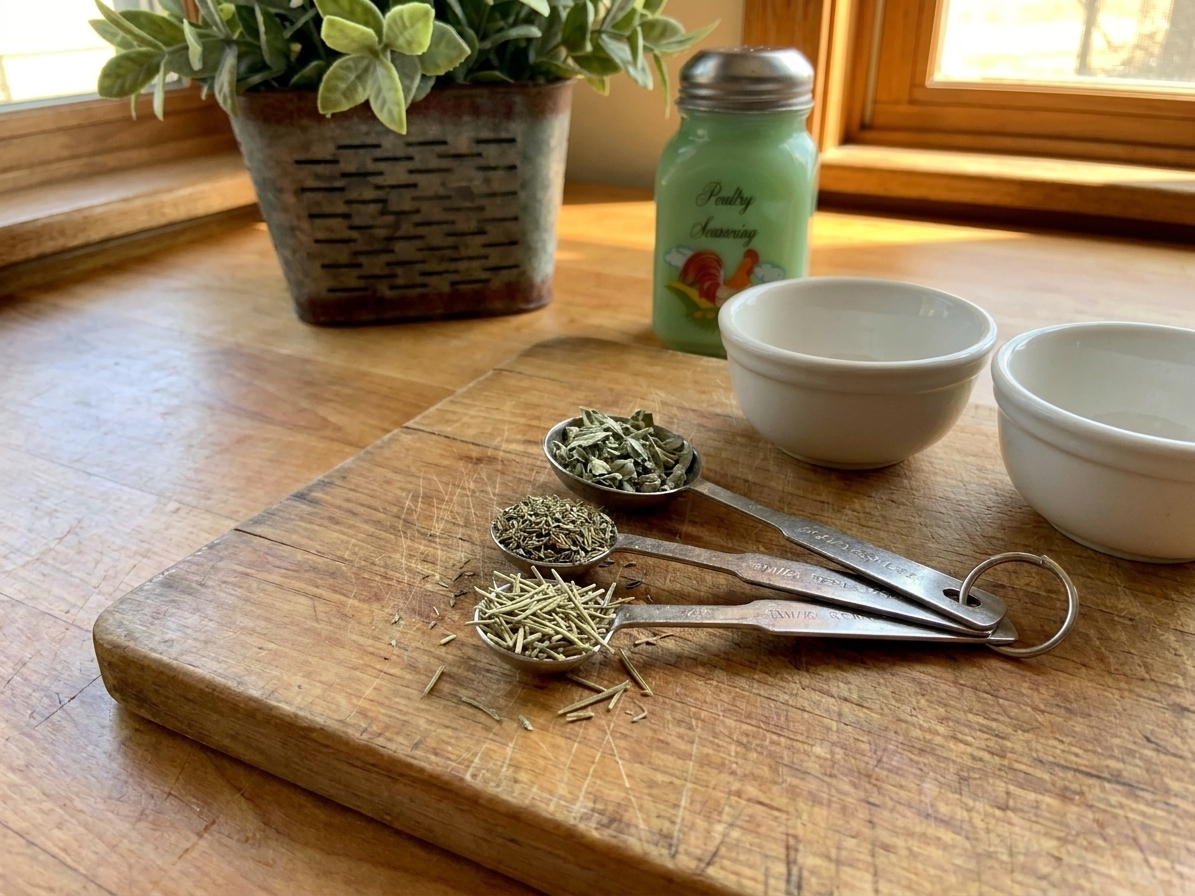
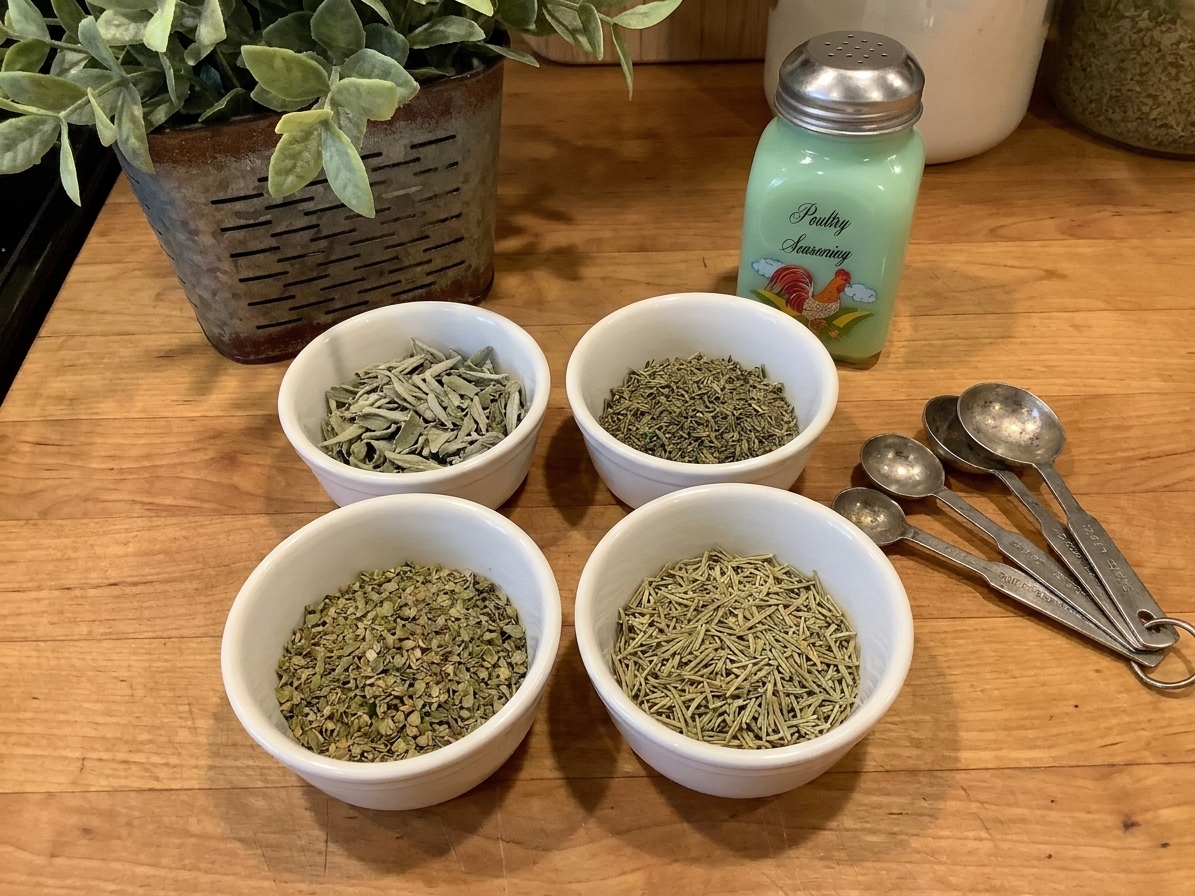
Dried sage, thyme, and rosemary in measuring spoons on a cutting board beside small spice bowls

Pairs Well With

Storage Tips

Store: Keep poultry seasoning in an airtight jar in a cool, dark cabinet.

How long it lasts: For best flavor, use within 3 to 6 months. It is safe longer, but the herbs will slowly fade.

Pro tip: Label the jar with the date. Future you will be grateful.

Keep it dry: Use a dry spoon every time so moisture does not clump the blend.

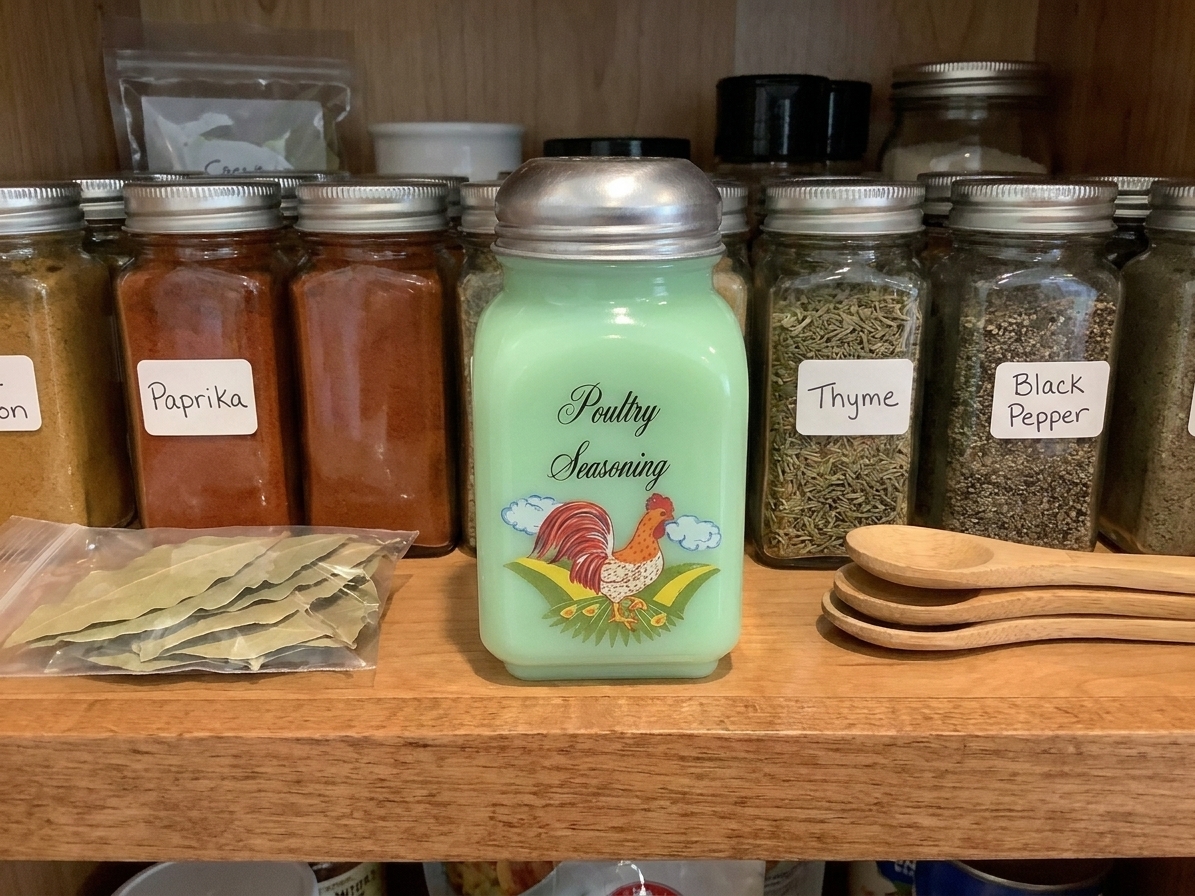
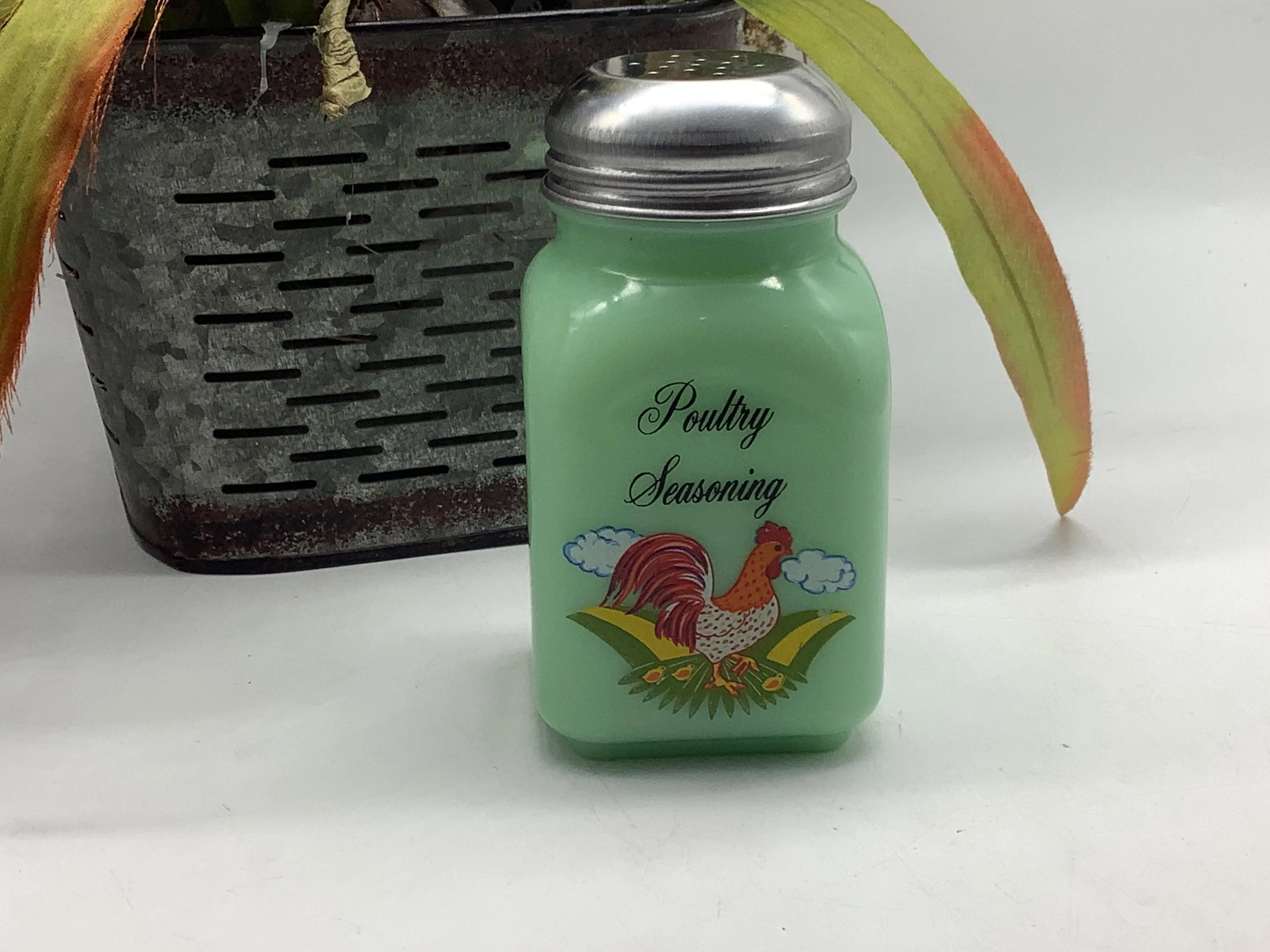
A small labeled spice jar of poultry seasoning sitting on a pantry shelf next to other spices

Common Questions

What is poultry seasoning made of?

Most poultry seasoning blends are built around dried herbs like sage, thyme, rosemary, and marjoram, often with a little black pepper and a warm spice like nutmeg. This recipe follows that classic, cozy profile.

How much poultry seasoning should I use on chicken?

A good starting point is 1 to 2 teaspoons per pound of chicken for surface seasoning (roasting, pan searing, grilling). If your dried herbs are super fresh and fragrant, start closer to 1 teaspoon and go up from there next time.

How do I use this for a dry brine?

This blend is salt free, so you can control the salt separately. For a simple dry brine, use 1 teaspoon seasoning per pound plus 1/2 to 3/4 teaspoon kosher salt per pound, depending on the brand and crystal size. Diamond Crystal is lighter, so you may use the higher end of the range. Morton is denser, so start on the lower end.

Can I use this for turkey and stuffing?

Yes, and it is honestly one of the best uses. Add it to stuffing, gravy, turkey rubs, and even butter for rubbing under the skin.

Can I make it without rosemary?

Absolutely. Rosemary can be loud. Swap it for extra thyme or marjoram, or use a little dried parsley for a softer blend.

Is poultry seasoning gluten free?

The spices and herbs in this recipe are naturally gluten free. The main concern is cross-contamination depending on your individual spices, so check labels if you are cooking for someone with celiac disease.

I started making my own poultry seasoning when I realized I was buying the same herbs over and over, then forgetting I had them. Mixing a jar takes five minutes, and it makes weeknight chicken taste like I did something special. Also, it scratches that little chef-brain itch of building flavor on purpose, without turning dinner into a project.