Mom's Best Recipes
Recipe

Pumpkin Pie with Canned Pumpkin

Silky, warmly spiced pumpkin custard in a flaky crust, made with pantry-friendly canned pumpkin and a simple, reliable bake (with a couple of easy tricks to keep the bottom crisp).

Author By Matt Campbell
4.8
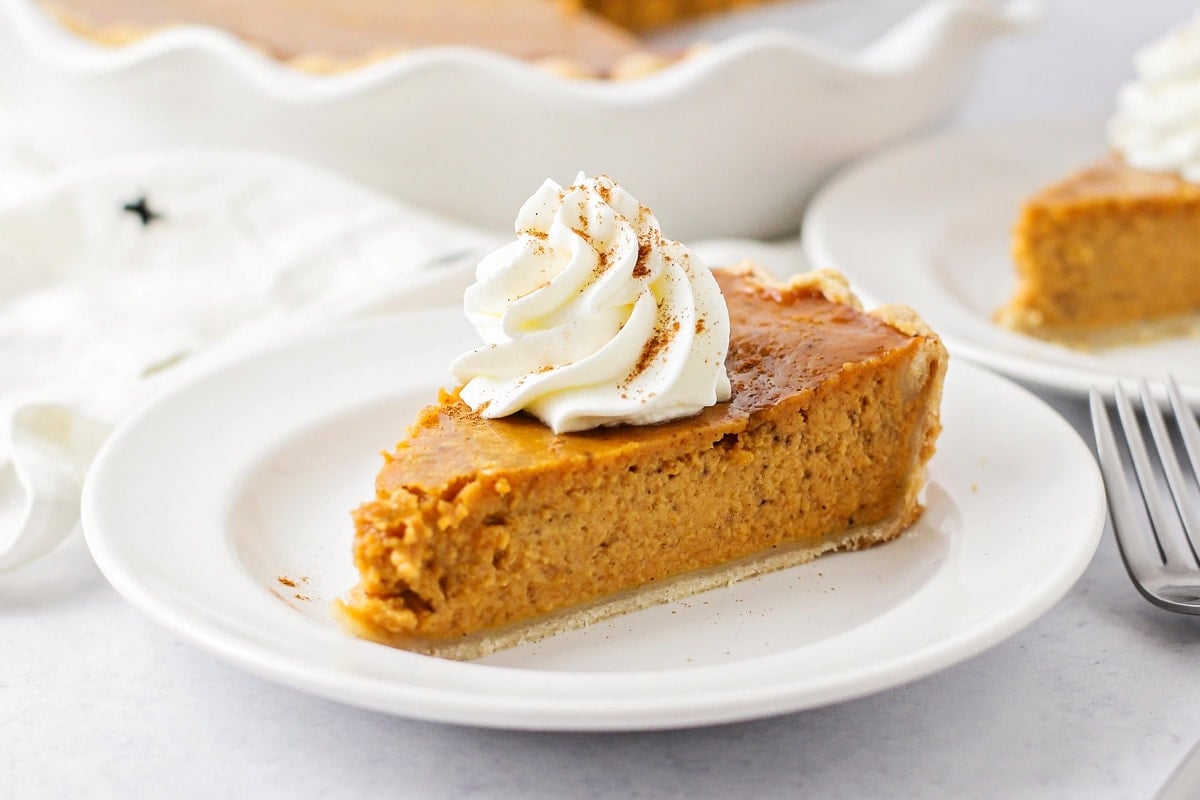
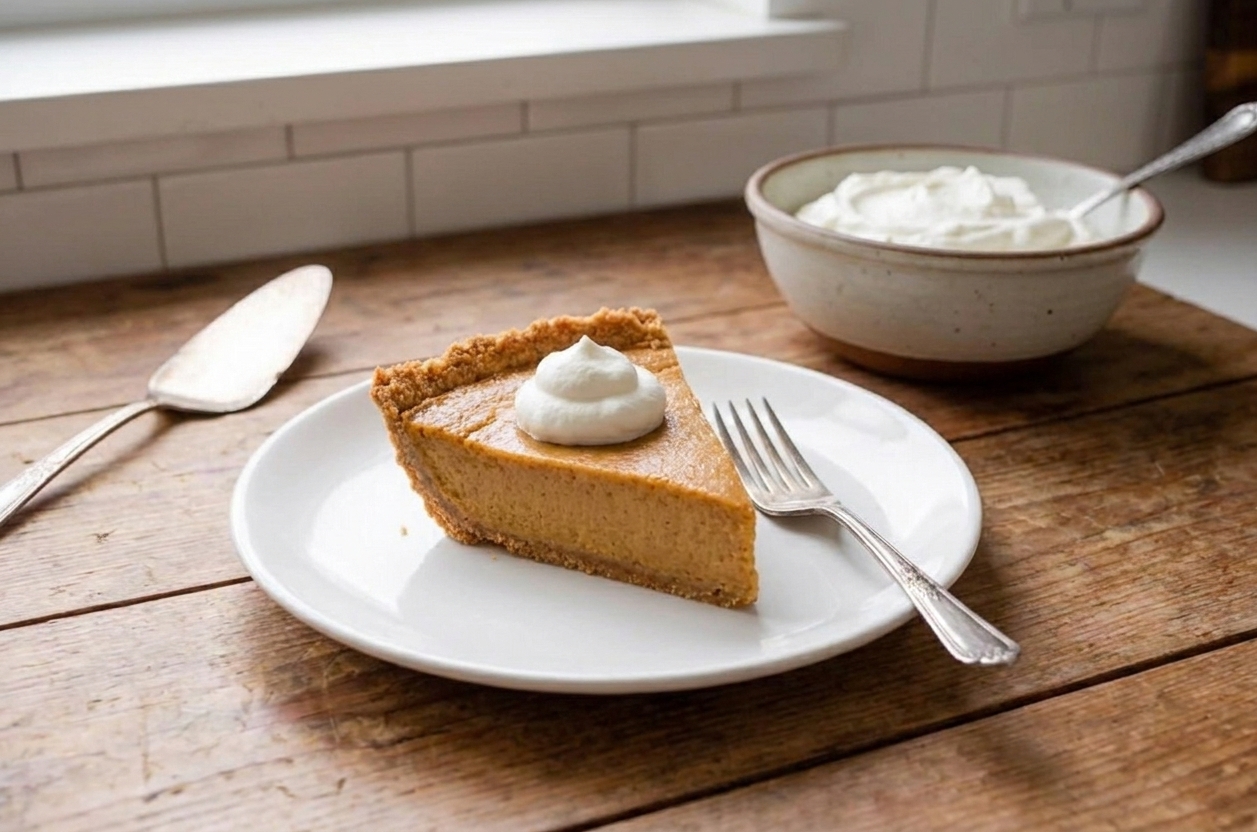
A single slice of classic pumpkin pie with a smooth custard center and a flaky crust on a white dessert plate, topped with a small dollop of whipped cream on a wooden table

Pumpkin pie is one of those desserts that looks like it should be fussy, but with canned pumpkin it is basically a cozy cheat code. You get that deep orange color, the mellow squash sweetness, and a custardy slice that sets up clean without turning into sweet scrambled eggs.

This is my go-to version for when I want classic flavor with clear steps. We are talking warm spice, a pinch of salt that makes everything pop, and a bake that lands in that sweet spot: set edges, gently wiggly center, and a crust that actually stays crisp (with one easy insurance move if your oven loves a soggy bottom).

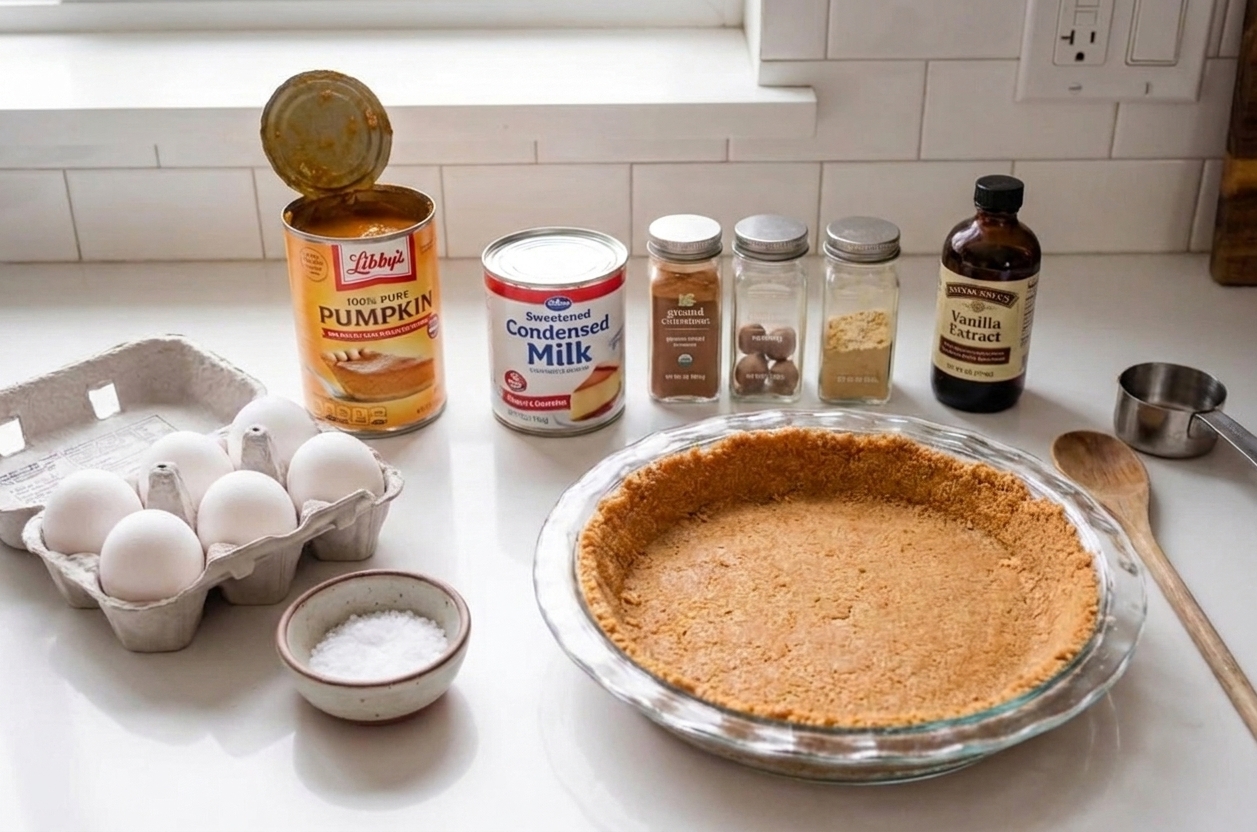
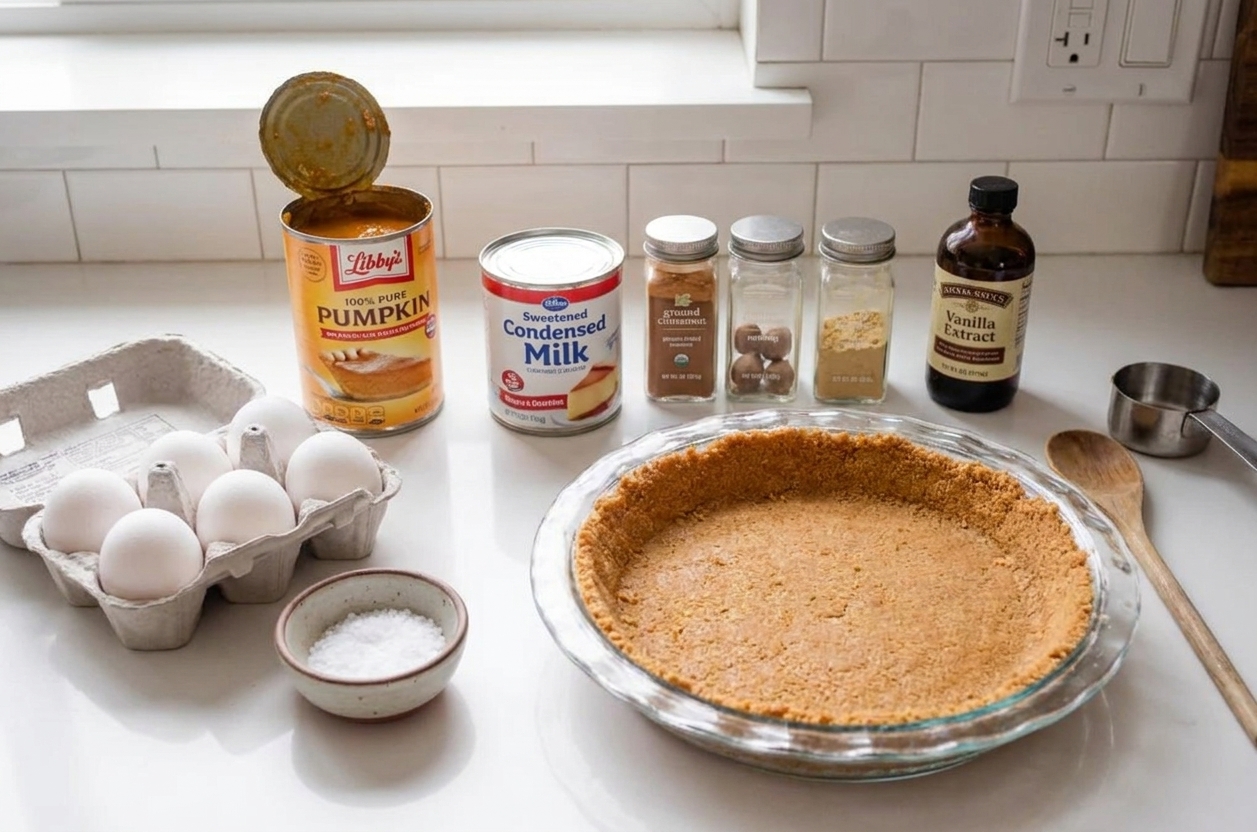
Canned pumpkin, condensed milk, eggs, spices, and a pie dish set out on a kitchen counter, ready for mixing

Why It Works

  • Canned pumpkin is more consistent than fresh: no roasting required and fewer watery puree surprises, though brands can vary a bit in thickness.
  • Condensed milk makes the filling silky: it brings sweetness plus a creamy texture that slices clean.
  • A short high-heat start helps the custard set: you get structure without overbaking the center.
  • Crispness insurance is built in: a preheated baking sheet and an optional egg white seal help keep the bottom crust from going soft.
  • A simple jiggle test (and optional thermometer): takes the guesswork out of doneness.

Pairs Well With

Storage Tips

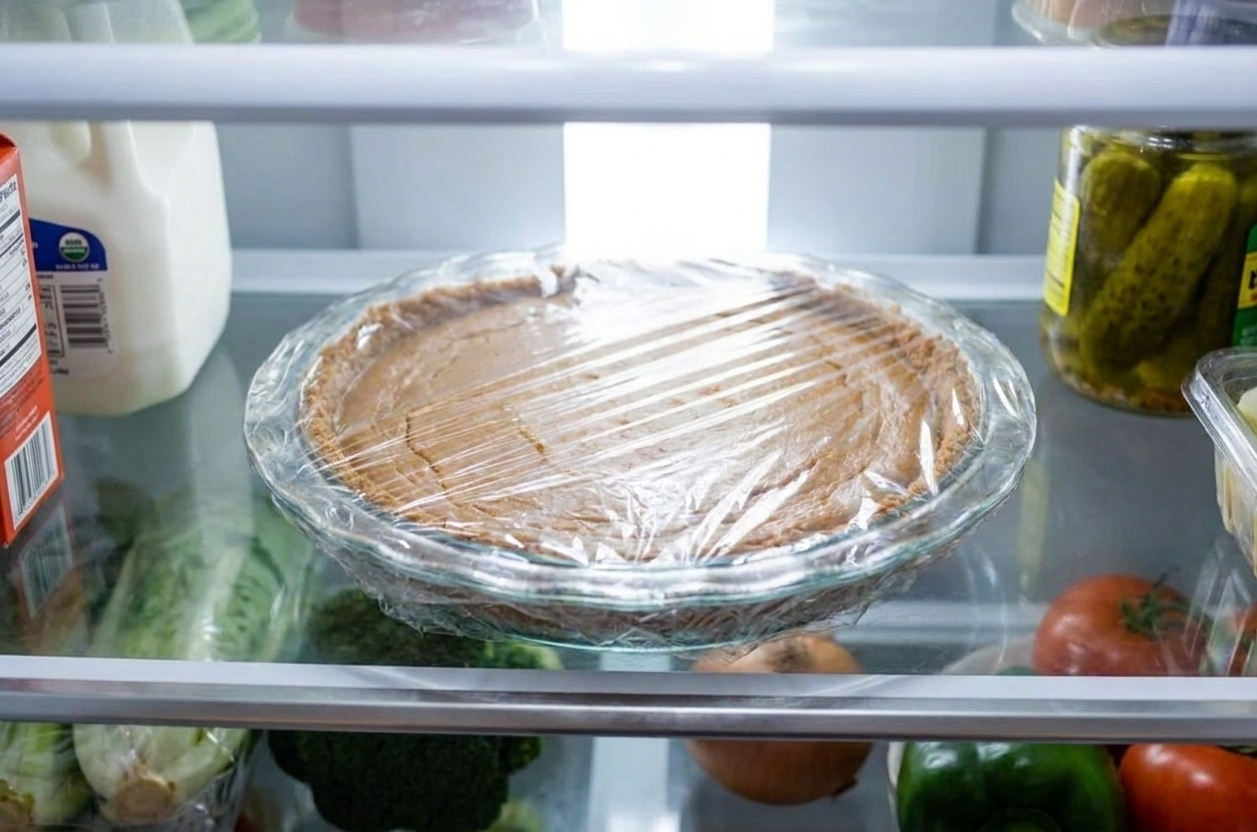
Refrigerate: Cover the pie tightly and refrigerate for up to 3 to 4 days. Pumpkin pie is a custard, so it needs the fridge.

Best texture tip: If you have time, chill at least 4 hours before slicing. Overnight is even better for clean slices.

Freeze: You can freeze pumpkin pie, but the texture can get slightly more watery after thawing. If you want to do it anyway, wrap individual slices in plastic wrap, then foil, and freeze up to 1 month. Thaw overnight in the fridge.

A baked pumpkin pie wrapped tightly in plastic wrap on a refrigerator shelf

Common Questions

Do I need to blind bake the crust?

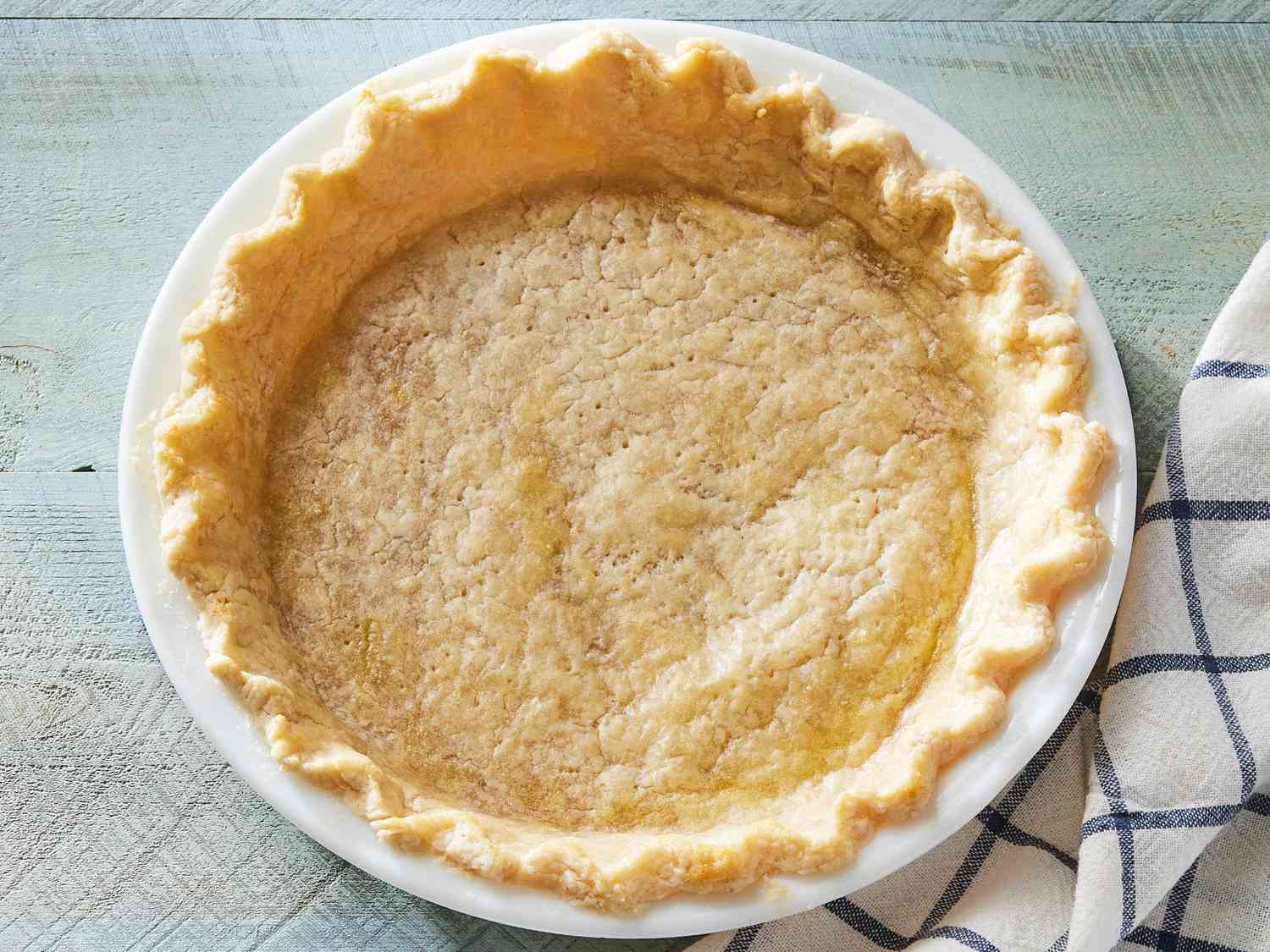
Not always, but if you have ever had a soggy-bottom custard pie, you are not imagining it. For a standard crust, this recipe works as written, but here are two easy crispness insurance options:

  • Preheat the baking sheet: Let a rimmed sheet pan heat in the oven while it preheats, then set the pie dish on the hot sheet when you bake.
  • Quick par-bake: Par-bake the crust for 8 to 10 minutes at 375 F, cool slightly, then fill and bake.

If you do par-bake, keep an eye on the edge color and use a shield earlier.

Can I use pumpkin pie filling instead of canned pumpkin?

Skip it. You want 100% pure pumpkin. Pumpkin pie filling already has sugar and spices, and it will throw off the ratios.

Why did my pie crack?

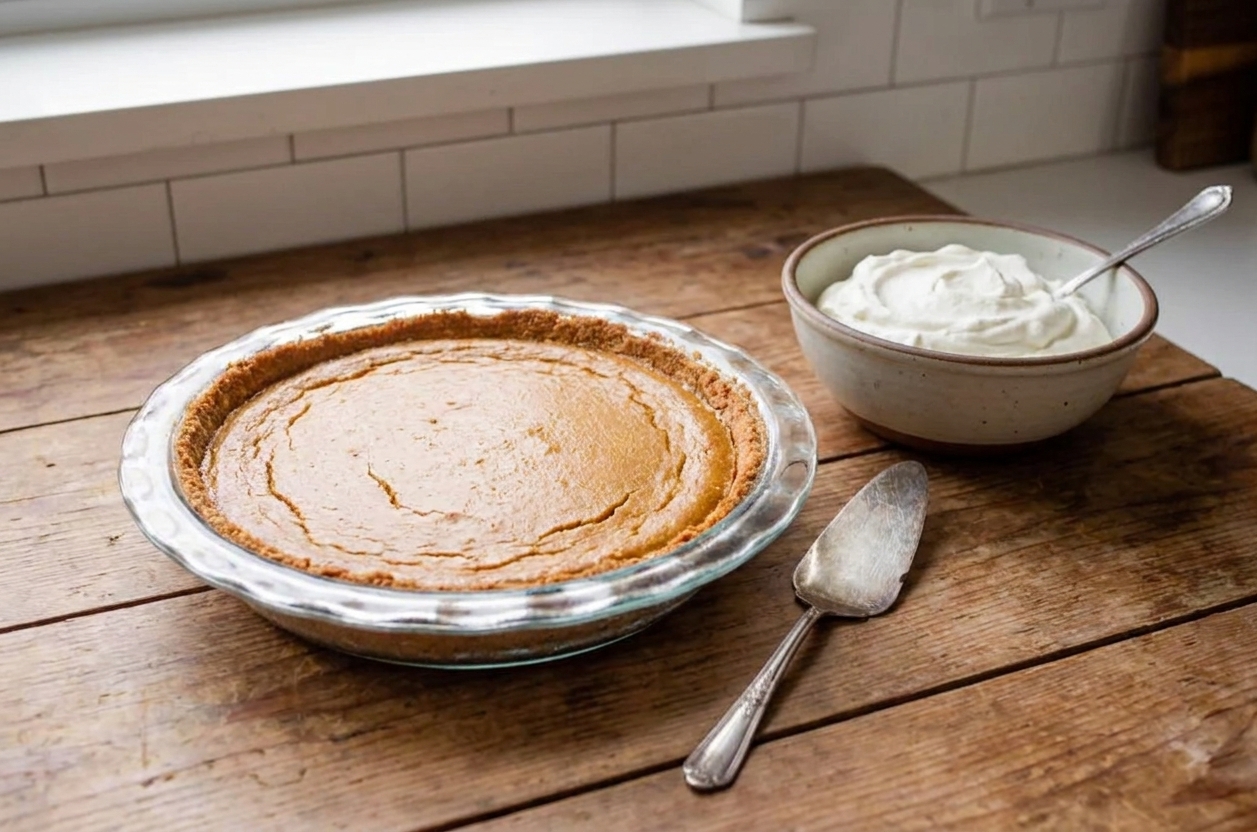
Cracks usually mean the custard baked a little too long or got too hot. Overbaking is the main culprit. A fast temperature change while cooling can make cracks more obvious, but the fix is mostly in the oven: pull it when the edges are set and the center still has a gentle wobble. Let it cool at room temperature before chilling.

How do I know it is done if I do not have a thermometer?

Do the jiggle test: lightly nudge the pie. The outer ring (about 2 inches from the edge) should look set, while the center should wobble like a soft custard, not slosh like liquid.

What temperature should it read if I do have a thermometer?

In the center, aim for about 175 F (a few degrees either way is fine). If it climbs much past that, you are heading toward cracks and a drier texture.

Can I make this ahead?

Yes, and you should. Pumpkin pie is at its best made 1 day ahead, chilled overnight, then topped with whipped cream right before serving.

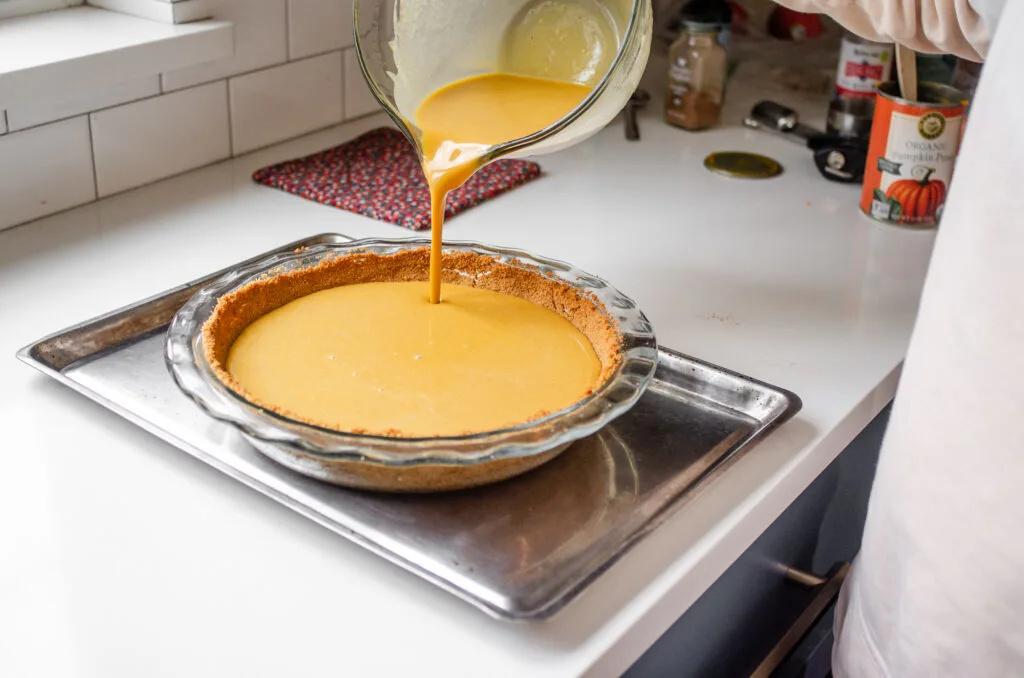
I used to think homemade pumpkin pie required some kind of secret pastry-vault membership. Then I actually made it with canned pumpkin and realized the “hard part” is mostly just not overbaking it. Now it is my favorite kind of kitchen chaos: whisk, pour, bake, and suddenly your whole house smells like cinnamon and plans.

Also, I will say it: the best slice is the one you sneak from the fridge the next morning, cold, with a fork, standing there like you are “just checking the texture.”