
Mom's Best Recipes
Recipe

Puto

Fluffy Filipino steamed rice cakes with coconut milk and an optional salty cheese cap.

Author By Matt Campbell
4.8
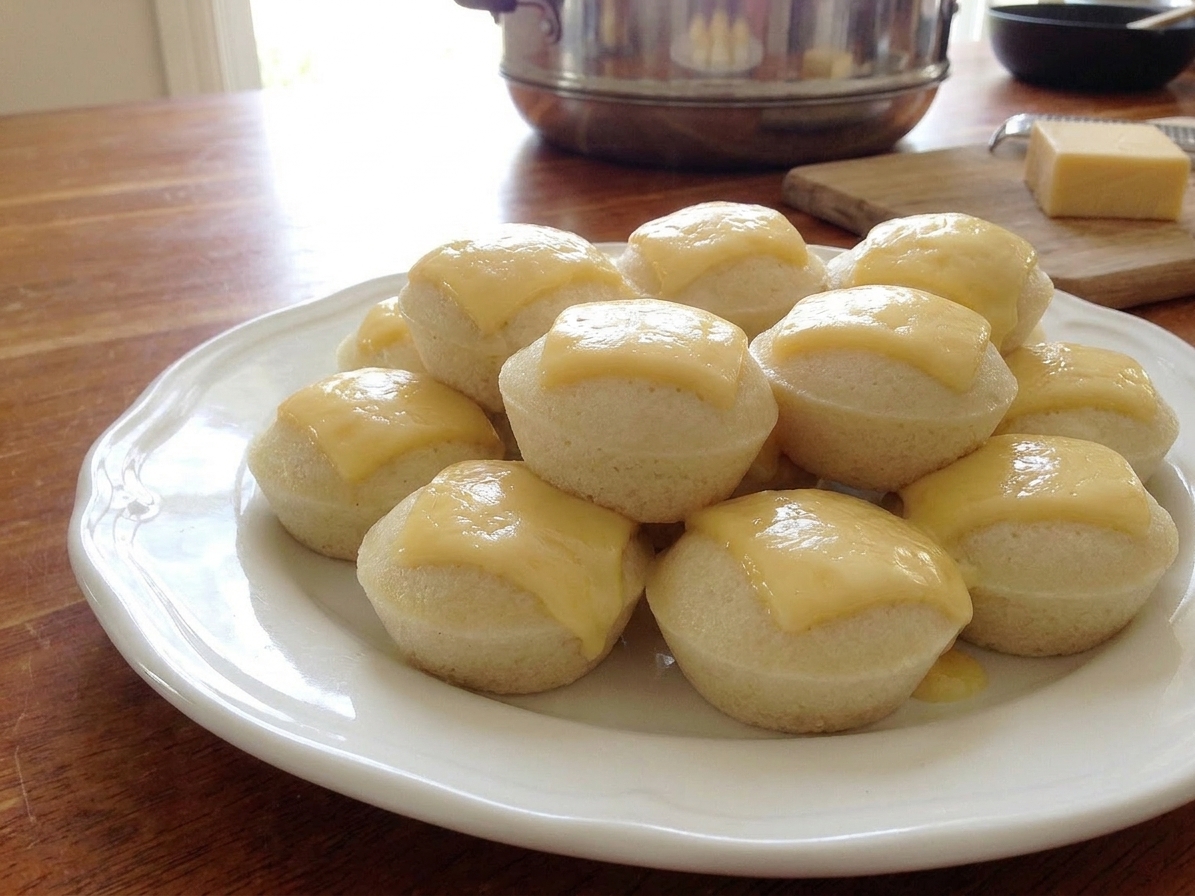
A plate of fluffy Filipino puto steamed rice cakes topped with small squares of cheese on a wooden table with soft natural kitchen light

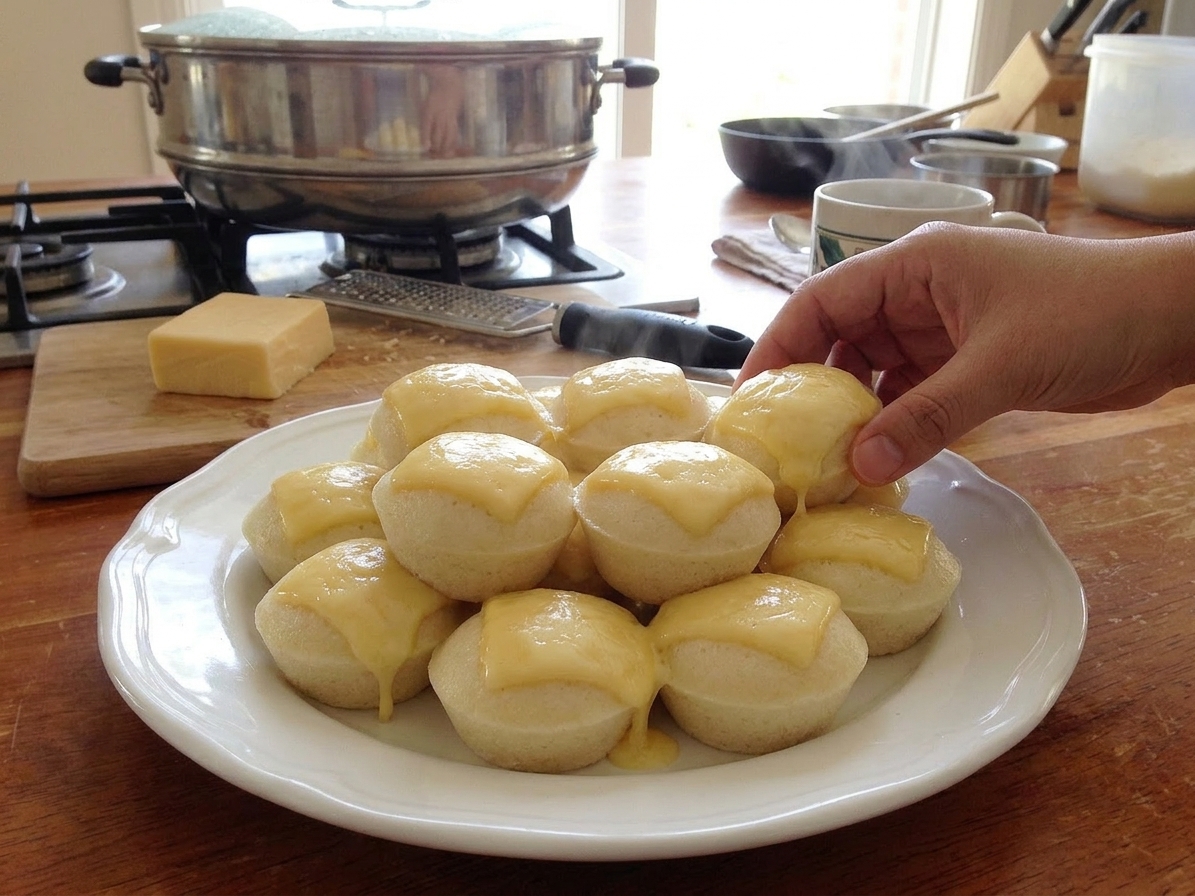
Puto is one of those quietly brilliant recipes that makes you feel like you unlocked a new level of home cooking. It is a Filipino steamed rice cake that lands somewhere between snack and side dish. Soft, slightly sweet, and cloudlike, with a gentle coconut aroma if you use coconut milk. Then you add a little salty cheese on top and suddenly you are doing that pause mid-bite thing.

I love puto because it is low drama. No oven, no fancy shaping, no deep frying. Just a simple batter, a steady steam, and a timer you actually listen to. This version uses rice flour (easy to find in most grocery stores), and it is designed for the kind of home kitchen where you want reliable results, not a science project.
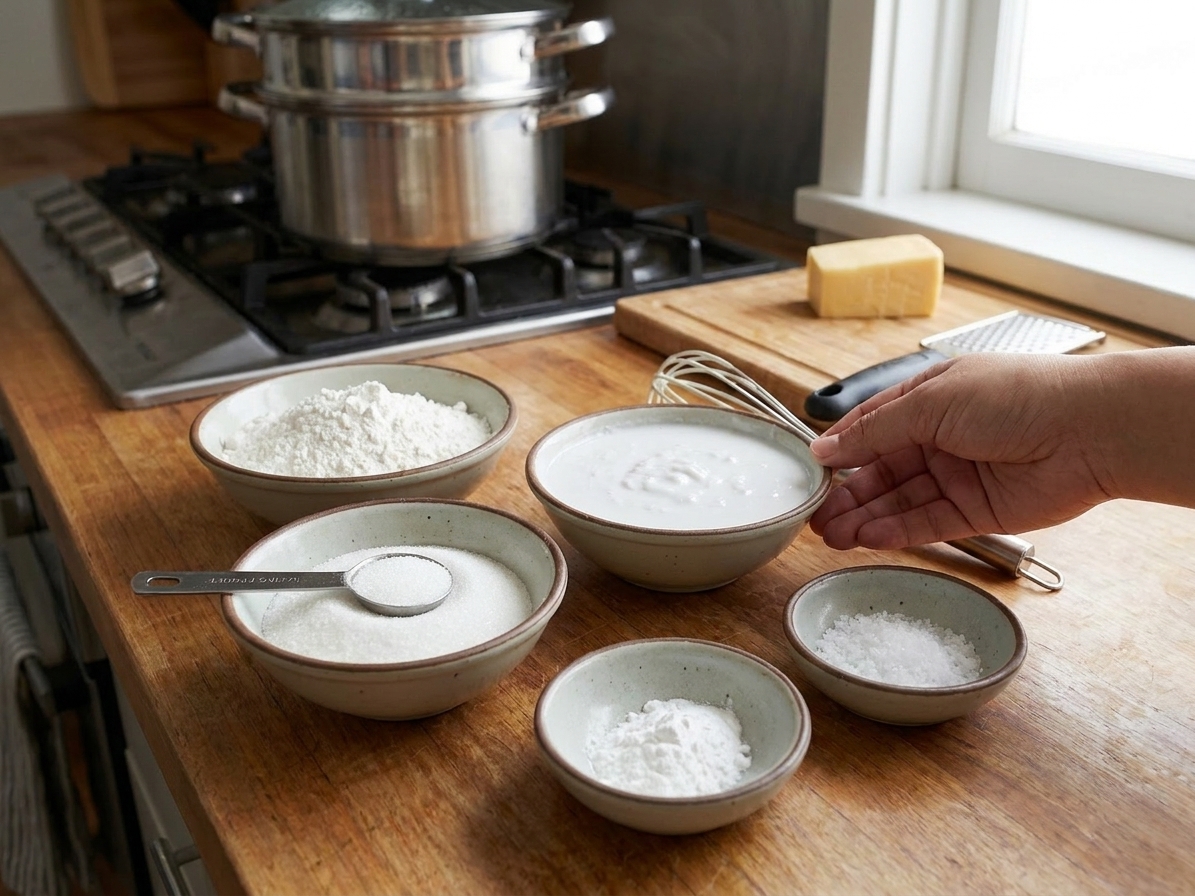
Rice flour, coconut milk, sugar, baking powder, and salt measured out in small bowls on a clean kitchen counter

Why It Works

This puto comes out tender and fluffy with a light sweetness that plays perfectly with a salty cheese topping. Steaming keeps the crumb moist, and using coconut milk (or a mix of coconut milk and water) gives you that subtle richness without making the cakes heavy.

  • Accessible ingredients: rice flour, baking powder, sugar, coconut milk.
  • Consistent rise: a quick rest plus a hot steamer helps the batter puff evenly.
  • Customizable: go classic with cheese, or add ube or pandan for a bakery-style twist.

Easy flavor add-ins: Stir in 1/2 teaspoon ube extract or 1/2 teaspoon pandan extract with the wet ingredients (a little goes a long way). You can also tint the batter with a drop of food coloring if you want the color to pop.

Pairs Well With

Storage Tips

Room temp: Puto is best the day it is made. If you are keeping it out, do so only in a cool, dry room and for no more than a few hours. In hot or humid kitchens, I skip the counter and refrigerate.

Refrigerator: Store in an airtight container for 3 to 4 days. The texture firms up in the fridge, which is normal.

Freezer: Freeze cooled puto in a single layer, then transfer to a freezer bag. Freeze up to 2 months. Thaw in the fridge or at room temp.

Reheat (best method): Steam for 3 to 5 minutes until soft and warmed through. You can microwave in short bursts with a damp paper towel, but steaming brings the texture back like nothing else.

Common Questions

Is puto supposed to be sweet or savory?

Usually it is lightly sweet. Think snack-cake sweet, not dessert-cupcake sweet. The classic move is topping it with cheese for that salty-sweet combo.

Why did my puto turn out dense?

The usual culprits are old baking powder, overmixing, or a steamer that never got hot enough. Mix just until smooth, let the batter rest for 10 minutes, and steam with strong, steady steam the whole time.

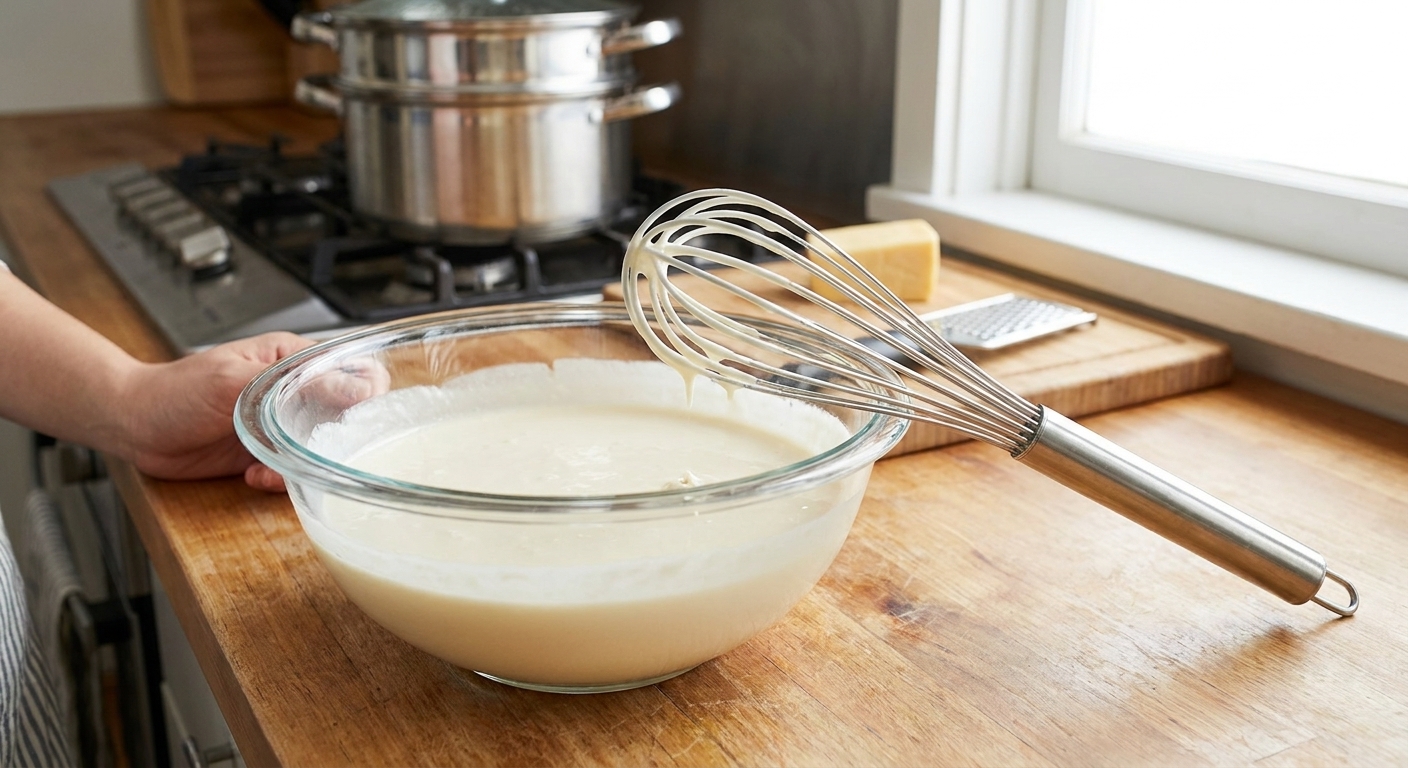
Also, rice flour brands vary. Your batter should look like pancake batter: smooth, pourable, and not watery. If it seems too thick to pour, whisk in water 1 tablespoon at a time.

Why are there wet spots or a gummy top?

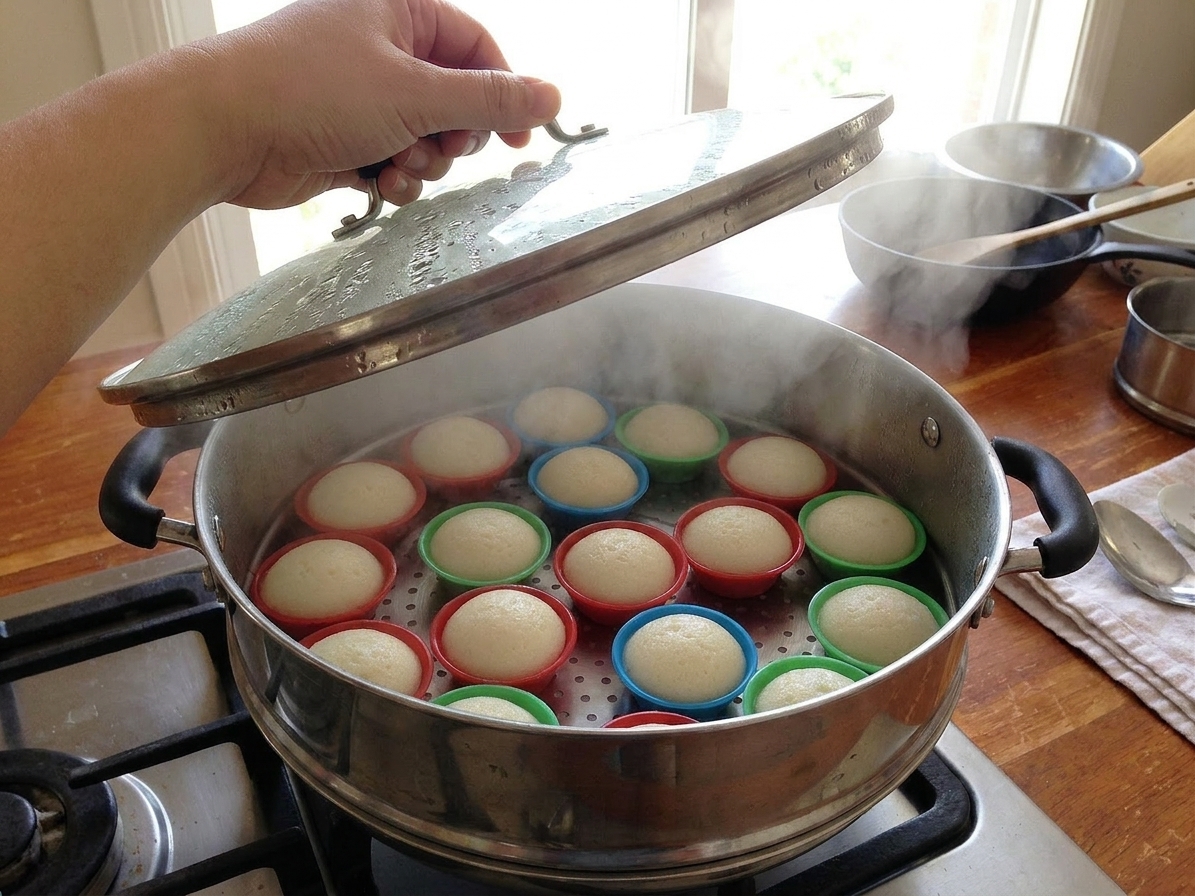
That is almost always condensation. Wrap the steamer lid in a clean kitchen towel, or cover the molds loosely with foil. Also avoid lifting the lid a bunch mid-steam.

Can I make puto without coconut milk?

Yes. Use whole milk for richness, or use water for a lighter result. Coconut milk gives extra flavor and softness, and many versions use it, so feel free to go with what you like (or what you have).

What can I use if I do not have puto molds?

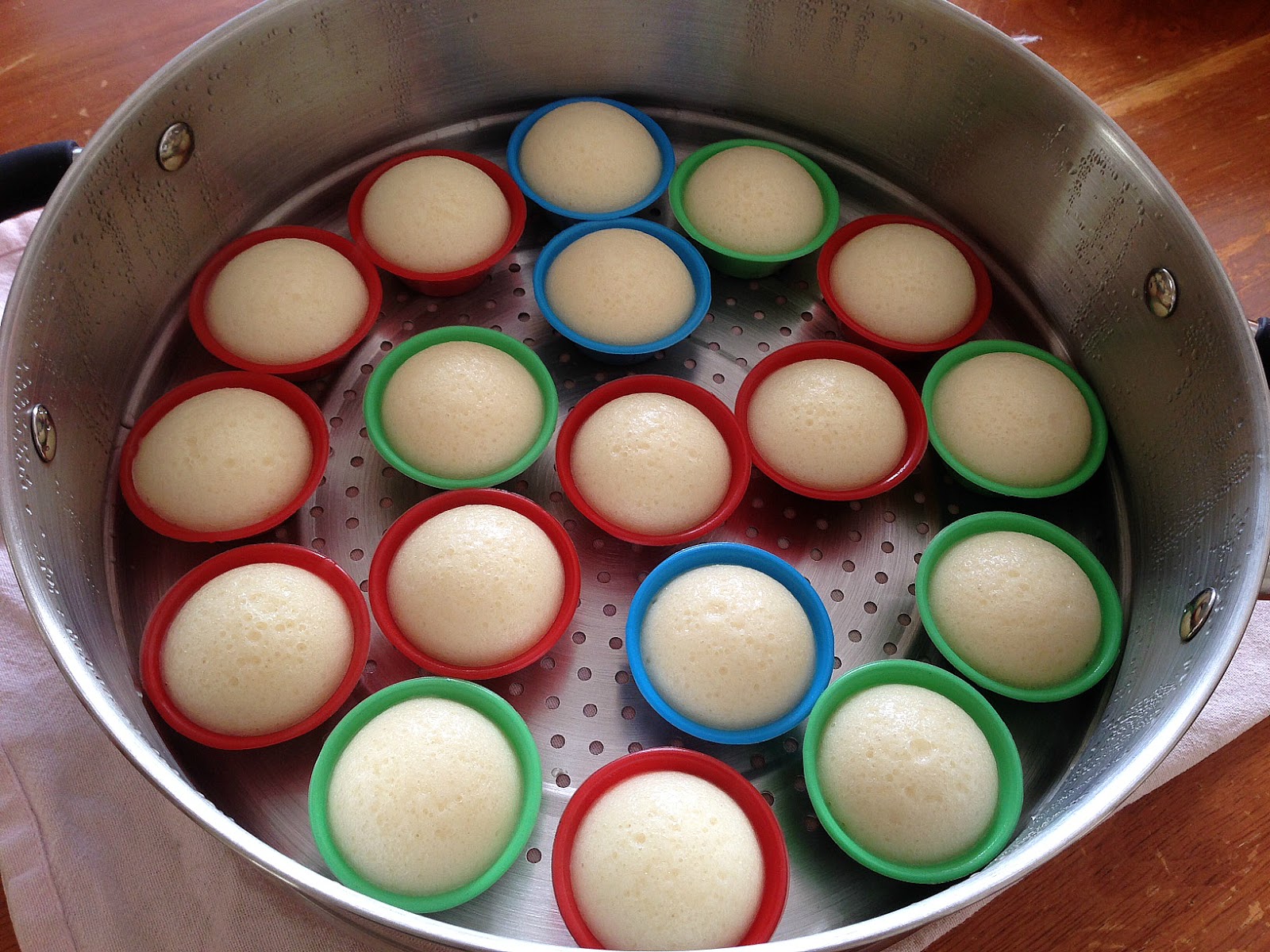
Silicone muffin cups, lightly greased metal muffin tins, small ramekins, or even heat-safe teacups work. Just keep the fill level around three-quarters full so they have room to rise.

How many does this make, and what mold size is best?

This recipe makes about 18 mini puto using mini puto molds or a mini muffin pan (about 1 tablespoon batter per cavity, filled 3/4 full). If you use standard muffin cups, expect fewer cakes and add a few minutes to the steam time.

The first time I made puto, I treated steaming like it was optional. Spoiler, it is not. I had the heat too low, I kept peeking, and the tops came out with those sad little wet craters. The next round, I did the boring stuff right: strong steam, lid wrapped, no constant checking. And suddenly I had these soft, bouncy rice cakes that tasted like something you would grab from a bakery on a good day. Now it is one of my favorite “I want something cozy but not complicated” recipes, especially when I need a snack that feels like a small win.