Mom's Best Recipes
Recipe

Quiche Crust

A buttery, flaky pie crust made for quiche: sturdy enough to hold custard, crisp on the bottom, and forgiving for beginners.

Author By Matt Campbell
4.8
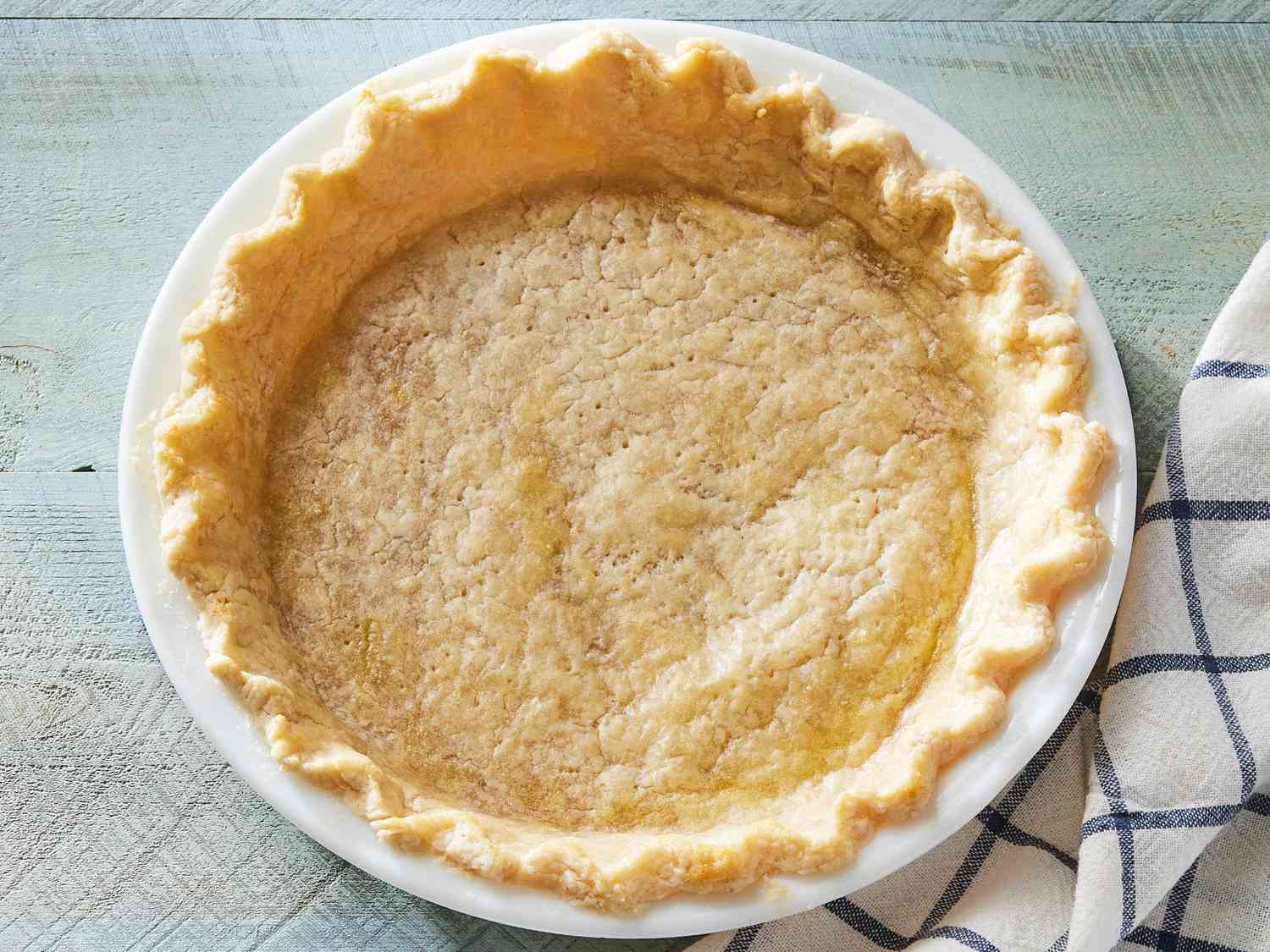
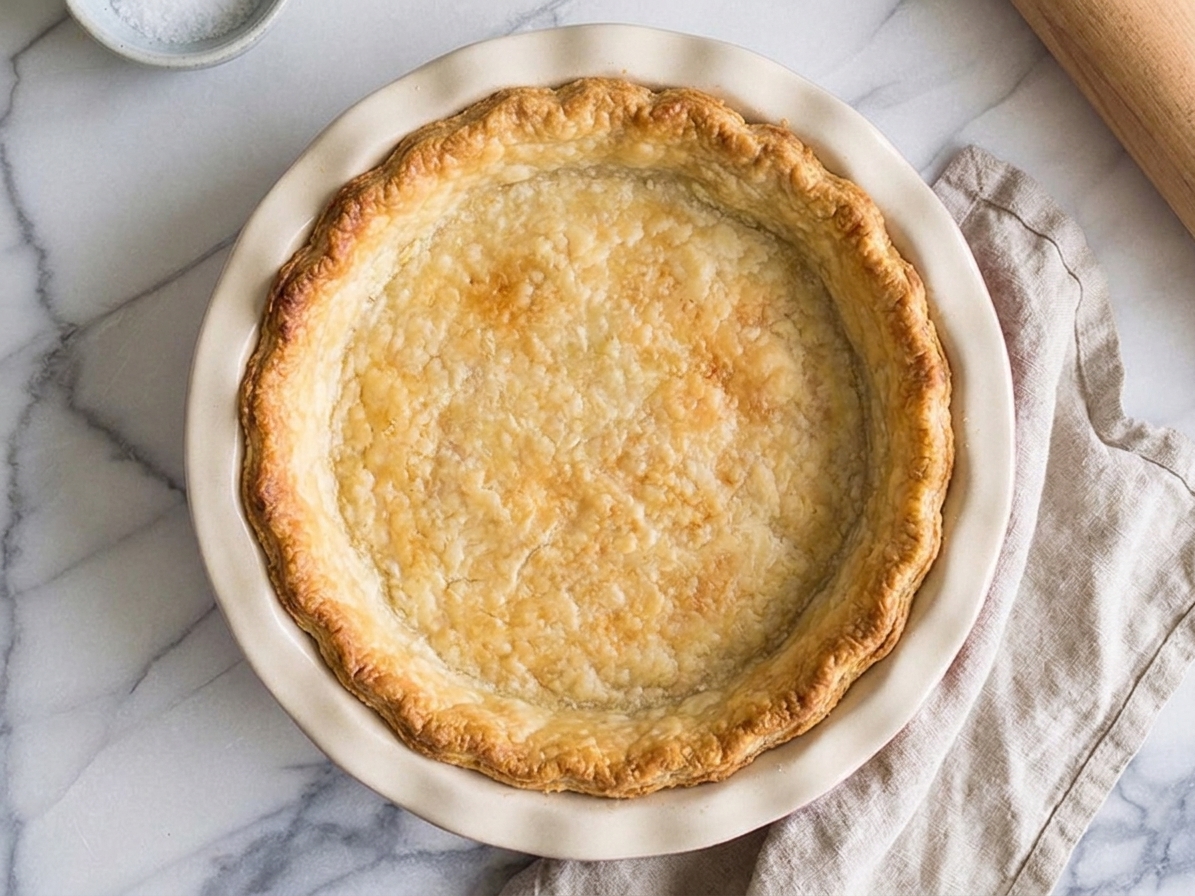
A baked quiche crust in a fluted tart pan on a light stone countertop, golden edges and a crisp bottom, with a linen towel nearby

Quiche is basically brunch wearing a fancy hat. But the crust is the part that can make you feel like a kitchen genius or like you just sponsored a puddle of egg. This is my go-to quiche crust when I want flaky edges, a crisp bottom, and a dough that behaves even if you are not out here living a perfect pastry life.

We are using an all-butter crust because flavor matters, and we are doing a quick, no-nonsense blind bake so the custard does not soak your hard work into sadness. You will also get a few rescue moves, because sometimes the dough cracks, shrinks, or gets a little dramatic. We fix it and move on.

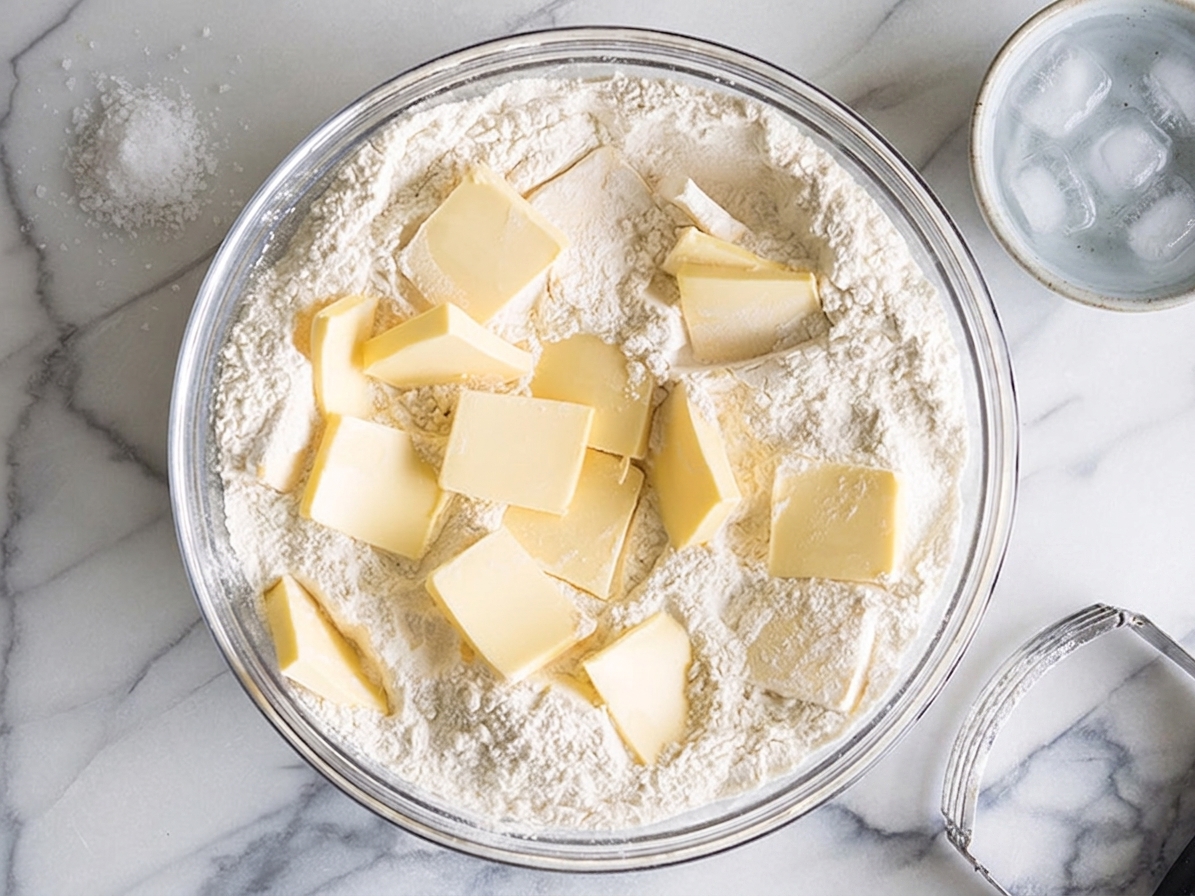
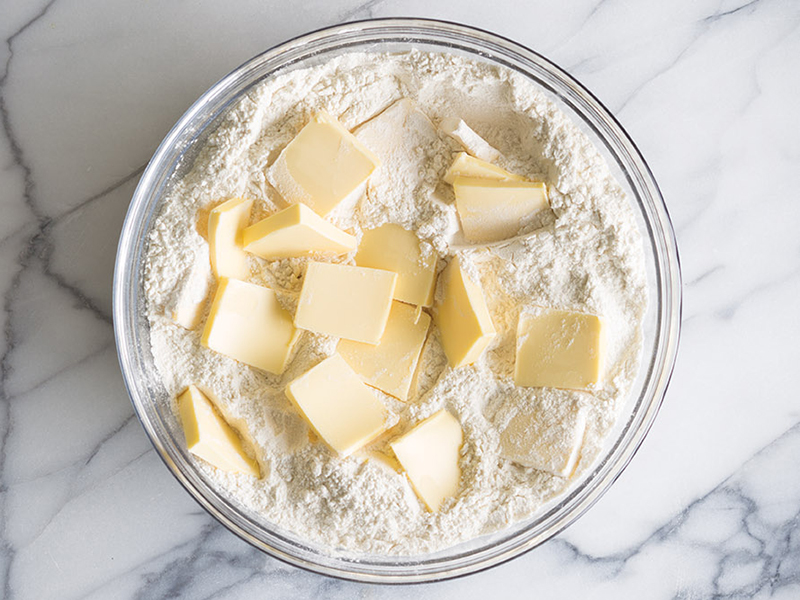
Butter cubes, flour, salt, and a small bowl of ice water arranged on a kitchen counter, ready for making quiche crust

Why It Works

  • Cold butter + gentle mixing creates flaky layers, not a tough crust.
  • A short chill relaxes the gluten so the crust is easier to roll and less likely to shrink.
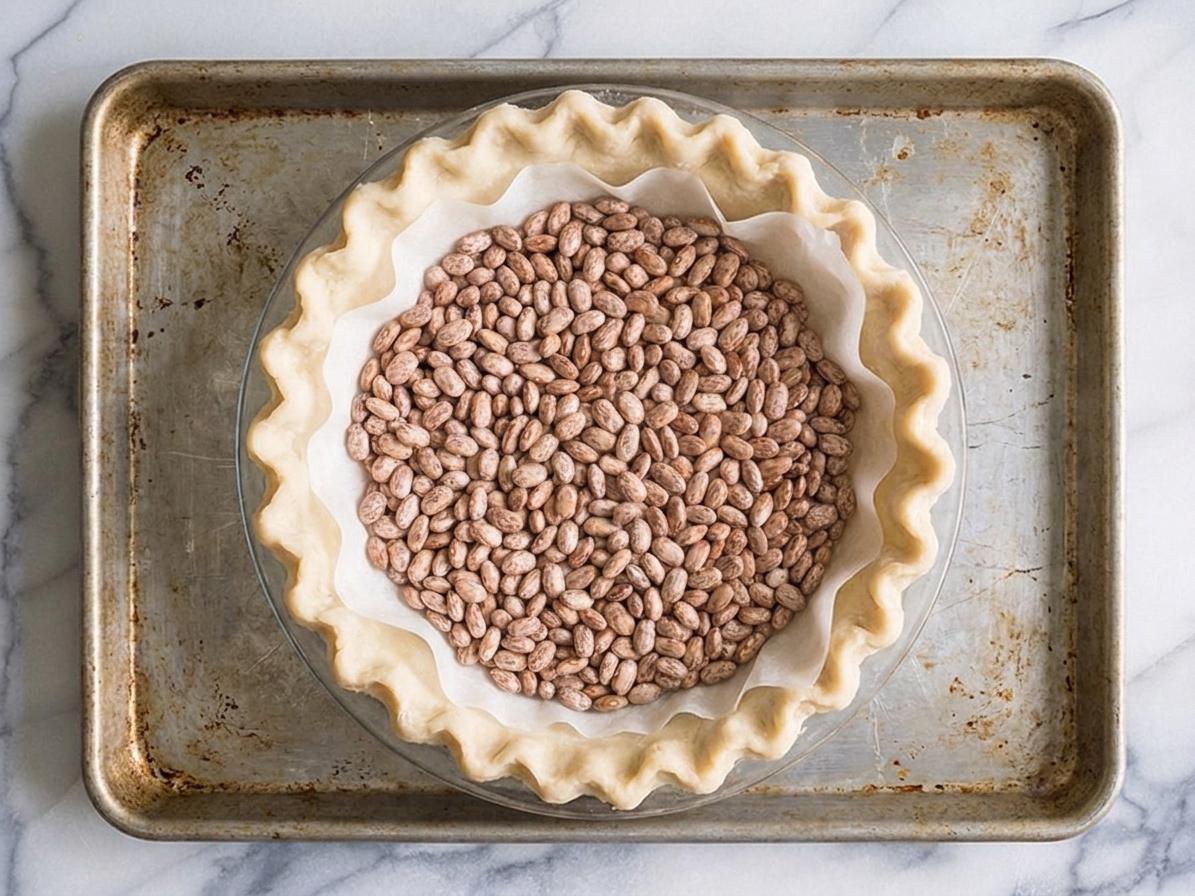
  • Blind-baking with weights sets the shape and keeps the bottom crisp under a wet filling.
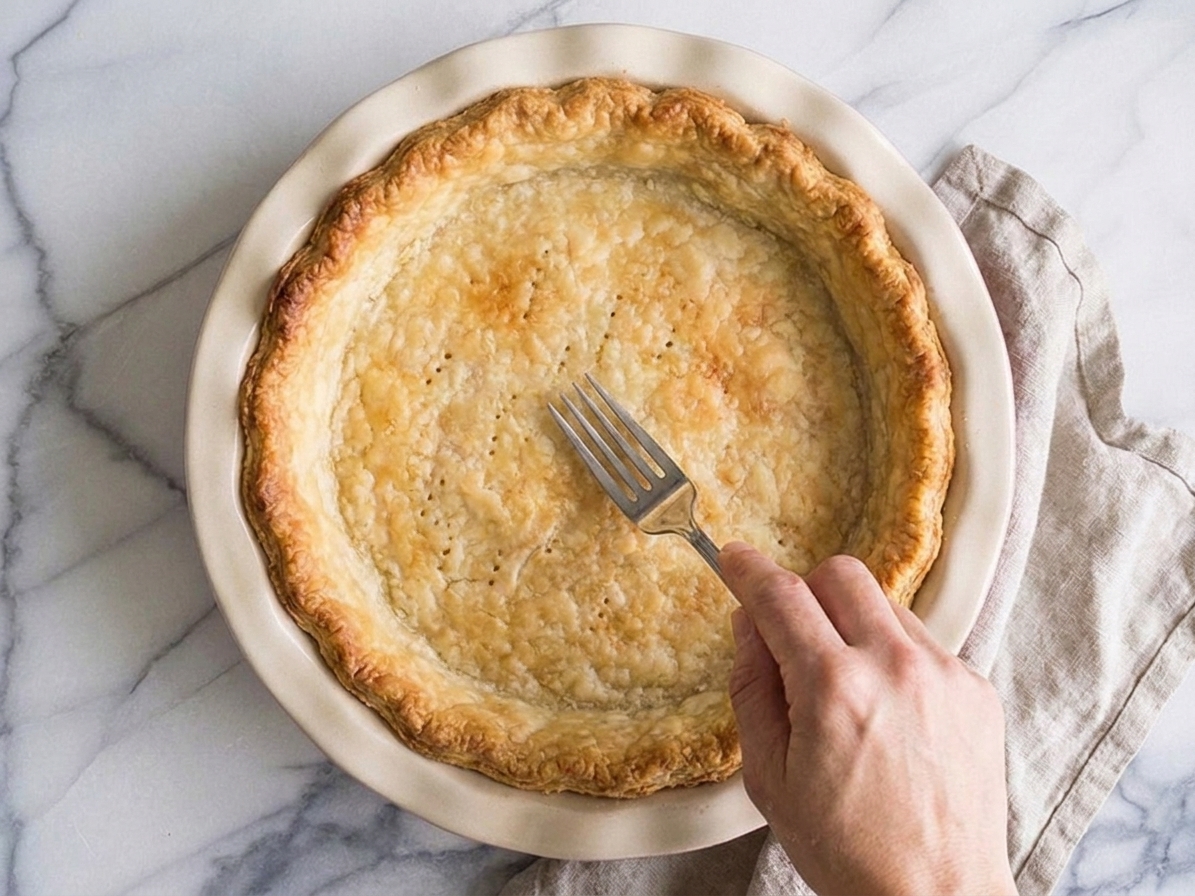
  • Docking and a quick second bake helps prevent bubbles and gives you that lightly toasted base that tastes like effort.
  • Visual doneness cues (matte, dry bottom; lightly golden edges) help you nail it even if your pan or oven runs a little quirky.

Pairs Well With

Storage Tips

Make-ahead and storage

Unbaked dough: Wrap the dough disk tightly and refrigerate up to 3 days. For longer storage, freeze up to 3 months. Thaw overnight in the fridge before rolling.

Lined pan (unbaked): You can fit the dough into the pie plate or tart pan, cover well, and refrigerate up to 24 hours. This is a great low-drama move for brunch mornings.

Par-baked or fully blind-baked crust: Cool completely, then wrap and refrigerate up to 2 days. Re-crisp in a 350°F oven for 5 to 8 minutes before filling.

Freezing a baked crust: Cool, wrap tightly, and freeze up to 1 month for best texture. It is still safe longer, but the edges can lose some of their snap over time. Thaw in the fridge, then re-crisp at 350°F for 8 to 10 minutes.

Rescue moves

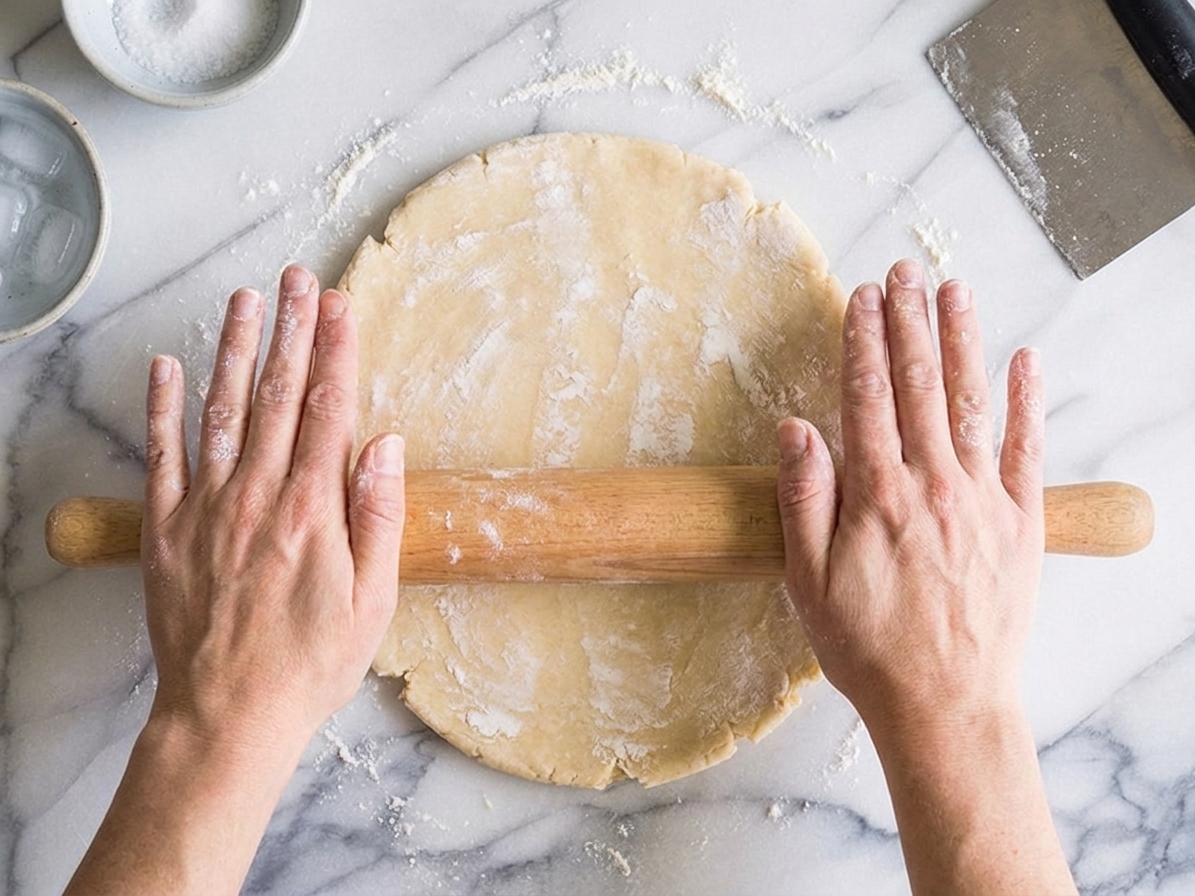
Cracks while rolling: Let the dough warm for 5 minutes, then roll again. If it still cracks, pinch the crack together with your fingertips and keep going.

Tears when transferring: Patch it. Lay a small scrap over the tear, press to seal, and smooth the edges. If it feels stubborn, dab the area lightly with water to help it bond.

Shrinking or slumping: First, chill the shaped crust the full 20 to 30 minutes. Second, push weights firmly up the sides during the first bake. If the sides still slide down, you can press the warm crust back up the sides with the back of a spoon right after you remove the weights, then bake the remaining time to set it.

Edges browning too fast: Use a foil ring or loosely cover the rim with foil for the last 5 to 10 minutes.

Soggy bottom panic: Bake the unweighted crust a few minutes longer until the base looks matte and dry. If you want extra backup, do the quick egg wash seal (see FAQ).

Common Questions

Why did my quiche crust shrink?

Shrinkage usually comes from two things: the dough was stretched when you fit it into the pan, or it did not chill long enough. Drape it in without pulling, leave a little overhang, and chill the shaped crust for at least 20 to 30 minutes before baking. If it still shrinks, you can patch low spots with thin scraps after the blind bake (see Rescue moves).

Do I have to blind bake a crust for quiche?

For most custard-based quiches, yes, if you want a crisp bottom. A short weighted bake sets the crust so the filling cannot immediately soak in. If you skip it, expect a softer base.

Can I use a tart pan instead of a pie dish?

Absolutely. A tart pan with a removable bottom looks sharp and bakes evenly. Just watch the edges since tart pans can brown faster. Trim flush instead of tucking and crimping.

What if I do not have pie weights?

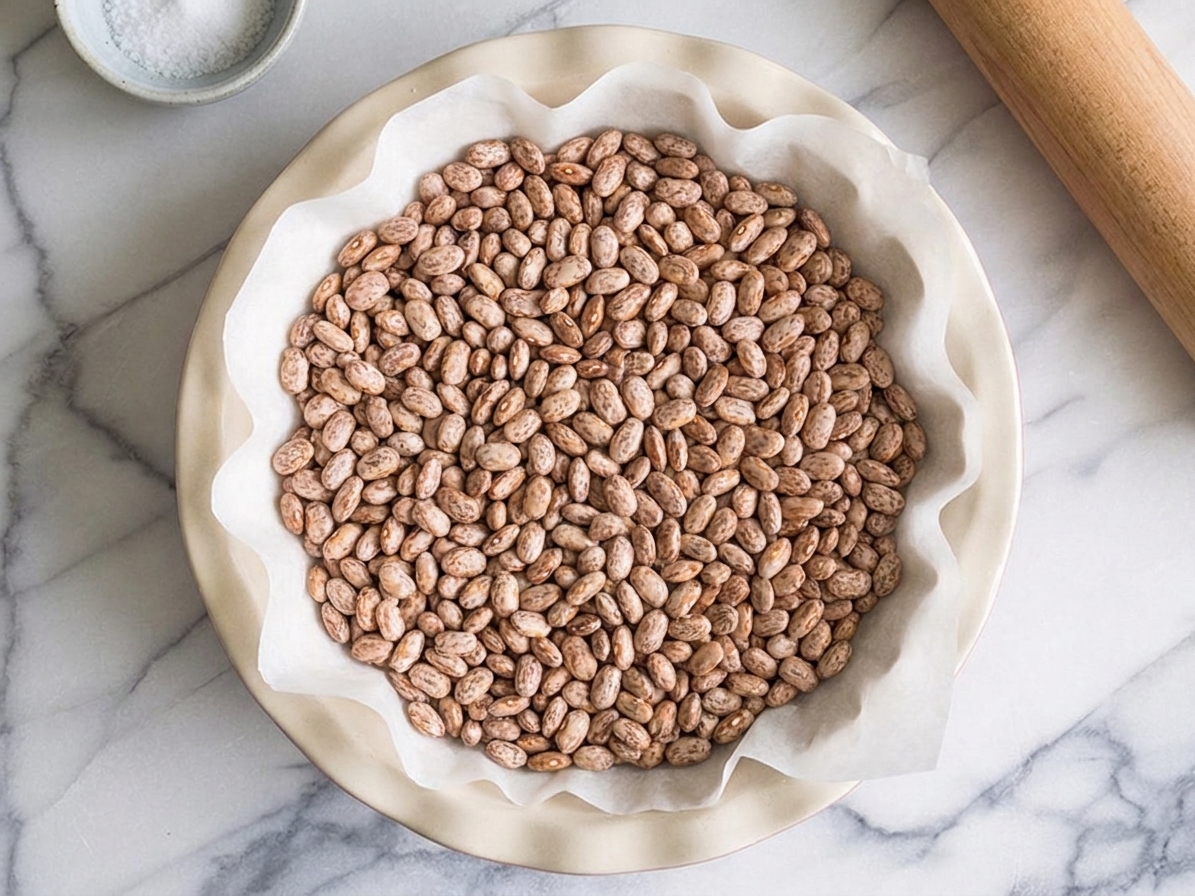
Use dried beans, uncooked rice, or even granulated sugar. If you use sugar, line the crust securely so no butter touches it, and make sure the sugar is fully dry. Bonus: save the lightly toasted sugar for cookies or a future baking project.

How do I keep the crust from getting soggy after baking?

Blind bake, then bake the crust another 5 to 7 minutes without weights to dry it out. For extra insurance, brush the warm crust with a thin layer of beaten egg (or egg white) and bake 1 to 2 minutes to seal it. Also cool cooked fillings (like sautéed mushrooms or spinach) so they are warm or room temp, not steaming hot, when they hit the crust.

Can I make this crust without a food processor?

Yes. Use a pastry cutter or your fingertips. Work quickly, keep the butter cold, and stop mixing once you have pea-sized pieces and a shaggy dough.

Does pan material change bake time?

Yes. Metal pans usually brown faster and more evenly. Glass and ceramic can take a few extra minutes, especially for the bottom. Trust the cues: you want the base to look matte and dry, not shiny or damp, with light golden color starting to show.

A pie dish lined with parchment paper filled with dried beans for blind baking on a kitchen counter

I bailed on the neat, academic version of culinary school because I wanted the kind of skills you only get by doing the thing a hundred times, messing up a few of them, and learning the fixes. Pie dough is exactly that. The first quiche crust I ever made looked fine until the custard hit it, and the bottom turned into a soft, pale apology. This version is what I wish I had then: a simple crust, a real blind bake, and just enough technique to make it reliable without sucking the fun out of brunch.