What apples are best for rustic pie filling?
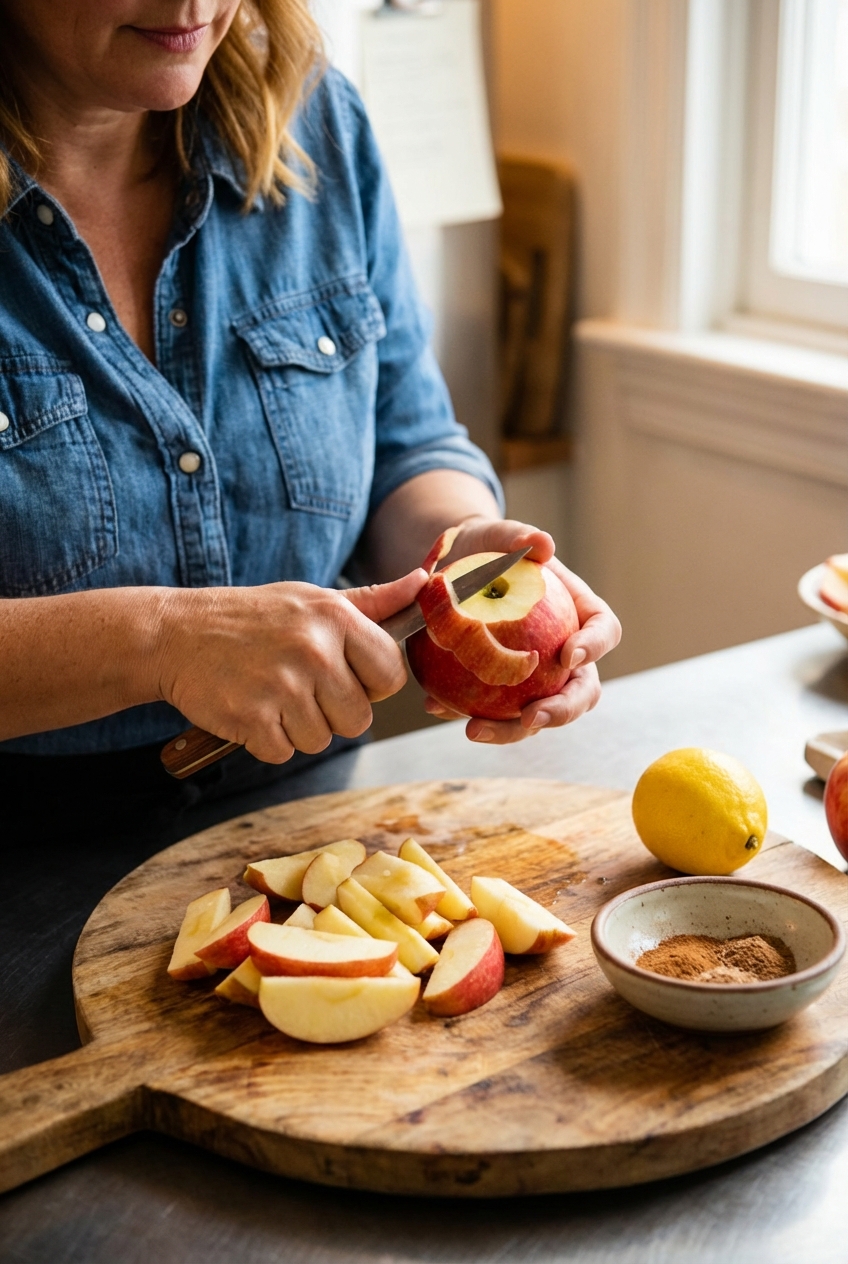
Use apples that stay firm when cooked. My favorites are Granny Smith for tart structure and Honeycrisp or Pink Lady for sweet-tart crunch. For best flavor and texture, do a mix of two types.
Do I have to pre-cook the apples for pie?
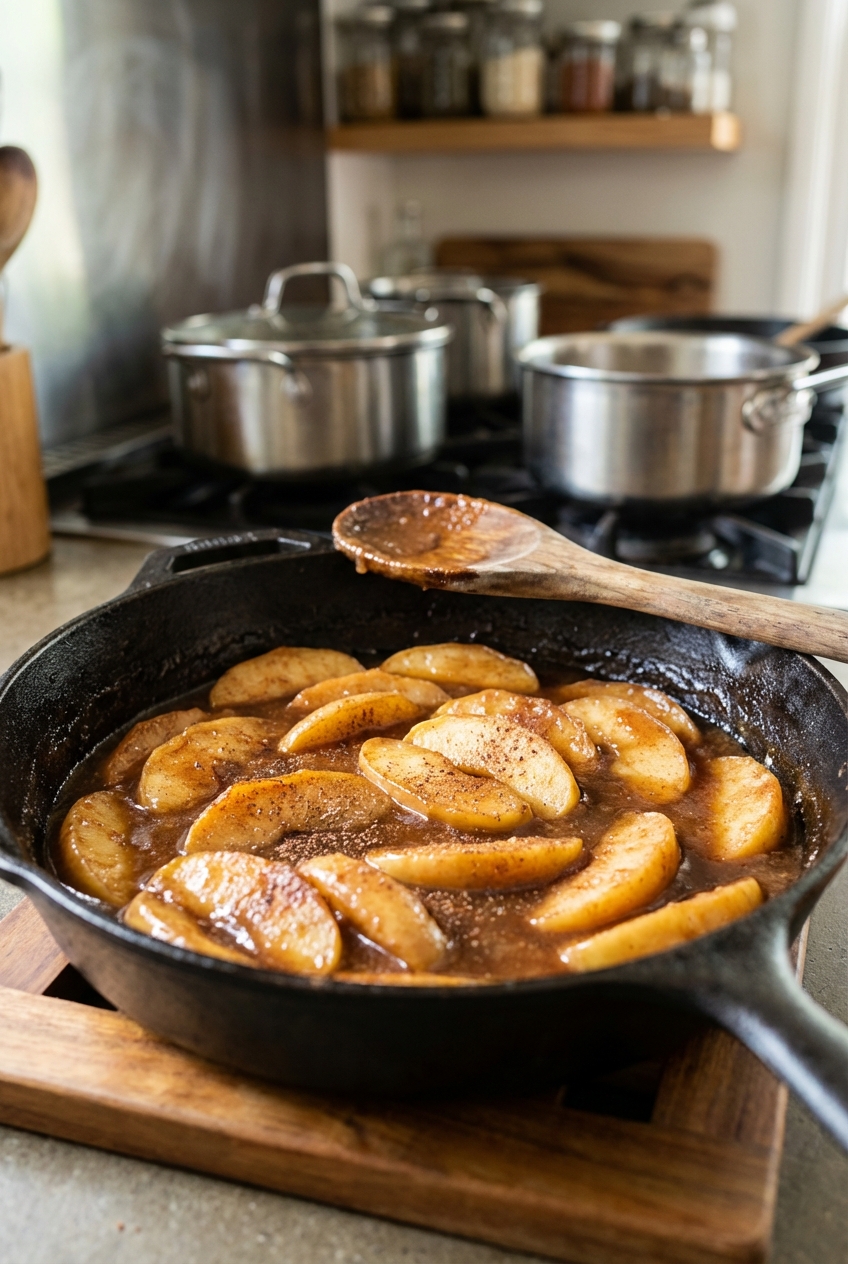
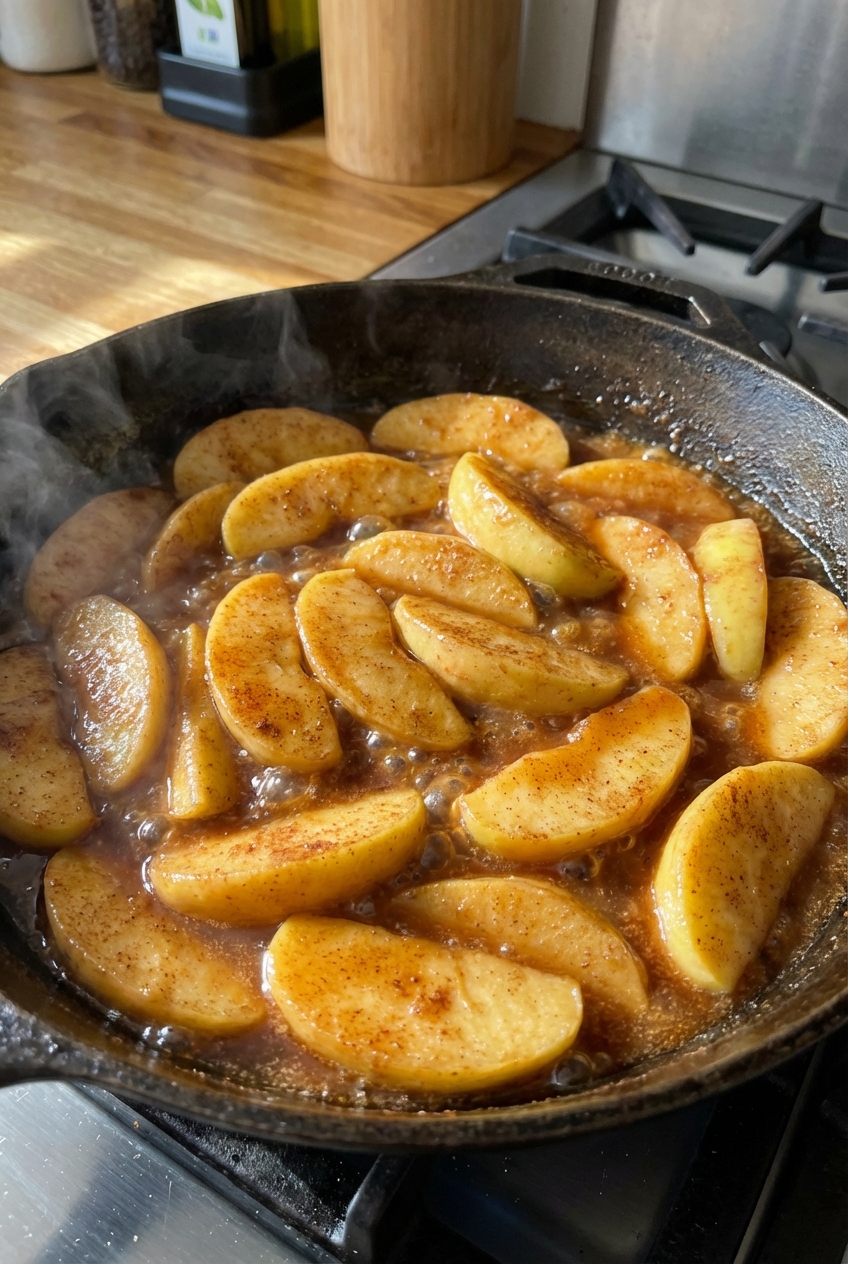
For rustic pies and galettes, I strongly recommend it. Pre-cooking helps control moisture, prevents a raw center, and gives you a filling that sets cleanly. Since this filling gets baked again in the oven, aim for apples that are just under perfect tenderness in the skillet so they do not turn to mush later.
How do I keep my pie from getting watery?
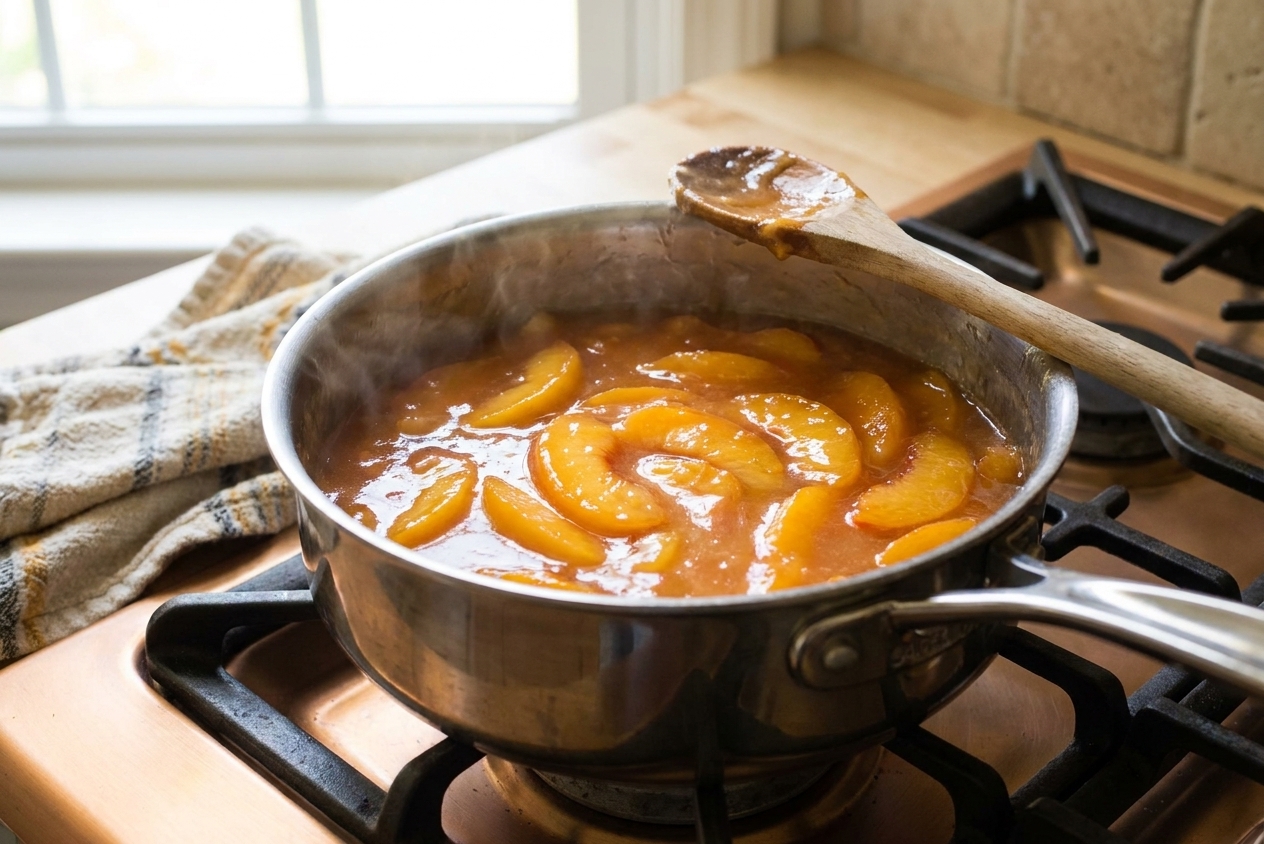
Three things: use firm apples, do not over-sugar, and thicken the juices. This recipe cooks off excess moisture and uses a small amount of flour to help the sauce hold.
Can I make this without flour?
Yes. For a cornstarch option, stir together 1 tablespoon cornstarch with 1 tablespoon cold water and add it at the end. Simmer 1 to 2 minutes until glossy. Note: cornstarch can thin out after a long bake and can weep after freezing and thawing. If you are making this ahead to freeze, tapioca starch is usually a better bet.
How much filling does this make for a pie?
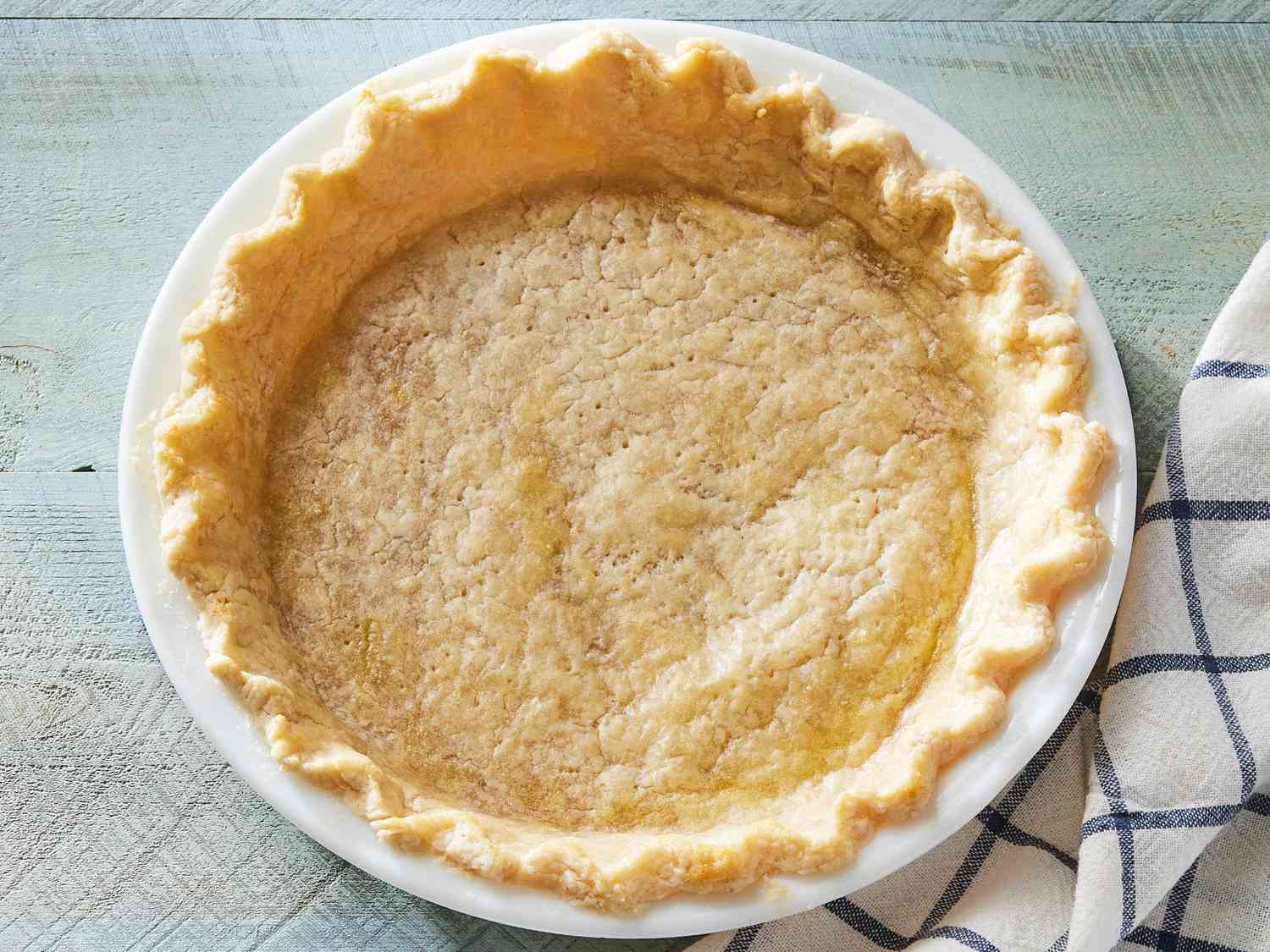
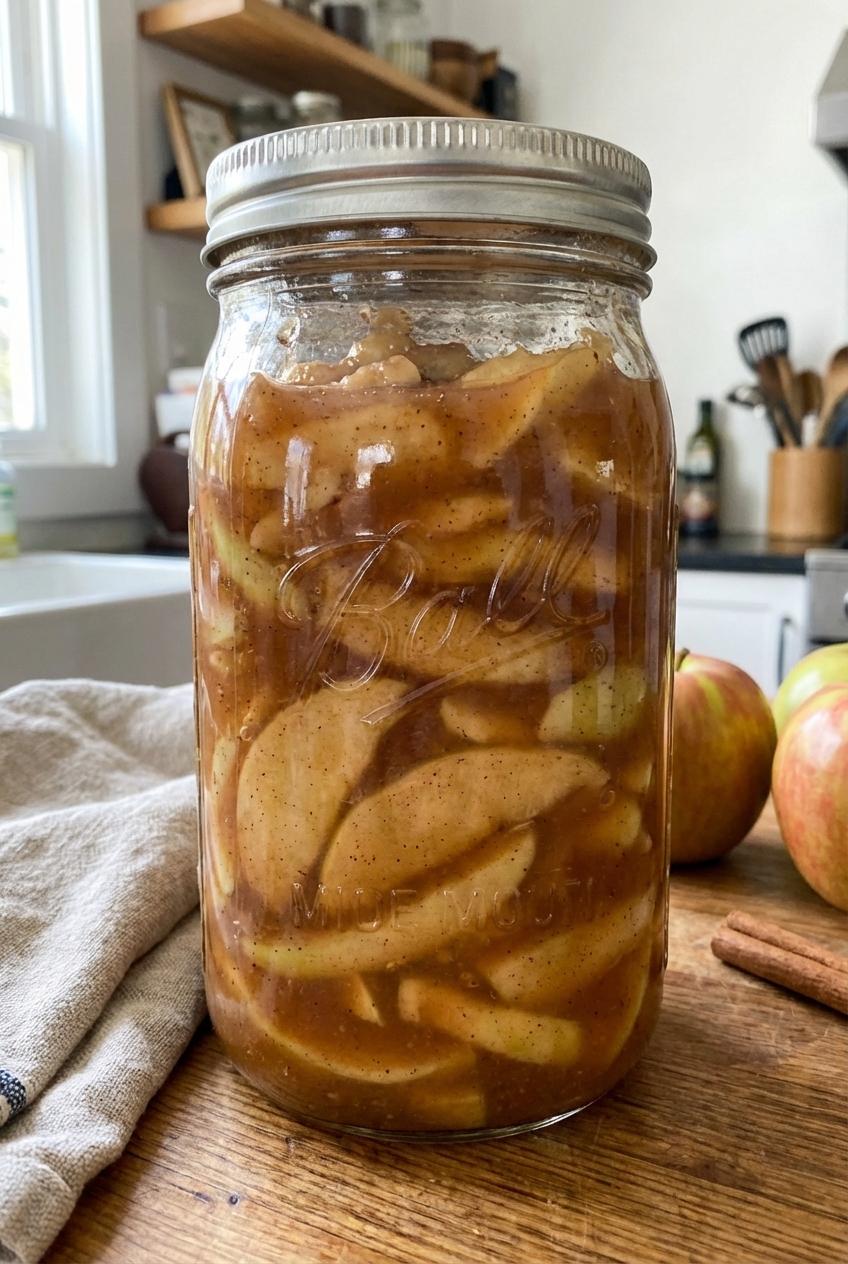
This yields about 5 to 6 cups, which is right for a standard 9-inch pie or a generous galette. Exact yield depends on apple size, how thick you slice, and how much they cook down. If you like a tall, domed pie, bump the apples to 3 1/2 pounds and scale the sauce slightly.