How do I know when salmon is done?
The most reliable way is an instant-read thermometer. Many cooks pull salmon at 120°F to 125°F for a silky center, or around 130°F for a firmer, more opaque texture. Food safety note: The USDA recommends cooking fish to 145°F. Choose the temperature that matches your comfort level and the quality of your fish. If you do not have a thermometer, look for the salmon to flake easily and the center to turn from translucent to opaque.
Should I cook salmon skin-side down first?
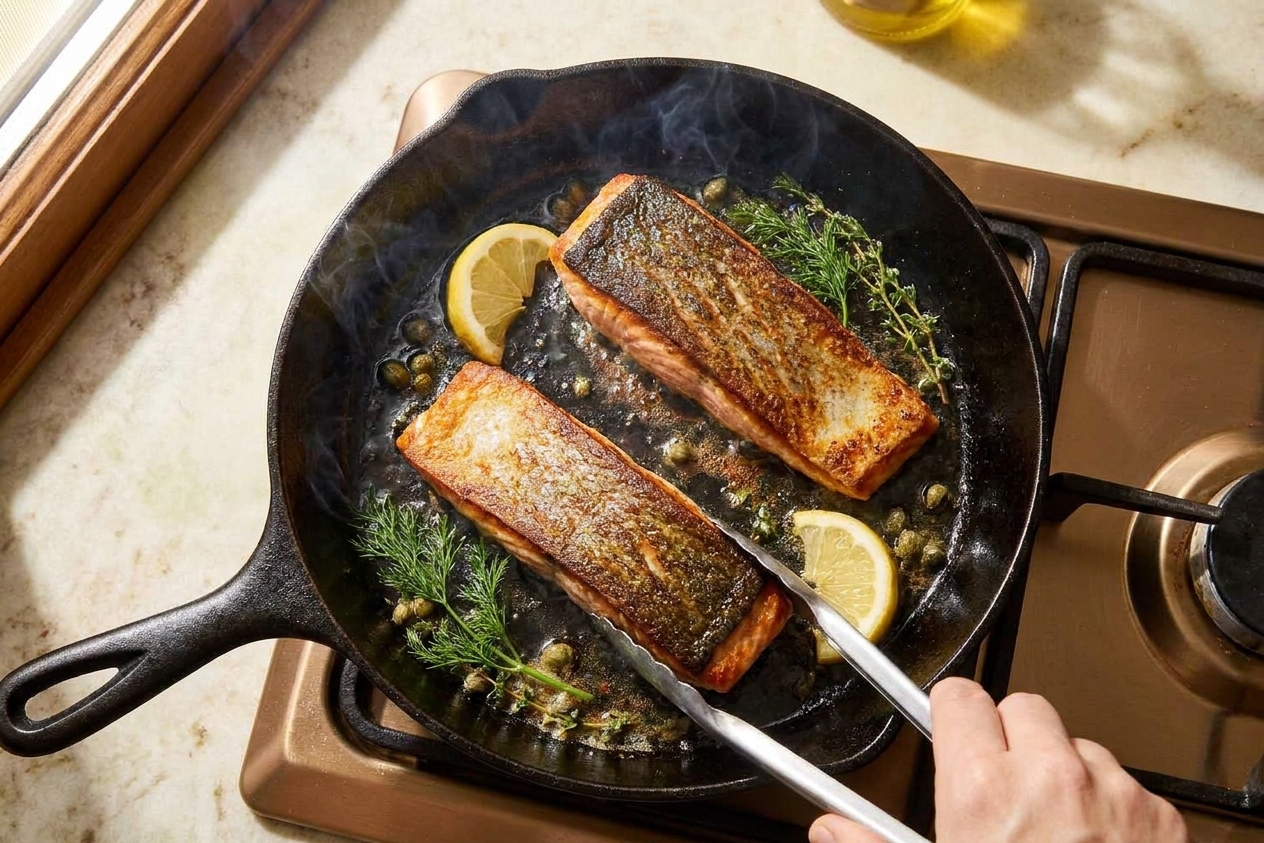
Yes, if your fillets have skin on. Start skin-side down to help protect the fish from overcooking and to encourage crispy skin. If your salmon is skinless, start presentation-side down for the prettiest browning. If you love crispy skin, press gently with a spatula for the first 10 seconds so it lays flat.
Can I use frozen salmon?
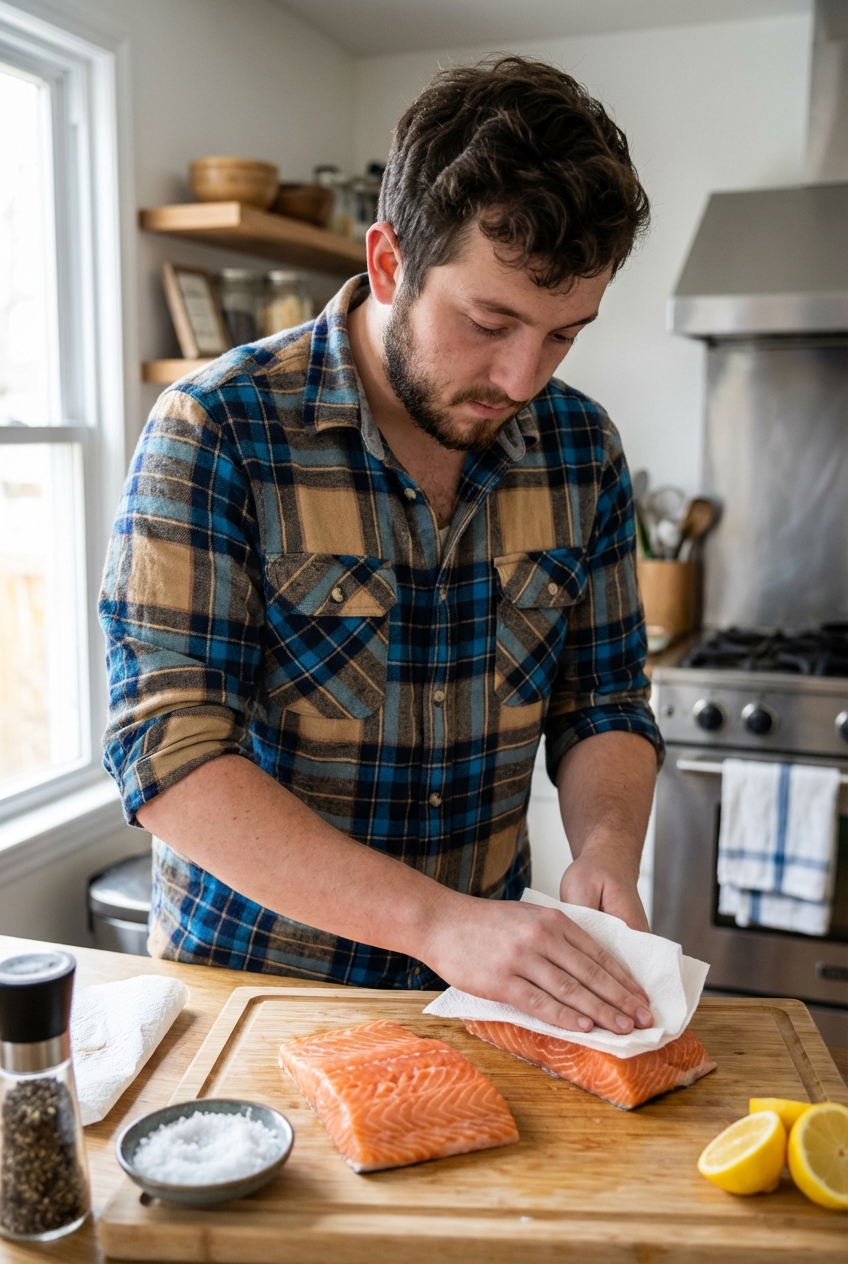
Absolutely. Thaw overnight in the fridge, then pat it very dry. Moisture is the enemy of crisp edges.
My sauce broke or looks greasy. Can I fix it?
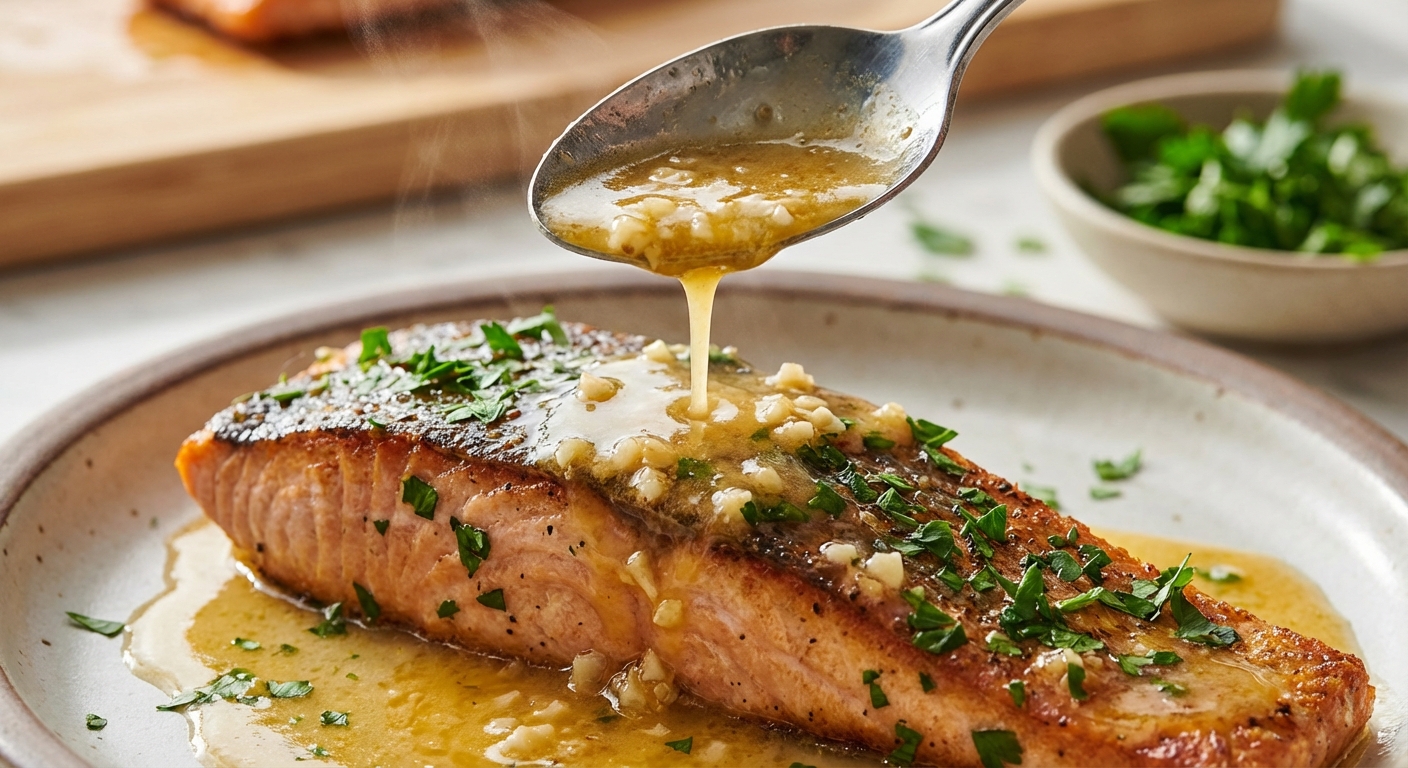
Usually, yes. Take the pan off the heat and whisk in 1 to 2 teaspoons of cold butter. If it still looks split, whisk in a small splash of warm water. Keep the heat low once the butter goes in, and whisk like you mean it.
What is the best salmon to buy for this recipe?
Look for center-cut fillets that are similar thickness so they cook evenly. Atlantic salmon is rich and forgiving. Sockeye is leaner and cooks faster, so watch the time, check temp early, and pull it sooner.