Mom's Best Recipes
Recipe

Small-Batch Peach Preserves

Jammy, spoonable peach preserves with lemon and vanilla, made without pectin and designed for real-life kitchens.

Author By Matt Campbell
4.8
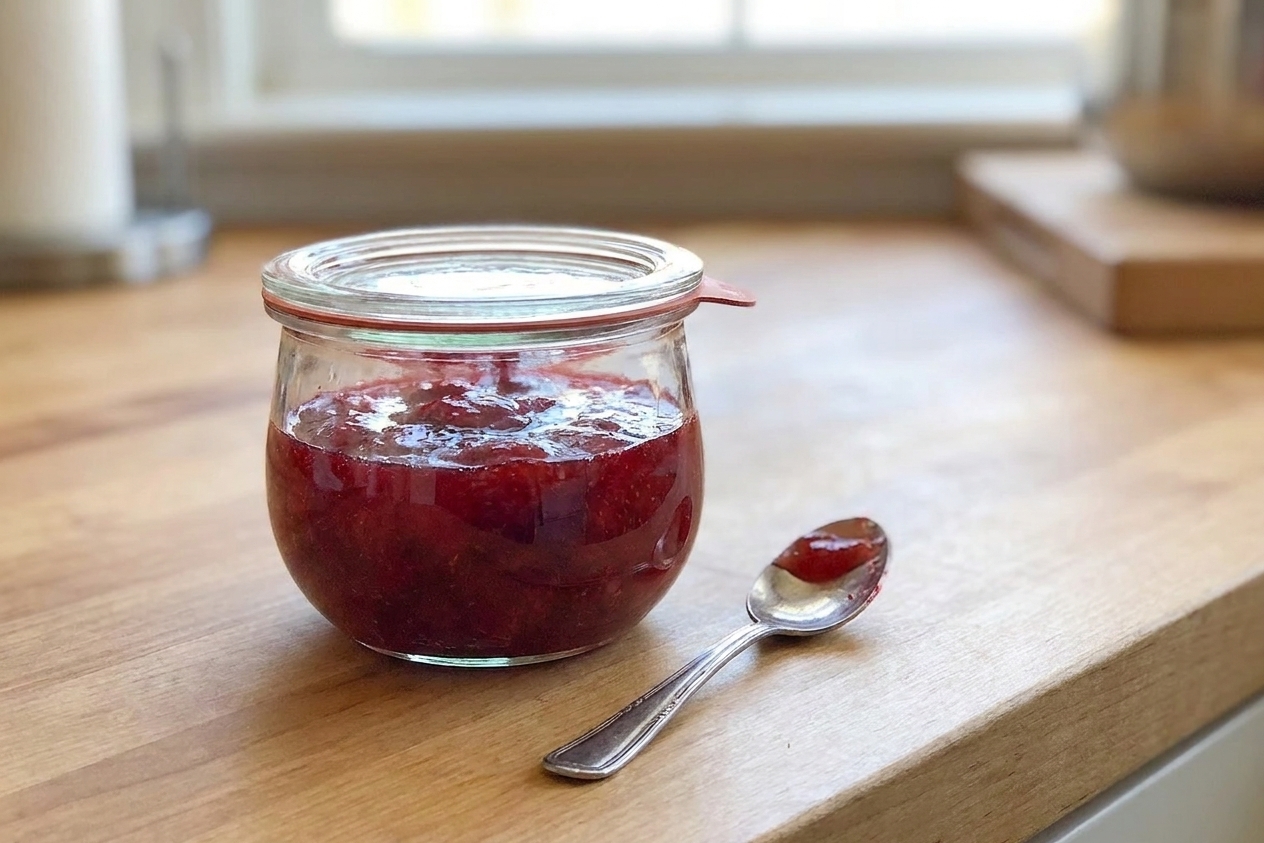
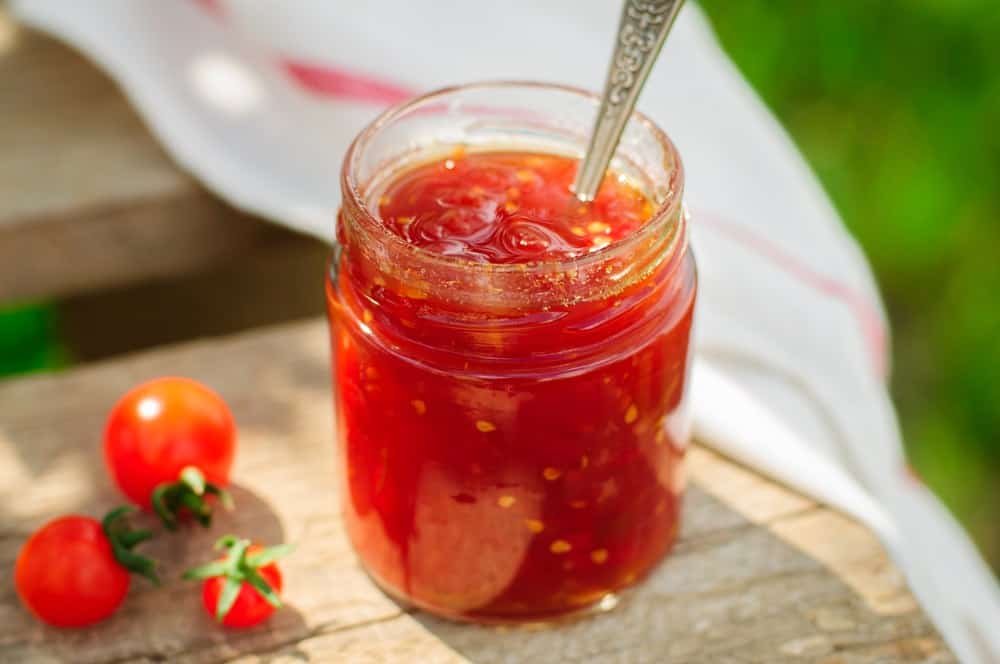
A glass jar of homemade peach preserves on a wooden kitchen counter with fresh peaches and a spoon nearby, warm natural window light

Peach preserves are the kind of kitchen project that feels like you are bottling up a good mood. The fruit is sunny, the whole house smells like warm sugar and summer, and you end up with a jar you can swipe a spoon through like it owes you money.

This is a small-batch recipe. No giant canning setup required, no specialty pectin, and no twenty-jar commitment. We are going for preserves that are glossy and jammy, with soft peach pieces that still taste like actual peaches. A little lemon keeps it bright, and a touch of vanilla makes the whole thing taste like peach cobbler filling in the best way.

If you can stir a pot and keep an eye on it, you can make this. Taste as you go. It is encouraged.

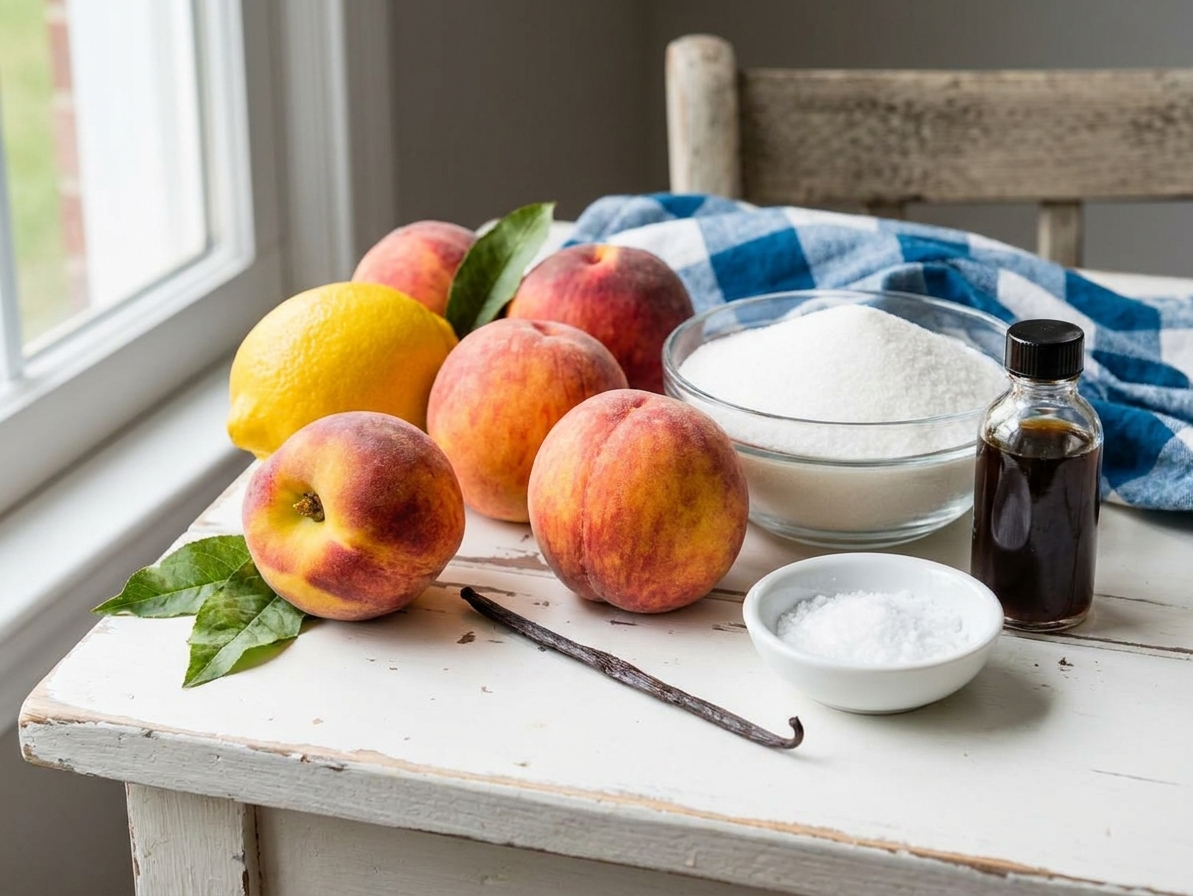
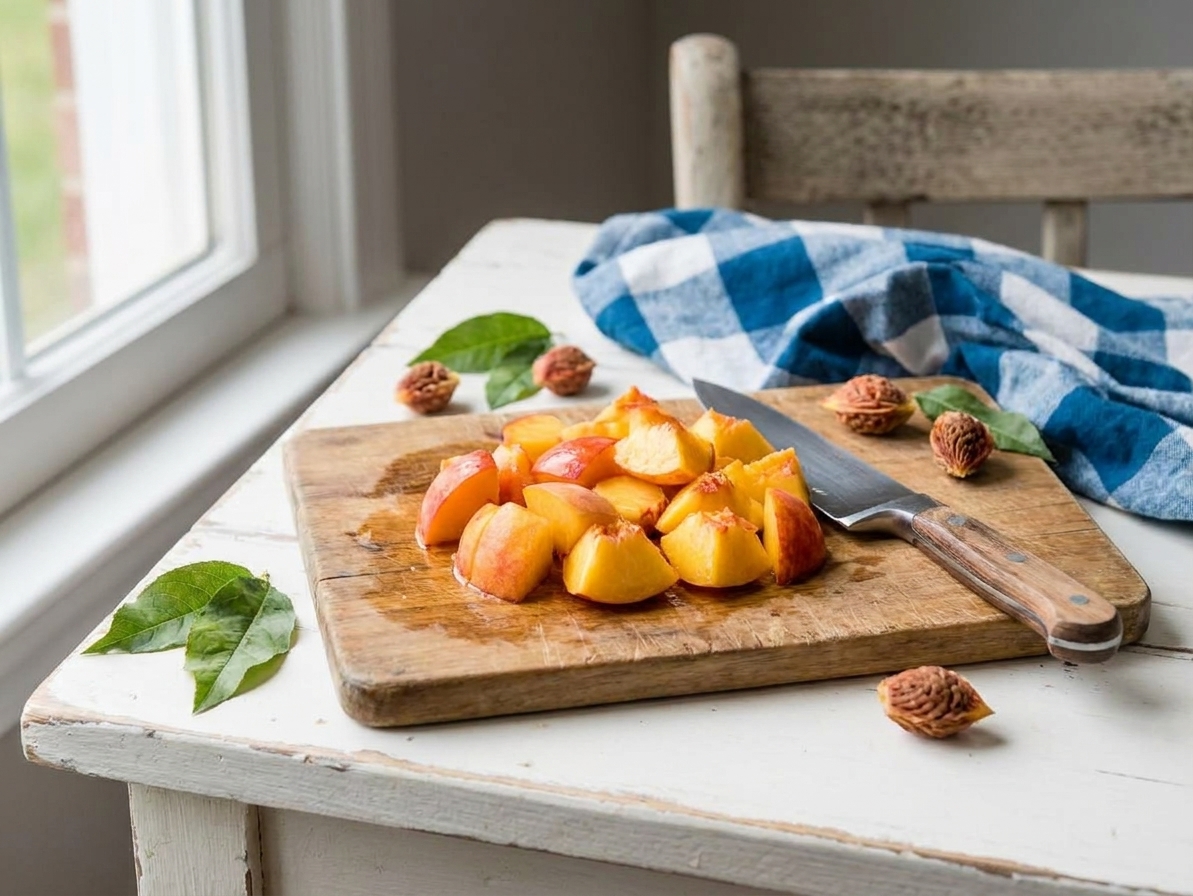
Fresh ripe peaches, a lemon, granulated sugar, vanilla, and a small bowl of salt arranged on a clean kitchen counter in natural light

Why It Works

You will get a preserve that is:

  • Fruit-forward, with real peach chunks instead of a totally smooth jam.
  • Bright and balanced from lemon juice and a pinch of salt.
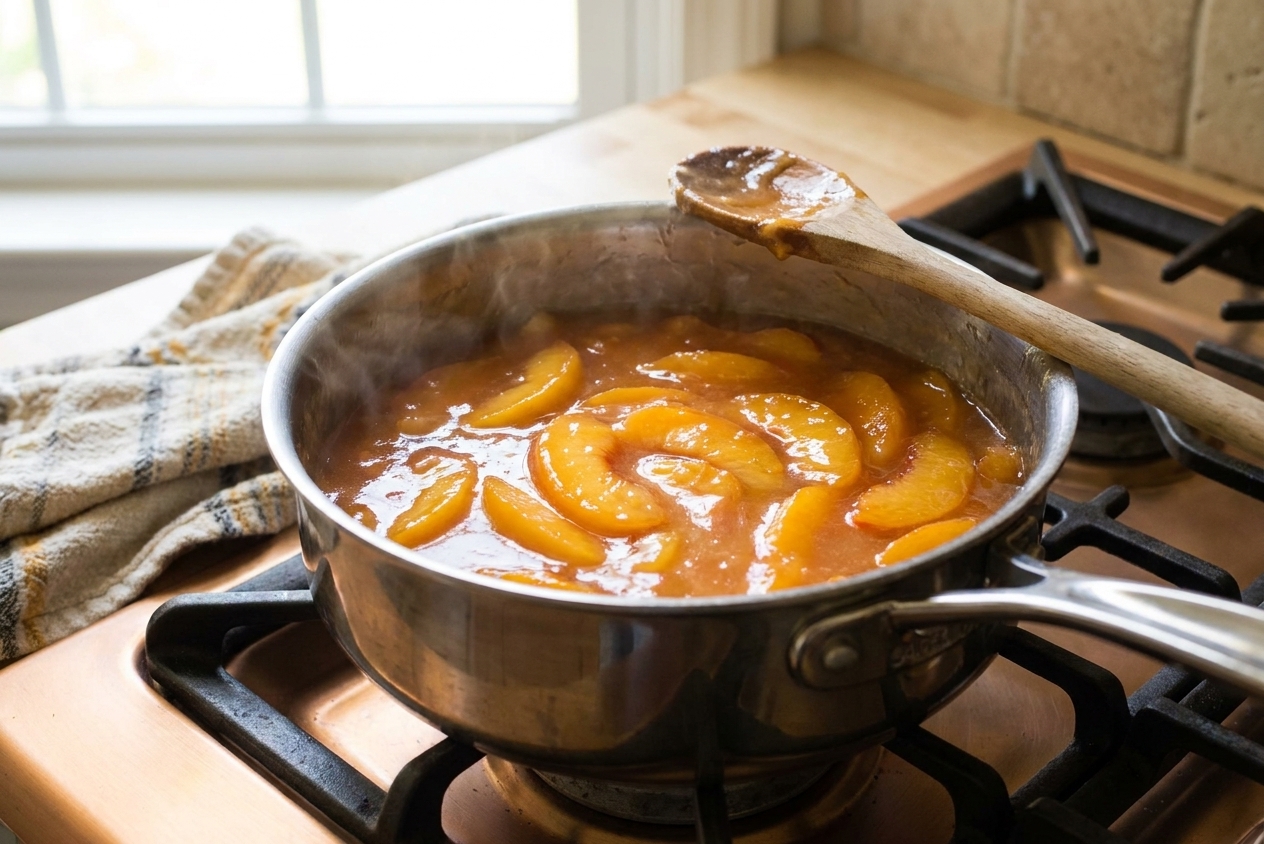
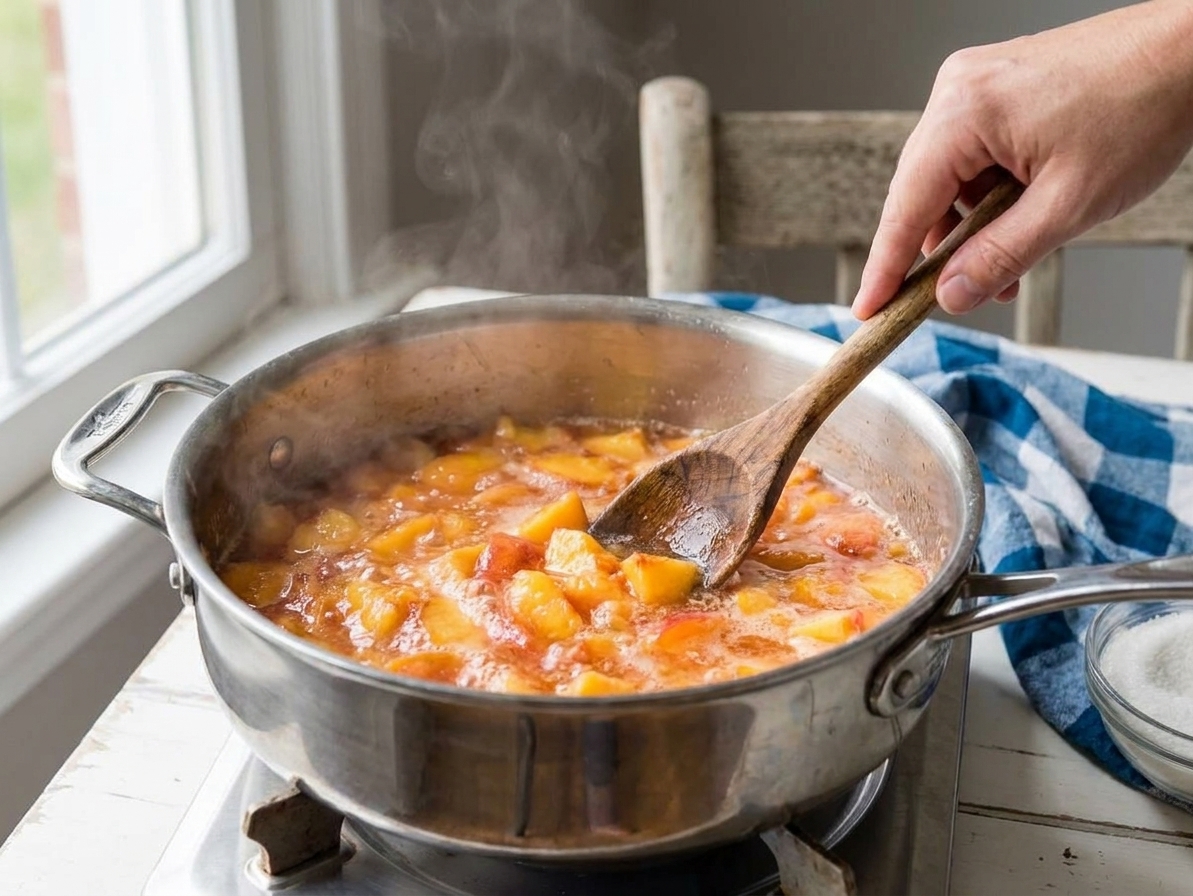
  • Thick without pectin by using a wide pan and cooking until it passes the set tests.
  • Flexible for toast, yogurt, ice cream, thumbprint cookies, layer cakes, or even a cheeky glaze for pork.

Bonus: because this is small-batch, you can make it whenever you spot great peaches, not just during full-on canning season.

Pairs Well With

Storage Tips

How to Store Peach Preserves

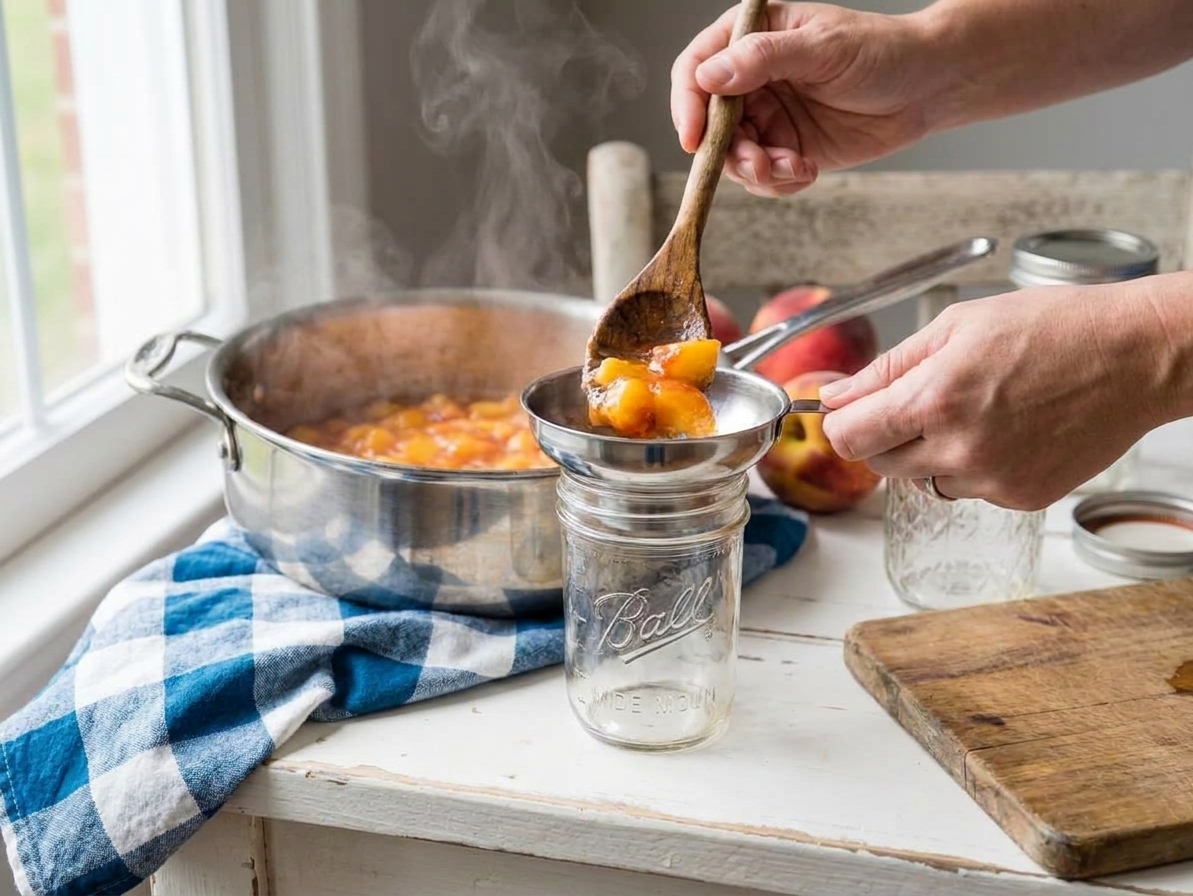
Refrigerator: Store in clean jars with tight lids for 2 to 3 weeks. Use clean utensils and no double-dipping if you want that top-end shelf life.

Freezer: Spoon into freezer-safe containers or jars, leaving about 1/2 inch of headspace. Freeze up to 6 months. Thaw overnight in the fridge.

Water bath canning (optional): This recipe is written primarily for fridge or freezer preserves. If you want shelf-stable jars, use proper tested canning guidance for processing times and headspace for peach preserves at your altitude. When in doubt, keep it refrigerated. It is still a win.

Signs it is time to toss: Any mold, off smells, fizzing, or lid issues. When preserves look suspicious, they are not worth being brave about.

Common Questions

Common Questions

Do I need pectin for peach preserves?

No. Peaches are lower in pectin than some fruits, so we build thickness by cooking down the fruit in a wide pot and using lemon juice plus time. The preserves will continue to thicken as they cool.

How do I know when it is done?

You have two easy options:

  • Temperature: A great guide. Aim for around 220°F at sea level, but treat it as a target, not a law. With slightly lower sugar preserves, the cold plate test and visual cues are your best friends. For altitude, go by your local boiling point (a common rule is subtract about 2°F for every 1,000 feet).
  • Cold plate test: Chill a small plate in the freezer. Drop a little preserves on it. Wait 30 seconds, then drag your finger through. If it wrinkles slightly and the line holds, you are there.

Can I use frozen peaches?

Yes. Thaw first, include any juices, and expect a slightly longer cook time. Frozen fruit tends to release more juice as it thaws (cell damage), so it may take a bit longer to cook down. Flavor is still great.

Should I peel the peaches?

Totally up to you. Peeled peaches give a smoother, more classic preserve. If you like a rustic vibe, you can leave some peel on. If you do peel, a quick blanch makes it painless.

Why did my preserves turn out runny?

Usually one of these:

  • Not cooked long enough, especially in a narrow pot.
  • Heat was too low to evaporate water effectively.
  • Under-ripe peaches with less natural sugar and weaker texture.

Fix: simmer again for 5 to 15 minutes, then retest.

Why did my preserves get too thick?

It cooked a little past set, or you had a very hot boil. You can stir in 1 to 2 tablespoons warm water at a time while reheating gently until it loosens.

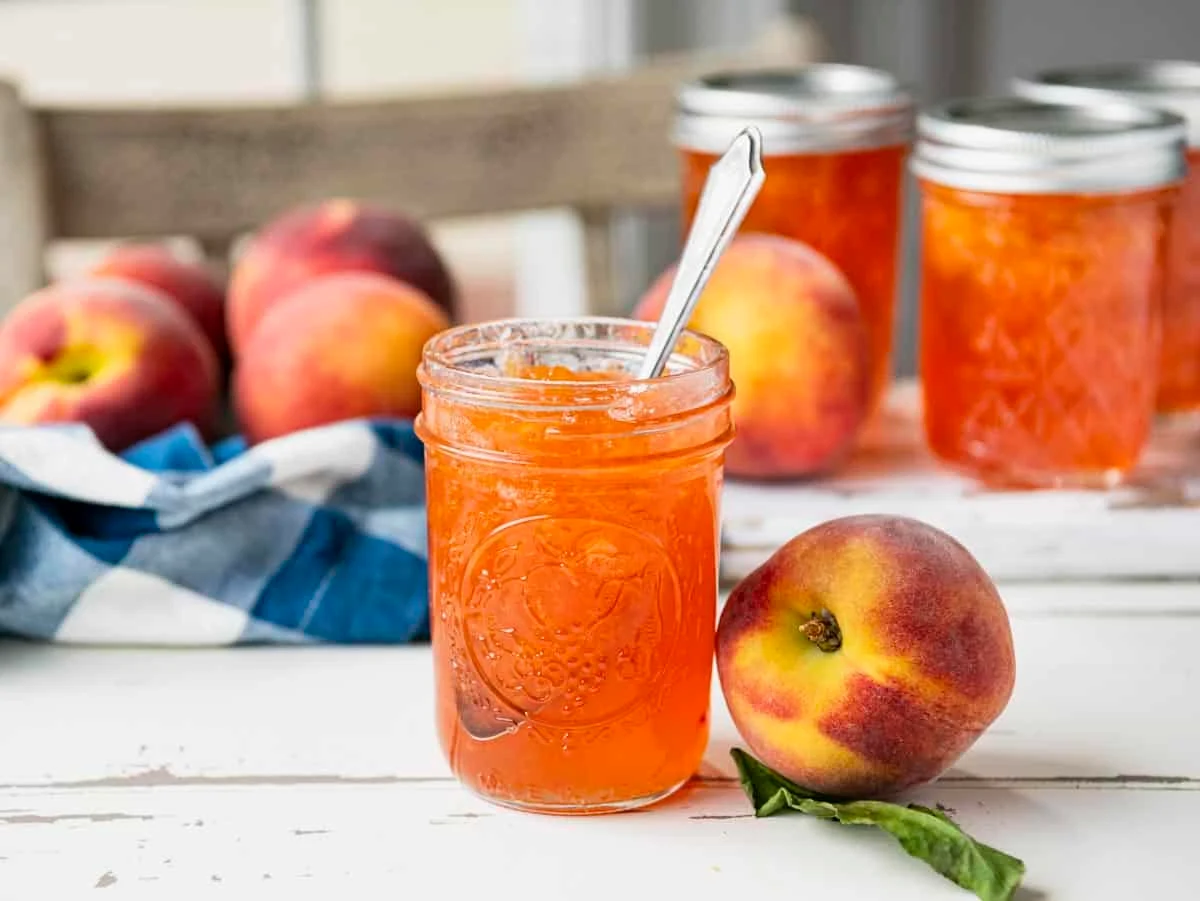
The first time I made peach preserves, I treated it like a chemistry lab and still managed to splatter molten fruit sugar onto my stove like modern art. It was messy, a little chaotic, and wildly worth it. Now I keep it simple: a wide pot, good peaches, and enough patience to let the bubbles do their thing. It is one of those recipes that makes you feel like you have your life together, even if you are eating it straight from the jar over the sink.