Is smoked chuck roast like brisket?
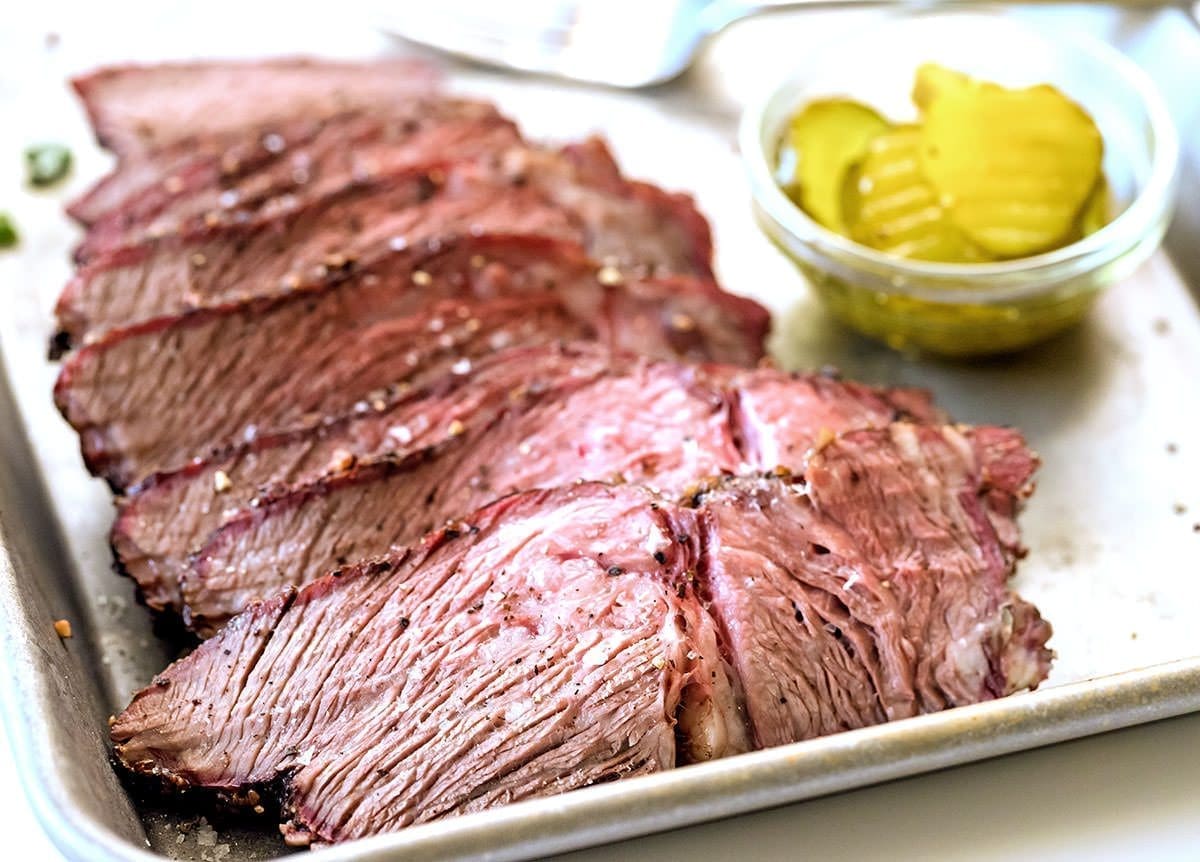
It can feel pretty close, especially in sandwiches. Chuck is smaller and has a different fat layout, so it usually cooks faster and can be a bit less silky than brisket. The upside is it is forgiving and wildly flavorful.
Do I have to wrap it?
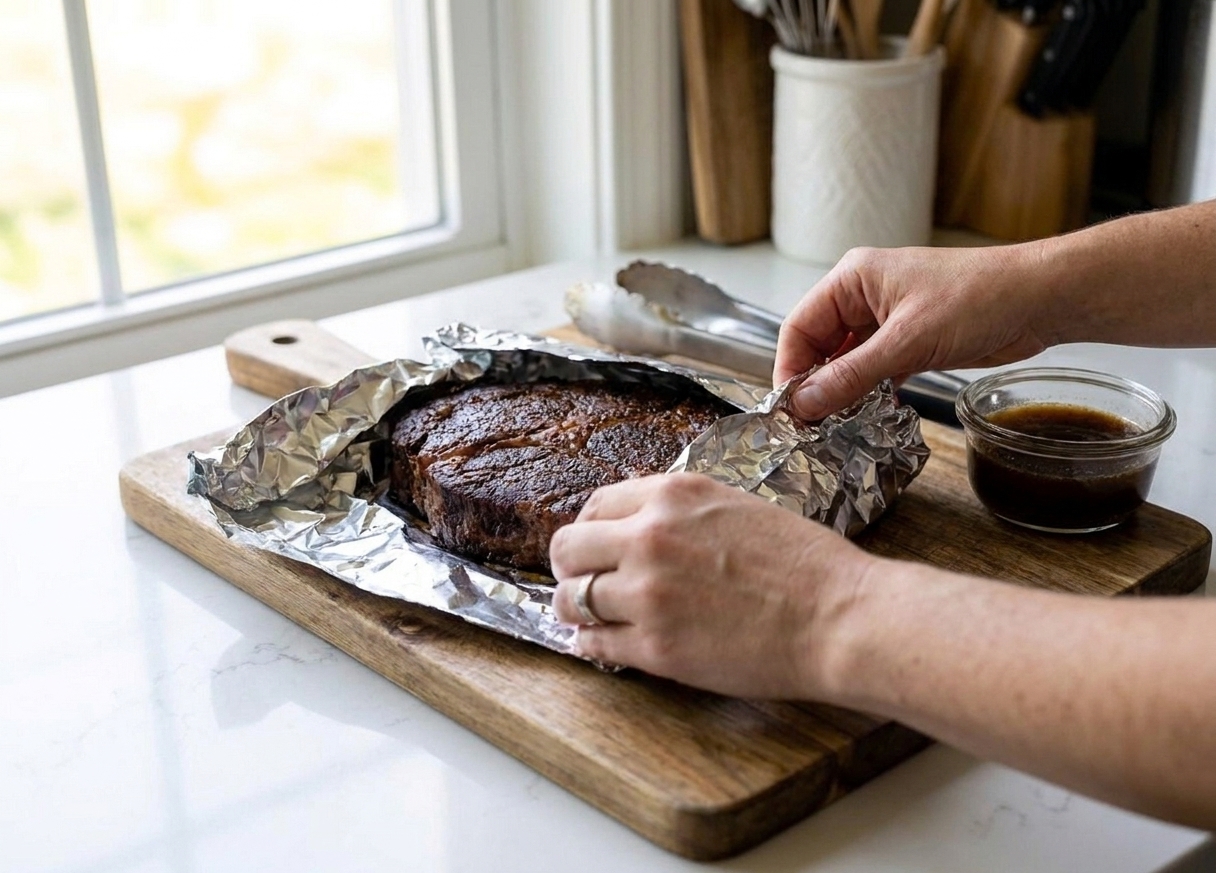
No, but wrapping helps you power through the stall and keeps the roast juicy. I like wrapping once the bark looks dark and set and the internal temp is usually around 165 to 175°F.
Foil or butcher paper?
Foil cooks a little faster and keeps things extra juicy, but it can soften the bark (more of a braise vibe). Butcher paper breathes more, so the bark stays better, but it may take a bit longer. Both work. Pick your priority.
What internal temperature is “done”?
Use temperature as a guide and tenderness as the decision. For sliceable roast, start checking around 195°F. For pull-apart tender, it is often happiest around 200 to 205°F, but some chucks do not hit that warm-butter feel until around 198 to 210°F. The probe should slide in with little resistance, like warm butter.
How long does it take to smoke a chuck roast?
Plan on 6 to 8 hours for a 3 to 4 pound roast at 250°F, including rest time. That said, time is a guideline. Thickness, marbling, and the mood of your smoker can swing it earlier or later, so cook to tenderness.
What wood should I use?
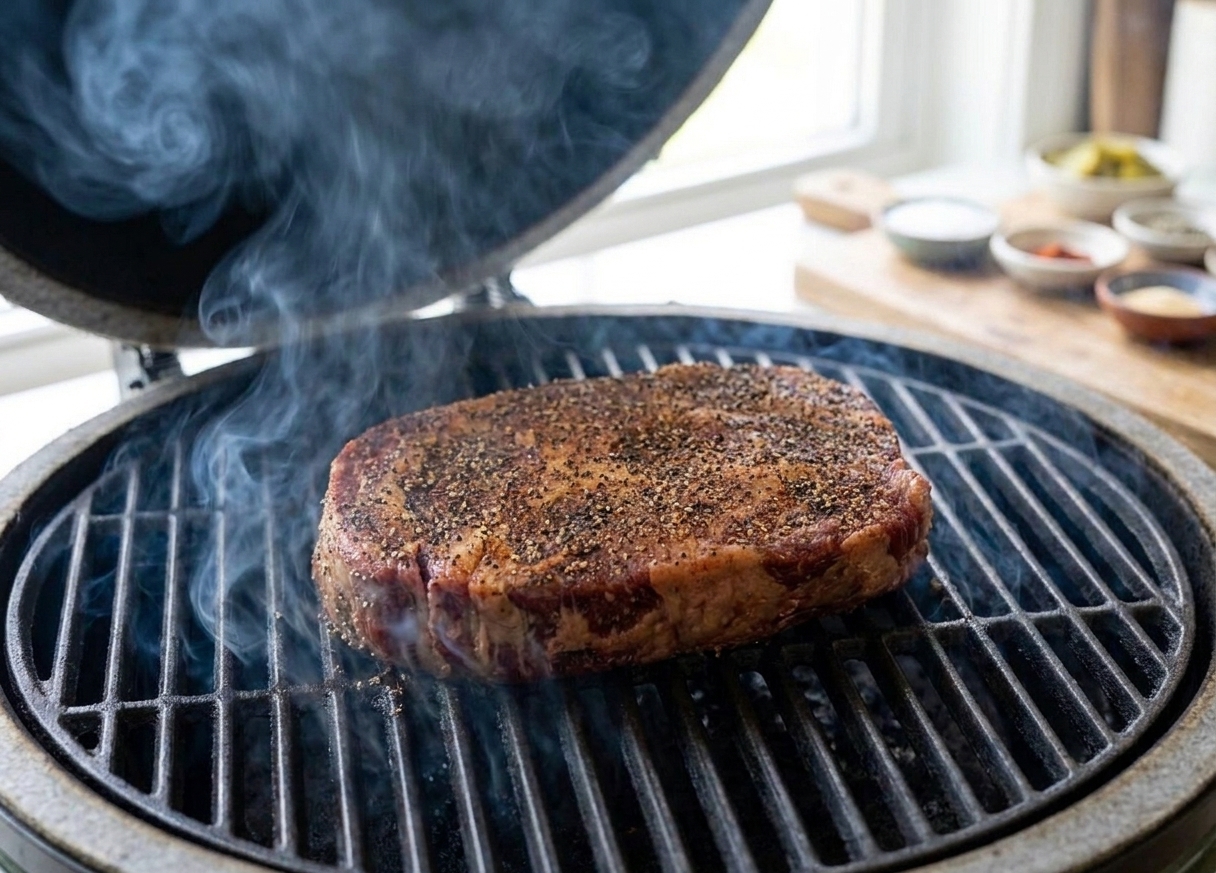
Oak is classic, hickory is bolder, and pecan is a little sweeter. I love oak with a small hit of hickory. Fruit woods work too, they are just more subtle.
Should I slice or pull it?
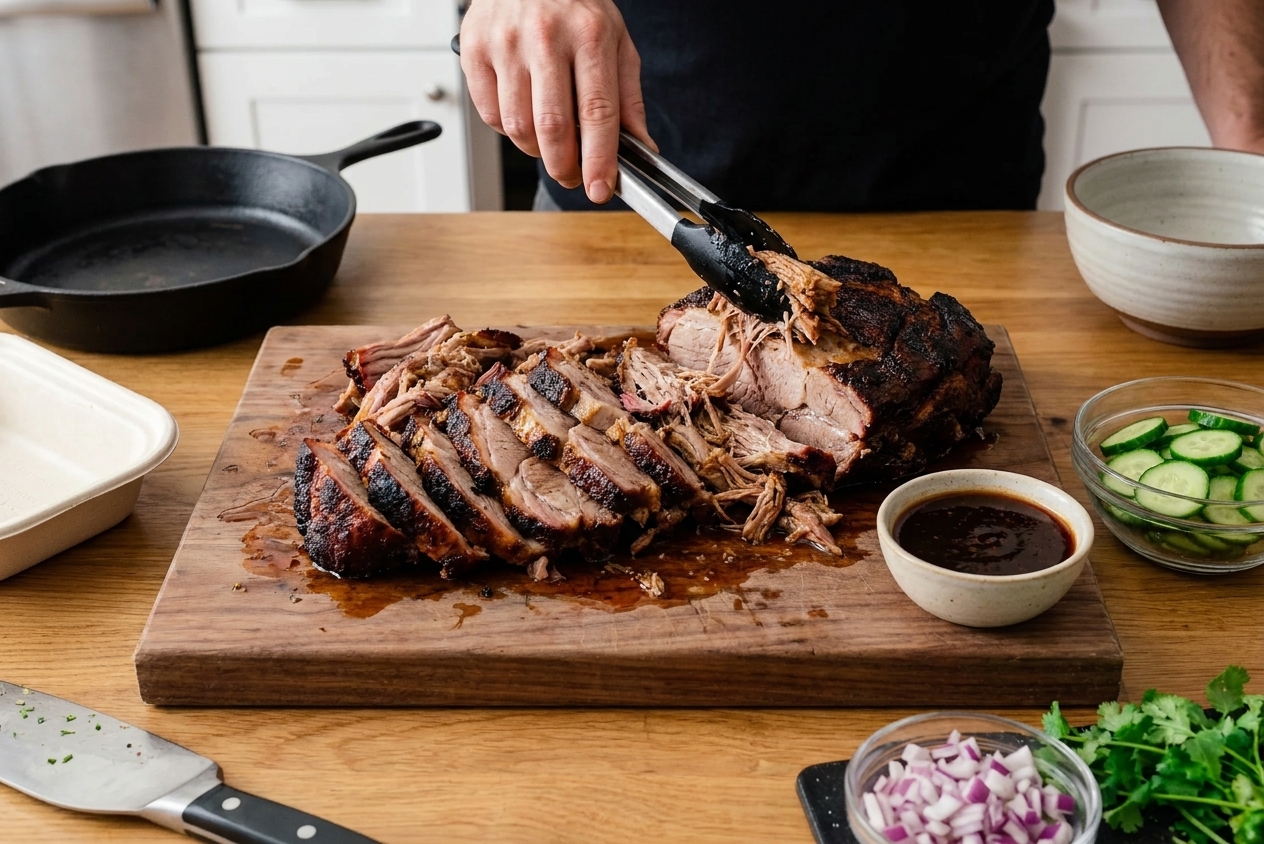
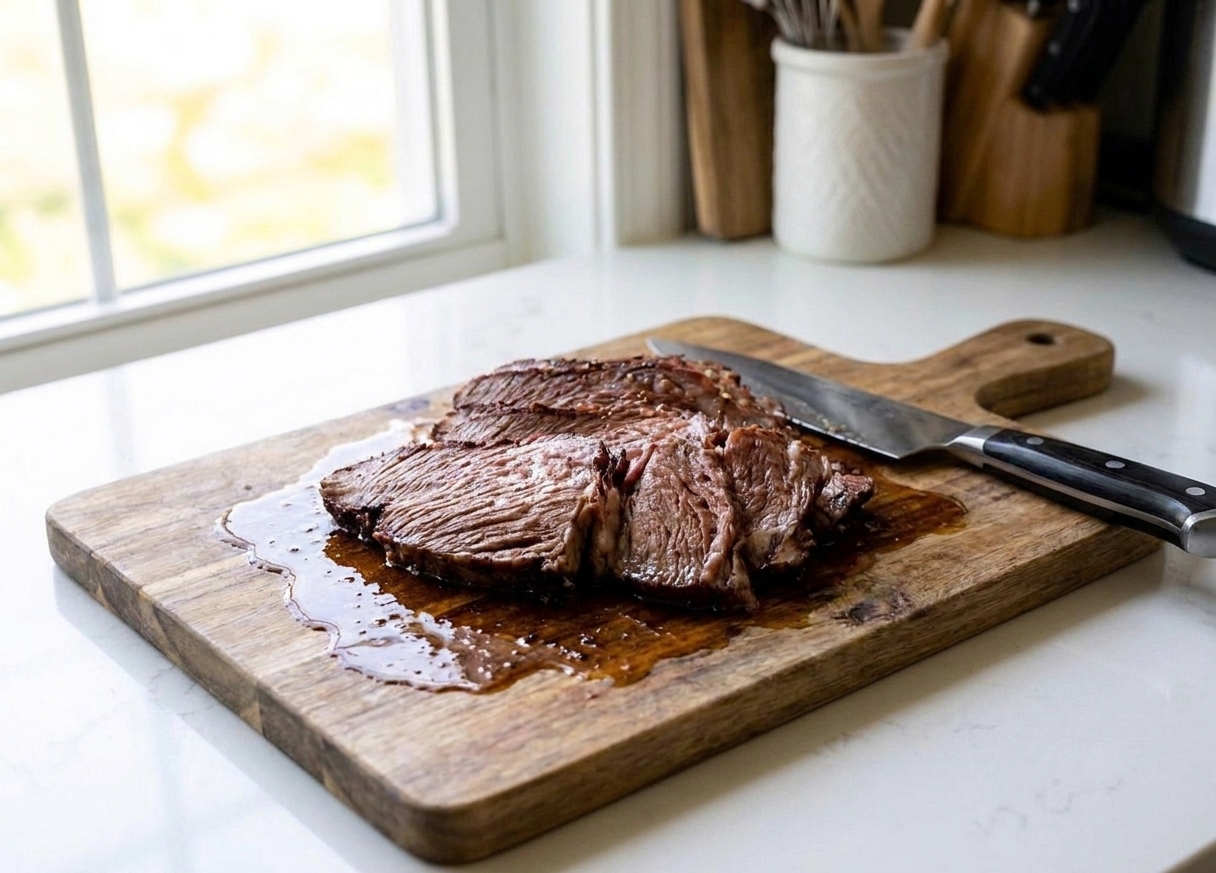
If you want slices, cook to tender but not falling apart and slice against the grain. If you want tacos or sandwiches, take it a bit further and shred it with the juices.