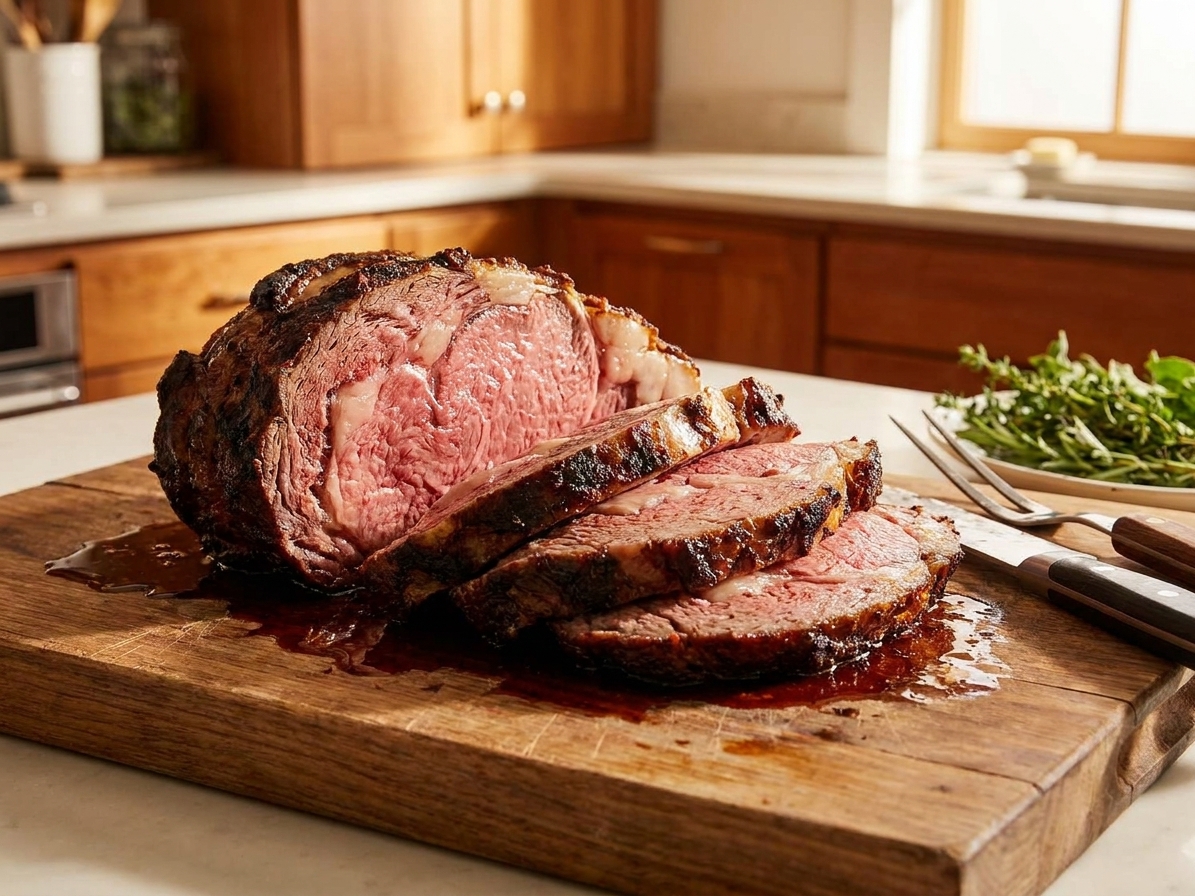
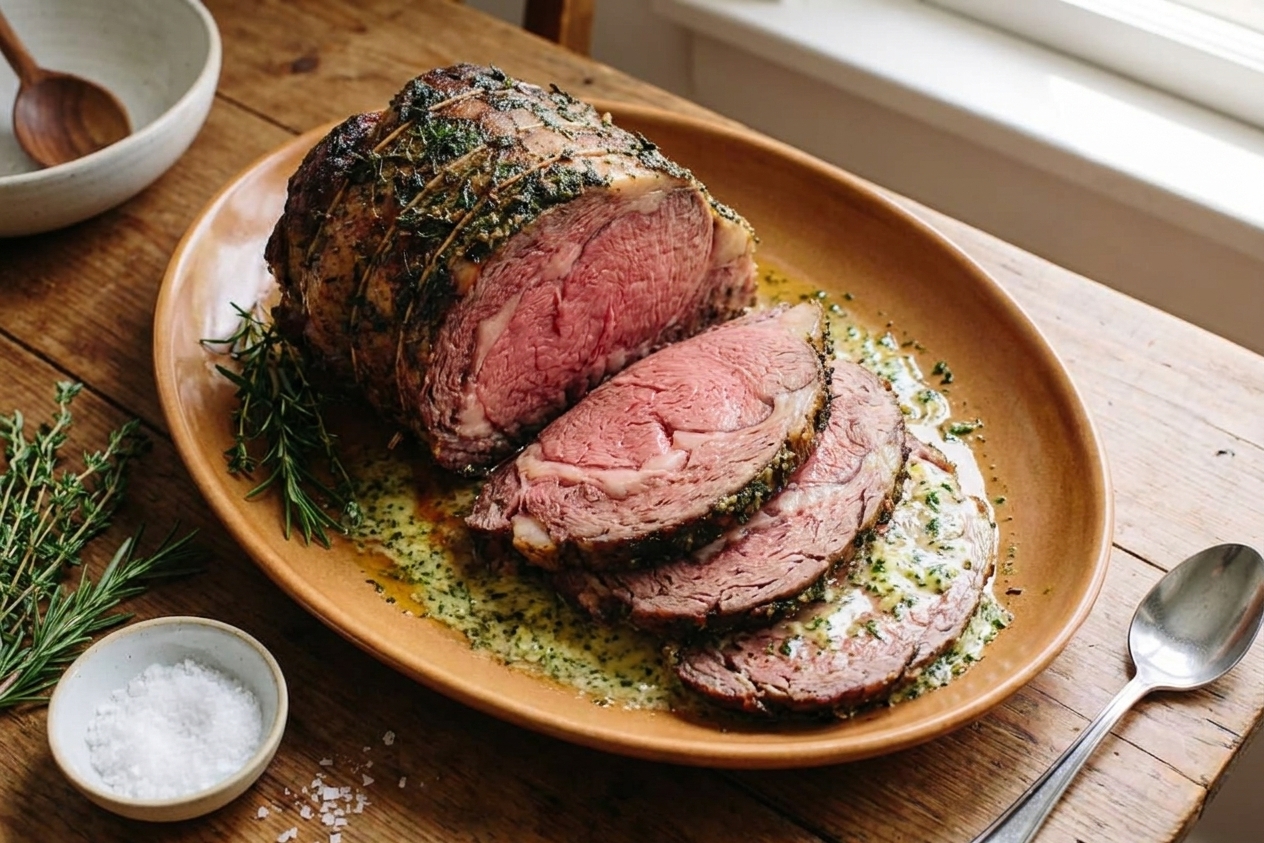
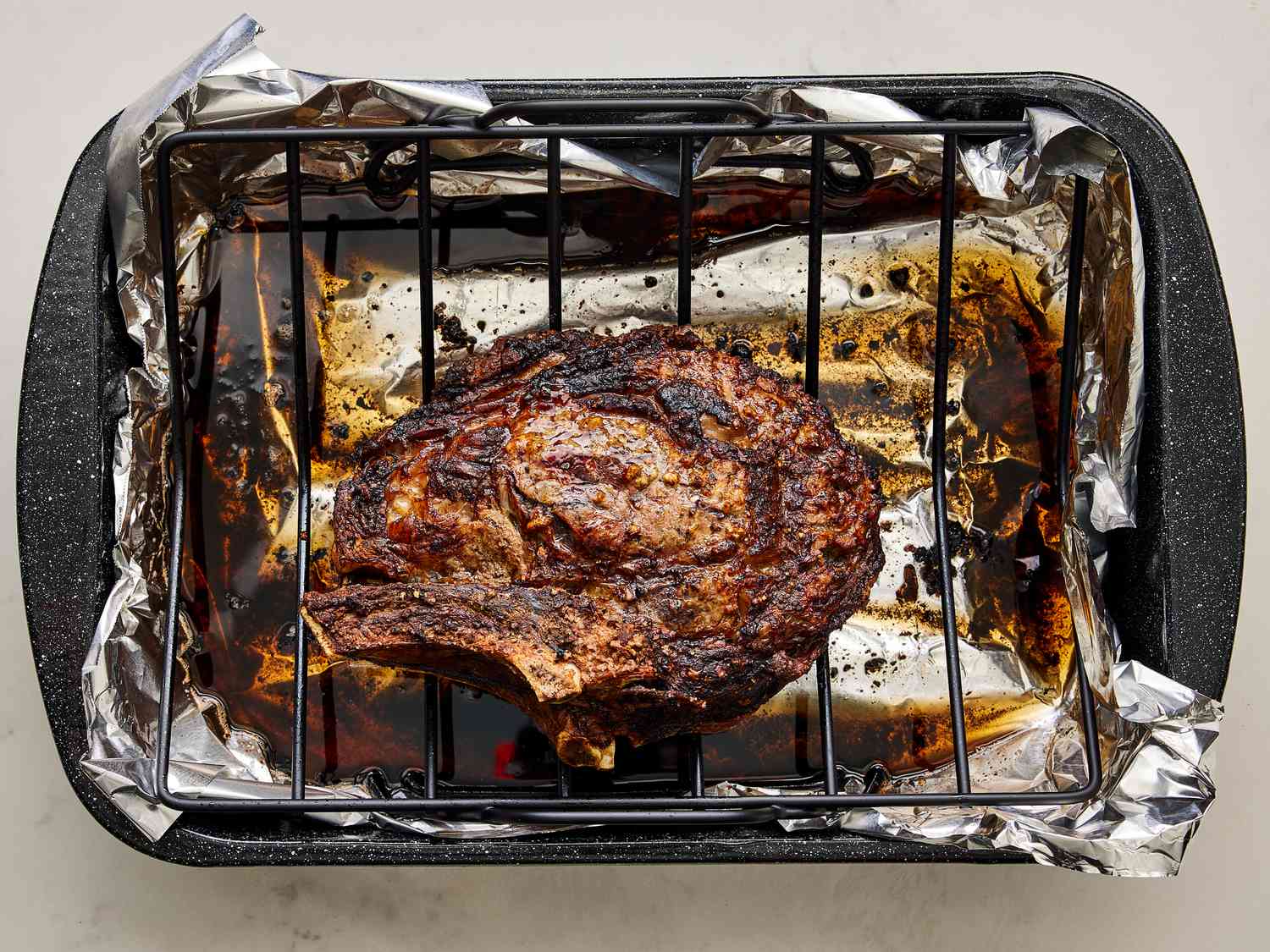
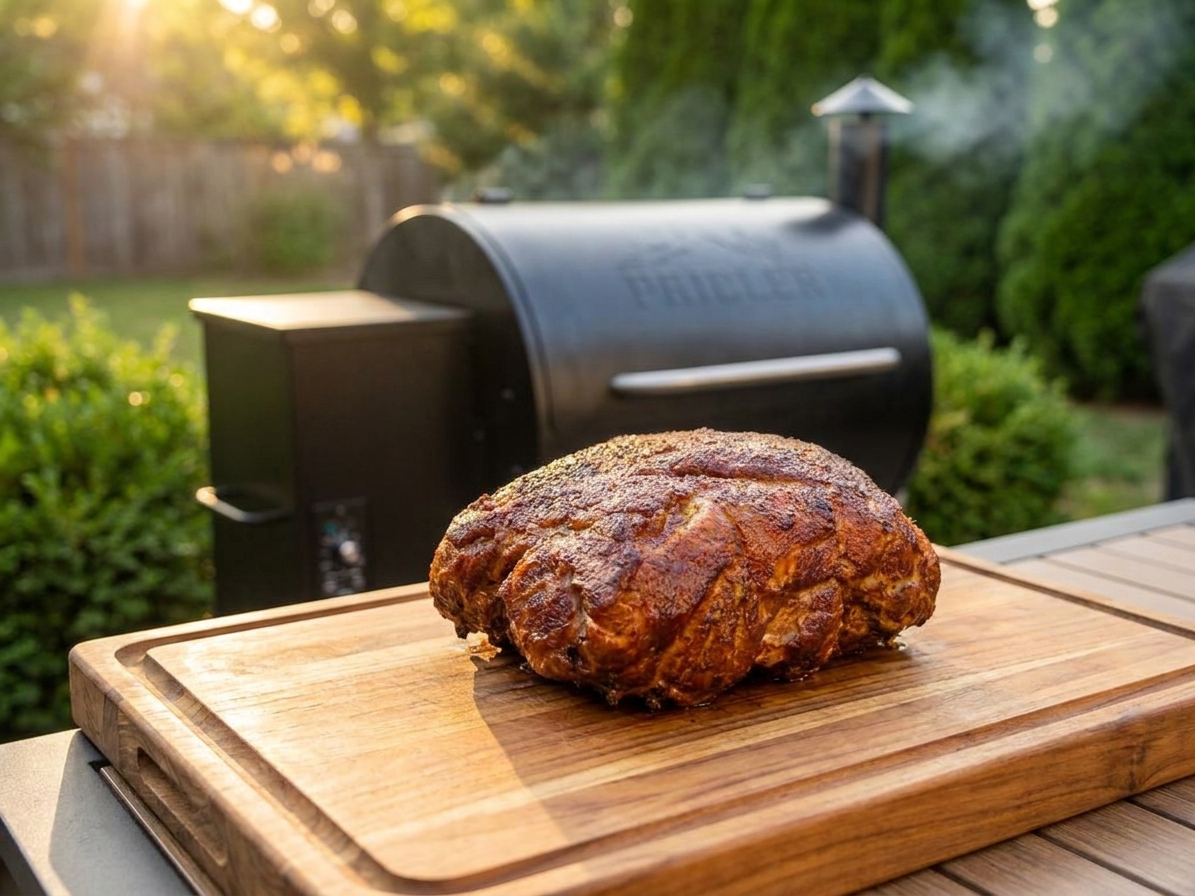
What wood is best for smoked prime rib?
Oak is the classic: clean, beefy, not too sweet. Hickory is bolder (use less if you are sensitive to smoke). Pecan is mellow and slightly sweet. I usually do oak with a small handful of cherry for color.
What temperature should I smoke prime rib?
I like 225°F for an even cook and plenty of smoke time. You can run 250°F if you need to speed things up a bit.
How long does it take?
It depends on roast size, starting temp, and your smoker, but a good planning estimate is 25 to 45 minutes per pound at 225°F to reach your pull temp, plus resting and a quick high-heat finish. Always cook to temperature.
What internal temperature should I pull it at?
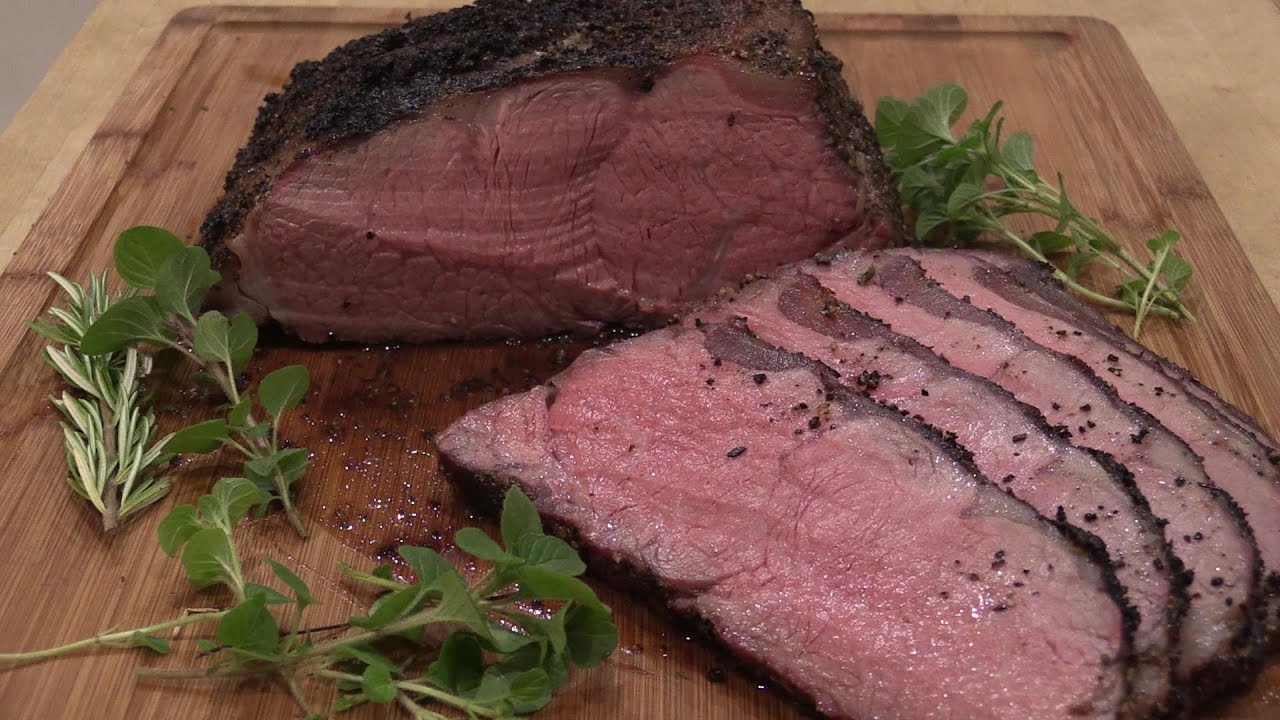
Because this recipe includes a rest and a hot finish, pull a little earlier than you might expect. Use this as a guide and trust your thermometer during the finish.
- 115°F for rare
- 120°F for medium-rare (my sweet spot)
- 125°F for medium
Finish targets (after rest and sear): about 125°F rare, 130°F medium-rare, 135°F medium. The sear can add more heat than you think, so during the hot finish, pull the roast as soon as the crust looks right or when the center is 2 to 5 degrees below your final target.
Do I need to wrap it?
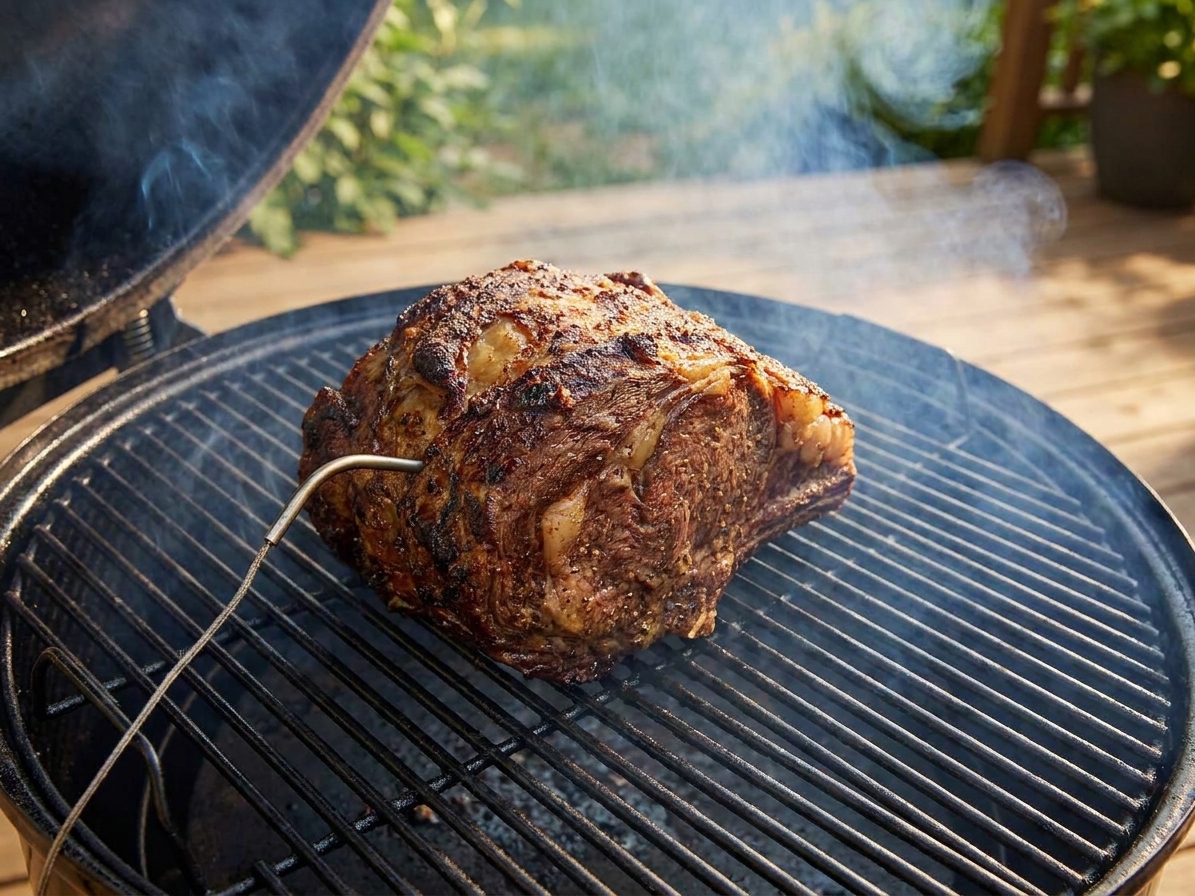
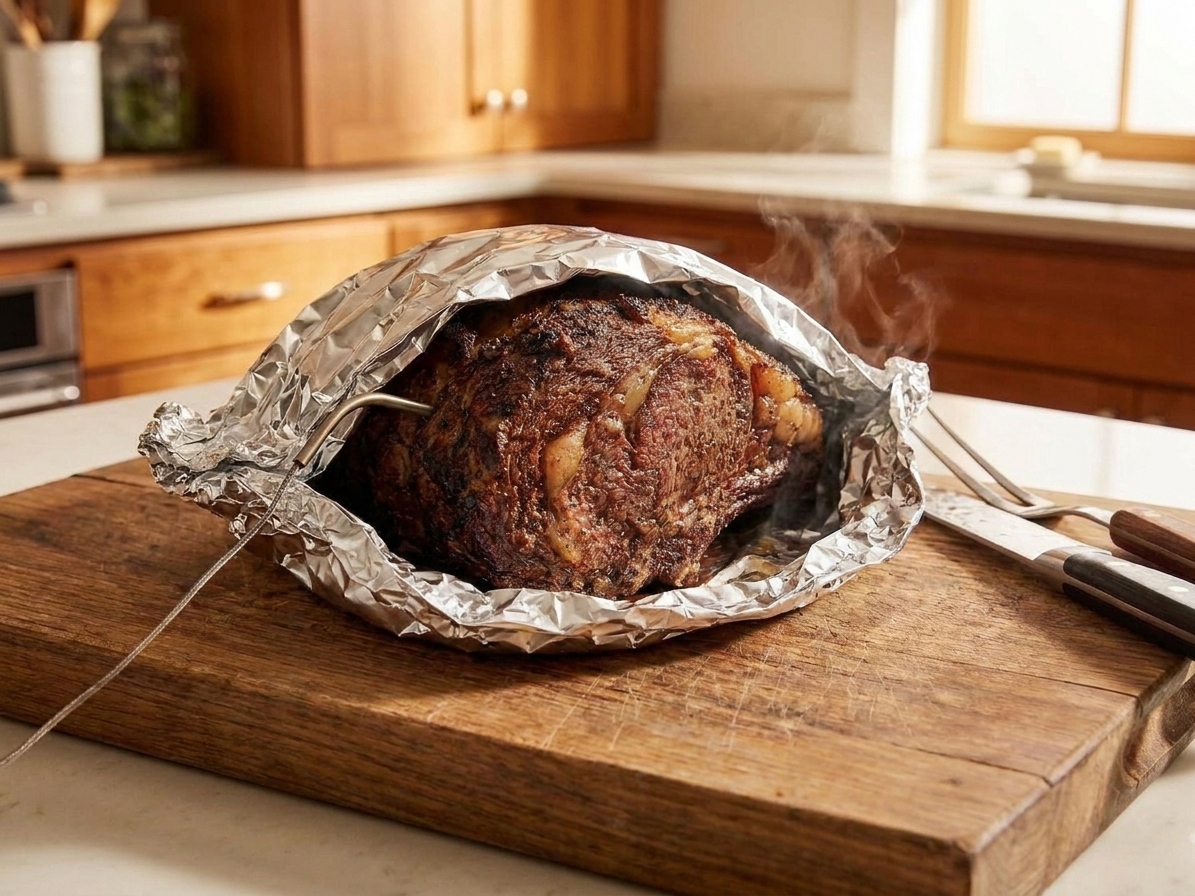
No. Prime rib is best unwrapped so the exterior can dry slightly and build a crust. If the outside is getting darker than you want, you can loosely tent with foil near the end.
Should I use a water pan?
Optional. A water pan can help moderate temps and keep the smoker humid, which is nice for longer cooks. Prime rib is already a tender cut, so it is not required, but it can make temperature control easier.
Can I smoke a boneless prime rib?
Yes. The method is the same. Boneless roasts can cook a touch faster. If it is tied, keep it tied for even shape, and start checking internal temp 30 to 45 minutes earlier than you think you need.
How much smoke is enough?
A little goes a long way with prime rib. Aim for thin, clean smoke, not billowy white smoke. On a charcoal or wood smoker, a couple chunks to start is usually plenty. On a pellet grill, run your normal pellets and let the low temp do the work.