How long should salmon brine before smoking?
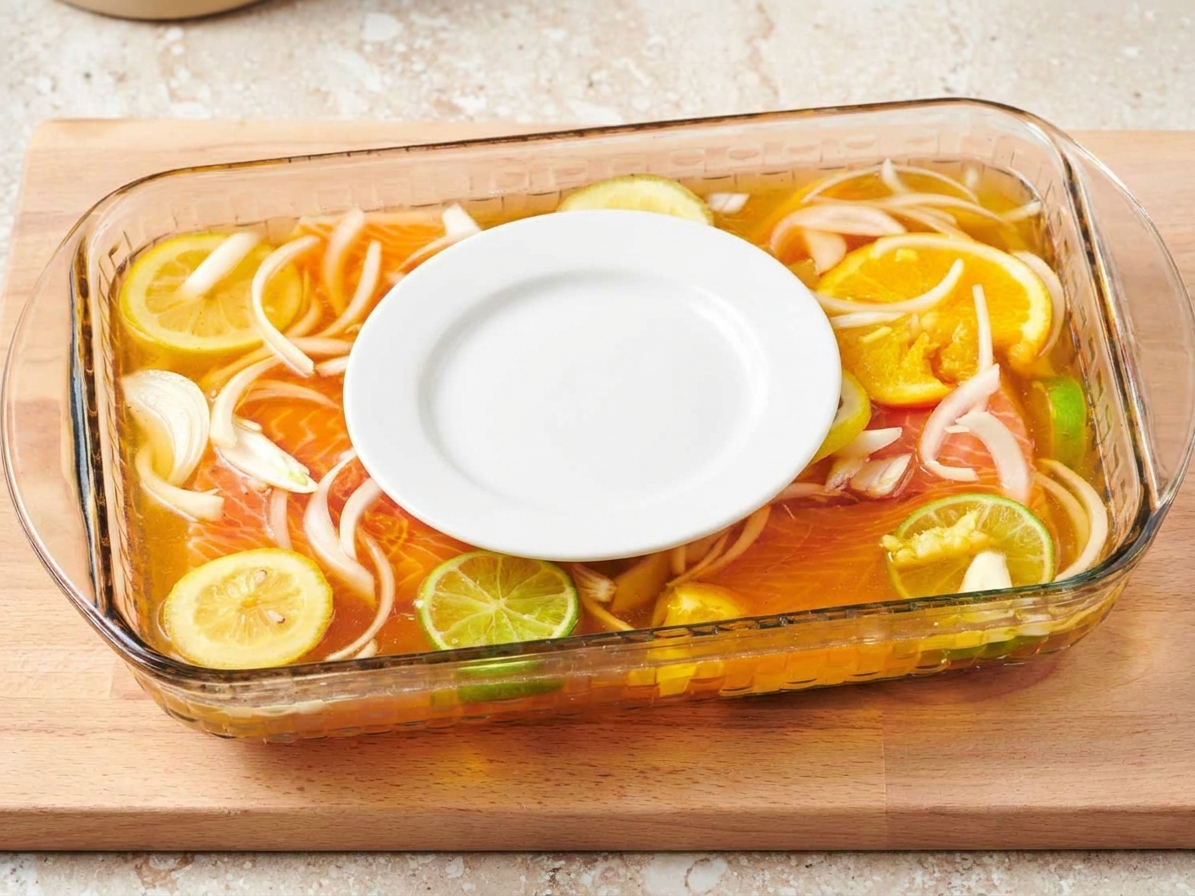
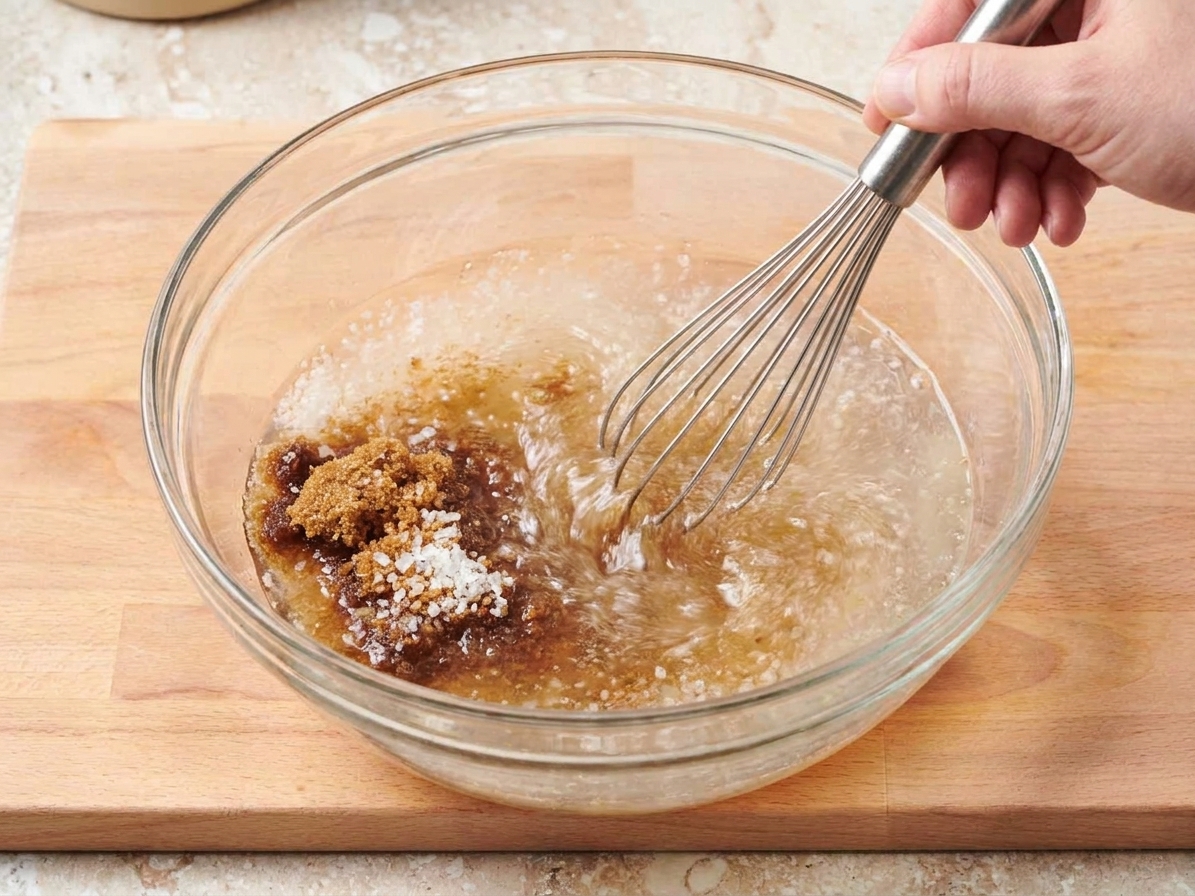
It depends on thickness. For most fillets, 8 to 12 hours in this wet brine is the sweet spot. Thin pieces can be done in 4 to 6 hours. Thick center cuts can go 12 to 16 hours, but I would not push past 18 hours with a wet brine unless you like it aggressively salty.
Note on salt level: This brine is designed to be pleasantly seasoned, not punch-you-in-the-face salty. If you know you want a stronger cure-style saltiness, use the dry brine option or extend brine time within the ranges above (do not extend indefinitely).
Do I have to rinse salmon after brining?
Yes, a quick rinse helps prevent a too-salty exterior. Rinse briefly under cold water, then pat very dry. The drying part matters more than the rinsing part.
What is a pellicle and do I really need it?
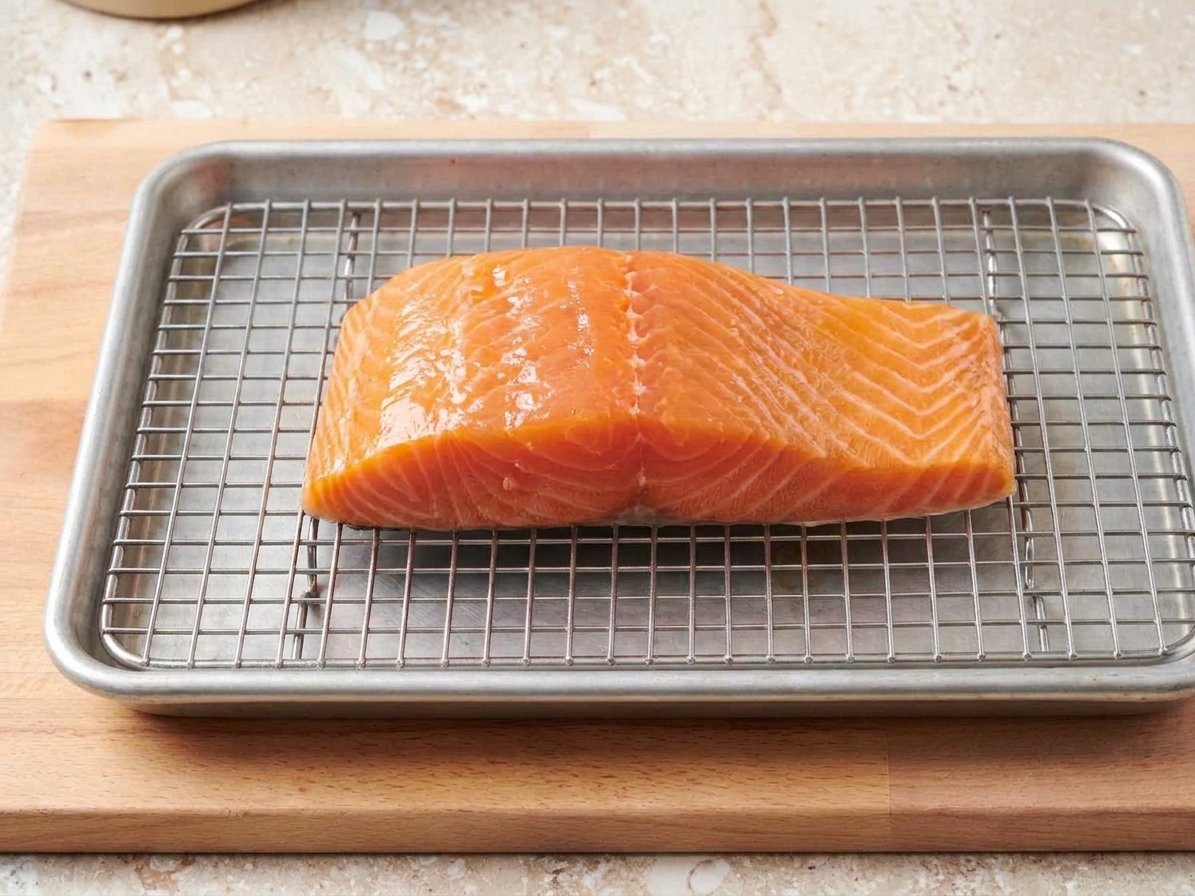
A pellicle is a slightly tacky, dry surface that forms when brined salmon air dries. It helps smoke cling and gives you a nicer finish. You do not need a fan or a science lab. Just put the salmon on a rack and refrigerate uncovered for 1 to 4 hours.
Can I use table salt instead of kosher salt?
You can, but this is where a scale saves the day. Different salts pack differently, and table salt is much denser than most kosher salts, so measuring by cups can make the brine too strong.
Best option: use the gram amount listed.
If you must use volume, here is the least-wrong way to do it:
- If using Diamond Crystal kosher salt: 1/2 cup is about right for this recipe.
- If using Morton kosher salt: use about 1/3 cup.
- If using table salt: start with about 1/4 cup.
Then adjust next time based on the finished salmon. (And yes, you can taste the brine, but do not try to “dial it in” mid-brine. The fish is going to do what it is going to do.)
Is this for hot-smoked or cold-smoked salmon?
This brine is built for hot-smoked salmon. Cold smoking has more food safety considerations, including curing and strict temperature control. If you want cold-smoked style salmon, use a proven, validated recipe specifically designed for that. Do not improvise.
What internal temperature should smoked salmon reach?
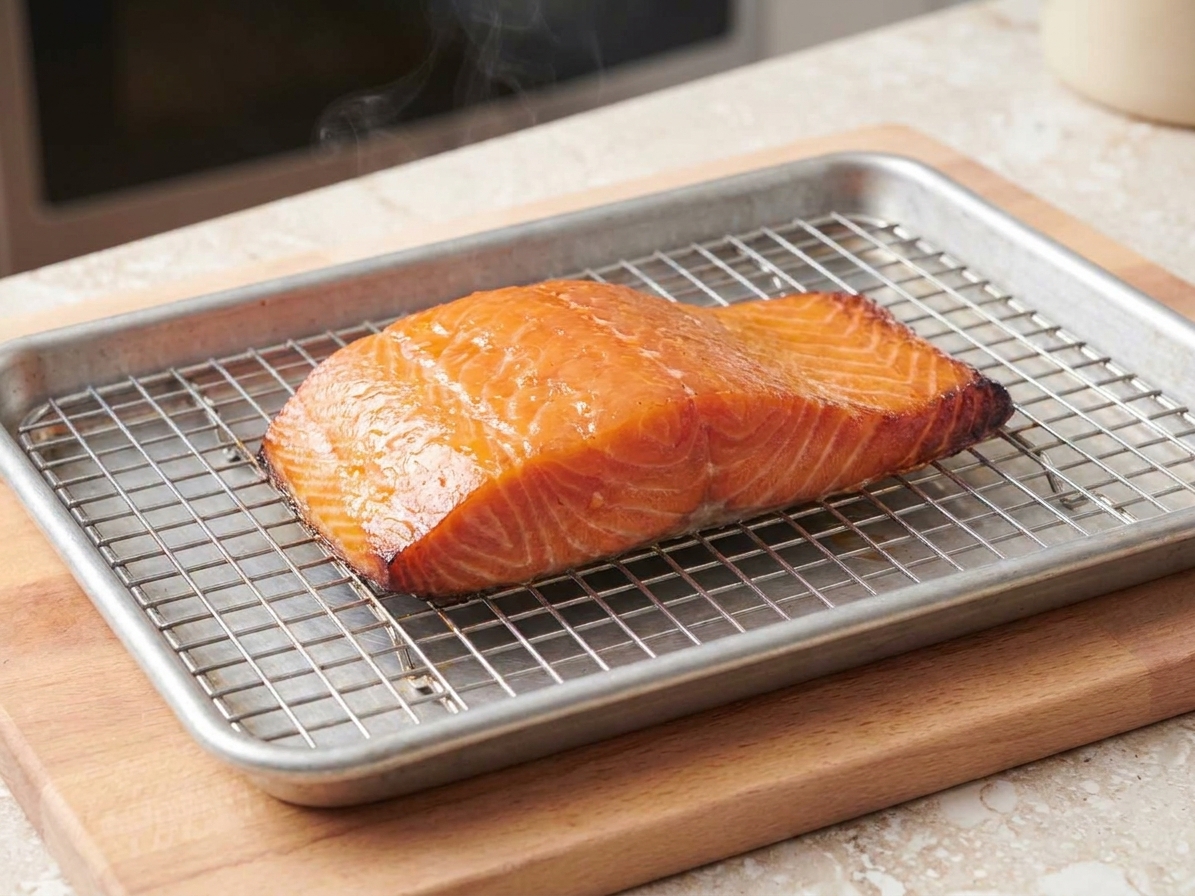
For hot-smoked salmon, 145°F is the standard “fully cooked” target. That said, many people pull salmon in the 135°F to 140°F range for a softer, moister texture. If you choose the lower end, do it with very fresh fish, clean handling, and a properly preheated smoker, and understand you are choosing texture over the standard guideline.
Can I add maple syrup, honey, or soy sauce?
Yes. Swap part of the sugar for maple syrup or honey, or replace 1/2 cup of the water with low-sodium soy sauce for a deeper savory note. You can go up to 1 cup soy sauce swap if you like it punchier, but keep in mind soy sauce adds salt.
Do not add extra salt when you add soy sauce. Keep the total liquid the same.
What kind of salmon works best?
Any salmon works, but thickness drives timing. King (Chinook) and farmed Atlantic are fattier and stay juicy. Sockeye is leaner and can dry faster, so keep an eye on temperature and consider smoking closer to 180°F to 200°F rather than blasting the heat. Skin-on makes the whole process easier.
For the most even results, choose portions that are a similar thickness so the thin tail does not overcook while the center catches up.