Mom's Best Recipes
Recipe

Soft Homemade Chapati

Tender, warm chapati with cozy wheat flavor, flexible edges, and that satisfying puff when the heat hits just right.

Author By Matt Campbell
4.8 (214)
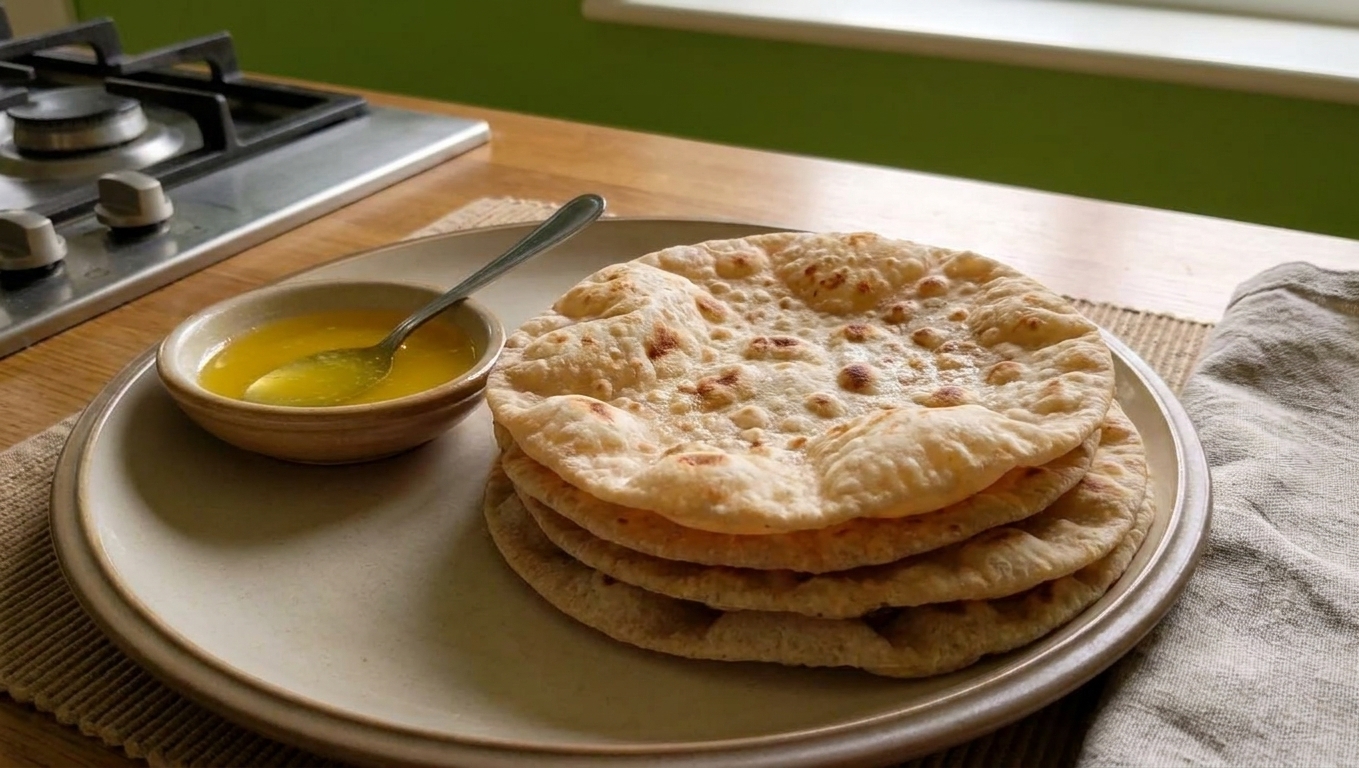
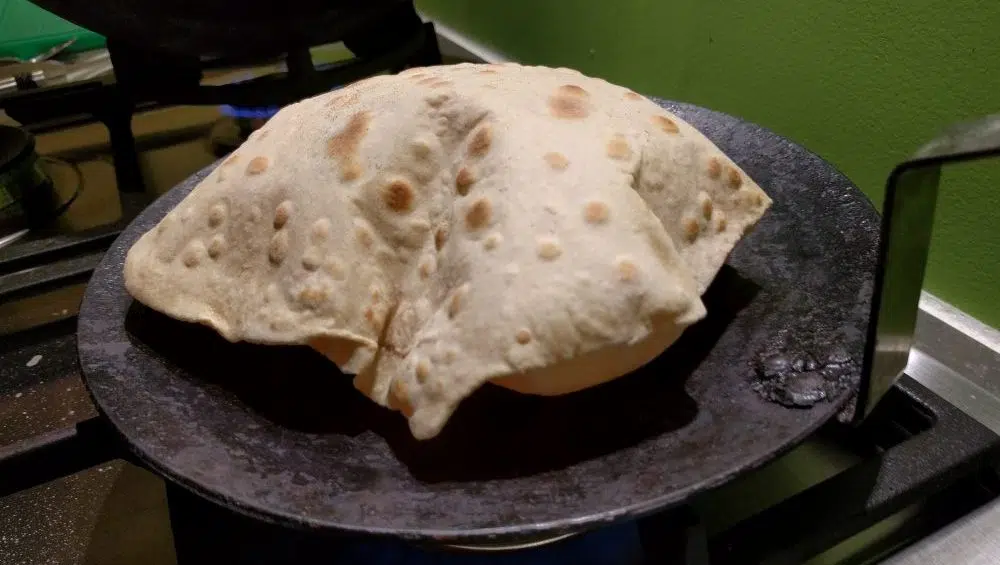
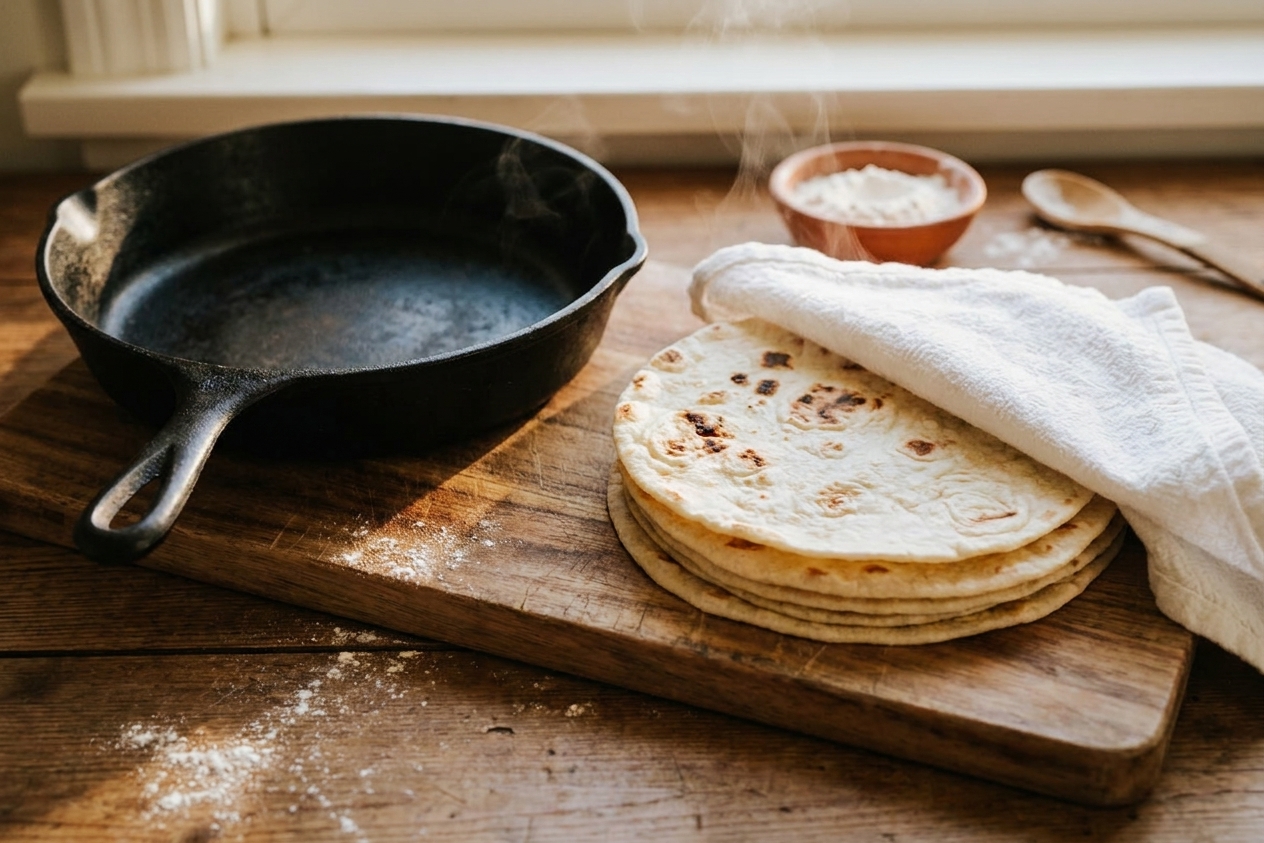
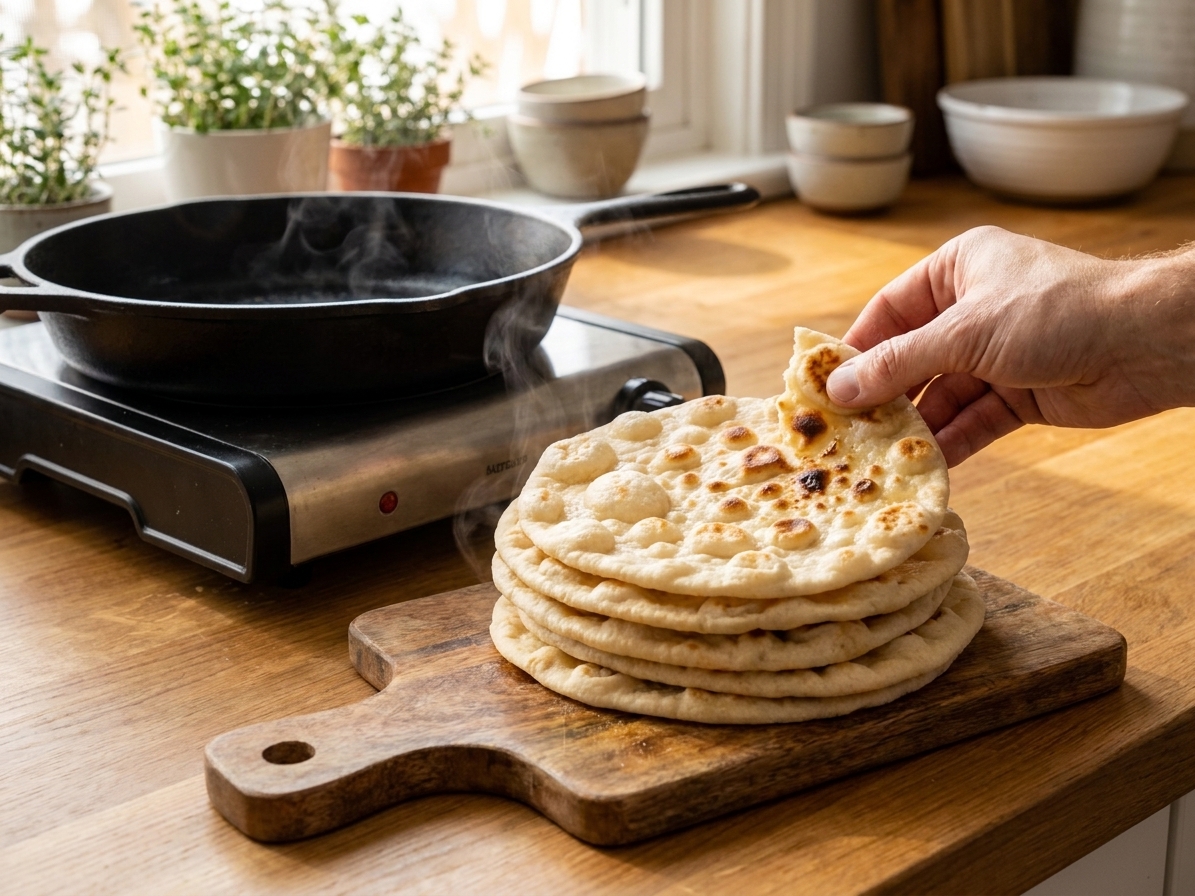
A stack of fresh chapati on a plate beside a hot tawa on a home stove, with one chapati puffed and lightly blistered

Chapati is one of those daily staples that looks almost too simple to be special. Then you make a batch that is actually soft, warm, and flexible, and suddenly you are tearing off pieces straight off the plate like it is your new favorite habit.

My vibe with chapati is: minimal ingredients, maximum payoff. No mystery. Just a good dough, a short rest, the right heat, and a few tiny habits that make a huge difference, like covering cooked chapatis so they steam themselves tender.
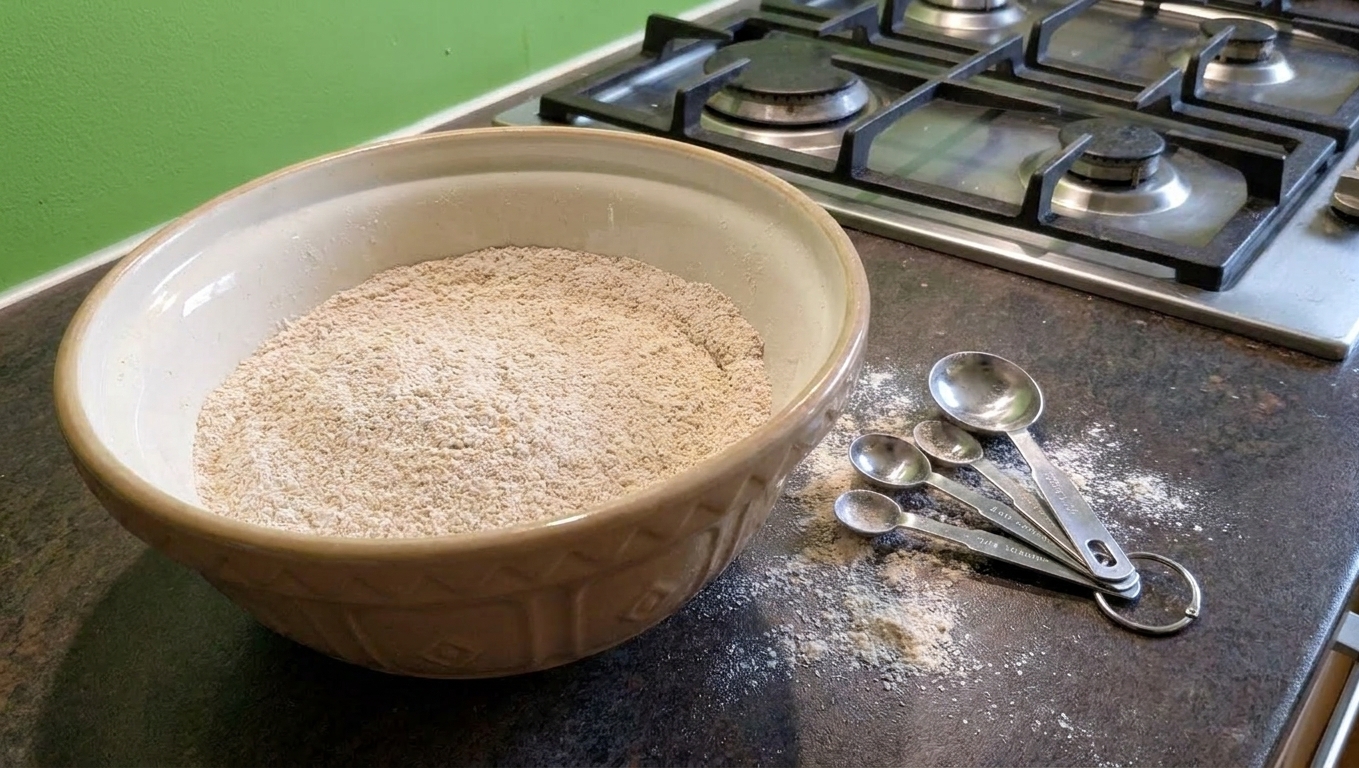
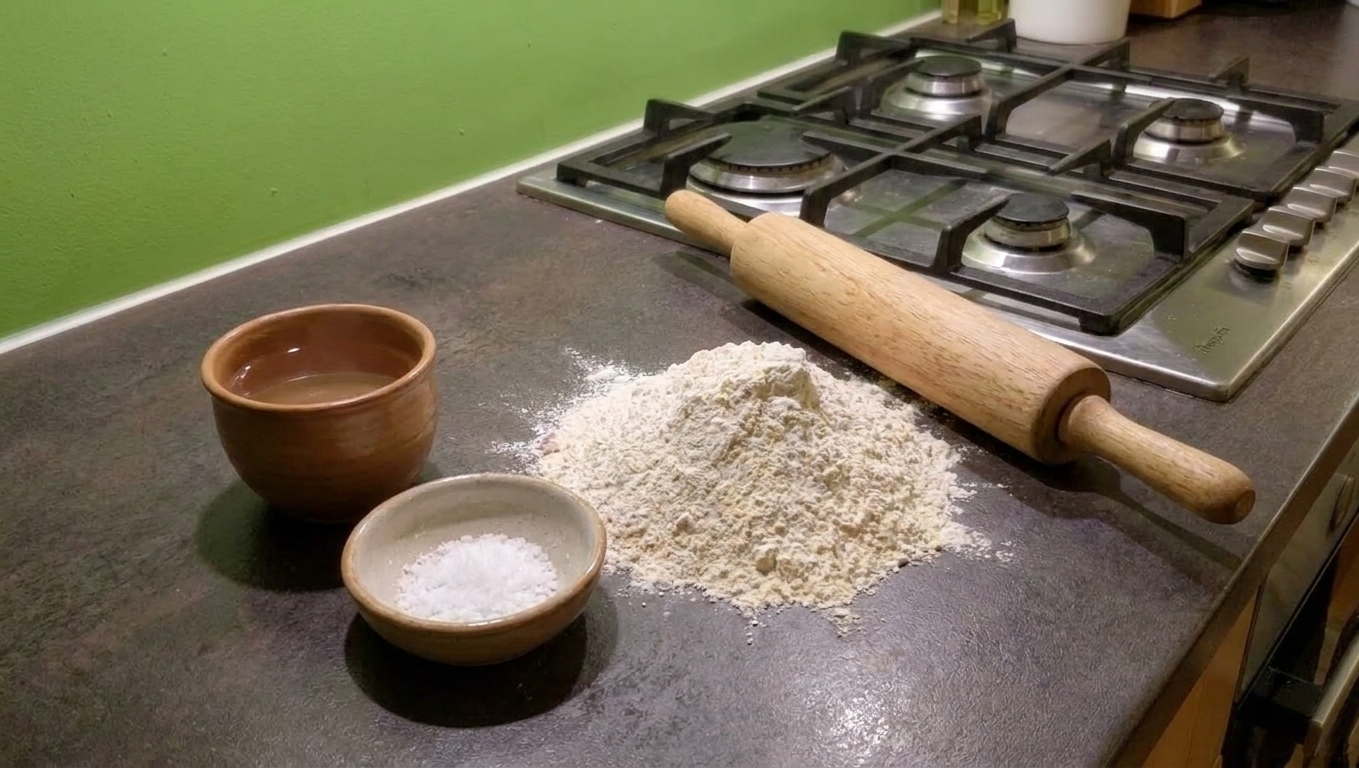
A bowl of whole wheat atta flour on a clean kitchen counter with measuring spoons nearby

This recipe is written for regular home kitchens. If you have a skillet and a rolling pin, you are in business. If you do not have a rolling pin, I have used a wine bottle. Zero shame.

Why It Works

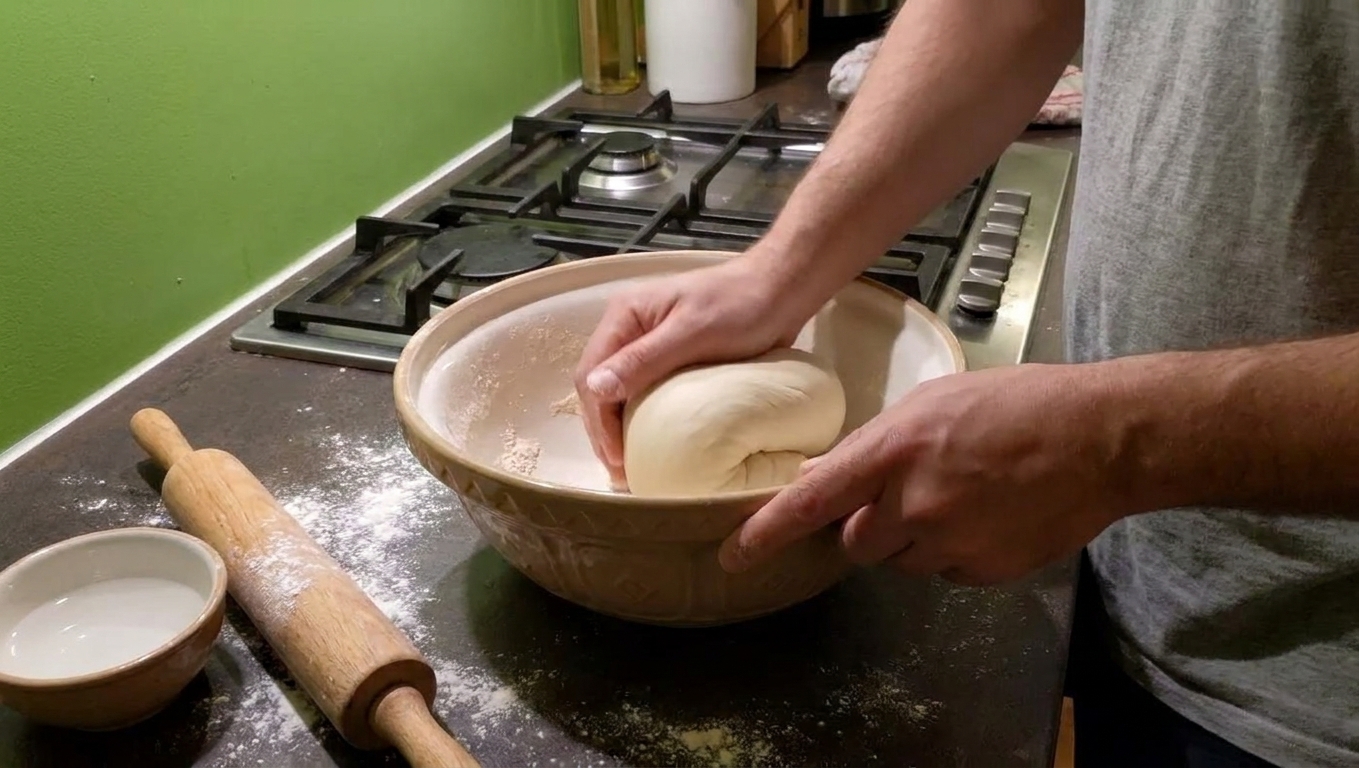
  • Soft texture: A slightly moist dough plus a short rest helps the flour fully hydrate and the dough relax, so the chapati rolls thin without fighting you.
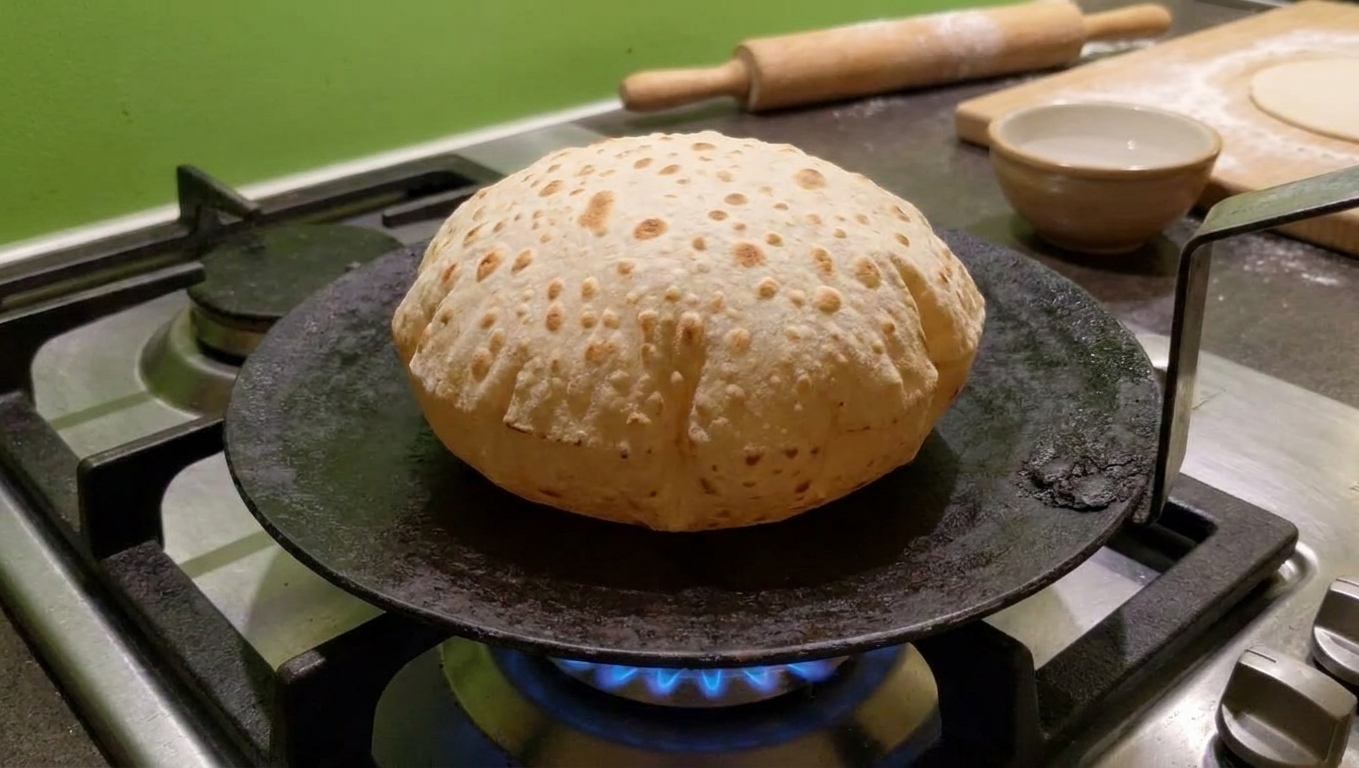
  • Better puffing: High, steady heat plus a quick flip schedule builds steam inside the bread so it balloons.
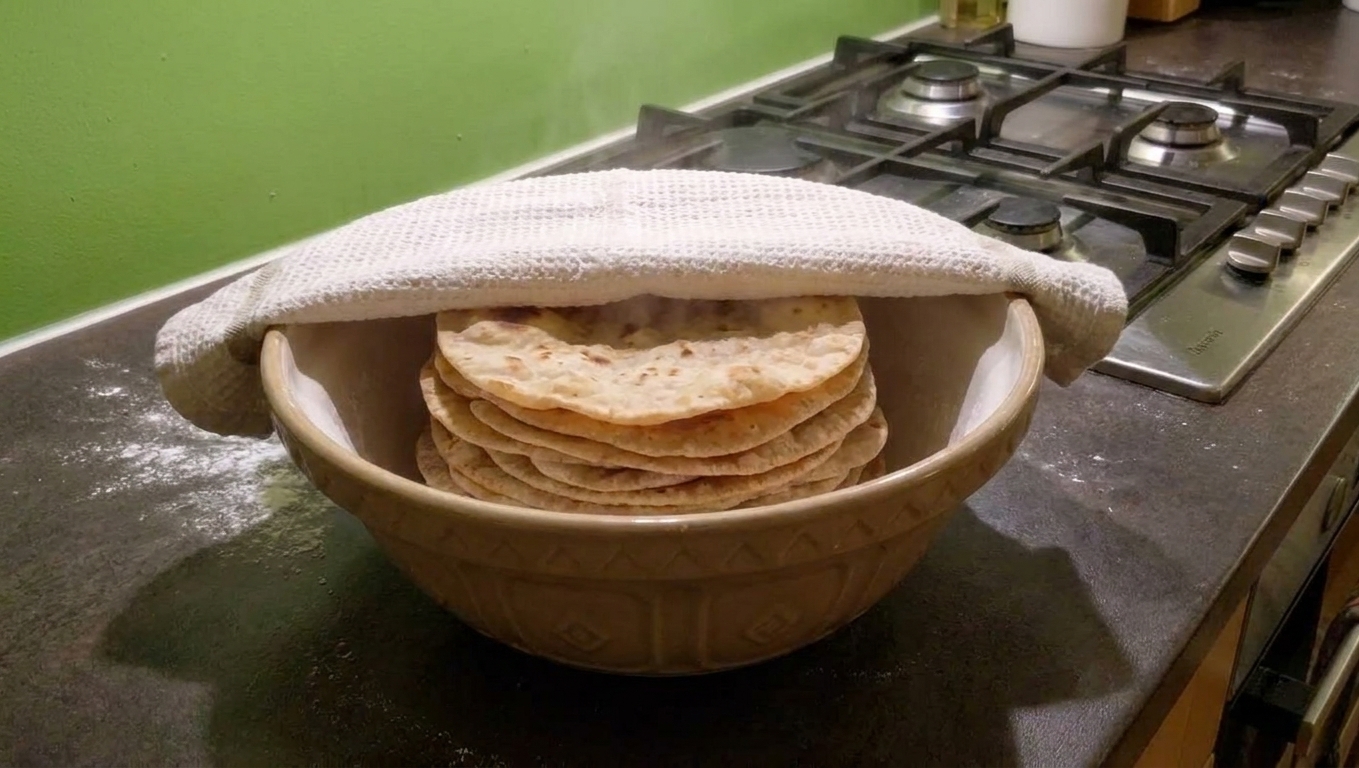
  • Warm and pliable: Keeping finished chapatis covered traps a little steam, which is basically nature’s softener.
  • Accessible ingredients: Atta is ideal, but you have backup options if you only have whole wheat flour.
Freshly cooked chapatis stacked in a bowl and covered with a clean kitchen towel to keep them warm and soft

Pairs Well With

Storage Tips

Same day (best quality): Keep chapatis wrapped in a clean towel in a covered container at room temperature for up to 6 to 8 hours for the softest texture. If you follow strict food-safety rules in your kitchen, use your site’s room-temperature holding standard.

Refrigerator (up to 3 days): Cool completely, then store in an airtight container or zip bag. Reheat on a hot skillet 15 to 30 seconds per side, or microwave wrapped in a barely damp paper towel for 10 to 20 seconds.

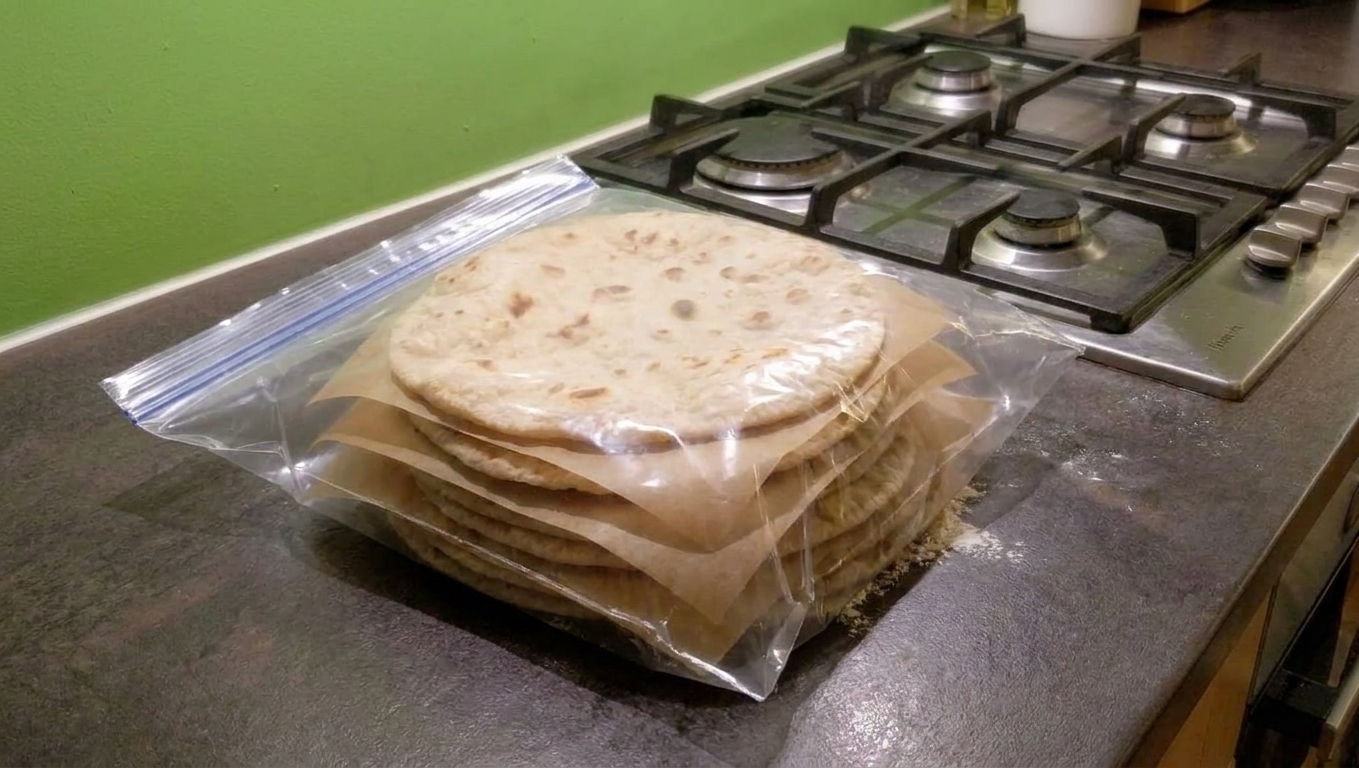
Freezer (best quality up to 2 months): Stack with parchment between chapatis, seal tightly, freeze. Reheat from frozen on a medium-hot skillet, flipping until warmed through and flexible.

Chapatis stacked with parchment paper between them inside a resealable freezer bag on a kitchen counter

Common Questions

What is the difference between chapati and roti?

In many homes, people use the words interchangeably. Technically, roti is the broader category (flatbread), and chapati is a specific type of roti made from whole wheat flour (atta) and cooked on a flat griddle (tawa) without oil.

Do I need atta, or can I use whole wheat flour?

Atta (often labeled “chapati flour”) is milled differently than typical American whole wheat flour and tends to make softer chapatis. You can use regular whole wheat flour. If your chapati feels a little stiff, add an extra teaspoon or two of water while kneading and be sure to rest the dough so the flour hydrates fully.

Why are my chapatis hard?

Common culprits are too little water, not enough dough rest, too much flour while rolling, or cooking too long on low heat. Also, leaving cooked chapatis uncovered makes them dry out fast. Cover them immediately.

Why won’t my chapati puff?

Puffing needs steam trapped inside. Roll evenly (no thick center), cook on a properly hot tawa, and follow the quick flip schedule. If it still will not puff, do not panic. It can still be soft and delicious.

Can I add oil or ghee to the dough?

Yes. A teaspoon or two of oil or ghee can make the dough feel more supple and the chapati slightly softer. Traditional everyday chapati is often just flour, water, and salt.

Can I puff chapati over an open flame?

If you have a gas stove, you can move the chapati to the open flame for a few seconds after the second flip to encourage puffing. Use tongs and keep it moving so it does not burn, and be careful of sudden steam when it balloons.

I used to think chapati was one of those things you either grew up making or you just bought and moved on. Then I tried it at home and realized it is basically the perfect “I need bread right now” project. The first time I got one to puff, I did a full victory lap around my kitchen holding a ballooned chapati like it was a trophy. Now it is my go-to side when dinner feels incomplete, which is most nights.